Sustainable Tech-Core: Integrating Bio-Synthetic Fabrics into 2027 Minimalist Capsules

As we navigate the sophisticated landscape of 2026, the intersection of high-performance engineering and conscious elegance has redefined luxury. At [Nailosmetic](https://nailosmetic.com/), we believe that true refinement is no longer just about aesthetics; it is about the architecture of what we wear. The ‘Sustainable Tech-Core’ movement represents a seismic shift in how we approach the minimalist capsule wardrobe, moving away from fast-fashion obsolescence toward durable, bio-synthetic ingenuity. By integrating cutting-edge materials—from regenerative mushroom mycelium to laboratory-grown proteins—we are crafting a future where your closet acts as a carbon-sequestering vault. This guide explores the definitive integration of bio-synthetic fabrics into your 2027 capsule, ensuring your style remains as timeless as it is technologically advanced. Welcome to the era of intelligent sartorialism, where every fiber serves a purpose and every garment tells a story of innovation and environmental stewardship.
The Rise of Tech-Core: Defining the New Minimalist Standard
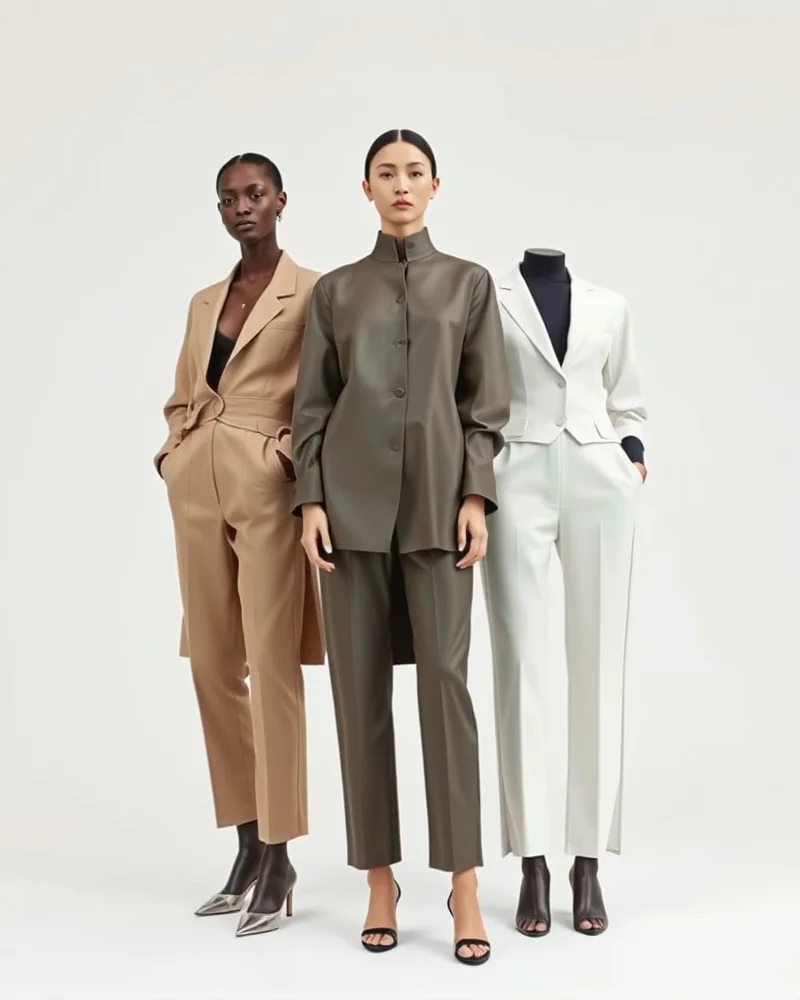
The transition from traditional minimalism to Tech-Core represents a fundamental evolution in how we conceive our daily wardrobe. While classic minimalism focused primarily on aesthetic restraint and color palettes, Tech-Core introduces an uncompromising layer of performance. We are moving toward a reality where your clothing acts as an extension of your environment. This shift prioritizes smart engineering that allows garments to maintain sharp, architectural silhouettes while offering capabilities that were previously reserved for high-performance athletic gear. By utilizing bio-synthetic fabrics, we ensure that a structured blazer or a streamlined trouser does not lose its form after a commute or a long day of travel. The new standard hinges on hyper-durability, meaning these pieces resist fraying, water damage, and color fading over years of consistent wear. Furthermore, climate-adaptive technology serves as the backbone of this movement. Fabrics now respond to heat and humidity by expanding or contracting their weave to regulate body temperature. This level of functionality eliminates the need for seasonal overconsumption, as a single, well-engineered piece can now thrive in varied conditions. For the modern capsule enthusiast, this means investing in high-yield items that provide maximum utility without cluttering the aesthetic. When building your Tech-Core collection, look for integrated seam-welding techniques that replace bulky stitching, as these provide a cleaner profile while increasing structural integrity. Pro-tip: focus on modular pieces that incorporate hidden magnetic closures or laser-cut hems to achieve that signature minimalist finish while benefiting from cutting-edge material science.
Material Science: The Anatomy of Bio-Synthetic Fibers
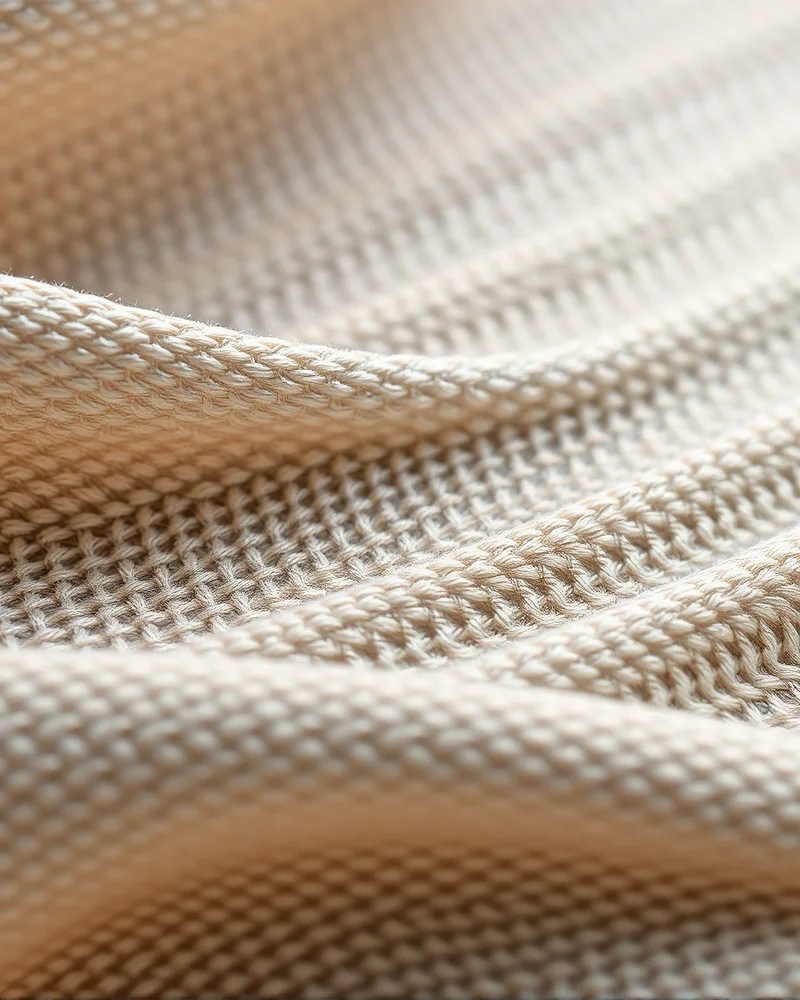
Material science is evolving beyond crude petroleum derivatives. For the 2027 minimalist wardrobe, we rely on bio-synthetic fibers that engineer structural integrity at the molecular level. These materials merge organic polymers with precision synthetic cross-linking to create fabrics that perform better than legacy polyesters while remaining earth-friendly.
Traditional synthetics like virgin nylon rely on energy-intensive cracking processes that often result in rigid, non-breathable weaves. In contrast, our bio-synthetic alternatives utilize lab-grown protein chains fused with recycled carbon capture polymers. The result is a textile that maintains the sleek, matte aesthetic required for minimalist design while offering superior active management of moisture and heat.
| Feature | Traditional Synthetic (Nylon/Polyester) | Bio-Synthetic (2027 Tech-Core) |
|---|---|---|
| Moisture Control | Surface level wicking | Capillary-action thermal regulation |
| Thermal Profile | Heat retention without flow | Biomimetic heat dissipation |
| Environmental Impact | High carbon footprint | Carbon-negative polymer base |
| Texture Aesthetic | Plastic sheen | Luxury matte organic finish |
Engineering these fibers involves precise molecular bonding. We replicate the hydrophobic properties of lotus leaves by applying microscopic surface textures to bio-polymers. This prevents water saturation without the need for toxic perfluorinated coatings. For thermal regulation, we integrate phase change materials directly into the fiber core. This allows the fabric to absorb excess heat when your body temperature rises and release it during cooler intervals. Pro-tip: when curating your capsule, look for items that utilize high-tenacity bio-nylon, as this ensures your minimalist staples maintain their crisp silhouette for years rather than months.
Mylo Leather and the Future of Luxury Durability
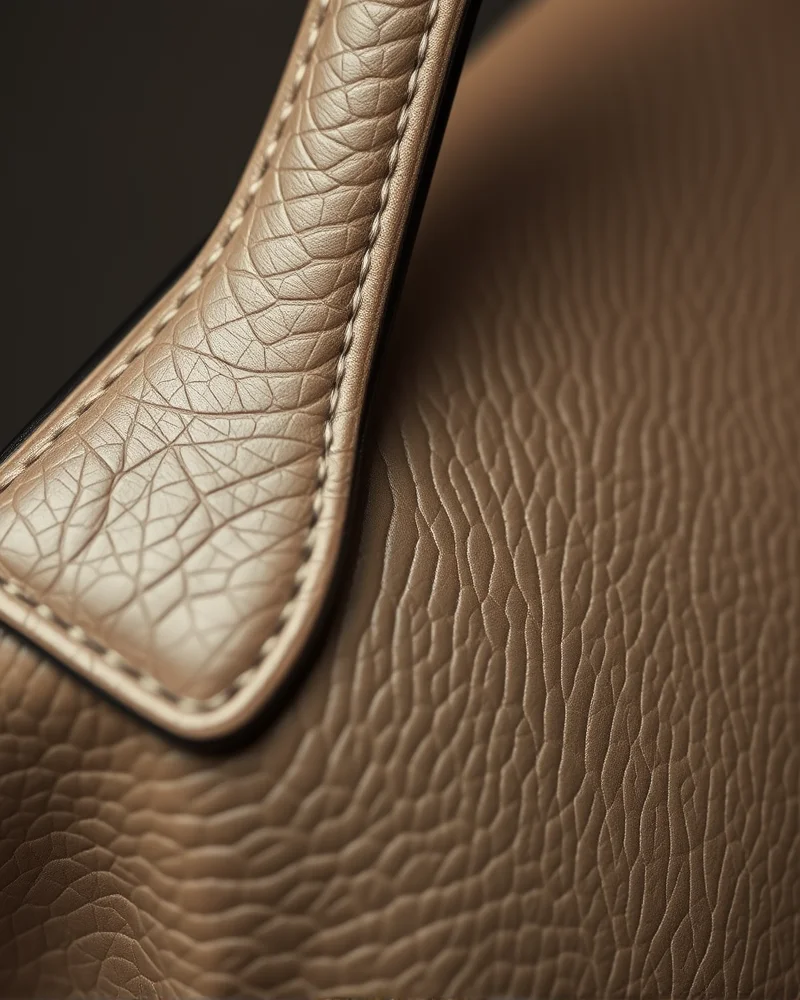
Mylo leather stands as the definitive benchmark for luxury accessories in 2027. Crafted from mycelium, the root structure of mushrooms, this material mirrors the intricate collagen network found in bovine hides. Designers favor Mylo because it offers the same supple hand-feel and structural integrity as traditional leather without the environmental toll of industrial ranching. Its ability to take on dyes and surface textures allows for the clean, sharp lines essential to the minimalist tech-core aesthetic.
Beyond its tactile excellence, Mylo provides a superior biodegradability profile that synthetic alternatives simply cannot match. While petroleum-based faux leathers persist in landfills for centuries, Mylo breaks down under controlled composting conditions into nutrient-rich organic matter. This circular life cycle aligns perfectly with the zero-waste mandates of modern high-fashion houses.
When integrating Mylo into your capsule wardrobe, treat it with the same care as heritage calfskin. For optimal longevity, use a mild, pH-neutral cream to maintain its elasticity, and avoid prolonged exposure to direct UV light. Its resilience against moisture and abrasion makes it a practical choice for everyday carry bags or modular tech sleeves. By adopting this bio-synthetic standard, you are not just selecting a fabric. You are investing in a future where luxury production restores, rather than depletes, the planetary ecosystem.
Spider Silk: Nature’s High-Performance Protein Fiber
- Precision Engineering: Modern lab-grown spider silk is produced through fermentation. Scientists insert spider DNA sequences into yeast or bacteria, which then synthesize protein polymers. These proteins are spun into high-performance fibers that mimic the molecular structure of natural webs without harming a single arachnid.
- Unmatched Tensile Strength: This bio-synthetic fiber is significantly stronger than steel by weight. Its ability to absorb energy makes it the ideal candidate for the modern minimalist wardrobe, providing structural integrity in garments that remain incredibly light and fluid.
- Replacing Petroleum Polymers: By 2027, spider silk has effectively displaced traditional nylons and polyesters. Unlike petroleum-based synthetics that rely on fossil fuels and shed microplastics, these bio-engineered proteins are fully biodegradable, aligning perfectly with the latest spring outfits women guide for environmentally conscious fashion.
- Breathable Luxury: The primary advantage for the tech-core aesthetic is superior thermoregulation. Spider silk fibers naturally wick moisture and adjust to the wearer’s body temperature. This makes them perfect for layered luxury wear that maintains a clean, minimalist silhouette while providing comfort in varying climates.
- Pro-Tip for Longevity: When investing in spider silk garments, treat them with mild, pH-neutral detergents. While the fiber is chemically robust, preserving the protein integrity ensures the fabric maintains its signature sheen and shape-retention properties for years.
Structuring Your 2027 Capsule: A Strategic Framework

Building a 15-item capsule for 2027 requires moving away from trend cycles and toward a system of high-performance interoperability. By choosing bio-synthetic textiles, you are selecting garments designed for longevity rather than temporary aesthetic appeal. This framework focuses on monochromatic tech-tones like slate gray, raw mycelium white, and obsidian black to ensure every piece works in harmony.
- The Foundation: Select five base layers made from bio-engineered spider silk or algae-based viscose. These act as your second skin, offering thermal regulation and moisture management.
- The Utility Layer: Choose three structural pieces, such as a tailored blazer or utility trousers crafted from Mylo leather. These serve as the primary visual anchors of your wardrobe.
- The Performance Shield: Incorporate three outerwear garments using carbon-neutral bio-polymers. These pieces should be waterproof and wind-resistant to handle varying climates without the need for additional seasonal items.
- The Footwear and Accessories: Limit yourself to four items, including two pairs of modular, bio-synthetic sneakers and two essential bags. These should mirror the monochromatic palette to maintain clean visual lines.
When calculating your cost-per-wear, view these items as hardware rather than disposable fashion. A 500 dollar bio-synthetic jacket that lasts five years of daily, heavy use costs less than 30 cents per wear. Compare this to traditional fast fashion that loses shape after five washes. Investing in high-tech bio-fabrics is not just a sustainability choice. It is a strategic financial decision that minimizes closet clutter while maximizing daily functionality. Pro-tip: Prioritize garments with modular components like detachable collars or adjustable straps to further increase the utility of each item.
Circular Fashion: Longevity Through Molecular Integrity
True circularity in fashion requires us to look past the superficial appeal of recycled polyester and focus on molecular integrity. By 2027, our approach to Tech-Core revolves around materials that possess a programmable end of life. These bio-synthetic fibers are engineered with molecular markers that respond to specific enzymatic triggers, allowing us to break down a garment into its base monomers without losing quality during the recycling process. This process ensures that the raw material does not degrade like traditional mechanical recycling often forces it to do. When a piece reaches the end of its functional lifespan, it is returned to a specialized facility where it is reconstituted into virgin quality yarn, effectively closing the loop on our production cycle.Our commitment to zero waste starts at the cutting table. We utilize precision 3D knitting and ultrasonic welding to assemble garments, which eliminates the fabric scraps that typically plague the garment industry. By focusing on modularity, we allow users to replace specific panels or components rather than discarding an entire item. This design strategy serves as the backbone of our circular economy goals. To extend the life of your own pieces, consider the following maintenance protocols:- Store Tech-Core items in temperature-controlled environments to preserve the molecular stability of the protein-based fibers.
- Utilize neutral, enzyme-free detergents to avoid premature breakdown of the material bonds.
- Participate in the Nailosmetic take-back program to ensure your worn items are processed via chemical recycling rather than ending up in a landfill.
Frequently Asked Questions: Mastering Tech-Core
Frequently Asked Questions: Mastering Tech-Core
- How should I care for bio-synthetic garments to preserve their structure?
- Treat these pieces with the same precision as high-performance athletic gear. Wash them in cold water on a delicate cycle using a pH-neutral, biodegradable detergent. Avoid fabric softeners, as they leave residues that compromise the moisture-wicking capabilities of engineered fibers. Always air dry flat to maintain molecular integrity, and skip the iron entirely; the inherent elasticity of these fabrics ensures they return to their original form after hanging.
- Are bio-synthetic items a higher financial investment?
- While the upfront cost is higher than fast fashion, the price reflects the proprietary bio-fabrication processes involved. You are paying for longevity and reduced environmental impact. These pieces are designed to last five times longer than standard cotton or polyester blends, effectively lowering your cost per wear over several years. Think of these items as essential infrastructure for your wardrobe.
- How do these materials perform in extreme weather conditions?
- Bio-synthetics excel in versatility. Many of these fibers are thermoregulating by design. In heat, the porous structure promotes airflow and rapid evaporation. In cold environments, the tight molecular density traps body heat efficiently without adding bulk. For extreme conditions, we recommend layering a base of spider silk-infused protein fiber under a Mylo leather outer shell. This combination creates a natural thermal barrier that is both breathable and windproof.
As we transition into 2027, the marriage of bio-synthetic innovation and minimalist aesthetics is no longer an optional upgrade—it is the baseline for the modern, conscientious individual. By prioritizing quality, circularity, and advanced material science, you aren’t just curating a wardrobe; you are participating in a global movement toward sustainable, high-performance living. Invest in the science of your future.