7 Dreamy Watercolor Nail Art Designs You Need to Try This Season

The world of luxury manicures has shifted away from sharp, graphic lines toward something much more fluid, romantic, and undeniably soft. Watercolor nail art captures the essence of a painter’s canvas, utilizing translucent layers of polish to create depth, movement, and a dreamy finish that feels like wearable art. This trend is perfect for those who want a sophisticated look that breaks away from the monotony of solid colors or standard French tips. Whether you are aiming for a subtle, ethereal vibe or a bold, abstract masterpiece, the beauty of the watercolor technique lies in its unpredictable, organic nature that ensures no two manicures are ever exactly alike.
Mastering this technique requires a mix of patience and the right tools to ensure the colors bleed seamlessly without becoming muddy. By diffusing pigments with clear base coats or acetone, you can achieve that characteristic stained-glass effect that elevates your style. If you are just beginning your journey into intricate nail designs, it is helpful to consult our nail art designs ultimate guide to familiarize yourself with foundational tools and preparation methods. Embracing the watercolor trend allows for endless creativity, making it a staple for anyone looking to express their unique sense of fashion through their fingertips.
Why is watercolor nail art the top trend for spring?
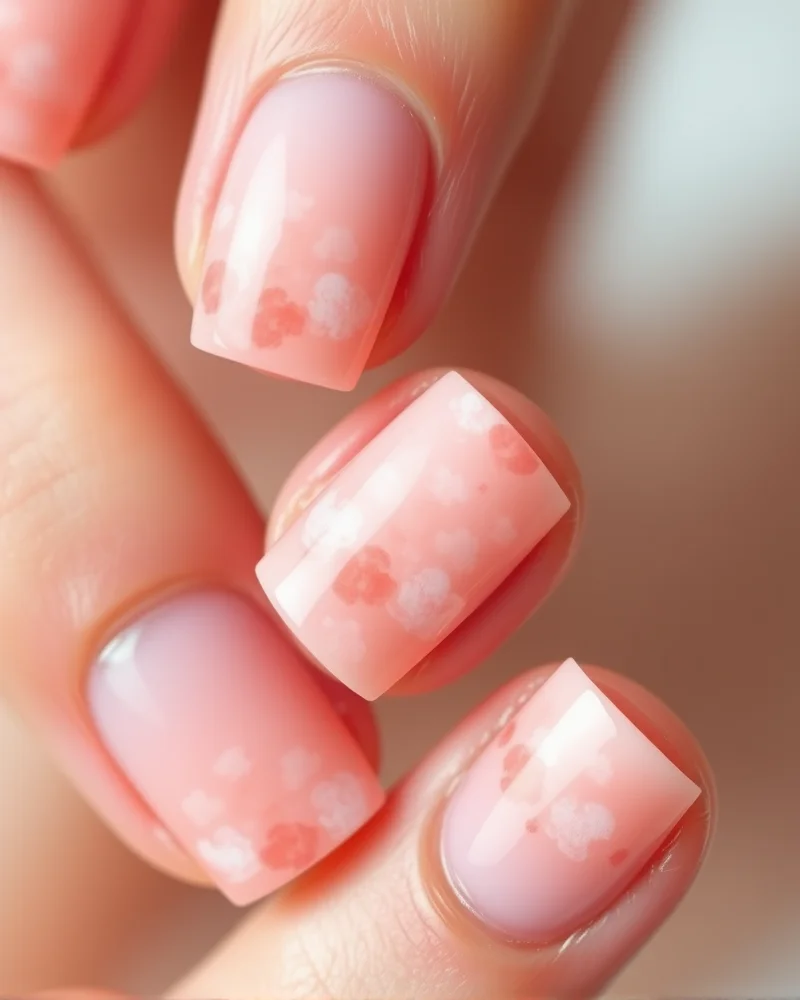
The ethereal nature of watercolor designs makes them an automatic favorite as the seasons transition toward light, airy aesthetics. According to experts at Vogue, the ‘soft-focus’ trend is dominating the runways because it provides a whimsical alternative to the high-contrast manicures of previous years. Watercolor nails mimic the look of natural minerals or pressed flower petals, providing a feminine aesthetic that feels effortless. Because the pigments are applied in translucent layers, they create an optical illusion of depth that standard opaque polishes cannot replicate. It is the ultimate choice for a sophisticated, yet playful look that catches the light beautifully in natural sunlight.
The Ethereal Ocean Swirl
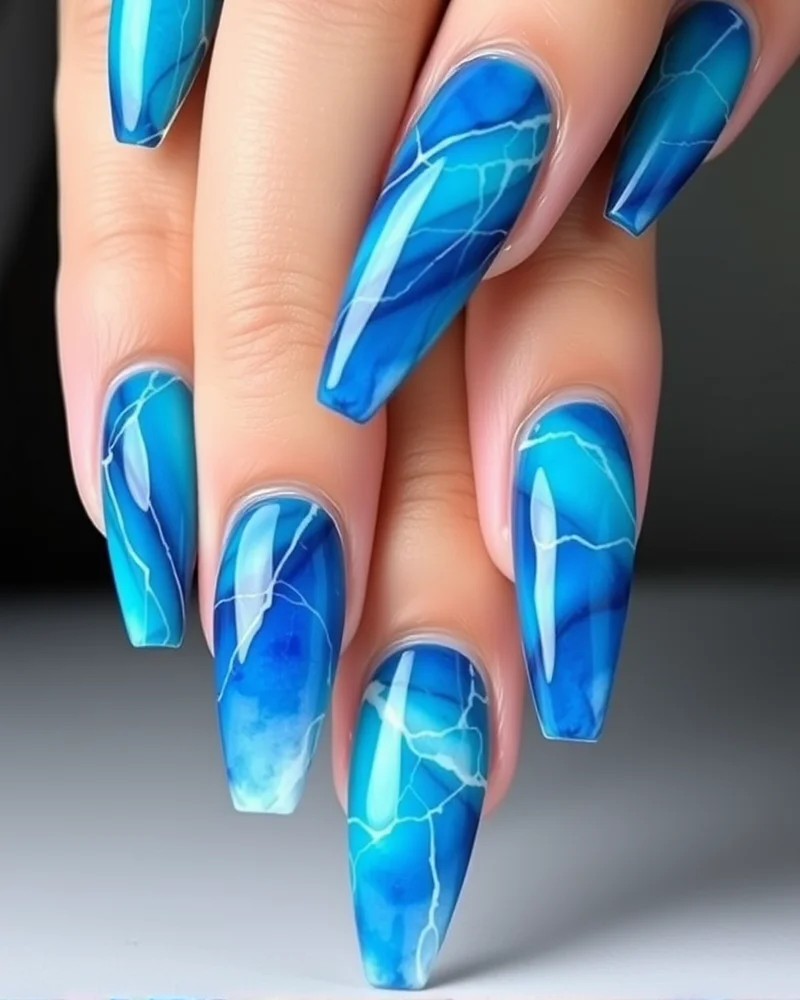
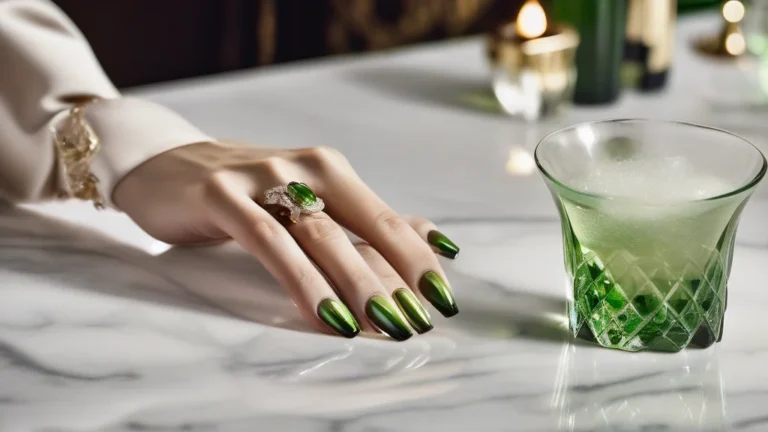
When you want to make a statement, the ocean swirl watercolor technique is the gold standard for high-fashion aesthetics. By incorporating various shades of blue and emerald, you can create a look that feels like a deep-sea dream. As highlighted by Byrdie, the key to this look is maintaining the transparency of the polish so the colors don’t overlap too aggressively. This style is surprisingly versatile and can be elevated even further by opting for a bio-adaptive UV reactive manicure, which allows the watercolor swirls to change color intensity depending on your exposure to sunlight, adding a layer of technology to the art.
Can you combine gold foil with watercolor art?
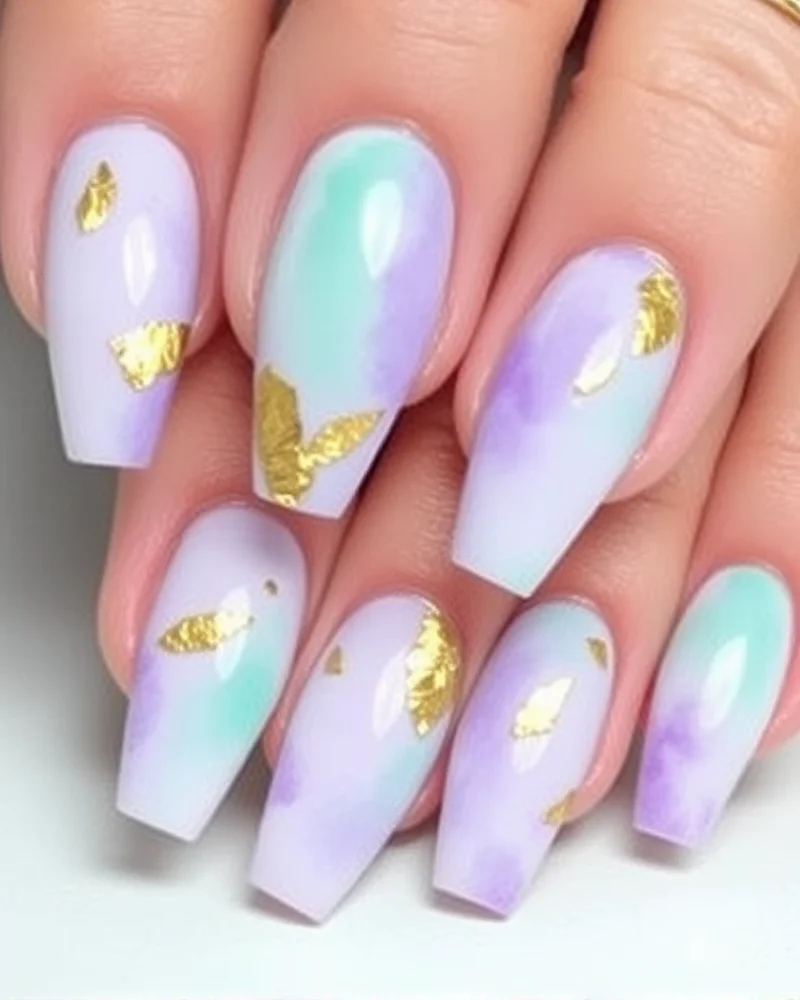
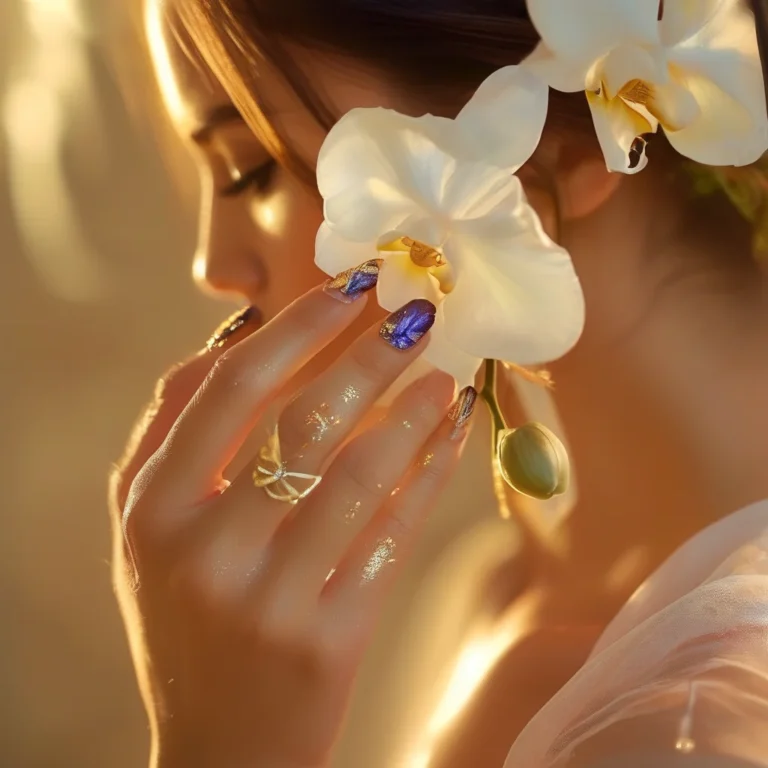
Combining the fluid, chaotic nature of watercolor with the rigid, opulent texture of gold leaf is the ultimate luxury manicure hack. The contrast between the soft pigment diffusion and the sharp, metallic edges of the gold creates a dimension that is visually striking. When designing these, think of the watercolor as the background ‘mist’ and the gold leaf as the focal light reflection points. It creates a ‘gilded cloud’ effect that is perfect for formal events or evening wear. This design requires careful placement of the foil to ensure it doesn’t cover too much of the hard work you put into your color blending.
Sunset Gradient Blending
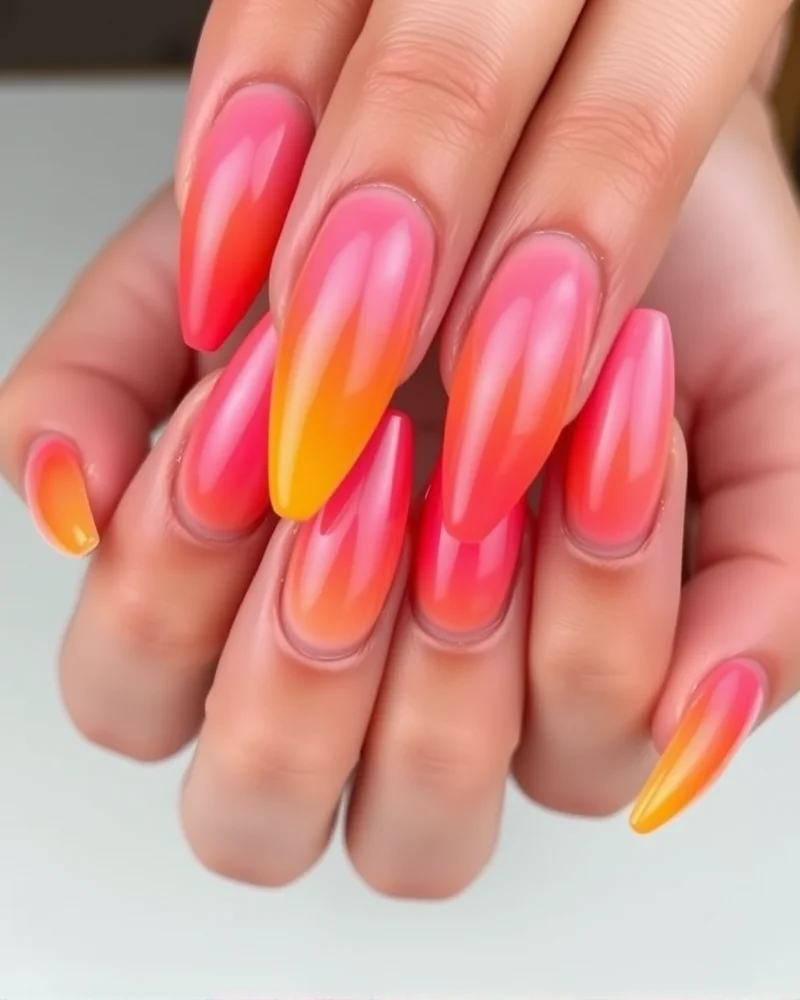
Sunset gradients are the quintessential summer iteration of the watercolor technique. By mastering the art of blending, you can create a seamless transition that looks like a miniature canvas of the evening sky. For those who want to ensure their manicure stays fresh through all the summer activities, you might consider scheduling these for a mothers day nails appointment if you want a gift-worthy, artistic look. The secret to a perfect sunset gradient is working with colors that share an undertone; this prevents the center of your nails from turning into a muddy brown, which is a common pitfall for beginners attempting this specific, high-contrast look.
Is matte finish better for watercolor nails?
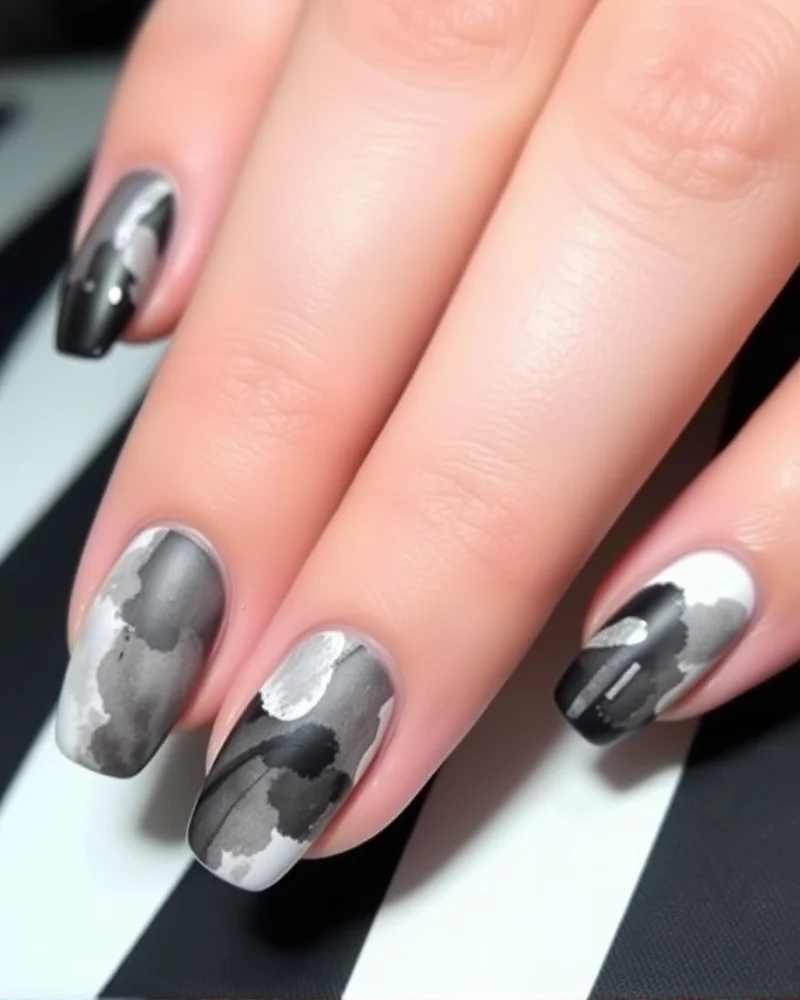
While high-gloss is the default for many, a matte finish can transform your watercolor manicure into a piece of fine art. According to Allure, the matte finish absorbs light rather than reflecting it, which allows the intricate, ink-like details of the watercolor to pop with incredible clarity. This look is particularly chic in monochrome palettes—think shades of charcoal, slate, and bone. It gives the nails a textured, tactile appearance that feels more sophisticated and ‘clean girl’ than the traditional shiny manicure. If you prefer a more minimalist aesthetic, the matte finish creates a softer, less ‘busy’ look that pairs perfectly with tailored outfits and everyday jewelry.
The Abstract Ink Blot
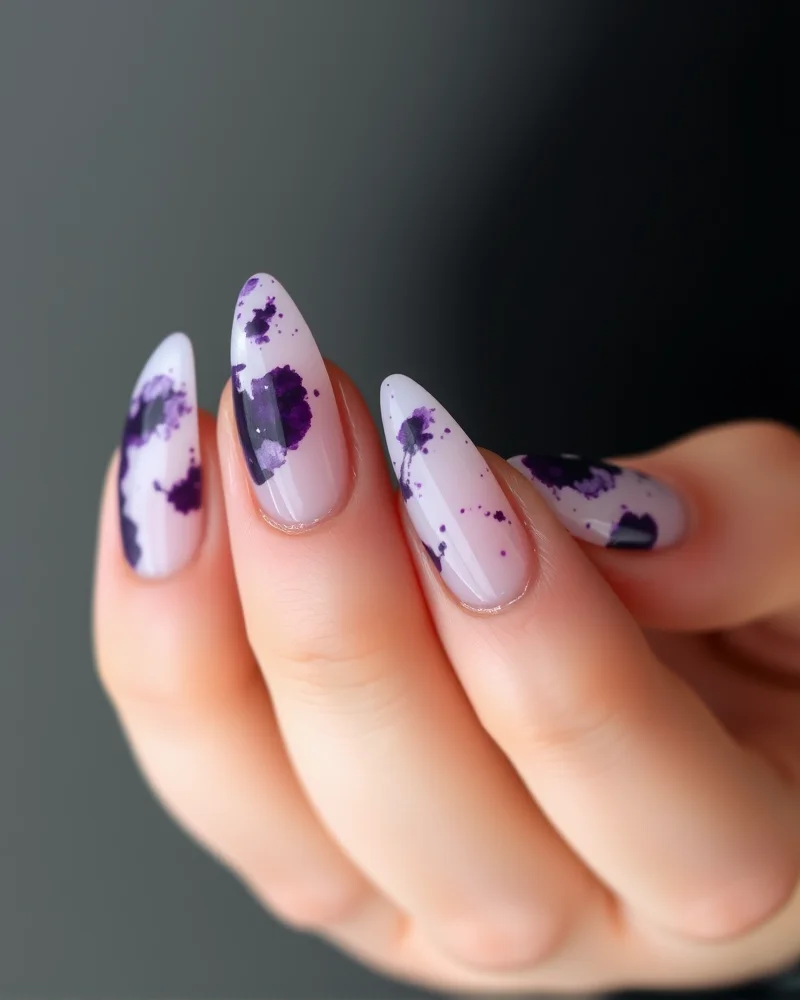
Abstract ink blots are for the bold. Unlike traditional gradients, this technique focuses on isolated ‘splashes’ of color, leaving negative space to keep the manicure from feeling overcrowded. It is a very editorial style that demands attention without being overtly ‘cute’. Because the watercolor is concentrated in certain areas, you can play with density, making some parts of the ‘blot’ opaque while keeping the edges faded and sheer. It is an excellent way to wear complex art while keeping the overall aesthetic clean and modern. This design works exceptionally well on longer nails, where you have more room to experiment with the placement of these artistic, irregular shapes.
Pastel Dreamscape Art
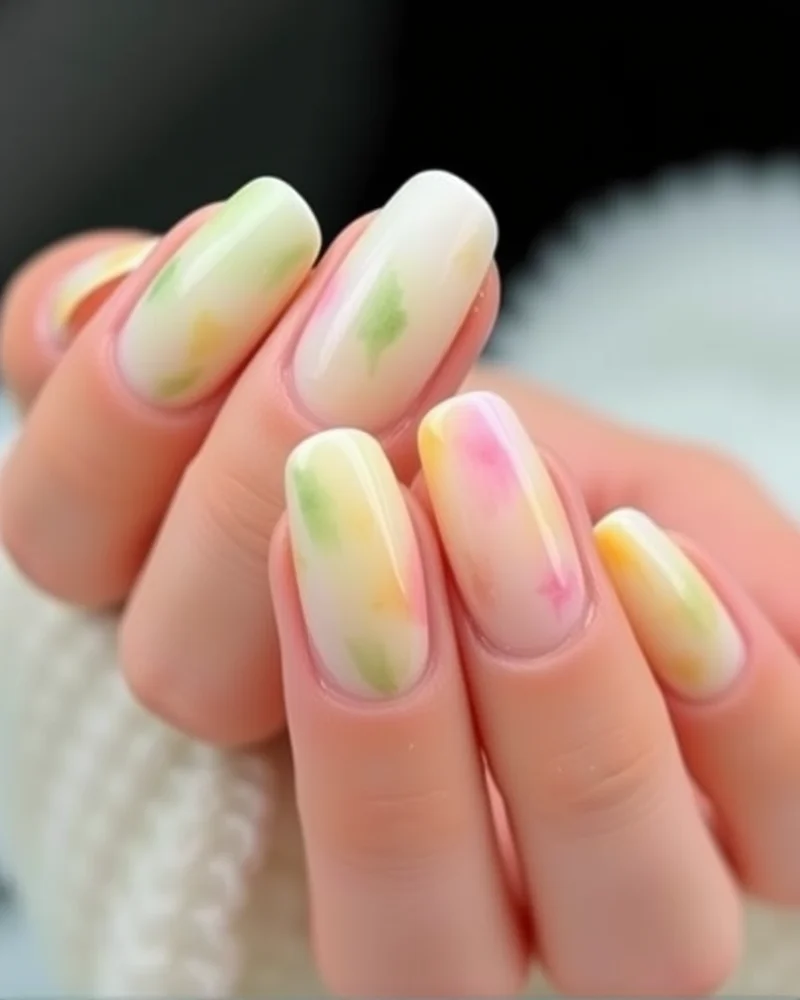
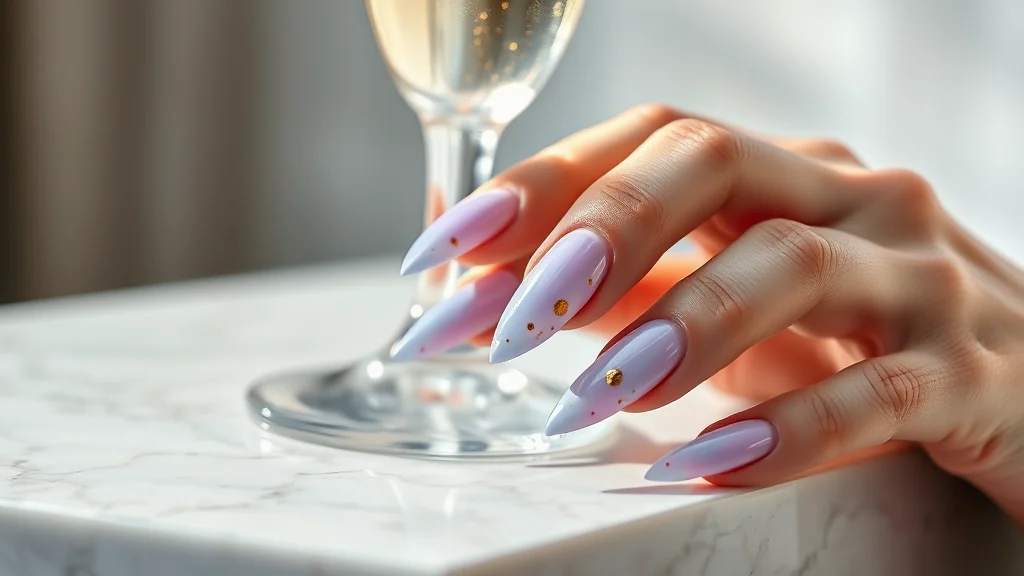
Ending on a soft note, the pastel dreamscape is the ultimate everyday watercolor look. By combining complementary pastel shades, you create a manicure that feels like a spring morning. The beauty of this design is that it is incredibly forgiving; because the colors are soft, any minor overlapping just adds to the layered, textured look. This is arguably the most popular iteration of the trend for daily wear because it isn’t too distracting but still displays a high level of technical skill. It pairs beautifully with gold or silver rings, making it a perfect choice for those who love to stack their jewelry and want a manicure that complements, rather than competes with, their accessories.
Final Thoughts
Watercolor nail art is far more than a passing trend; it is a celebration of fluidity and personal expression. By embracing these artistic techniques, you turn your nails into a canvas, proving that your manicure can be just as sophisticated as your wardrobe. We hope these seven designs have inspired you to experiment with your next set. Do you have a favorite watercolor combination or a unique technique you swear by? Let us know in the comments below, and don’t forget to tag us in your dreamy, artistic nail creations. Your next masterpiece is only a brushstroke away!
Frequently Asked Questions
You can create watercolor nails at home by placing small drops of nail polish onto a piece of wax paper, thinning them with a drop of acetone or rubbing alcohol, and dabbing them onto your nails with a small brush. Once the pattern is to your liking, finish with a high-quality top coat to seal and smooth the design.
Sheer or jelly-based polishes work best for this look because they allow for the translucent layering required to achieve the watercolor effect. You can also use specialized nail inks, which are designed to flow and bleed easily for a more professional result.
While you can achieve this look with regular polish, using a gel base is highly recommended for longevity and better control over the color blending. Gel polish stays workable longer than traditional air-dry lacquer, giving you more time to perfect your artistic gradients.
Absolutely, watercolor designs look beautiful on shorter nails, especially when you focus the design on the center of the nail bed. Keeping the pattern simpler and avoiding too many overlapping colors will prevent the look from appearing messy on smaller surface areas.
To prevent muddy colors, stick to shades that are neighbors on the color wheel, such as blue and green or pink and orange, rather than mixing opposites. Always clean your brush between colors and ensure each layer is somewhat diffused before moving on to the next shade.