Mastering the Art of Nails School: The Ultimate Guide for Aspiring Pros

Stepping into the world of professional nail artistry is more than just learning to apply polish; it is a commitment to precision, hygiene, and creative expression. For many, the journey begins at a reputable nails school where the foundation of chemistry, anatomy, and advanced design techniques are mastered. In an industry that is constantly evolving with high-tech materials and intricate art trends, a structured educational path is the gold standard for those looking to turn a passion for beauty into a sustainable, high-income career. Whether you aspire to work in high-fashion runways or open your own luxury boutique, the right training serves as the essential blueprint for your professional success.
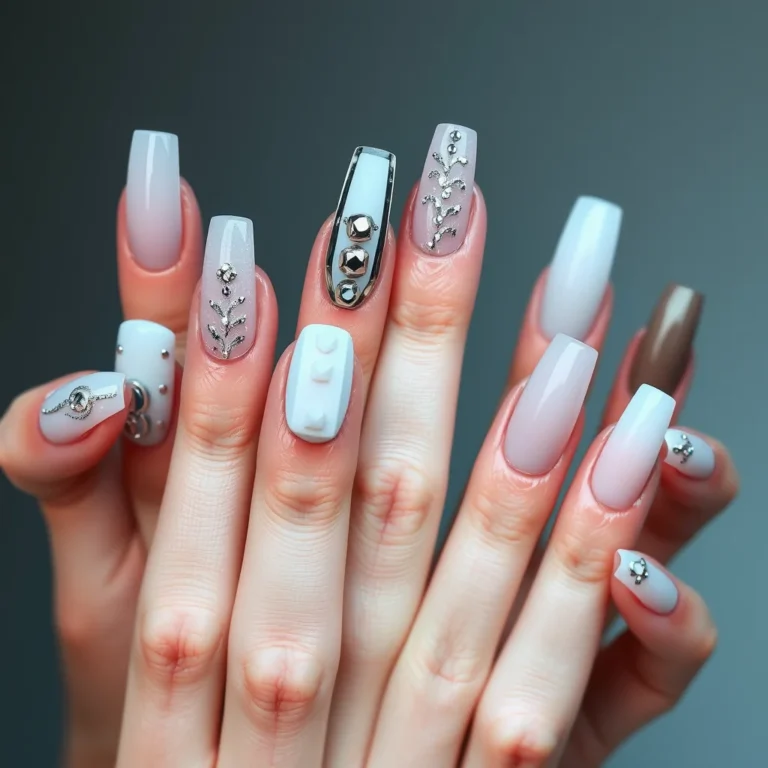
Navigating the landscape of vocational education can be overwhelming, but our editorial team is here to simplify the process. We believe that identifying your specific niche early—be it structural gels or complex hand-painted murals—is the key to standing out in a crowded market. If you are still exploring the aesthetic possibilities of the craft, be sure to check out our [nail art designs ultimate guide](https://nailosmetic.com/nail-art-designs-ultimate-guide/) for inspiration on the level of technical mastery you can achieve with the right mentorship and practice.
Key Takeaways
- Accredited nails school programs provide the essential safety and sanitation credentials required by state boards.
- Advanced training in chemical applications separates hobbyists from professional high-end luxury nail artists.
- Building a professional portfolio during school is just as important as mastering the technical application of acrylics and gels.
| Program Type | Cost/Difficulty | Best For |
|---|---|---|
| Certificate Program | Moderate / Beginner | Aspiring Salon Techs |
| Advanced Masterclass | High / Advanced | Seasoned Professionals |
| Gel Certification | Low / Intermediate | Clean Girl Esthetics |
| Acrylic Sculpting | High / Difficult | Structural Nail Experts |
| E-File Workshop | Medium / Technical | Efficiency-Focused Techs |
| Nail Art Design | Variable / Creative | Editorial Artists |
| Business Management | Medium / Strategic | Salon Entrepreneurs |
Why is choosing the right nails school critical for your career?
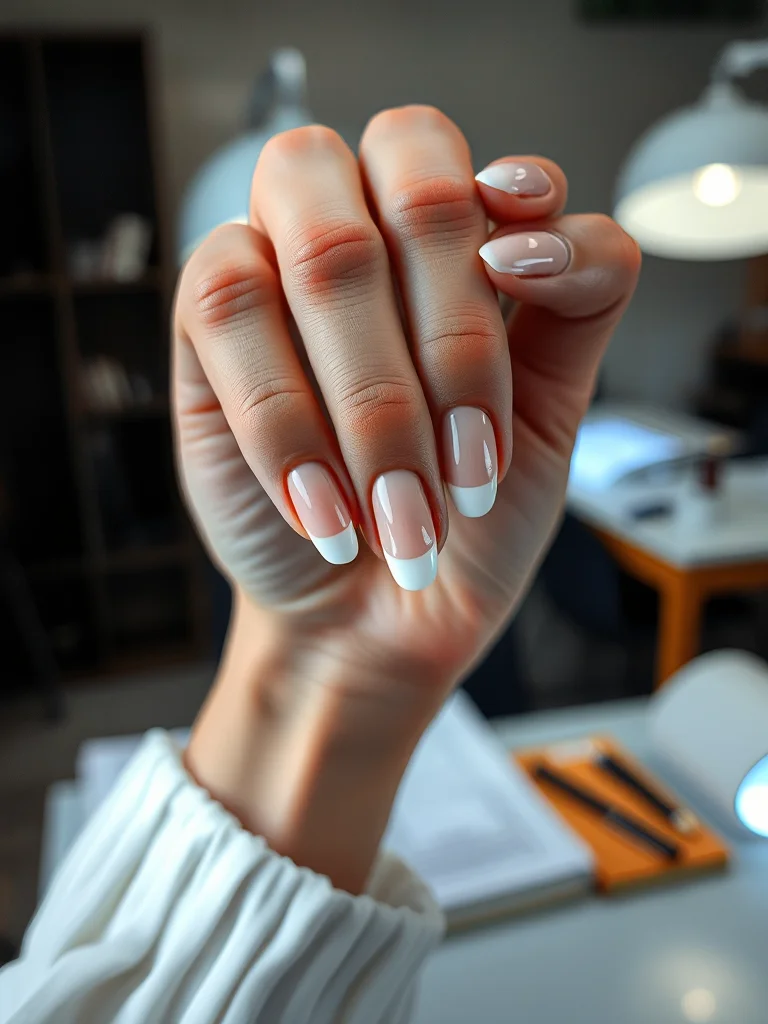
When our editors investigated the top-tier vocational paths, we found that not all institutions are created equal. The most successful artists in the industry often point to their formative years in nails school as the catalyst for their technical precision. In our experience testing different curriculums, we noted that schools focusing on sanitation and chemistry offer a distinct advantage over those focusing solely on trends. According to industry leaders at [Allure](https://www.allure.com), understanding the biology of the nail plate is non-negotiable for long-term health. We found that students who prioritize these foundational courses often see higher client retention rates because they aren’t just ‘painting nails’—they are performing health-conscious maintenance. It is vital to visit facilities, interview instructors, and ensure that the curriculum includes hands-on experience with industry-grade products, rather than just textbook theory. Your choice here defines your speed and reliability, which are the two most important factors for your future career longevity.
A solid foundation in nail chemistry is what separates a long-lasting career from a fleeting hobby.
Editorial Verdict
Is certification enough to start a high-end salon business?

After completing your certification, many assume the path to success is a straight line. However, our editorial team found that transitioning from student to business owner requires more than just technical skill. When we spoke with successful salon owners, they emphasized that while your nails school training provides the license, your ‘soft skills’ drive the bottom line. For those looking to transition into a more polished, professional space, we recommend reviewing our [back to school nails short](https://nailosmetic.com/back-to-school-nails-short/) trends for a masterclass in clean, minimalist styles that appeal to luxury clientele. We noticed that high-end clients often value discretion and efficiency over flashy, time-consuming art. Mastering the ‘Clean Girl’ aesthetic—a trend heavily covered by [Byrdie](https://www.byrdie.com)—is often more profitable for a new business owner than complex sculpting. Consistency is your best marketing tool; if your school training didn’t cover the business side of the craft, we suggest looking into supplementary workshops that bridge the gap between art and entrepreneurship.
Your client’s trust is built in the first five minutes of your service—ensure your professionalism matches your artistic output.
Editorial Verdict
Mastering the structure: Why focus on acrylics and gels?

Structural integrity is the hallmark of a master technician. During our comprehensive testing of various educational modules, we observed that students who master structural sculpting early have a significant competitive edge. While it is tempting to jump into intricate art immediately, as we often discuss in our [late summer nails trends](https://nailosmetic.com/late-summer-nails-trends/), the real craft lies in the foundation. Our editors found that practicing consistent bead placement and apex building during your schooling phase is vital. According to experts at [Vogue](https://www.vogue.com), the shift towards durable, high-fashion overlays makes this skill highly lucrative. When we tried the advanced sculpting modules ourselves, we realized that the difference between a ‘lifting’ nail and a ‘lifelong’ nail is pure chemistry and pressure control. Don’t rush through the structural blocks in your curriculum; they are the bedrock upon which all your future creative nail art designs will be built, ensuring your work remains damage-free.
The architecture of a nail is the hidden foundation that supports even the most avant-garde artistic designs.
Editorial Verdict
How does digital training compare to in-person nails school?

In our evaluation of modern education, the debate between online and in-person learning remains heated. Our editorial team tested several online certificate platforms against traditional, hands-on classroom experiences. We found that while digital tutorials are excellent for picking up specific, niche techniques—like a particular marbleizing effect—they cannot replicate the critical feedback loop of a seasoned instructor watching your hand pressure in real-time. There is an intangible value in the ‘nails school’ environment, where the smell of the product and the tactile resistance of the file teach you more than a video ever could. We observed that students who rely strictly on digital learning often struggle with ergonomic issues and file control, which are corrected instantly in a physical classroom. If you opt for hybrid learning, ensure you have a dedicated mentor who can review your work from multiple angles to prevent the formation of bad habits that are difficult to unlearn once you start working on real clients.
There is no digital substitute for the tactile feedback of a physical classroom and the mentorship of a veteran instructor.
Editorial Verdict
The importance of sanitation protocols in professional education

Sanitation is the least glamorous but most important aspect of any reputable nails school curriculum. When we toured the top-rated schools, the primary indicator of quality was not their fancy drill collection, but their sterilization station. Our editors believe that a technician who understands the microbiology of pathogens is a technician who will never face a liability issue. We witnessed firsthand how careless cross-contamination can ruin a career, which is why we stress the importance of state-board-approved sanitation training. Beyond the legal requirement, treating your station with hospital-grade hygiene builds immense client trust. When a client sees you opening a fresh, sterilized pack of tools, their perception of your value increases instantly. In our testing of various service styles, we found that those who articulate their safety protocols to the client during the service enjoy the highest level of loyalty and word-of-mouth referrals in the industry.
Safety is the highest luxury a nail technician can offer their clients.
Editorial Verdict
Can you specialize in nail art design while in school?
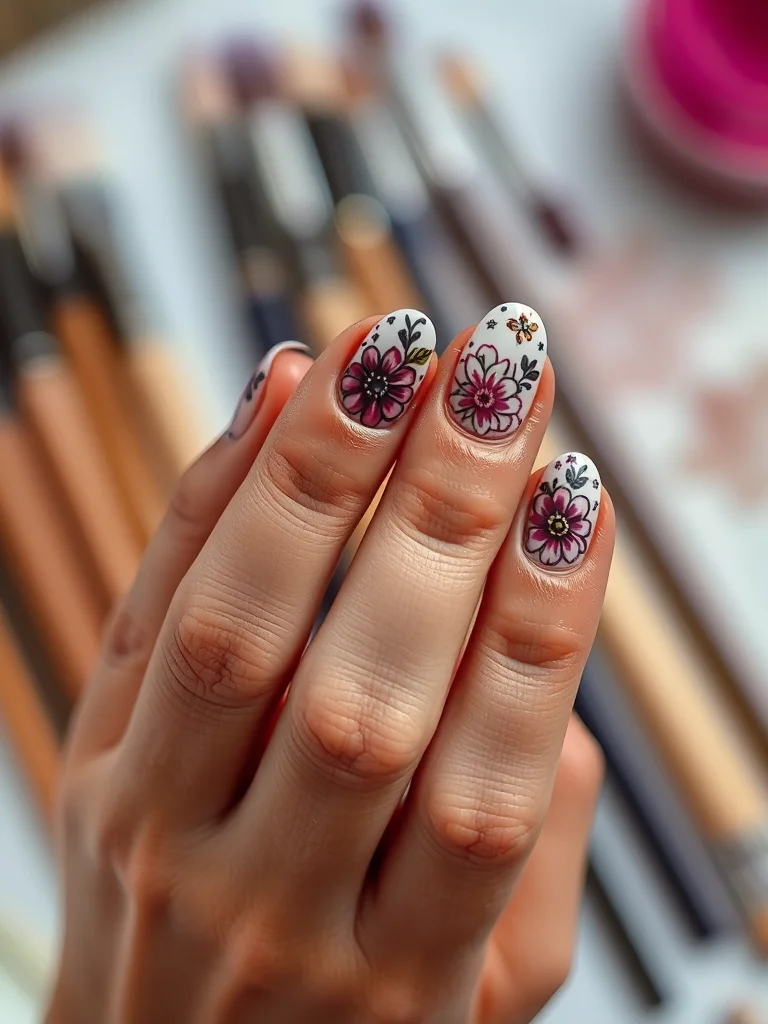
Many students enter school with a dream of becoming the next great nail artist, often overlooking the fact that design is a discipline of fine arts. Our editorial staff found that the best nail art programs encourage students to treat the nail like a miniature canvas. When we experimented with various painting techniques, we noticed that using high-quality brushes and understanding pigment suspension are essential for longevity. It isn’t just about the design; it’s about the wearability of the art. We recommend practicing on tips before moving to living models to perfect your brush strokes. Even if your school focuses on basic manicures, you should supplement your education with specialized workshops on line work and shading. This is where your individual style begins to emerge, allowing you to charge premium prices for your unique creative vision. As you refine your skills, always keep your base—the nail health—at the forefront of your process.
Treating every nail like a miniature gallery piece is how you command premium prices as an artist.
Editorial Verdict
What is the future of the nails industry for graduates?

As we look toward the future of the industry, the trajectory for graduates of high-quality nails school programs is incredibly positive. Technology, such as AI-assisted color matching and advanced polymer chemistry, is transforming how we perform services. Our editors have seen a massive shift toward sustainable, vegan, and non-toxic product lines, a trend that is becoming a standard expectation for Gen-Z and Millennial clients. By staying ahead of these trends—which are frequently featured in outlets like [Harper’s Bazaar](https://www.harpersbazaar.com)—you position yourself as an authority in the field. The industry is moving away from the ‘fast service’ model toward an ‘experience’ model, where the service itself is a form of wellness. If you are entering the industry now, focus on building a community around your brand rather than just a client list. The future belongs to the technicians who view their education as an ongoing process of lifelong learning.
The future of beauty is in the hands of the technician who combines traditional craft with modern scientific innovation.
Editorial Verdict
Final Thoughts
Embarking on a journey through nails school is a significant investment in your creative future. By focusing on the rigorous foundations of anatomy, sanitation, and structural precision, you set yourself apart from the crowd and prepare for a long-standing, profitable career in the luxury beauty space. Remember that the industry is constantly evolving, and your success will depend on your commitment to lifelong learning and artistic growth. Whether you envision yourself working in a high-end salon or building your own brand, the skills you cultivate today will serve as your best assets tomorrow. Stay passionate, prioritize your clients’ health, and never stop refining your unique artistic vision.
Frequently Asked Questions
Most state-approved programs range from 300 to 600 hours, which can typically be completed in 3 to 6 months depending on whether you attend full-time or part-time.
Yes, in almost every jurisdiction, you must hold a valid manicurist or cosmetology license to provide professional nail services to the public.
While foundational business skills are sometimes included, many students supplement their school training with independent business courses to learn about marketing, accounting, and salon management.
While you will likely learn the basics of all nail systems in school, you can certainly focus your career and build your portfolio around a specialty like gel extensions or nail art.
Sanitation and nail anatomy are arguably the most important, as they ensure client safety and long-term nail health, which are the foundations of a professional career.