Lowlights and Highlights for Aging Hair

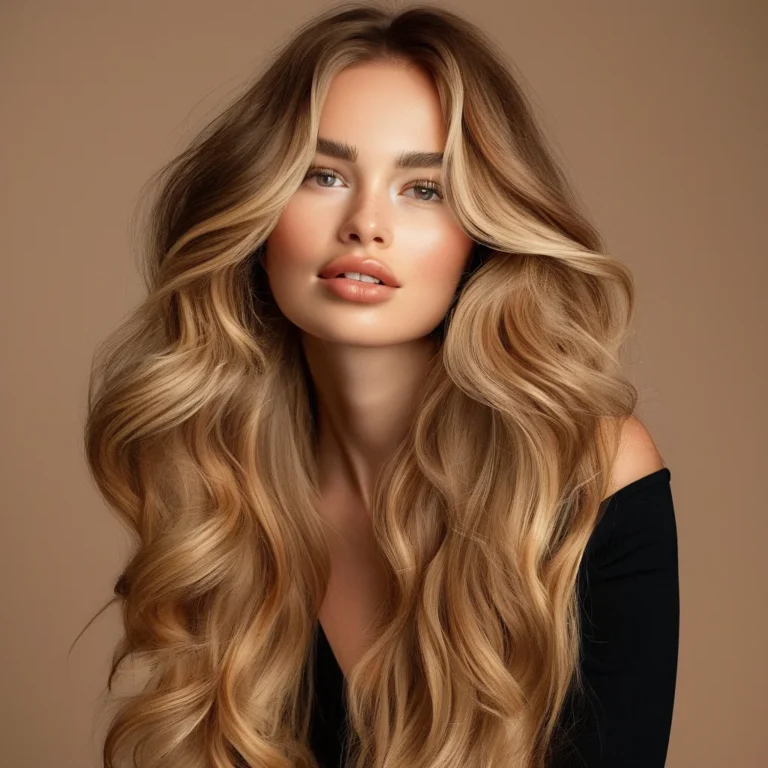
The secret to reversing age-related dullness isn’t a new haircut—it’s the strategic placement of light and shadow. As hair ages, it naturally loses melanin, density, and pigment, often resulting in a flat, washed-out appearance. The professional technique of blending lowlights and highlights can restore youthful dimension, reflect light to create the illusion of thickness, and soften harsh lines around the face. If you’ve wondered why salon-finished styles look so much more vibrant than box-dye alternatives, the answer lies in multi-dimensional color mapping. At [Nailosmetic](https://nailosmetic.com/), we believe that age-defying beauty is a holistic journey, and your hair color is the foundation of that radiance. Are you ready to discover the exact color ratio that takes five years off your look? Read on to master the science of light-reflective hair art.
Why does hair color fade and lose dimension as we age?
Understanding why our hair undergoes such a dramatic transformation as we age requires us to look beneath the surface at the complex biological shifts occurring within the follicle. At its core, the primary driver of color loss is a gradual decline in melanocyte activity. Melanocytes are specialized cells residing in the hair bulb that are responsible for producing melanin, the pigment that grants your hair its natural hue. Over time, these cells become less efficient and eventually cease production altogether. As this output dwindles, hair strands emerge without pigment, resulting in gray or white growth that lacks the depth and multi-tonal richness of our youth.
Beyond the loss of pigment, the structural integrity of the hair shaft undergoes a significant evolution. One of the most noticeable changes is the increase in hair porosity. As we age, the protective outer layer of the hair, known as the cuticle, begins to lift and fray. A compromised cuticle struggles to retain moisture and color molecules, which is why aging hair often feels dry, brittle, or resistant to standard dye applications. When the cuticle is damaged or porous, light fails to reflect off the surface evenly, leading to a dull, matte appearance that further diminishes the perceived dimension of your color.
Simultaneously, we observe a phenomenon often referred to as textural thinning. During this process, the actual diameter of each individual hair strand begins to shrink. The follicle produces finer, more fragile hair that lacks the density it once possessed. This reduction in diameter means that light passes through the hair differently, making the scalp more visible and the overall color appear washed out. Pro-tip: Because aging hair is more susceptible to environmental stressors, it is essential to prioritize hydration and gentle coloring techniques. Using products designed to smooth the cuticle can significantly improve light reflection, effectively mimicking the natural sheen of younger hair. By incorporating professional highlights and lowlights, you can artificially restore the depth that the natural aging process has stripped away, creating an optical illusion of volume and vibrancy that addresses both the loss of pigment and the changes in hair texture.
How do highlights and lowlights create the illusion of density?
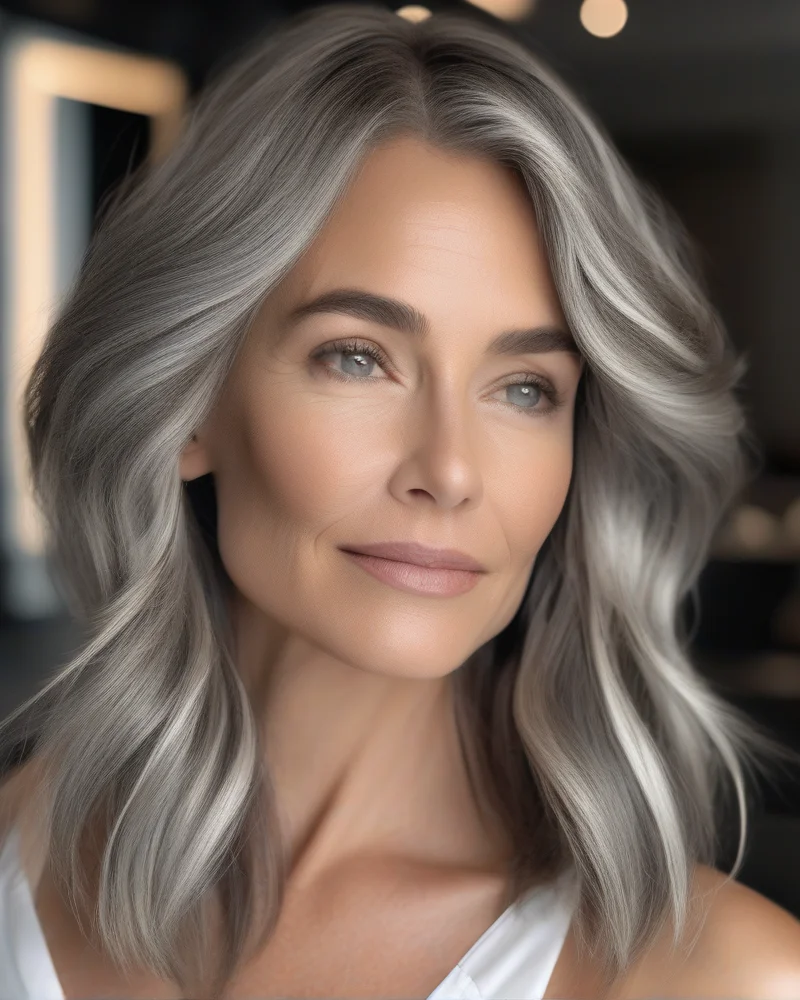
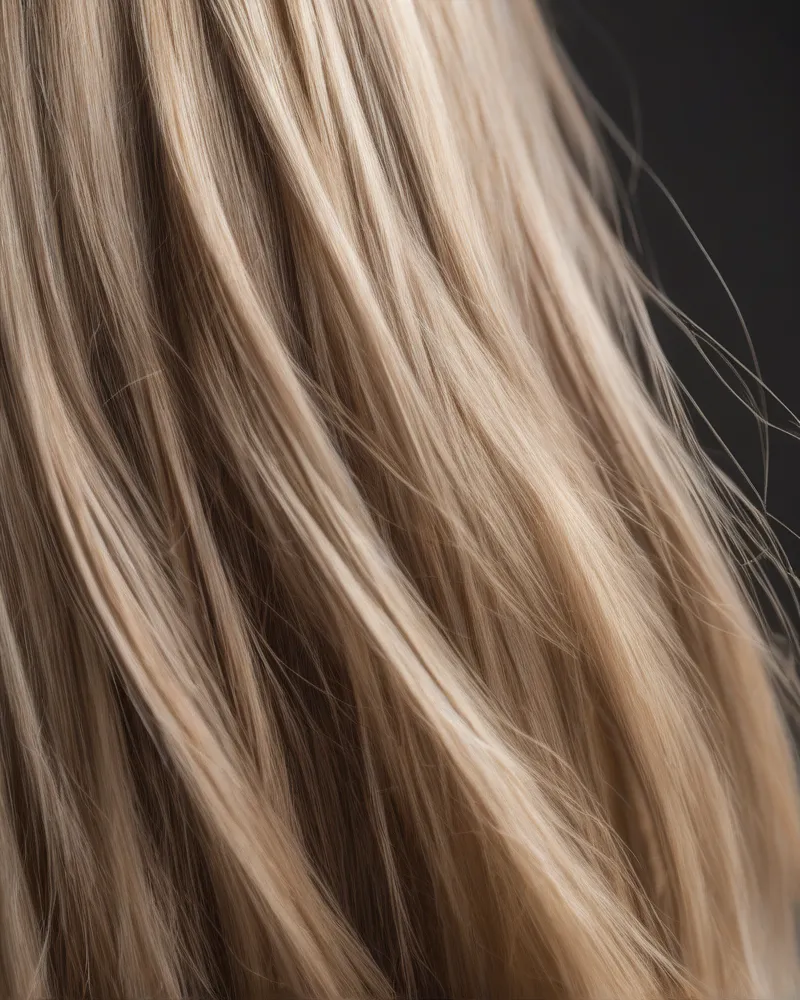
When we talk about restoring youthfulness to aging hair, the secret lies in the sophisticated science of light refraction. As hair loses density and natural pigment over time, it often appears flat or monochromatic. By strategically placing highlights and lowlights, we manipulate how light bounces off the hair shaft, effectively tricking the human eye into perceiving more volume than actually exists. This process is essentially an optical illusion. Lighter strands act as prisms, reflecting brightness to create an expansive, airy effect, while deeper tones add structural shadows that provide the appearance of thickness and internal weight. When you combine these varied tones, you stop light from passing straight through fine or thinning areas, which creates the physical perception of a much fuller head of hair.
To achieve this, professional colorists often utilize techniques like ribboning and babylights. Ribboning involves painting larger, multi-dimensional sections of color that follow the natural fall of the hair. This movement mimics the way the sun naturally lightens hair, creating broad areas of depth that make fine hair look robust and intentional rather than sparse. Conversely, babylights offer delicate, micro-fine highlights that are woven through the canopy of the hair. These tiny strands integrate seamlessly with your base color, adding a subtle shimmer that softens the overall silhouette. By layering these techniques, we build a scaffold of light and shadow that prevents the hair from looking two-dimensional.
Perhaps the most critical element in this process is the inclusion of lowlights. Many people associate aging hair with a desire for lightness, but adding highlights alone can lead to a washed-out look where the hair blends into the skin tone, emphasizing a lack of density. Lowlights are the anchor that prevents this collapse. By weaving in shades slightly darker than your natural or base color, you provide a necessary contrast that gives the hair structure and definition. Think of these lowlights as the backbone of your style. They add the depth required to make the highlights pop, ensuring that your overall color remains vibrant, multi-tonal, and optically voluminous. Pro-tip: Always request that your colorist uses cool-toned lowlights if your skin tone is prone to redness, as this balances the complexion while maximizing the illusion of thickness.
What are the best color palettes for graying hair?
When navigating the shift toward natural silver or gray hair, the traditional goal of total gray coverage is rapidly becoming a relic of the past. Instead, modern hair coloring strategy focuses on harmony. The most effective approach involves color blending, a technique that weaves highlights and lowlights into your existing gray pattern to create a seamless, dimensional transition. This method minimizes the harsh line of demarcation as your roots grow out, allowing you to embrace your natural texture with sophistication. Before you commit to a major change, you may want to consult our comprehensive guide on professional hairstyles to ensure your cut complements your new, multifaceted color palette.
Choosing between cool and warm tones is essential for flattering your changing complexion. As melanin production decreases, your skin tone may appear cooler or more translucent, making the right hair color crucial for maintaining a vibrant, healthy glow.
| Palette Type | Recommended Shades | Best For |
|---|---|---|
| Cool Tones | Ash Blonde, Cool Silver, Icy Platinum | Reducing brassiness and neutralizing yellow undertones that often develop in gray hair. |
| Warm Tones | Champagne, Soft Mocha, Honey Gold | Adding luminosity to sallow skin tones and creating a youthful, sun-kissed radiance. |
For those leaning into a cooler aesthetic, ash blonde is a masterclass in subtlety. By incorporating cool, ash-toned highlights, you effectively mimic the natural salt and pepper transition of aging hair while keeping the overall look polished rather than dull. If your preference leans toward warmth, champagne provides a delicate balance. It acts as a bridge between light blonde and soft silver, reflecting light beautifully to add depth. Similarly, soft mocha lowlights are an excellent choice for individuals with darker natural bases; they provide the necessary structure and shadow to make the lighter silver strands appear intentional and luminous.
Pro-tip: When opting for blending techniques, request a babylights or balayage service from your stylist. These methods place color strategically in fine, dispersed sections, ensuring that your gray hair remains the star of the show while the added highlights and lowlights provide the necessary contrast to maintain a voluminous and youthful appearance. By moving away from solid, opaque dyes, you preserve the integrity of your hair follicles while celebrating the unique, multidimensional beauty that comes with age.
How to choose between balayage, foil highlights, and babylights?
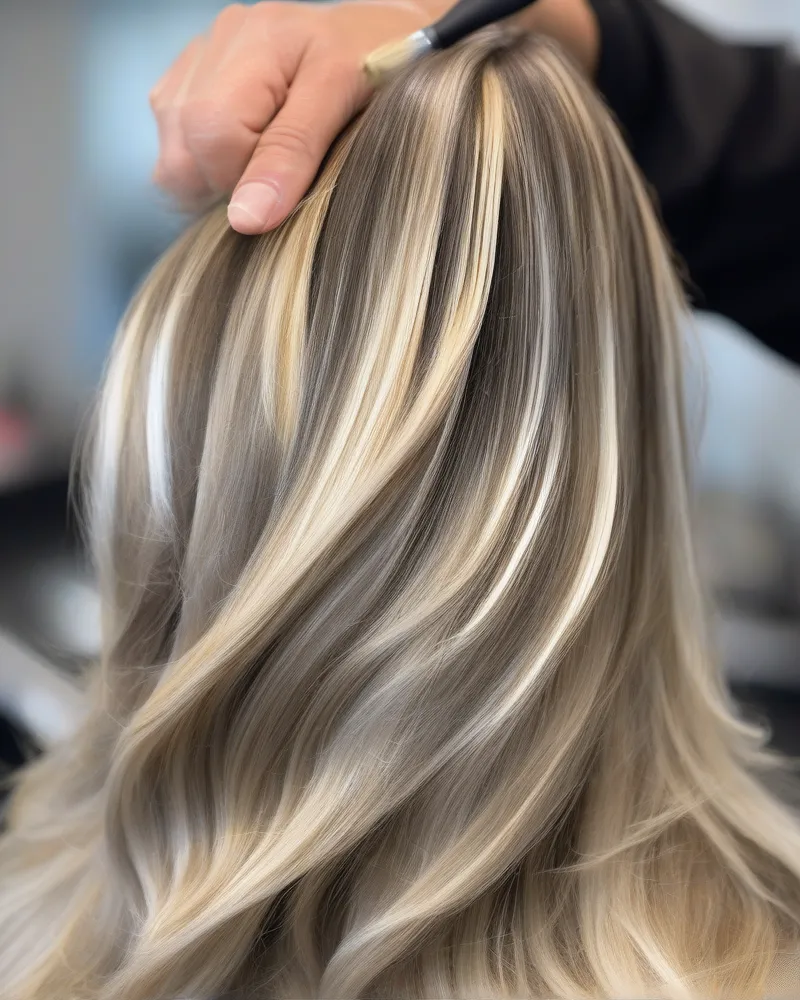
Selecting the right application technique for maturing hair is a delicate balance between desired aesthetic impact and your tolerance for salon maintenance. As hair undergoes changes in texture and pigment, the placement of color becomes as important as the shade itself.
- Balayage: The Soft Gradient Approach
Balayage remains the premier choice for women seeking a low maintenance lifestyle. Because this technique involves hand painting color onto the surface of the hair, it avoids the harsh regrowth lines that occur with traditional foil methods. For aging hair, balayage creates a sun-kissed, natural look that mimics the way hair lightened naturally in our youth. It is incredibly gentle on thinning areas because it focuses light on the mid-lengths and ends rather than the scalp, preserving the integrity of the hair cuticle. - Foil Highlights: The Precision Powerhouse
When your primary goal is gray blending or full coverage, foil highlights are superior. Foils allow a stylist to isolate individual strands with surgical precision, ensuring that incoming gray roots are effectively camouflaged. This is the gold standard for those who require more consistent coverage. By weaving in both light and dark tones, foils can create a multi-dimensional effect that masks gray hair significantly better than a single-process dye, which often leaves the hair looking flat or one-dimensional. - Babylights: The Delicate Refinement
Babylights are ultra-fine highlights created by weaving very thin sections of hair. Think of these as a more subtle evolution of traditional foils. They are perfect for aging hair that has become brittle, as they require very little lightener. Babylights provide a soft, shimmering brightness around the hairline, which can actually soften the appearance of fine lines and wrinkles on the face.
To achieve the most seamless transition possible, modern colorists often utilize root shadowing. This is a crucial professional technique where a darker demi-permanent color is applied at the roots immediately after highlighting. By blurring the transition between your natural base color and the new highlights, root shadowing eliminates the stark contrast that makes regular salon visits mandatory. This marriage of techniques ensures your hair grows out gracefully, maintaining a sophisticated, intentional look for weeks longer than traditional methods allowed.
What is the secret to protecting hair integrity during the coloring process?
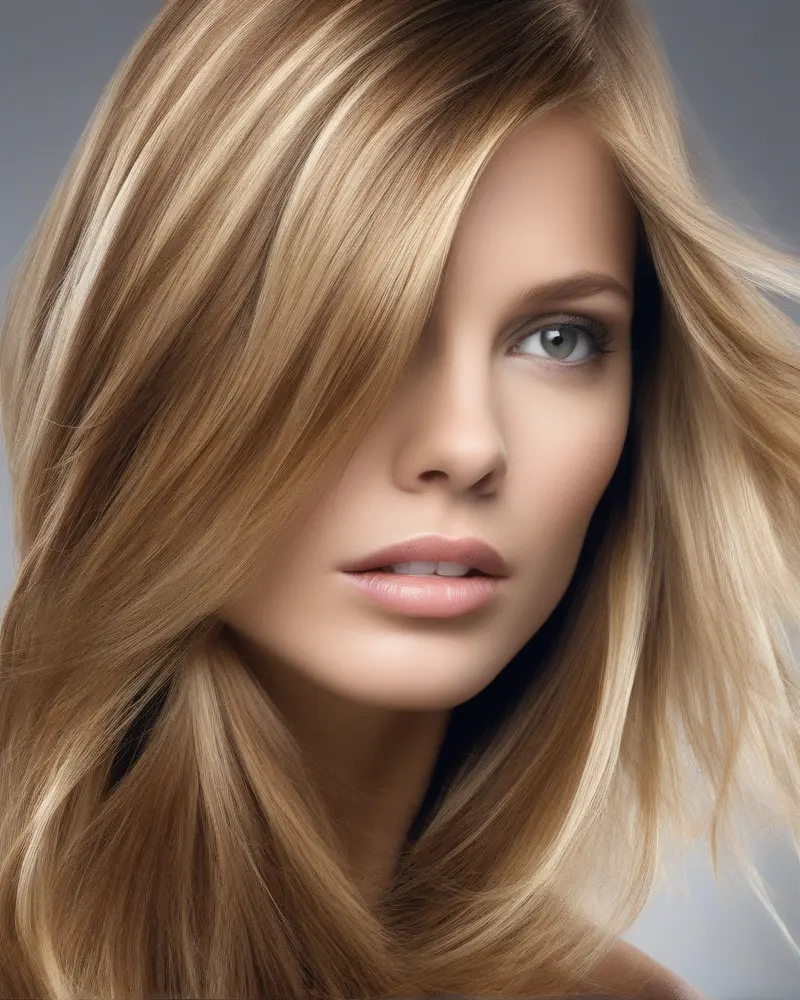
When we address the delicate architecture of aging hair, the primary challenge is maintaining structural integrity while introducing chemical color. As hair matures, the cuticle layer becomes naturally thinner and more porous. This increased porosity means the hair shaft loses moisture rapidly and is significantly more susceptible to breakage during the oxidation process. The secret to a successful transformation lies in shifting your focus from purely aesthetic outcomes to a preservation first mindset. By integrating advanced bond building technology into your coloring routine, you can effectively bridge broken disulfide bonds that are caused by thermal, chemical, or environmental damage.
Products like Olaplex and K18 represent the gold standard in modern hair science. Olaplex functions as a bond multiplier, working during the chemical service to reconnect damaged hair structures from the inside out. In contrast, K18 utilizes a unique bioactive peptide treatment that travels deeper into the inner layers of the hair to repair the keratin chains that provide elasticity and strength. For mature clients, incorporating these treatments is not merely a luxury but a fundamental necessity. We recommend using a professional grade bond builder as an additive in your color formula and following up with a intensive treatment mask at home to sustain these results.
Beyond structural repair, the chemical composition of your dye matters immensely. Low ammonia or ammonia free permanent hair color options offer a gentler alternative for aging, fragile strands. These formulas allow for effective gray coverage and depth without the aggressive swelling of the hair cuticle that traditional high ammonia dyes often require. Because mature hair struggles to retain natural oils, low ammonia dyes preserve the lipid barrier, resulting in a silkier, more vibrant finish that reflects light instead of absorbing it.
Hydration remains the cornerstone of maintaining long term hair vitality. Porous hair acts like a sponge for pigments but leaks moisture with equal speed. To counteract this, prioritize a weekly moisture replenishment strategy. Consider the following tips to lock in hydration for mature hair:
- Incorporate a deep conditioning mask that contains hyaluronic acid or argan oil to seal the cuticle post color service.
- Utilize leave in conditioners that offer UV protection, which is vital for preventing the oxidative fading of lowlights.
- Switch to a sulfate free shampoo to prevent the stripping of vital moisture and color molecules.
- Avoid excessive heat styling, as mature hair lacks the resilience to withstand high temperatures without bond depletion.
By marrying bond building science with low ammonia color technology and consistent hydration, you can achieve sophisticated highlights and lowlights that look natural and feel remarkably healthy.
How often should you touch up lowlights and highlights on mature hair?
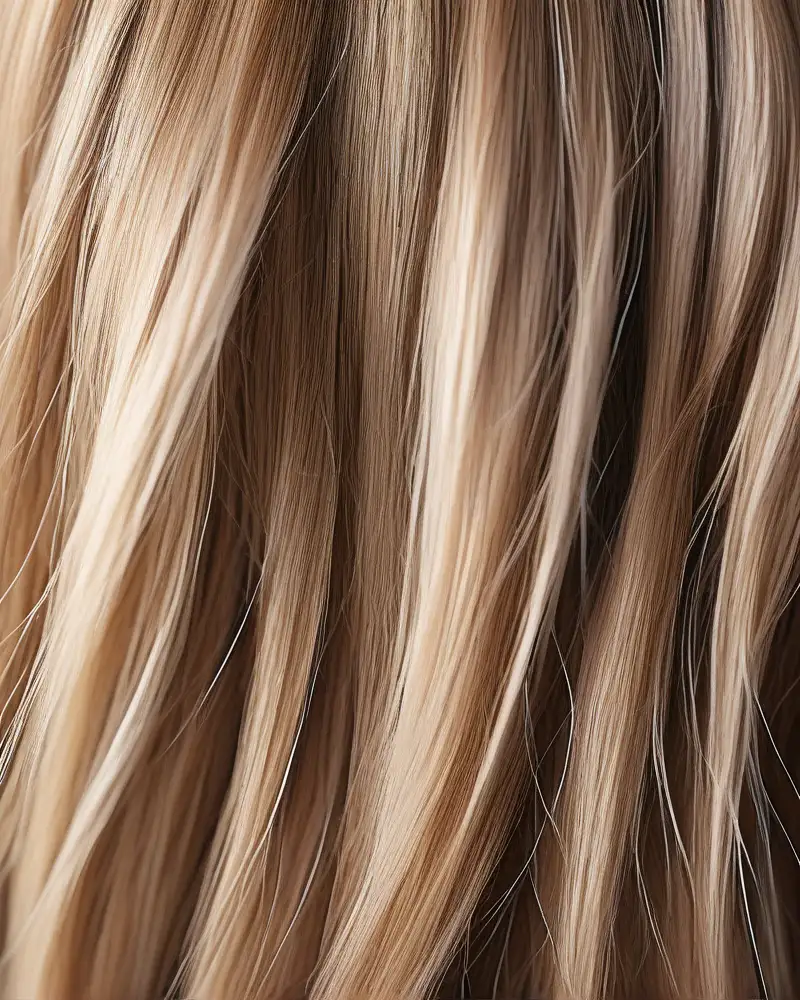
- Q: How often should I schedule my highlight and lowlight touch ups to maintain healthy mature hair?
- A: For those of us navigating the delicate transition of aging hair, finding the perfect cadence for color maintenance is essential. As our hair follicles naturally produce less pigment and the hair shaft becomes finer, we must be more strategic. Generally, the sweet spot for refreshing highlights and lowlights is every 8 to 12 weeks. Extending your visits beyond this window allows for a softer grow out phase, which is far gentler on thinning strands than frequent, aggressive chemical processing. By spacing out your appointments, you preserve the structural integrity of your hair and prevent the dryness that often accompanies excessive oxidation.
- Q: Why is preventing color overlap or banding so critical for aging hair?
- A: Banding occurs when new color is repeatedly applied over previously processed hair, leading to a dark, muddy buildup of pigment that looks anything but natural. On mature, porous hair, this overlap can cause severe breakage because the cuticle is already compromised. To avoid this, your colorist should always focus strictly on the roots, using a technique called feathering to blend the new color into the existing shades without overlapping. If you love wearing your hair in a half up half down curly hair style, be aware that these updos often expose the back of the head, making precise color application even more vital to ensure there is no visible line of demarcation.
- Q: Are there pro tips to keep my color looking fresh between these 12 week appointments?
- A: Absolutely. Maintenance is not just about the salon visit; it is about the care you provide at home. Consider these habits to protect your investment:
- Use sulfate free shampoos to prevent your highlights from turning brassy or your lowlights from fading prematurely.
- Incorporate a high quality gloss treatment every four weeks to restore shine and vibrancy to dull, graying hair.
- Utilize root concealer sprays or powders for those final weeks before your appointment to mask regrowth without needing additional chemical services.
- Deep condition weekly with protein based treatments to strengthen thinning strands against the stressors of lighteners and oxidative color.
Can specific styling techniques enhance your color placement?
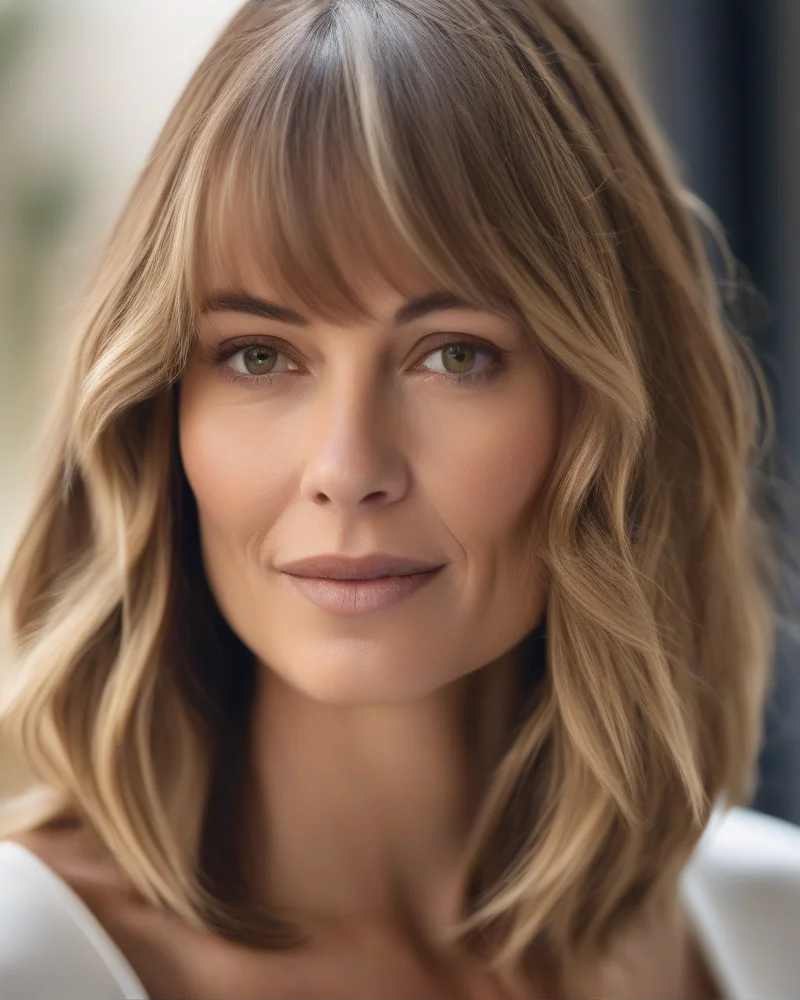
When you reach a stage in life where your hair texture and density begin to shift, the synergy between your haircut and your color placement becomes your most powerful styling tool. Color is not merely about tinting strands; it is a strategic exercise in architecture. By pairing precise highlight and lowlight placement with the right haircut, you can physically lift your facial features and create an illusion of fullness that masks thinning areas. For example, the integration of curtain bangs is a transformative choice for mature hair. When a stylist adds soft, face framing highlights to these bangs, it draws immediate attention to the eyes and cheekbones, effectively functioning as a natural contour. By keeping the color slightly lighter around the perimeter and the fringe while threading in subtle, cooler lowlights throughout the crown, you generate a multi-dimensional effect that softens fine lines and adds a youthful radiance to the complexion.
Layering also serves as a vital canvas for professional colorists. Instead of treating your hair as one flat surface, long or medium length layers provide natural breaks where sunlight or artificial light can dance across the ends. You should consider using a technique known as ribboning, where highlights are painted in thicker sections along the face framing layers to create depth. This is particularly effective for aging hair that may have lost its natural luster. By placing lower-toned, warmer lowlights in the depths of your layers, you prevent the color from appearing washed out or stagnant. This structural approach ensures that your hair moves with you, rather than sitting heavy and static against your face. Pro-tip: ask your stylist to apply a money piece technique specifically integrated into your layers. This keeps the brightness focused near the front to brighten your skin tone while the back remains rich and anchored with depth. Remember that your haircut acts as the frame for your color, and when these two elements are designed in tandem, the result is a sophisticated, polished look that elevates your bone structure and celebrates your aesthetic evolution at every turn.
Which professional hair care products prevent brassiness and yellowing?
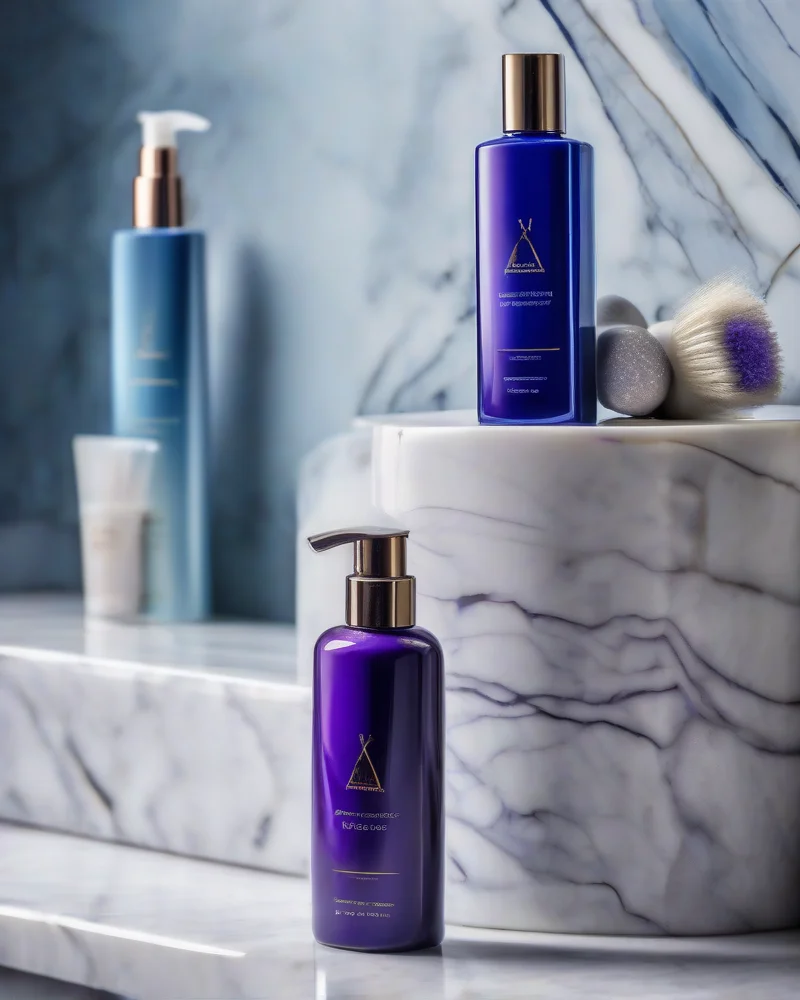
When navigating the delicate landscape of aging hair, maintaining the vibrancy of your highlights and the cool, silvery tones of your natural greys requires a targeted professional hair care regimen. As hair loses its pigment and texture changes over time, it becomes increasingly porous, making it a magnet for environmental pollutants and mineral deposits that lead to unwanted brassy or yellow hues. To combat this, you must invest in high quality, salon grade formulations designed to neutralize these warm tones while nourishing thinning strands.
- The Role of Color Correcting Shampoos: Purple and blue shampoos are essential tools in your professional arsenal. Purple pigment acts as the direct color wheel opposite to yellow, effectively neutralizing dull, straw like tones in blonde highlights or grey hair. Conversely, blue based shampoos are designed to counteract orange or copper undertones often found in brunette lowlights. For the best results, use these toning products once or twice a week, allowing the formula to sit for three to five minutes. Overuse can lead to a violet tint, so monitor your hair closely to achieve a luminous, icy finish.
- The Importance of pH Balanced Cleansing: Mature hair is often more brittle and susceptible to damage. Traditional, high pH supermarket shampoos can strip the hair cuticle, leaving it open and susceptible to fading. Opting for professional, pH balanced cleansers helps keep the cuticle smooth and tight. A sealed cuticle locks in your color molecules for longer periods and reflects light more effectively, which creates that coveted healthy sheen. Look for sulfate free options to avoid stripping away the natural oils that mature scalps struggle to produce in abundance.
- UV Protection for Color Longevity: Ultraviolet rays are perhaps the most aggressive culprits behind premature brassiness and color fading. When sunlight breaks down the chemical bonds of your hair color, the underlying warmth is exposed. Incorporating a professional leave in treatment or heat protectant that specifically lists broad spectrum UV filters is non negotiable. These products create an invisible, protective veil around each hair fiber, acting as a shield against both oxidative damage and environmental pollutants that dull your color over time.
- Pro Tip for Maintenance: Never skip a deep conditioning mask. By keeping the hair fiber hydrated and resilient, you prevent the microscopic cracks where mineral deposits typically lodge and cause yellowing. A healthy, moisturized strand will always hold color pigment more reliably than a dry, compromised one.
What common mistakes should you avoid when coloring aging hair?
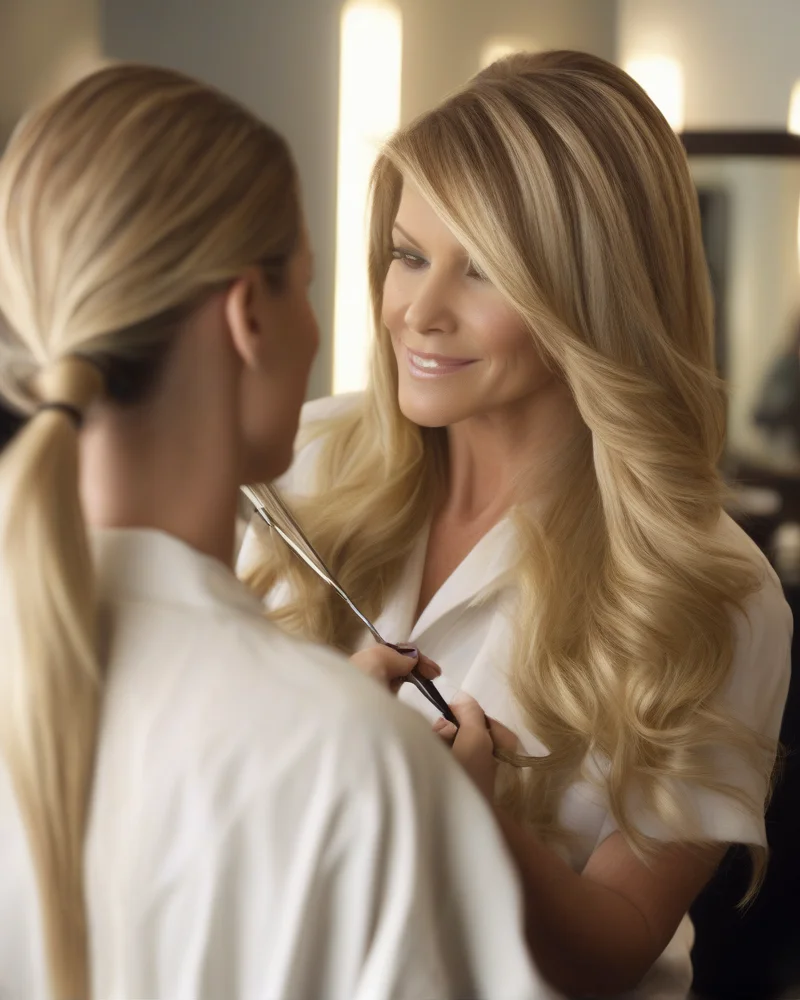
Coloring aging hair requires a nuanced approach because the texture and porosity of your strands change significantly over time. As we mature, our hair often becomes more fragile and resistant to pigment, leading many to fall into common traps that can unintentionally make us look older. Avoiding these pitfalls is essential for maintaining a vibrant, healthy, and youthful appearance.
- The Trap of Harsh Contrast: Many people make the mistake of choosing high-contrast highlights that create a severe line of demarcation. As your natural base color thins or grays, a stark difference between light and dark sections can make your complexion look washed out. Instead of bold streaks, opt for a blended, multi-dimensional technique that softens the face and mimics the way the sun naturally lightens the hair.
- The Danger of Over-processing: Aging hair is naturally drier and more prone to breakage. Using high-volume developers or bleaching agents too frequently destroys the hair cuticle, leading to a brittle, straw-like texture that no color can fix. Always prioritize low-ammonia or ammonia-free color formulas that deposit pigment without lifting the cuticle to extreme levels.
- Avoiding Colors That Are Too Dark or Flat: A common misconception is that covering grays requires jet-black or extremely dark brown tones. In reality, colors that are too dark often highlight wrinkles and imperfections. If you desire a bold change, consider exploring a rich burgundy hair color for pale skin, which adds warmth and vitality without the harshness of a flat, solid dark tone. Depth should be created through subtle lowlights rather than a solid box-dye application.
- The Necessity of Professional Consultation: Never underestimate the expertise of a professional colorist. They possess the knowledge to perform a strand test, assess your hair porosity, and formulate a custom shade that complements your skin tone. Home box kits lack the customization required for mature hair and often result in uneven, muddy tones that are difficult to color-correct. A professional will guide you toward maintenance-friendly techniques like balayage or babylights, ensuring your hair remains healthy long after you leave the salon chair.
By shifting your focus toward professional care and softer, more dimensional color palettes, you ensure that your hair remains a beautiful, flattering frame for your face rather than a source of unnecessary stress.
How to prepare for your professional color consultation?
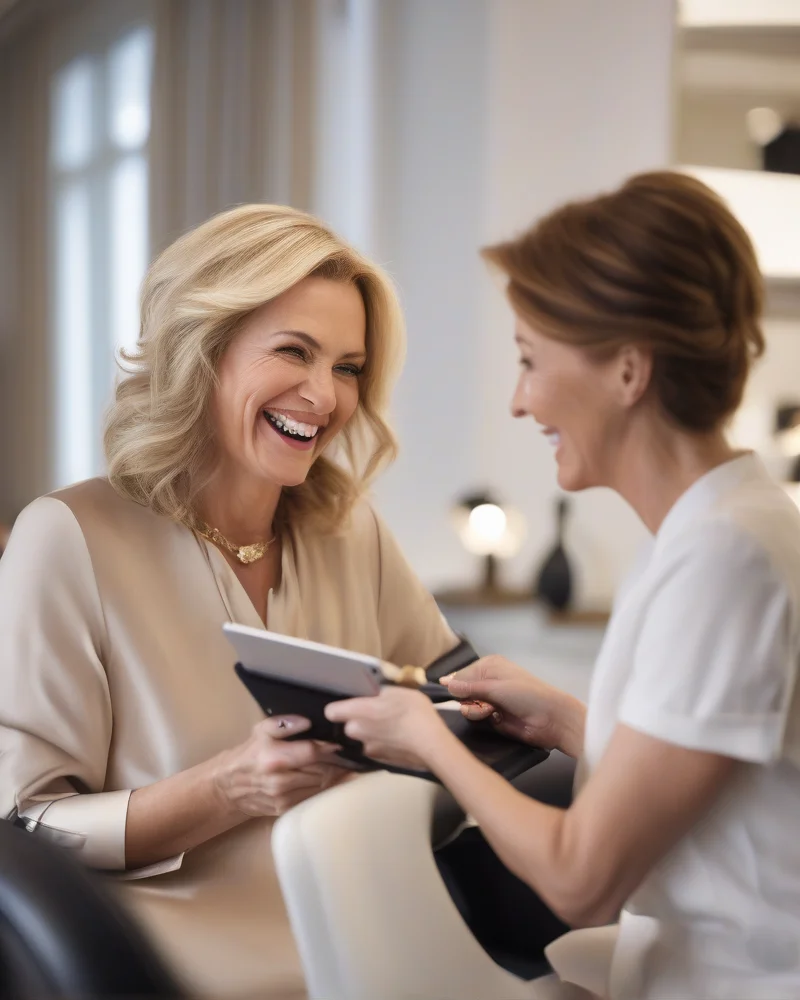
Approaching a color transformation when your hair has begun to show the signs of aging is an exciting journey, but it requires meticulous planning. Aging hair often experiences changes in porosity, texture, and natural pigment density, which means your colorist needs a comprehensive roadmap before they even pick up a bowl and brush. To ensure your lowlights and highlights result in a vibrant, youthful glow rather than a harsh or flat tone, you must arrive at the salon fully prepared. A structured consultation is the foundation of a successful color service.
Use the following checklist to facilitate a productive dialogue with your professional stylist during your next appointment:
- Curate a Visual Inspiration Board: Words are often subjective, but images provide objective clarity. Create a collection of photos showing hair colors that you admire, specifically focusing on dimension. Look for examples of dimensional highlights and lowlights that mimic the natural depth seen in younger hair. Avoid filters, as these can misrepresent true hair color tones.
- Disclose Your Full Hair History: Transparency is non negotiable. You must inform your stylist about every chemical service you have received in the last two years. This includes professional salon color, box dyes from the pharmacy, henna treatments, and any form of chemical straightening or smoothing. Even products that seem harmless can react negatively with modern lifting agents and toners, leading to breakage or uneven results.
- Request a Professional Patch Test: If you are trying a new brand of hair color or have developed sensitivities recently, always request a patch test forty eight hours in advance. This involves placing a small amount of the dye behind your ear to ensure there is no allergic reaction. As our skin becomes more delicate with age, protecting your scalp health becomes just as vital as achieving your dream shade.
- Discuss Your Daily Maintenance Capacity: Be honest about the time and budget you are willing to dedicate to upkeep. Highlights and lowlights require different maintenance schedules. Ask your stylist how frequently you will need to return for root touch ups or gloss treatments. If you want a lower maintenance approach, discuss blending grey hair with babylights rather than traditional heavy foil highlights.
- Analyze Your Natural Base and Grey Percentage: Discuss exactly how much grey hair you currently have and what your goal is for coverage. Do you want to hide the grey completely, or are you looking to embrace your natural silver by blending it with cool toned lowlights? This distinction is critical for choosing the right permanent or demi permanent color formulation.
Pro tip: Bring a clean, dry version of your current hair to the consultation. If you usually style your hair with heavy oils or texturizing sprays, consider washing it the morning of the appointment to allow the stylist to see the true texture and porosity of your strands. By taking these steps, you are not just getting a service, but building a collaborative relationship with your hair expert.
FAQs: Everything else you need to know about mature hair color
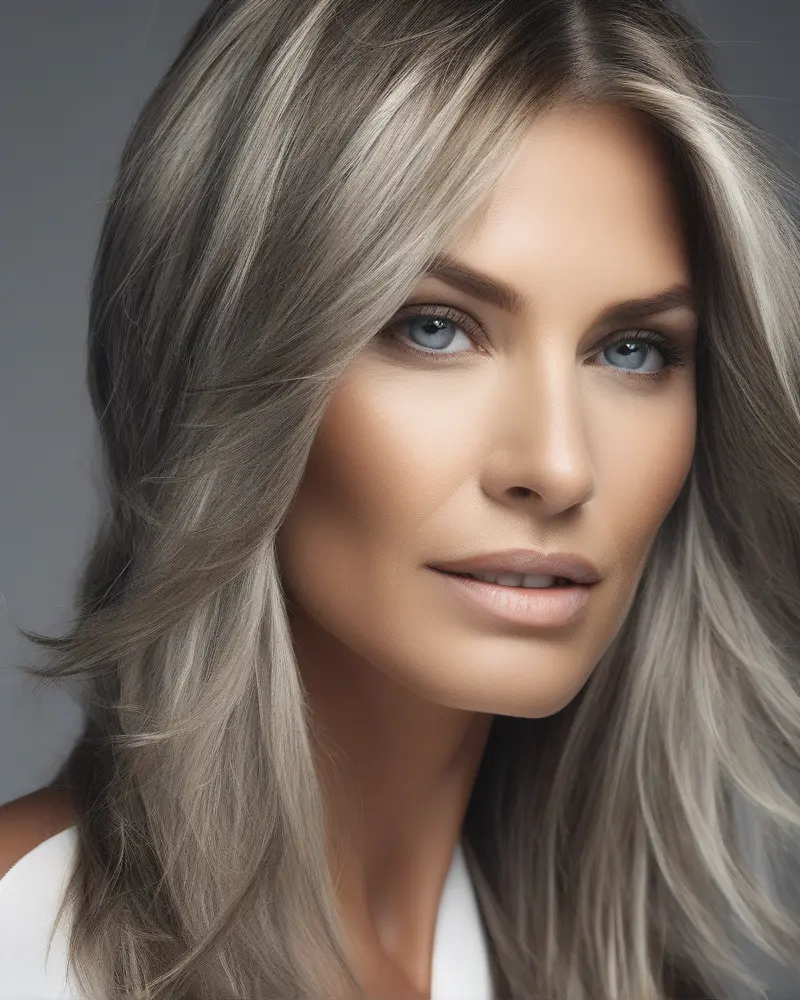
Navigating the transition of hair texture and pigment as we age often brings up a flurry of concerns. At Nailosmetic, we believe that understanding the nuances of your evolving hair is the first step toward embracing a sophisticated, vibrant look. Below, we address the most common inquiries regarding mature hair color to help you feel confident in your next salon visit.
Can I go gray naturally while incorporating highlights?
Absolutely. Many of our clients choose to blend their emerging silver roots with highlights. This technique is often called gray blending or salt and pepper integration. By strategically placing soft, cool toned highlights around the face, you can create a seamless transition that masks the harsh line of demarcation between your natural gray and previous artificial color. This approach reduces the frequency of salon visits and allows the natural gray to grow out with grace.
Will lowlights make my hair look thinner?
A common misconception is that adding darker tones creates the appearance of thinning hair. In reality, the opposite is often true. Aging hair can sometimes lose its luster and dimension, appearing flat. By incorporating strategically placed lowlights, your stylist can add depth, shadow, and visual thickness to your strands. This multidimensional effect mimics the natural highs and lows of youthful hair, resulting in a fuller, more voluminous aesthetic.
How often should I refresh my color to avoid damage?
Mature hair tends to be more porous and fragile than younger hair. Because of this, we recommend moving away from aggressive all over color processes. Instead, opt for semi permanent or demi permanent glazes that deposit color without lifting the cuticle excessively. While highlights may need touchups every ten to twelve weeks, lowlights can often last longer. Always prioritize deep conditioning treatments between appointments to maintain structural integrity.
Is there a specific undertone that looks best on aging skin?
As our skin loses some of its natural pigment, our ideal color palette may shift. Generally, cooler tones such as ash blonde, platinum, or cool chestnut can counteract redness in the complexion. However, if your skin has developed warmer, golden undertones, honey or buttery blonde highlights can provide a glowing, youthful radiance. Your professional colorist should perform a skin tone analysis to determine if a cool, neutral, or warm palette best complements your features.
Embracing aging hair is an art form. By choosing strategic lowlights and highlights, you aren’t just covering gray—you are painting light and movement back into your strands. Remember, the goal is dimension, not just coverage. Keep your hair hydrated, consult with a color specialist, and focus on the health of your scalp to ensure your color looks as vibrant as you feel.