Fall Chalkboard

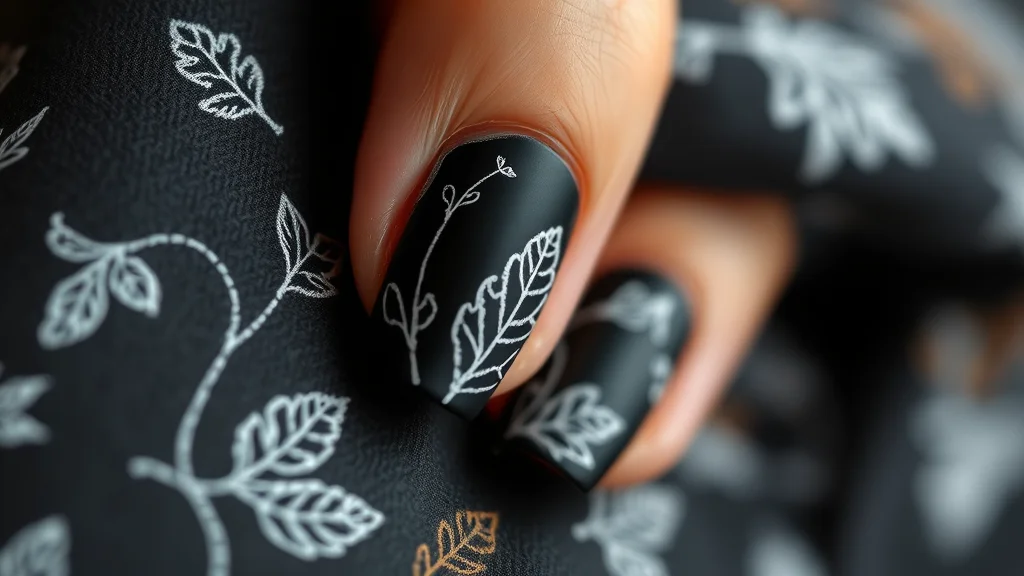
A ‘fall chalkboard’ manicure is the trending matte-black-meets-artistic-texture aesthetic dominating this autumn’s beauty scene. By utilizing specialized non-reflective topcoats and high-pigmentation formulas found at [Nailosmetic](https://nailosmetic.com/), you can achieve the exact velvet-matte finish that mimics a classic schoolhouse blackboard. This guide reveals the precise techniques and layering methods experts use to turn fingertips into high-contrast canvases. Are you ready to master the chalkboard trend that is currently taking over social media feeds? We’ll explore why this specific finish is replacing the traditional high-gloss autumn palette, the exact polish chemistry required to resist chipping, and the DIY nail art tools needed to create crisp, chalk-like illustrations on a slate-black base. If you have been searching for the perfect moody, sophisticated nail look that transitions effortlessly from office-professional to cozy-fall-vibes, this is the definitive technical manual you need to follow.
What exactly is the ‘Fall Chalkboard’ nail trend?
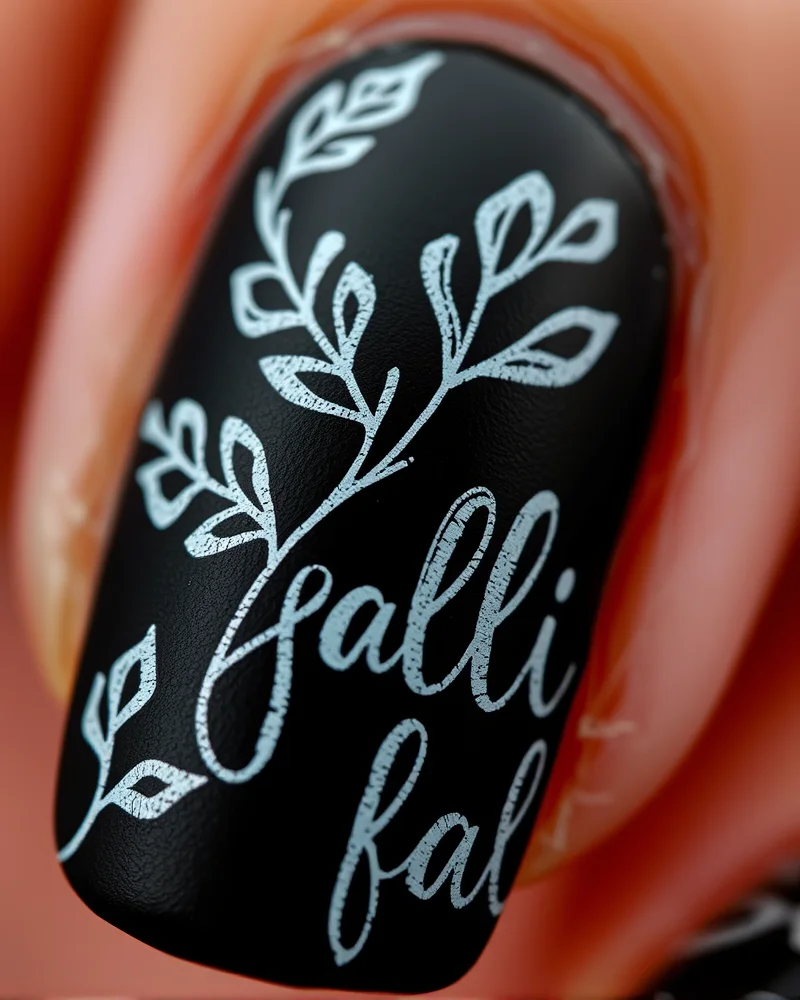
At its core, the Fall Chalkboard nail trend is a sophisticated evolution of the matte finish, transforming your fingertips into a canvas that mimics the nostalgic aesthetic of a classroom blackboard. While traditional matte nails rely on a simple top coat to remove shine, the chalkboard trend demands a deeper, more intentional approach to surface texture. This phenomenon is defined by a powdery, velvet-like finish that actively absorbs light rather than reflecting it, creating an ultra-flat appearance that feels distinctly seasonal and tactile. Unlike the smooth, satin feel of standard matte polishes, the true chalkboard effect captures that gritty, dry look of genuine slate, providing a perfect backdrop for intricate, high-contrast nail art.
The evolution of this look began with the pursuit of extreme texture. Nail artists realized that basic matte coats often looked too plastic or rubbery. To achieve the chalkboard aesthetic, the technique requires a specialized, porous-looking matte top coat paired with a highly pigmented, deep black base color. This creates a surface that feels almost like paper or stone. The magic truly happens when you introduce the contrast element, which is the hallmark of the style. By using crisp, opaque white nail art markers or thin-line brushes loaded with stark white gel paint, artists can mimic the specific look of chalk dust against a dark board. This is not about soft, blended lines. It is about the sharp, slightly erratic, and whimsical strokes that define hand-drawn lettering, seasonal doodles, or intricate geometry.
Achieving this depth requires a keen understanding of light absorption. Because the black base is designed to swallow ambient light, the white accents appear to hover just above the surface, creating an illusion of dimensionality. Pro-tips for mastering this look include avoiding glossy sealants at all costs, as even a slight sheen will ruin the authenticity of the slate texture. Instead, lean into the dry, matte feel by using textured pigments or even a dusting of fine, clear acrylic powder over the uncured matte top coat to enhance that chalkboard grit. Whether you are opting for whimsical autumn leaf sketches or precise, minimalist script, the Fall Chalkboard trend proves that the most luxurious nails are often the ones that celebrate the beauty of flat, graphic, and highly tactile design.
Why is everyone switching to matte black finishes this season?
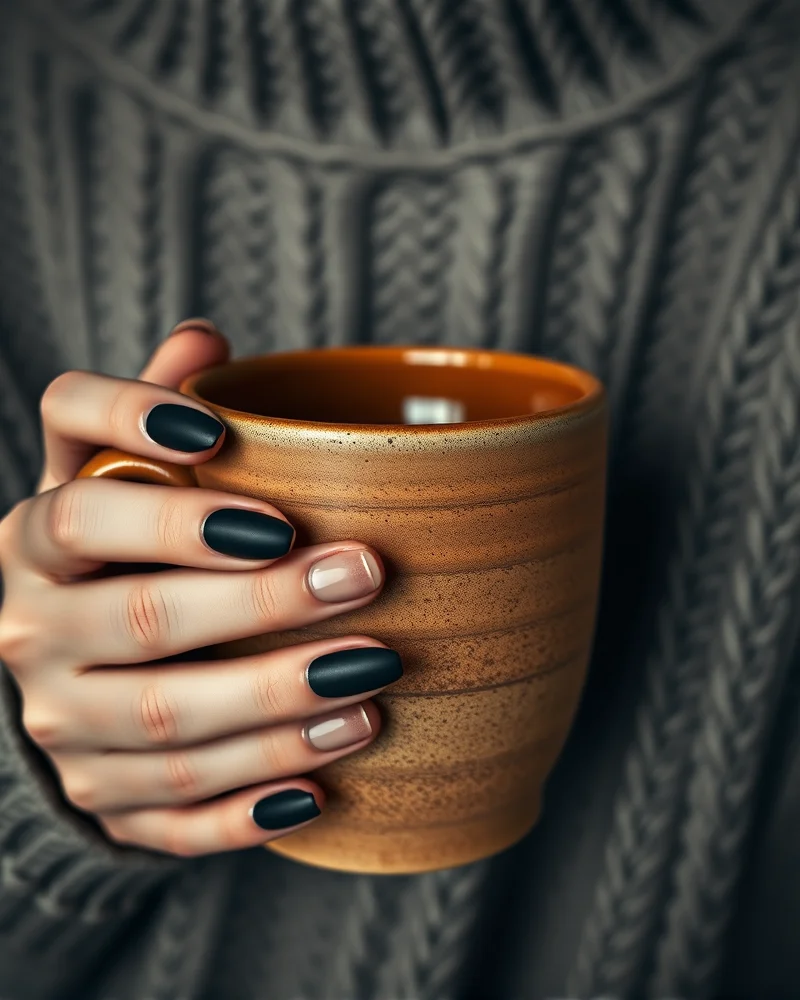
The sudden dominance of matte black finishes in the autumn beauty landscape is not merely a fleeting preference for minimalism. It represents a fundamental shift in how we perceive seasonal transitions. As the vibrant hues of summer fade into the muted palettes of late October, the high gloss finishes that mimic sunlight seem out of place. Glossy nails are designed to reflect light and radiate energy, which feels discordant when the natural world is cooling down and dimming. Matte black textures offer a sophisticated alternative because they absorb light rather than reflecting it. This creates a soft, velvet-like surface that aligns perfectly with the aesthetic of wool sweaters, cashmere scarves, and the overall cozy atmosphere that defines the fall season.
Psychologically, the move toward matte finishes is rooted in the human desire for tactile comfort during periods of change. Scientific studies on sensory processing suggest that matte surfaces provide a perceived sense of warmth and groundedness. Unlike shiny lacquer that can feel sharp or clinical, a matte finish provides a muted, softened visual experience. This phenomenon is often referred to as visual haptics, where our eyes anticipate the texture of an object before we even touch it. When we see a chalkboard or matte black nail, our brain registers a surface that is soft, powdery, and substantial, which triggers a subconscious feeling of security and comfort. This sense of coziness is essential as we transition into the shorter, colder days of autumn.
Beyond psychology, the practical benefits of the chalkboard aesthetic are undeniable. Matte black acts as a neutral canvas that highlights the precision of your nail shape, whether you prefer stiletto, almond, or square tips. It also masks minor imperfections in the nail bed better than high-shine polishes, which often highlight ridges or unevenness. To achieve this look at home, we recommend applying a high-quality velvet matte top coat over a pigmented opaque black base. Pro-tip: ensure your cuticles are deeply hydrated with a rich cuticle oil, as the matte finish emphasizes the health of the skin surrounding your nails. By embracing this non-reflective trend, you are not just wearing a color. You are curating an entire mood that celebrates the quiet, introspective elegance of the season.
What supplies do you need to create a chalkboard manicure?
Achieving that authentic classroom aesthetic requires more than just painting your nails black. To master the fall chalkboard look, you need a curated toolkit that balances texture, precision, and pigment density. Here are the professional essentials required to transform your nails into a canvas for autumn-inspired artistry.
- High-pigment jet-black polish: You must start with a base that offers full opacity in a single coat. Look for polishes specifically formulated with dense carbon pigments. If your base is streaky or sheer, the entire chalkboard illusion will fail.
- Professional-grade velvet-matte topcoat: This is the secret weapon of the trend. Unlike standard mattes that can look plastic or waxy, a velvet-matte topcoat diffuses light to mimic the porous, dry surface of a slate board.
- White gel liners or chalk-ink pens: For the artistic details, white gel liners provide the best control for hand-painted typography or leaf motifs. Alternatively, chalk-ink pens are excellent for those who struggle with traditional brush work.
- Thin detail brushes: Invest in high-quality Kolinsky hair brushes with fine, tapered tips. A long liner brush is essential for crisp lettering, while a short detail brush helps with filling in small autumn silhouettes.
The chemical distinction between a standard matte finish and a true velvet-matte topcoat is significant. Traditional matte polishes often utilize silica particles that settle into a satin sheen, which can sometimes appear slightly glossy or rubbery after a few days. In contrast, velvet-matte formulas contain a higher concentration of specialized flattening agents that create a microscopic, irregular surface texture. This specific topography traps light rather than reflecting it, resulting in the deep, non-reflective finish characteristic of an actual chalkboard. Achieving this level of sophistication is much like mastering interior design home decor where the right textures dictate the mood of the room. By selecting a velvet-matte finish, you ensure your manicure stays free of unwanted shine, maintaining that dry and artistic aesthetic throughout the entire week. Pro-tip: always ensure your base color is completely dry before applying your matte topcoat to avoid bubbling or lifting, as the chemical interaction requires a perfectly cured foundation to achieve that signature soft-touch, slate-like texture.
How do you achieve the perfect chalk-like texture?
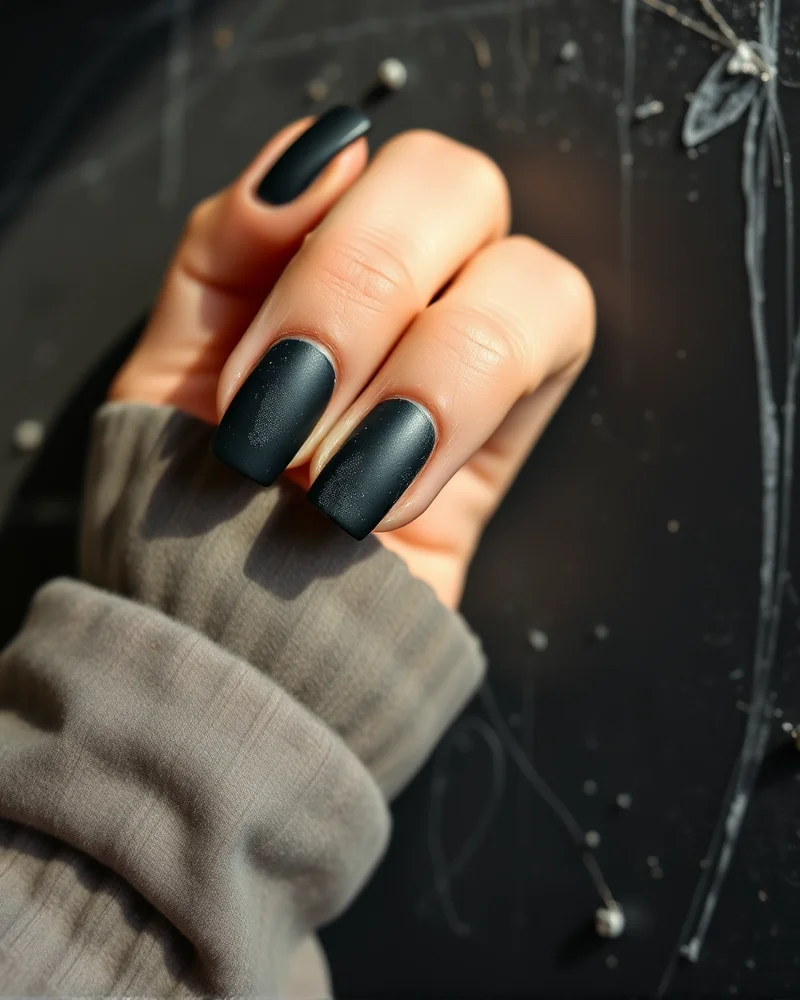
Achieving the authentic, tactile sensation of a classroom chalkboard on your fingertips requires more than just applying a matte top coat. The secret lies in the foundation of your manicure, where technical precision prevents the finish from looking streaky or gray. You must begin by thoroughly buffing the nail plate with a fine grit buffer. This step is critical because it removes natural oils and creates a microscopically textured surface that helps the base coat adhere perfectly. If the surface remains too glossy or oily, the chalkboard pigment will slide, leading to premature chipping and an uneven finish.
Once the nail is prepped, the curing process becomes the backbone of your design. Whether you are using gel or lacquer, ensure that your base layer is cured for the full duration recommended by the manufacturer. An under cured base layer creates a soft foundation that can shift under the weight of the matte pigments, causing the dreaded wrinkling effect. When applying your chosen chalkboard black shade, you must master the thin coat application technique. Matte formulas are notoriously high in pigment and quick drying, which makes them prone to trapping air if applied too thickly. By painting ultra thin layers, you allow the solvents to evaporate evenly, effectively eliminating those tiny, unsightly bubbles that ruin the smooth aesthetic.
To achieve that signature dusty, dry appearance, consider these professional tips:
- Use a lint free wipe soaked in high percentage isopropyl alcohol to cleanse the nail plate before base coat application to ensure a clean slate.
- Always cap your free edge with every single layer to prevent the matte finish from lifting at the tips.
- If your matte top coat feels too shiny, wait for it to fully set and then lightly dust the surface with a tiny amount of translucent setting powder using a soft, fluffy makeup brush. This instantly kills any remaining reflectivity and gives the nails a truly authentic, worn in chalkboard texture.
- Avoid applying cuticle oil until the entire manicure is fully hardened, as oils can cause the matte finish to become blotchy if they penetrate the layers prematurely.
By following these precise steps, you transform your manicure from a simple black polish into a sophisticated, artful expression of the season.
Can you use real chalk on top of nail polish?
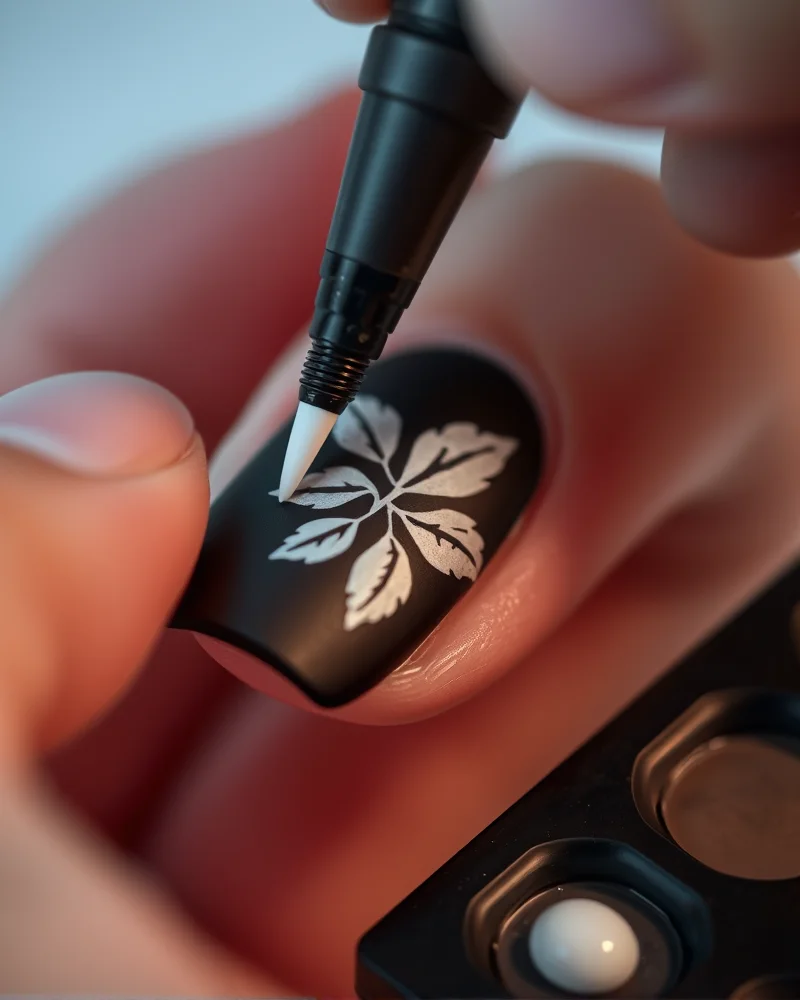
- Q: Can you use real chalk on top of nail polish to get that trendy chalkboard aesthetic?
- A: While the idea of reaching for a stick of sidewalk or classroom chalk might seem like the most logical DIY approach for achieving a fall chalkboard manicure, the professional reality is quite different. In short, using real chalk on top of dried nail polish is rarely a successful endeavor. Real chalk is comprised of calcium carbonate and binders that are designed to adhere to porous surfaces like slate or paper. Because your manicure is essentially a sealed, nonporous layer of lacquer or gel, the chalk particles will not bond to the surface. Instead, you will find that the chalk dust simply slides off or creates a streaky, uneven mess that ruins your matte finish. Even if you manage to force a line onto the nail, the slightest touch or brush of air will cause the pigment to flake away, leaving you with an unpolished and incomplete look almost instantly.
To achieve the authentic chalkboard look that remains crisp throughout your daily activities, you must move away from traditional stationery and embrace specialized nail art tools. The secret to professional quality nail art is using high pigmentation white liners or specialized acrylic paint designed for nail design. Unlike school chalk, these products contain resins that are formulated to bond specifically with the surface of cured gel or matte top coats.
Why professional liners are superior:
- Molecular Adhesion: Professional white nail liners are engineered to cling to smooth top coats without sliding or beading up.
- Precision Control: Real chalk is bulky and difficult to maneuver. A fine tip nail art brush or a professional pigment liner allows for the intricate handwriting or sketching required to mimic true chalkboard art.
- Durability: Once a pigment liner dries, it becomes a permanent part of your manicure, meaning it will survive hand washing and regular daily wear without fading.
- Finish Consistency: Professional liners can be layered or thinned out with a drop of acetone or cleanser to create that translucent, dusty effect that authentic chalkboard writing possesses.
If you want to maintain that sophisticated fall aesthetic, treat your nails like a canvas that requires professional medium. We recommend using a high quality white gel liner paired with a thin detailing brush. By gently dragging a tiny amount of product across the nail, you can replicate the texture of dusty chalk while ensuring your manicure remains intact for weeks at a time. Do not sacrifice the longevity of your nail art for the convenience of office supplies; the professional method provides a far more elevated result that aligns with the quality expected from a premium beauty routine.
How to draw crisp lines on a chalkboard base?
Achieving those crisp, intricate lines that define a stunning fall chalkboard nail design requires more than just a steady hand. It demands a professional approach to tool selection and pigment application. The cornerstone of this technique is the fine point detail brush. You should select a high quality synthetic brush with a thin, elongated tip that allows for maximum control over every stroke. When you are ready to craft your autumnal motifs such as delicate maple leaves, tiny acorns, or even intricate celestial constellations, ensure that your brush is lightly loaded with a pigmented white gel liner rather than standard polish, as gel provides the necessary thickness for crisp detail without running. As you prepare your workspace, you might also find inspiration for your home environment by exploring these fall mantle decor ideas to complement your seasonal aesthetic.
Mastering pressure control is the secret to moving beyond a flat drawing and into the realm of authentic, textured artistry. Real chalk on a slate board never applies with uniform opacity, and your nail art should reflect this subtle inconsistency to remain convincing. Start by barely grazing the surface of your matte black base with the very tip of your brush for thin, wispy highlights. As you create the edges of a leaf or the rounded body of an acorn, apply slightly more pressure to deposit a bolder line, then release the pressure toward the end of the stroke to create a tapered finish. This variation in weight mimics the friction of chalk against stone. If you find your lines look too solid or glossy, take a dry, stiff brush and gently stipple over your dried white lines to soften the edges and introduce a dusty, granular appearance. By alternating between light, feathered strokes and deliberate, firm lines, you create depth and movement that turns your manicure into a sophisticated masterpiece. Practicing on a practice mat first will help you calibrate the exact amount of pressure needed to achieve that perfect, authentic chalkboard aesthetic without smudging your underlying matte finish.
What is the best way to prevent chipping on matte nails?
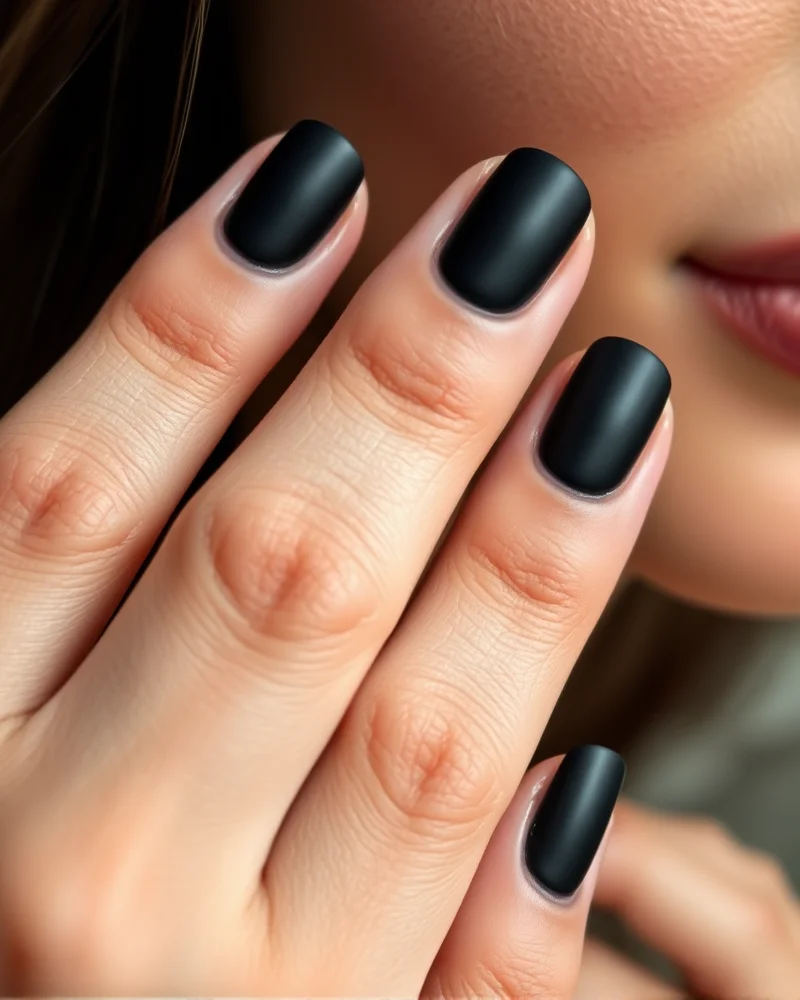
Matte nails possess an undeniably sophisticated, velvety finish, but they are notorious for showing wear faster than their glossy counterparts. Because matte topcoats lack the light reflecting properties that disguise minor surface scratches and tip thinning, they require a more strategic approach to manicure longevity. Unlike traditional high shine topcoats that provide a thick, flexible shield, matte formulas often contain flattening agents that can make the layer slightly more brittle. To maintain that flawless chalkboard aesthetic for longer than a few days, you must prioritize structural integrity during your application process.
Mastering the Longevity Technique
- The Capping Technique: This is the most crucial step for preventing premature tip wear. After applying your matte topcoat to the nail plate, use the remaining polish on the brush to swipe horizontally across the very tip of your nail. This seals the free edge and creates a physical barrier that prevents water and debris from creeping under the manicure. By capping the free edge, you provide a protective seal that acts as a buffer against daily friction, which is the primary cause of chipping.
- Surface Prep: Matte topcoats adhere best to a perfectly smooth surface. Ensure you use a base coat that offers excellent adhesion. If the underlying layer is uneven, the matte finish will highlight every single ridge, leading to uneven pressure distribution and early chipping.
- Avoiding Oil During Application: While cuticle oil is vital for health, never apply it before painting. Ensure your nail plates are completely dehydrated using a lint free wipe and isopropyl alcohol to remove natural oils before starting your base coat.
- Strategic Reapplication: Because matte finishes do not hold up to traditional buffing, you cannot simply buff away chips. If a chip occurs, gently file the edge smooth and apply a tiny, precise dot of matte topcoat to fill the gap rather than repainting the entire nail.
Maintaining Skin Health
Showcasing a high contrast, chalky manicure draws significant attention to your fingers. If your cuticles are dry or inflamed, the matte texture will unfortunately highlight the lack of moisture. To maintain the health of your skin while rocking this trend, incorporate a high quality jojoba based cuticle oil daily. Jojoba oil mimics the natural sebum of your skin, allowing for deep absorption without leaving a greasy film that might ruin your matte look. We recommend products like SolarOil or various organic almond oil blends, which penetrate the nail matrix to promote healthy growth and keep the surrounding skin looking hydrated, supple, and camera ready.
Are chalkboard nails appropriate for professional environments?
 The evolution of professional nail art has shifted significantly in recent years as the boundary between corporate dress codes and creative self expression becomes increasingly porous. The chalkboard manicure trend, characterized by its deep, saturated matte black finish, fits seamlessly into the rising aesthetic of moody minimalism. This trend prioritizes clean lines, muted color palettes, and understated textures over the loud, ornate designs that defined previous decades. In a modern office setting, these nails serve as a sophisticated accessory rather than a distraction. The key to ensuring that this trend remains appropriate for a high stakes board meeting or a client facing role lies in the precision of the application and the deliberate choice of nail length.To keep your chalkboard nails polished and boardroom ready, consider these styling strategies:
- Opt for a shorter, rounded, or squoval nail shape. Excessive length can transform a chic matte design into something overly dramatic or costume-like, while shorter nails maintain a neat, tidy appearance that is universally accepted in formal environments.
- Embrace the concept of negative space. Instead of covering the entire nail in a dense, chalky black, incorporate minimalist geometric accents or thin, crisp white lines at the tips or the base. This provides the aesthetic nod to a schoolhouse chalkboard without overwhelming the eyes.
- Prioritize consistent maintenance. A matte finish is unforgiving when it comes to edge wear. Invest in a high quality matte top coat to touch up your manicure every few days to ensure the texture remains uniform and free from shine spots or chips.
- Pair your nails with neutral, monochrome wardrobe pieces. Since the chalkboard texture is a bold statement, letting your manicure act as the primary accessory against charcoal, navy, or cream blazers allows the design to feel like an intentional part of your curated professional style rather than an afterthought.
Which fall motifs pair best with the chalkboard look?
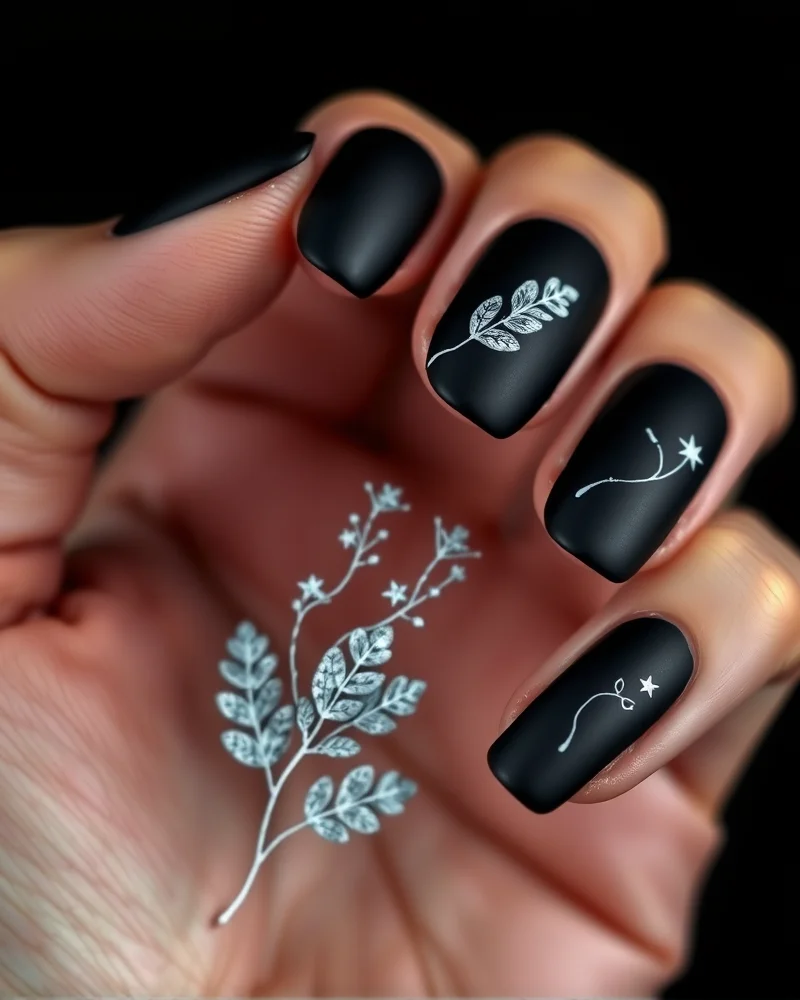
When you master the art of the perfect matte chalkboard base, the canvas is primed for artistic expression. The key to elevating this look lies in selecting fall motifs that contrast beautifully against the deep, dark backdrop. By utilizing high-pigmentation acrylic paints or chalk-style liquid markers, you can achieve a professional aesthetic that captures the cozy essence of the season. Whether you are transitioning your style for a crisp autumn afternoon or seeking cozy interior design inspiration to match your manicure, the motifs you choose define the narrative of your nail art.
Celestial patterns are particularly striking against chalkboard nails. Think golden crescent moons, scattered star clusters, or intricate constellations rendered in stark white. These designs evoke the cooling nights of October and offer a sophisticated, mystical vibe. If you prefer a more organic approach, botanical illustrations are a timeless choice. Delicate sketches of skeletal leaves, pine needles, or dried wildflower stems create a rustic, earthy feel that honors the transition of nature during the fall months.
For those who love a bit of nostalgia, classic ‘back to school’ lettering is a playful way to embrace the chalkboard trend. You might feature vintage cursive script spelling out words like autumn or cozy, or even mimic the look of a schoolhouse chalkboard with tiny mathematical equations or geometric shapes. Minimalist geometric shapes, such as fine-line triangles, diamonds, or intersecting lines, provide a modern, structural contrast to the organic motifs mentioned earlier. These cleaner shapes prevent the overall design from feeling too cluttered while maintaining the edgy, matte appeal of the base coat.
| Design Category | Difficulty Level | Pro-Tip for Success |
|---|---|---|
| Celestial Patterns | Moderate | Use a dotting tool for perfectly uniform stars. |
| Botanical Illustrations | High | Use a fine liner brush to capture delicate leaf veins. |
| ‘Back to School’ Lettering | High | Practice your calligraphy on paper before touching the nail. |
| Minimalist Geometric Shapes | Low | Use adhesive striping tape to create perfect, crisp edges. |
Ultimately, the beauty of the chalkboard nail trend is its versatility. You can mix and match these styles on an accent nail or keep the theme consistent across all ten fingers. Regardless of the complexity you choose, remember that the goal is to balance the dark background with deliberate, thoughtful details.
How to transition your chalkboard nails into winter?
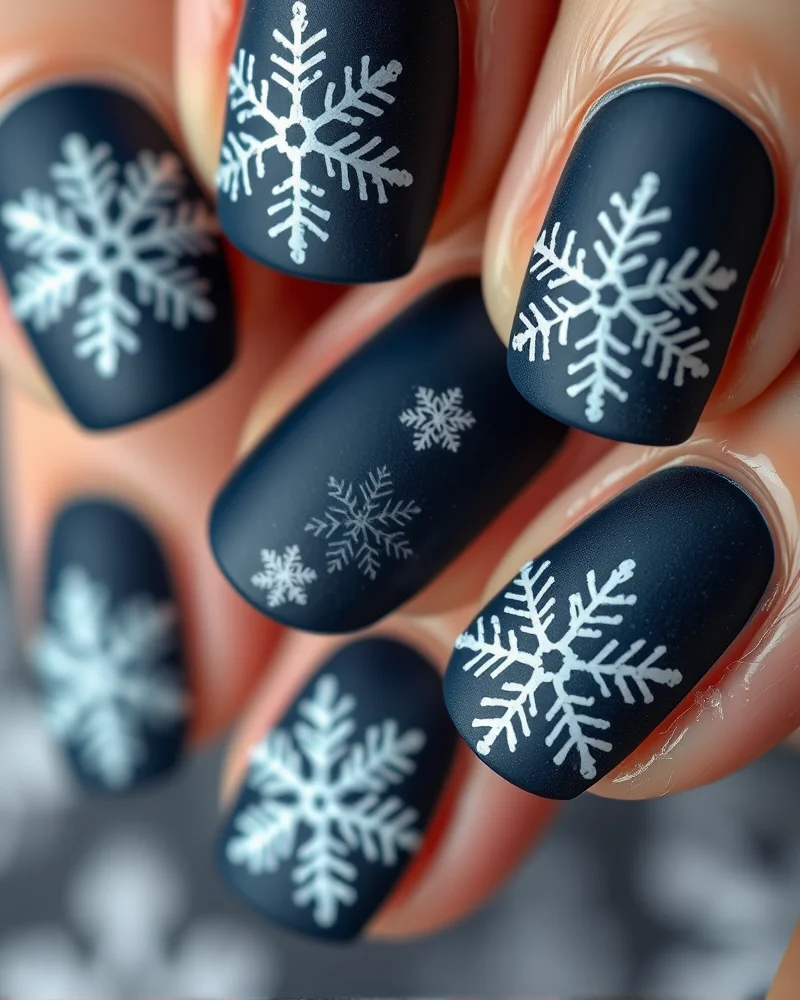
Transitioning your chalkboard manicure from the crisp, amber hues of autumn into the icy elegance of winter is a seamless process that relies on shifting your color palette while maintaining that signature, tactile matte finish. As the leaves fall and the first frost sets in, you do not need to strip away your foundational chalkboard base. Instead, look at your existing matte black or charcoal foundation as a blank canvas waiting for a seasonal evolution. The key to this transition is swapping your warm-toned artistic accents for cooler, more sophisticated shades that mirror the winter landscape. Move away from the burnt oranges, mustard yellows, and rustic browns of October, and begin incorporating deep, moody tones like navy blue, midnight forest green, or even a crisp, arctic white.
When it comes to evolving your aesthetic, the primary focus should be on the transition of your artistic motifs. While autumn is defined by falling foliage and intricate maple leaf line art, winter provides the perfect opportunity to embrace geometric precision. You can keep your chalkboard texture by utilizing a white or metallic acrylic paint to draw delicate, lacy snowflakes or starbursts directly onto the matte surface. Because the chalkboard finish is inherently porous and dry in appearance, it makes the perfect background for high contrast art. The following list outlines effective ways to update your look for the colder months:
- Color Palette Shift: Replace your autumn-inspired maroons and coppers with icy silver, deep navy, or emerald green details to achieve a more wintry, luxurious vibe.
- Motif Evolution: Transition from organic leaf shapes to sharp, symmetrical snowflake designs or minimalist winter constellations.
- Texture Longevity: Since you are keeping the matte top coat, ensure you have a fresh layer of a high quality matte top coat to keep the chalkboard effect crisp against the winter elements.
- Minimalist Accents: Use white gel liner to create frost-like tips or negative space designs that mimic the look of a frosted windowpane.
By keeping the chalkboard base intact, you save time on re-application while ensuring your nails remain a conversation piece throughout the holiday season. The matte finish inherently softens the look of bold winter colors, preventing the manicure from appearing too harsh. If you find your artistic skills are better suited for simple lines, consider adding small dots of white near the cuticle to mimic falling snow, which looks exceptionally sophisticated against a midnight blue or charcoal chalkboard background. This methodical approach ensures that your manicure remains relevant, chic, and perfectly aligned with the changing climate, proving that the chalkboard nail trend is a versatile, year-round staple for any fashion-forward individual.
Common mistakes to avoid when attempting this manicure
Achieving the perfect matte chalkboard aesthetic for the autumn season requires a delicate balance of technique and product knowledge. Even experienced nail enthusiasts can run into frustrations when trying to replicate this trendy look. To ensure your manicure remains flawless, consider these common pitfalls and how to rectify them before your lacquer sets.
- Overloading with thick topcoat: One of the most frequent errors is applying a standard glossy topcoat followed by a matte finish, or simply layering the matte topcoat too heavily. When you apply thick layers, the product tends to pool around the cuticles and creates a gummy, uneven texture that ruins the crisp, chalky effect. The Fix: Use a high quality matte topcoat specifically designed for this purpose. Apply two very thin, even coats rather than one heavy layer, allowing each to dry completely. If you find the finish is still too thick, you are likely using a formula that is past its prime or too viscous.
- Lack of opacity in the base layer: Chalkboard nails rely on a deep, ultra matte black base to provide the contrast necessary for white accents to pop. If your base layer is streaky or translucent, the overall design will look washed out and unprofessional. The Fix: Always use a highly pigmented, one coat black crème polish. If you notice streaking, let the first coat dry for at least ten minutes before applying the second. A porous base will cause your white chalk designs to bleed or lose their sharpness.
- Smudging your chalk motifs: When drawing intricate fall leaves or typography, impatience is your greatest enemy. Trying to detail the nail before the matte base is fully cured often leads to dragging and smudging. The Fix: Ensure your matte base is completely set by waiting an extra few minutes longer than you would for a glossy manicure. When using acrylic paint or specialized white detailing polish, keep your brush lightly loaded. If you make a mistake, gently remove the paint with a tiny amount of water or non acetone remover without disturbing the dried matte base. Patience is the secret to a professional fall chalkboard finish that looks like a classroom masterpiece rather than a messy sketch.
Final verdict: Is this the trend of the year?
When we evaluate the trajectory of seasonal nail aesthetics, it becomes clear that the fall chalkboard trend represents more than a fleeting moment of social media viral fame. It stands as a sophisticated evolution of the classic matte manicure, bridging the gap between minimalist chic and artisanal expression. We consider this the defining trend of the year because it captures the precise essence of autumn nostalgia while remaining versatile enough for individual interpretation. The longevity of this look is secured by its adaptability; unlike temporary novelty prints, the chalkboard aesthetic relies on texture and contrast, elements that remain pillars of high fashion regardless of the specific season. It is a manicure that commands attention without screaming for it, making it the perfect choice for the modern professional.
However, the difference between a manicure that looks like a high end editorial feature and one that appears messy lies entirely in the caliber of your supplies. This is not a look where you can cut corners with budget top coats or chalky pigments. Investing in professional grade matte top coats is the undisputed secret to achieving that authentic, velvety finish that defines the chalkboard style. A premium matte top coat ensures a smooth, streak free surface that maintains its integrity for days without polishing out to a shine or collecting unwanted oils. We strongly recommend prioritizing high pigment, opaque cream polishes that provide a solid foundation for your white or pastel detailing. When you use inferior products, the fine lines required for that quintessential chalkboard aesthetic often bleed or fade, resulting in a blurred mess rather than a crisp illustration.
To ensure your investment pays off, consider these essential maintenance tips for keeping your chalkboard finish looking fresh:
- Use an acetone free remover when cleaning your cuticles to avoid accidentally dulling the matte finish of your surrounding polish.
- Apply a high quality cuticle oil daily to prevent the matte surface from appearing dry or ashy, which can sometimes happen with premium non reflective formulas.
- Carry a fine liner brush and a high quality white acrylic paint for on the go touchups to your hand painted motifs.
Ultimately, the chalkboard trend serves as a masterclass in texture play. By prioritizing high quality products, you are not just painting your nails; you are curating a tactile experience that signals refined taste. This is undeniably the year of the matte aesthetic, and with the right tools, you can ensure your manicure remains the gold standard of fall nail art.
The fall chalkboard manicure is more than just a fleeting trend; it is a masterclass in texture, contrast, and minimalist artistry. By prioritizing high-pigmentation base coats and high-performance matte sealants, you can elevate your seasonal style to professional levels. Whether you opt for delicate botanical sketches or bold, moody typography, the chalkboard aesthetic offers a unique, tactile experience that stands out in a sea of high-gloss finishes. Remember that the secret lies in the quality of your tools and the patience of your technique. Now that you have the blueprint, visit [Nailosmetic](https://nailosmetic.com/) to gather the professional-grade polishes you need to master this sophisticated autumn look.