Fall Table Centerpieces

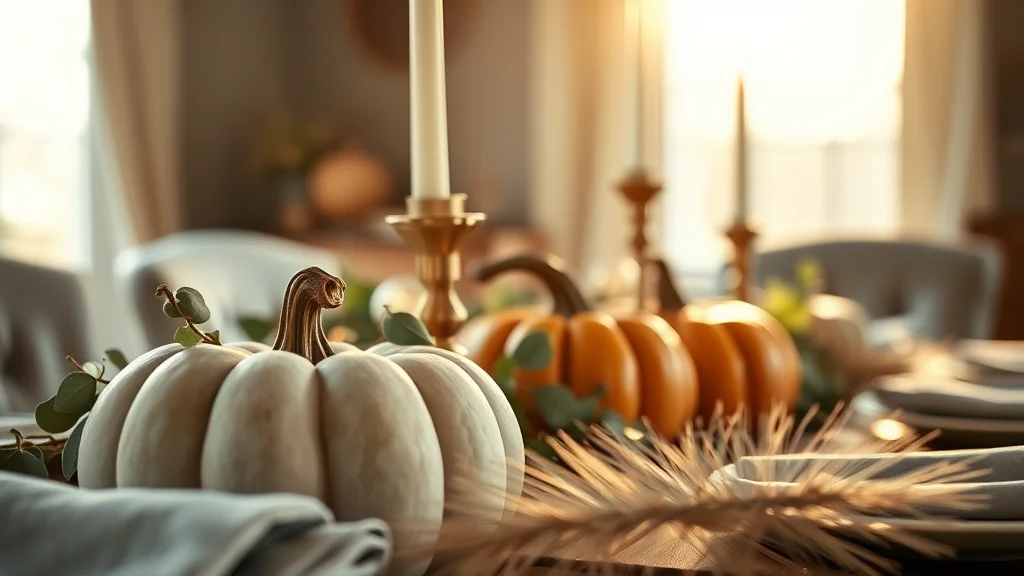
A fall table centerpiece is the heart of autumnal home styling, typically blending seasonal flora like dried wheat, pumpkins, and rich earth-toned textiles to create a cohesive focal point. To achieve professional-level aesthetics, designers now prioritize ‘micro-layering’—a technique that balances height, texture, and metallic accents to anchor a dining space. If you have ever wondered why your dining room feels ‘unfinished’ despite expensive decor, the secret lies in the color theory of your accessories. Much like how the perfect manicure complements an outfit, our experts at [Nailosmetic](https://nailosmetic.com/) have identified that high-fashion color palettes—specifically burnt sienna, moss green, and champagne gold—are currently dominating luxury table styling. In this guide, we reveal the exact styling secrets that interior designers keep to themselves, ensuring your home looks like a high-end editorial spread this season.
Why is Everyone Switching to Metallic-Infused Fall Centerpieces?
The aesthetic landscape of interior design has undergone a significant transformation, moving away from the purely organic, weathered look of traditional rustic decor toward a sophisticated style known as modern rustic. While the classic fall centerpiece once relied heavily on dried wheat, rough-hewn burlap, and matte orange pumpkins, the current trend emphasizes a marriage between raw, earthen textures and high-shine finishes. This shift is largely driven by the explosive rise of tablescaping as a pillar of modern lifestyle culture. According to recent search data and retail analytics, engagement with home tablescaping content has increased by over 40 percent in the last two years, reflecting a collective desire to treat dining as an experiential, curated event rather than a mundane daily necessity.
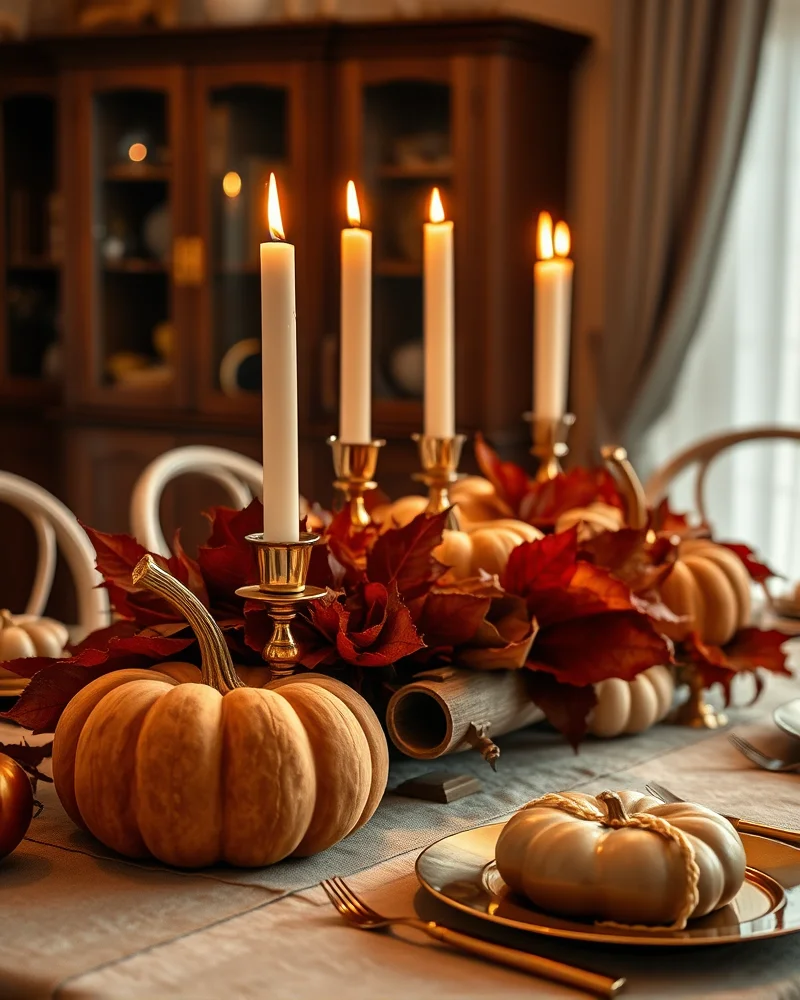
Color psychology plays a critical role in why metallic-infused centerpieces have captured the public imagination. Traditional autumn palettes are inherently heavy and dark, but the inclusion of brass and gold elements introduces a necessary layer of reflective warmth. Gold acts as a bridge between the earthy browns of fallen leaves and the crisp cream tones of modern farmhouse decor. When you incorporate brass or brushed gold candlesticks, lanterns, or decorative metallic gourds into your display, you are fundamentally changing the way light interacts with the space. Metallics are exceptional at catching the flickering glow of taper candles or votives, diffusing that amber light across the entire dining table to create an atmosphere of refined intimacy. This interplay between the permanence of metal and the transience of seasonal flora grounds the arrangement, making it feel intentional rather than cluttered.
To successfully execute this look at home, focus on layering textures. Start with a foundation of velvet or raw linen table runners, then distribute metallic accents at varying heights to create visual depth. Pro-tip: mix your metal finishes if you are feeling adventurous, as the juxtaposition of muted antique brass with sleek copper creates a contemporary tension that feels bespoke. By integrating these elevated materials, your fall centerpiece transcends basic seasonal decor, becoming a permanent staple of your home identity that feels both grounded in tradition and undeniably current.
What are the 5 Essential Components of a Pro-Grade Centerpiece?
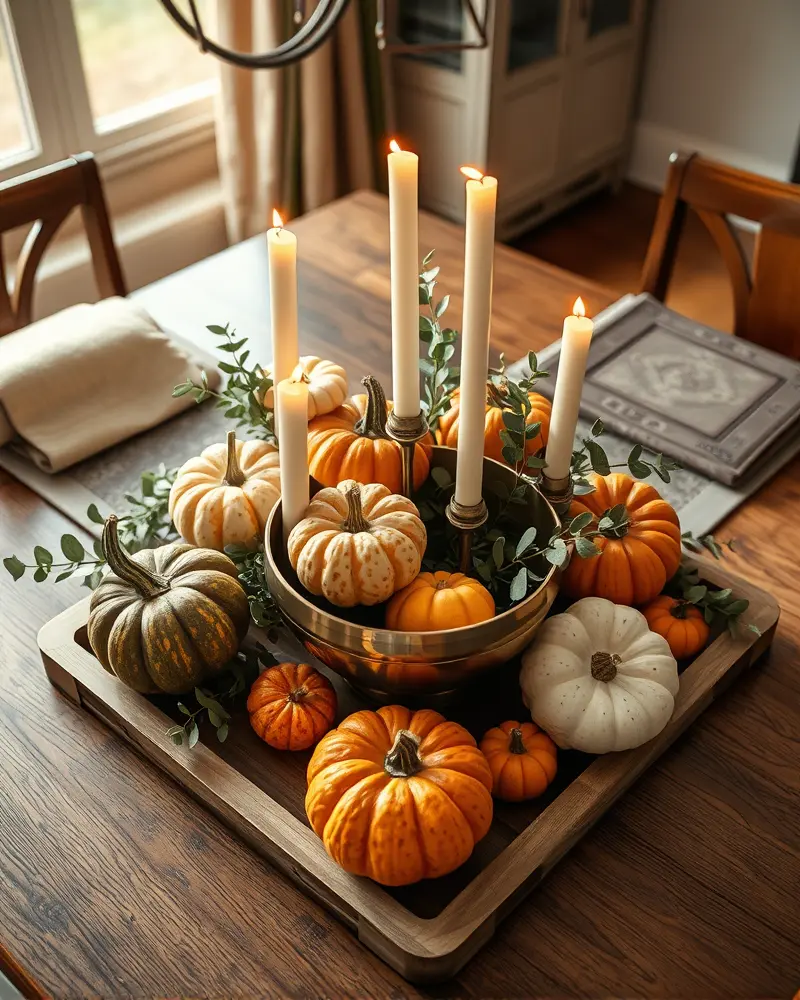
Creating a centerpiece that looks like it was plucked from the pages of a high end interior design magazine requires more than just throwing seasonal items together on a dining table. Achieving a pro grade look relies on understanding the structural anatomy of design. By balancing visual weight through these five essential components, you can transform a standard table setting into a breathtaking focal point for your autumn gatherings.
- The Foundation
Every masterpiece begins with a solid base. The foundation acts as the visual ground for your arrangement. Whether you choose a rustic wooden tray, a reclaimed slate board, or a decorative runner, this layer defines the footprint of your centerpiece. Pro tip: Always select a foundation that occupies roughly one third of your table length to ensure the arrangement feels proportional rather than floating or overcrowded. - Height
A centerpiece without varied height feels flat and uninspired. By incorporating vertical elements, you draw the eye upward and create dynamic movement. Think of elegant taper candles in brass holders, tall glass vases filled with dried wheat stalks, or twisted willow branches. The goal is to stagger your heights so the arrangement guides the gaze across different levels rather than resting in a single static plane. - Texture
Texture is the secret weapon of professional stylists. Fall provides a rich palette of sensory details. Mix smooth elements like polished gourds or ceramic pumpkins with rougher, organic materials like dried moss, raffia ribbons, or burlap fabric. This contrast prevents the centerpiece from appearing one dimensional and adds a layer of sophistication that invites guests to take a closer look at the intricate details. - Greenery
Greenery acts as the connective tissue that bridges the gap between your hard decor pieces and the table surface. Incorporating eucalyptus, sage, or fern stems adds natural fluidity to your design. Even in the fall, fresh or preserved greenery softens the sharp edges of candlesticks and hard fruit accents, making the entire display feel lush, alive, and curated. - The Anchor Piece
Every centerpiece requires a singular, commanding element that captures immediate attention. This is your anchor piece. It could be a oversized statement pumpkin with a metallic finish, a collection of vintage amber glass bottles, or an ornate brass bowl overflowing with seasonal botanicals. By placing this anchor piece in the center or slightly off center, you provide a clear focal point that grounds the rest of the composition and establishes the thematic narrative of your entire table scape.
Mastering these five elements allows you to manage visual weight effectively. By placing your heaviest items toward the center and letting lighter, more airy textures spill toward the edges, you ensure that your fall centerpiece feels balanced, intentional, and perfectly proportioned for your home.
How Do You Choose the Right Color Palette for Your Space?
Selecting the perfect color palette for your autumn table centerpiece is about balancing the seasonal energy of fall with the permanent architecture of your dining room. When you approach your decor with a designer mindset, you must treat the centerpiece as a bridge between your furniture and your desired atmosphere. Whether you are aiming for a soft, grounded sanctuary or a bold, dramatic statement, your palette dictates the entire sensory experience of the meal. Before you begin styling your table, it is helpful to understand the foundational principles of interior design, which you can explore in our home decor ideas ultimate guide to master the art of space coordination.
| Palette Trend | Best For | Key Color Components | Furniture Matching Guide |
|---|---|---|---|
| Earth Muted | Farmhouse and Coastal styles | Sage green, terracotta, warm cream, and toasted almond | Pairs best with light oak, whitewashed woods, and natural linen textiles. |
| Moody Gothic | Formal dining rooms and dark wood | Deep plum, charcoal, forest green, and metallic copper | Works beautifully with mahogany, walnut, or black lacquer dining sets. |
| Modern Minimalist | Open concept and contemporary homes | Monochromatic greige, slate grey, white, and subtle gold | Complements glass tables, acrylic chairs, and metal-based furniture. |
To ensure your chosen palette enhances your space, start by analyzing your current wall color. If you have cool grey walls, the Earth Muted trend provides a necessary contrast to prevent the room from feeling clinical. Conversely, if your dining room features navy or charcoal paint, the Moody Gothic aesthetic pulls the room together by creating a seamless, enveloped feel. When matching to your furniture, consider the saturation of your wood grains. A heavy dark walnut table can easily support the visual weight of dark candles and deep aubergine florals, whereas a glass table demands the airiness found in the Modern Minimalist approach to keep the centerpiece from appearing cluttered.
Pro-tip: Always evaluate your room in the lighting you use most often. If your dining area relies on warm overhead pendant lights, avoid overly cool grey palettes, as they can appear dingy. Instead, lean into warm, earthy tones that glow when the lights are dimmed. By carefully curating your centerpiece based on these design pillars, you create a cohesive environment that feels intentional rather than accidental.
Should You Use Fresh or Faux Florals for Autumn Styling?
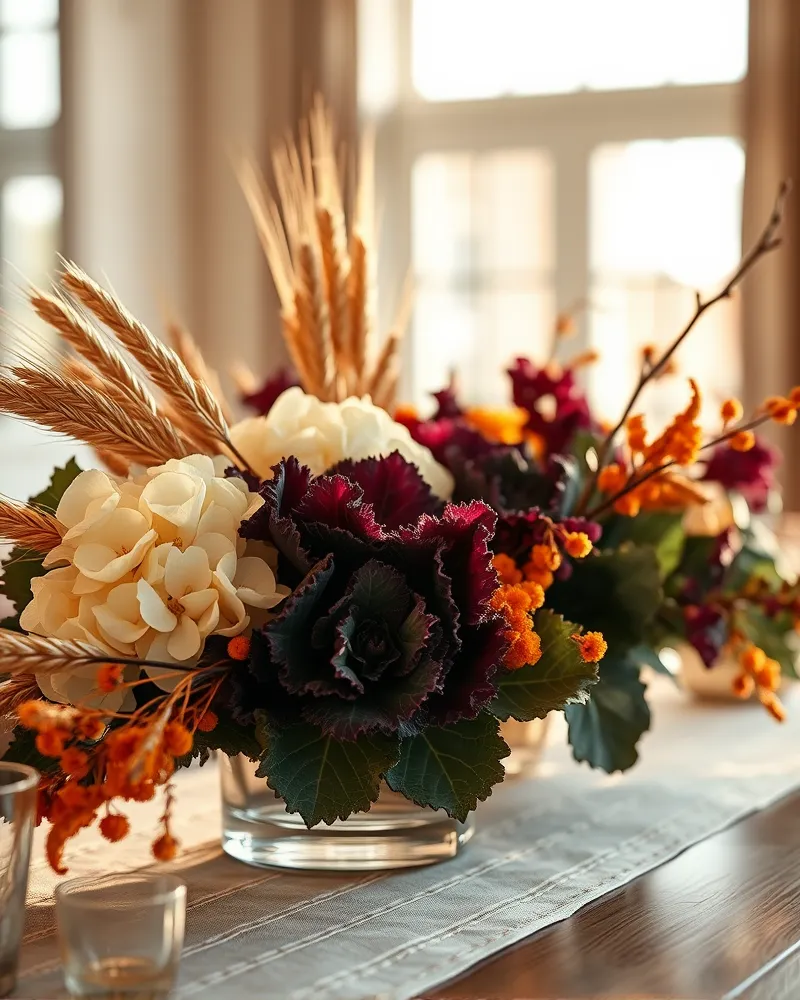
When curating the perfect autumn table centerpiece, one of the most debated topics among professional stylists is the choice between fresh botanical elements and high quality faux alternatives. Fresh flowers bring an undeniable sensory experience, offering natural scents and authentic textures that simply cannot be replicated. However, the lifespan of a fresh bouquet is limited. Seasonal blooms like dahlias or chrysanthemums begin to wilt within days, requiring frequent replacements if you want your dining room table to remain immaculate throughout the entire season. On the other hand, premium faux florals provide incredible longevity. Modern silk stems are designed with such precision that they often mimic the intricate veins and subtle color gradients of live foliage. While they require zero maintenance and can be stored away for use in future years, they lack the organic growth patterns that define true nature, sometimes feeling static or overly perfect.
Cost is another critical factor in this decision. Investing in luxury silk arrangements involves a higher upfront expense, yet they prove more economical over time due to their durability. Fresh florals necessitate a recurring budget, which can escalate quickly if you host frequent dinner parties. To bridge this gap, I recommend a professional Faux Real hybrid strategy. By utilizing high quality silk stems as the foundational structure for your centerpiece, you can strategically intersperse affordable, seasonal fresh elements to infuse the arrangement with life and realism.
Consider this hybrid approach for your next autumn display:
- Use permanent silk stems as the primary anchor for height and color volume.
- Incorporate fresh ornamental kale or cabbage to introduce deep purples and greens that look remarkably crisp.
- Add fresh, foraged branches from your yard to provide a sense of organic movement and seasonal texture.
- Tuck in fresh eucalyptus or sprigs of rosemary to introduce a subtle, natural fragrance that convinces the senses the entire piece is living.
This method ensures that your centerpiece remains full and vibrant for weeks. When the fresh kale or branches eventually dry out or wilt, you can simply swap them for new clippings or fresh seasonal fruits like pomegranates and pears without needing to dismantle the entire structural arrangement. This hybrid technique grants you the best of both worlds, balancing permanent investment pieces with the ephemeral, breath of fresh air that only living flora can provide.
What is the ‘Rule of Three’ in Floral Arrangement?
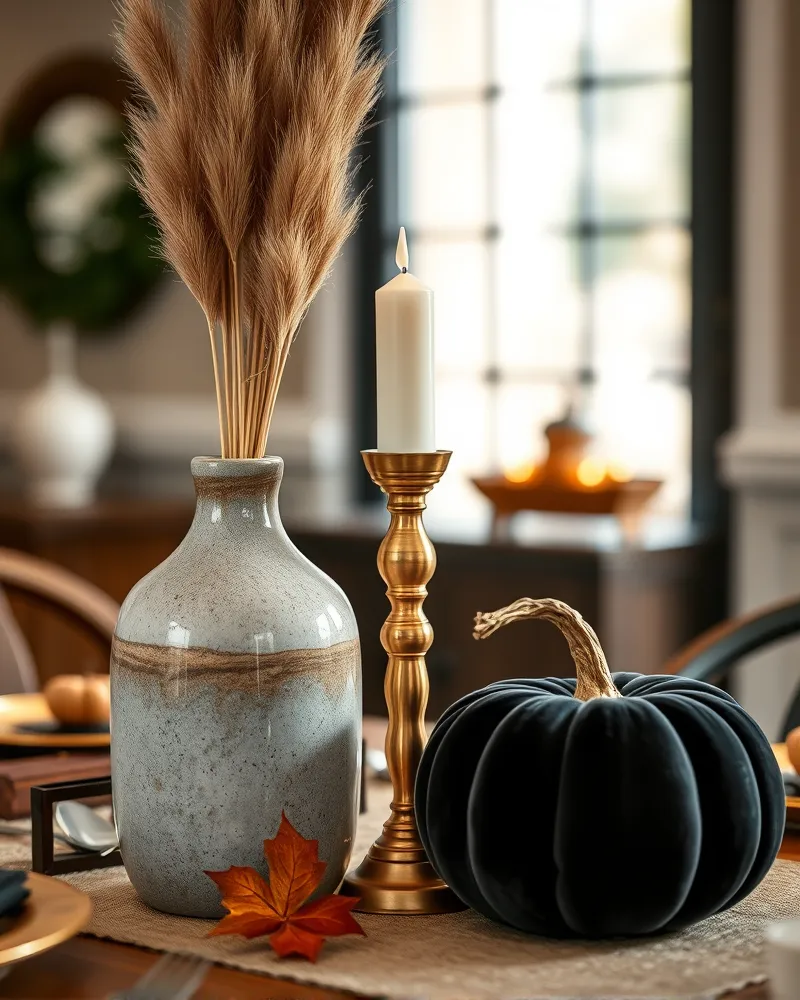
When you look at a professional centerpiece and wonder why it feels so effortlessly balanced, you are likely witnessing the Rule of Three in action. In the world of interior design and floral styling, the human eye is naturally hardwired to find odd numbers more appealing and memorable than even ones. Grouping items in threes creates a sense of harmony and visual tension that keeps the viewer engaged. When you arrange elements in an even number, such as two or four, the symmetry can often feel static or overly rigid. By choosing three objects of varying sizes, shapes, or textures, you invite the eye to travel across the display in a graceful triangular pattern, which prevents the arrangement from appearing cluttered or stagnant.
To apply this to your autumn decor, think about layering your pieces through both vertical and horizontal scaling. Vertical scaling refers to how your centerpiece interacts with the height of the room. You want to ensure you have a tall anchor piece, such as a rustic ceramic vase filled with dried eucalyptus or wheat, which draws the gaze upward. Your second item might be a medium height element, perhaps a textured pillar candle or a carved wooden riser. Finally, the third item should be low to the table, such as a cluster of velvet pumpkins or a scattering of acorns. This tiered approach ensures your centerpiece does not block conversation across the dining table.
Horizontal scaling is equally vital for maintaining a balanced footprint. If your centerpiece is too thin, it will look lost in the middle of a large table. If it is too wide, it will crowd your guests and dinnerware. Aim to keep the bulk of your trio centered, allowing the visual weight to taper off toward the ends of the table. If you are working with an elongated dining surface, you can repeat the Rule of Three at intervals, creating several mini clusters that mirror each other. This repetition creates a cohesive rhythm. Remember that ‘items’ do not always mean flowers. Incorporating non floral objects like brass candlesticks, moss spheres, or seasonal gourds helps add texture and depth, ensuring your autumn centerpiece feels curated rather than crowded.
How to Incorporate Seasonal Produce Without the Mess?
Integrating nature into your autumn tablescape is the ultimate way to evoke that cozy, harvest season aesthetic. However, there is a fine line between a sophisticated, rustic centerpiece and a decaying produce pile. To achieve a high-end look without the stress of rotting fruit or attracting unwanted pests, you need a strategy that prioritizes both longevity and hygiene.
- Prioritize Firmness and Quality: When selecting gourds, apples, or pomegranates, always inspect them for soft spots or bruises. Any blemish is a gateway for bacteria, which accelerates rot and creates an unpleasant odor. Choose items that feel dense and solid. Wash them thoroughly in a solution of water and a small amount of white vinegar to remove surface wax and bacteria before placing them on your table.
- The Sealant Technique: If you plan to keep your display for several weeks, consider a light coat of clear acrylic spray on your gourds or pumpkins. This seals the skin, effectively slowing down moisture loss and preventing the fruit from shriveling. For a more tactile approach, some designers even use a light application of mineral oil to keep the colors vibrant and the surface glossy, ensuring they look just as stunning as your bedazzling ideas for seasonal fashion accessories.
- Strategic Layering for Food Safety: If your centerpiece is placed near platters of appetizers or main courses, hygiene is paramount. Never place raw produce directly onto surfaces that will hold open food unless it has been thoroughly sanitized. Instead, utilize decorative trays, wooden chargers, or pedestals to create a physical barrier between the decor and the dining items. This prevents cross-contamination and allows for easy cleanup.
- Use Produce as Bases Rather Than Fillers: Instead of piling loose fruit that can roll or bruise, use pomegranates and small gourds as an anchor at the base of your floral arrangements. By grouping them in glass vessels or nestled within a wreath of faux autumn leaves, you contain the mess. If an apple begins to lose its luster or shows signs of aging, the arrangement remains stable, allowing you to swap out individual pieces without dismantling the entire display.
- Temperature Control: Autumn centerpieces often suffer because dining rooms become overly warm during dinner parties. Keep your table away from direct heat sources like candles or heating vents. Heat hastens the ripening process for apples and pomegranates, which triggers the release of ethylene gas, potentially damaging other floral elements in your arrangement. By keeping the produce cool, you extend the lifespan of your centerpiece significantly.
Is Candlelight Essential for a Fall Centerpiece?
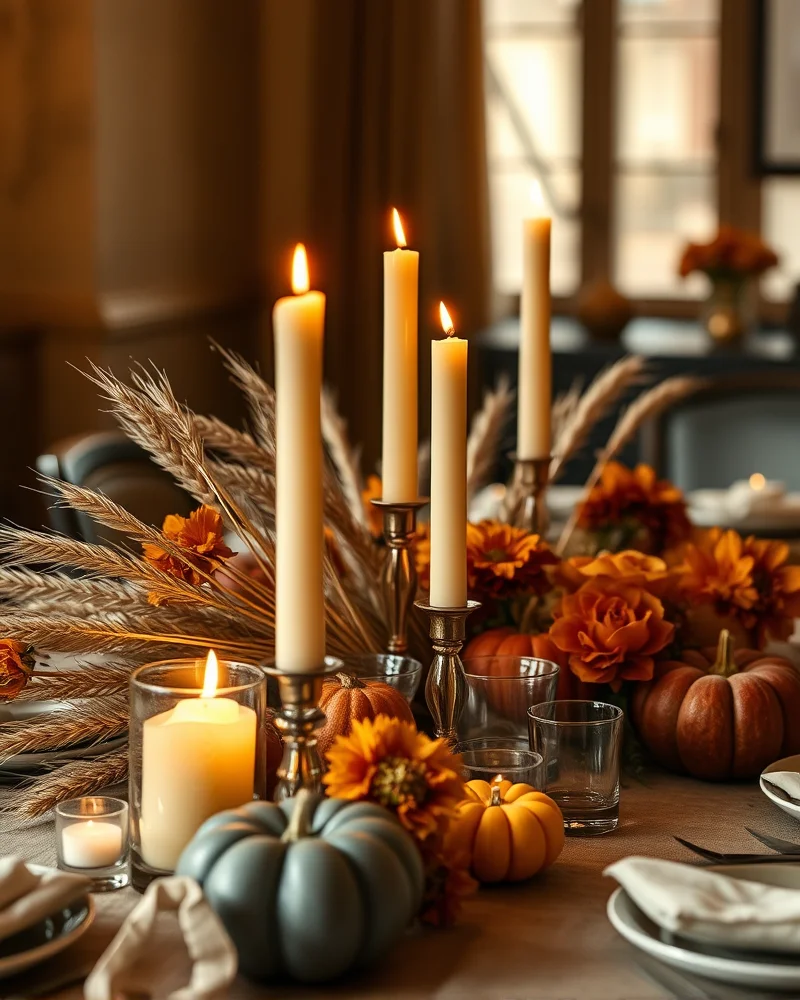
When we discuss the artistry behind a Nailosmetic fall table centerpiece, the conversation inevitably turns to the most transformative element of all: lighting. Is candlelight truly essential? While it is not a strict requirement, candlelight acts as the soul of your autumn dining experience. The golden glow of a flickering flame adds a layer of depth and intimacy that elevates a static floral display into a curated experience for your guests. The primary objective of your centerpiece lighting is to generate warmth and comfort, which are the quintessential feelings of the harvest season.
Choosing the right vessel for your light is where the styling becomes technical. Taper candles provide a sense of verticality and elegance, drawing the eye upward and giving your table a sophisticated, formal silhouette. However, they must be used carefully to avoid obstructing the view across the table. Votives, by contrast, offer a grounded, cozy aesthetic that nests perfectly within layers of eucalyptus, dried wheat, or miniature gourds. For a modern and practical approach, LED flameless candles have become an industry favorite. They provide the same ambient glow without the anxiety of open flames or the messy runoff of melting wax onto your heirloom linens.
Safety and sightlines remain the most critical considerations for any host. When placing candles, you must always adhere to the eye level rule. Your primary light sources should either sit well below the line of vision or tall enough to allow for clear eye contact between guests sitting across from one another. A common mistake is placing mid height candles that intersect directly with a guest’s line of sight, creating an annoying barrier to conversation. Furthermore, ensure that no dry botanical materials, such as dried autumn leaves or raffia, are placed in close proximity to a live flame. If you are aiming for a high impact look, layering various heights of LED pillar candles provides the visual interest of a traditional display while maintaining total safety throughout your dinner party.
How Do You Adapt Centerpieces for Small Dining Tables?
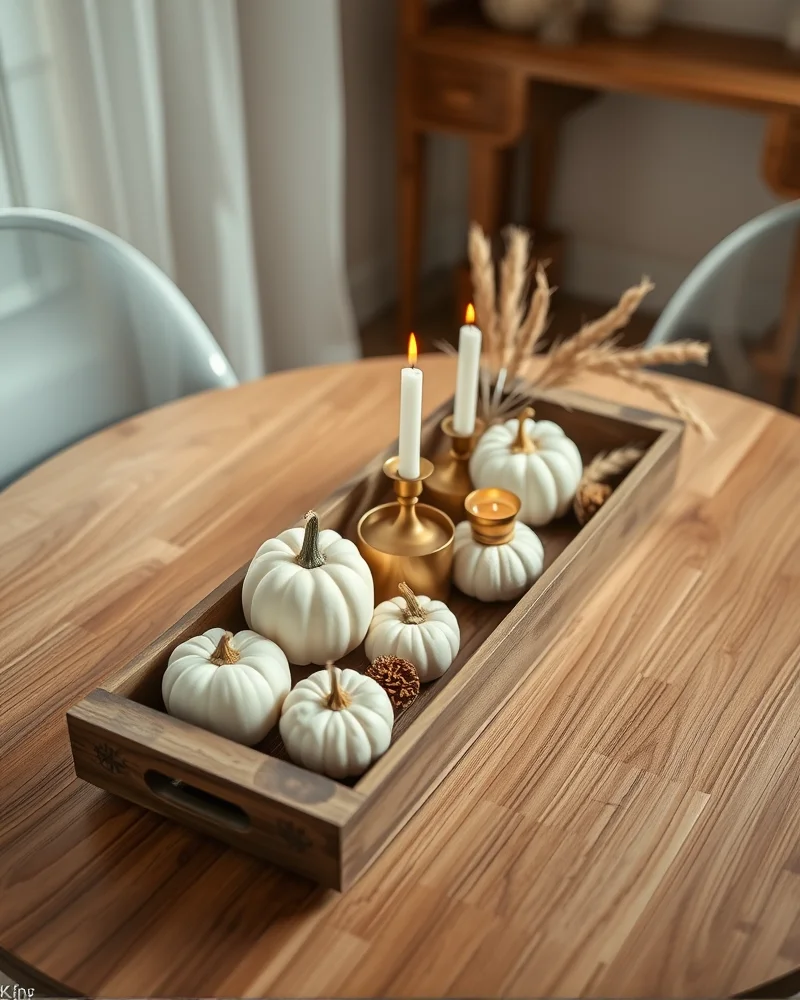
When working with compact dining areas or cozy apartment floor plans, the biggest mistake is choosing a centerpiece that acts as a visual wall. For small dining tables, the secret to success lies in the horizontal plane rather than the vertical one. By shifting your focus toward low profile arrangements, you preserve the intimacy of your dining experience while ensuring that guests can maintain eye contact across the table without obstructions. A crowded table feels cluttered, but a well-curated, low-lying design creates a sense of intentionality and seasonal elegance.
To achieve this, start by selecting a long, narrow tray or a wooden dough bowl that mimics the shape of your table. Instead of towering floral bouquets, opt for a collection of votive candles interspersed with natural fall elements like small pumpkins, dried wheat bundles, and acorns. This layout allows for seamless conversation because the height remains consistently below the chin level of anyone seated at the table. If you want to integrate height, use delicate stems of dried grasses or single-bloom dried hydrangeas in narrow glass bud vases. Because these vases are transparent, they maintain an airy aesthetic that does not disrupt the visual flow of the room.
Consider these space-saving strategies for your next seasonal gathering:
- Use a Modular Approach: Rather than one massive centerpiece, use three small individual vessels that can be moved easily when plates of food are placed on the table.
- Embrace Monochrome Palettes: In a small space, high contrast can look chaotic. Using varying textures of the same color palette, such as cream, beige, and muted gold, helps the centerpiece blend into the table setting rather than dominating it.
- Go Flat with Nature: Arrange a runner made entirely of pressed fall leaves or dried eucalyptus branches directly on the tabletop. This adds zero height while providing significant seasonal character.
- Prioritize Multi-Functional Elements: Use seasonal produce like pears or pomegranates as part of your decor. They occupy minimal space and double as a refreshing course at the end of your meal.
Ultimately, the goal for a small dining area is to maintain a sense of openness. By keeping your centerpiece close to the surface of the table, you invite guests to relax, lean in, and enjoy the meal without feeling like they are dining behind a garden hedge. Choosing quality over quantity will always yield a more sophisticated result in a smaller footprint.
What Are the Best DIY Hacks for Budget-Friendly Styling?
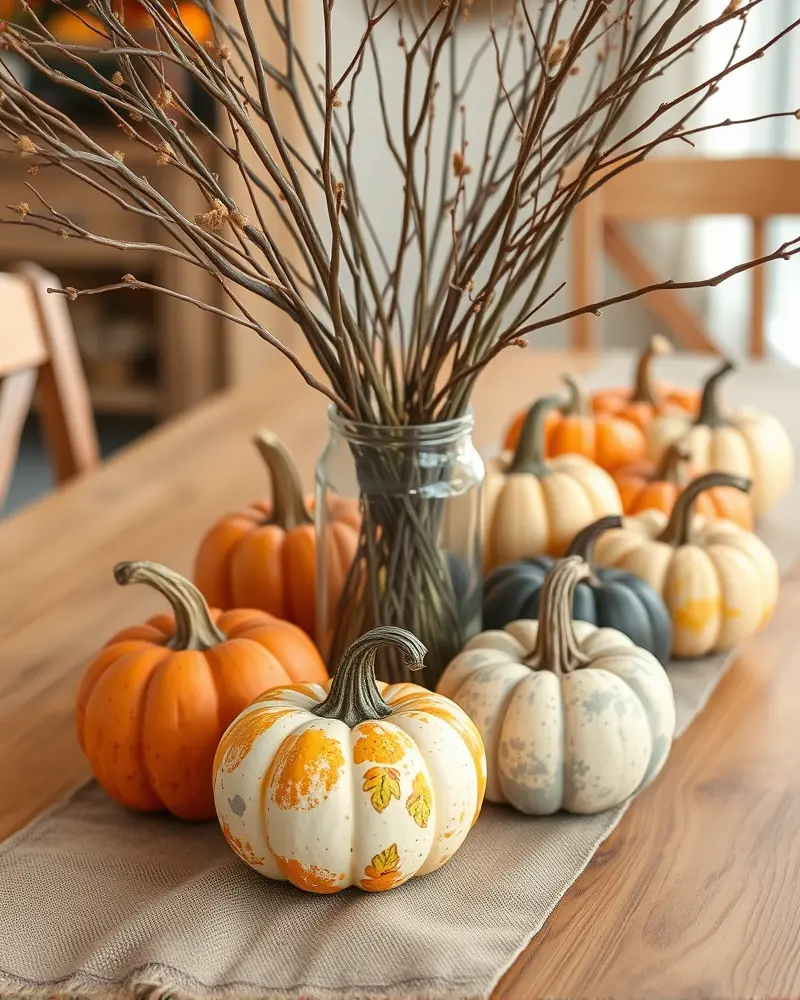
Elevating your dining space for the autumn season does not require an expansive budget. In fact, some of the most sophisticated table aesthetics emerge from items you already possess or materials gathered directly from nature. By tapping into your creative instincts, you can achieve a high end look that feels both curated and cozy.
- Forage for Botanical Elements: Nature provides an abundance of free decor during the transition to colder weather. Take a walk through your local park or garden to collect dried branches, twisted willow, or fallen oak leaves. Once gathered, clean them gently and place them in a matte glass vase. For an added touch of elegance, you can spray paint these branches in metallic gold or copper to create a striking structural centerpiece that catches the warm evening light.
- Elevate Dollar Store Pumpkins: Plain orange gourds are a staple of seasonal styling, but they often lack a custom feel. Purchase inexpensive foam or plastic pumpkins and give them a textured transformation using chalk paint or baking soda mixed with acrylic paint. This creates a refined, artisanal clay appearance. If you want to personalize your display further, consider incorporating a DIY fall chalkboard to act as a unique backdrop or a creative menu sign that complements your gourd arrangement perfectly.
- Repurpose Fabric Scraps: Do not discard those leftover fabric remnants or worn out linen napkins. These textile scraps can be braided or layered to form a rustic table runner that adds warmth and texture to your table setting. Simply fray the edges of cotton or burlap fabric to create a farmhouse chic aesthetic. This method allows you to introduce seasonal hues like mustard yellow, burnt orange, or deep burgundy into your color palette without purchasing new linens.
- Utilize Kitchen Staples: Dried grains and legumes such as lentils, split peas, or popcorn kernels serve as excellent vase fillers. By pouring these items into clear jars and nestling a taper candle inside, you provide a stable base for your candles while adding a rustic, harvest inspired visual layer. This simple trick adds weight and seasonal character to your arrangement while keeping your decorative costs near zero.
How Can You Coordinate Your Nails with Your Table Decor?
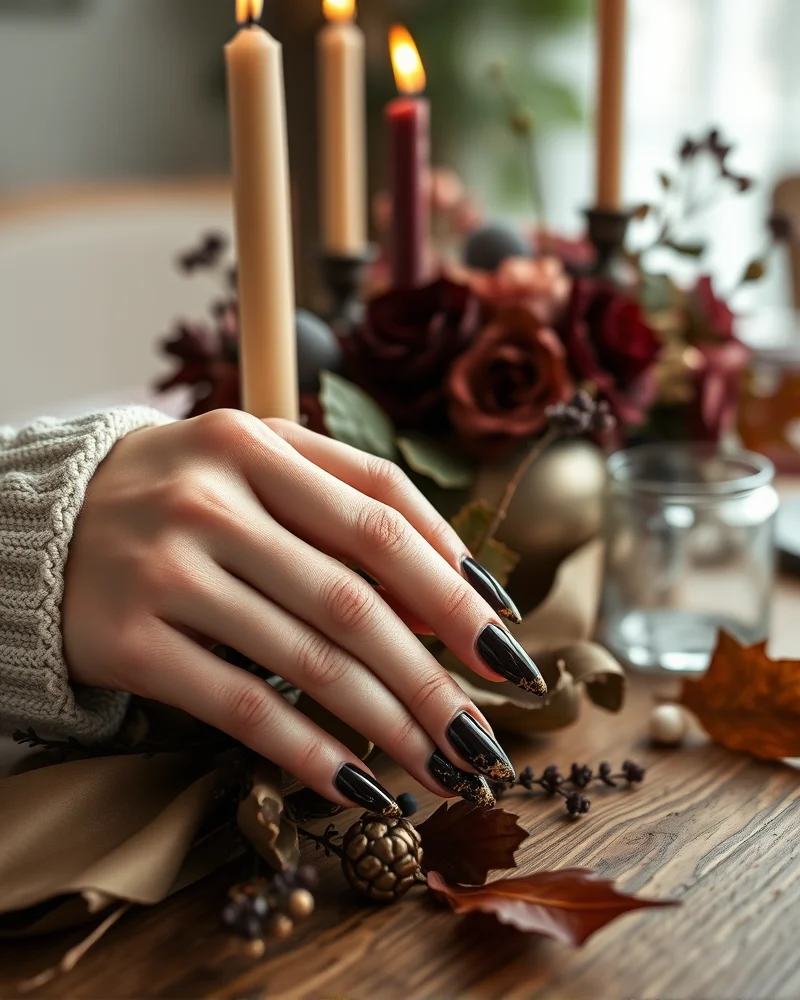
True style transcends the boundaries of fashion and interior design, creating a seamless narrative that ties your personal presentation to the atmosphere of your home. When you are hosting an autumn gathering, coordinating your manicure with your fall table centerpiece is the ultimate way to showcase your attention to detail. At Nailosmetic, we believe your nails are the best accessory for the season, acting as a bridge between your sartorial choices and your dining room aesthetic. By aligning your nail art with the color palette of your table scape, you create a cohesive visual experience that feels both polished and intentionally curated.
For those who favor a sophisticated and moody fall dining aesthetic, deep berry shades are the perfect starting point. When your centerpiece features rich, dark florals, burgundy candles, or dark pomegranate accents, a high gloss finish in deep berry polish grounds your look. This creates a striking harmony that draws the eye from your hands to the center of the table when you gesture to your guests. To elevate this look, consider adding subtle texture that mimics the organic elements of your table. A matte finish on your nails can mirror the texture of dried leaves or velvet table runners, providing a tactile connection to your seasonal decor.
If your centerpiece focuses on earth tones and organic warmth, look to the espresso nail trend. Espresso is the sophisticated evolution of the classic neutral, offering a deep, roasted brown hue that complements wooden centerpieces, wicker accents, and wheat stalks beautifully. Espresso nails are incredibly versatile, providing a grounded base that feels modern and chic. To add a touch of festive flair, incorporate gold leaf nail art. Gold leaf brings a touch of opulence that reflects the warmth of candlelight, making it the perfect finishing touch for a table decorated with metallic accents or gilded pumpkins. Think of a gold leaf accent nail as a subtle nod to the flickering light of your centerpieces. This combination is particularly effective for autumn dinner parties, as it bridges the gap between the natural beauty of the season and the luxury of refined home styling. Whether you choose to match the intensity of your table decor or opt for a complementary contrast, the key is to prioritize harmony, ensuring your manicure feels like a deliberate extension of your seasonal vision.
Frequently Asked Questions About Fall Centerpieces
Frequently Asked Questions About Fall Centerpieces
- How tall should my centerpiece be for optimal dining?
- The golden rule for centerpiece height is the visibility test. To ensure guests can comfortably converse across the table without obstruction, keep your centerpiece under 12 inches tall. If you prefer a taller, more dramatic floral arrangement or a branched candelabra, ensure it is slender enough for eyes to pass by, or place it on the table only during the cocktail hour and remove it before serving the main course. Low, sprawling arrangements featuring pumpkins, gourds, and dried wheat are often the most practical choices for intimate family dinners.
- How often should I change my table decor during the autumn season?
- You do not need a complete overhaul every week, but rotating elements keeps your aesthetic fresh. A popular strategy is to start the season in late September with light, harvest inspired tones like cream and soft orange. By late October, you can introduce moodier, richer hues such as deep burgundy, forest green, or metallic accents to bridge the gap toward the festive winter months. Simply swapping out faux botanical stems or adding fresh seasonal fruit can give your table a brand new look with minimal effort.
- What materials hold up best for long term display?
- If you want your decor to last from September through November, prioritize longevity. Faux pumpkins made of velvet or foam, silk foliage, and preserved items like dried eucalyptus or wheat sheaves offer the most durability. Fresh floral arrangements look stunning for special events but typically require replacement every five to seven days. For a lasting display, focus on a base of high quality artificial greens and accent them with fresh seasonal elements like apples or pears that you can replace easily when they begin to soften.
- How do I balance a formal table setting with a cozy centerpiece?
- Balance is achieved through texture layering. If your centerpiece is rustic and wild, ground it with crisp linen napkins and polished glassware. If your centerpiece is minimalist and sleek, soften it with velvet table runners or woven chargers. The contrast between refined dining ware and organic elements like wood slices or dried moss creates a sophisticated, curated atmosphere that feels welcoming rather than staged.
To wrap up, a fall table centerpiece is more than just a decoration; it is a sensory experience that defines your home’s hospitality. By focusing on texture, metallic accents, and the ‘Rule of Three,’ you can transform your dining area into a curated sanctuary. Whether you are aiming for a minimalist look or a lush, maximalist harvest display, remember that the most successful tablescapes are those that reflect your personal style while inviting guests to linger longer. Start with your base layer, experiment with heights, and don’t forget to tie the look together with a coordinating seasonal manicure—because at Nailosmetic, we believe beauty exists in every detail of your home and style.