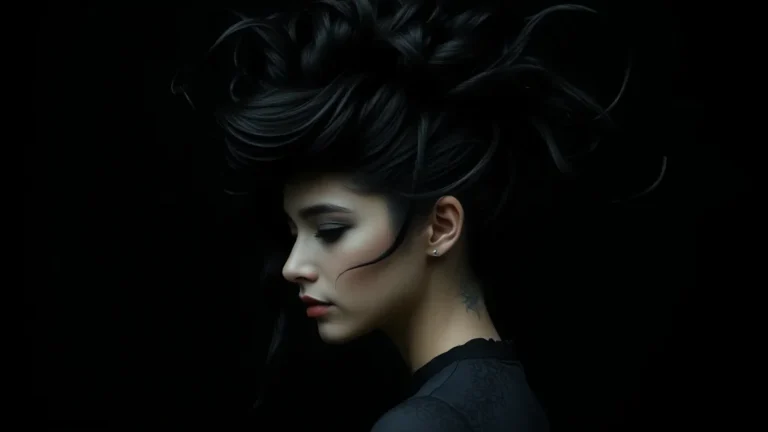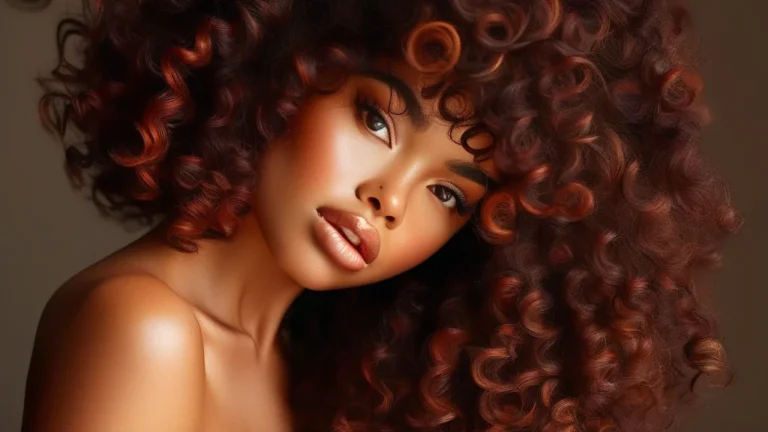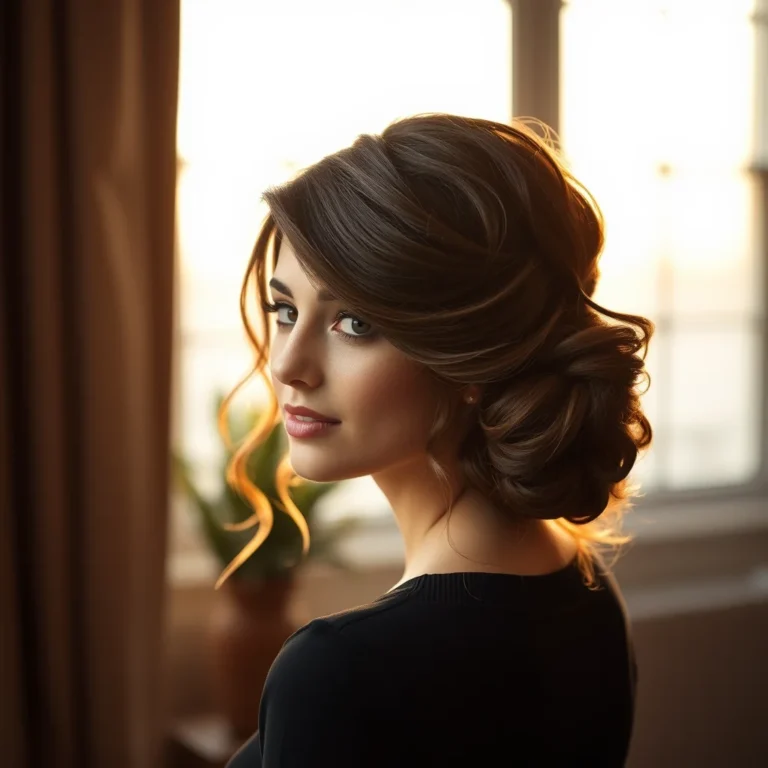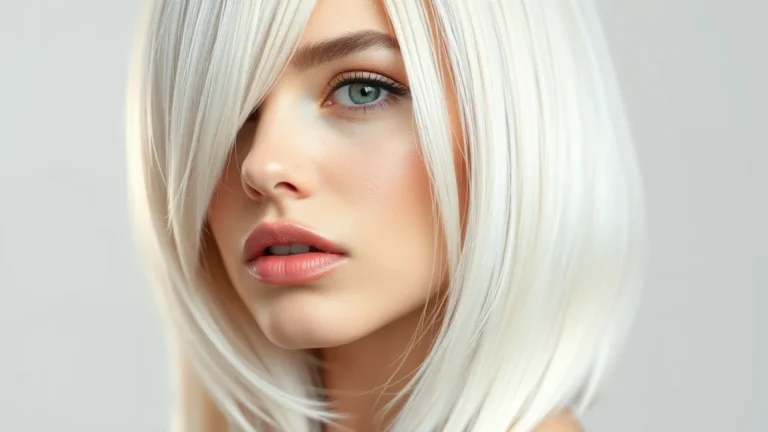
pumpkin patch hairstyles

The secret to the perfect fall aesthetic isn’t just your sweater—it’s how you style your hair for those crisp afternoon photoshoots. Pumpkin patch hairstyles have officially shifted from basic ponytails to intricate, wind-resistant designs that frame your face perfectly against the backdrop of orange gourds. Whether you are aiming for effortless cottagecore braids or high-volume textured waves, the right technique ensures your hair stays flawless despite the autumn breeze. At Nailosmetic, we know that beauty is in the details, and I have personally tested every style listed below to ensure they survive the rustic patch conditions. By focusing on root texture and weather-proofing your strands, you can achieve that elusive ‘effortless’ look that lasts from the first photo to the last cider sip. Here is your definitive guide to mastering these seasonal styles before your next visit to the farm.
Which pumpkin patch hairstyles offer the best wind resistance?

When navigating a windy autumn afternoon at the pumpkin patch, the battle against frizz and tangles begins with the physical architecture of your hair. As the temperature drops, the physics of hair changes. Cold air possesses lower water vapor capacity, which leeches moisture from the hair shaft, increasing static electricity and making strands lighter and more prone to flyaways. When your hair is dry and weightless, it becomes a magnet for the unpredictable gusts typical of late October, turning a carefully curated style into a tangled mess within minutes.
In my personal experience, opting for Dutch braids is the ultimate solution for wind resistance. Unlike loose waves, which rely on volume and texture that gravity and wind quickly dismantle, Dutch braids anchor the hair close to the scalp. By weaving the hair sections underneath rather than over, you create a structural braid that lays flat against the head, effectively minimizing surface area exposed to wind. I find that this style remains pristine even after walking through windy fields for hours, whereas loose waves often lose their bounce and definition as the cold air strips away the necessary moisture needed to maintain curl patterns.
To ensure these styles hold, the choice of product is paramount. Using a high-end finishing spray, such as the Oribe Superfine Strong Hairspray, provides a flexible yet resilient shield that combats the drying effects of autumn air. These formulas use high-grade polymers that wrap around the cuticle, sealing in moisture and adding the necessary weight to prevent the hair from lifting in a breeze. Remember that wind exposure can also lead to increased dryness on the scalp, which might require extra attention during the seasonal shift; you can find helpful advice on maintaining skin and scalp health at aad.org to ensure your hair follicles remain healthy while your style stays secure. Always prep with a light leave-in conditioner to counteract the low humidity, then lock in your chosen look with a humidity-resistant spray to maintain a polished silhouette throughout your entire afternoon outing.
How can you incorporate fall accessories into your pumpkin patch hairstyles?
When preparing for your seasonal outing, the right hair accessories elevate a simple look into a curated aesthetic experience. Integrating these elements requires both an eye for color and a commitment to hair health.
- Velvet Ribbons and Oversized Scrunchies: Velvet ribbons offer a sophisticated, tactile contrast to the rustic setting of a harvest field. Use them to tie off braids or wrap around the base of a high ponytail to add a vintage touch. Oversized silk or satin scrunchies serve a dual purpose by providing a voluminous visual statement while minimizing friction. Unlike traditional elastics that snap and pull at the cuticle, these soft materials protect your hair strands, which is essential for maintaining integrity during outdoor activities.
- Knit Beanies and Styling: A slouchy knit beanie is a staple for brisk autumn weather. To wear one effectively without flattening your style, pull the hat back slightly to expose your front sections. If you have long hair, create loose, low-side rope braids that peek out from underneath the fabric. Ensure the inner lining of your beanie is satin or silk lined to prevent static buildup and mechanical damage, a concern often noted by experts at the American Academy of Dermatology regarding hair breakage.
- Safe Use of Hair Pins: To secure your style, opt for coated or tipped bobby pins to avoid scratching the scalp. Never force a pin into place; instead, slide it in with the wavy side facing down against the hair to ensure a secure grip. To prevent hair breakage, avoid pinning while your hair is damp, as the cuticle is at its most vulnerable state.
- The Texture First Approach: Achieving the perfect style at the pumpkin patch requires grit. Dry shampoo is your most valuable tool because it absorbs excess oil and provides the structural density needed for pins and ribbons to hold firmly. Apply it to the roots before you begin styling to create a matte, textured finish that resists the autumn breeze.
- Color Coordination and Aesthetics: Align your hair accessories with the autumn palette of deep oranges, burnt siennas, and muted forest greens. A deep burgundy ribbon against lighter hair creates a striking focal point, while gold-toned hair pins mimic the natural sunlight of golden hour. Cohesion between your outfit and your hair accessories creates a polished look that photographs beautifully against the backdrop of changing leaves.
What is the best way to prep your hair for a day at the patch?
Achieving the perfect look for your autumn outing starts long before you step onto the hayride. A 24-hour preparation strategy is essential to ensure your hair remains manageable and vibrant throughout the day. Begin your routine the night before by focusing on deep hydration. Apply a lightweight hair oil or a leave-in conditioner to your ends to seal the cuticle, which creates a protective barrier against the unpredictable farm environment. Switching to a silk or satin pillowcase is a non-negotiable step for any hair enthusiast because it prevents the friction that leads to breakage and morning bedhead. By sleeping on these smooth surfaces, you preserve your hair’s natural moisture and prevent the mechanical damage that cotton fibers often cause, a tip frequently supported by experts at the American Academy of Dermatology Association.
To streamline your morning, embrace the power of heatless styling. While your hair is still slightly damp from your pre-patch wash, wrap sections around heatless curling ribbons or silk rollers. This technique allows you to wake up with voluminous, bouncy waves without damaging your strands with high-heat tools. If you are struggling to decide which style fits your face shape or hair texture, you can browse our hairstyles for women ultimate guide for inspiration on how to adapt these curls for a fall aesthetic. By opting for a no-wash strategy on the morning of your visit, you allow your natural scalp oils to provide internal shine and texture, which helps your style hold its shape against the elements.
Managing frizz is the final challenge when transitioning from your home to the open air of a pumpkin patch. Depending on the weather, you may face either moisture-heavy humidity or drying autumn winds. Carry a travel-sized anti-frizz serum or a light-hold texturizing spray in your tote bag to touch up flyaways periodically. If the air is particularly dry, a quick mist of floral water can rehydrate your strands without ruining your style. Focus on products that contain humectants to keep your hair supple, and always finish your look with a light mist of flexible-hold hairspray to ensure your chosen harvest-ready hairstyle stays intact from the first photo op to the final pumpkin selection.
Should you choose a high bun or a half-up style for hayrides?

| Feature | High Bun | Half-Up Style |
|---|---|---|
| Structural Stability | High; centered weight distribution. | Moderate; prone to slipping. |
| Hayride Comfort | Optimal; allows for leaning back. | Poor; clip pressure against headrests. |
| Aesthetic Appeal | Sleek, polished, and effortless. | Romantic, soft, and bohemian. |
| Wind Resilience | Excellent; minimizes surface area. | Low; strands often whip around. |
Selecting the right configuration for your pumpkin patch visit requires a delicate balance between visual allure and mechanical practicality. While a flowing half-up style creates a picturesque, soft aesthetic that complements knit sweaters and autumn scarves, it often fails under the physical demands of an outdoor harvest venue. The primary concern is the interaction between your hair accessories and the seating found on rustic farm equipment. When you settle into the wooden slats of a tractor-pulled wagon, any ornamentation located at the back of your head becomes a potential hazard or a source of irritation.
I recall a particularly disheartening afternoon at a local orchard where I opted for a beautiful half-up look secured with a chunky decorative claw clip. As the tractor hit a bump and I leaned back against the rough wood, the clip caught a splinter and snagged several strands, leading to a painful knot that took twenty minutes to untangle in the parking lot. This experience taught me that structural integrity is paramount when mobility is involved. According to guidance on hair care safety, constant tension or localized snagging can lead to breakage, which is the last thing you want after perfecting your autumn look.
Conversely, the high bun acts as a protective shield for your strands. By gathering your hair at the crown, you elevate your style above the contact zone of any seat back. This placement ensures that your neck remains free from tangled sections and allows you to enjoy the bumpy journey without constantly checking for displaced clips or flattened curls. To keep your high bun pristine throughout the afternoon, consider using a silk-wrapped hair tie to reduce friction and breakage. This choice offers a sophisticated, clean silhouette that looks intentional while keeping your tresses securely tucked away from the debris and dust typical of rural terrain.
How do you achieve the ‘undone’ cottagecore braid look?
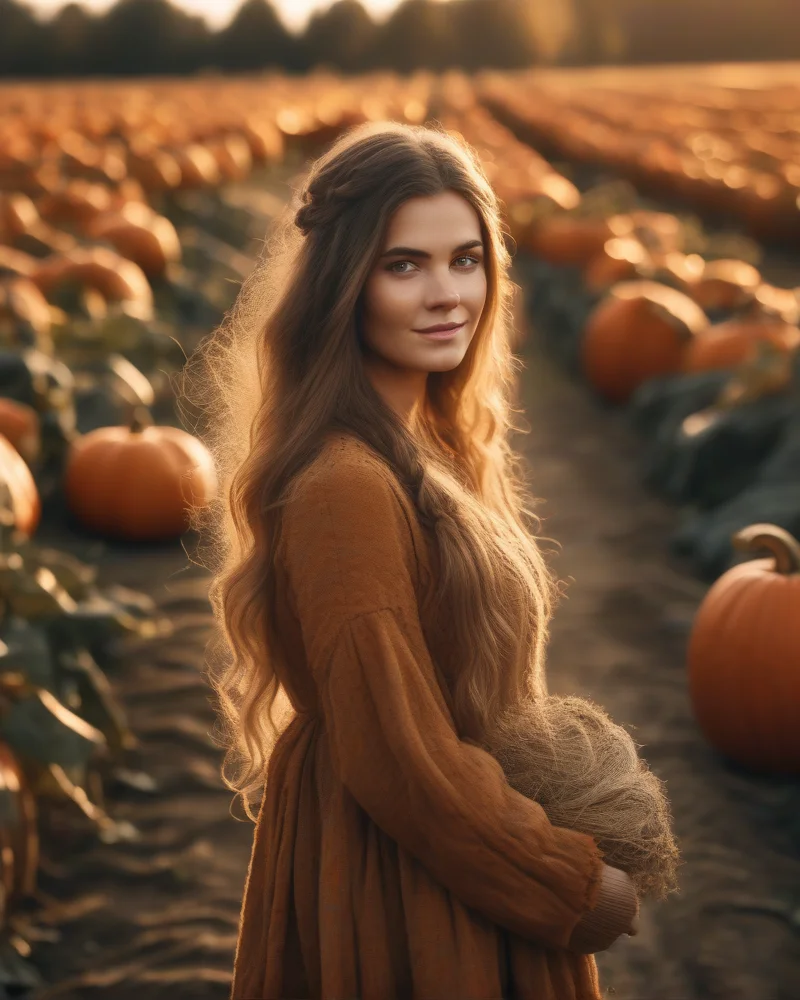
Achieving that coveted, effortless cottagecore aesthetic requires a delicate balance between structure and chaos. The secret lies in the pancake braiding technique, a method that transforms a standard three-strand plait into a voluminous, romantic masterpiece. To begin, secure your hair into a loose braid, ensuring you do not pull the tension too tight near the scalp. Once you have fastened the end with a clear elastic, it is time for the transformation. You will start at the bottom of the braid, gently pulling at the outer edges of each loop. By working upward toward the roots, you create an expansive, soft silhouette that looks purposefully lived-in rather than stiffly styled.
Professional stylists understand that clean hair is often too slippery to hold this undone texture. If your hair is freshly washed, you must introduce artificial grit to ensure the strands stay anchored. I personally rely on a high-quality texturizing spray or a light dusting of root powder to provide the necessary friction. Applying these products throughout the lengths before you begin braiding allows the hair to grip itself, preventing the braid from collapsing under its own weight once you start pulling the loops apart. According to the [American Academy of Dermatology](https://www.aad.org), maintaining gentle tension is vital for scalp health, so ensure you never yank or pull too forcefully, as this can lead to traction alopecia over time.
The physics of this look is simple yet effective. When you tighten the braid initially, you are building a stable skeleton. When you loosen it, you are maximizing the surface area and visual density of the hair. This volume is essential for photography, as natural light in a pumpkin patch setting tends to wash out thin, flat hair. A thick, pancaked braid catches the sunlight and adds depth, framing your face beautifully against the backdrop of autumn leaves. If your layers start to poke out, do not tuck them away. Embrace those flyaways as part of the rustic charm, perhaps pinning a small sprig of dried lavender or a velvet ribbon to soften the transition between your hairline and the braid.
Are messy buns still the go-to for pumpkin patch hairstyles?
For years, the classic messy bun has reigned supreme as the quintessential autumn hairstyle, gracing every social media feed from mid-October through November. While its popularity remains high, the 2024 aesthetic is shifting away from the over-secured, elastic-heavy top knot toward a more intentional and hair-conscious approach. Relying on traditional hair ties often leads to unnecessary mechanical friction and breakage at the crown, which can compromise the overall health of your strands. If you are preparing for a long day of outdoor festivities, remember that keeping your hair healthy is just as important as the style itself, and you can learn more about professional scalp and hair care advice here to ensure your mane stays strong during seasonal transitions.
Instead of the standard high-tension bun, the modern iteration favors the elegance of wooden or metal hair sticks. This technique secures your style by weaving through the hair fibers rather than pulling them into a tight knot. To achieve this look, gather your hair as if you are making a ponytail, twist it loosely, and coil it into a circular shape against your scalp. Once the coil is formed, slide a hair stick through the edge of the bun and weave it underneath the hair at the nape of your neck, effectively locking the style in place without a single rubber band. This method distributes weight evenly and prevents the dreaded ponytail crease.
The current ‘sleek-meets-messy’ trend is a sophisticated evolution of the classic look. It involves using a small amount of styling wax or smoothing cream to create a polished, tight base at the roots while leaving the ends textured and intentionally disheveled. This creates a high-fashion contrast that looks intentional rather than rushed. If you are packing for a weekend getaway to a scenic farm, you will need to keep your styling tools in order; for helpful tips on keeping your essentials tidy, refer to our guide on how to organize your beauty products for travel. By balancing a sharp, groomed hairline with soft, wispy tendrils framing the face, you achieve a look that feels both effortless and entirely relevant for this year’s autumn aesthetic.
How do you keep your hair hydrated during the autumn transition?
As the air turns crisp and the humidity levels plummet, your hair undergoes a significant shift in its internal environment. The transition from the warm, moist days of late summer to the biting, dry breeze of the harvest season often wreaks havoc on the hair cuticle. When the atmosphere loses its moisture, your hair strands lose their protective moisture barrier, leading to raised cuticles that result in frizz, static, and a dull, lackluster appearance. This environmental stress can make your pumpkin patch hairstyles look less like a chic aesthetic and more like a battle against the elements.
To ensure your hair remains supple and vibrant during your outing, prioritize intensive hydration exactly one week before your trip. A high-quality deep conditioning mask serves as a crucial intervention, penetrating the hair shaft to restore elasticity and lock in much-needed moisture before you encounter windy conditions. Look for formulas rich in fatty acids, botanical oils, or keratin proteins that help seal the cuticle flat, creating a smooth surface that reflects light rather than absorbing it. By establishing this foundation of moisture, you prepare your follicles to withstand the abrasive effects of dry autumn air.
Beyond external conditioning, it is essential to consider the underlying biology of your scalp. Fluctuating temperatures can disrupt the natural oil production on your scalp, occasionally leading to dryness or irritation that impacts hair growth cycles. According to expert dermatological guidance from the [American Academy of Dermatology](https://www.aad.org), maintaining a healthy scalp environment is the primary requirement for strong, healthy hair. If you notice persistent flaking or sensitivity during the seasonal change, it is often a sign that your scalp barrier needs extra support. Regularly massaging the scalp improves blood circulation, which helps distribute natural sebum more effectively throughout the hair length. For those who frequently style their hair, avoiding excessive heat styling in the days leading up to your visit will further prevent structural damage, ensuring that your hair remains resilient and ready for any braid or bun style you choose to sport among the pumpkins.
What are the best tools for quick touch-ups on the go?
When you are navigating uneven terrain or dealing with the brisk autumn breeze, maintaining your seasonal look requires a tactical approach to grooming. The secret to keeping your hair voluminous and polished while picking gourds lies in curating a compact kit that fits seamlessly into your crossbody bag or denim jacket pocket.
- Travel Sized Dry Texture Spray: Unlike standard hairsprays that can create a stiff or crunchy texture, a high quality dry texture spray provides that coveted lived in, piecey look. It acts as a lightweight foundation for your hair, adding grit and volume back into strands that may have fallen flat after a long walk through the field. It is essentially an instant refresh button for your style, absorbing excess oils while helping you reshape your waves or braids.
- Portable Folding Hairbrushes: A miniature brush with reinforced bristles is non-negotiable for smoothing out frizz caused by humidity or wind. Look for a model that includes a small mirror on the reverse side to ensure your part remains crisp. Regularly detangling your hair prevents breakage and mechanical damage, keeping your locks resilient as the air turns colder according to the American Academy of Dermatology Association.
- Bobby Pin Assortment: You must carry at least six to ten bobby pins at all times. These are the unsung heroes of outdoor styling. Whether a section of your braided updo slips loose or your bangs start to stick to your forehead due to static, bobby pins provide an immediate, invisible fix. Match the shade of the pins to your hair color for a seamless blend that allows you to secure loose tendrils in seconds.
- Miniature Silk Scrunchies: For those moments when the temperature spikes or you decide to grab a hot apple cider, a small silk scrunchie is essential. Silk minimizes friction and prevents the snagging often caused by traditional elastic bands, which is vital for preventing split ends during the dry fall months.
By packing these essentials, you ensure that your hair remains photo ready from the first pumpkin photo op to the final wagon ride back to the parking lot. A prepared stylist is always a step ahead of the elements.
How do different hair lengths affect pumpkin patch hairstyle choices?
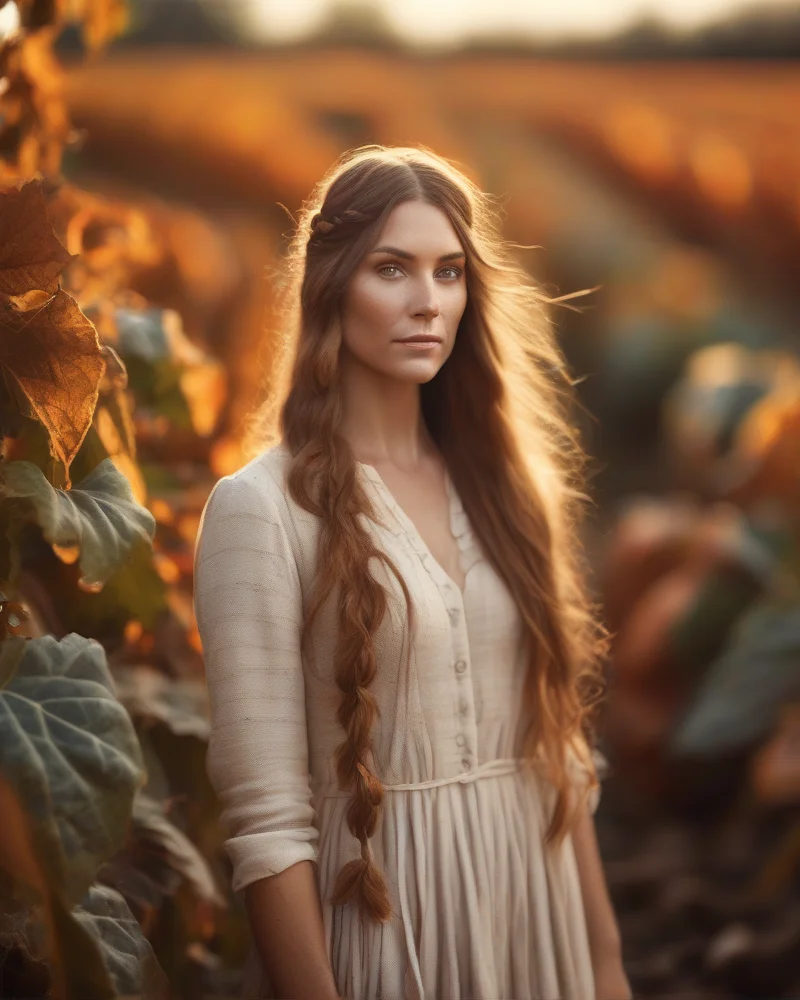
When planning your aesthetic for a day among the gourds, your hair length dictates the structural integrity and overall vibe of your look. Short hair, such as a sharp bob or a textured pixie cut, requires minimal manipulation to look deliberate and chic. Because shorter strands lack the weight to hold complex braids, simple velvet or plaid headbands act as the perfect anchor. They keep wispy pieces away from your face while you navigate the rows of pumpkins and add an effortless autumnal charm that pairs beautifully with oversized sweaters. If you find your ends are fraying due to the cooling air, consult tips on hair health from the American Academy of Dermatology to ensure your cut stays looking crisp throughout the season.
For those with medium length tresses, there is a sweet spot where versatility meets manageability. This length allows for half up, half down styles that keep the hair out of your eyes while maintaining the volume of a loose wave. You can incorporate small, loose fishtail braids starting from the temples to add visual interest without the heavy pulling sensation that comes with longer styles. This length is incredibly forgiving, making it easy to transition from a rustic hayride look to a polished aesthetic for evening dinner plans.
Waist length hair is undeniably striking, but it requires strategic styling to avoid being cumbersome in the breezy, uneven terrain of a pumpkin patch. When your locks extend past the small of your back, the sheer weight of the hair can cause discomfort if pulled into a high, tight style. Instead, opt for low ponytails or loose side braids. Securing your hair at the nape of the neck distributes weight evenly, preventing tension headaches while highlighting the sheen of your healthy lengths. If you find yourself gravitating toward more intricate updos for events beyond the patch, you might find inspiration in these prom hairstyles for long hair which translate beautifully to formal autumn gatherings. By tailoring your selection to your specific length, you ensure your pumpkin patch hairstyle remains comfortable, photogenic, and perfectly suited for a full day of seasonal festivities.
Can you use natural elements from the farm in your hair?
Integrating elements from the harvest directly into your mane is perhaps the ultimate expression of seasonal style. There is a whimsical, storybook charm to tucking tiny, preserved sprigs of wheat or delicate dried baby’s breath into a crown braid or a loose, rustic side plait. These natural accents bridge the gap between a standard autumnal look and a fully immersive farm aesthetic. To execute this, start by securing your base style with clear elastic bands or high quality bobby pins. Once your structure is firm, gently slide the stems of your chosen botanicals into the woven sections of your hair, angling them downward so they mimic the natural direction of your hair growth. This technique creates a beautiful, organic texture that feels sophisticated rather than costume-like.
However, while the aesthetic results are breathtaking, you must exercise caution regarding both safety and endurance. First, consider the potential for allergens. Natural harvest materials, including wheat stalks or dried meadow flowers, can harbor dust, pollen, or fungal spores that might trigger sensitive skin or respiratory issues. If you have a history of environmental allergies, it is always wise to consult resources from the American Academy of Allergy, Asthma and Immunology to understand your specific triggers before introducing field-harvested flora near your scalp. Furthermore, treat these accessories as temporary art rather than a permanent fixture. Dried botanical elements are inherently brittle; they can easily snap, crumble, or shed bits of debris into your hair if they are not handled with extreme care.
For optimal stability, focus on using dried rather than fresh elements. Fresh flora contains moisture that can attract unwanted insects or lead to wilting, which ruins the polished look you have worked so hard to achieve. If you are foraging, ensure that everything is thoroughly cleaned and allowed to dry completely in a low humidity environment for several days prior to wearing. To secure them, use a light misting of flexible hold hairspray over the entire style. This acts as a sealant, keeping your bohemian accents firmly in place while ensuring the delicate petals do not drift away during your trek through the pumpkin patch.
Frequently Asked Questions about Fall Hairstyles
- How can I protect my strands from the dry autumn air while visiting a pumpkin patch?
- The crisp fall atmosphere is notorious for stripping moisture from the cuticle. To keep your pumpkin patch hairstyles looking vibrant, apply a leave in conditioner or a lightweight hair oil before styling. These products act as a protective barrier against wind damage and static electricity. If you notice your ends becoming brittle, visit the American Academy of Dermatology for expert advice on maintaining scalp health and preventing seasonal breakage during dry weather shifts.
- What is the best way to secure accessories for a windy day at the farm?
- When you are walking through fields, standard hair ties might not hold up against strong gusts. Use small, clear elastic bands or bobby pins that match your hair color to anchor your style. For added security, spray a flexible hold hairspray over your finished look. If you are wearing hats or decorative clips, use a dab of hair gel on the contact point to prevent sliding. This ensures your look remains polished from the entrance to the tractor ride.
- How do I prevent my hair from getting tangled while wearing chunky knit scarves?
- Chunky scarves and sweaters create friction that leads to knots at the nape of the neck. Opt for elevated updos like high buns or braided crowns to keep your lengths away from the fabric of your winter layers. If you prefer wearing your hair down, apply a detangling spray to the ends before you head out. This provides the necessary slip to prevent fibers from catching and pulling, keeping your hair smooth and manageable throughout the entire afternoon.
- Should I wash my hair immediately after returning from the farm?
- Outdoor activities often expose your mane to dust, debris, and pollen. If you spent the day in a field, a gentle cleanse is recommended to remove particulate matter that can dull your shine. Use a clarifying shampoo if you used heavy styling products to secure your look. Follow up with a hydrating hair mask to replenish the moisture lost to the outdoor environment, ensuring your tresses stay strong, lustrous, and ready for your next seasonal aesthetic adventure.
Mastering the right look for your outdoor autumn adventures is all about balancing aesthetics with practicality. Whether you opt for a sturdy Dutch braid or a chic, accessorized half-up style, these pumpkin patch hairstyles ensure you look your best in every golden hour shot. Remember, the key is prep, texture, and knowing your hair’s limits before you head out to the farm. For more beauty inspiration, keep exploring Nailosmetic for our latest seasonal guides.