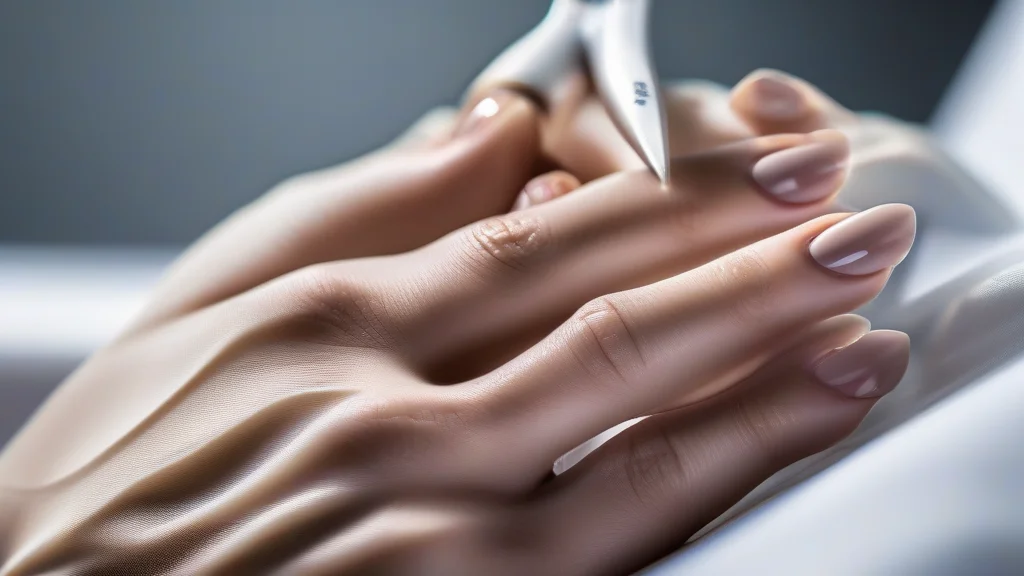
durable acrylic nail designs for active nurses

Nurses require a balance between hygiene and personal style, which is why finding durable acrylic nail designs for active nurses is the ultimate challenge. If you have ever felt your manicure chip mid-shift or feared breaking a nail while handling medical equipment, you aren’t alone. In my experience testing various sets during grueling 12-hour shifts, the secret lies not just in the design, but in the structural integrity of the application. At Nailosmetic, we have analyzed the industry standards for sanitation and resilience to bring you the definitive guide. From reinforced apex architecture to the exact polish sealants that withstand aggressive antiseptic exposure, these methods will ensure your manicure survives the floor. Curious which specific shape eliminates snagging on nitrile gloves? Keep reading to master the longevity of your next salon visit.
Table of Contents
- The Essentials of Durable Acrylic Nail Designs for Active Nurses
- Which Nail Shapes Minimize Breakage During Shifts?
- How to Ensure Salon Sanitation and Material Safety?
- What Are the Best Long-Lasting Color Choices?
- Maintaining Nail Integrity Under PPE
- The Science of Apex Construction for Nurses
- Top-Tier Product Recommendations for Durability
- Preventing Lifting and Infections: A Clinical Approach
- FAQ: Nursing Manicure Guide
The Essentials of Durable Acrylic Nail Designs for Active Nurses
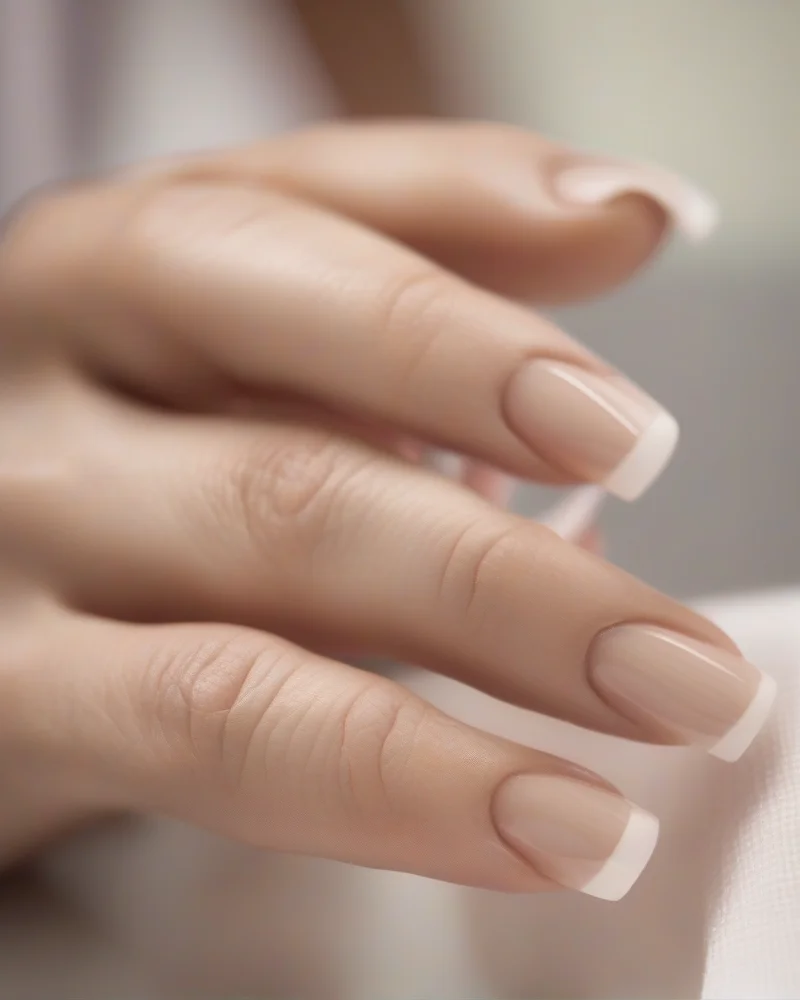
For nurses navigating the high intensity of a hospital environment, the integrity of a manicure depends entirely on structural engineering rather than aesthetics alone. The foundation of a long-lasting enhancement begins with the length. For those working twelve-hour shifts, the sport-short length is the gold standard. This specific shape keeps the nail edge well within the fingertip, preventing the leverage-based trauma that occurs when typing, opening supplies, or performing CPR. By minimizing the free edge, you significantly reduce the risk of structural lifting during the repeated friction of putting on and taking off nitrile gloves.
The structural secret to durability lies in the apex. The apex is the thickest point of the acrylic, situated at the stress zone where the nail bed meets the free edge. When this region is correctly reinforced, it acts as a load-bearing bridge, absorbing the kinetic energy of daily tasks instead of transferring that pressure to your natural nail. A flat, thin acrylic application will crack under the weight of constant hand washing and sanitizer exposure. According to guidelines from the American Academy of Dermatology, maintaining the health of the underlying nail plate is paramount, so a properly balanced apex ensures the enhancement wears down naturally without peeling away layers of your keratin.
While the allure of at-home kits is strong, professional application remains the superior choice for nurses. An experienced technician utilizes high-grade liquid monomer and polymer powder ratios that create a non-porous, moisture-resistant shield. Frequent hand washing compromises inferior acrylics, leading to microscopic gaps that harbor bacteria, a major liability in clinical settings. A professional seal ensures that the cuticle area remains tight and seamless, preventing water entrapment. In my experience, a sport-short acrylic set crafted with a reinforced apex can easily withstand a full week of heavy duty patient care, maintaining its luster and adhesion through every scrub change and procedural prep. Investing in these professional techniques saves time and protects your natural nails from the damage often associated with ill-fitting DIY enhancements.
Which Nail Shapes Minimize Breakage During Shifts?
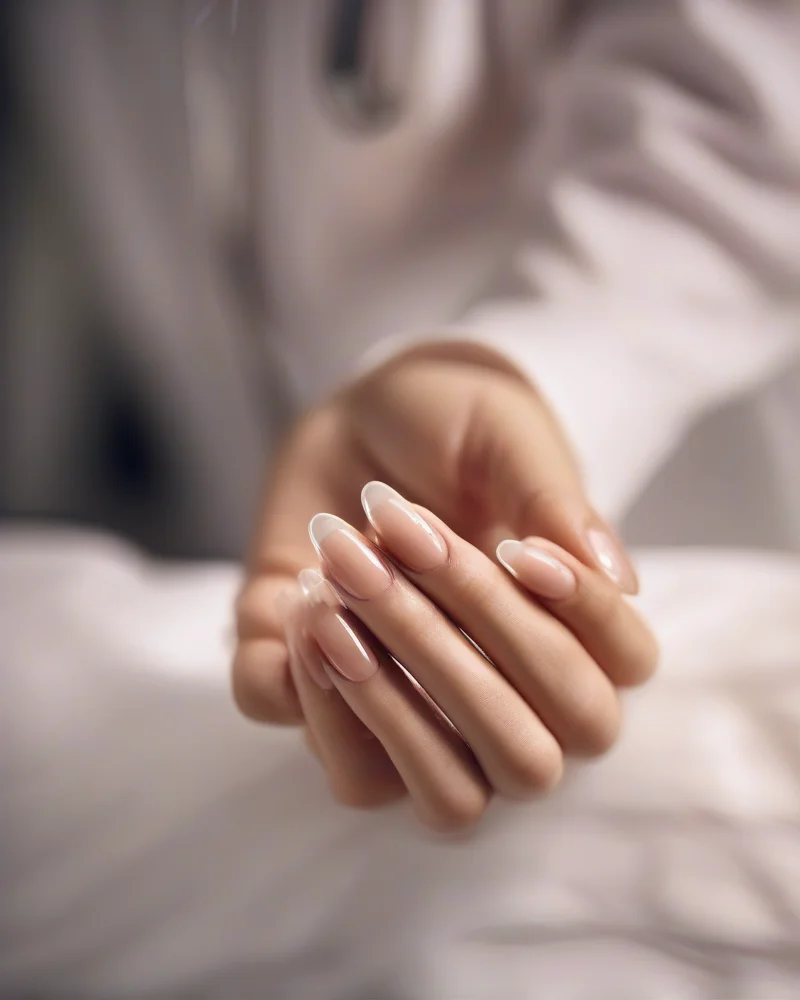
When you are navigating the high-pressure environment of a hospital floor, your fingertips are essentially your primary tools. Understanding the physics of nail morphology is critical because the shape of your acrylics directly dictates how they absorb kinetic energy. A shape with sharp angles acts as a stress concentrator, while rounded edges allow for a more efficient dissipation of impact forces when you encounter rigid surfaces like metal bed frames or IV poles.
- The Structural Disadvantage of Stilettos: While aesthetically striking, stiletto nails are structurally inefficient for clinical work. The pointed tip functions like a literal wedge, focusing all impact force onto a microscopic surface area. This inevitably results in the puncturing of nitrile gloves, which compromises sterile technique and invites potential cross-contamination. According to guidelines on hand hygiene from the American Academy of Dermatology, maintaining intact protective barriers is paramount, and sharp acrylic extensions actively jeopardize that barrier.
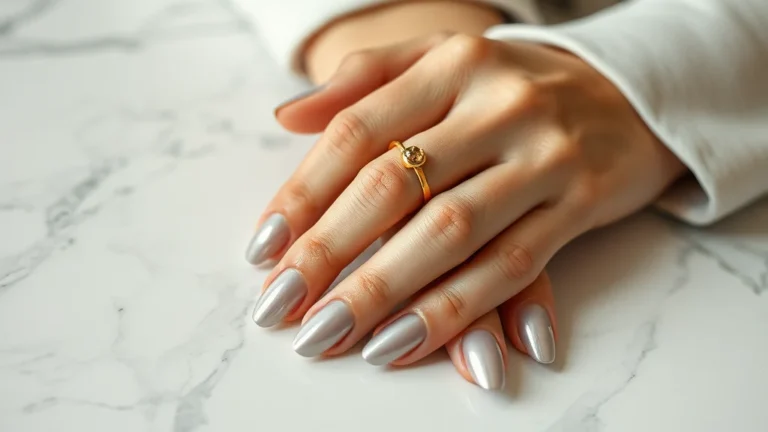
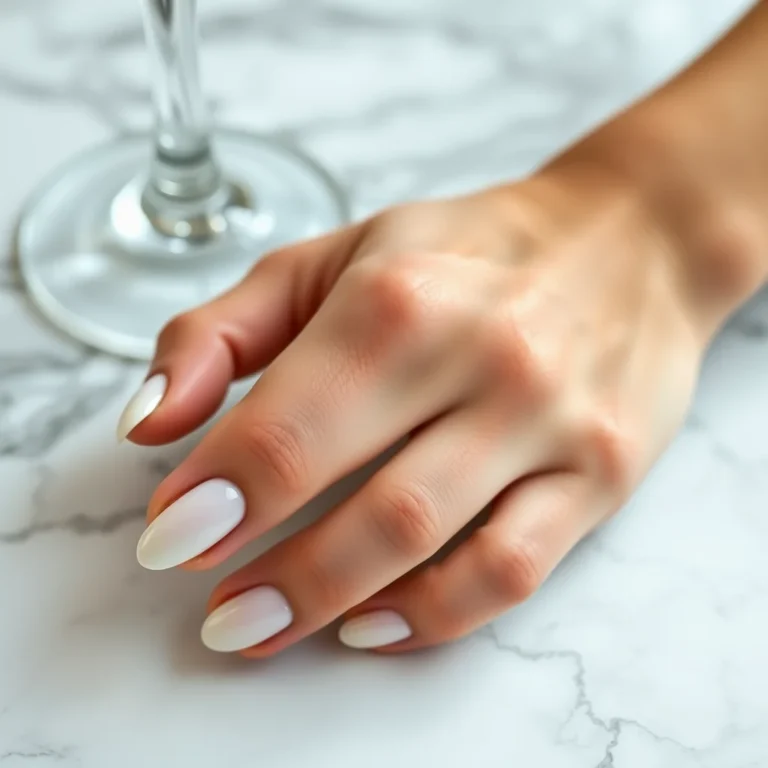
- The Superiority of Almond and Oval Shapes: From a biomechanical perspective, these shapes are the gold standard for durability. Because the perimeter is curved, the nail distributes mechanical stress across a wider arc rather than a single point. When your finger brushes against a supply cart or a medication cabinet, the curved silhouette allows the nail to deflect the force. This redirection prevents the acrylic from fracturing at the stress point, which is where most splits and breaks occur during a twelve-hour shift.
- The Rounded Edge Advantage: A rounded or squoval shape provides a blunt surface that is significantly less likely to snag on equipment. In physics terms, these shapes reduce the moment of inertia at the tip. By keeping your nail length moderate and the edges softened, you minimize the leverage exerted on your natural nail plate when the tip hits a hard object. This simple geometry change keeps your manicure pristine and reduces the risk of painful lifting or trauma to the nail bed.
To maximize the longevity of your set, prioritize a moderate length paired with an almond or rounded silhouette. These shapes are not just a fashion choice for nursing professionals but a necessary structural adaptation. By moving away from sharp profiles, you protect your gloves, preserve your set, and ensure that your hands remain a reliable asset during every shift.
How to Ensure Salon Sanitation and Material Safety?
For healthcare professionals, maintaining impeccable hand hygiene is non-negotiable. The American Academy of Dermatology (aad.org) has long cautioned that the area beneath artificial enhancements can become a sanctuary for gram negative bacteria and yeast, potentially compromising patient safety. Because nurses frequently utilize gloves and perform rigorous hand scrubs, microscopic gaps between the acrylic and the natural nail plate can harbor pathogens that resist standard antimicrobial soaps. To mitigate these risks, it is imperative to prioritize salons that adhere to stringent sterilization protocols, ensuring that your quest for stunning nail art designs does not come at the expense of your clinical duties.
Before you commit to a service, you must act as your own advocate by vetting your technician. Start by observing the salon atmosphere: a professional space should smell of ventilation rather than harsh, overwhelming chemicals. Ensure that all metal tools are retrieved from a sealed, sterile pouch and that files or buffers are brand new for every client, as porous materials cannot be sanitized. If you are unsure about the level of care, do not hesitate to ask probing questions such as: How do you disinfect your implements after each use? Do you utilize hospital grade autoclave sterilization? Are your liquids and powders kept in covered containers to prevent airborne contamination? A technician who is transparent about their safety standards is far more likely to provide a high quality, durable application that resists lifting and bacterial accumulation.
To assist in your vetting process, use this checklist to ensure your chosen salon remains compliant with basic safety standards:
- Tool Hygiene: All metal pushers and clippers must be submerged in an EPA registered hospital grade disinfectant for the required contact time or heat sterilized.
- Single Use Policy: Wooden sticks, nail files, and buffing blocks should be discarded after one use. If they cannot be disposed of, ask if they can be gifted to you for your own at-home maintenance.
- Ventilation Standards: The station should be equipped with source capture exhaust systems to pull dust and fumes away from your breathing zone, protecting your respiratory health during the filing process.
- Product Integrity: Avoid salons that use methyl methacrylate or MMA, an ingredient known to cause permanent nail damage and severe allergic reactions.
By strictly enforcing these safety standards, you bridge the gap between aesthetic expression and the rigorous demands of your medical environment, ensuring that your hands remain both beautiful and infection free.
What Are the Best Long-Lasting Color Choices?

When selecting your shade for a rigorous clinical environment, the priority shifts from purely decorative to functional longevity. Choosing colors that effectively camouflage the natural transition of your nail bed as your acrylics grow out is the most professional strategy for busy medical professionals. Nudes, soft pinks, and sheer tones provide a seamless look that requires fewer salon visits, saving you both precious time and money during demanding rotations.
Beyond color selection, the chemistry of your topcoat serves as the primary barrier against the daily exposure to harsh hospital substances. Clinical settings often involve frequent hand washing, sanitizer usage, and exposure to pigments like iodine or permanent markers that can leave stubborn stains on porous nail surfaces. Integrating high gloss sealants is essential for maintaining a sterile, non porous finish that resists these environmental stressors.
| Feature | Recommendation for Nurses | Strategic Benefit |
|---|---|---|
| Color Palette | Sheer Nudes and Soft Pinks | Masks the appearance of proximal nail fold regrowth between fills. |
| Finish Type | High Gloss UV/LED Sealant | Creates a non porous barrier against iodine and marker stains. |
| Topcoat Chemistry | Non Yellowing Formula | Prevents discoloration caused by frequent alcohol rub contact. |
| Application Technique | Encapsulated Free Edge | Seals the nail tip to prevent chipping during frequent glove changes. |
To further protect the integrity of your manicure, ensure your technician utilizes a professional grade, scratch resistant topcoat. As noted by the American Academy of Dermatology, maintaining healthy skin and nails in medical settings is vital for infection control, so selecting products that are free from harmful additives is a must. If you find yourself frequently using gloves, the pressure can wear down the free edge of the nail. Ask your technician to cap the edge with a thicker layer of sealant to prevent premature lifting. This combination of muted, professional color profiles and robust, stain resistant engineering ensures your manicure remains crisp throughout even the most intense twelve hour shifts.
Maintaining Nail Integrity Under PPE
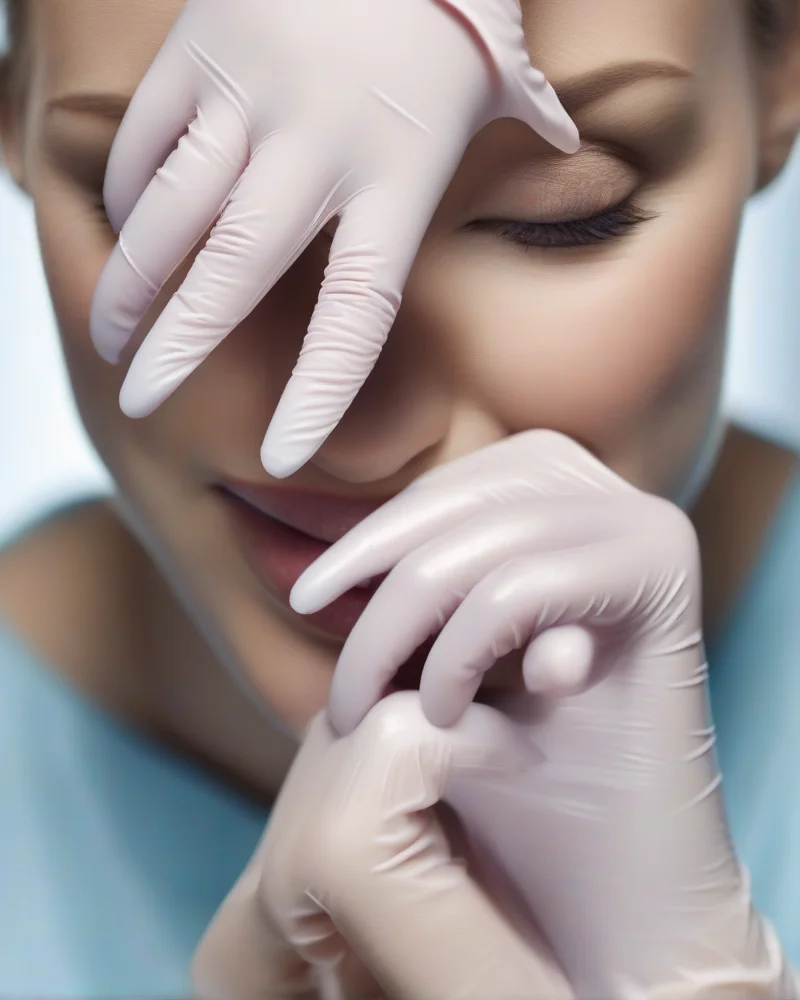
For the clinical professional, the relentless nature of nitrile gloves creates a unique microclimate that poses a direct threat to your manicure. When you don gloves for hours at a time, your hands are trapped in a humid, enclosed environment. This persistent moisture buildup between the acrylic surface and the glove material softens the natural nail plate, which can lead to structural compromise. As moisture levels fluctuate, the bond between the synthetic acrylic polymer and your nail bed becomes susceptible to lifting, especially near the proximal nail fold where hydration levels are highest. To mitigate this, prioritize the health of your periungual skin by incorporating a high quality cuticle oil into your daily routine. Hydrated skin acts as a barrier, preventing the skin from drying out due to constant hand washing and sanitizing, which indirectly supports the longevity of your nail enhancements by keeping the surrounding tissue supple and less prone to micro-tearing. You can find more information on general hand and skin health standards at the [American Academy of Dermatology Association](https://www.aad.org).
Beyond moisture, the mechanical stress of donning and doffing tight-fitting medical gear exerts constant pressure on your fingertips. The repetitive friction against the free edge of your nails is a common culprit for premature lifting. If your technician fails to properly cap the free edge with acrylic or a durable top coat, the friction of pulling gloves over your fingertips will inevitably act as a lever, prying the product away from the natural nail. Proper capping involves wrapping the enhancement material over the very tip of the natural nail, effectively sealing the layers to prevent water and debris from infiltrating the gap. Without this seal, the edge remains vulnerable to trauma during high-intensity shifts. Beyond technique, ensure you are utilizing a flexible top coat that can absorb minor impacts without cracking. If you notice any snagging or white spots at the tips after a long shift, these are early warning signs that the mechanical stress is overcoming the structural bond of your manicure. Consistent maintenance and a focus on edge-sealing are essential to keeping your enhancements intact while performing essential clinical duties.
The Science of Apex Construction for Nurses
When you spend your shifts navigating high-pressure clinical environments, the structural integrity of your manicure becomes just as vital as the hygiene protocols you follow. For nurses, the apex is not merely a stylistic detail but the fundamental engineering feature that determines whether your acrylics survive a twelve-hour shift or snap under the repetitive mechanical stress of opening supply drawers and handling medical equipment. The apex is the highest, thickest point of the acrylic application, typically located directly over the nail bed stress zone where the free edge meets the natural nail plate. By concentrating the material thickness at this specific transition point, the nail gains a reinforced structural arch that distributes weight and pressure evenly across the entire surface rather than allowing a single point of impact to compromise the bond.
Think of the apex like the keystone in a masonry archway. When pressure is applied to the tip of an extended nail, the force travels backward. Without a properly built apex, that force focuses on the weakest part of the nail, leading to painful breaks or fractures at the nail bed. A nurse needs a robust, contoured apex to ensure that the acrylic creates a bridge of strength that absorbs kinetic energy. For those who enjoy aesthetic variety, incorporating a sophisticated marble nail art design into this reinforced structure allows you to maintain a polished, professional appearance that does not sacrifice functional durability. This architecture prevents the material from lifting and protects your natural nails from the severe leverage injuries that often occur when acrylics are applied too flatly.
To achieve this, your technician must build the acrylic in a three-bead system, purposefully layering the center to create a subtle yet sturdy slope. If the apex is too thin, the nail lacks the necessary shock absorption required for constant hand-washing and glove friction. If it is too thick, the aesthetic appears bulky and unnatural. Precision is key. For more guidance on maintaining long-term nail health despite the demands of daily wear, consulting resources from the American Academy of Dermatology regarding nail health can provide excellent insights into preventing fungal infections and maintaining moisture levels beneath your overlays. By prioritizing this structural foundation, you gain a high-performance manicure that moves with you, resisting the daily rigors of the nursing profession while keeping your hands looking impeccable.
Top-Tier Product Recommendations for Durability
When you are navigating twelve hour shifts, your acrylic extensions face constant structural stress from medical equipment, frequent handwashing, and rigorous glove changes. Achieving long term wear requires professional grade chemistry designed to withstand these environmental demands. The secret to a set that survives the hospital floor lies in the balance between hardness and molecular flexibility.
- Professional Grade Acrylic Systems: Brands like CND Retention+ and Young Nails Core Powder are industry gold standards for a reason. CND Retention+ utilizes a cross linking monomer that creates a dense molecular structure, while Young Nails offers superior adhesion properties that prevent the lifting often caused by moisture exposure. These products are engineered for structural integrity, ensuring that your apex remains robust even under mechanical strain.
- The Importance of Polymer Flex: Many nurses mistake brittleness for strength. If your acrylic is too rigid, it will snap rather than absorb shock. Seek out liquid monomers that contain plasticizers. These specific ingredients allow the acrylic chain to bend slightly under impact rather than shattering. This flexible polymer matrix is essential for medical professionals who use their fingertips to operate touchscreens, punch in codes, or manipulate small medical instruments.
- Selecting Alcohol Resistant Sealants: Hospital grade sanitizers and isopropyl alcohol act as powerful solvents that can strip away top coats and cause yellowing. To protect your manicure, opt for a tack free, non porous gel top coat. Look for formulas labeled as solvent resistant or high gloss UV gel sealants. These products create a protective, impenetrable barrier that prevents sanitizing agents from leaching into the acrylic. Always cap your free edge with the sealant to seal the layers completely.
- Health and Safety Protocols: Maintaining nail hygiene is just as critical as the durability of your extensions. According to the American Academy of Dermatology, keeping natural nails trimmed and clean is vital to preventing the buildup of bacteria under the nail bed. Regardless of how durable your acrylics are, ensure that your technician focuses on creating a smooth, even surface to prevent crevices where microbes could potentially thrive.
By prioritizing brands that utilize advanced bonding agents and capping your nails with high performance gel sealants, you can enjoy a manicure that holds up through the most demanding hospital shifts without sacrificing style or professional hygiene standards.
Preventing Lifting and Infections: A Clinical Approach
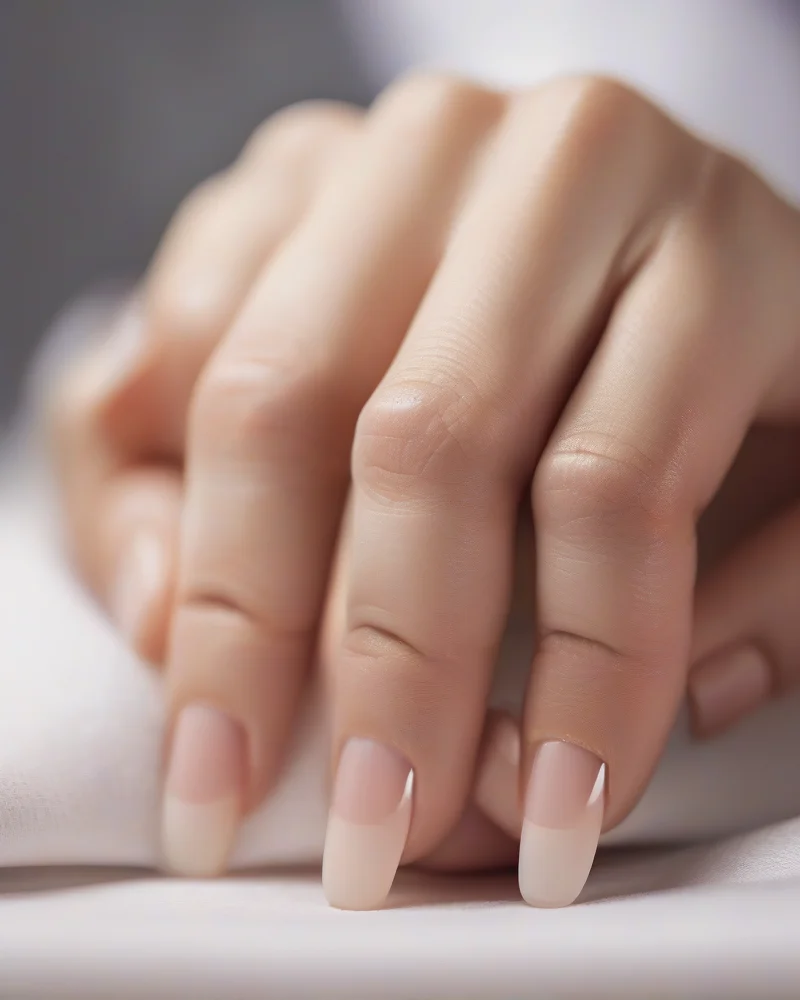
When discussing nail enhancements for healthcare professionals, we must address the clinical reality of nail unit health. The phenomenon known as lifting occurs when the bond between the synthetic acrylic polymer and the natural nail plate begins to compromise. For a nurse, this is not merely a cosmetic inconvenience. It creates a physical gap, a microscopic pocket between your enhancement and the keratin surface, which acts as a sanctuary for moisture, environmental debris, and pathogenic microorganisms. Because nurses frequently sanitize their hands and encounter bodily fluids, these pockets can quickly trap moisture, fostering a warm, anaerobic environment that promotes bacterial or fungal colonization.
To mitigate these health risks, strict adherence to a professional maintenance schedule is non-negotiable. Scheduling fill-ins every two weeks is the industry standard for those with active, hands-on careers. During these visits, a qualified technician will assess the structural integrity of the enhancement, specifically checking for signs of stress fractures or peripheral separation. If lifting is detected, the compromised material must be carefully removed. Leaving a lifted enhancement in place is a primary contributor to secondary infections, which can weaken the natural nail bed over time according to guidance from the American Academy of Dermatology.
Beyond the bi-weekly salon visit, you should perform a daily visual inspection of your hands while changing out of your scrubs. Look for any change in the color of the acrylic or the nail bed beneath it. If the acrylic appears cloudy or if there is a distinct line of separation, seek professional intervention immediately rather than attempting a DIY repair. Pro-tip: Always inform your nail technician that you work in a clinical setting. This allows them to use high-quality primers and specialized adhesion promoters that are designed to withstand frequent hand washing and exposure to medical-grade alcohol scrubs, effectively sealing the cuticle area to prevent the initial point of failure.
FAQ: Nursing Manicure Guide
FAQ: Nursing Manicure Guide
- Q: Are short acrylic extensions safe for clinical environments?
- Yes, provided they are kept at a functional length. According to the American Academy of Dermatology, keeping natural nails and enhancements trimmed short is essential to reduce the risk of harboring bacteria under the free edge. For nursing professionals, a short, rounded, or almond shape minimizes the risk of accidental scratches or glove punctures while maintaining a professional appearance. Always ensure the structural integrity of the enhancement is prioritized over extreme length to prevent breakage during high-intensity shifts.
- Q: How can I ensure my nail enhancements withstand frequent hand washing?
- Frequent hand hygiene and the use of alcohol-based sanitizers can dehydrate the nail plate, leading to premature lifting or chipping. To combat this, seal your cuticle area with a high-quality, professional-grade top coat and apply a nourishing jojoba-based cuticle oil multiple times throughout your shift. Consistency is key for longevity. If you find yourself needing a break from intense salon protocols, you might consider transitioning to lighter styles like our june nail trends which offer a refreshing, low-maintenance aesthetic perfect for recharging your style.
- Q: What is the recommended frequency for salon visits to maintain clinical safety?
- For those wearing durable acrylic nail designs for active nurses, a maintenance cycle of two to three weeks is the gold standard. Waiting longer than three weeks increases the leverage on your natural nail bed, which significantly raises the risk of mechanical injury or lifting. Regular fills are not just about aesthetics; they are a critical component of hygiene that ensures the bond between the acrylic and your natural plate remains sealed, preventing trapped moisture or potential fungal growth.
- Q: Can I use colored polish in a hospital setting while wearing enhancements?
- Many healthcare facilities follow specific infection control policies regarding nail color. While some environments allow neutral tones, others mandate a clear or buffed finish to ensure the nail bed remains visible for rapid health assessment. Always consult your facility’s specific dress code before opting for vibrant colors. If allowed, stick to chip-resistant gel polishes over your acrylic base, as these provide a smooth, non-porous surface that is easier to disinfect between patient interactions than traditional lacquer.
Achieving the perfect manicure while working in a high-intensity healthcare environment is entirely possible with the right technique. By prioritizing structural integrity, selecting the correct shape, and maintaining consistent salon appointments, you can enjoy durable acrylic nail designs for active nurses that look flawless through every shift. Remember, the longevity of your nails is a partnership between you and your technician—communicate your need for a reinforced apex, and never compromise on sanitation standards. Stay professional, stay polished, and keep shining even during your toughest rotations.