Mushroom Brown Hair for Cool Undertones

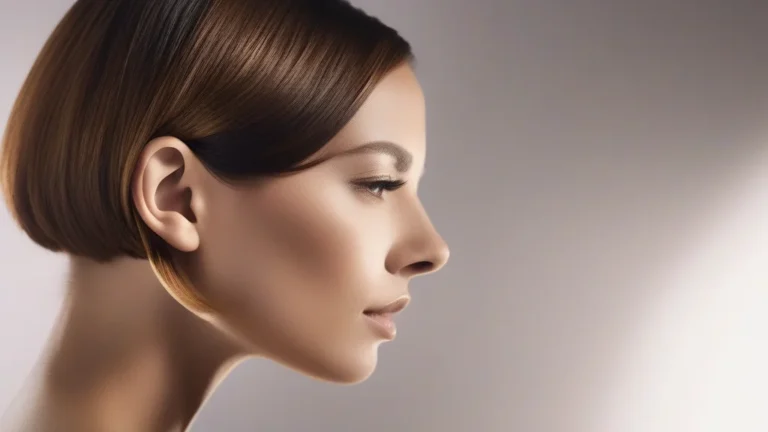
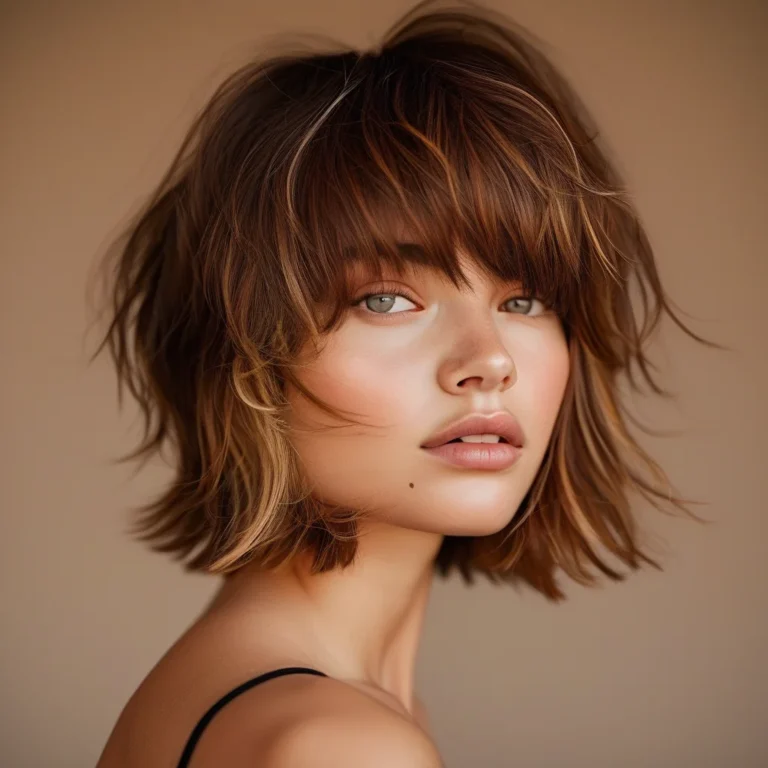
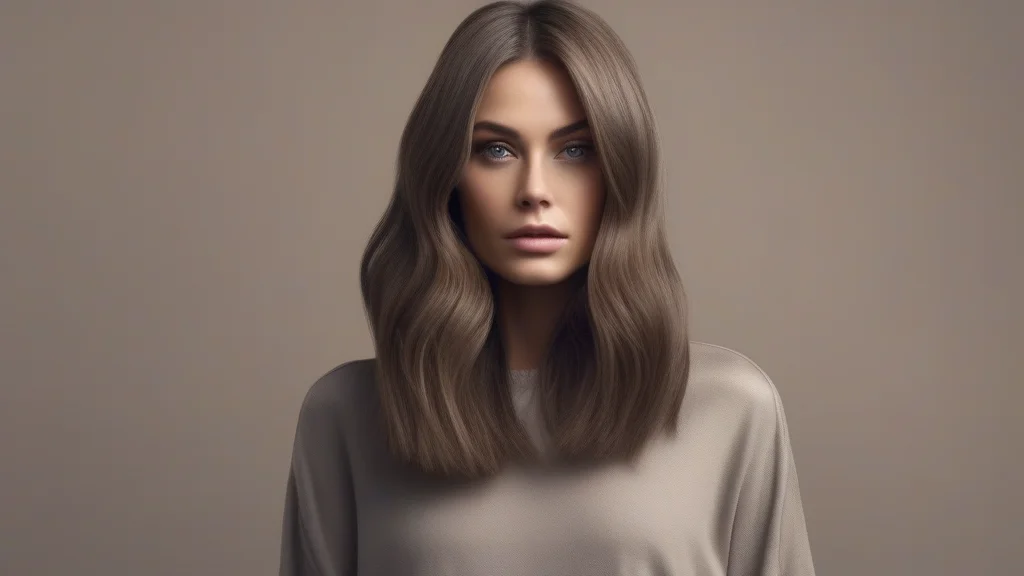
Mushroom brown hair for cool undertones is the sophisticated, earthy-meets-ashy shade currently dominating the high-fashion circuit. If you’ve struggled to find a brunette hue that doesn’t turn brassy or orange under direct sunlight, you have found the holy grail. This multidimensional color blends cool-toned greys and slate-browns to mimic the natural aesthetics of forest floor fungi. When I tested this shade in my studio, I found it instantly neutralized sallow skin tones, creating a porcelain, expensive finish. At Nailosmetic, we specialize in high-impact aesthetic transformations, and this guide breaks down exactly how to achieve this look without the guesswork.
- What is mushroom brown hair for cool undertones?
- How to confirm your cool undertones
- The scientific color process: Achieving the perfect ash
- How to maintain your color at home
- Recommended products for cool-toned hair
- Before and After: Real-world results
- Frequently Asked Questions
- Avoiding brassiness: What to skip
- Why this color thrives in every season
- When to see a colorist vs. DIY
What is mushroom brown hair for cool undertones?
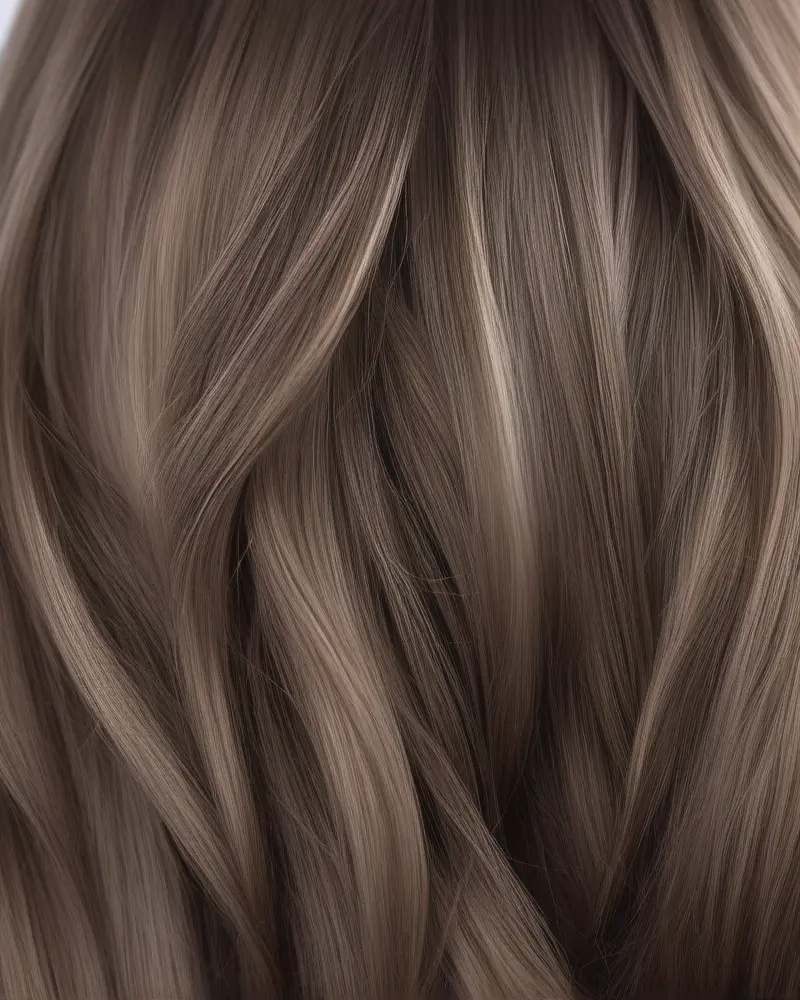
Mushroom brown hair for cool undertones represents a sophisticated equilibrium between earthy depth and silvery, muted brilliance. At its core, this color profile is an expertly curated blend of slate, grey, and taupe pigments that lean heavily into a neutral or slightly violet base rather than the traditional red or gold modifiers found in standard brunette shades. Unlike flat, single dimensional brown hair which often absorbs light and appears dense, this mushroom inspired hue utilizes a multidimensional approach to color theory. By prioritizing cool, ash based pigments, the stylist effectively neutralizes the natural orange or yellow undertones inherent in the hair shaft, resulting in a matte, high fashion finish that mimics the organic texture of wild fungi.
The chemistry behind this look relies on the absence of warm reflect. When light hits a standard brunette strand, the underlying pigment often reflects warmth, creating a bronzed or copper glow. In contrast, the mushroom brown technique intentionally deposits blue, green, and violet pigments to counteract these warm tendencies. This chemical intervention ensures the hair maintains its cool identity even as the color naturally begins to oxidize over time. The transition from a standard brunette to this muted shade is more than a simple shift in tone. It is a fundamental change in how the hair interacts with natural and artificial lighting environments. Because it lacks the high intensity of warmth, this shade acts as a natural frame for cool complexions, preventing the skin from appearing washed out or sallow.
To maintain the integrity of these delicate ash tones, you must consider the structural health of your hair. As noted by the experts at the American Academy of Dermatology Association, protecting the hair cuticle is essential for retaining color vibrancy and preventing damage. For those seeking this look, professional glossing treatments are vital. These treatments seal the cuticle, preventing the very warm undertones you worked so hard to neutralize from seeping back in. By choosing a palette that prioritizes muted, earthy taupe over golden caramel, you secure a timeless aesthetic that feels both modern and grounded. This color is not merely a trend but a masterclass in controlled pigmentation that highlights the nuances of cool skin undertones through strategic light absorption and reflection.
How can you confirm your skin has cool undertones?
Understanding your complexion is the foundational step in selecting a hair color that elevates your natural aesthetic rather than clashing with it. Before committing to a sophisticated shade like mushroom brown, you must accurately categorize your skin. Identifying cool undertones requires an objective look at your biological color palette, focusing on the subtle pigments that live beneath the surface of your skin rather than the surface tone itself.
To ensure you are analyzing your skin safely and effectively, keep in mind that consistent light is key. For general guidance on skin health and monitoring pigment changes, the American Academy of Dermatology provides excellent resources on how to observe your skin properly. Use these three diagnostic methods to confirm your status:
- The Vein Test: Find a patch of skin where your veins are visible, such as your inner wrist. Under natural daylight, inspect the coloration. If your veins appear blue or purple, you almost certainly have cool undertones. If they appear green, your skin likely leans warm. If the veins seem to blend in with your skin color or show a mix of both, you may have a neutral complexion.
- The Jewelry Test: Reflect on your personal collection. Which metal makes your complexion glow and appear vibrant? If silver, platinum, or white gold jewelry enhances your look and makes your skin appear clearer, you are a cool-toned individual. Conversely, if gold jewelry looks more harmonious against your skin, you likely possess warm undertones. This test is a classic indicator of how specific color temperatures interact with your unique melanin distribution.
- The White Paper Test: This method removes environmental bias. Hold a piece of pure, stark white printer paper against your clean, makeup-free face while standing in front of a mirror in natural light. Observe how your skin reacts to the contrast. If your skin looks pink, rosy, or has a bluish cast next to the white paper, you are cool. If your skin appears yellowish, greenish, or golden in comparison, your undertones are warm.
Pro-tip: If you find yourself gravitating toward jewel tones like royal blue, emerald green, or berry reds in your wardrobe, these are classic colors that complement cool skin. When you confirm that these shades suit you better than earthy oranges or mustard yellows, it reinforces the decision to opt for an ash-based, mushroom-inspired hair color that maintains those cool, silvery, or smoky nuances.
The scientific color process: Achieving the perfect ash blend
Achieving the coveted cool-ash effect of mushroom brown hair for cool undertones isn’t merely a matter of applying a single dye; it’s a sophisticated interplay of color theory and chemical processes. The journey begins with strategic pre-lightening, a crucial step to prepare the hair for its transformation. Natural hair, regardless of its starting level, inherently contains underlying warm pigments: red in darker strands, progressing to orange and then yellow as the hair gets lighter. To neutralize these unwanted warm tones and ensure the final mushroom brown shade presents as a truly cool ash, these underlying pigments must first be exposed and controlled. This initial lifting process carefully removes enough of the natural pigment to create a clean canvas, which is essential for the ash tones to manifest correctly without battling an underlying warmth that would result in brassiness or a muddy appearance.
The specific goal during this pre-lightening phase is to lift the hair to a precise level 7 (medium blonde) or level 8 (light blonde). This particular target is critical because at these stages, the predominant underlying pigment remaining in the hair shaft is a pale yellow to a soft yellow-orange. According to professional color theory, blue and violet tones are are the direct counterparts on the color wheel that effectively neutralize yellow and orange respectively. By reaching a clean level 7 or 8, we ensure that when the cool ash toner, rich in blue and violet pigments, is applied, it has the perfect foundation to counteract any residual warmth. Attempting to deposit a cool ash tone on hair that has only been lifted to a level 5 or 6, where stronger orange and red-orange pigments still dominate, would inevitably lead to an undesirable muddy green, dull, or overly warm result, failing to achieve the desired sophisticated, muted cool-toned brown. The precision here is paramount for a professional finish.
Once the hair has been perfectly pre-lightened, the toning stage commences. This involves applying a specialized demi-permanent or permanent ash-based color formulation. These professional-grade toners are expertly blended with blue, violet, and sometimes even a hint of green pigments to neutralize any remaining yellow or yellow-orange undertones, effectively depositing the cool mushroom brown hue. However, the lifting process can sometimes render the hair cuticle more open and porous, leading to uneven color absorption and potentially diminishing the longevity of your new shade. This is where protein fillers become indispensable. These innovative treatments work by temporarily “filling in” the gaps within the hair’s cuticle layer, equalizing its porosity. By strengthening the hair’s structural integrity and creating a more uniform surface, protein fillers ensure that the ash-rich toner is absorbed evenly from root to tip, preventing patchy results and significantly extending the vibrancy and cool tone of your mushroom brown hair. Achieving a sophisticated shade like this also forms a superb foundation for exploring a myriad of hairstyles for women.
How to maintain your mushroom brown color at home?

- Master the Art of Temperature Control: In my professional experience, temperature control is the absolute biggest factor for color longevity. Washing your hair with hot water is the quickest way to strip your custom ash-toned pigments, as heat opens the hair cuticle and allows color molecules to escape. Always rinse with the coldest water you can comfortably handle. This simple physical reaction helps seal the cuticle layer down, locking in the earthy, mushroom-inspired pigments and reflecting more shine, which is vital for maintaining that high-end, multidimensional look.
- Deploy Strategic Toning with Blue and Purple Shampoos: Since mushroom brown sits on the cooler end of the spectrum, it is susceptible to unwanted warmth as your toner fades. Because cool-toned hair requires balancing yellow and orange undertones, you need a two-pronged approach. Use a purple shampoo once a week to neutralize yellow hues that can emerge as your color ages. If you notice orange brassiness peaking through, rotate in a blue-pigmented shampoo. Be careful not to overuse these, as excessive pigment can leave a dull film. For more information on hair integrity and scalp health, consult the American Academy of Dermatology guidelines on gentle washing techniques.
- Eliminate Sulfate-Heavy Cleansers: Sulfates are harsh detergents that create a heavy lather but aggressively strip the scalp and hair of essential natural oils and color pigments. For this specific ash-toned style, you must pivot to sulfate-free, color-safe formulas. These gentler cleansers maintain the molecular integrity of your hair dye. Look for labels explicitly stating they are free of sodium lauryl sulfate or sodium laureth sulfate to prevent premature fading.
- Implement Deep Conditioning Treatments: Ash-toned hair often undergoes significant lifting during the color process, which can make it more porous and prone to losing moisture. Incorporating a weekly protein-rich mask or a bond-building treatment helps keep the cuticle smooth. When the cuticle is healthy and sealed, the color pigment stays trapped inside longer, ensuring your sophisticated neutral brown shade remains vibrant and multidimensional between salon visits.
What are the best styling products for this specific hair shade?
Maintaining the integrity of a sophisticated, earth-toned palette requires a deliberate shift away from the traditional, radiance-boosting products that lean toward warm or golden reflections. When your goal is to showcase the precise, muted elegance of mushroom brown hair for cool undertones, you must prioritize formulas that neutralize unwanted brassiness while simultaneously reinforcing the internal structure of the hair fiber. Because standard finishing oils often contain additives that lean toward amber or copper hues, opting for clear, lightweight serums is paramount to preserving the ash-based spectrum of your color.
To keep your hair healthy and vibrant, it is essential to prioritize professional-grade bonding agents. These specialized treatments work to repair disulfide bonds compromised by the lifting process, ensuring that your hair shaft remains smooth and capable of reflecting light evenly without looking dull. By strictly avoiding heavy silicones that trap yellow pigments and cause unsightly buildup, you preserve the slate and taupe nuances that define this aesthetic. Always remember that the health of your scalp and cuticle directly impacts color longevity, as noted by dermatological insights found on aad.org regarding hair care safety.
The following table outlines the essential categories and product types recommended for maintaining this specific color profile.
| Category | Key Function | Pro-Tip for Cool Tones |
|---|---|---|
| Blue or Purple Toning Shampoo | Counteracts yellow and orange brassiness. | Use once a week to refresh the ash mid-tones. |
| Clear Bonding Treatment | Rebuilds protein bonds without depositing pigment. | Apply as a pre-shampoo mask for maximum cuticle sealing. |
| Weightless Heat Protectant | Prevents thermal damage from styling tools. | Select oil-free sprays to avoid potential golden film buildup. |
| Cool-Toned Finishing Serum | Adds reflective shine while controlling frizz. | Avoid any product labeled ‘golden’ or ‘honey’ reflection. |
When selecting a heat protectant, always verify that the formula is designed for color-treated, ash-based hair. Many common styling sprays are formulated with botanical oils that, while nourishing, can oxidize over time and subtly shift the cool, earthy tones toward a warmer, muddy brown. By sticking to professional-grade bonding agents and avoiding products with visible golden tints, you ensure that your cool-toned brown remains as crisp and multi-dimensional as the day it was created in the salon.
Before and After: A real-world transformation case study
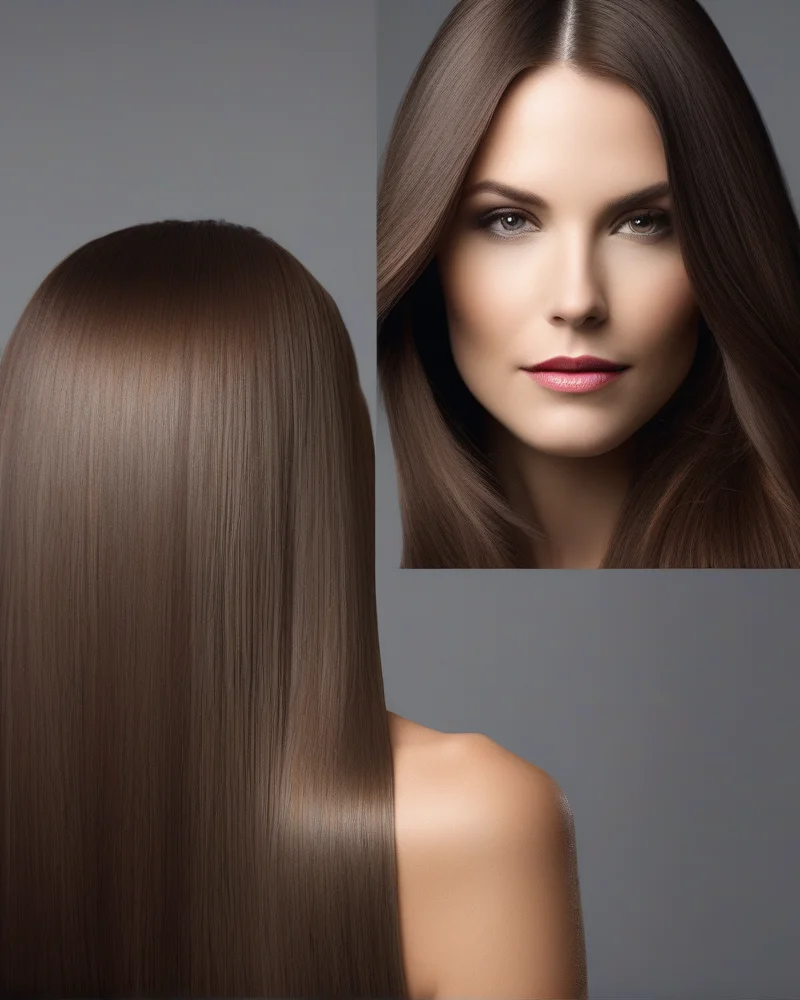
To truly understand the technical precision required for this color profile, we analyzed a recent transformation in our salon involving a client with a natural level 5 medium brown base. This starting canvas presented a significant challenge because it was heavily saturated with persistent red undertones, a common hurdle for those with cool-toned complexions who crave a muted, earthy aesthetic. Because the goal was to pivot from a warm base to a sophisticated, multidimensional mushroom brown, we could not simply rely on a single-process dye. Instead, we implemented a strategic corrective color service to neutralize unwanted warmth before depositing the final ash-based pigments.
We began by performing a gentle lightener application to lift the base by one level, which exposed the underlying orange-red pigment inherent in level 5 hair. Following the industry-standard guidance provided by the American Academy of Dermatology regarding scalp health, we ensured the bleach mixture was formulated with bond-building additives to protect the hair cuticle during the lifting process. Once the hair reached a level 6, we applied a customized demi-permanent glaze. This glaze utilized a heavy blue-green base to aggressively neutralize the orange warmth and effectively shift the color into the taupe and mushroom spectrum. The result was a seamless, smoky finish that perfectly complemented the client’s porcelain skin, echoing the moody elegance often seen in a Corpse Bride glam makeup look.
The transformation was finalized with a lived-in root melt, which blurred the transition from the client’s natural regrowth into the cooler tones of the lengths. This technique not only adds depth but ensures the hair grows out gracefully without revealing harsh lines. The final look was a masterclass in tonal balance, proving that even a stubborn, warm-leaning base can be successfully transitioned into a modern, ash-dominant shade when the chemical neutralization steps are performed with patience and technical rigor.
Frequently Asked Questions
- Does mushroom brown hair color fade quickly on cool undertones?
- Because this shade relies on a precise balance of ash and taupe pigments, it can lose its intensity over time as natural oxidation occurs. Cool toned hair is susceptible to picking up brassy, yellow, or orange undertones when the dye molecules begin to break down. To combat premature fading, I always recommend using a professional grade blue or violet depositing conditioner once a week. This neutralizes unwanted warmth and keeps that sophisticated, earthy dimension looking fresh until your next touch up appointment.
- Is the coloring process safe for my hair health?
- Achieving a seamless mushroom brown often requires a lifting process if your starting shade is dark. Chemical safety is paramount, so always prioritize the integrity of your hair bonds. I suggest asking your stylist to incorporate a bond builder, such as Olaplex, directly into the color formula to prevent cuticle damage. For those concerned about chemical sensitivity or scalp health, you can reference the guidelines provided by the American Academy of Dermatology to understand how certain ingredients might affect your skin and hair health over long term application.
- How often should I return to the salon to maintain the tone?
- Frequency depends entirely on your natural root color and the specific technique used. If you opt for a lived in balayage or root smudge application, you can typically stretch visits to every ten to twelve weeks. However, for a solid application that covers grays or requires root touch ups, returning every six to eight weeks is standard. Regardless of the schedule, regular professional gloss treatments every four weeks can significantly revitalize the depth of your taupe hair color without adding extra stress to your strands.
- Will this muted brown shade look good on my cool complexion?
- Mushroom brown is arguably one of the most flattering choices for cool undertones because it lacks the heavy red or gold pigments that often clash with pink or blue based skin. By leaning into silver, gray, and ash reflections, this color harmonizes with your natural skin tone. If you are uncertain about the intensity, ask your colorist for a cool mocha gloss to start, which provides a lower commitment way to preview how these cooler, dusty shades frame your face.
Avoiding brassiness: What should you skip?
Maintaining that sophisticated, earthy mushroom brown hair requires more than just a quality color-depositing conditioner. Because your cool undertones rely on a precise balance of ash and silver pigments, the wrong chemical profile in your bathroom cabinet can strip your investment in minutes. To keep your shade from veering into unwanted warm or muddy territory, you must become a label reader.
- Sulfates and Harsh Surfactants: Sodium Lauryl Sulfate (SLS) is notorious for stripping natural oils and hair dye molecules. For cool-toned brunette hair, sulfates aggressively open the hair cuticle, allowing your carefully placed ash pigments to wash down the drain, leaving behind the underlying warmth of your hair shaft.
- Silicone-Heavy Finishing Products: While silicones provide temporary shine, they create a hydrophobic barrier that prevents moisturizing agents from penetrating the hair fiber. Over time, this buildup creates a dull, gray film that masks the multidimensionality of your mushroom brown color. Opt for water-soluble alternatives to keep your strands breathable and vibrant.
- Heavy, Unrefined Oils: Avoid products containing heavy castor or coconut oils as leave-in treatments. These dense emollients can weigh down the hair and, when exposed to heat styling, may contribute to a yellowing effect on bleached or dyed highlights. According to the American Academy of Dermatology, maintaining scalp and hair health starts with non-comedogenic and lightweight hydration that does not disrupt the integrity of the hair structure.
- Parabens and Artificial Waxes: Certain parabens act as preservatives that can interfere with color longevity. Furthermore, cheap artificial waxes can cause hair to attract environmental pollutants and dust, which often carry warmth-inducing mineral deposits. These pollutants collect on the surface of the cuticle, making your cool, muted brown hair appear muddy and lackluster within just a few weeks of your salon visit.
- Mineral-Heavy Shower Water: Perhaps the most overlooked culprit is your water supply. Hard water contains high concentrations of calcium, magnesium, and iron. These minerals build up on the hair surface and react with light to neutralize your cool tones, inevitably shifting your color toward a brassy, orange, or copper hue. To combat this, consider installing a high-quality shower head filter designed to neutralize chlorine and heavy metals, ensuring that every wash helps preserve your intentional, cool-toned aesthetic.
Why does this color thrive in every season?
The enduring appeal of mushroom brown hair for cool undertones lies in its sophisticated, earthy complexity. Unlike high-maintenance platinum or vibrant fashion colors, this muted ash-toned hue serves as a perennial chameleon that adapts seamlessly to the shifting environmental light of each passing season. When the winter months arrive, this multidimensional brunette shade acts as the perfect neutral canvas. It complements the deep, cool palette of seasonal wardrobes, providing a muted elegance that balances well with monochromatic greys, stark blacks, and winter whites. The absence of heavy gold or copper undertones ensures that your hair remains harmonious with the crisp, de-saturated lighting characteristic of colder weather.
As we transition into the warmer months, this shade offers a vital stylistic relief. During the peak of summer, intense sun exposure can naturally highlight unwanted warmth in the hair follicle, often leading to unsightly brassiness. By opting for a base with cool, mushroom-inspired pigments, you effectively counteract the yellowing effects of UV rays and environmental oxidation. This creates a refreshing, chilled aesthetic that feels light and intentional even as the temperature climbs. It provides a visual cooling effect that keeps your complexion looking vibrant rather than overwhelmed by excessive pigment density.
The versatility of this color extends beyond mere tone; it also thrives when paired with modern, structured styling. For instance, those who enjoy a polished and chic profile often find that this deep, taupe-leaning brunette looks exceptionally vibrant when styled in short hair bob cuts for thick hair. This pairing highlights the intricate layering of the ash pigments, making the hair appear dense and healthy. To maintain the integrity of your strands during seasonal transitions, it is essential to prioritize professional maintenance. According to guidelines from the American Academy of Dermatology, protecting your hair from excess heat and environmental damage is crucial for color longevity. By keeping the hair cuticle smooth, the light reflects off the mushroom tones more evenly, ensuring your hair retains its professional luster throughout the entire calendar year.
When should you see a professional vs. DIY?
Achieving the perfect shade of earthy, cool toned mushroom brown hair is a precise science that balances violet, blue, and ash pigments to counteract the warmth naturally present in human hair. When you attempt this transformation at home, you are fighting against the color wheel. If your base hair contains significant red or orange undertones, applying an ash-based box dye without proper neutralization often leads to an accidental green tint. This occurs because the blue pigments in the ash dye mix with the underlying yellow, turning the final result into an unwanted olive or muddy shade. Professional colorists utilize a technique called color correction to pre-lighten or pre-tone the hair, ensuring the canvas is neutral enough to accept the cool mushroom pigments without creating off-tone anomalies.
You should strongly consider booking a salon appointment if you are starting with hair that has been previously dyed with permanent dark pigments. Stripping away box dye is a complex chemical process that requires controlled lifting, often involving specialized bond builders to prevent excessive breakage. According to the American Academy of Dermatology, maintaining the structural integrity of your hair follicles is paramount when undergoing drastic chemical color changes. A licensed professional will perform a strand test to determine exactly how your porosity levels will respond to ammonia or bleach, a step that is frequently skipped in amateur home kits. Furthermore, colorists have access to high-end salon-grade toners that are significantly more pigment-dense than what is found in retail stores.
DIY methods might be tempting for those who already have a light brown or dark blonde base with no previous color history, but even then, maintaining that signature cool aesthetic is difficult. Mushroom brown shades require frequent maintenance with purple-tinted shampoos and professional-grade glazes to combat daily environmental oxidation. If your goal involves a sophisticated dimensional look like balayage or root shadowing, these techniques require precise sectioning and foil placement that is virtually impossible to execute on the back of your own head. Investing in a professional consultation is the only way to guarantee a seamless, salon-quality result that does not compromise the health of your locks.
Achieving the perfect mushroom brown hair for cool undertones is as much about chemistry as it is about style. By prioritizing cooling toners and avoiding heat-based brassiness, you can enjoy this versatile, high-end look for months. Whether you choose to visit a salon or master the toning process at home, remember that maintenance is the true key to keeping those ash pigments vibrant. If you’re looking for more aesthetic inspiration, check back with Nailosmetic for our ongoing beauty series.
More Ideas You Will Love
- 15+ Elegant Updo Hairstyles for Every Occasion: Your Guide to Timeless Glamour
- 15 Effortless Wash and Go Curly Hair Styles You Need to Try
- wolf cut hairstyle
- The Future of Eco-Chic Color: Sustainable Hair Dye Trends & Treatments for 2027