
Beyond Cotton: The Bio-Textile Revolution Reshaping 2026-2027 Fashion

The year is 2026, and the fashion industry stands at a pivotal crossroads. For too long, the pursuit of beauty and style has inadvertently come at a steep environmental cost, with traditional textiles like cotton demanding vast resources and leaving a heavy footprint. But what if the very essence of glamour could be redefined by nature itself, cultivated by science, and woven with responsibility? At Nailosmetic, we believe true beauty is holistic, extending from our personal care to the planet we cherish. Just as we innovate for radiant skin and nails (explore our latest advancements at https://nailosmetic.com/), the world of fashion is undergoing its own profound metamorphosis. Welcome to ‘Beyond Cotton,’ where we unveil the groundbreaking bio-textile revolution poised to reshape runways, wardrobes, and our very perception of luxury throughout 2026 and 2027. This isn’t just a trend; it’s the dawn of an era where sustainability is intrinsically stitched into every thread.
The Loom of Tomorrow: Unveiling the Bio-Textile Revolution
The fashion paradigm is dramatically shifting. The era of relying solely on conventional materials, often burdened by their environmental impact, is receding, paving the way for a more conscientious approach. By 2026-2027, discerning consumers are not just seeking style, they demand substance. Their escalating calls for sustainability, ethical production, and a significantly reduced environmental footprint are compelling the industry to look beyond the familiar. This urgent imperative has ignited a vibrant ‘bio-textile revolution’ a pivotal moment in sustainable fashion. What exactly are bio-textiles? These are groundbreaking fabrics meticulously derived from biological sources, often cultivated with precision or ingeniously engineered. Think mycelium leathers, algae derived fibers, or plant based silks offering innovative alternatives to traditional textiles. They represent a profound departure from the linear ‘take-make-dispose’ model, instead fostering truly regenerative and circular fashion economies. This seismic shift offers the promise of luxury that does not compromise the planet. Indeed, in this new chapter, sustainability is not merely a trend; it is the definitive hallmark of true elegance and forward thinking design. It is about crafting exquisite garments that tell a story of innovation and responsibility. This comprehensive guide serves as your essential compass, navigating the intricate landscape of these future fabrics. It is designed for fashion enthusiasts, visionary designers, and conscious consumers ready to understand and embrace the next generation of style.
Mycelium Marvels: The Fungi Forging Future Fabrics
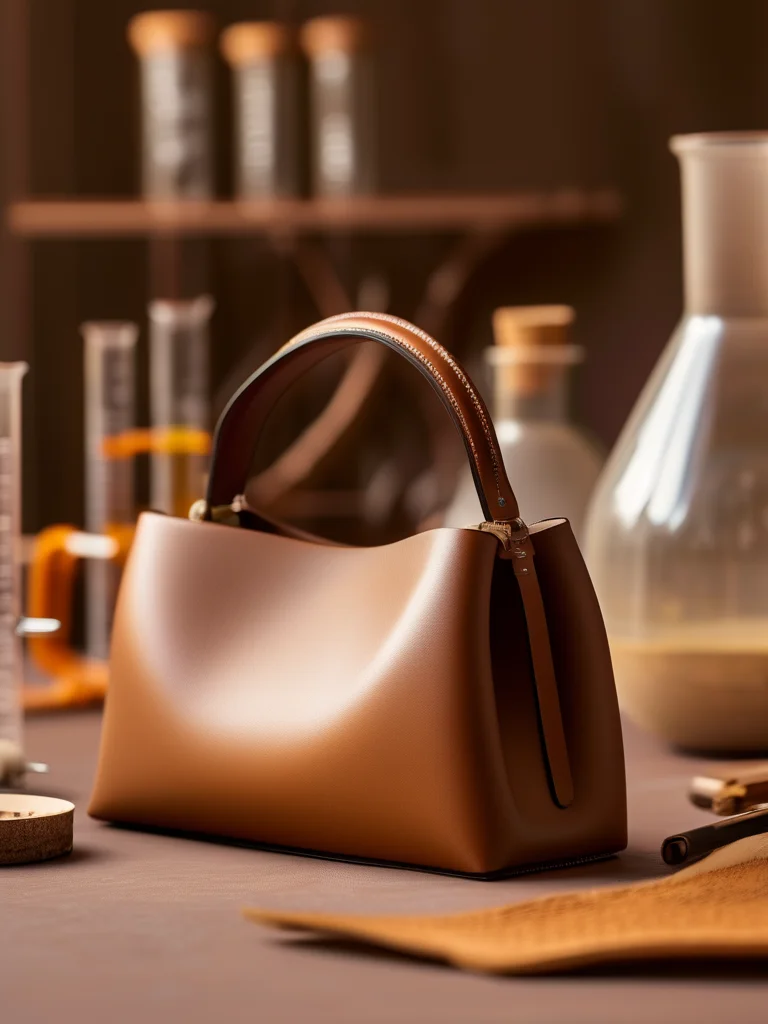
Beyond conventional alternatives, mycelium leather emerges as a truly groundbreaking bio-textile, born from the intricate root structure of fungi. This revolutionary material promises a future where luxury fashion thrives without compromise. Innovators like Bolt Threads have pioneered Mylo, a supple and strong leather alternative crafted through an efficient indoor cultivation process. Similarly, MycoWorks has captivated the industry with Reishi, showcasing unparalleled texture and resilience. These materials are not merely substitutes; their aesthetic qualities, including a natural grain, rich drape, and impressive durability, consistently rival and often surpass the characteristics of traditional animal hides. They offer a sophisticated, breathable, and versatile textile suitable for everything from handbags to footwear. Top-tier fashion houses are swiftly embracing this fungi-derived marvel. Stella McCartney, a beacon of sustainable luxury, has championed Mylo, integrating it into runway collections and proving its high-fashion viability. Global sportswear giant Adidas has also collaborated with Bolt Threads, featuring Mylo in iconic sneaker designs, signaling a mainstream shift towards truly sustainable practices. This adoption by leading brands underscores mycelium’s status as a superior, cruelty-free, and environmentally conscious choice for sophisticated fashion, significantly reducing the ecological footprint associated with animal agriculture and chemical tanning. When selecting mycelium products, look for brands that clearly state their material sourcing and processing, ensuring uniformity in texture and a luxurious hand feel. To maintain their pristine condition, gently wipe with a damp cloth and avoid harsh solvents, treating them as you would any fine leather product. Mycelium is undeniably shaping the next era of high fashion, offering elegance with integrity.
Engineered Elegance: The Dawn of Lab-Grown Fibers
Beyond purely natural sources, the textile world is now witnessing a profound shift into the realm of lab-grown fibers, where biotechnology precision engineers new material possibilities. A stellar example is lab-grown silk, a material revolutionizing luxury and performance. Companies like Spiber, with their groundbreaking Brewed Protein technology, are leading this charge. They harness microbial fermentation, much like brewing, to produce protein polymers that are then spun into fibers. This innovative process meticulously replicates the molecular structure of natural silk, delivering its characteristic strength, exquisite drape, and shimmering luster. Crucially, this entirely bypasses the ethical concerns and significant environmental footprint associated with traditional sericulture, offering a sustainable, high-performance alternative. The advantages extend to customizability, allowing for fibers tailored to specific applications, from delicate couture to robust outdoor gear.
The innovation does not stop there. Bacterial cellulose represents another frontier in engineered elegance, showcasing remarkable versatility. Produced by bacteria, this pure cellulose material boasts an exceptional strength to weight ratio, high absorbency, and biocompatibility. Its applications are expansive, already making strides in advanced medical textiles, performance sportswear for its breathability and moisture-wicking properties, and even pushing into the avant-garde of haute couture. These bio-engineered fabrics exemplify the incredible precision and inherent sustainability achievable when fashion embraces cutting-edge science, crafting materials that are literally tailor-made for specific functionalities and aesthetic aspirations. The future of textiles is increasingly designed, not simply grown.
From Ocean’s Depths: Algae & Kelp-Derived Textiles
Moving from land to sea, the bio-textile revolution also embraces the incredible potential of marine botanicals. The ocean’s depths offer a truly regenerative resource, giving rise to innovative materials like algae and kelp derived textiles. Algae fibers, championed by pioneering companies such as AlgiKnit, are transforming textile production. These materials boast vibrant, naturally pigmented hues, delivering unique aesthetics and performance qualities that challenge conventional dyes and synthetic alternatives. Imagine garments that inherently carry rich color without intensive processing, offering a fresh palette for designers.
Beyond their visual appeal, these marine bio-textiles promise significant environmental benefits. Algae and kelp require minimal resource input compared to land intensive crops, thriving in saline environments without competing for precious freshwater or arable land. Their cultivation actively contributes to carbon sequestration, helping to mitigate climate change by absorbing CO2 from the atmosphere and oceans. Kelp derived textiles, in particular, are gaining traction for their exceptional biodegradability and soft, luxurious texture. They offer a drape and feel that rivals traditional premium fabrics, making them ideal for high fashion and everyday wear alike. These ocean born fabrics represent a crucial step towards a truly sustainable wardrobe, emphasizing the incredible potential of renewable marine biomass to create luxurious, high performance textiles that are regenerative. The future of fashion isn’t just green; it’s also a vibrant blue, offering beauty that is as conscious as mastering elegant updo hairstyles for a discerning aesthetic.
Reimagining Residue: Fruit & Plant-Based Fabric Innovations

Beyond the lab and the ocean, a new frontier of textile innovation emerges directly from agricultural surplus. Imagine transforming what was once discarded into materials of unparalleled elegance and function. This is the promise of fruit and plant-based fabrics, embodying true circularity by valorizing waste streams into high-fashion textiles. A prime example is **Orange peel fabric**, pioneered by visionary companies like **Orange Fiber**. They brilliantly convert vast quantities of citrus industry by-products – the peels left after juice production – into a remarkably silky, luxurious fiber. This sustainable material not only reduces significant food waste but also offers a refined alternative for designers seeking both beauty and a minimal environmental footprint.
Equally compelling is **Pineapple leaf fiber**, known commercially as **Piñatex**. Derived from the discarded leaves of pineapple plants, a natural by-product of existing harvests, this innovative material presents a durable, leather-like textile. It is quickly gaining traction, embraced by numerous brands for creating everything from ethical accessories to stylish footwear. The dual advantages of these ‘waste-to-textile’ innovations are profound: they significantly divert organic matter from landfills while simultaneously providing aesthetically pleasing, versatile, and environmentally conscious fabric options. Beyond their ecological merits, these materials foster new economic opportunities, empowering local agricultural communities by creating value from what was previously considered residue, proving that the foundation of future luxury is truly found in reimagined waste.
The Chroma of Conscience: Sustainable Dyeing Techniques
Beyond the very fibers themselves, the revolution extends profoundly to how textiles acquire their color. The Chroma of Conscience signals a pivotal shift in sustainable dyeing techniques, moving far past conventional methods that typically consume vast amounts of water and chemicals. We are witnessing a powerful resurgence and refinement of natural dyes, sourced from an incredible array of plant life like indigo and madder root, rich minerals such as ochre, and even ingenious applications of food waste like avocado pits or onion skins. These botanical and mineral extractions yield a distinctively rich, nuanced palette, often characterized by earthy tones and subtle variations that synthetic dyes rarely replicate. Identifying these naturally dyed garments can be subtle; look for slightly uneven color distribution, a soft, organic luminosity, and a unique patina that develops beautifully over time. Critically, their production significantly reduces the environmental impact associated with synthetic alternatives, mitigating water pollution and chemical runoff.
Further innovating this space are cutting-edge bio-dyes, an exciting frontier leveraging microorganisms or enzymatic processes to create vibrant, lasting colors. These advanced methods dramatically reduce water consumption, energy expenditure, and the reliance on harsh chemical agents. For instance, specific bacteria can be engineered to produce pigments, or enzymes can activate color within organic compounds, offering a closed-loop system with minimal waste. The combined impact of natural and bio-dyes ensures that the entire fashion production chain, from fiber to final hue, aligns seamlessly with circular fashion principles, offering truly eco-friendly coloration for the discerning consumer.
Trailblazers & Transformers: Brands Shaping the Bio-Textile Future
Stella McCartney remains an undisputed leader in sustainable luxury, consistently setting industry benchmarks for the years 2026-2027 and beyond. Her unwavering commitment to innovation is profoundly exemplified through pioneering collaborations, notably with Mylo, a cutting-edge mycelium leather alternative. This bold integration of fungus-derived materials across her collections, including bags and footwear, showcases her vision for a cruelty-free, planet-positive future. Her consistent leadership proves that high fashion can thrive without reliance on traditional animal products, inspiring countless others.
Sportswear titan Adidas is also making strategic investments, driving significant product innovation in bio-textiles. Their ongoing commitment to bio-engineered fabrics is evident in ambitious initiatives and partnerships focusing on materials like mycelium-based leathers and recycled ocean plastics. Adidas bio-textiles are rapidly becoming mainstream, with tangible product launches integrating sustainable alternatives to conventional polyester and leather, pushing performance and ecological responsibility hand-in-hand across their global offerings.
Even heritage luxury houses like Hermès are signaling a definitive shift, exploring the integration of advanced bio-materials. Their cautious yet significant steps, such as experimenting with Sylvania, another mycelium-based leather alternative for iconic pieces like the Victoria travel bag, underscore the growing imperative for sustainability across the entire fashion spectrum. This strategic exploration by Hermès, a brand synonymous with traditional craftsmanship, robustly indicates that sustainable luxury is no longer a niche concept but a mainstream expectation, reshaping material sourcing and inspiring competitors. These influential players are not merely adapting; they are actively driving the fashion brand innovation forward.
The Circular Thread: Weaving Bio-Textiles into a Sustainable System
The bio-textile revolution transcends mere material innovation, fundamentally anchoring itself within the transformative principles of circular fashion. It challenges us to rethink the entire lifecycle of a garment, from its conceptual design to its inevitable end-of-life. Circularity with bio-textiles means designing for inherent longevity and durability, utilizing materials like advanced mycelium composites or robust plant-based fibers that withstand the test of time and wear. It embraces modularity and repairability, where a garment made from a blend of seaweed and plant pulp might feature easily replaceable sections or accessible stitching, encouraging mending rather than immediate disposal. For designers, a critical pro-tip is to prioritize mono-material compositions from naturally decomposable bio-textiles, ensuring a seamless return to nature or industrial composting post-use, or selecting those engineered for infinite chemical recycling. This approach eliminates waste from the outset. Ultimately, the power of bio-textiles lies in their unparalleled capacity to re-enter cycles, whether through composting at home for agricultural waste fibers or sophisticated industrial processes for lab-grown alternatives. Consumers become active participants by choosing brands transparent about their materials’ end-of-life pathways, inquiring about take-back programs, and practicing diligent garment care and repair. This collaborative philosophy fosters an ecosystem where waste is systematically eliminated, resources are continually optimized, and every thread woven contributes to a truly regenerative fashion future, moving beyond linear consumption to a model that respects planetary boundaries.
The Horizon of Hues: What’s Next for Bio-Textiles in 2027 and Beyond
The trajectory for bio-textiles beyond 2026-2027 points towards a truly revolutionary era. Future research actively explores next-generation materials like programmable fibers, designed at a molecular level for intrinsic properties such as self-cleaning or adaptive temperature regulation. Breakthroughs in synthetic biology promise fabrics engineered with specific aesthetic and functional attributes, moving beyond conventional plant or fungal derivatives. Crucially, the integration of AI and machine learning will accelerate material discovery and development, allowing scientists to model and predict the performance of novel bio-polymers with unprecedented speed and accuracy, thereby optimizing everything from raw material sourcing to manufacturing processes.
While the potential is immense, scalability remains a primary challenge. Expanding production from laboratory success to industrial volumes will necessitate significant infrastructure investment, robust supply chain development, and standardized certification processes. Overcoming these hurdles will require a concerted effort from innovators, investors, and policymakers. Consumer education will also be paramount, fostering demand and understanding for these sustainable alternatives, moving away from fast fashion’s traditional narratives. Policy changes, including incentives for eco-conscious manufacturing and stricter regulations on synthetic materials, will further galvanize adoption. The long-term vision is clear: a fashion industry where bio-textiles are not an alternative, but the established norm, driving an ethical, innovative, and aesthetically rich future that profoundly benefits both humanity and the planet.
As we stand in 2026, the ‘Beyond Cotton’ movement is not merely a collection of novel materials; it’s a profound cultural and industrial shift towards a fashion paradigm that champions both exquisite beauty and ecological integrity. The bio-textile revolution, fueled by innovations from Mycelium leather to Lab-grown silk, Algae fibers to Orange peel fabric, is fundamentally reshaping how we design, consume, and perceive luxury. With pioneers like Stella McCartney, Adidas, and even Hermès leading the charge, and an unwavering commitment to circular fashion principles, the future of fashion is undeniably vibrant, responsible, and breathtakingly innovative. The choices we make, from the clothes we wear to the products we embrace, collectively weave the fabric of tomorrow. Join Nailosmetic in celebrating this era where true elegance is synonymous with sustainability, ensuring that style never compromises the planet.