Fall Pedicures

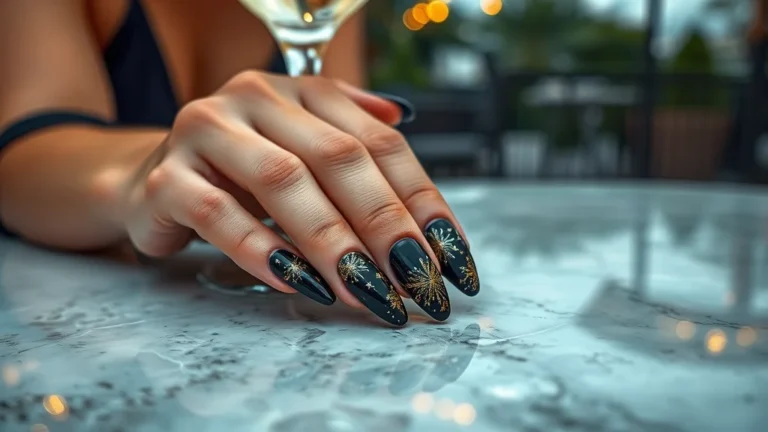
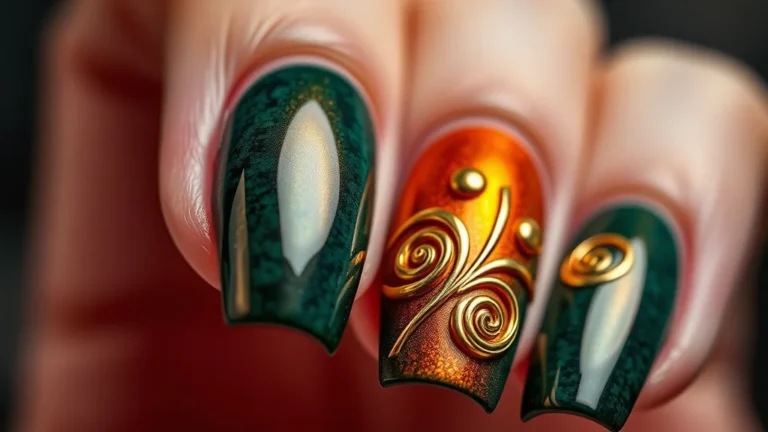
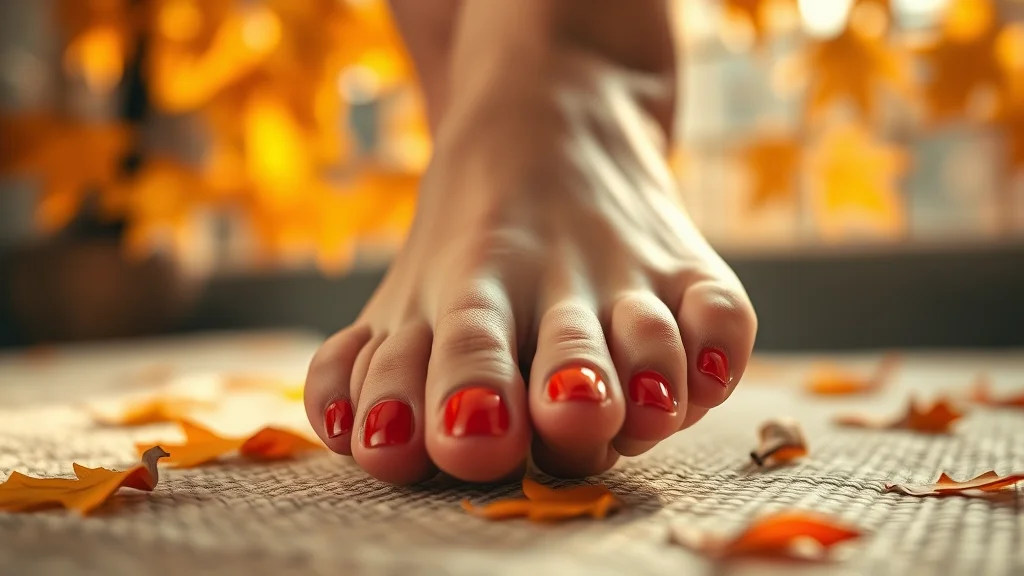
Fall pedicures are the ultimate seasonal transition, and this year, the trend is shifting toward ‘quiet luxury’ earth tones and high-gloss vampy finishes. Whether you are prepping for open-toe mule season or seeking a self-care ritual, your choice of polish can define your entire autumn aesthetic. At [Nailosmetic](https://nailosmetic.com/), we specialize in the professional-grade tools and pigments required to achieve salon-quality results from home. But why is everyone suddenly abandoning neon summer brights for moody, chocolate-dipped hues? It comes down to the color theory of the ‘cozy autumn’ palette, which complements the textures of cashmere and leather. This guide reveals the exact shade transitions, care routines, and durability hacks that will keep your toes pristine through the harvest season. Read on to discover the science behind long-wear fall pedicures and why your current maintenance routine might be stripping your natural nail health.
Why are deep, moody tones dominating the 2024 fall pedicure trend?

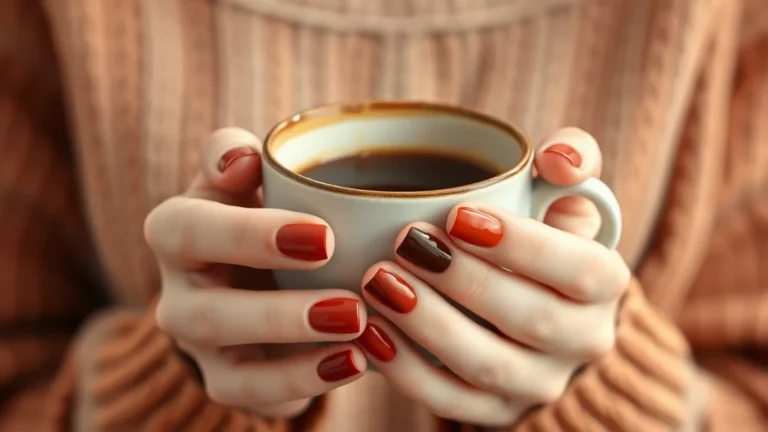
As we transition from the vibrant energy of summer to the introspective atmosphere of autumn, our aesthetic preferences undergo a subtle yet profound evolution. In 2024, the pedicure landscape is shifting decisively away from the high visibility neon polishes and sun drenched corals that defined our coastal vacations. Instead, we are seeing a masterful embrace of deep, moody tones that mirror the natural world during its seasonal decline. This movement toward saturated pigments like oxblood, forest green, and slate gray is not merely a stylistic choice. It is a psychological response to the changing light of our environment.
Color psychology suggests that as days shorten and exposure to natural sunlight decreases, our internal rhythms lean toward hues that offer emotional grounding and stability. Rich, dark nail colors provide a sense of luxury and permanence that lighter shades simply cannot replicate. When you wear a deep mahogany or a charcoal gray on your toes, you are aligning your personal presentation with the grounding elements of the earth. Research indicates that during periods of seasonal transition, individuals often gravitate toward colors that feel dense and substantial. These tones act as a visual anchor, providing a sense of comfort as the external climate becomes colder and more unpredictable.
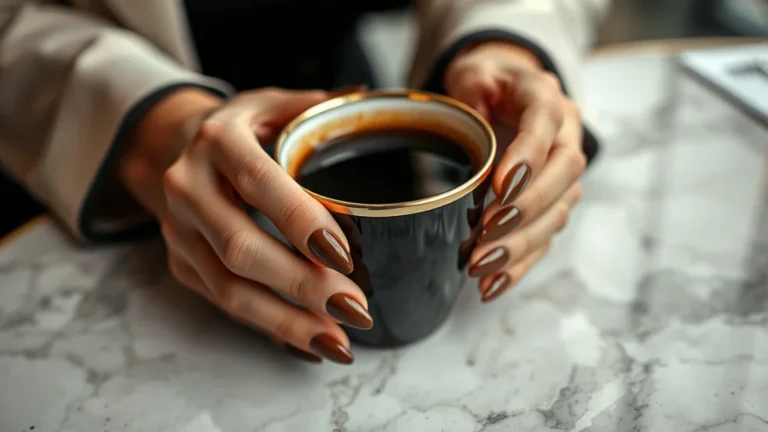
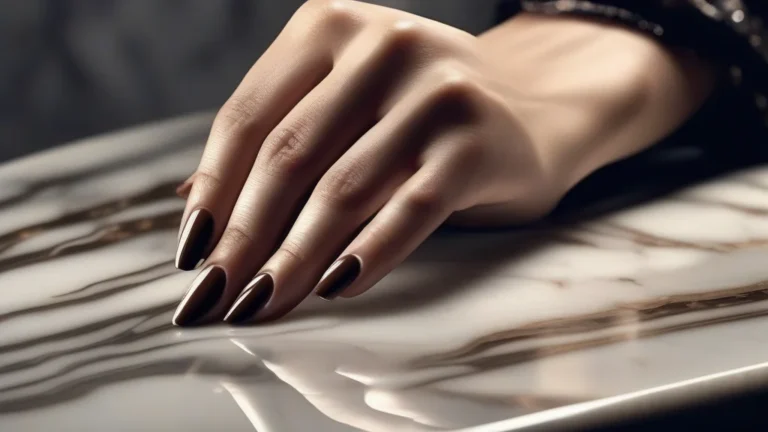
The current popularity of these dark shades is also driven by their versatility. A classic oxblood pedicure serves as the perfect accessory for both casual knitwear and formal evening attire. To maintain the longevity of these rich pigments, we always recommend applying a high quality base coat to prevent staining of the nail bed, followed by a professional grade glossy top coat. For those who prefer a modern finish, a matte top coat can transform a moody forest green into a sophisticated, velvet like statement. Whether you choose deep espresso, midnight navy, or slate gray, these saturated shades offer a timeless elegance that feels perfectly tailored for the crisp autumn air. By incorporating these dark, moody tones into your self care routine, you are effectively transitioning your style to match the quiet, refined beauty of the fall season.
How do you prep your feet for a long-lasting autumn pedicure?
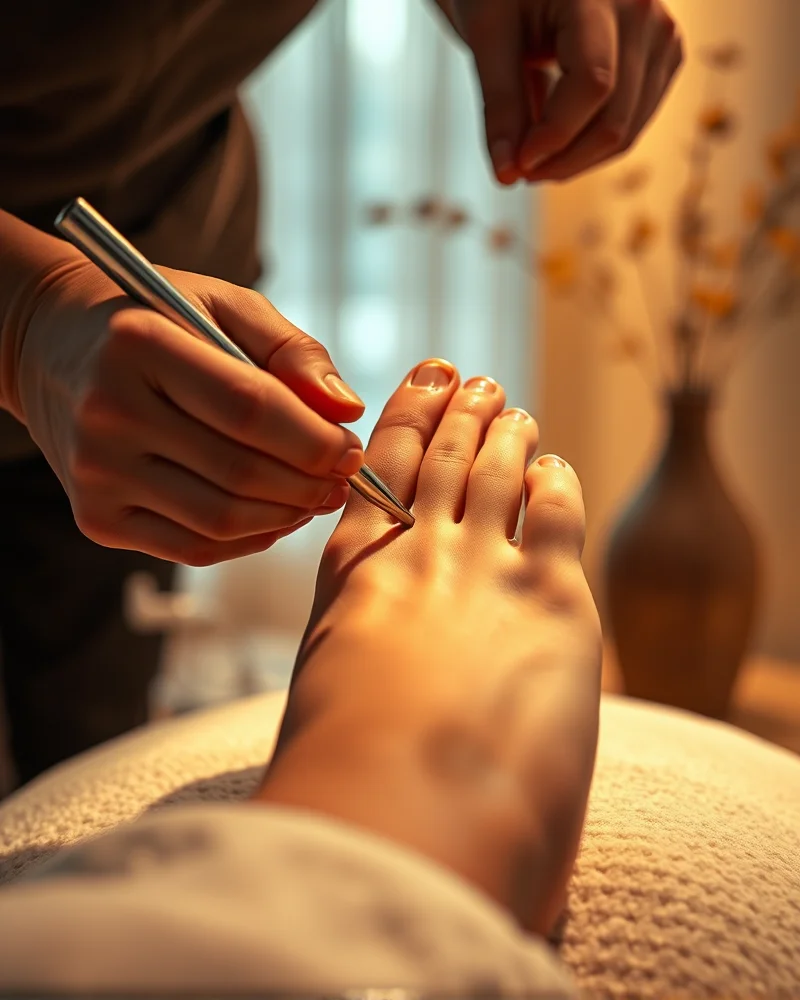
Achieving a salon-quality pedicure that withstands the transition into heavier autumnal footwear requires more than just a fresh coat of lacquer. To ensure your deep burgundy or forest green polish remains chip-free, you must focus on the structural integrity of the nail plate. Below is the professional Nailosmetic ritual for creating a flawless canvas that maximizes color longevity.
- Deep Exfoliation and Callus Refinement: Start by soaking your feet in a warm, mineral-rich bath to soften the epidermis. Once the skin is supple, use a high-quality stainless steel foot file on dry or slightly damp skin to gently buff away calluses. Focusing on the heels and balls of the feet creates a smooth foundation, but avoid over-exfoliating, as the skin needs to remain intact to protect the foot from friction within closed-toe boots.
- Precise Cuticle Maintenance: Proper cuticle care is the secret to a professional look. Use a gentle cuticle remover solution to dissolve dead tissue surrounding the nail plate. Carefully push back the eponychium with a metal pusher, then use professional-grade nippers to remove only the loose, non-living hanging skin. This prevents the polish from lifting prematurely due to contact with non-nail surfaces.
- Nail Plate Shaping and Buffing: Shape your free edge with a glass file to prevent splitting. Follow this by lightly buffing the surface of the nail plate with a fine-grit buffer. This step removes the natural shine and microscopic ridges, which significantly improves the mechanical bond between the nail and the base coat.
- The Critical Dehydration Step: This is where most at-home pedicures fail. To ensure the longest wear, you must create a completely oil-free surface. Use a lint-free wipe saturated with a high-quality nail dehydrator or pure isopropyl alcohol. This process removes natural oils and residual debris, allowing the base coat to establish a permanent keratin bond with the nail plate.
- The Final Seal: Always apply a high-adhesion base coat in thin, even layers. Capping the free edge with both your base coat and your color ensures the nail is sealed against moisture ingress, which is vital during the rainy autumn months.
Which polish finishes are trending for fall: Matte vs. High-Gloss?
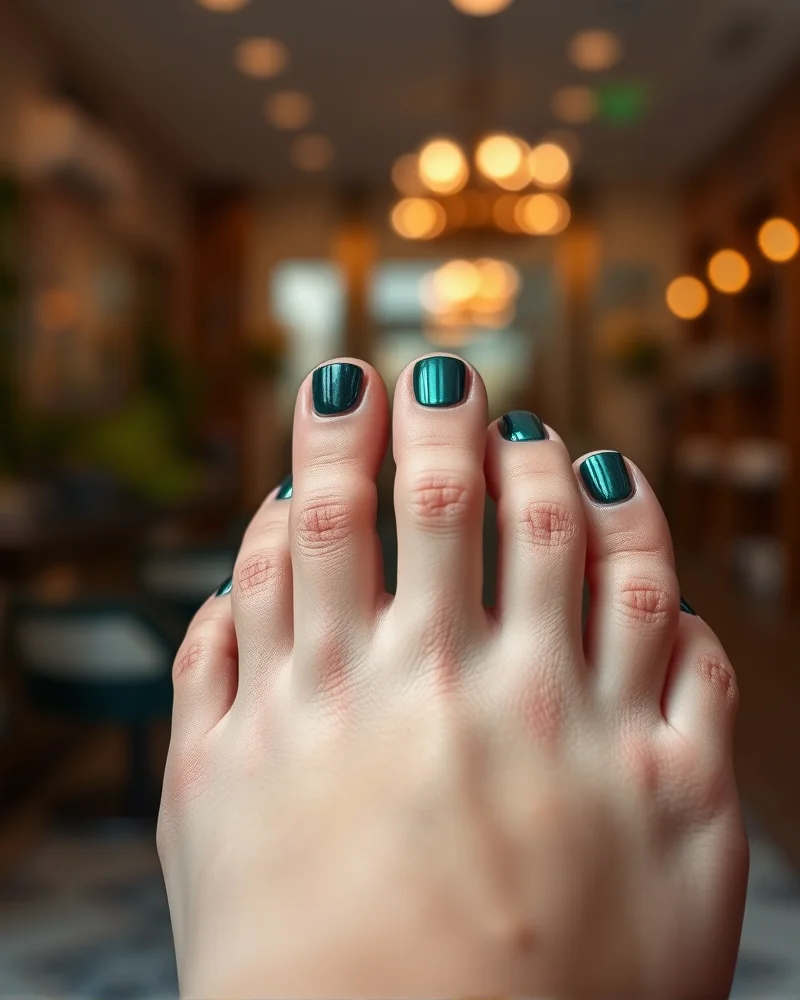
When the temperature drops, the conversation surrounding pedicure aesthetics shifts from sheer summer vibrancy to the interplay of texture and dimension. Choosing between a matte or high-gloss finish is no longer just a stylistic preference; it is a deliberate decision on how your toes capture the lower, softer light of the autumn season. High-gloss finishes remain the gold standard for creating a luxurious reflection that mirrors the crisp aesthetic of autumn luxury. Conversely, matte top coats have surged in popularity for their ability to provide a sophisticated, muted look that feels cozy and grounded, effectively neutralizing the intense saturation of deep burgundy or forest green shades.
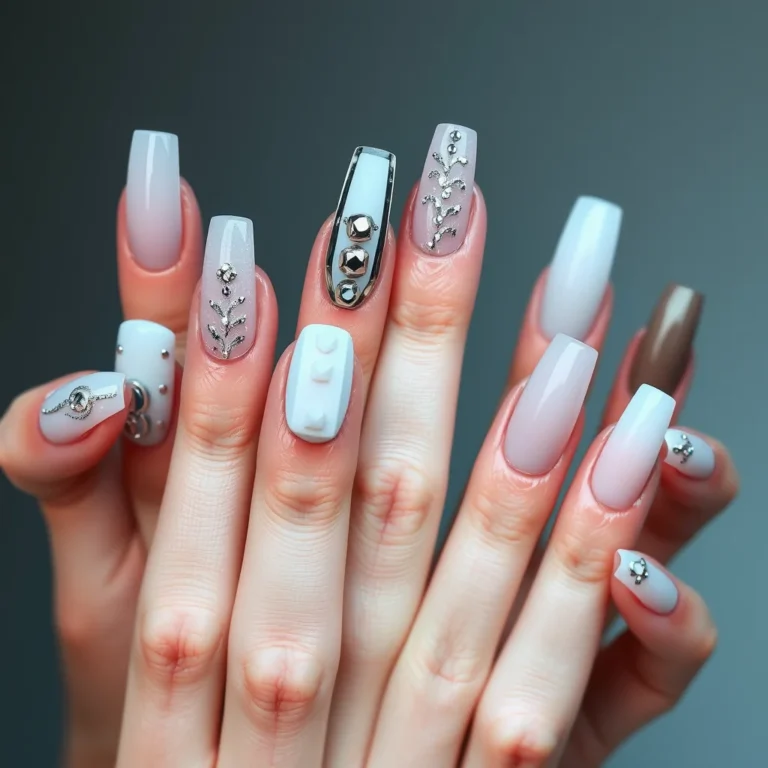
However, the most significant shift for 2024 is the resurgence of magnetic or velvet polish textures. These formulations utilize iron pigments that respond to a magnet, allowing you to create depth and movement within the polish layer. In the dim light of a September evening, a velvet finish offers a multidimensional glow that looks remarkably like plush fabric, adding a layer of tactile visual interest to your pedicure. If you are looking to elevate these textures with intricate patterns, you can consult our nail art designs ultimate guide for inspiration on how to pair these finishes with minimalist accents. Whether you opt for a sleek velvet cat-eye or a simple matte finish, your choice should balance durability with the aesthetic you wish to project.
Understanding the maintenance profile of your chosen formula is crucial for a season where you might be oscillating between open-toe sandals and closed-toe boots. The following table provides a comprehensive comparison of gel polish versus traditional lacquer to help you decide which fits your lifestyle.
| Feature | Gel Polish | Traditional Lacquer |
|---|---|---|
| Durability | High. Lasts 3 to 4 weeks with minimal chipping. | Moderate. Typically lasts 5 to 7 days. |
| Maintenance | Requires professional removal to avoid nail damage. | Easy to remove at home with standard remover. |
| Drying Time | Instant curing under LED or UV lamps. | Slow. Requires significant air drying time. |
| Finish Options | Excellent for high-gloss, long-wear results. | Flexible for quick color changes and DIY art. |
To maximize the longevity of your fall pedicure, prioritize the integrity of the nail plate. If you select a gel finish, ensure that you use a cuticle oil consistently throughout the week to prevent the perimeter of the nail from becoming brittle. For those who prefer traditional lacquer, reapply a high quality top coat every three days to maintain that essential autumn shine.
What are the best fall pedicure color combinations for different skin tones?
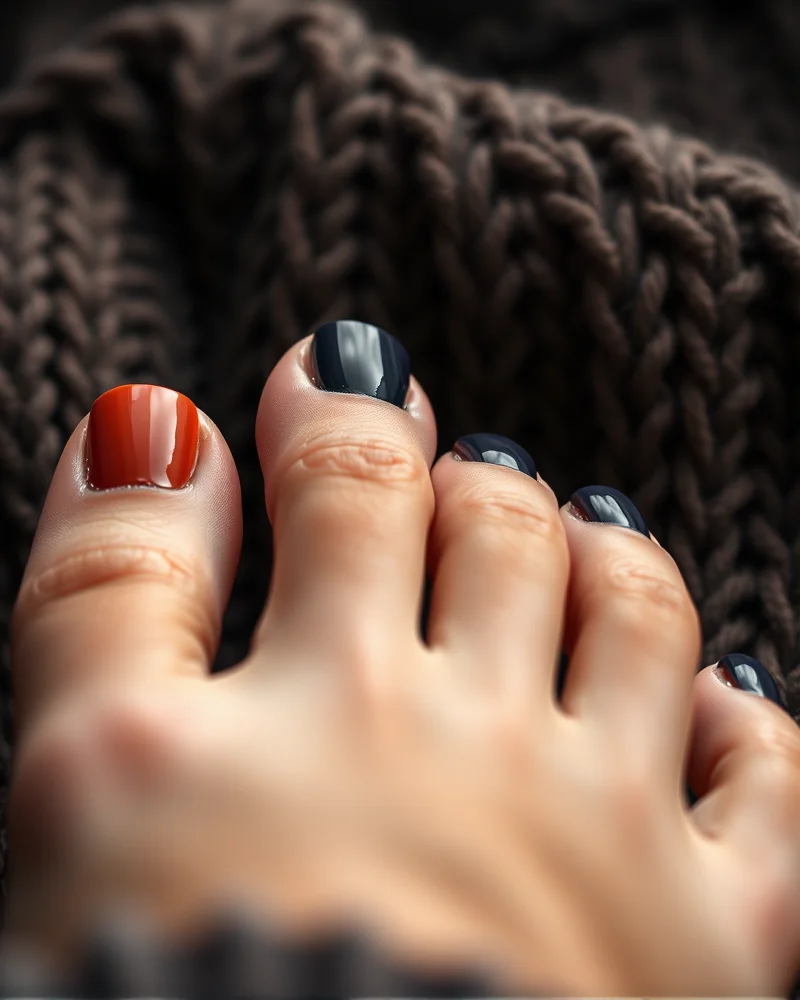
Finding your perfect fall pedicure shade is about more than just picking a trending color. To achieve that polished and high-end look Nailosmetic readers adore, you must consider the relationship between your skin undertone and the pigment of your polish. When you harmonize your nail color with your complexion, your skin appears brighter and more radiant, even as the temperatures drop and our tan begins to fade. Here is your definitive guide to mastering the autumn color palette based on your unique skin tone.
Cool Undertones
If your skin has blue, pink, or reddish undertones, you belong in the cool category. You want to avoid colors that have too much yellow or orange, as these can make your skin look washed out. Instead, reach for jewel tones that carry a blue base.
- Deep Navy: A midnight blue or ink-colored polish provides a sophisticated alternative to black. It offers a crisp, clean aesthetic that complements the cooler hues in your skin.
- Plum and Berry: Think of deep, moody shades of blackberry or cool-toned violet. These colors create a stunning contrast that makes the skin appear porcelain and refined.
- True Crimson: Select a red with a blue base, like a classic cherry or wine red, rather than a tomato-based red.
Warm Undertones
Those with golden, olive, or peach undertones thrive when wearing colors that mimic the natural warmth of autumn foliage. These shades amplify the sun-kissed glow of your skin and harmonize beautifully with earthy pigments.
- Terracotta and Burnt Orange: These quintessential fall staples are your best friends. They bring out the golden highlights in your complexion, making your pedicure look like a natural extension of your skin.
- Deep Mustard or Ochre: A rich, muted yellow offers a high-fashion, editorial look that highlights the golden warmth of your feet.
- Chocolate Brown: Deep espresso or mocha browns are exceptionally flattering on warm skin, providing a grounded, organic feel that is perfect for the season.
Neutral Undertones
If you have neutral undertones, you sit in the lucky middle ground where your skin contains a balance of warm and cool pigments. This allows you to experiment with almost any shade, though you should lean toward colors that are neither overly vibrant nor too muted.
- Greige and Taupe: A perfect blend of gray and beige is the ultimate sophisticated choice for neutral skin. It provides a clean, minimalist canvas that works for any professional or social setting.
- Emerald Green: A deep, forest-inspired green sits perfectly on neutral skin. It is vibrant enough to be interesting but dark enough to remain grounded for the autumn months.
- Mauve or Dusty Rose: These shades provide just enough warmth and coolness to perfectly accentuate the versatility of your skin tone, offering a romantic and soft finish.
Pro-Tip: Regardless of your undertone, always apply a high-quality base coat before your color. This prevents staining and ensures that deep pigmented polishes like navy or plum look smooth and professional on your toenails for the duration of the season.
How can you maintain a pedicure while wearing heavy fall boots and socks?
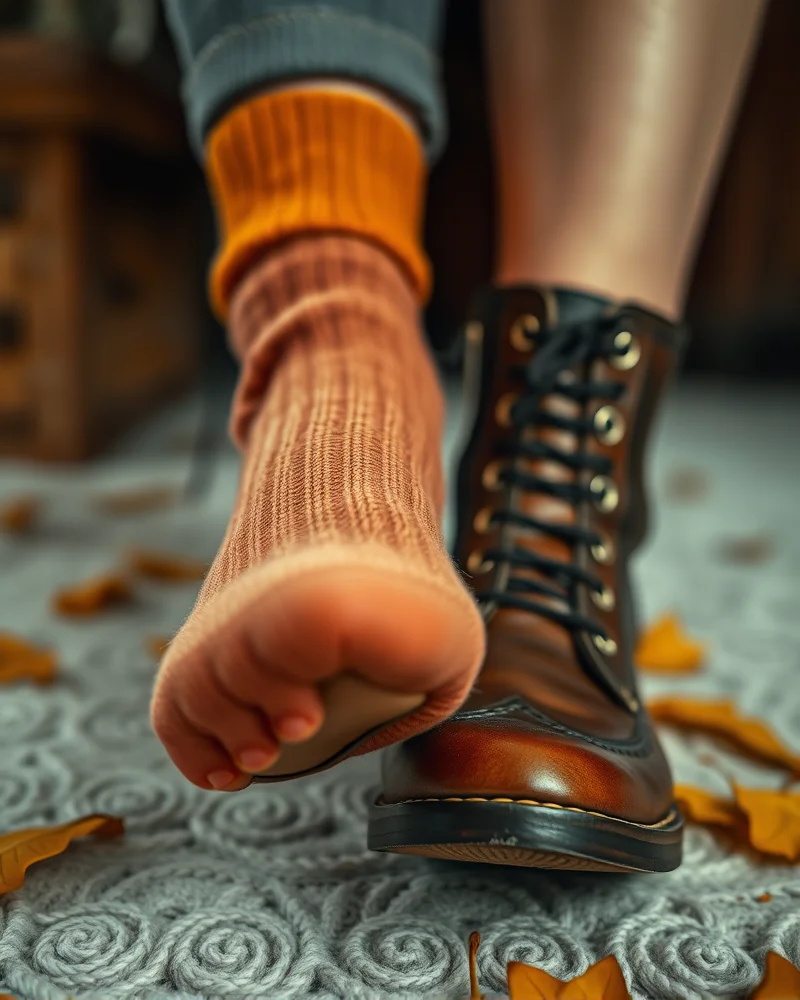
Transitioning into the autumn season brings a delightful shift toward cozy sweaters and heavy footwear, but this change in wardrobe presents a unique set of challenges for your pedicure. The primary culprit behind premature chipping is the constant friction generated by thick woolen socks and rigid leather boots. When your toes are pressed against the interior lining of a boot, the repeated mechanical stress can cause the polish at the free edge of the nail to lift or wear away. To mitigate this friction, start by opting for breathable, natural fiber socks that prevent excessive moisture buildup, as damp environments can actually soften the nail plate and make the polish more prone to peeling.
For those who refuse to compromise on style or longevity, we recommend a high performance gel base coat combined with a flexible top coat. Gel formulas offer superior durability against the physical abrasion of structured footwear compared to traditional air dry lacquers. If you prefer standard polish, applying a secondary thin layer of top coat specifically over the free edge of the nail creates a fortified barrier against boot tip rubbing. It is also wise to ensure your nails are trimmed to a shorter length during the fall months, as shorter nails are far less likely to catch on sock fibers or suffer from the pressure points inside tight footwear.
Perhaps the most neglected aspect of autumn nail care is the impact of low humidity on the nail matrix. As the air becomes drier, your nails and the surrounding skin tend to lose moisture, becoming brittle and prone to breakage. This is where the daily application of high quality cuticle oil becomes indispensable. Regular hydration preserves the flexibility of the nail plate, which prevents the polish from cracking as your feet move inside your boots. By massaging a nourishing oil blend rich in jojoba or vitamin E into your nail folds every evening, you maintain the structural integrity of the nail edge and keep the skin supple. This proactive ritual not only protects the longevity of your pedicure but also ensures your feet remain soft and healthy throughout the entire season, even when confined to the most rugged autumn attire.
What is the science behind professional-grade pedicure tools?
When you transition your routine from breezy summer sandals to the enclosed environment of autumn boots and wool socks, the health of your nail bed becomes paramount. The science behind professional grade pedicure tools is rooted in material engineering and clinical hygiene. Unlike the flimsy, porous implements often found in drugstore kits, professional tools are crafted from high grade surgical stainless steel. This material is non porous, which means it does not harbor bacteria, viruses, or fungal spores that thrive in the dark, humid environment inside fall footwear. By choosing stainless steel, professionals ensure that implements can undergo rigorous sterilization processes, such as autoclaving, which completely eliminates pathogens that cause common nail infections or discoloration.
A critical component of this professional standard is the strategic use of abrasive grits. Nail files are not one size fits all. Using a file that is too coarse on the natural nail plate can lead to microscopic splintering or nail trauma, which creates an entry point for fungal growth. Professionals select specific grit levels to gently shape the nail without compromising its structural integrity. For instance, a higher grit file is essential for smoothing the nail edges after clipping, ensuring there are no jagged points that could snag on thick hosiery. If you are looking to pair these healthy habits with a seasonal aesthetic, consider trying a modern fall french tip for a look that is as durable as it is sophisticated. Consistent application of these professional standards prevents the thinning and weakening of the nail plate, which is particularly important during the colder months when nails are already prone to dehydration and brittleness.
Furthermore, sanitization is the cornerstone of professional foot care. When your technician uses a stainless steel cuticle pusher or nipper, they are utilizing tools designed to resist oxidation and corrosion despite repeated exposure to chemical disinfectants. This dedication to material science protects your skin barrier. By avoiding the use of porous tools like disposable boards on multiple clients, professional salons effectively break the cycle of cross contamination. Investing in or seeking out these high quality tools is a proactive measure against common autumn foot ailments, ensuring that your transition to fall footwear remains comfortable, hygienic, and aesthetically flawless.
How to create ‘Nailosmetic’ inspired intricate nail art for fall?
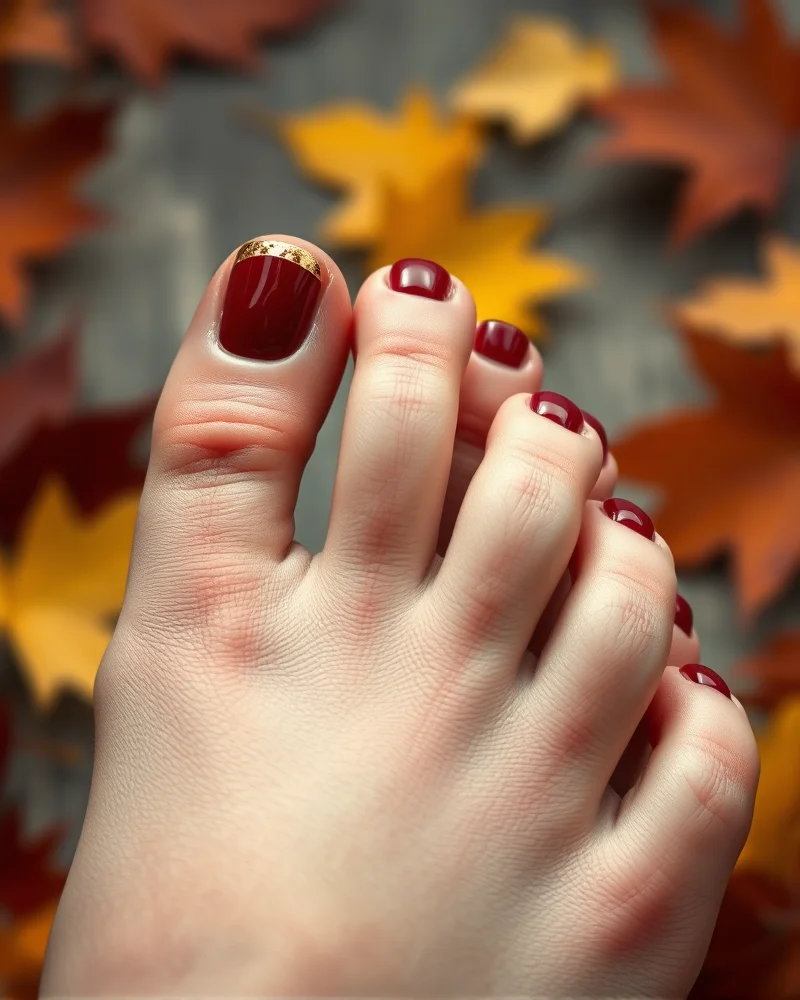
Creating the signature Nailosmetic aesthetic at home requires a blend of patience and precision tools. To master the art of the seasonal pedicure, start by investing in a high quality thin liner brush. This tool is the foundation for executing intricate designs that look like professional salon work. Begin your creative process with a clean, buffed nail surface to ensure your base coat adheres perfectly. For the minimalist gold leaf accent, apply your chosen autumn hue, such as a deep plum or a warm terracotta, and let it dry completely. Dab a small amount of clear top coat onto the area where you desire the shimmer. Using a pair of fine point tweezers, gently press a tiny fragment of gold leaf onto the wet spot. The secret to a premium finish is sealing this delicate element under two layers of a glossy top coat, which prevents peeling caused by friction from fall footwear.
For those who prefer a modern, sophisticated look, the negative space crescent moon design is an ideal choice. By leaving the cuticle area bare, you create an elongated silhouette that feels incredibly chic. Dip your thin liner brush into your polish and carefully trace a curved line following the base of your nail bed. Fill in the remaining space toward the tip with a rich seasonal shade like oxblood or forest green. If you struggle with shaky hands, try using a small piece of circular reinforcement tape as a stencil to achieve a perfectly symmetrical arch every single time.
Finally, subtle metallic French tips add an element of luxury to your pedicure without overwhelming the overall look. Instead of a traditional thick white line, opt for a ultra thin, shimmering copper or bronze strip along the free edge of the nail. Use the side of your liner brush to maintain a consistent pressure for a crisp, clean appearance. Pro-tip: always cap the free edge of your nail with your color to protect the tips from the wear and tear of wool socks. By focusing on these refined, minimalist details, you can achieve a high end Nailosmetic look that celebrates the transition of the seasons with grace and style.
What are the common mistakes that ruin an autumn pedicure?
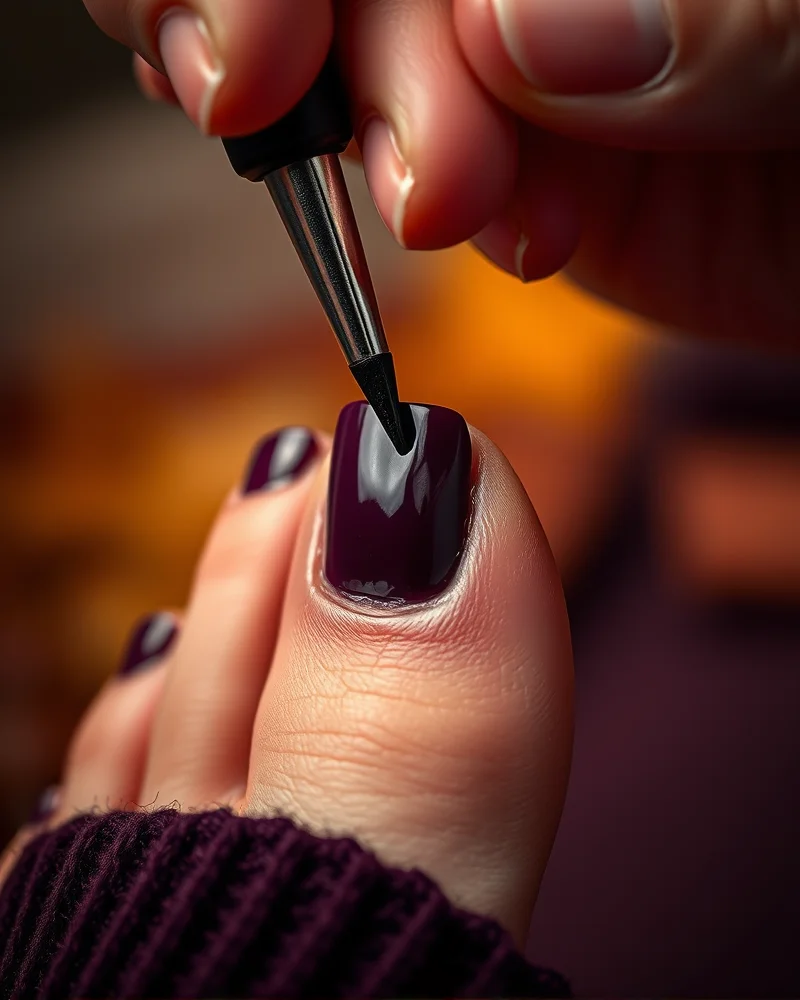
What are the common mistakes that ruin an autumn pedicure?
- Q: Why does my fall pedicure chip within days of application?
- A common pitfall is the failure to properly prep the nail plate. If you leave oils or lotions on your nails, the polish will lift. Furthermore, many people rush the process by skipping the base coat or failing to allow adequate drying time between layers. When you apply polish too thickly, the bottom layers remain soft even if the surface feels dry to the touch, leading to premature smudging and premature peeling. Always ensure your nails are dehydrated with a cleanser before starting your application.
- Q: Does flooding the cuticle actually cause damage?
- Yes, flooding the cuticles is a significant error that compromises the integrity of your manicure. When you allow excess nail lacquer to touch the skin surrounding the nail, it creates a bridge between the polish and your nail bed. As your skin moves and sheds natural oils, this bridge breaks, causing the polish to lift and peel away. To maintain a pristine, salon quality finish, leave a microscopic gap between your polish application and the cuticle line. Use a clean up brush dipped in acetone to perfect the edges immediately after application.
- Q: What is the secret to making a pedicure last through boot season?
- The professional secret to longevity is the technique known as capping the free edge. Many beginners paint only the top surface of the nail, leaving the tip vulnerable to friction from socks and leather boots. Capping the free edge involves running the brush horizontally along the very tip of the nail after each coat of color and topcoat. By sealing the edge, you create a protective barrier that prevents moisture and debris from seeping underneath the polish. This simple step is the most effective way to ensure your autumn shades remain chip-free for weeks.
- Q: Why is skipping the topcoat a recipe for disaster?
- Skipping the topcoat is arguably the most detrimental mistake in any nail care routine. The topcoat acts as a shield against the environmental stressors common during the fall months, such as friction from heavy wool socks or the pressure of enclosed footwear. Without this sealing layer, your polish is exposed to direct abrasion. Always apply a high quality, long wear topcoat to protect your artistic work, ensuring that you cap the edge for maximum durability.
When should you switch from a pedicure to a paraffin foot treatment?
As the crisp autumn air begins to settle, the transition from summer sandals to closed toe shoes serves as a critical signal that your foot care routine requires a strategic adjustment. During the warmer months, our primary focus is aesthetic brilliance and polish longevity, but as temperatures plummet, the natural humidity in the atmosphere decreases, causing the skin on your heels and soles to lose moisture at an accelerated rate. This seasonal shift is the precise moment you should transition from a standard cosmetic pedicure to a more intensive, restorative paraffin foot treatment. Paraffin therapy provides a deep heat treatment that encapsulates the skin in a warm, wax barrier. This process effectively opens the pores, allowing moisture to penetrate deeply into the epidermis, which is vital for preventing the painful cracking and roughness often associated with dry autumn weather.
When scheduling your next salon visit, do not view the paraffin dip as an optional luxury but rather as an essential component of seasonal skincare. If you suffer from stubborn calluses or deep fissures, combining this thermal treatment with urea based creams offers a potent solution. Urea is a powerful humectant that draws water into the skin while simultaneously gently exfoliating the hardened layers, making it the perfect professional partner for a paraffin soak. By incorporating these treatments, you maintain the structural integrity of your skin, ensuring it remains soft and supple despite the harsher climate. While you are focusing on the health of your feet, remember that your hands deserve equal care to match your overall seasonal style, especially if you are pairing your foot care with cute fall almond nails to complete your look.
Pro-tips for maintaining these results include moisturizing every single evening before bed and using moisture wicking socks to lock in the hydration provided by your professional session. By treating your feet as a foundational element of your wellness routine rather than just a canvas for seasonal polish colors, you avoid the common pitfalls of dry, winterized skin. Consistency is the secret to soft skin, so prioritize these intensive hydrating sessions whenever the seasonal transition occurs to keep your feet comfortable and pristine all autumn long.
Can you achieve salon-quality results at home safely?
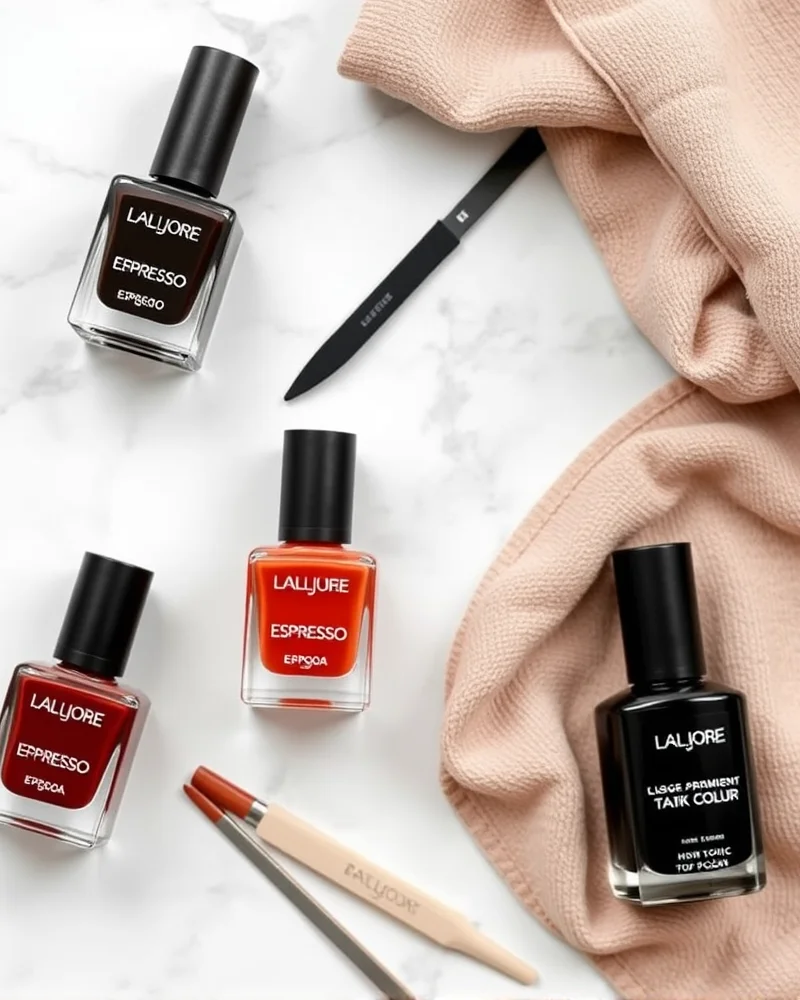
Achieving a salon-quality pedicure in the comfort of your own home is entirely possible, provided you approach the task with the right tools, technique, and a commitment to nail health. While professional salons offer the luxury of a relaxing foot soak and expert exfoliation, there is an empowering satisfaction in mastering your own autumn aesthetic. The core of the debate between DIY and professional services often centers on sanitation and product longevity. If you prioritize nail integrity, an at-home regimen allows you to maintain total control over the tools used, ensuring your skin and nail beds remain free from cross-contamination and aggressive filing.
To replicate those high-end results, you must curate an essential kit that mirrors the professional standards of a high-end studio. Here are the must-have items for your at-home pedicure station:
- High-Pigment, Non-Toxic Nail Lacquer: Always invest in breathable, non-toxic formulations. Fall is the perfect season for rich, moody hues like deep espresso, terracotta, or forest green. High-pigment formulas offer opaque coverage in a single stroke, which prevents thick layers that lead to peeling.
- Professional-Grade Glass Nail File: Unlike emery boards that tear the delicate nail edge, a glass file seals the keratin layers, preventing moisture loss and brittle tips.
- Dual-Action Cuticle Care: Use a gentle, lactic acid-based cuticle remover rather than metal nippers. Over-cutting can lead to painful hangnails or infections, which is the primary reason many professionals discourage at-home trimming.
- Hydration-Focused Base Coat: Opt for a base coat infused with vitamin E or keratin. This creates a protective barrier between your nail plate and the pigments, which is crucial for preventing staining during the colder months.
- Ergonomic Toe Separators: Proper spacing is a non-negotiable step for a streak-free application. Without them, even the most expensive polish will look messy and unkempt.
- High-Gloss, Long-Wear Top Coat: The finishing touch is everything. A high-shine top coat provides the necessary cushion against the wear and tear of boots and heavy autumn footwear.
The secret to salon-tier longevity lies in the preparation of the nail plate. Before applying color, perform a thorough wipe of your nails with pure acetone or a specialized cleanser to remove all natural oils. This allows your base coat to adhere flawlessly. When painting, work in thin, controlled layers, capping the free edge of the nail to seal out moisture. By choosing non-toxic brands, you ensure that your pedicure serves as a form of self-care rather than a chemical burden. When you treat your nails with the same care as your skincare, the results will not only look like you just stepped out of a salon but will also remain healthy throughout the entire fall season.
How does diet and hydration impact your pedicure longevity?
When we discuss the longevity of your fall pedicure, we often focus on the quality of the gel polish or the precision of the cuticle work. However, the most critical foundation for a long lasting manicure or pedicure starts from within. Your nail plate is a mirror reflecting your internal systemic health. If your body is dehydrated or lacking essential nutrients, your nail beds will struggle to provide a stable anchor for base coats and lacquers. This is why holistic wellness is not just a lifestyle choice but a functional requirement for maintaining professional nail aesthetics throughout the cooler autumn months.
Hydration is the first pillar of nail integrity. When you do not consume enough water, the nail plate becomes brittle, prone to delamination, and unable to retain the flexibility required to grip pigment. A dry, dehydrated nail is more likely to bend under daily pressure, which causes the polish to crack or chip prematurely. To counter this, increase your daily intake of electrolytes and water. Furthermore, consider the role of collagen peptides. Collagen serves as the structural scaffolding for your nails, hair, and skin. By incorporating collagen supplements into your morning routine, you improve the density and strength of the keratin layers that compose the nail plate, allowing your pedicure to resist the friction caused by wearing closed toe autumn boots.
Biotin is another powerhouse nutrient for nail health. This B vitamin assists in the production of keratin, which is the primary protein building block of your nails. A deficiency in biotin often manifests as soft, thinning, or peeling nails, which are notoriously difficult for polish to bond with. When your nails are healthy and smooth, the surface area for your base coat is optimized, creating a stronger adhesion. To ensure your fall pedicure lasts through the season, prioritize a nutrient dense diet featuring these key elements:
- Biotin rich foods like eggs, almonds, and sweet potatoes to harden the keratin structure.
- Omega 3 fatty acids found in salmon and walnuts to maintain moisture levels within the nail matrix.
- Zinc and iron to prevent white spots and ridges that create uneven surfaces for color application.
Ultimately, your pedicure is only as good as the surface it is painted on. By shifting your perspective to prioritize systemic wellness, you move beyond superficial touchups and cultivate a resilient foundation that holds color longer, looks healthier, and withstands the transition into the colder autumn season.
What are the FAQs about fall pedicure trends?
- Q: How do I safely remove gel polish at home without damaging my toenails?
- A: The golden rule of gel removal is patience. To preserve the health of your nail plate, start by buffing the shiny top coat with a medium grit nail file to break the seal. Soak cotton balls in pure 100 percent acetone, place them directly on your nails, and wrap each toe tightly with aluminum foil. Let this sit for 15 to 20 minutes. The gel should slide off with a gentle push from a wooden cuticle pusher. Never force the gel off, as this strips the top layers of your natural keratin, leading to brittle and weak nails.
- Q: What is the ideal way to store my nail polish collection during the autumn months?
- A: Your collection longevity depends entirely on your storage environment. Avoid the bathroom, where humidity and temperature fluctuations can alter the chemical composition of your lacquer. Instead, keep your bottles in a cool, dark, and dry place like a bedroom drawer or a dedicated vanity organizer. Ensure the lids are tightly sealed to prevent the solvents from evaporating, which causes the polish to thicken. If you notice a formula becoming tacky, adding a few drops of high-quality polish thinner is better than using acetone, which can ruin the original texture.
- Q: When is the best time to transition from bright summer shades to fall tones?
- A: The transition usually follows the meteorological shift, typically occurring in late September or early October. As the air cools and your footwear transitions from open sandals to closed toe leather boots, your polish should follow suit. Move away from neon corals and hot pinks toward deeper, moody hues like oxblood, burnt orange, espresso brown, or deep forest green. This timing ensures your pedicure aesthetic remains cohesive with the seasonal change in your wardrobe.
- Q: Can wearing closed toe shoes too early affect the durability of my pedicure?
- A: Absolutely. Friction is the primary enemy of a fresh pedicure. When you transition to boots and sneakers, the constant rubbing against the fabric or leather can cause chipping at the tips of your nails. To combat this, choose high-quality gel polishes for better adhesion or ensure you apply a long-wearing, flexible top coat. It is also vital to keep your toenails trimmed short to prevent them from pressing against the front of your footwear, which causes micro-cracks in the polish.
- Q: Why does my nail polish seem to bubble or peel faster as the weather gets colder?
- A: Cold air and dry indoor heating can lead to dehydration of both your skin and your nail bed. If your nails are dehydrated, they flex more, which causes the rigid layer of polish to lift and peel prematurely. Additionally, painting your nails in a very cold room can cause the formula to apply unevenly, leading to unsightly bubbles. Always ensure you are working in a room-temperature environment and apply a nourishing cuticle oil daily to maintain the hydration levels of the surrounding skin and nail plate.
Mastering the perfect fall pedicure is about more than just picking a color; it’s about preparing your nails to withstand the friction of seasonal footwear while leaning into the rich, moody aesthetics of the harvest season. By prioritizing nail bed health, choosing long-wear professional formulations, and embracing textures like velvet or deep-shine gloss, you ensure your pedicure remains an extension of your overall style. Whether you prefer the dramatic allure of oxblood or the understated elegance of greige, consistency in your maintenance routine—specifically hydration and edge protection—is your best defense. Visit Nailosmetic to explore our curated selection of autumn-inspired pigments designed to help you nail the perfect look every time. Your feet are your foundation; treat them to the sophistication they deserve this fall.