7 Genius Cucumber Trellis Hacks That Will Elevate Your Garden Aesthetic

Stepping into a well-designed garden should feel as restorative as walking into a high-end, curated living space. For the modern gardener, the functional element of a cucumber trellis has evolved from a simple utilitarian stake into a major design statement that defines the overall aesthetic of the outdoor environment. Whether you are aiming for a rustic farmhouse look or a sleek, minimalist urban oasis, vertical gardening allows you to maximize your harvest while creating stunning, living architectural features that draw the eye upward and bring texture to your landscape design.
By integrating purposeful plant support systems, you can transform a chaotic patch of soil into a meticulously layered garden retreat. Think of these structures as the ‘accessories’ of your yard; they add height, depth, and a structured silhouette that remains beautiful throughout the growing season. If you are looking to balance your love for nature with a flair for style, you might also find inspiration in our guide to delicate, detail-oriented design, which offers a different perspective on creating beauty through precision and structure.
What Is the Most Aesthetic Material for a DIY Cucumber Trellis?
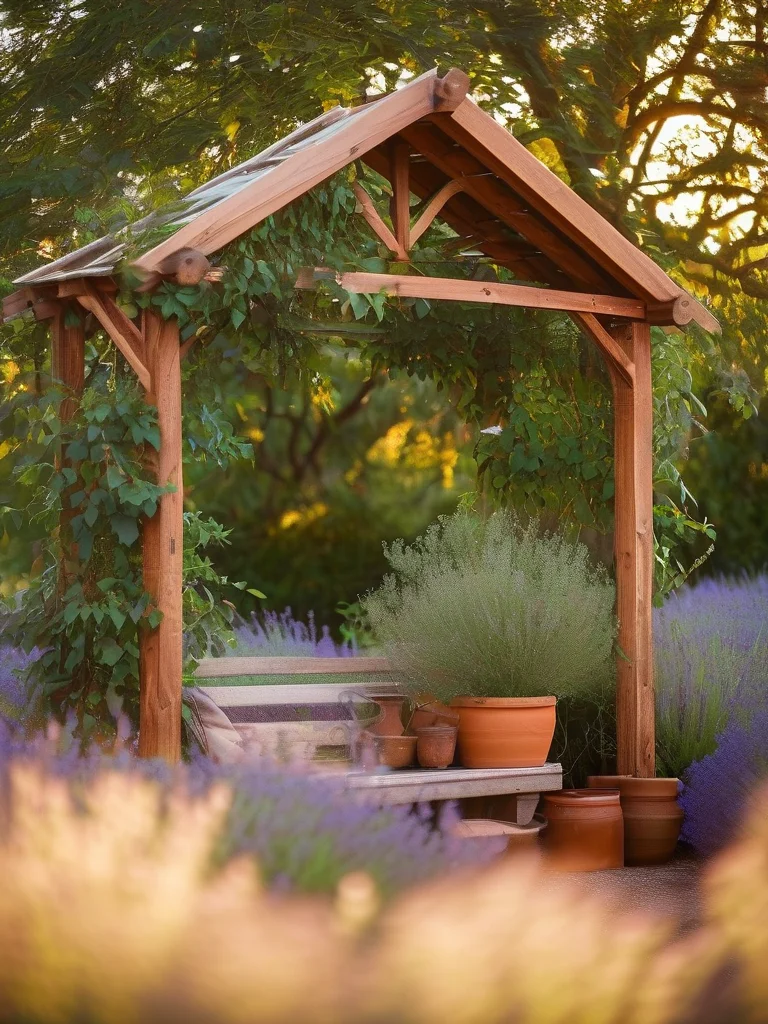
When considering the materials for your support system, wood offers a warmth that synthetic options simply cannot replicate. Natural cedar or redwood provides a grounding, earthy base for your climbing plants that ages gracefully over time, eventually developing a silvery patina that fits perfectly into a refined, cottage-core aesthetic. According to recent insights from Good Housekeeping, choosing durable, weather-resistant wood ensures your structure remains stable even under the weight of a heavy harvest. Beyond the structure itself, consider the integration of companion plants around the base. Herbs like dill or nasturtiums not only look beautiful against the wood but provide natural pest management, ensuring your garden remains as healthy as it is visually striking throughout the summer.
The Modern Archway Cucumber Trellis
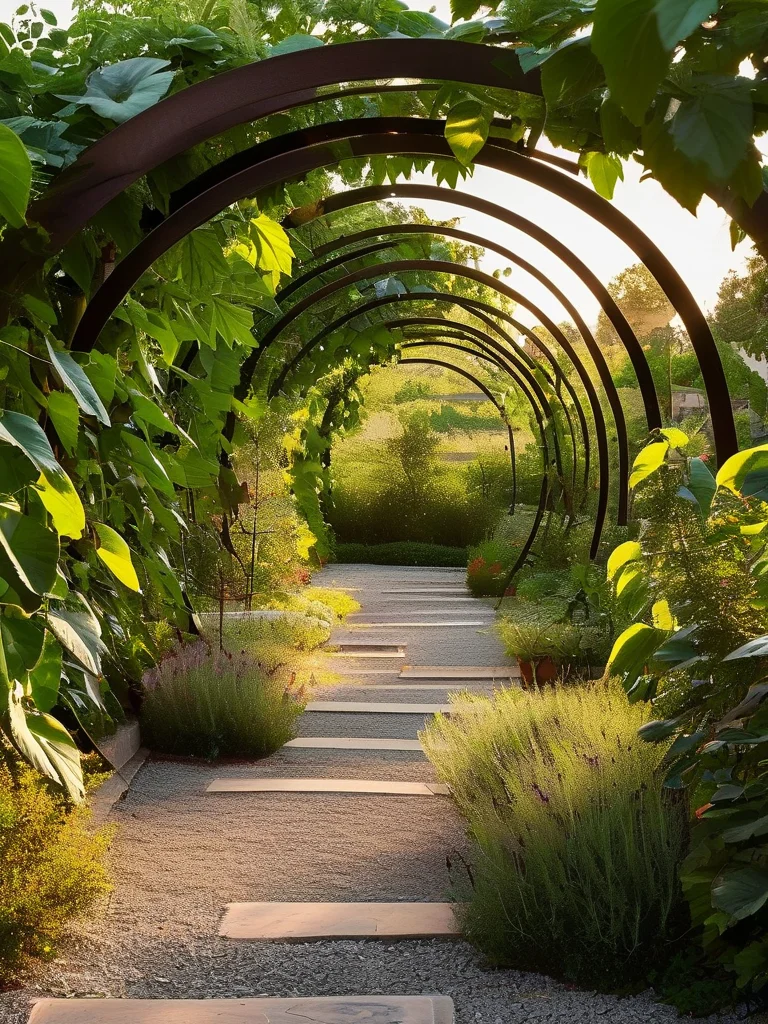
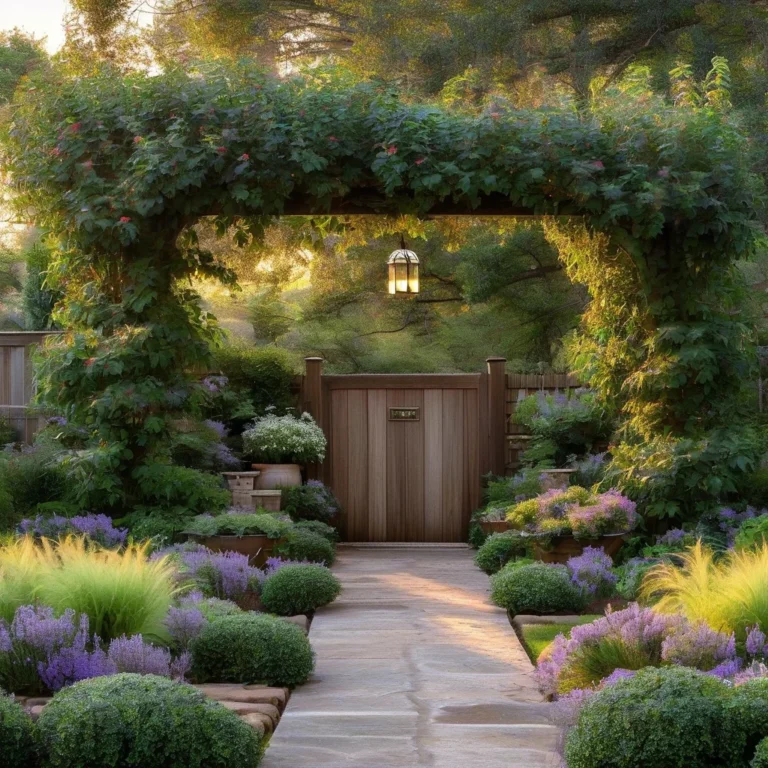
If you want to make a dramatic statement in your garden, the archway design is the gold standard for vertical vegetable growing. By using flexible cattle panels or wire fencing bent into an arc, you create an immersive tunnel that not only maximizes growing surface area but also allows you to walk through your garden harvest in complete comfort. This approach turns an ordinary chore into a leisurely stroll through a green sanctuary. The sheer scale of this installation adds a sense of grandeur to your backyard, proving that functional gardening can rival professional landscape architecture. It is an investment in both your food security and your outdoor living experience.
Can a Minimalist Cucumber Trellis Transform Your Patio?
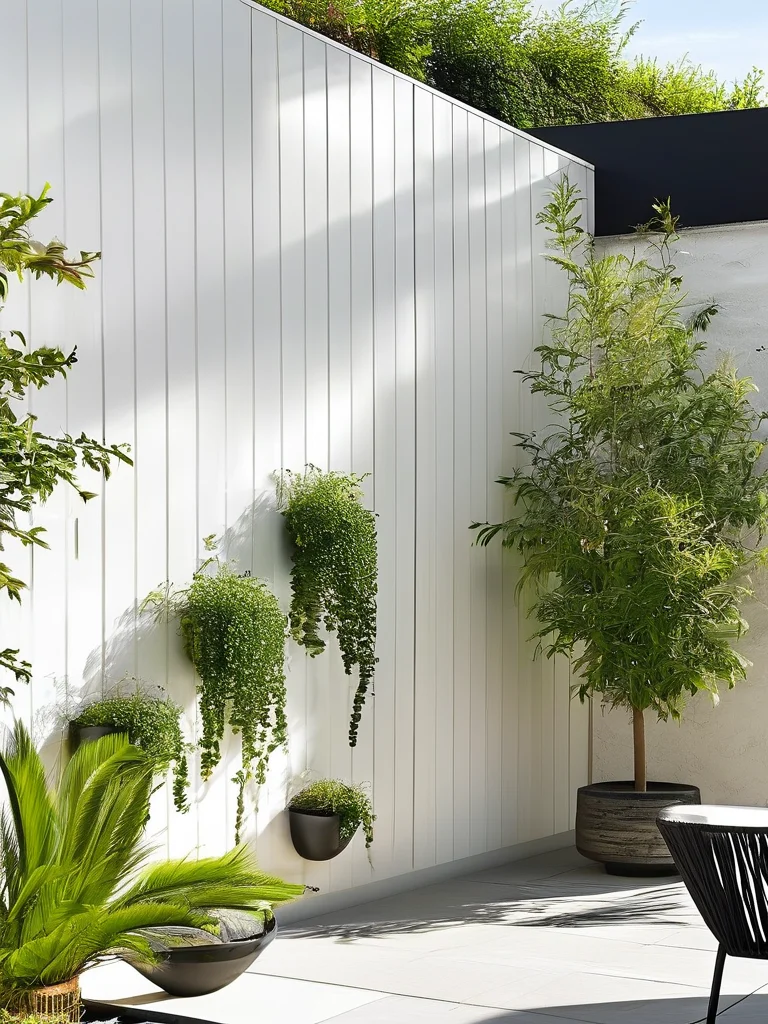
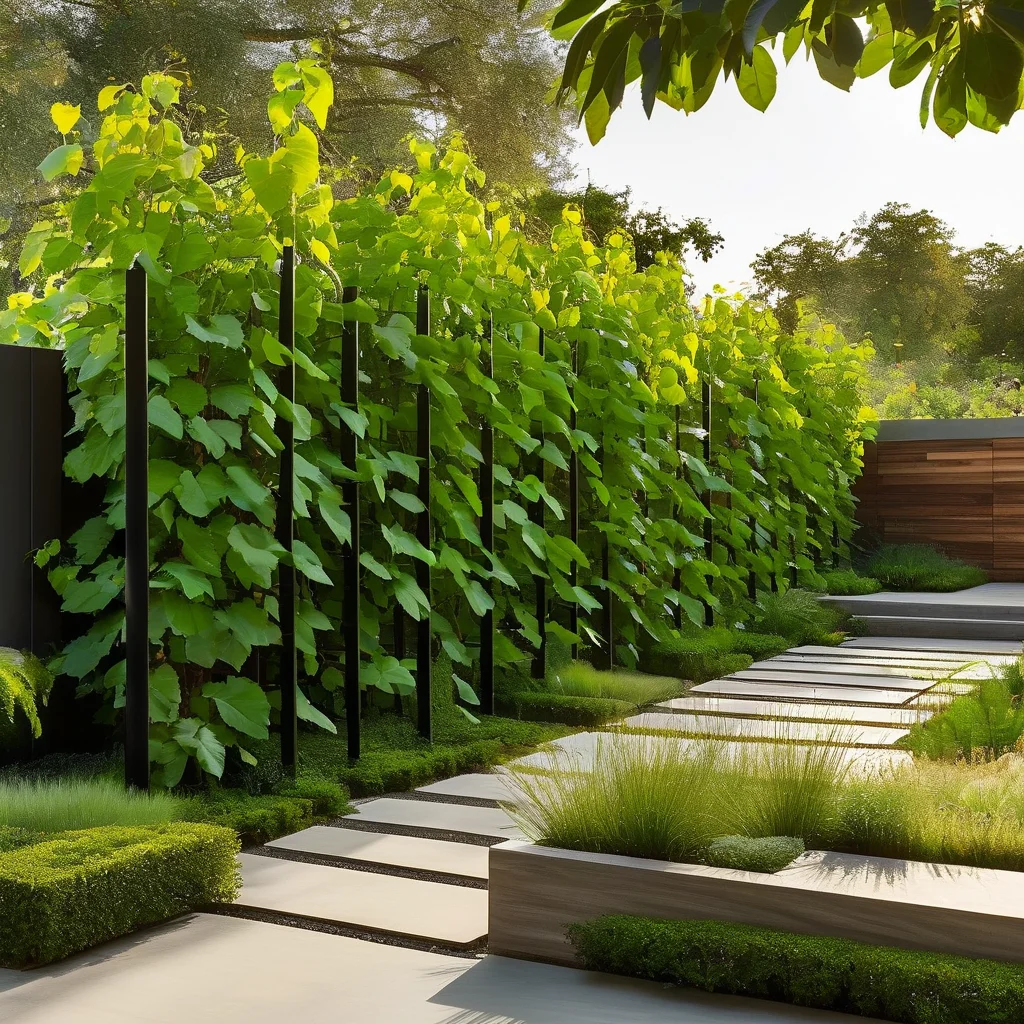
Minimalism isn’t just for interiors; it is a powerful way to organize your outdoor space. A slim, wall-mounted ladder trellis is perfect for those who want to grow cucumbers but have limited space on a patio or small deck. By keeping the design linear and using muted tones like matte black or charcoal, you ensure the lush green of the foliage stands out as the primary focal point. As noted by experts at Byrdie, keeping your planting lines clean creates a sense of order that makes even small gardens feel spacious and intentionally designed. This style is ideal for urban dwellers who want to bring a touch of the countryside into their high-rise lifestyle without sacrificing modern aesthetic standards.
The Vertical Grid Garden
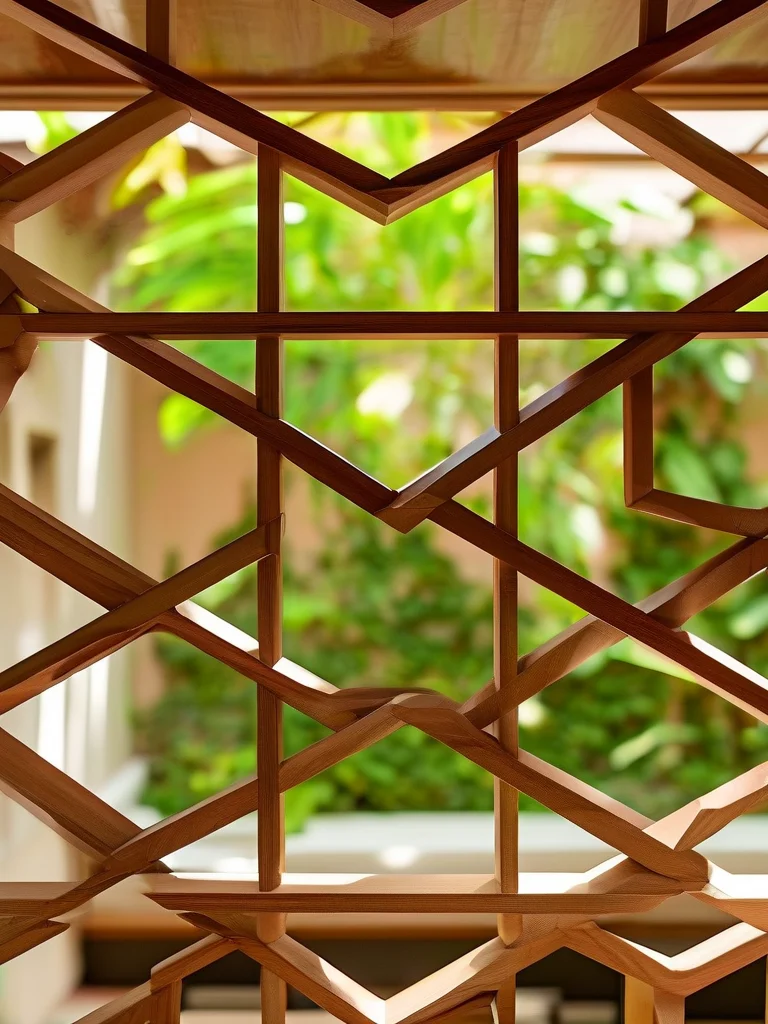
For those who appreciate geometric precision, a grid-based trellis is an exquisite choice. By constructing a frame and filling it with evenly spaced cross-bars, you provide the cucumber tendrils with a precise pattern to follow. This results in a living wall that looks like a masterpiece of pattern and form. This design is particularly effective when placed against a plain exterior wall or a privacy fence, as it breaks up the monotony of flat surfaces. The grid structure also makes it incredibly easy to prune and maintain your plants, as every part of the vine is accessible and well-supported, leading to a much higher-quality harvest and cleaner fruit.
Which Colors Are Trending for Garden Trellises?
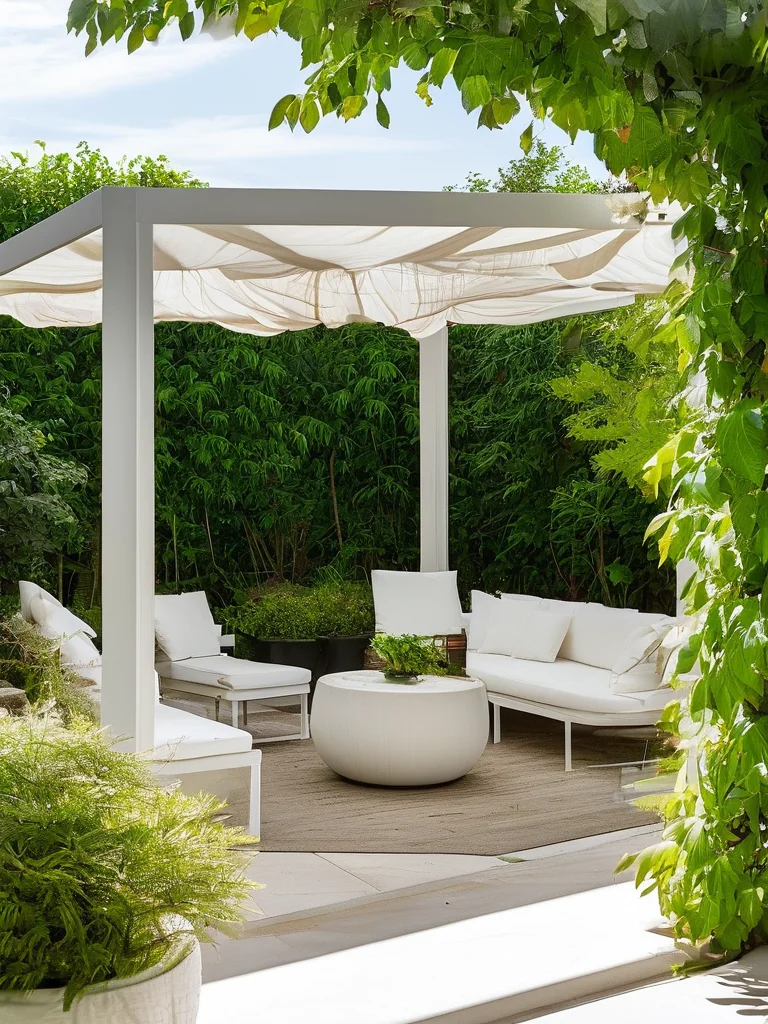
While matte black has been the go-to for several seasons, we are seeing a shift toward lighter palettes, including crisp white and soft sage greens. A white trellis can make a garden feel brighter, airier, and more expansive, particularly in spaces that might otherwise feel enclosed or shadowed. When you choose a high-contrast color like white, the shadows cast by the cucumber leaves become part of the design itself, creating dynamic patterns that change as the sun moves across the sky. This is about more than just support; it is about manipulating light and shadow to create an environment that feels fresh, clean, and entirely purposeful.
The A-Frame Farmhouse Classic
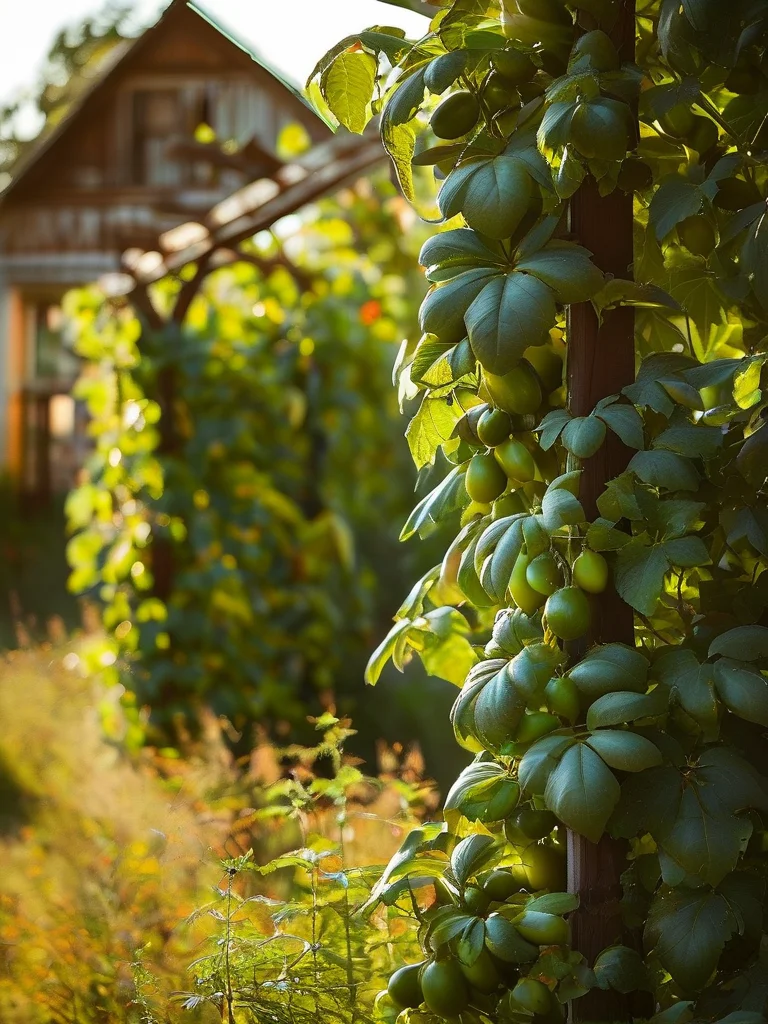
The A-frame is perhaps the most iconic structure for a reason—it is functional, stable, and undeniably charming. By creating a triangle, you maximize the sunlight hitting your leaves while keeping your fruit suspended away from the soil, which prevents rot and keeps the harvest clean. This design evokes the feeling of a productive, healthy homestead and brings an immediate sense of ‘lived-in’ luxury to your backyard. Whether you are using rough-hewn lumber or polished, finished beams, the silhouette of the A-frame remains a timeless staple of high-quality gardening. It allows for a cascading effect that looks beautiful, especially when the vines begin to drape over the sides, creating a lush, vertical wall of food.
Floating Trellis Concepts
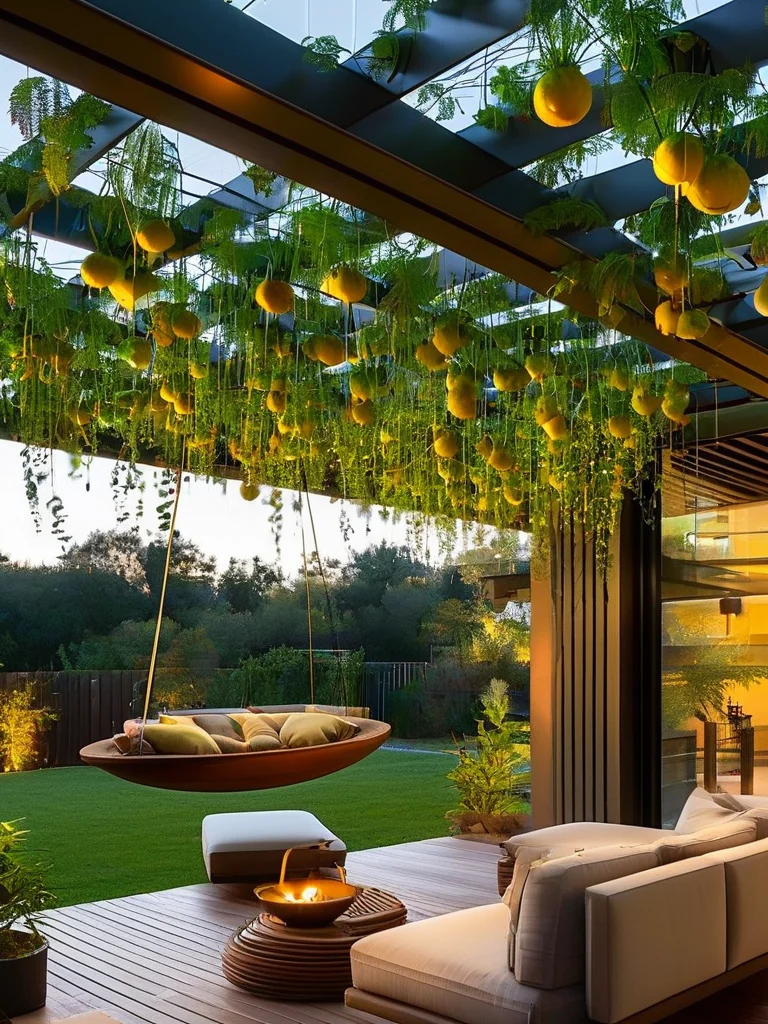
For the truly adventurous gardener, a ‘floating’ trellis system attached to an overhead pergola is the height of vertical innovation. By suspending ropes or light-weight netting from an existing architectural feature, you allow your cucumbers to grow downwards or outwards in a way that feels almost gravity-defying. This adds a layer of depth to your patio that is entirely unique. It transforms the ceiling of your outdoor space into a living, edible canopy. It is the ultimate fusion of architecture and nature, turning your pergola into a functional vertical garden that provides shade, beauty, and a delicious harvest, all while freeing up precious square footage on the ground.
Final Thoughts
Incorporating a well-designed cucumber trellis is more than just a gardening task; it is a design decision that fundamentally alters the character of your outdoor space. By choosing the right structure, you not only improve your yield and fruit quality but also create a visually compelling environment that reflects your personal aesthetic. Whether you prefer the rustic charm of timber, the sleek lines of modern metal, or the avant-garde appeal of a floating garden, the options are endless. We hope these ideas inspire you to transform your backyard into a lush, productive sanctuary. Which of these trellis styles are you planning to try this season? Join the conversation in the comments below!
Frequently Asked Questions
The best material depends on your aesthetic preference and budget. Wood like cedar offers a beautiful natural look, while powder-coated steel provides a long-lasting, sleek, and durable support for heavy vines.
Most cucumber varieties thrive on a trellis that is 5 to 7 feet high. This height ensures the plants have enough vertical space to reach their full potential while remaining accessible for harvesting.
Yes, you absolutely can grow cucumbers on a trellis in large containers. Ensure the pot has a capacity of at least 5 gallons and use a sturdy, small-scale trellis to support the plant as it climbs.
While cucumbers have natural tendrils that help them cling to surfaces, you may need to gently guide them or tie them loosely with soft twine when they are young. Once they get established, they will usually grip the structure on their own.
You should set up your trellis at the time of planting or shortly after germination. Installing the structure early prevents any damage to the roots of the growing plants that might occur if you try to place it later.