7 Viral Reasons Why the Color Drenching Bedroom Trend Is Taking Over

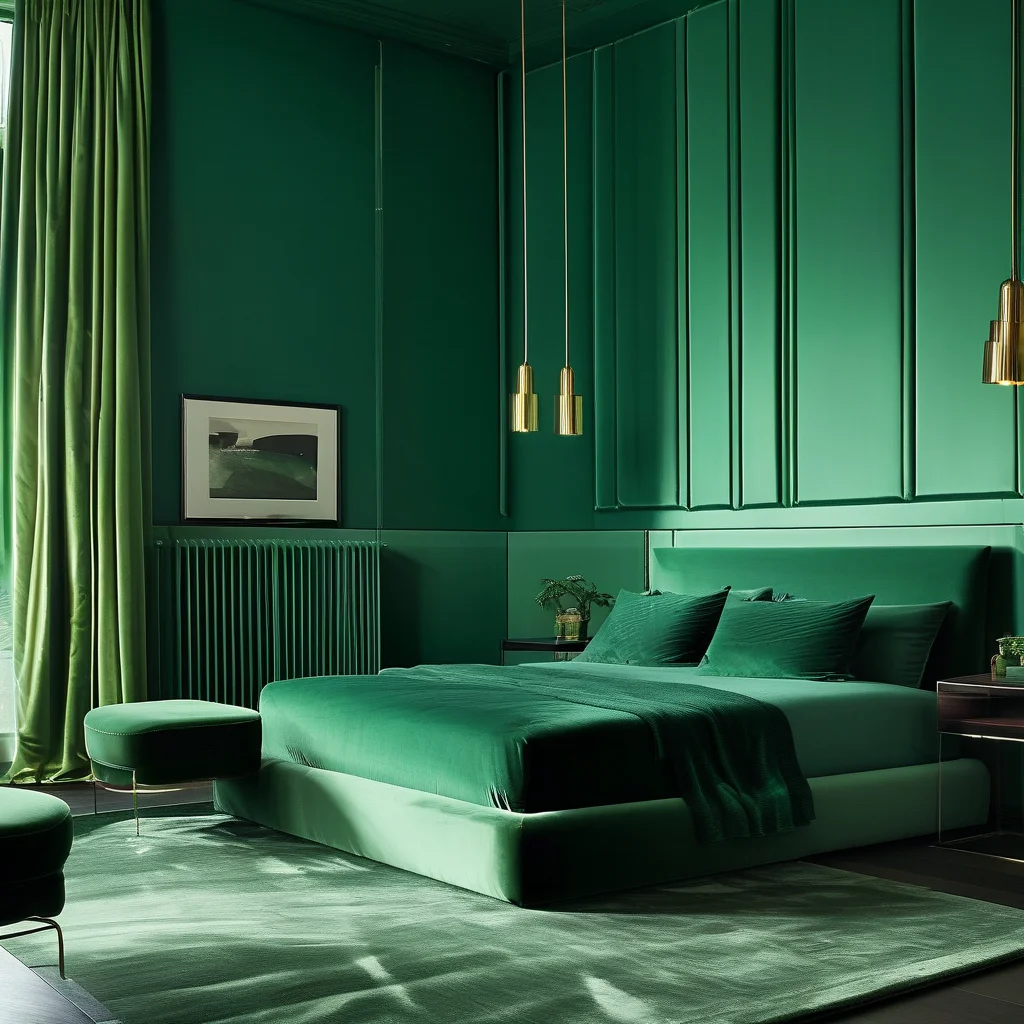
Stepping into a color drenching bedroom feels less like walking into a room and more like entering an immersive, artistic sanctuary designed to cocoon your senses. This daring design philosophy goes beyond the traditional accent wall, encouraging homeowners to coat every surface—walls, trims, ceilings, and even architectural molding—in the same saturated hue. The result is a seamless, architectural masterpiece that blurs the boundaries of space, making even the most compact areas feel intentional, grounded, and incredibly sophisticated. It is a bold departure from stark white clinical minimalism, trading cold emptiness for a rich, moody, and deeply personalized aesthetic that reflects the evolution of modern interior design.
Whether you are dreaming of a soft, morning-haze blue or a dramatic, midnight charcoal finish, the power of a single color choice is transformative. This technique works by eliminating visual breaks, which paradoxically helps to elevate the perceived ceiling height and soften harsh corners. Once you have embraced this monochromatic lifestyle, you might find yourself looking for other ways to integrate cohesive palettes into your home. If you enjoy the interplay of soft, romantic hues, check out our latest inspiration guide for more ways to layer tone-on-tone color palettes throughout your living spaces.
What Exactly Is the Color Drenching Trend?
At its core, color drenching is the practice of painting every single surface in a room—including walls, baseboards, doors, casings, and ceilings—in one consistent shade. The primary goal of this technique is to create a sense of cohesion and continuity that feels intentional and high-end. When you remove the traditional white trim, you eliminate the ‘choppiness’ that often occurs in smaller spaces, effectively making the room feel larger and more serene. According to design experts at Vogue Living, this technique creates an architectural ‘envelope’ that wraps around the occupant, providing a sense of comfort that is hard to replicate with standard color blocking. It is not just about painting; it is about committing to a mood that dictates every square inch of your personal sanctuary.
The Moody Midnight Escape
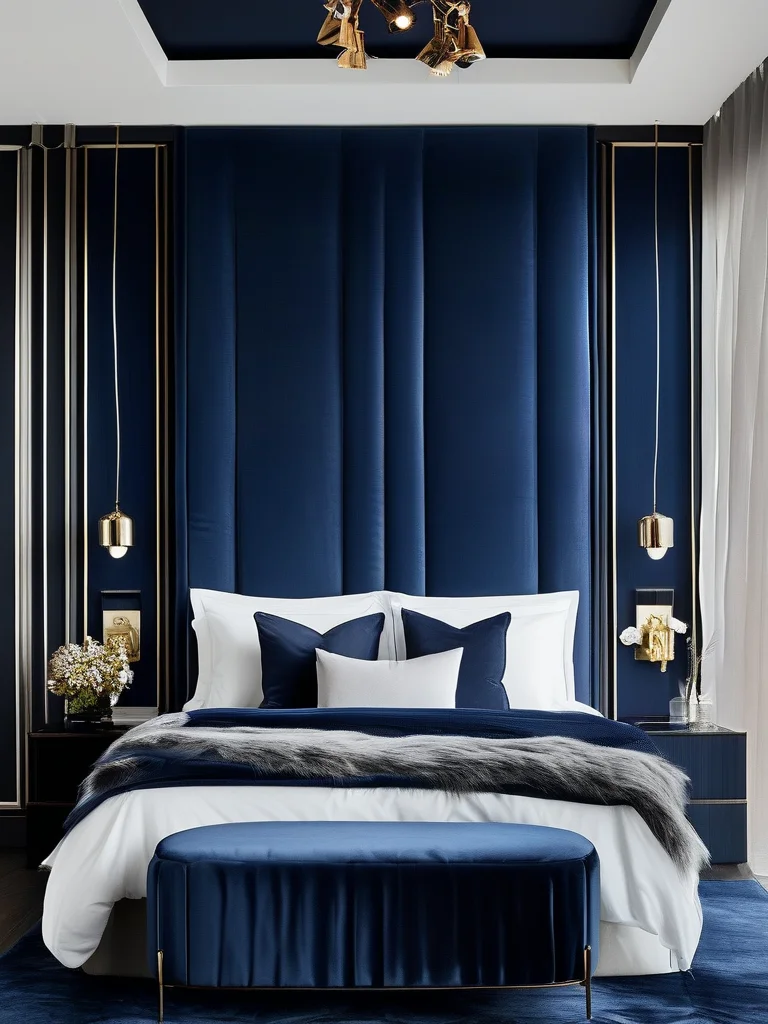
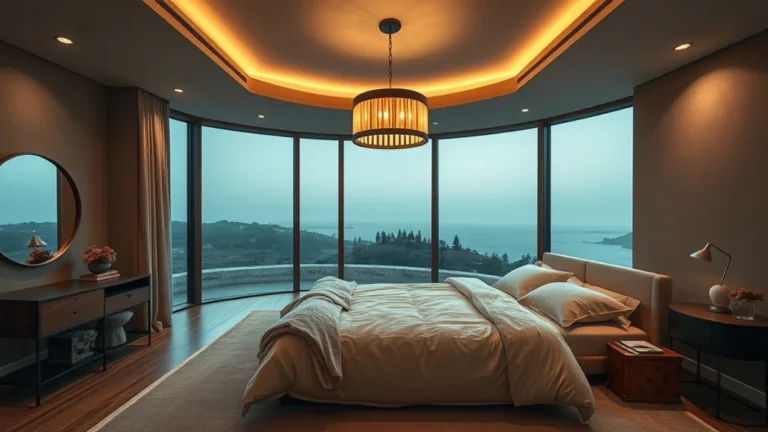
If you are looking to create a space that feels like a five-star hotel suite, opting for a dark, saturated color is the fastest route to success. A midnight navy or charcoal drenching bedroom creates an incredible backdrop for contrasting elements, such as gold hardware, light-toned textiles, or even bold art pieces. The depth of the color adds a layer of mystery and warmth that lighter tones cannot achieve. By washing the ceiling in the same dark hue, you effectively draw the eye upward, giving the space an expansive, celestial feeling. This is particularly effective in spaces with limited natural light, as it leans into the shadows rather than fighting against them, turning a dark room into an intentional, intimate retreat.
Why Should You Use This Trend in Small Spaces?
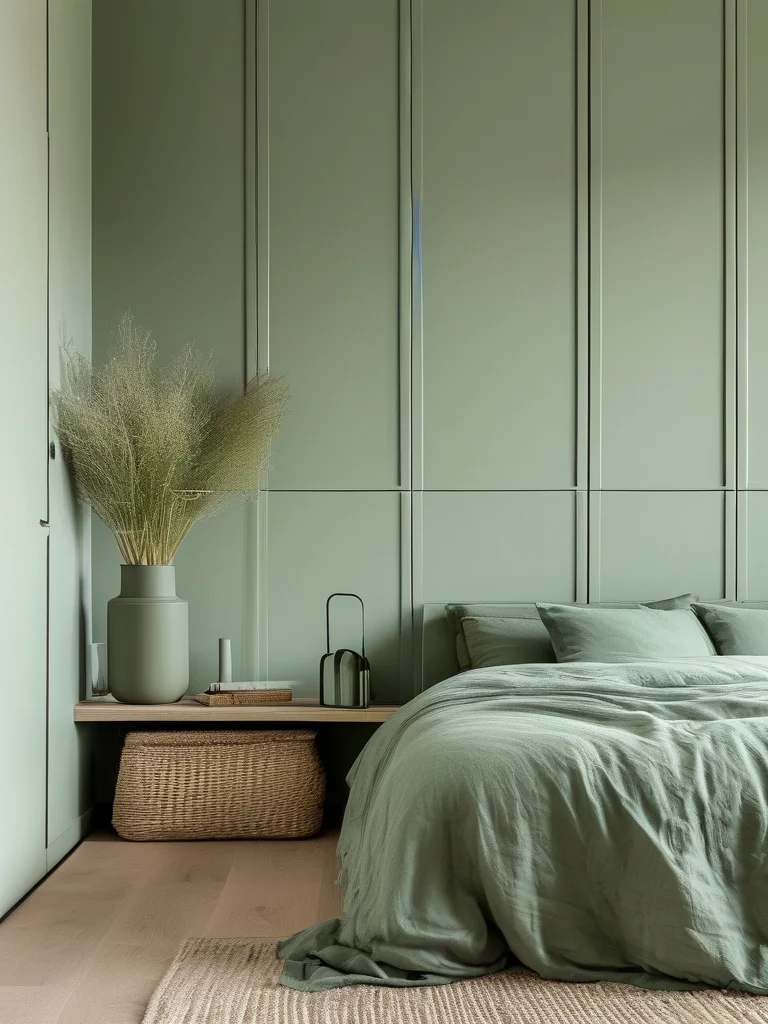
One of the most persistent myths in home decor is that painting a small room a dark or saturated color will make it feel even smaller. In reality, the opposite is often true. By drenching a small bedroom in one color, you erase the boundaries between walls and corners, which helps to trick the eye into seeing more space. When there is no stark contrast to define where the wall ends and the ceiling begins, the space loses its boxy feel. As noted by Good Housekeeping, this approach minimizes visual ‘clutter’ created by multiple color changes. By integrating your furniture—like wardrobes or bookshelves—into the color scheme, you create a seamless, built-in look that feels custom and spacious.
Soft and Serene Pastel Drench
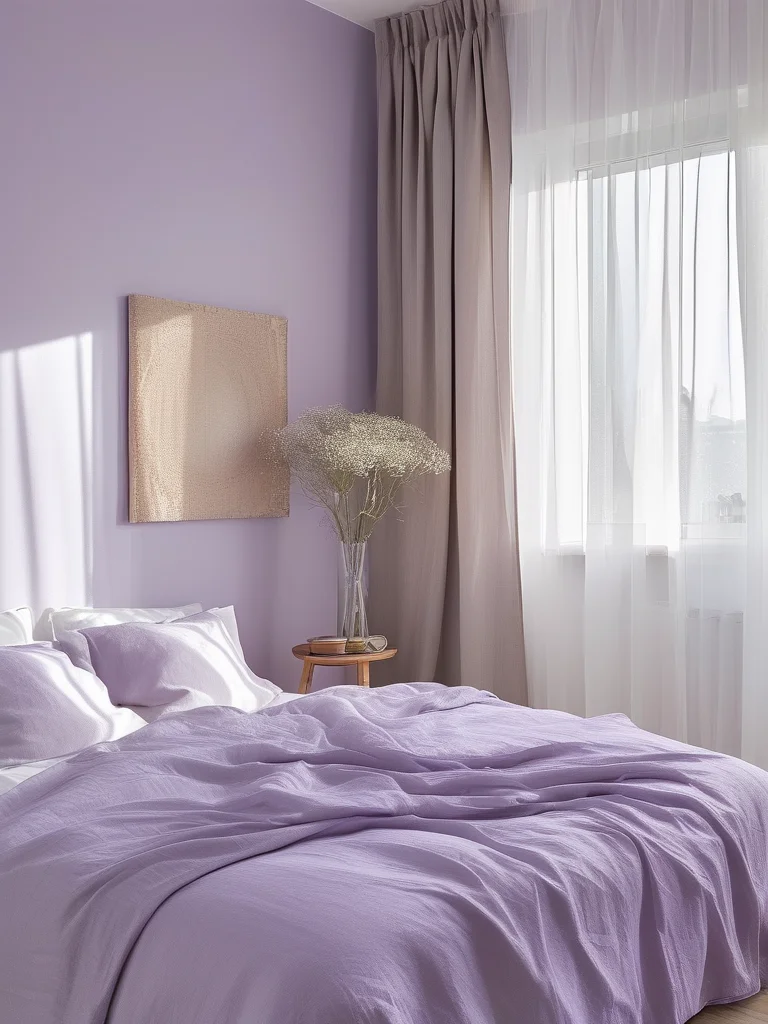
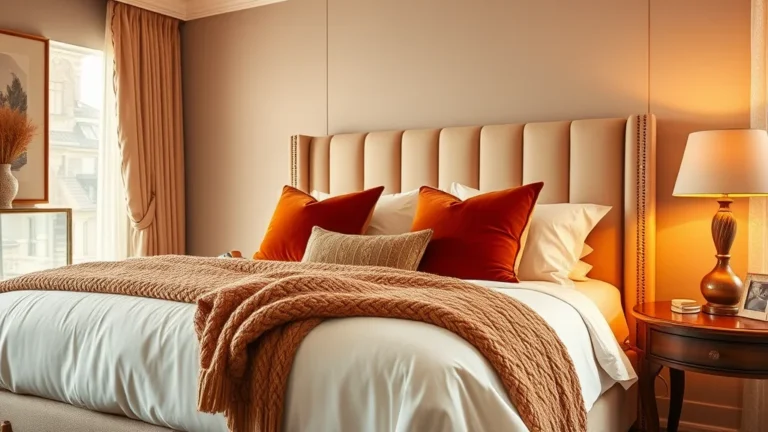
For those who prefer a tranquil, spa-like environment, color drenching with soft pastels is a game-changer. Think pale sage, muted lavender, or soft peach. This approach maintains the aesthetic benefits of color drenching—cohesion and softness—without the intensity of deeper hues. A light-drenched room feels ethereal and airy, serving as the perfect antidote to a busy, high-stress lifestyle. To keep it from feeling like a child’s nursery, introduce varied textures such as velvet throw pillows, a chunky knit blanket, or brushed metallic light fixtures. These subtle changes in material will prevent the monochrome look from falling flat, adding layers of visual interest while maintaining that signature, soothing, single-tone consistency.
Which Colors Work Best for a Drenched Room?
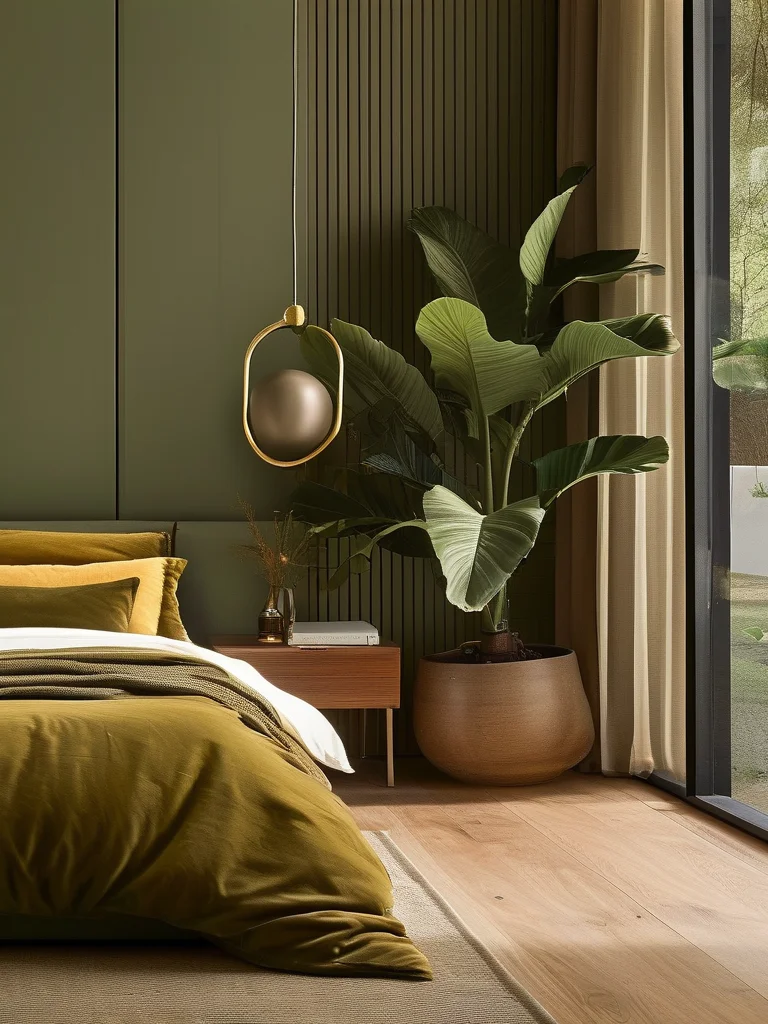
Choosing the right color for your drenched room is a deeply personal decision, but some hues naturally lend themselves better to this trend than others. Earthy, organic tones like olive green, terracotta, and warm ochre are currently dominating the design world because they feel grounded and timeless. These colors have a natural complexity that keeps them interesting throughout the changing light of the day. Conversely, deeper blues and blacks are excellent for bedrooms because they inherently promote rest and relaxation. Before committing to a gallon of paint, always test large swatches on multiple walls—and the ceiling—at different times of the day to see how the natural light interacts with the pigment as the sun moves across your space.
Textured Layers: The Secret to Success
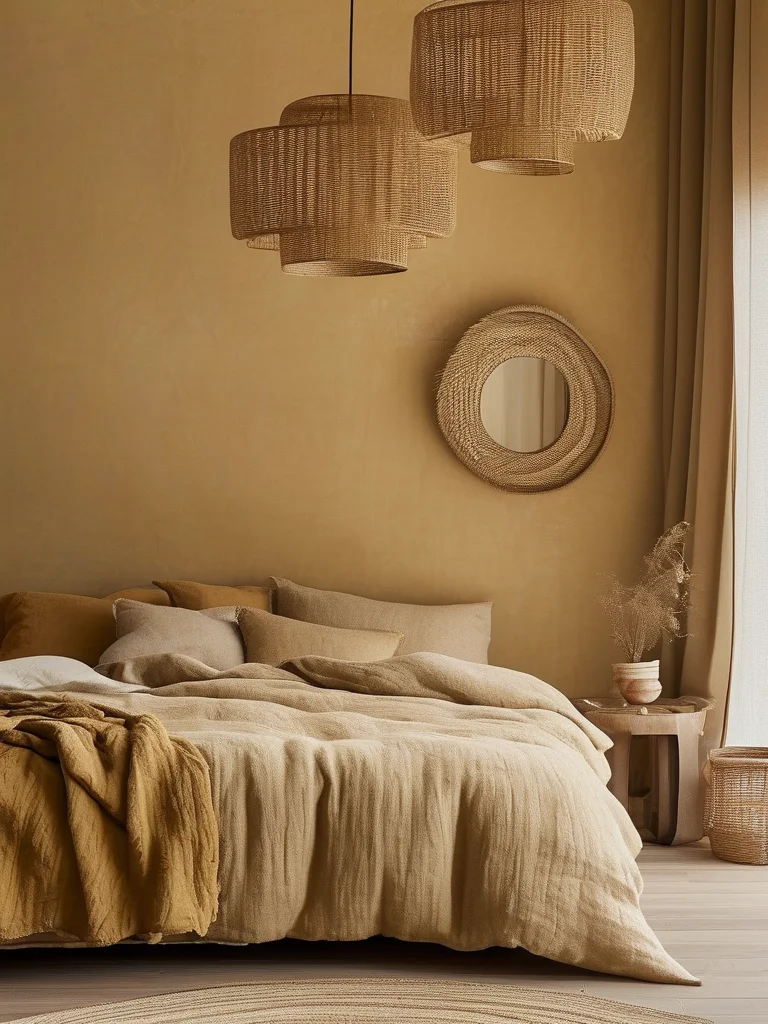
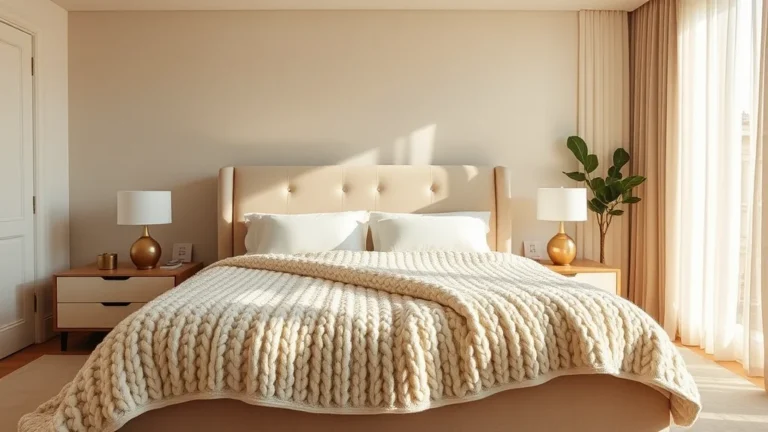
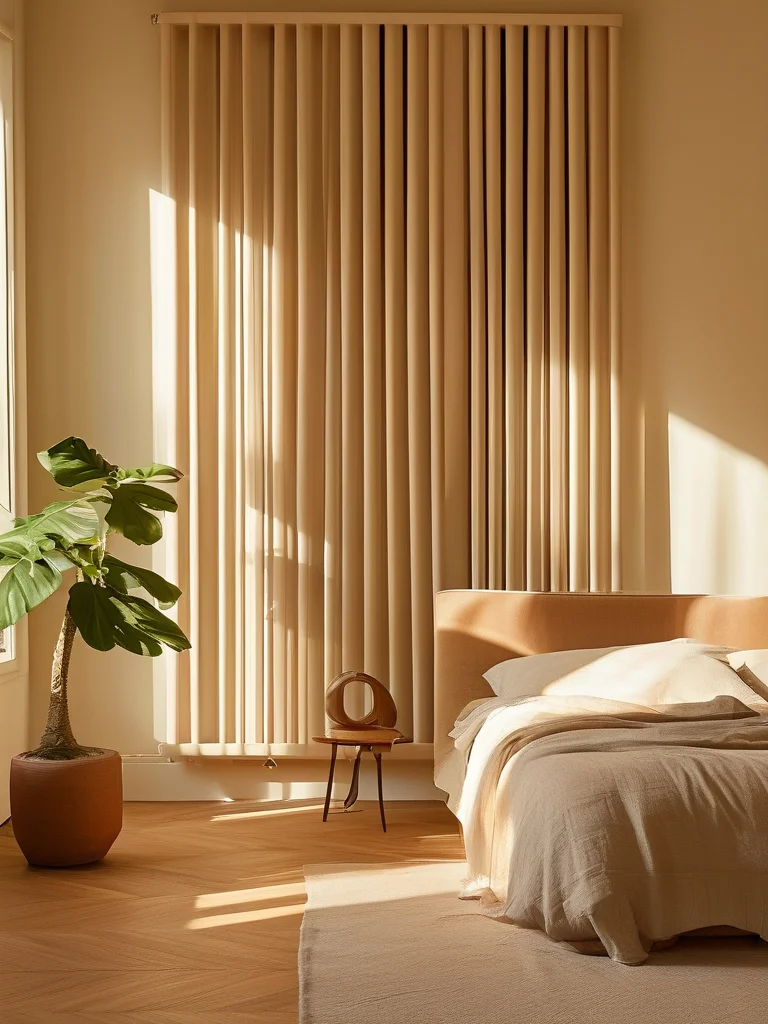
If you are worried that an entire room painted in one color will look flat or boring, the secret lies in textures. When you remove color as a source of contrast, you must replace it with tactile variety. This means using different finishes, fabrics, and materials within your chosen color family. For example, in a cream-drenched room, include a wool rug, linen curtains, a matte-painted dresser, and a glossy ceramic lamp. Even if the shades are identical, the way these materials reflect or absorb light will give the room a high-end, professionally designed feel. Focus on blending matte wall surfaces with metallic, glass, or stone accents to ensure your monochromatic space feels dynamic rather than one-dimensional and dull.
The Final Touch: Lighting Your Monochrome Space
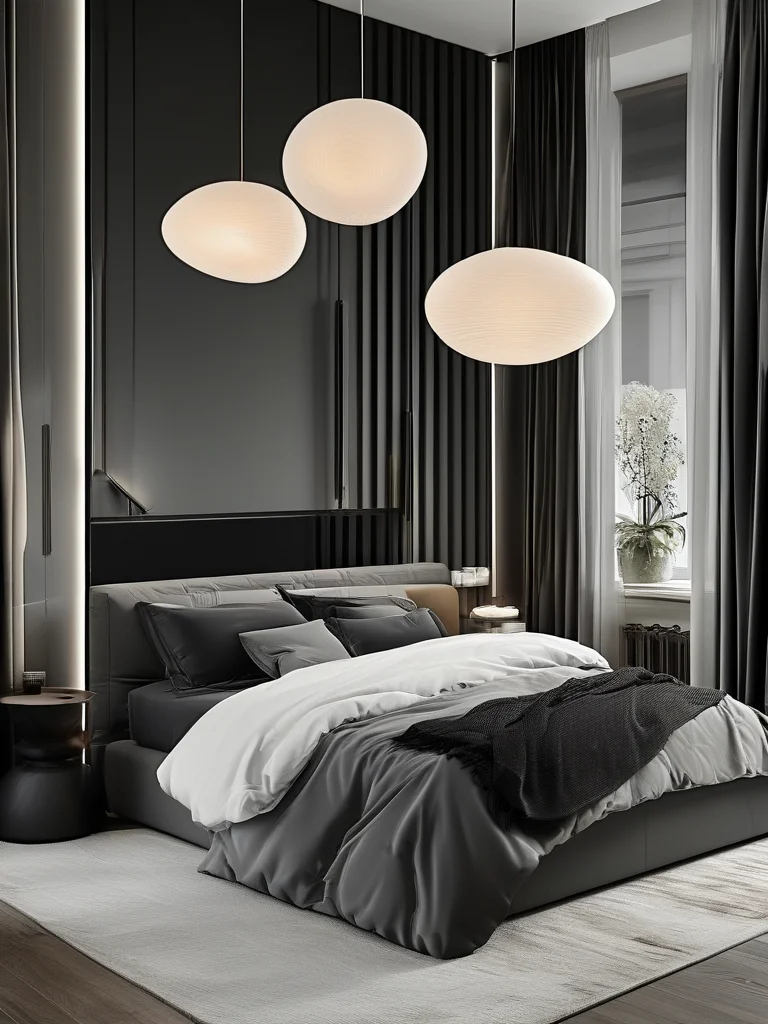
Lighting is arguably the most important element in a color-drenched room. Because dark or heavily saturated colors absorb light, you need to be very intentional about your lighting plan. Do not rely on a single overhead light; instead, create a ‘lighting map’ that includes multiple layers: overhead, task, and accent lighting. Bedside lamps with warm-toned bulbs can create pools of light that make a dark, color-drenched bedroom feel like a warm, flickering sanctuary at night. Incorporating wall sconces or LED strips behind furniture can also help to highlight architectural details that might otherwise disappear into the shadows. Proper lighting will ensure that your room feels like a deliberate design choice rather than a dark cave.
Final Thoughts
The color drenching bedroom trend is more than just a passing social media fad; it is a sophisticated design approach that prioritizes atmosphere and cohesion over clutter. By stripping away visual distractions, you create a space that promotes genuine rest, creativity, and personal expression. Whether you opt for a bold, moody navy or a soft, calming sage, the act of drenching your room in a single hue is a powerful way to transform your home into a sanctuary. We hope this guide has inspired you to pick up the brush and embrace the monochromatic movement. What color are you planning to drench your bedroom in first? Let us know in the comments below!
Frequently Asked Questions
Contrary to popular belief, painting the ceiling the same color as the walls often makes a room look larger by removing the visual line where the wall ends. It blurs the edges of the room, which can make the space feel infinite rather than boxy.
For walls and ceilings, a matte or flat finish is generally preferred as it absorbs light and hides imperfections. You can use a slightly higher sheen, such as satin, on trim and baseboards to provide a subtle contrast that helps the architectural details pop.
The key to preventing a monochromatic room from looking flat is to introduce different textures, such as velvet, wool, linen, and metallic or glass accents. Varying the materials ensures the room has depth and visual interest even without multiple colors.
Yes, color drenching is excellent for low-light rooms because it embraces the shadows rather than trying to brighten them up. By choosing a dark or saturated color, you turn a naturally dim space into a cozy, intentional retreat.
Yes, for the most professional and high-end look, it is highly recommended to paint your outlets and switch plates. Leaving them white creates an unnecessary break in the color, which disrupts the seamless, immersive effect of the room.