7 Viral Bedscaping Ideas to Transform Your Bedroom into a Luxury Sanctuary

The art of bedscaping has officially taken over social media, moving beyond simple sheet-changing to become a deliberate interior design practice that turns your bedroom into a professional-grade sanctuary. Much like curated art galleries, a well-executed bedscape considers texture, volume, density, and color harmony to create a visual experience that is as relaxing as it is beautiful. Achieving this look isn’t just about throwing pillows on a mattress; it is about architectural balance. When you master these principles, your sleep environment transitions from a utilitarian space to a restorative retreat, effectively resetting your mind and body every single evening after a long, exhausting day.
If you are looking to elevate your personal style beyond the bedroom, it is essential to coordinate your self-care rituals with your home surroundings. Just as you refresh your living space with these seasonal bedscaping ideas, you should also ensure your aesthetic remains consistent throughout your beauty routine. Check out our latest inspiration guide to see how your room decor can inform your manicure choices for the upcoming season, creating a cohesive lifestyle brand that feels intentional, polished, and perfectly curated for the modern, design-conscious individual.
Why Is Texture the Secret Weapon of Professional Bedscapers?

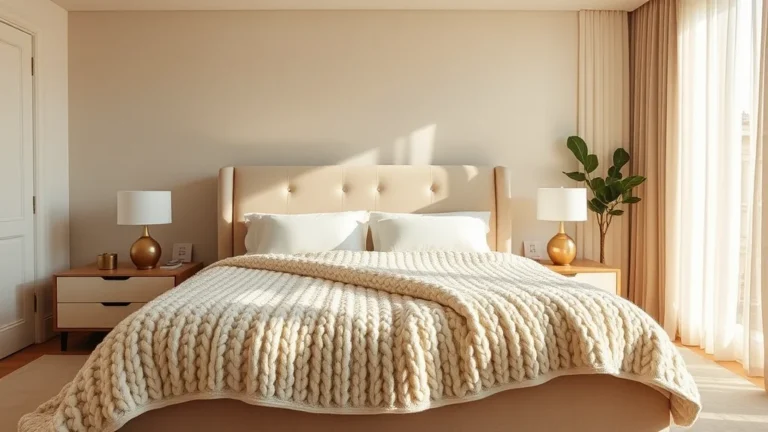
Texture is the backbone of any successful bedscape, acting as the visual interest that prevents a neutral palette from looking flat or sterile. To master this, you need to layer materials that play off one another; think smooth percale sheets topped with a heavy, waffle-weave blanket and finished with a velvet lumbar pillow. According to Good Housekeeping’s interior experts, mixing fabrics creates a sense of depth that invites you to touch and interact with the space. By contrasting the crisp coolness of high-thread-count cotton with the warmth of a chunky knit or faux fur, you establish a sensory experience that feels undeniably high-end. Aim for at least three distinct fabric types to ensure the bed looks styled rather than just ‘made’.
How Many Pillows Are Actually Required for a Luxury Look?
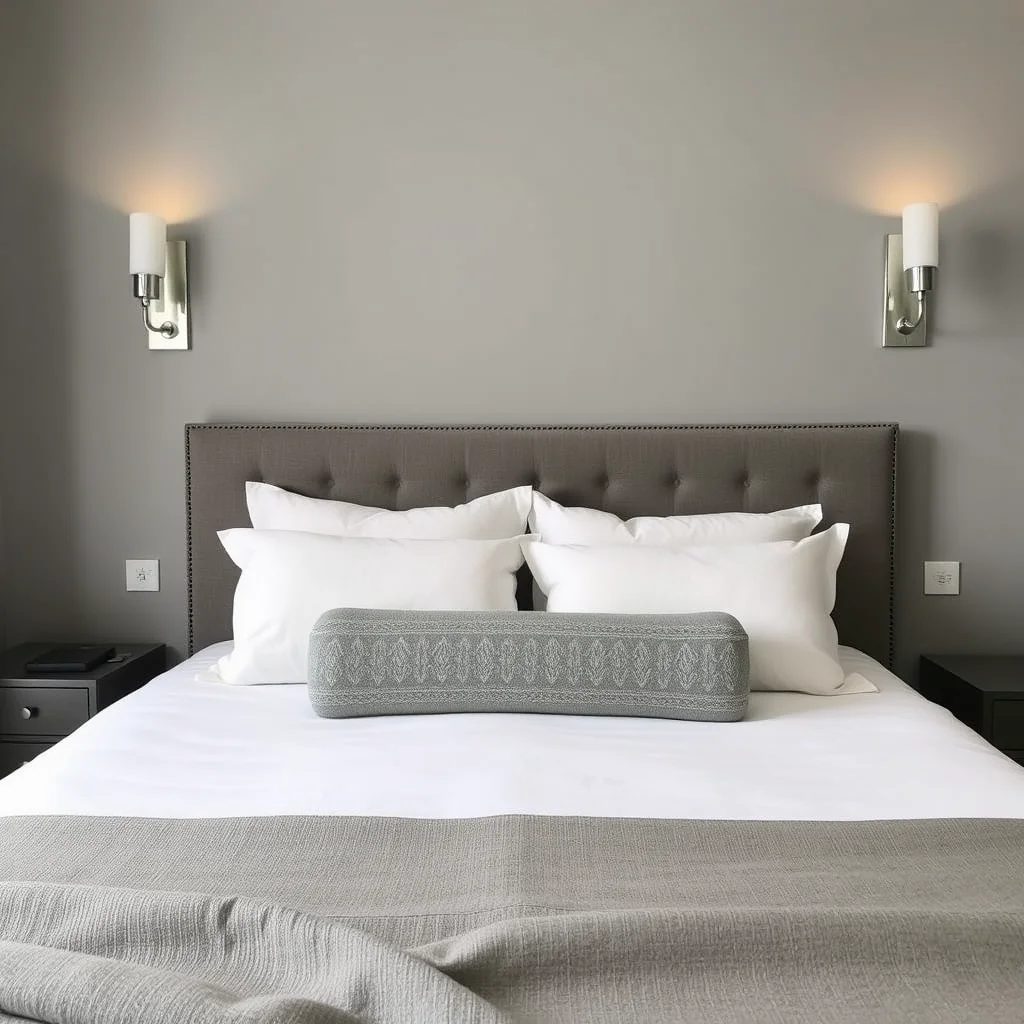
The ‘more is more’ philosophy often leads to cluttered, unmanageable beds, but the secret to professional bedscaping is intentionality. You should start with a foundation of two large Euro shams placed vertically against the headboard, followed by your standard sleep pillows and one or two decorative accents. This creates a staggered height that adds drama without forcing you to spend ten minutes clearing the bed every night. If you overstuff the bed with too many small cushions, you lose the clean lines that make a space feel polished. Keep the arrangement symmetrical to mimic high-end hotel rooms, ensuring that each pillow serves a specific purpose in both visual aesthetics and actual physical comfort.
The Monochromatic Mastery Look
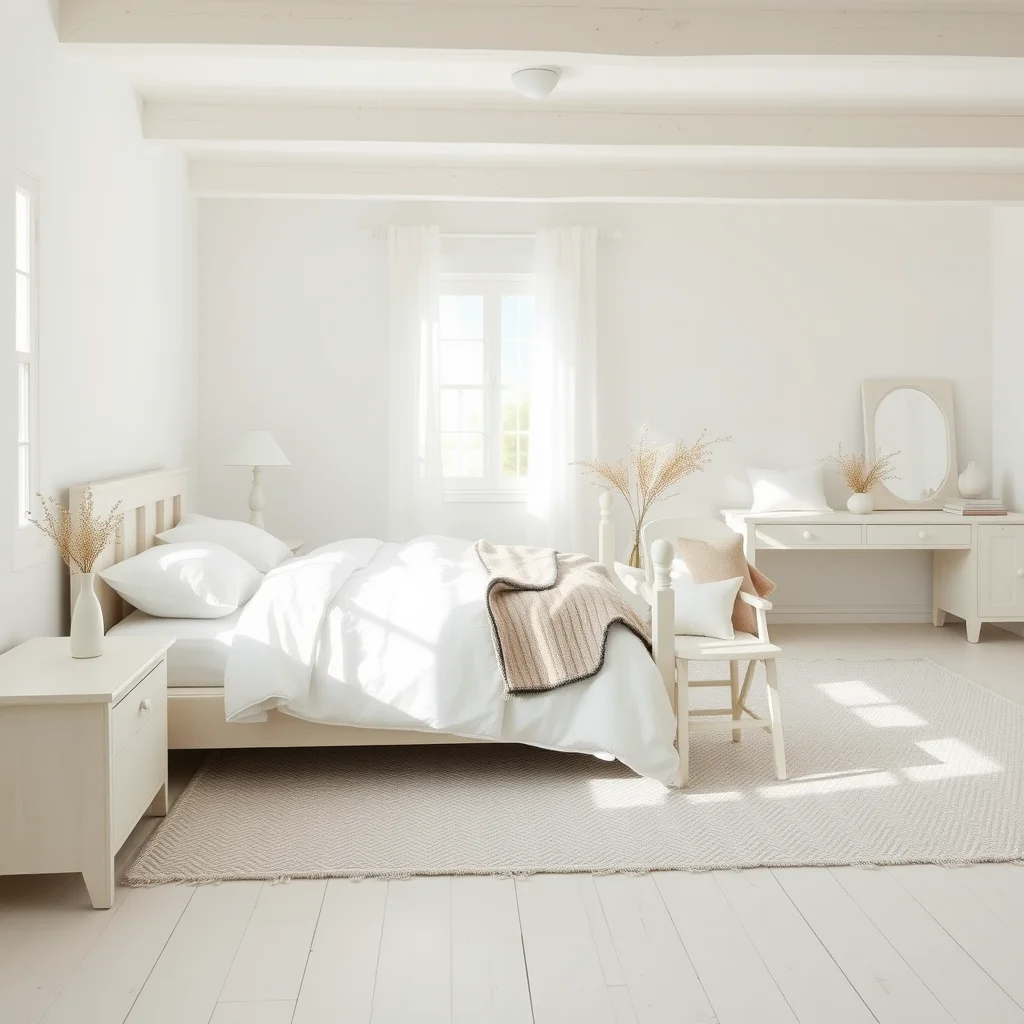
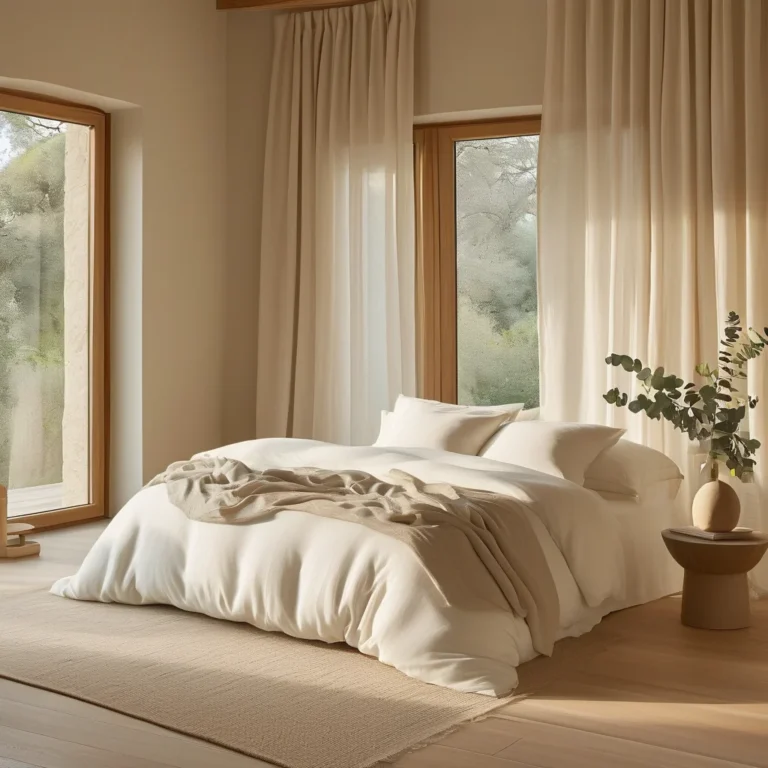
Monochromatic design is a timeless strategy for those who want their bedroom to feel like a tranquil, high-end spa. By choosing one color family—such as warm sand, soft white, or deep slate—and sticking to it, you force the eye to notice the subtle differences in texture and pattern rather than being distracted by clashing hues. This method creates an immediate sense of calm, which is vital for a restful environment. Byrdie’s interior stylists suggest adding minor metallic accents or wood grains within that same color story to break up the monotony. The key here is to layer various shades of the same base color; a slightly creamier duvet paired with a stark white sheet set adds enough contrast to keep the room from looking like a blank canvas.
Should You Incorporate Seasonal Color Shifts?

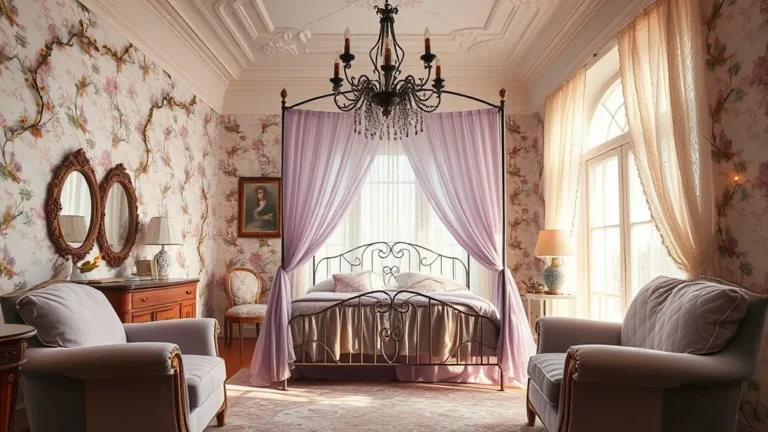
Bedscaping is a living practice, meaning your bed should evolve with the seasons to reflect the changing environment outside your window. During the spring and summer months, swap out heavy duvet inserts for lighter, breathable materials like linen or bamboo, opting for airy, pastel palettes. When winter approaches, shift toward deeper, moodier shades like mahogany, emerald, or navy, and incorporate heavier weights like wool or velvet. This practice prevents your bedroom from feeling stagnant. By changing just three elements—the throw blanket, the accent pillows, and the bedside decor—you can completely shift the energy of your room without needing to buy a new furniture set, making your home feel refreshed throughout the year.
The Art of the Bedside Extension
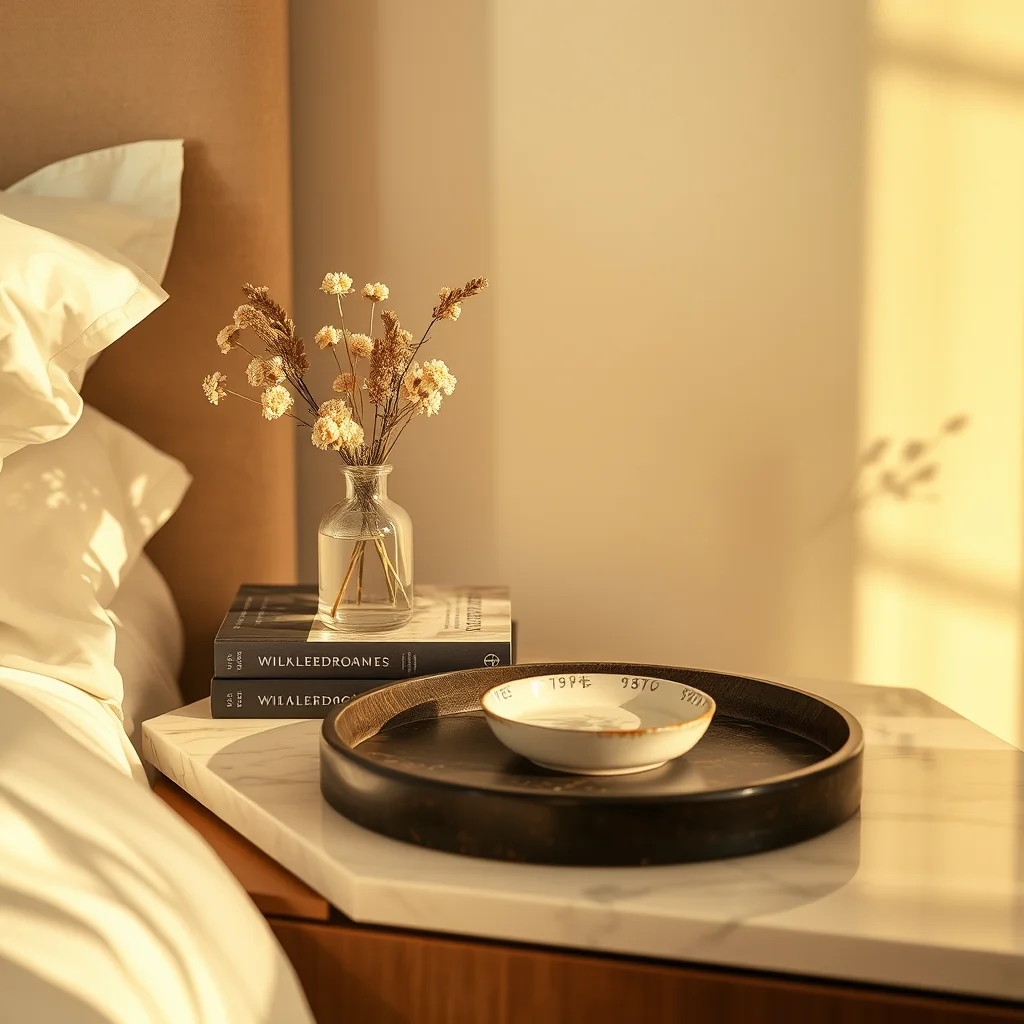
Your bedscape doesn’t end at the edge of the mattress; it flows seamlessly into your bedside tables. A common mistake in bedroom styling is leaving nightstands cluttered with phone chargers and random trinkets. To elevate your bedscape, treat your nightstand as an extension of the bed. Use a small tray to corral items, add a sculptural lamp for ambient lighting, and include one piece of ‘living’ art, like a bud vase with a single stem or a small plant. This creates a cohesive narrative that makes the bed feel like it belongs in the space. By curating your nightstand, you enhance the overall ‘bedscaping’ vibe, ensuring that the visual flow from your pillow to your reading nook is uninterrupted and aesthetically pleasing.
Minimalist Zen Styling
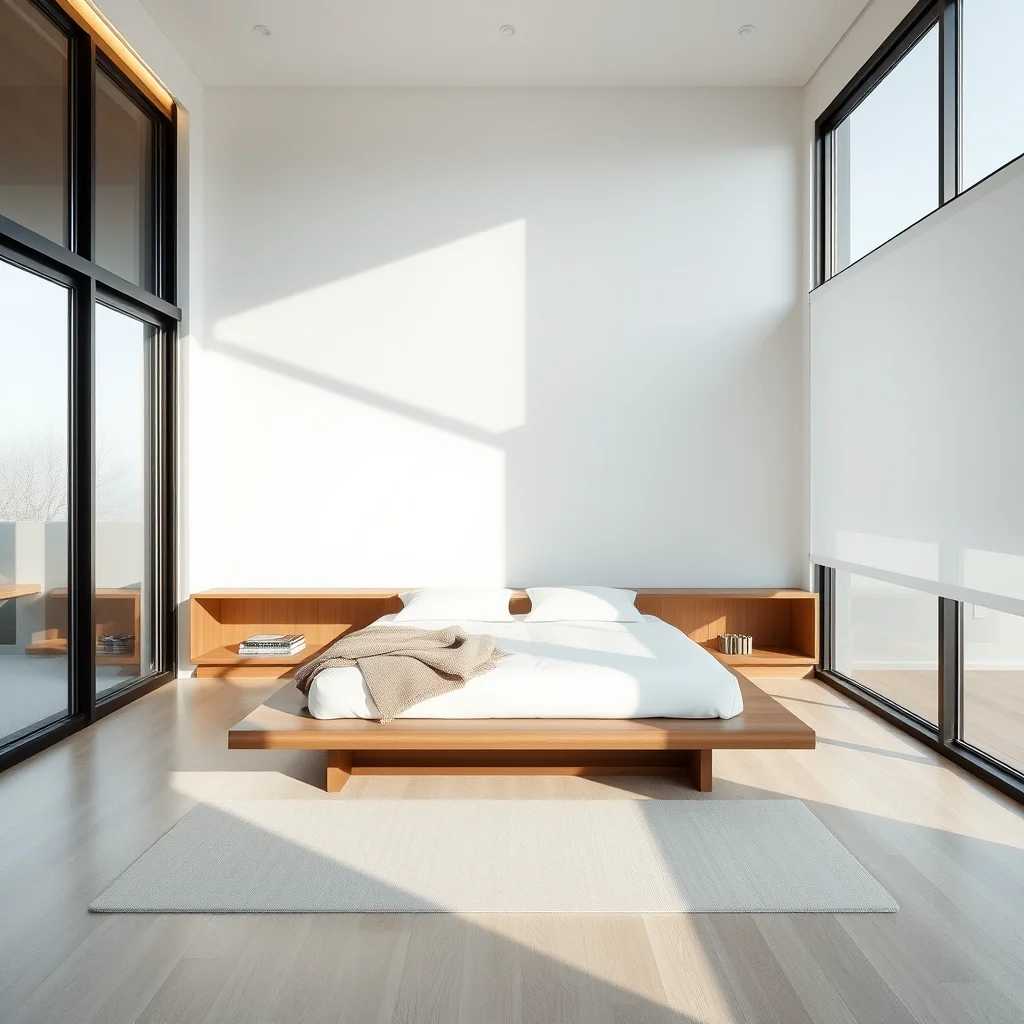
For those who prefer a clean girl aesthetic, the minimalist approach to bedscaping is the ultimate goal. Minimalist styling relies on the ‘less is more’ philosophy, where every single item on the bed must serve a function. Instead of multiple layers of decorative pillows, focus on one or two high-quality items, like a linen duvet cover with subtle piping or a single oversized lumbar pillow in a muted tone. The goal is to create a visual field that is calm, organized, and free of clutter. Utilize hidden storage under the bed to keep the floor clear, and prioritize neutral, monochromatic colors that evoke peace. This style is not about emptiness; it is about intentional curation where quality dictates the luxury of the space.
The Power of Ambient Lighting
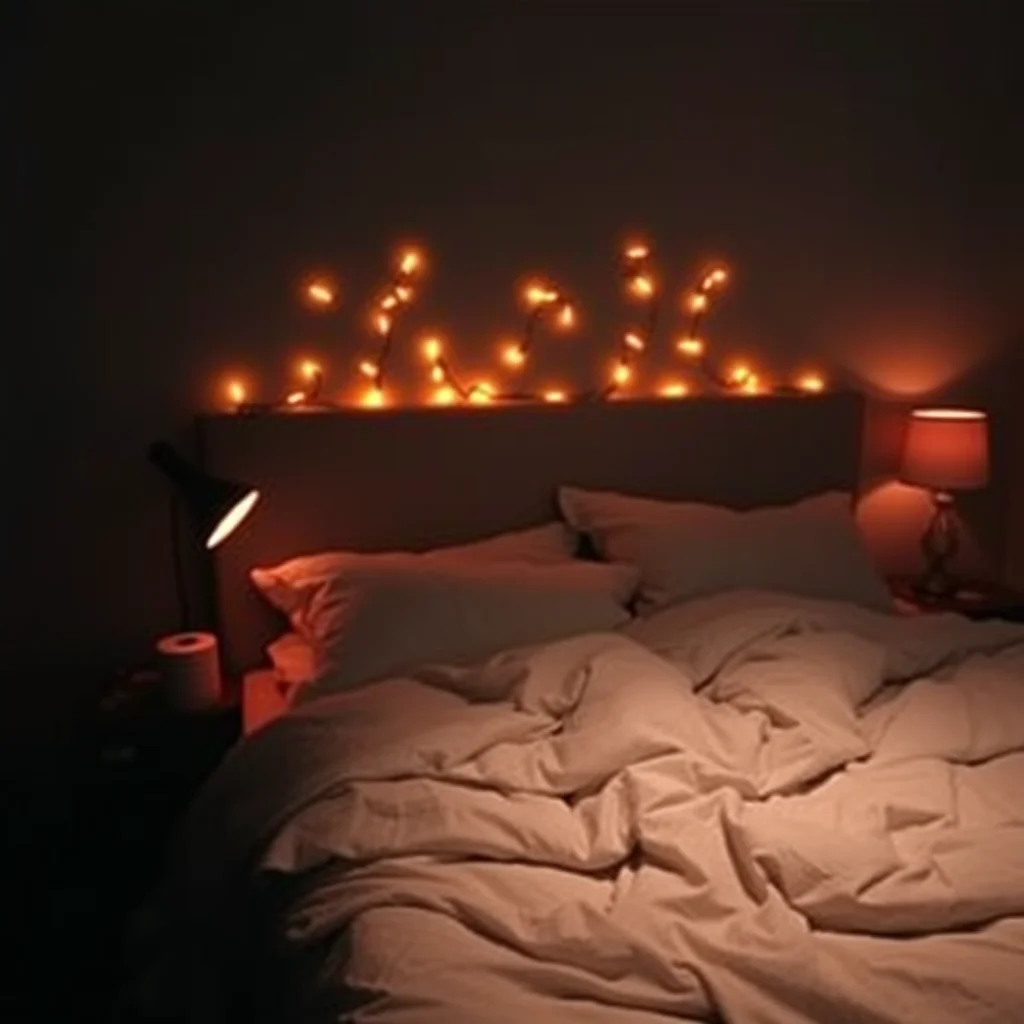
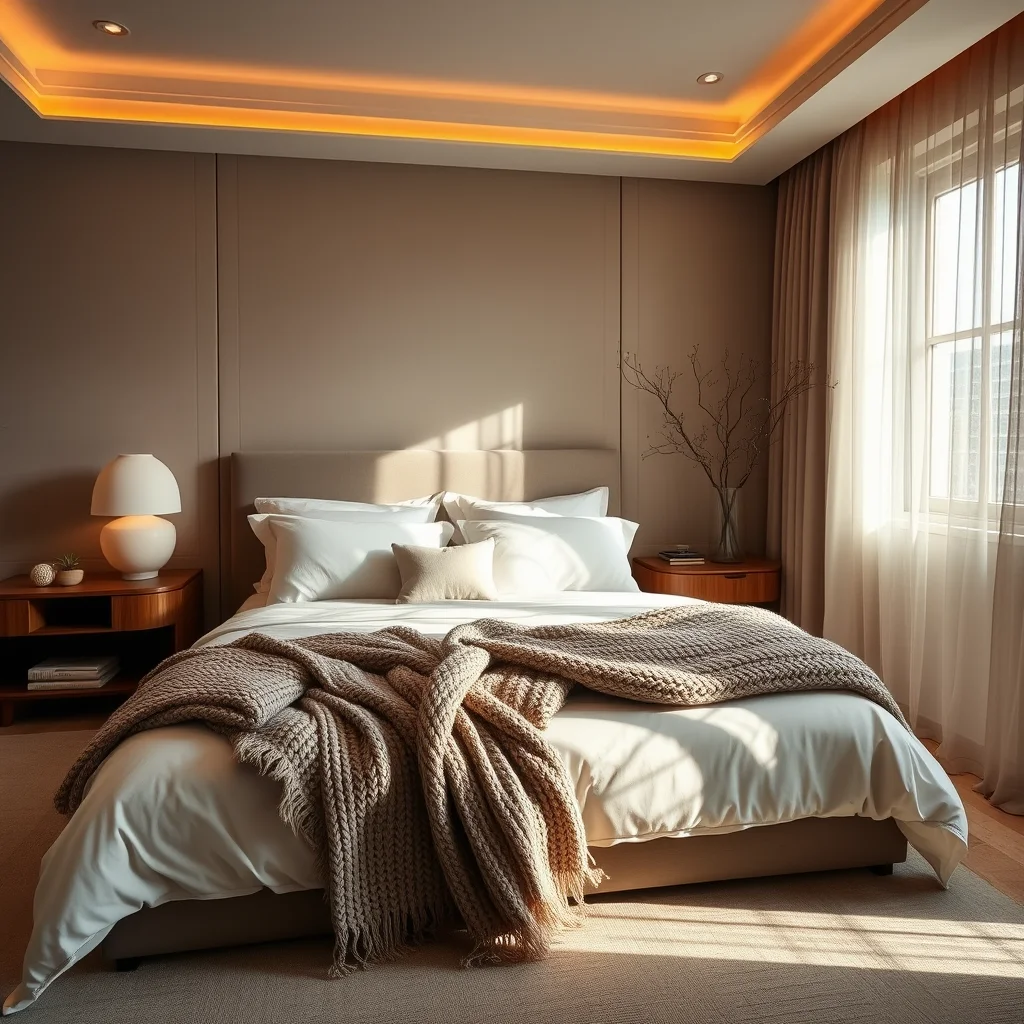
No matter how beautiful your linens are, they won’t look their best without the right lighting to set the mood. Harsh overhead lights are the enemy of a cozy bedroom. Instead, invest in warm-toned smart bulbs or dimmable bedside lamps that allow you to adjust the luminosity based on the time of day. Consider installing LED strips behind the headboard or under the bed frame to create a ‘floating’ effect that adds a sophisticated, architectural touch. Lighting is the final piece of the bedscaping puzzle—it highlights the textures you’ve chosen and softens the lines of the room, turning your bed into the ultimate evening refuge. Proper lighting transforms the room from a space where you sleep into a space where you truly unwind and disconnect.
Final Thoughts
Mastering the art of bedscaping is one of the most rewarding home improvements you can make, as it directly impacts your sleep quality and your daily mood. By combining the right textures, keeping your pillow arrangements intentional, and paying attention to the ambient lighting around your sleep sanctuary, you can achieve that elusive, high-end look seen in top-tier interior magazines. Don’t be afraid to experiment with your own style, mixing and matching textiles to see what brings you the most comfort. We’d love to hear which of these bedscaping ideas you plan to try first—share your bedroom transformations in the comments below and let’s keep the design inspiration growing!
Frequently Asked Questions
You can start by simply rearranging your existing pillows and investing in one high-quality, textured throw blanket. Focus on color coordination within your current sheets to create a cohesive look without needing to buy a new duvet set.
The secret is to keep the setup simple enough that it only takes two minutes to fix in the morning. Use a ‘bedskirt’ or clean linen cover to hide the mattress, and avoid over-layering with too many decorative pillows that are difficult to arrange.
Not necessarily; in fact, using complementary tones or contrasting textures often looks more professional. Aim for a palette that coordinates rather than perfectly matches to give your room a designer-curated feel.
Transitioning your bedscape twice a year—once for the warm season and once for the cold season—is usually sufficient. You can refresh the look more frequently by simply swapping out small items like a throw blanket or a single decorative pillow.
Yes, bedscaping works perfectly on smaller beds by using scaled-down versions of the same principles. Focus on high-quality sheets and one feature item, like a plush throw, to keep the limited space from feeling overcrowded or cluttered.