Bio-Adaptive Manicures: The Rise of Nail Tech That Changes Color with UV Exposure

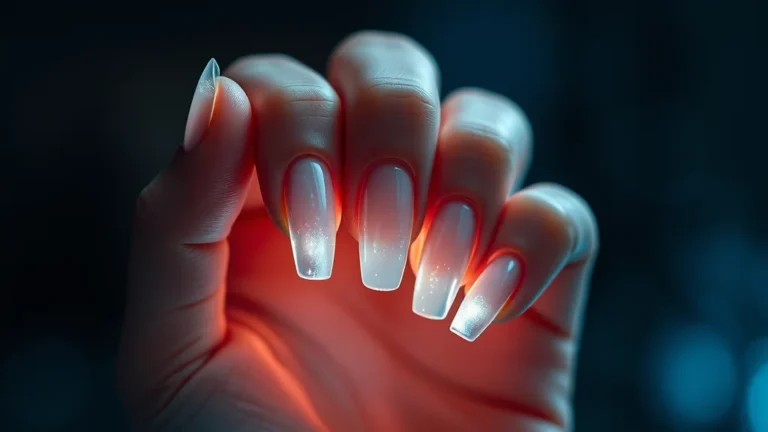
Welcome to 2026, where the boundary between personal style and responsive technology has officially dissolved. At Nailosmetic, we have spent the last decade pushing the boundaries of chemical aesthetics, and today, we are unveiling the zenith of wearable tech: the Bio-Adaptive Manicure. No longer are your nails static canvases; they are dynamic, intelligent accessories that react to the world around you. By integrating sophisticated photochromic pigments into high-performance polymers, we have created a nail experience that shifts in hue the moment you step into the sunlight. Whether you are strolling through a sun-drenched urban center or lounging by the Mediterranean, your manicure evolves with your environment. Ready to explore the future of nail artistry? Visit our [homepage](https://nailosmetic.com/) to discover our latest collections that redefine what it means to wear your mood on your fingertips.
The Science of Bio-Adaptive Pigments
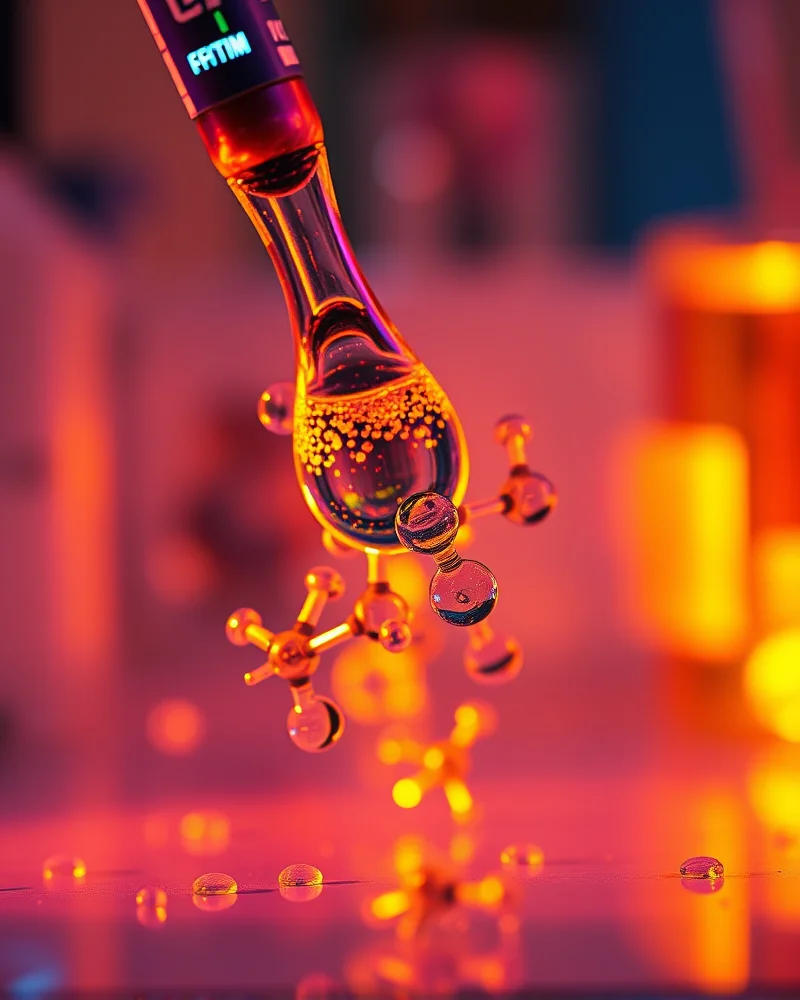
The magic behind bio-adaptive manicures lies in the precise application of photochromic pigments. At the molecular level, these pigments consist of molecules that change their geometric structure when exposed to ultraviolet radiation. When sunlight hits your nails, the UV rays trigger a chemical transition where the molecule shifts from a colorless or pale state to a vibrant, visible hue. This happens because the photon energy alters the electronic configuration of the pigment, causing it to absorb and reflect different wavelengths of light. Once you move away from the light source, the molecules revert to their original shape, allowing the color to fade back to its base state.
At Nailosmetic, we prioritize the integrity of your natural nail bed during this process. We utilize advanced, non-toxic chemical synthesis to encapsulate these photochromic particles within stable, biocompatible polymers. Unlike traditional reactive polishes that may contain harsh solvents or formaldehyde, our formulation relies on professional-grade, breathable resins. These polymers ensure the pigment remains suspended without compromising the oxygen permeability of the nail plate. We avoid harmful phthalates and heavy metal sensitizers, focusing instead on synthetic mineral compounds that are inert and hypoallergenic. Our team rigorously tests these formulations to confirm they do not stain or yellow the keratin layers of your nails. By balancing reactive innovation with skin-safe chemistry, we provide a manicure that is as durable as it is dynamic. For the best results, always apply a thin base layer to prevent any direct contact between the pigment particles and the nail surface, which keeps the manicure pristine for over two weeks.
Visualizing the Shift: How UV Exposure Transforms Your Look
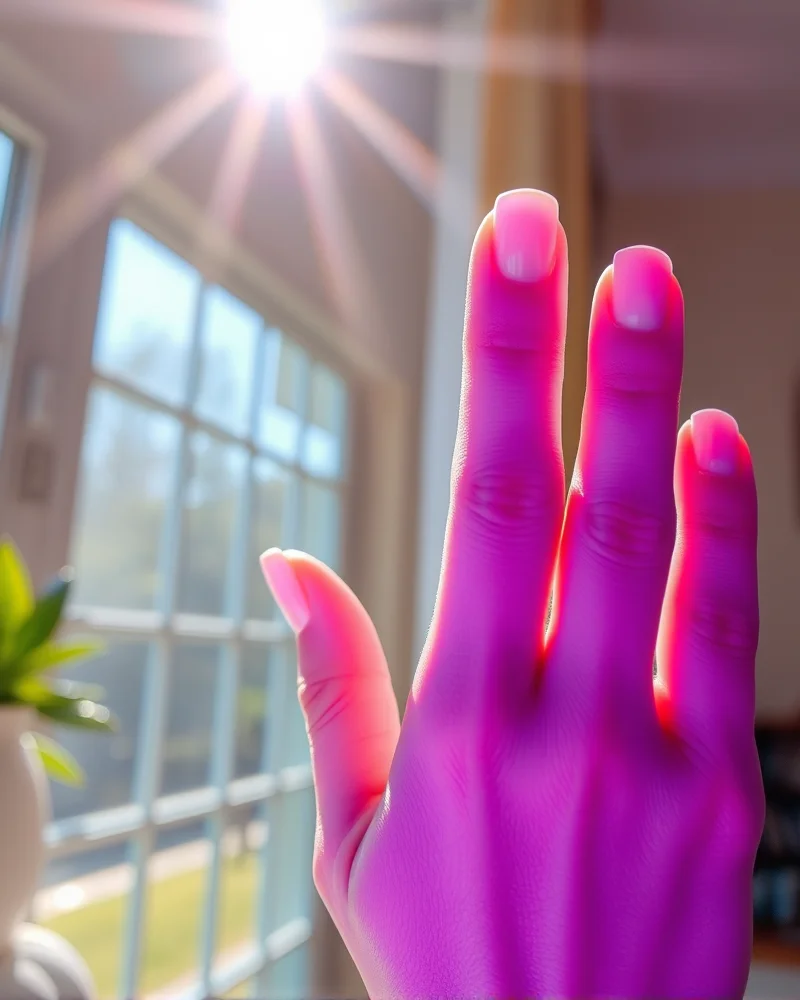
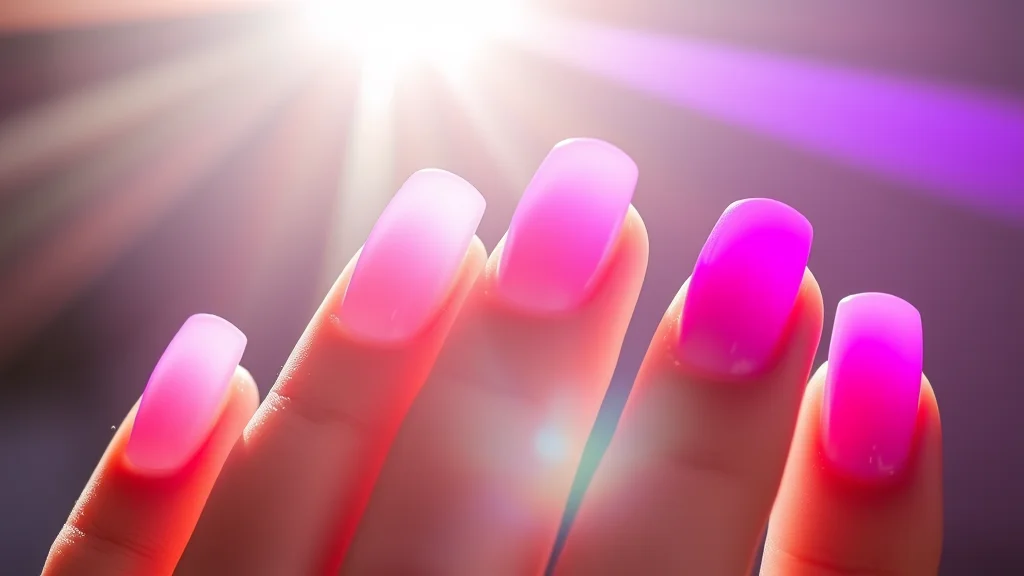
Stepping from the soft glow of an indoor environment into the direct path of sunlight feels like a magic trick for your fingertips. As ultraviolet rays strike the surface of a bio-adaptive manicure, the photochromic molecules within the gel formula react instantly. You will notice a subtle ripple effect as the pigment shifts from a muted indoor shade to a vibrant, saturated hue. This transformation is fluid rather than static. Instead of a jarring switch, the nail polish mimics the behavior of a liquid gradient, deepening in intensity as the UV index rises.
The speed of this transition is remarkable. Most professional formulations require only three to five seconds of exposure to achieve a full chromatic shift. When you retreat into the shade or step indoors, the process reverses with equal grace, fading back to the base color as the molecular structure resets. To maximize this visual impact, consider these professional application tips:
- Apply two thin coats rather than one thick layer to ensure light penetrates the pigment evenly.
- Use a high-shine top coat to intensify the depth of the color change.
- Avoid harsh acetone removers between transitions, as the chemicals can diminish the longevity of the light-sensitive particles.
Think of your manicure as a living accessory that responds to your surroundings. Whether you are walking through a sunlit plaza or lounging poolside, your nails provide a constant, shifting visual narrative that keeps your look fresh throughout the day.
Longevity and Maintenance: Protecting Your Adaptive Manicure
Maintaining the integrity of bio-adaptive manicures requires a strategic approach. Because these color-shifting polymers are sensitive to environmental stressors, your daily care routine determines how long the shift remains crisp and vibrant. Follow these professional guidelines to extend the life of your adaptive nail tech:
- Select Compatible Top Coats: Use only non-yellowing, UV-absorbent top coats specifically formulated for reactive gels. Standard high-gloss top coats often contain heavy UV blockers that shield the nail from the very rays required to trigger the color change, effectively rendering the technology dormant. Always check the manufacturer label for compatibility.
- Limit Chemical Exposure: Prolonged contact with harsh cleaning agents, acetone, or chlorine can compromise the structural bonds of the polymers. When handling household chemicals, wear protective gloves to prevent the premature degradation of the photo-reactive pigments.
- Strategic Hydration: Dehydrated nail beds can lead to micro-fractures in the manicure surface. Apply high-quality cuticle oil twice daily to keep the product flexible. If the coating becomes rigid due to lack of moisture, the microscopic pigment structures may lose their ability to transition smoothly.
- Manage Sun Exposure: While UV rays activate the color, constant and excessive exposure to direct sunlight can eventually cause pigment fatigue. If you spend significant time outdoors, consider wearing decorative gloves or applying a light sunscreen over the hands to prevent the pigments from becoming stuck in their shifted state permanently.
- Professional Removal: Never pick or peel your bio-adaptive set. The reactive layer is bonded differently than traditional lacquer. Use a gentle soak-off method to ensure you do not strip the natural nail or leave residual polymers that could interfere with your next application.
Comparative Analysis: Traditional Gel vs. Bio-Adaptive Tech
When choosing your next manicure, understanding how different technologies interact with your nail health is essential. While traditional gel offers impressive durability, it often requires harsh removal processes that can compromise the natural nail plate over time. In contrast, standard polish is gentle but lacks the longevity modern lifestyles demand. Our bio-adaptive range bridges this gap by offering a smart pigment system that reacts to UV light without requiring aggressive buffing or soak-off cycles.
| Feature | Standard Polish | Traditional Gel | Nailosmetic Bio-Adaptive |
|---|---|---|---|
| Health Impact | Gentle | Can weaken nails | Nourishing formula |
| Duration | 3 to 5 days | 2 to 3 weeks | 10 to 14 days |
| Style Flexibility | Limited | Fixed color | Color-shifting capability |
The core advantage of the bio-adaptive range lies in its stylistic fluidity. You are no longer committed to a single shade for the entire duration of your wear. As you transition from indoor environments to direct sunlight, your manicure evolves, offering a dynamic aesthetic that keeps your look fresh and modern. If you are looking for inspiration on how to pair these shifting hues with your personal style, check out our ultimate guide to nail art designs to see how adaptive pigments elevate intricate patterns. We recommend applying a high quality top coat to ensure the color-changing particles remain protected from minor scratches, allowing for a seamless transition every time you step outside. By choosing this tech, you prioritize both the structural integrity of your nails and the ability to express yourself through shifting, light-responsive color profiles.
Application Mastery: Pro-Tips for Salon and Home Use
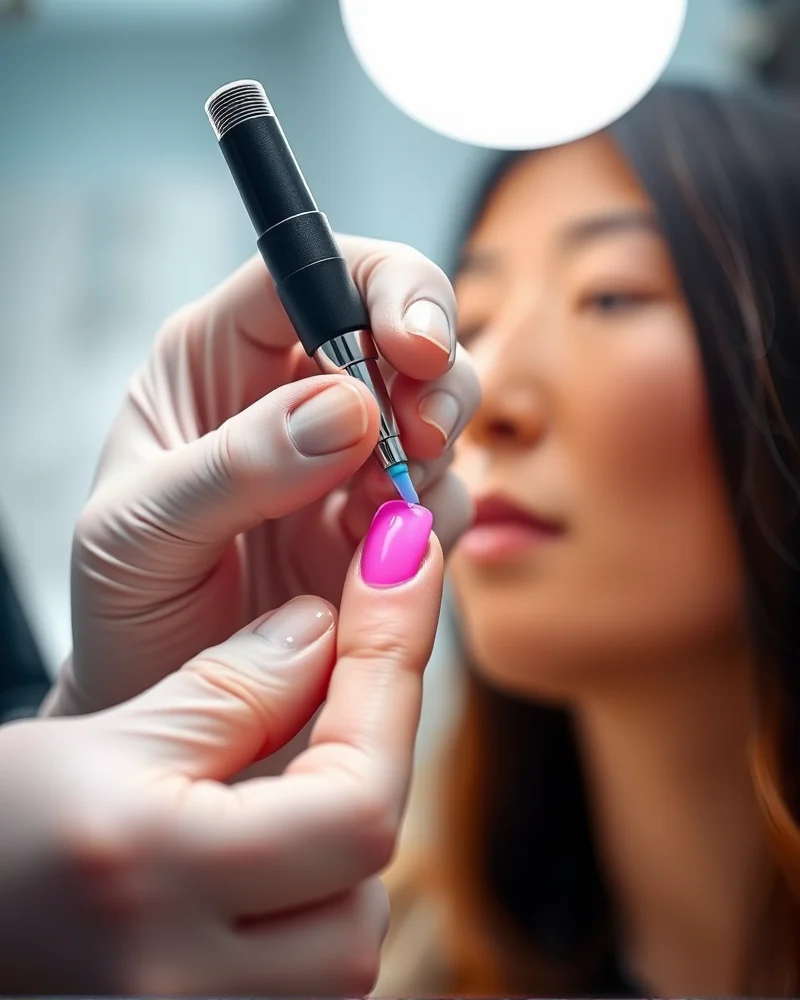
Achieving a seamless color shift requires precision in your application technique. The effectiveness of photochromic pigments relies entirely on how light penetrates the polish layers. If your coating is too thick, the UV rays cannot reach the deeper pigments, leading to a dull or inconsistent transition. I recommend applying two thin, deliberate coats rather than one heavy layer. This method ensures that the reactive agents are distributed evenly across the nail plate, providing a crisp response every time you step into the sunlight.
Curing time is equally vital when working with bio-adaptive gels. Because these formulas contain light-sensitive particles, they can sometimes be more temperamental under standard LED lamps. Follow these professional guidelines to ensure durability and responsiveness:
- Apply each layer with a light touch, keeping the coat semi-sheer to allow for maximum UV light saturation during the color-shift process.
- Extend your curing time by fifteen seconds beyond your usual protocol to ensure the reactive base is fully polymerized.
- Cap the free edge of your nail carefully to prevent the adaptive pigments from lifting or yellowing at the tips due to moisture exposure.
- Avoid over-curing, as excessive heat can degrade the photochromic molecules and cause the color to remain stuck in its light state permanently.
For home users, start with a high-quality base coat that offers a smooth canvas. If you find the color change is sluggish, your layers are likely too thick. A thinner application provides a more dramatic and rapid transition from your indoor shade to your vibrant outdoor look.
Visualizing the Tech: Behind the Scenes at Nailosmetic
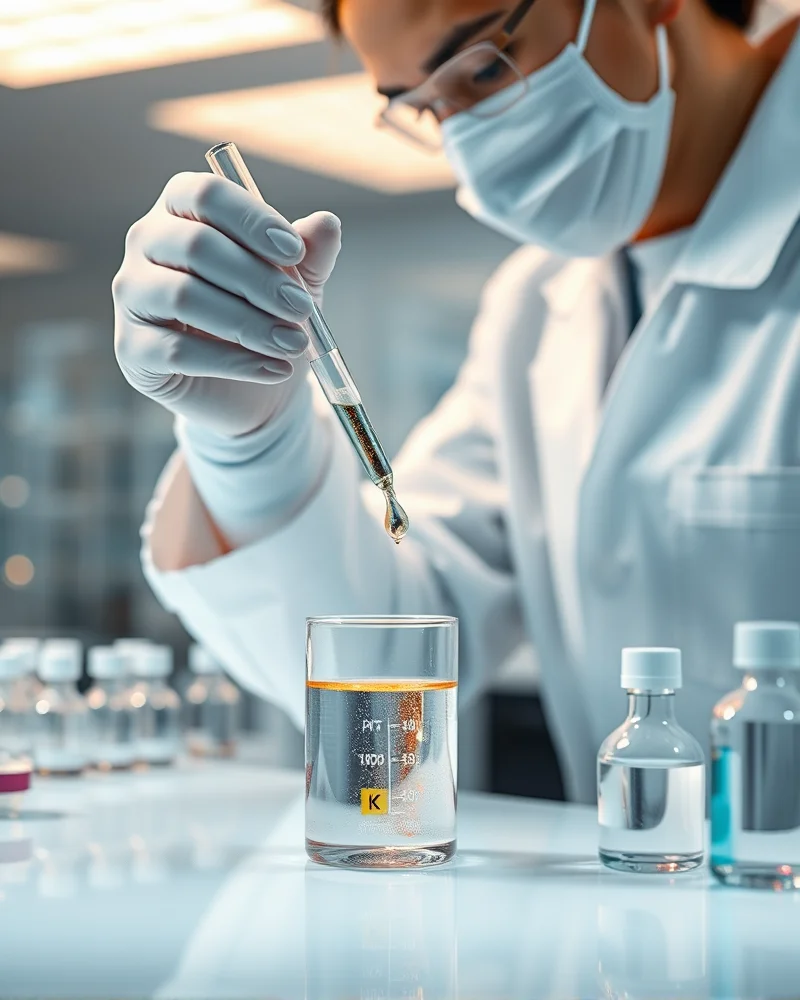
At Nailosmetic, our laboratory functions as a blend of high-end aesthetics and rigorous chemical engineering. The creation of bio-adaptive polish begins with the synthesis of photochromic micro-capsules. We integrate light-sensitive molecules into a proprietary resin base that remains clear or neutral until it encounters ultraviolet radiation. This process is far more precise than mixing standard pigments, as we must calibrate the exact reactive threshold for each color shift. Our technicians operate in a controlled, sterile environment to ensure that every batch maintains a consistent molecular structure, which prevents streaking and ensures a smooth, long-lasting finish on the nail plate.
Our design philosophy prioritizes both durability and the user experience. We believe that technology should empower personal expression rather than just serving as a gimmick. To achieve this, we subject every new shade to accelerated UV testing, mimicking intense sunlight exposure to verify that the color transition remains vivid even after weeks of wear. We recommend that users store their bottles away from direct sunlight to preserve the integrity of these reactive components. Pro-tip: If your polish seems slower to change color, ensure your base coat is completely dry, as residual moisture can interfere with the curing process of the photochromic agents. By refining these complex chemical formulations, we provide a sophisticated product that bridges the gap between scientific innovation and everyday wearable art, giving you a salon-quality manicure that evolves with your environment throughout the day.
Common Questions: Everything You Need to Know
- Are bio-adaptive polishes toxic?
- At Nailosmetic, we prioritize safety alongside innovation. Our bio-adaptive formulas are strictly formulated to be 10-free, meaning they exclude common harmful chemicals like formaldehyde, toluene, and camphor. The photochromic pigments are encapsulated within a stable resin base, ensuring they remain inert on your nail plate. We always recommend performing a patch test if you have hypersensitive skin, but these products are generally as safe as traditional high-quality gel or lacquer.
- Do these polishes shift color in indoor lighting?
- These pigments are engineered to react specifically to ultraviolet light waves. While sunlight provides the most intense UV spectrum for a dramatic shift, they often respond slightly to high-intensity indoor fluorescent or LED lights. However, you will notice the most vibrant transformation when stepping outdoors. Pro-tip: Keep a small handheld UV keychain light in your purse if you want to trigger the color change instantly while dining or working indoors.
- Can I use a regular top coat over an adaptive manicure?
- Using a standard top coat is acceptable, but you must choose carefully. Many traditional top coats contain heavy UV absorbers designed to prevent yellowing. These absorbers effectively block the very light rays needed to activate your color-changing pigment, which may result in a dull or stagnant look. To ensure the full spectrum of your adaptive manicure shines through, always use the specific Nailosmetic clear coat designed for our adaptive line. This formula is light-permeable, allowing the pigment to transition smoothly while providing the high-gloss, chip-resistant finish you expect.
As we navigate the intersection of beauty and innovation in 2026, bio-adaptive manicures stand as a testament to the fact that style should never be stagnant. By embracing Nailosmetic’s UV-reactive technology, you aren’t just applying polish—you are curating a living experience that responds to your environment. Whether you seek the subtle shift of a morning commute or the bold transition of a beach sunset, the future of your fingertips is officially dynamic.