Bio-Adaptive Manicures: The Rise of pH-Responsive Gel Polishes in 2027

As we navigate the sophisticated landscape of 2026, the evolution of nail artistry is undergoing a seismic shift toward biological integration. The era of static color is officially over; welcome to the dawn of Bio-Adaptive Manicures. At [Nailosmetic](https://nailosmetic.com/), we have spent the last year observing the transition from mere aesthetics to high-performance, responsive cosmetic science. By 2027, the standard gel manicure will be replaced by intelligent coatings that interact dynamically with the wearer’s physiological state. This guide explores the breakthrough technology behind pH-responsive pigments and bio-adaptive polymers, transforming your nail bed into a living canvas. We aren’t just painting nails; we are engineering an interface between your body and your style. Join us as we dissect why pH-responsive gel polishes are the ultimate upgrade for the modern, tech-forward beauty enthusiast who demands both health and haute couture from their salon appointments.
Understanding the Science: What Are Bio-Adaptive Polymers?
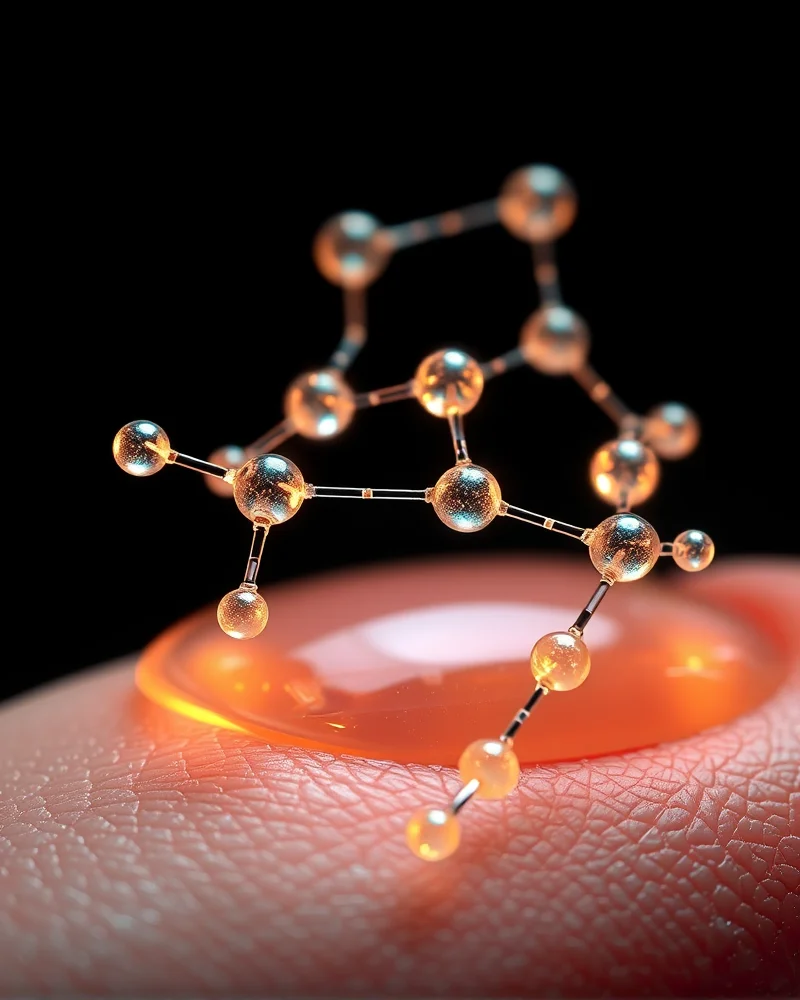
At the core of bio-adaptive manicures lies a breakthrough in polymer chemistry. Unlike traditional UV-curable monomers that create a static, rigid plastic layer once cured, bio-adaptive polymers feature dynamic covalent bonds. These long-chain molecules are engineered with stimulus-responsive functional groups that remain sensitive to the nail bed micro-environment even after the gel is set. When your body temperature shifts or the pH levels of your skin surface fluctuate, these polymers undergo a molecular rearrangement. This allows the polish to subtly expand or contract, preventing the microscopic cracking that leads to premature lifting. Traditional gels act as a permanent shell, whereas bio-adaptive formulas act like a second, living layer of the nail plate. The chemistry relies on protonation and deprotonation cycles within the polymer matrix, which react to the mild acidity of your skin. This constant feedback loop means your manicure maintains peak flexibility and durability despite the daily wear and tear of hydration levels or external thermal changes. Pro-tip: for the best results, ensure your nail bed is completely dry and free of oils before application, as surface moisture can trigger the adaptive polymers prematurely and affect the initial curing stage. By bridging the gap between cosmetic finish and biological responsiveness, this technology represents a fundamental shift in how we treat nail aesthetics, moving away from rigid encapsulation and toward a symbiotic relationship between your chemistry and the product.
pH-Responsive Pigments: How Your Body Dictates Color
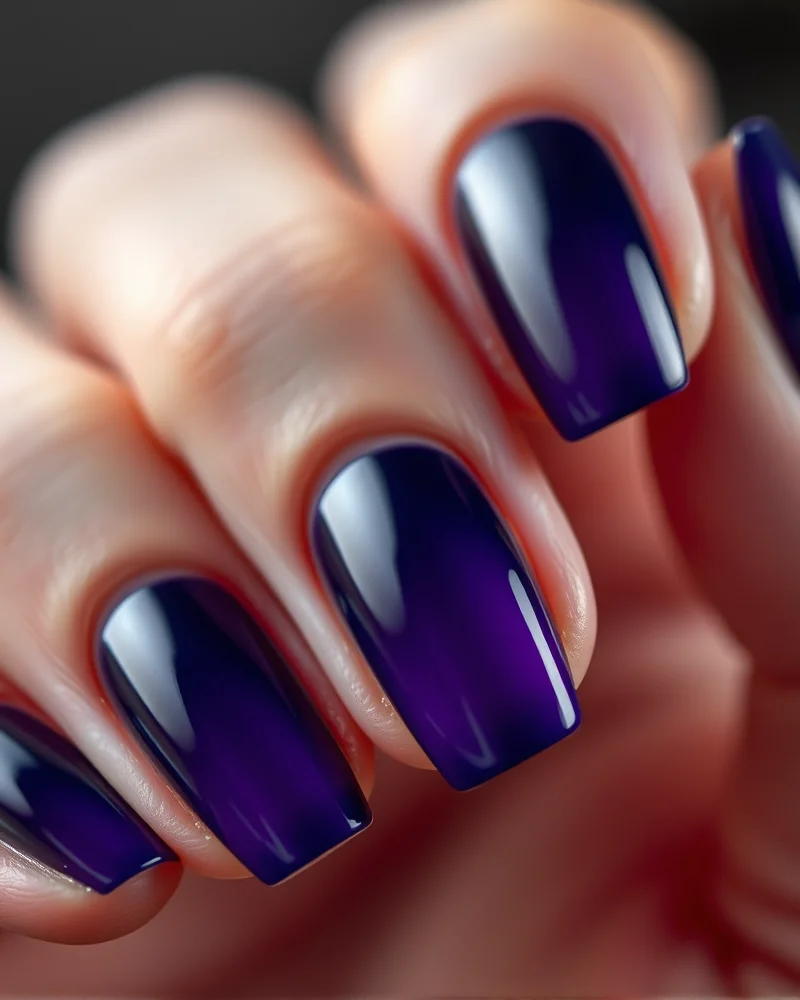
The secret behind Living Color lies in the interaction between your nail plate and specialized leuco dyes suspended within the gel matrix. Your skin and nails possess a natural surface acidity that fluctuates based on your metabolic rate, hydration levels, and even your body temperature. When you apply our pH responsive gel, these microscopic pigments detect those precise chemical changes on your nail surface. At the molecular level, the pigments undergo a structural transformation known as a protonation shift. When the pH level rises, the molecular bond rearranges itself, causing the pigment to reflect a different spectrum of light. This is not a static coating. Instead, it acts as a real time biological readout. If your hands are warm after a workout, the increased blood flow and slight shift in skin surface acidity will cause the gel to transition from a deep navy to a vibrant electric violet. Pro tip: To maximize the vibrancy of these shifts, keep your cuticles hydrated with our organic oil blend. High moisture levels facilitate more consistent pH readings across the nail plate, preventing patchy transitions. Because each individual maintains a unique body chemistry, your manicure becomes a personalized accessory that adjusts its hue to mirror your physiological state throughout the day. You are no longer just wearing a color. You are wearing a biometric reflection of your own biology, making your manicure the most responsive element of your daily style.
Visualizing the Shift: How Bio-Adaptive Gels Look
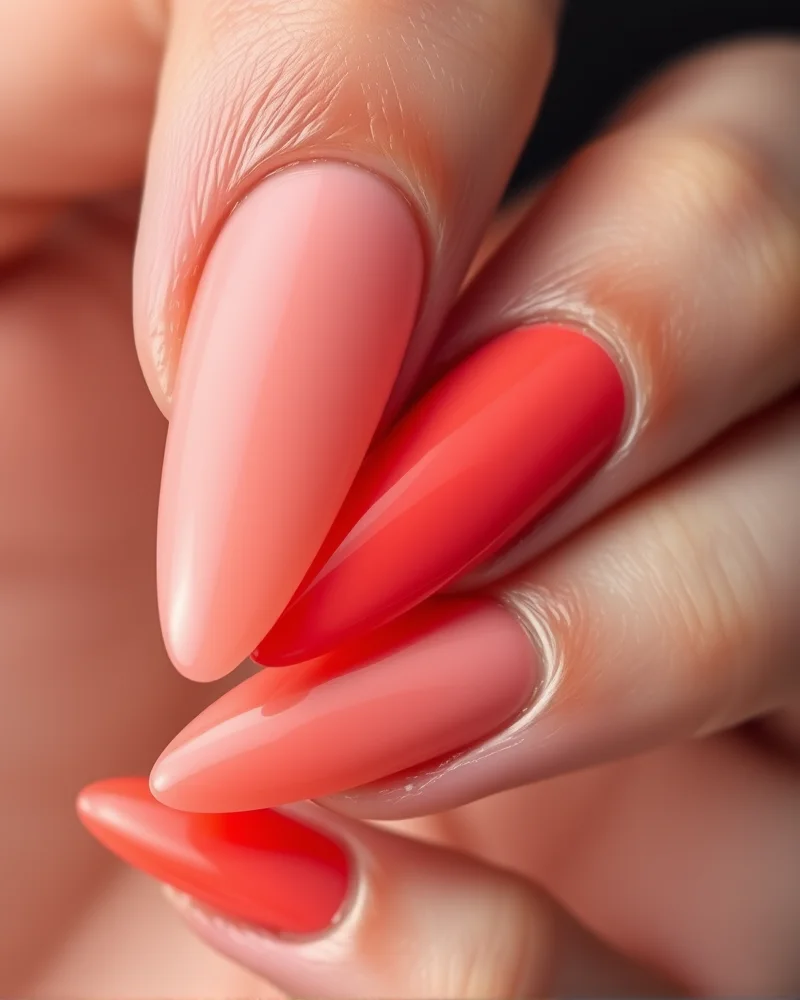
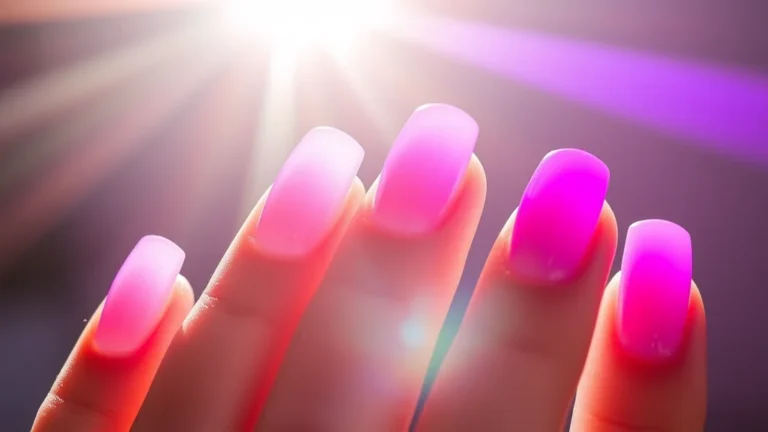
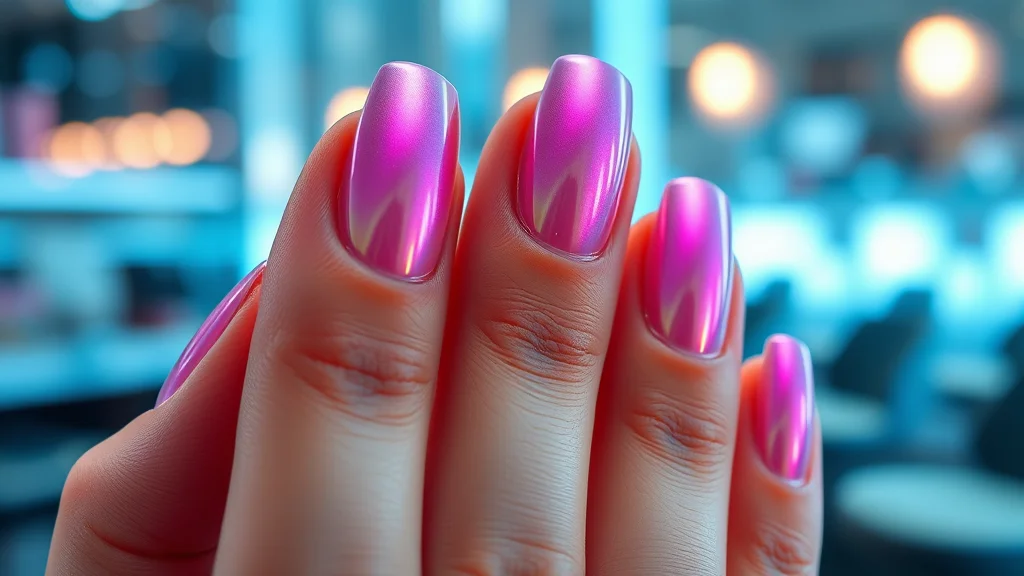
When you witness a bio-adaptive gel in motion, the visual experience feels less like traditional nail art and more like a living accessory. The aesthetic spectrum begins with a subtle, neutral base that acts as a chameleon throughout your day. As your body temperature or pH levels shift, the pigment molecules reorganize, forcing the polish to transition from soft, professional tones like muted rose or slate gray into bolder, saturated hues such as electric fuchsia or deep navy.
- The Gradient Effect: Unlike standard ombré, these gels respond to contact. When you hold a cold beverage or step into a warmer environment, the polish develops a natural gradient where the nail bed remains one color while the free edge shifts, creating a permanent, organic French tip effect.
- Application Precision: Because these formulas are hyper-reactive to environmental factors, they require a specific approach. You must work in thin, controlled layers to ensure the polymers distribute evenly across the nail plate. If you apply too much product, the reaction becomes muddy rather than sharp. Always cure each layer for an additional ten seconds beyond your standard lamp setting to lock the sensitive pigment structures in place.
- Visual Representation: [IMAGE PLACEHOLDER: A split-frame macro shot showing a manicured hand holding a hot ceramic mug in one frame, transitioning to the same hand in a cool, misty outdoor setting, displaying a distinct color shift from soft peach to vibrant coral.]
- Pro Tip: Apply a high-gloss, crystal-clear top coat to amplify the depth of the transition. The extra layer acts as a lens, making the shift between colors look glass-like and intentional rather than hazy.
The Synergy Between Nail Bed Micro-environment and Polish
The performance of bio-adaptive gel polish is inextricably linked to the biological state of your nail bed. At Nailosmetic, we view the nail not as a static canvas, but as a living micro-environment that continuously emits moisture, oils, and chemical signals. The nail matrix, where new cells are formed, dictates the overall integrity of the nail plate. When your nail bed is hydrated and balanced, the pH levels remain stable, allowing the bio-adaptive polymers to respond with the precision they were designed for. A compromised nail bed with excessive ridges or dehydration creates an uneven surface tension, which can disrupt the uniformity of the color shift.
We advocate for a holistic approach to preparation because the sensitivity of these responsive pigments depends on a healthy foundation. Using nutrient-rich cuticle oils and base coats that support keratin structure ensures that the chemical reaction between your skin chemistry and the polish occurs consistently across every finger. When your nails are healthy, they act as reliable transmitters for the pigment-shifting technology. Whether you are experimenting with intricate modern nail art designs or a simple monochromatic look, a nourished nail bed prevents peeling and uneven reactive zones. Our experts recommend a bi-weekly hydration routine using jojoba-based serums to maintain the elasticity of the nail plate. By prioritizing the health of your nail bed, you are not just caring for your hands, you are calibrating the reactivity of your polish to ensure the most vivid and accurate color transitions possible. True innovation in beauty requires a partnership between the advanced chemistry of our gels and the natural biological vitality of the wearer.
Thermo-Reactive Topcoats vs. pH-Responsive Base Layers
While both thermo-reactive topcoats and pH-responsive base layers rely on environmental cues to alter nail aesthetics, they function through fundamentally different mechanisms. Thermo-reactive technology uses leuco dyes that transition between opaque and translucent states based strictly on thermal energy. These polishes are visual thermometers, changing color when your fingers move from a cold beverage glass to the ambient warmth of a room. In contrast, pH-responsive systems utilize ion-sensitive polymers that react to the chemical composition of your perspiration. As your body chemistry shifts due to exertion or metabolic changes, these base layers alter the pigment suspension, offering a biological narrative of your current state rather than a simple reaction to exterior heat.
The primary advantage of a pH-responsive system lies in its personalization. A thermo-reactive topcoat will look identical on everyone in the same room temperature, whereas a pH-responsive manicure provides a unique hue profile tailored to your individual sweat acidity. For those who prioritize performance-driven beauty, consider layering a pH-responsive base under a sheer thermal topcoat to create a hybrid effect that responds to both your internal health and your environment.
| Condition | Thermo-Reactive Topcoat | pH-Responsive Base Layer |
|---|---|---|
| Intense Exercise | Minimal change unless skin flush occurs | Significant shift due to lactic acid increase |
| Emotional Stress | No reaction | Subtle shift triggered by sweat acidity |
| Cold Ambient Temp | Full color saturation | No impact |
| Hot Ambient Temp | Color fade or transition | No impact |
Pro-Tip: Always ensure your nail plate is thoroughly dehydrated before applying pH-responsive layers, as trapped moisture can prematurely trigger the color shift and result in inconsistent pigment distribution across the nail bed.
Professional Application Techniques for 2027
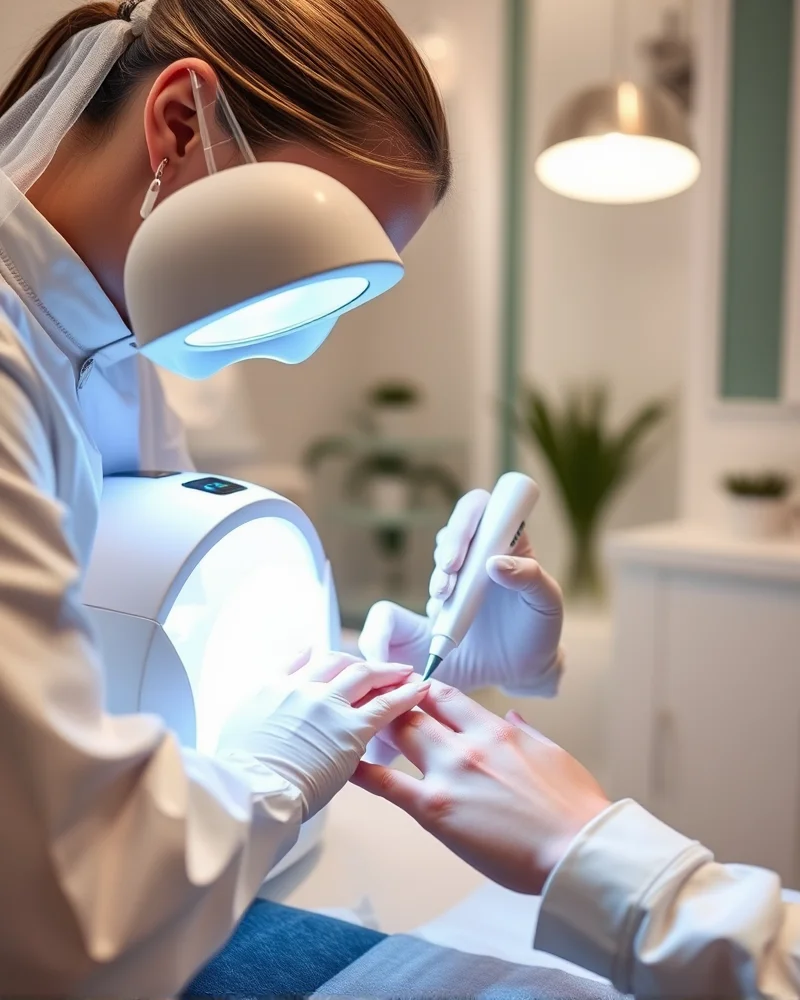
Mastering bio-adaptive gels requires a shift in traditional application protocols. Because these formulas rely on precise molecular responsiveness, salon professionals must prioritize chemical stability from the first contact with the nail plate. Follow this technical workflow to ensure the longevity and color accuracy of your client’s manicure.
- Surface Preparation and Dehydration: Begin by removing all lipids from the nail plate using a medical-grade dehydrator. Bio-adaptive polymers are hypersensitive to residual oils, which can cause uneven pigment distribution.
- pH-Balancing Primer Application: Apply a dedicated pH-balancing primer. This step is non-negotiable as it stabilizes the surface acidity, ensuring the adaptive polymers activate within the desired range rather than reacting prematurely to the natural acidity of the nail bed.
- Controlled Curing Intervals: Use a calibrated LED lamp set to the exact wavelength specified by the manufacturer. Over-curing can cause cross-linking in the polymer chains, which effectively locks the color and prevents the polish from shifting. Stick strictly to the recommended 30 to 60-second cure times per layer.
- Sealing and Encapsulation: Apply a high-clarity, non-yellowing topcoat to seal the adaptive layer. Ensure you cap the free edge completely to prevent environmental contaminants from altering the local pH on the surface of the polish.
- Pro-Tip for Consistency: Always perform a patch test on a color wheel before client application. This allows you to calibrate your lamp output and confirm that the pigment transition occurs correctly within the specified ambient temperature and pH conditions. Avoid aggressive buffing of the surface post-application, as this disrupts the integrity of the polymer matrix.
Frequently Asked Questions (AEO Optimized)
Frequently Asked Questions
- How long do bio-adaptive gels last?
- When applied professionally using our 2027 protocol, bio-adaptive gels typically maintain their integrity for 14 to 21 days. The longevity depends on your personal nail growth rate and how often your body chemistry triggers the pH color shift.
- Are they safe for the nail bed?
- Yes. Our formulas are strictly non-toxic and contain restorative keratin peptides. Unlike traditional acrylics, these polymers are breathable and adjust to your skin surface to prevent dehydration of the nail plate.
- Can I use regular topcoats over them?
- We advise against using standard topcoats. Regular polishes create a physical barrier that restricts the ionic exchange necessary for the pH-responsive pigments to function. Always use a clear, bio-adaptive reactive topcoat to ensure the color transition remains vivid and seamless.
- Why does my color change faster than others?
- Color shifts are dictated by your unique dermal pH levels. If you are highly active, consume acidic foods, or have specific hormonal fluctuations, your skin surface pH will change more frequently. This causes the polish to cycle through its color spectrum more rapidly than it would on a person with a more static body chemistry.
Pro-Tip: To keep your manicure looking fresh for the full three weeks, apply a hydrating cuticle oil twice daily. Healthy, hydrated nails provide a stable foundation for the reactive polymers to perform at their peak.
As we look toward the trajectory of 2027 and beyond, the bio-adaptive manicure represents more than a trend; it is the integration of biotechnology into our daily beauty rituals. By harnessing the unique variables of your nail bed micro-environment, you are not merely wearing a color—you are wearing a reflection of your body’s internal state. At Nailosmetic, we remain committed to pioneering these advancements, ensuring that every gel manicure remains as dynamic, resilient, and sophisticated as the individual wearing it. Embrace the shift.