Sustainable Tech-Couture: How to Style 3D-Printed Accessories for 2027

As we pivot into 2026, the intersection of high fashion and additive manufacturing has birthed a new aesthetic: Sustainable Tech-Couture. No longer confined to avant-garde runways, 3D-printed adornments have become the cornerstone of a conscious, luxury wardrobe. At [Nailosmetic](https://nailosmetic.com/), we believe that the future of accessorizing isn’t just about what you wear—it’s about the ethical lifecycle of every piece. We are witnessing a monumental shift where complex geometries meet circularity, allowing the modern fashionista to balance intricate design with environmental stewardship. From bio-resin cuffs to architecturally inspired nylon silhouettes, the tools of 2027 demand a sophisticated approach to styling. This guide explores how to integrate these high-tech marvels into your daily rotation, ensuring you remain at the vanguard of innovation while honoring the planet. Welcome to the era of intelligent ornamentation, where every layer printed is a step toward a more sustainable, stylish tomorrow.
The Evolution of 3D-Printed Jewelry: From Concept to Closet
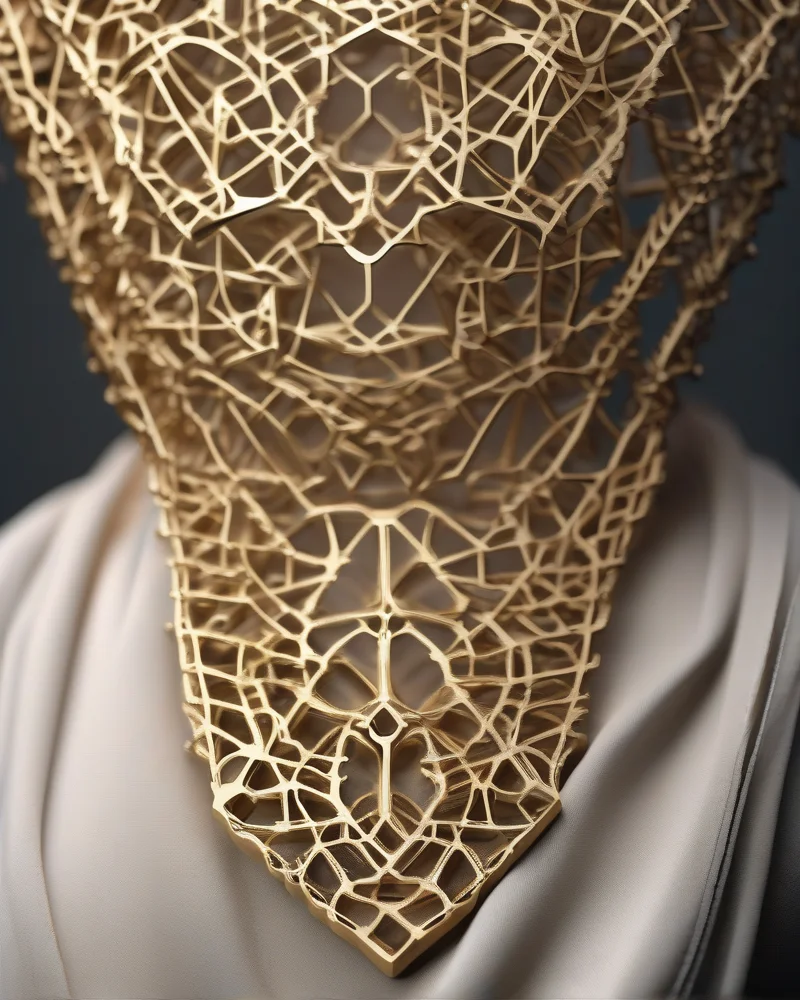
Not long ago, 3D printing was strictly the domain of industrial labs and rapid prototyping. Engineers used the technology to test mechanical fits rather than aesthetics. Today, the narrative has shifted completely. We have moved from clunky, monochromatic plastic forms to intricate, wearable art that rivals the finest traditional goldsmithing. By 2027, additive manufacturing has become the gold standard for high fashion, allowing designers to bypass the inefficiency of casting and soldering. Instead of carving away excess material, which creates significant waste, 3D printing builds objects layer by layer using only the exact amount of resin or recycled metal required. This precision means that intricate geometries, such as interlocking chainmail or lattice structures that look like organic webbing, are finally possible. The most significant shift is the rise of mass customization. Where traditional retail forces you to choose from a standardized inventory, 3D printing allows for personalized dimensions and bespoke engravings delivered on demand. Whether you are adjusting the weight of a cuff to fit your wrist perfectly or selecting a lattice density that matches your personal style, the tech ensures that each piece is made specifically for the wearer. This approach eliminates the need for massive inventory stockpiles and reduces the environmental footprint that typically plagues the jewelry industry. As we look toward the future of your accessory collection, the ability to merge mathematical precision with fluid, couture design is what makes these pieces essential staples for the modern, conscious wardrobe.
Material Science: Why Nylon 12 and Bioplastics Are the Future
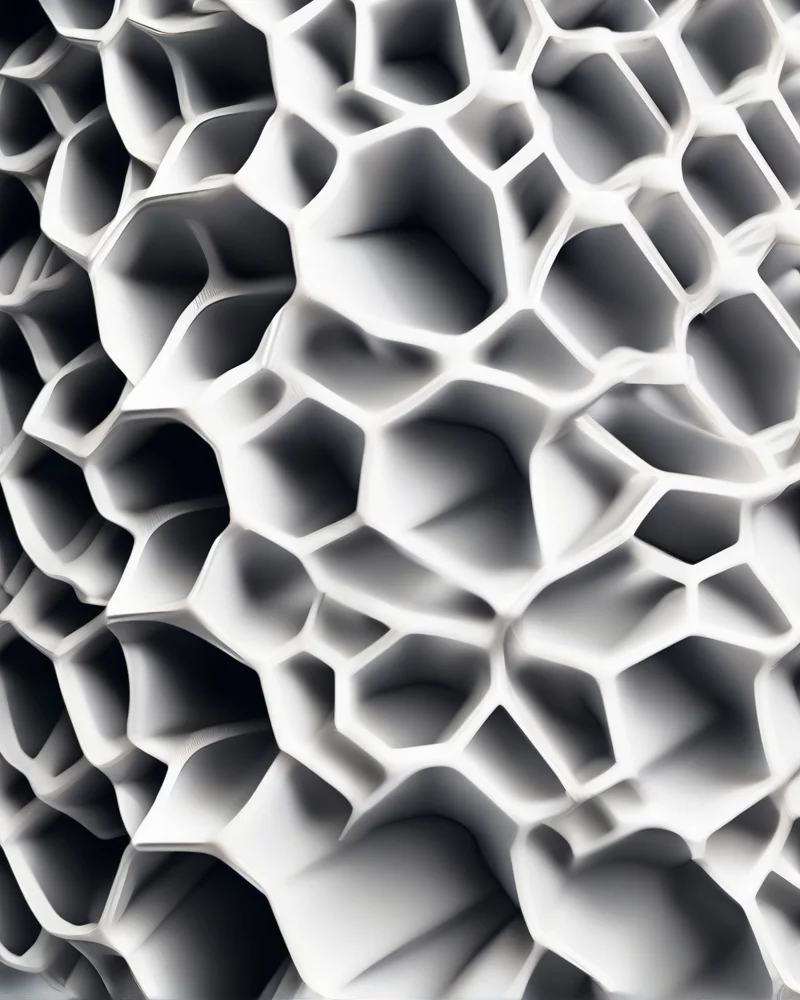
The shift toward 3D printed luxury rests entirely on the sophisticated molecular composition of our raw materials. By 2027, the industry has moved beyond fragile prototypes to embrace substances that offer structural integrity and tactile elegance. Here is why specific polymers are redefining high-end fashion.
- Nylon 12: The New Standard for Durability: This synthetic polyamide serves as the backbone of modern tech couture. Unlike traditional sterling silver or brass, which are prone to tarnishing and heavy wear, Nylon 12 offers a lightweight, high impact resistance. It mimics the supple feel of matte silk when processed with refined surface treatments. Designers now leverage its porous nature to infuse custom scents or antimicrobial coatings directly into the accessory structure.
- The Luxury feel of Polymers: Consumers often equate weight with quality, but 2027 design prioritizes precision over mass. Nylon 12 allows for intricate, lattice-style geometries that are impossible to cast using traditional methods. The result is a piece that feels substantial on the skin but sits weightlessly, providing comfort for all-day wear without the skin discoloration common with metallic alloys.
- Circular Fashion with Bioplastics: The rise of PHA and PLA based bioplastics marks a major turning point for the environment. These materials are derived from renewable biomass and are fully compostable under industrial conditions. In our circular economy, brands now offer trade-in programs where legacy pieces are broken down and re-polymerized into new collections. This eliminates the guilt associated with trend-driven consumption, allowing you to cycle through seasonal aesthetics while maintaining a zero-waste wardrobe.
- Pro-Tip for Collectors: When purchasing 3D printed goods, check for the SLS (Selective Laser Sintering) stamp. This production method ensures the highest density and smoothest finish for Nylon 12, distinguishing authentic designer goods from low-grade home prints.
Visualizing the Tech-Couture Aesthetic

The visual language of 2027 tech-couture relies on geometry that defies traditional manufacturing limits. By moving beyond the mold and cast methods of the past, designers now craft pieces featuring impossible geometries that appear as if they were grown rather than built. You will notice a recurring theme of intricate lattice structures that shift in density depending on the viewing angle. These biomimetic frameworks create a sense of depth and fluidity that feels alive against the skin. Think of delicate, interconnected filaments that form exoskeleton-like cuffs or jewelry pieces with internal voids that would be physically impossible to carve by hand. Because these structures are generated through algorithmic design, they exhibit a mathematical precision that radiates a premium, futuristic aura. To style these pieces effectively, focus on the contrast between the rigid, complex patterns of the accessory and the organic softness of your clothing fabrics. A 3D-printed collar with a Voronoi-inspired lattice looks best when paired with silk or matte linen, as this juxtaposition highlights the architectural nature of the tech-couture. Pro-tip: choose pieces with a gradient density pattern to achieve a soft transition between the solid elements of the accessory and the empty space, which helps the piece integrate more naturally with your silhouette rather than sitting heavily on top of your outfit.
Styling Modular Accessories for Daily Versatility
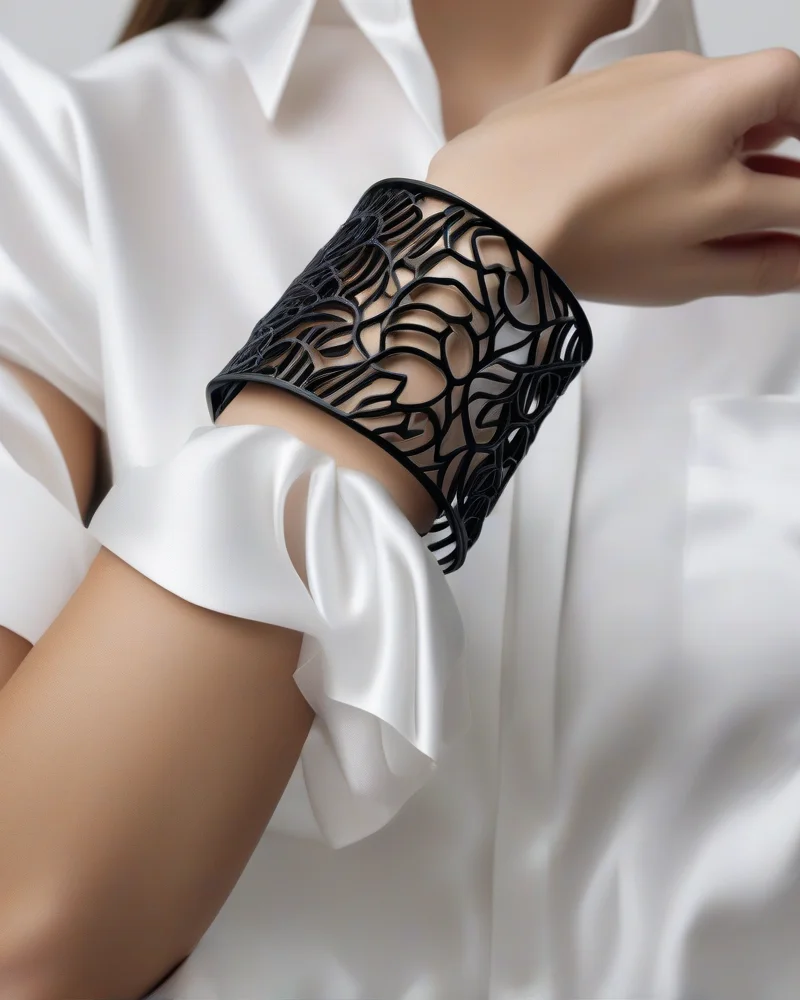
In 2027, modularity defines the truly sophisticated wardrobe. The genius of 3D-printed accessories lies in their ability to shift form, allowing a single piece to function as both a bold statement necklace and a series of minimalist hair clips. To master this versatility, focus on magnetic snap-fit components that allow for quick adjustments between your morning commute and evening engagements. When integrating these geometric, high-tech forms into your ensemble, the secret is to pair them with soft, organic fabrics like silk or high-quality organic cotton. This juxtaposition prevents your outfit from looking like a costume and instead establishes a grounded, human-centric aesthetic.
For a balanced daily look, keep your base layers neutral. A classic trench coat or a tailored blazer provides the perfect canvas for architectural, modular cuffs that can be resized to fit over sleeves or worn directly on the wrist. If you are experimenting with these pieces for the first time, look to our spring outfit style guide for inspiration on how to anchor futuristic hardware with seasonal staples. Start by selecting one modular centerpiece, such as a lattice-work collar, and strip back other jewelry to let the tech-couture take center stage. Remember that durability is a benefit of modern bioplastics, so do not be afraid to reconfigure your pieces frequently. By treating your accessories as interactive components rather than static objects, you maximize the utility of your collection while maintaining a refined, modern silhouette that feels both experimental and entirely wearable for the urban lifestyle.
Carbon-Neutral Styling: The New Standard for Luxury
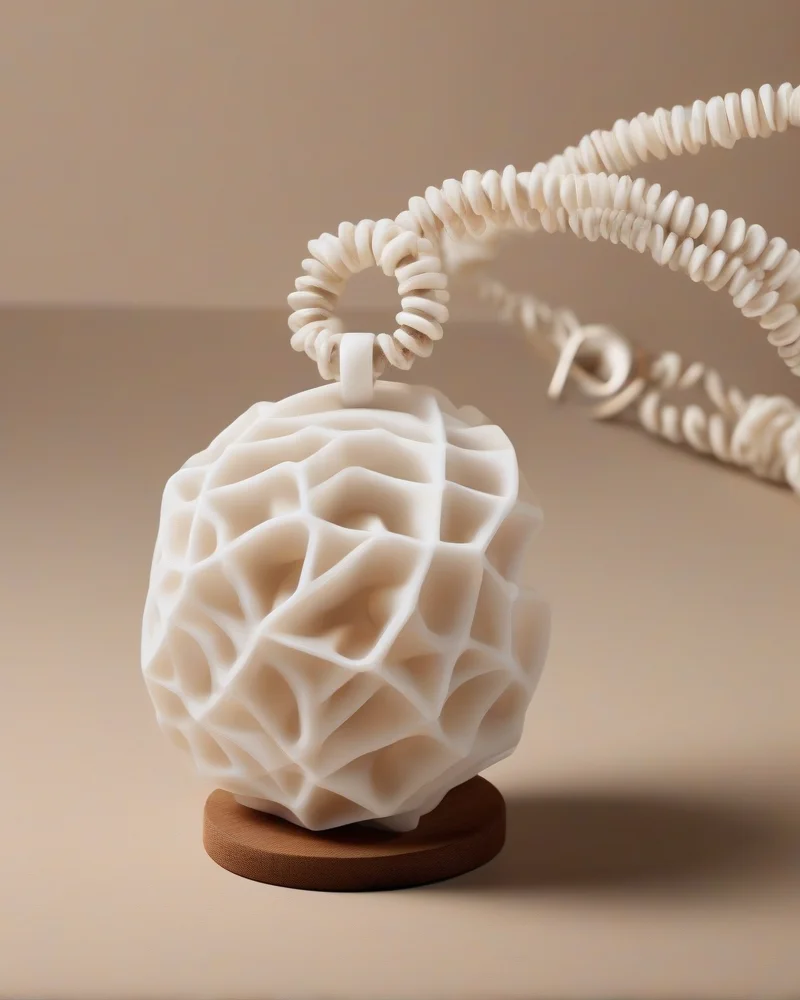
The process is simple: digital files are sent to local production hubs where items are printed only after a customer places an order. This zero-inventory model ensures that no materials are wasted and no carbon is burned to transport goods across oceans. Here is how you can identify pieces that meet this high standard for your collection:
- Confirm the production radius: Look for items manufactured within a 500-mile range of your location to keep transportation emissions near zero.
- Prioritize on-demand labels: Ensure the brand does not hold massive backstock of plastic jewelry.
- Check the material origin: Choose designers who utilize locally sourced recycled filaments or plant-based bioplastics.
Pro-tip: Focus on designers who provide a footprint certificate with each purchase. This transparency proves the accessory was printed locally on-demand, transforming your wardrobe into a functional statement of environmental responsibility. When luxury is local, the environmental impact drops, leaving you with a high-end product that feels as good as it looks.
The Art of Curating Your Zero-Waste Collection
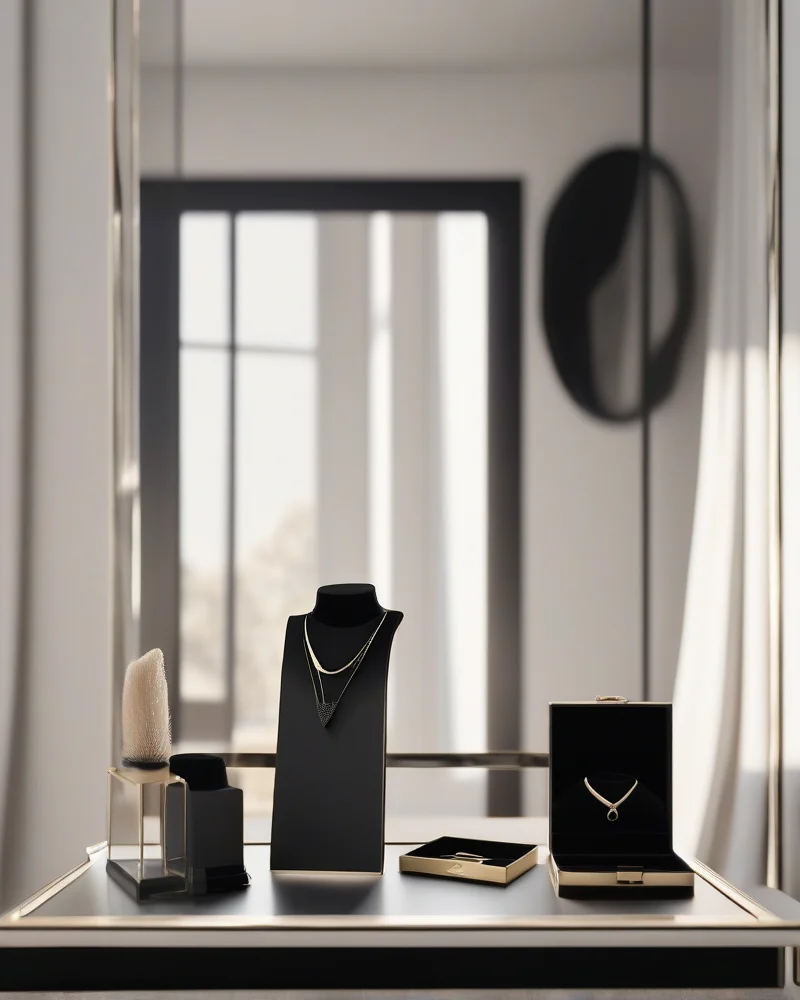
| Strategy Pillar | The Philosophy of Less but Better | Why Additive Manufacturing Wins |
|---|---|---|
| Intentional Curation | Build your collection around modular statement pieces rather than fast fashion fads. | 3D printing allows for precise, geometric integrity that traditional casting often lacks. |
| Longevity Focus | Invest in pieces that retain their structural form through extreme wear. | Polymers like Nylon 12 resist heat and chemical degradation, ensuring your jewelry stays pristine for years. |
| Zero Waste Ethics | Only purchase on demand to ensure every gram of material serves a aesthetic purpose. | Additive manufacturing deposits material only where needed, leaving virtually zero physical scraps behind. |
| Adaptive Utility | Select accessories that transition from daytime minimalism to evening architectural drama. | High quality prints allow for interlocking mechanisms that do not wear down or lose their tension over time. |
Building a collection in 2027 requires a shift in mindset. Instead of chasing trends, you must look for items that define your personal architectural silhouette. The philosophy of less but better centers on the idea that your wardrobe should be a curated museum of high quality objects. When you choose 3D printed accessories, you are selecting items engineered for permanent utility. Unlike mass produced accessories that chip or tarnish, premium additive manufacturing items utilize advanced molecular bonding that withstands the rigors of a busy life. Pro tip: start by selecting one signature sculptural collar or a pair of intricate earrings that feature internal lattice structures. These pieces serve as the anchor for your entire zero waste aesthetic. By prioritizing these durable, high resolution designs, you avoid the clutter of cheap plastic jewelry and instead cultivate a refined, sustainable archive that grows with your personal style. Each piece you add should hold a specific place in your rotation, ensuring your collection remains lean, purposeful, and profoundly elegant.
FAQ: Everything You Need to Know About Tech-Couture
FAQ: Everything You Need to Know About Tech-Couture
Are 3D-printed items durable?
Modern tech-couture relies on industrial-grade materials like Nylon 12 and flexible TPU. These polymers are engineered to withstand significant stress, heat, and moisture. Unlike traditional costume jewelry that often snaps or discolors, 3D-printed pieces are printed as single, structural units with no weak solder points. Pro-tip: Treat your pieces like fine hardware. While they are resilient, avoid storing them in direct, high-intensity sunlight for extended periods to maintain material integrity over time.
How do I clean my 3D-printed jewelry?
Maintenance is surprisingly simple. Because these materials are non-porous, they do not absorb oils or perfumes. Use a soft, lint-free microfiber cloth dampened with lukewarm water and a drop of mild, pH-neutral soap. Gently wipe the surface to remove dust or residue. Avoid ultrasonic jewelry cleaners or harsh chemical solvents, as these can soften the polymer matrix. If your piece features a matte finish, a light dusting with a soft-bristled makeup brush is often all you need to keep it pristine.
Is it truly sustainable?
Tech-couture represents a significant leap toward a circular fashion economy. Sustainability is achieved through three specific pillars:
- Zero-Waste Manufacturing: Traditional jewelry involves casting and carving that creates massive material waste. 3D printing uses only the exact amount of filament required for the object.
- On-Demand Production: Items are created only when ordered, which eliminates deadstock and excess inventory.
- Material Lifecycle: Many 3D-printed luxury pieces are crafted from bio-based filaments or infinitely recyclable nylons, ensuring the product can eventually be reprocessed rather than sent to a landfill.
Caring for Your Additive Manufactured Pieces
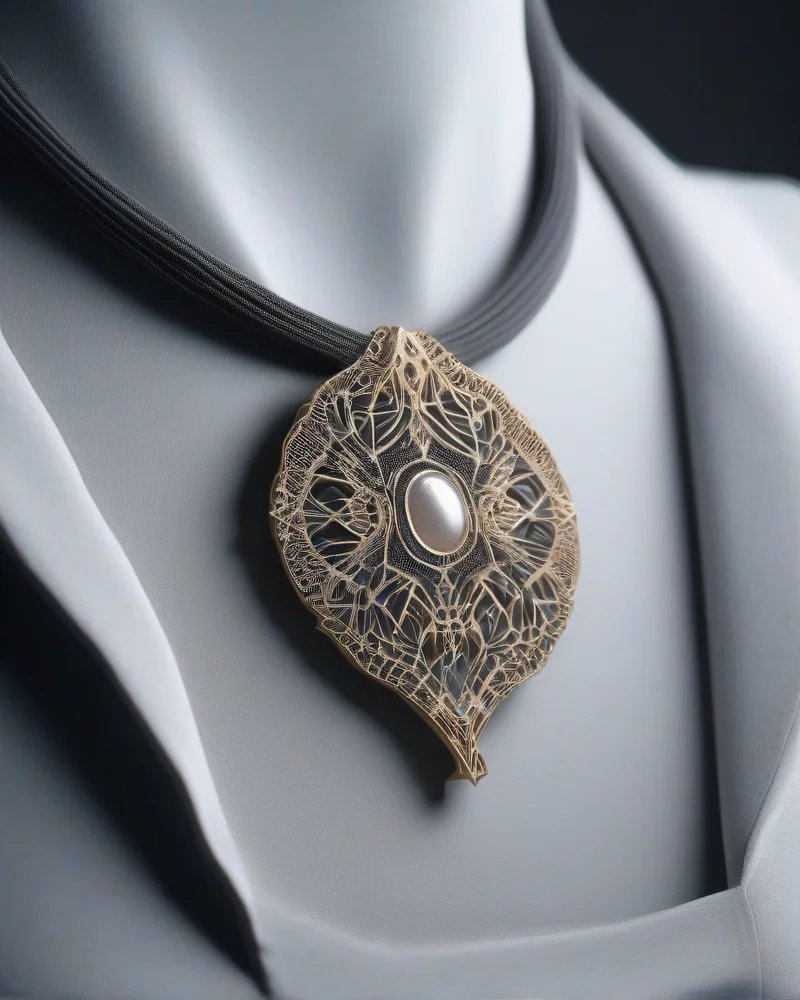
True luxury in 2027 is defined by longevity. High-performance polymers like reinforced Nylon 12 and advanced bioplastics are engineered for durability, but they require intentional maintenance to retain their structural integrity and finish over time. By moving away from disposable trends, you ensure your 3D printed collection remains a permanent fixture in your wardrobe.
- Temperature Control: Store your pieces away from direct sunlight and high heat sources such as radiators or humidifiers. Excessive heat can cause micro-warping in complex geometries. Keep these accessories in a cool, dark drawer or a dedicated velvet-lined tech case to prevent UV degradation.
- Gentle Cleaning Protocols: Never use ultrasonic cleaners or harsh chemical solvents on additive manufactured jewelry. Instead, use a soft, microfiber cloth slightly dampened with lukewarm water and a drop of pH-neutral soap. Gently dab the surface to remove oils or skin salts, then air dry completely before wearing.
- Chemical Avoidance: Polymers can be porous at a microscopic level. Apply your perfumes, hairsprays, and lotions at least ten minutes before putting on your accessories. Direct contact with alcohol based products can lead to surface clouding or brittleness over the years.
- Inspection for Stress Points: Once a quarter, inspect your modular components for signs of mechanical fatigue. If you notice a hairline fracture near a connector or clasp, do not discard the item. Most high-end designers now offer thermal re-fusing services or replacement modular segments to restore the piece to its original state.
- Resurfacing Aesthetics: If your matte finish begins to look dull due to friction, use a fine-grit professional buffing pad specifically designed for technical polymers. A light, circular motion will restore the uniform texture and restore the piece to its factory-fresh appearance.
As we embrace the promise of 2027, Sustainable Tech-Couture stands as the definitive answer to the fashion industry’s search for balance. By integrating 3D-printed accessories into your wardrobe, you are not merely keeping pace with trends; you are actively participating in a circular economy that prioritizes design, longevity, and planetary health. Whether you choose the structural elegance of Nylon 12 or the experimental potential of plant-based bioplastics, the key is intentionality. Nailosmetic invites you to view your accessories as investments in a future where luxury is defined by innovation and responsibility. Start your collection today, layer your textures, and wear the revolution.