7 Viral Reasons Why Mushroom Brown Hair Is The Ultimate Fall Upgrade

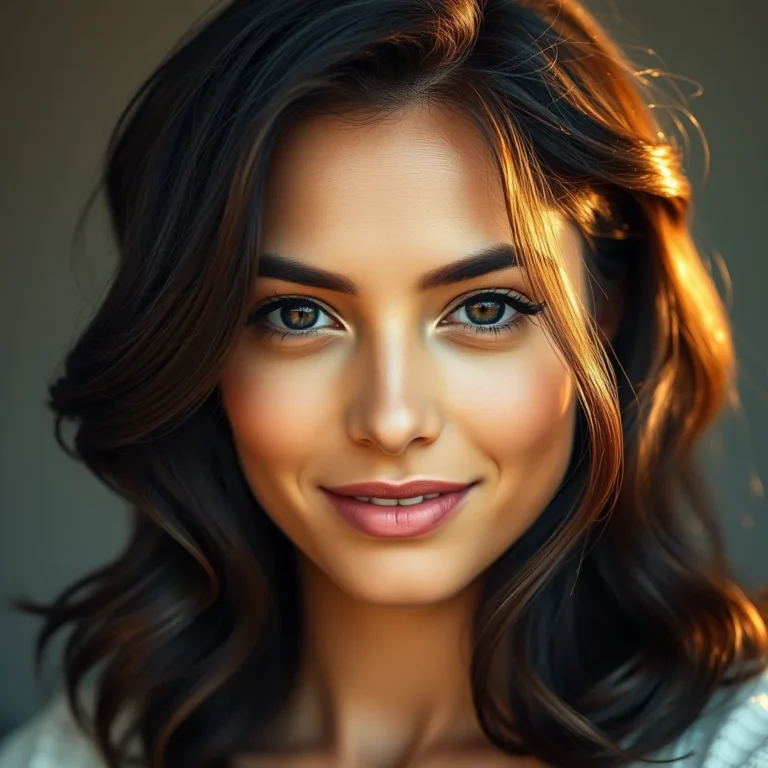
If you have been scrolling through social media lately, you have undoubtedly noticed a shift in the hair color zeitgeist. Gone are the days of overly warm, honey-blond highlights and flat, monochromatic chocolate brown hues. In their place stands the sophisticated, cool-toned phenomenon known as mushroom brown hair. This color palette mimics the earthy, muted tones of forest fungi, blending soft ash-browns, cool greys, and taupe highlights to create a multidimensional look that feels both natural and incredibly high-fashion. It is the perfect bridge for those who are tired of high-maintenance brassy shades and are looking for something that feels grounded yet editorial.
This color is more than just a passing trend; it is a lifestyle change for anyone who values a “cool girl” aesthetic that demands minimal daily upkeep while still looking like you just stepped out of a high-end salon. As you explore how to customize this look for your own skin tone and texture, you may want to consult our comprehensive hairstyles for women ultimate guide to see how this color complements various cuts and layers. Whether you are aiming for a subtle transition or a bold revamp, mushroom brown hair provides the perfect canvas for healthy, vibrant-looking locks that shine with a sophisticated, matte-metallic glow.
What Exactly Is Mushroom Brown Hair?
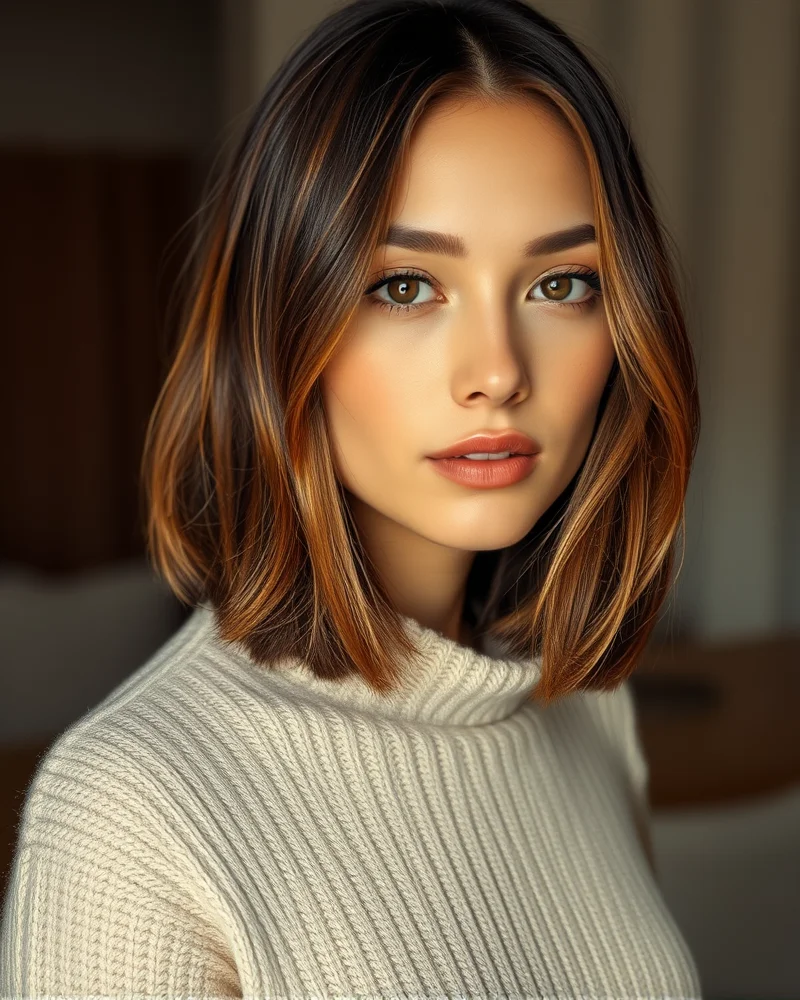
At its core, mushroom brown hair is a cool-toned, multidimensional brunette that avoids the warmth typically associated with traditional brown shades. According to experts at Allure, this look relies heavily on creating a balance between dark, earthy bases and lighter, taupe-colored ribbons of color. The result is a sophisticated mix of colors that feels very close to nature. Unlike golden or copper brunettes, mushroom brown leans into ash and slate undertones, making it a stellar choice for individuals who struggle with unwanted brassiness. It is essentially an ash-based neutral that brings out a metallic, fungi-inspired luster across the hair, making it look incredibly expensive and understated simultaneously.
Why Is This Shade Perfect for Minimalists?
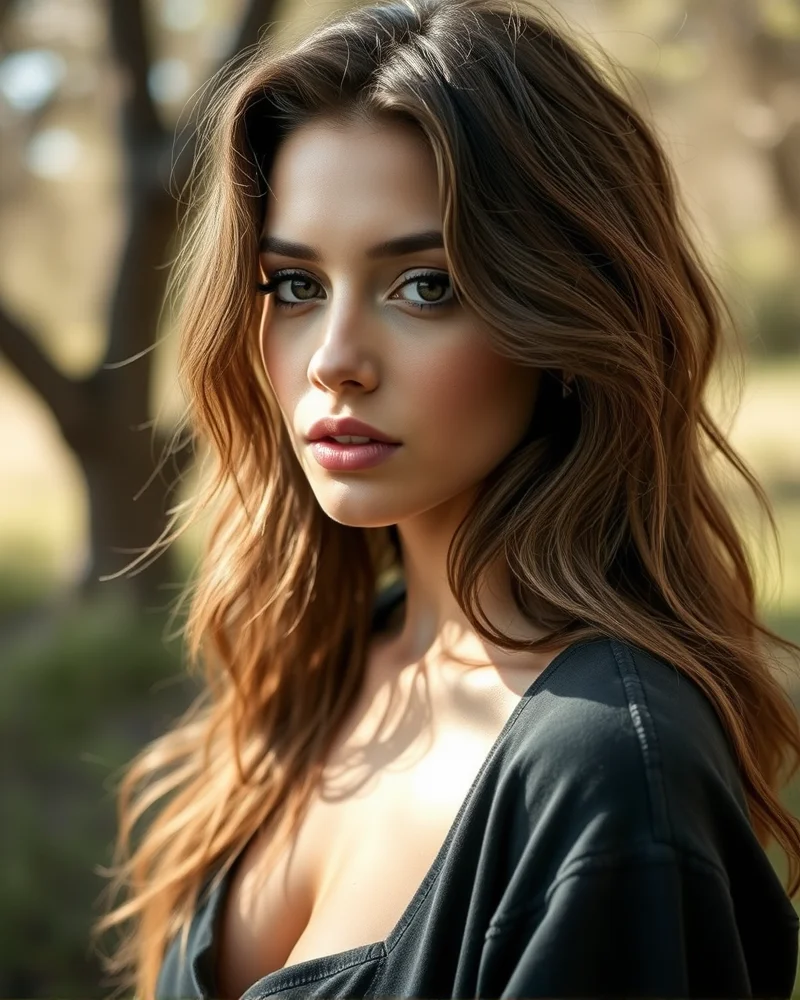
Minimalists often struggle with hair trends that require a trip to the salon every four weeks. Mushroom brown hair, however, is a low-maintenance dream. Because the color is designed to mimic natural, earthy transitions, the grow-out process is seamless and forgiving. By opting for a root-shadow technique, you can ensure that your natural regrowth blends perfectly with the ash-tinted highlights. For those who want more volume and depth, utilizing bio-synthetic fusion extensions can provide that extra boost of thickness while maintaining the integrity of the color. This trend is less about perfection and more about an organic, lived-in feel that looks better as it ages.
Can Anyone Pull Off Mushroom Brown Hair?
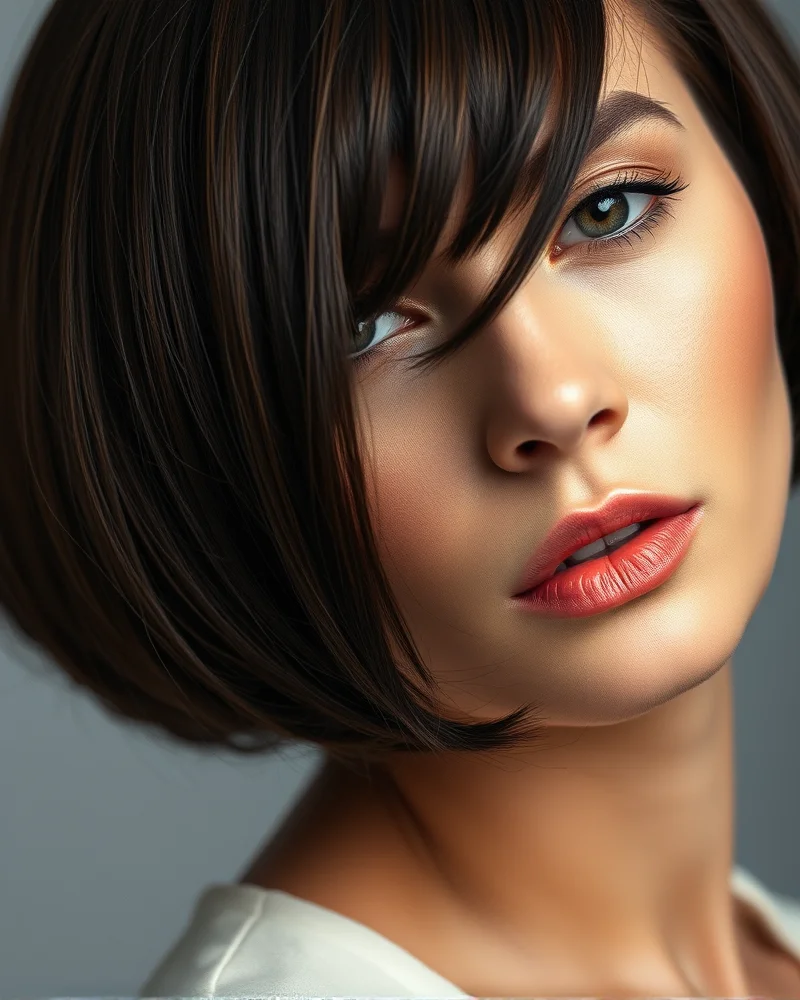
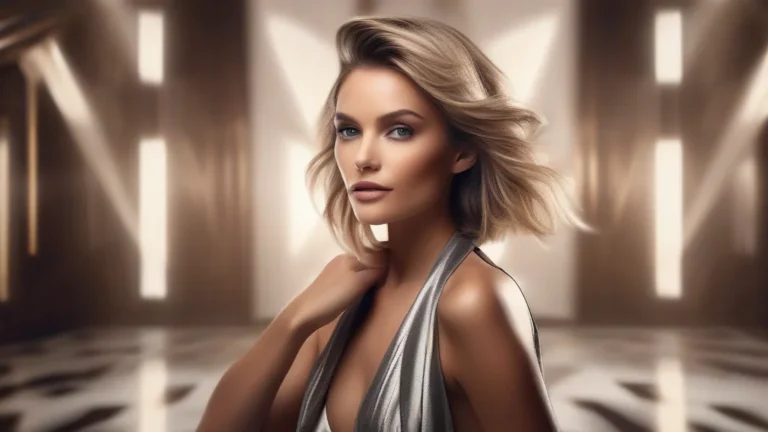
One of the most frequently asked questions regarding this color is its versatility. While cool tones are traditionally associated with those who have blue or pink undertones in their skin, hair colorists are becoming masters at customizing this look. As noted by Byrdie, by adjusting the ratio of grey-to-brown, even those with slightly warmer skin can embrace the trend. The key is in the tone adjustment—too much ash can wash out a person with deep yellow undertones, so it is vital to keep a tiny hint of neutral depth. When combined with the right haircut, such as a blunt bob or long, shaggy layers, this color provides a structured, modern look that elevates any wardrobe.
The Viral Mushroom Brown Ombré
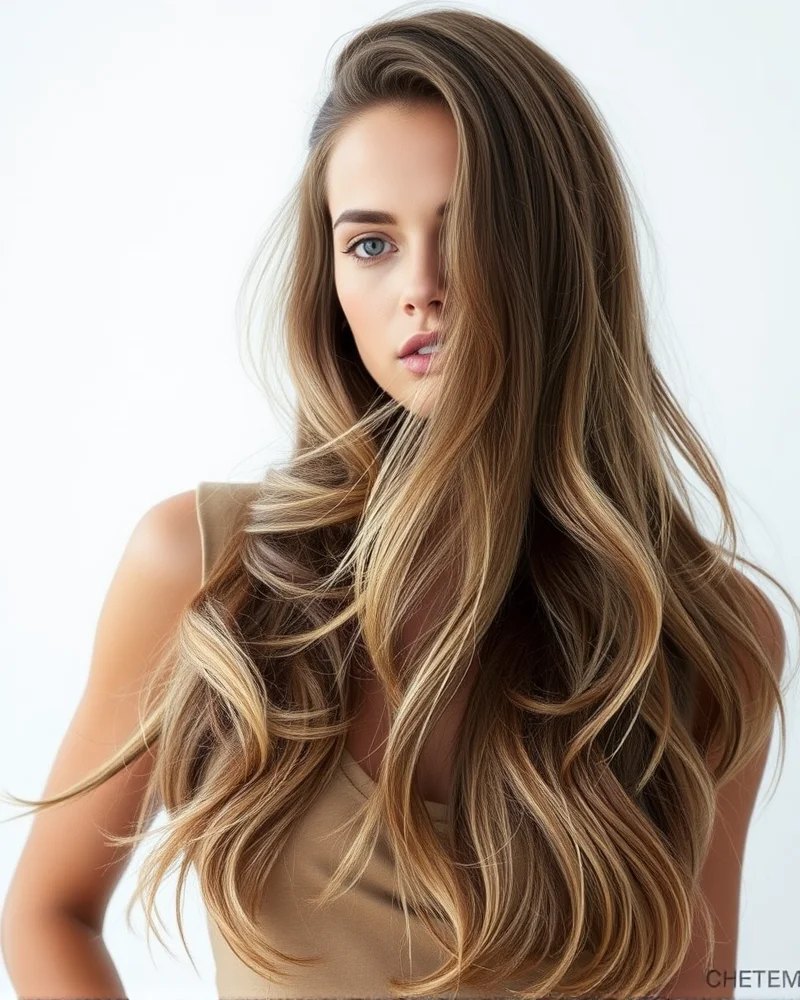
If you want to make a statement, the ombré variation of this trend is the ultimate way to go. By melting a deep, forest-floor brown into a lighter, taupe-blonde, you create a gradient that feels artistic and intentional. This style works exceptionally well with bio-synthetic hybrid hair extensions, which help maintain that gradient color consistency while adding length to the lighter ends. Keeping the transition smooth is the secret to this look; any harsh lines will detract from the soft, fungal-inspired aesthetic that defines this trend. It is the perfect balance for those who want to play with lighter shades without committing to a full blonde overhaul.
How to Keep Your Color Fresh?
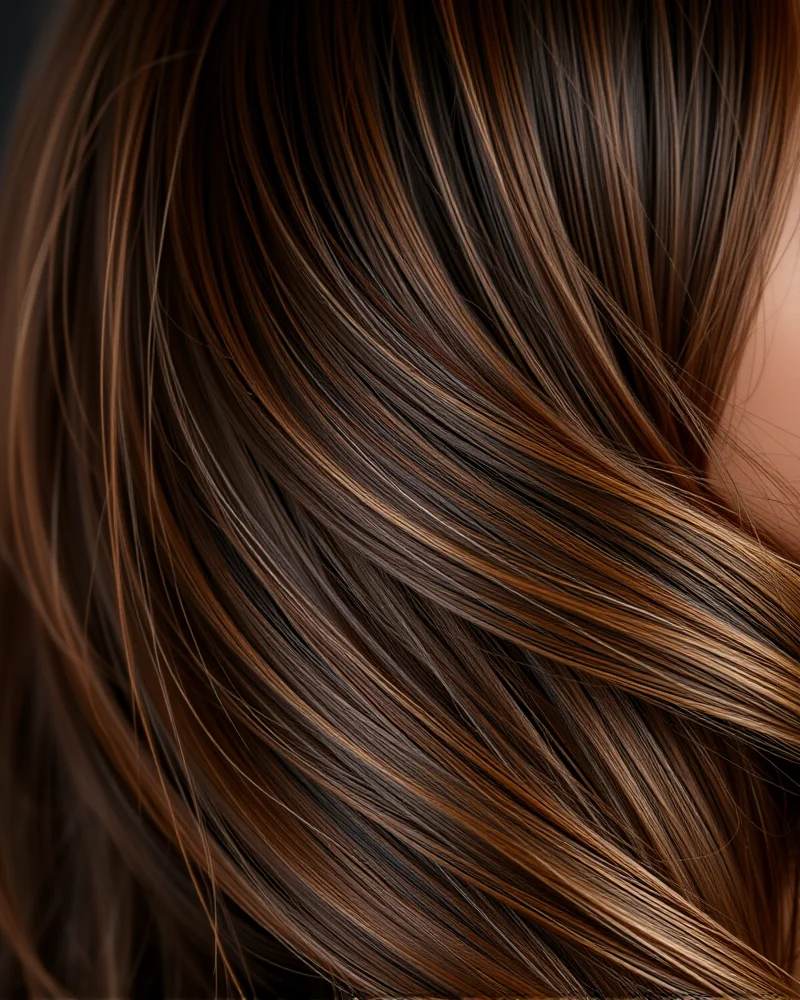
Maintaining the integrity of a cool-toned color is notoriously difficult, as the hair naturally tends to pull warm over time. To preserve that iconic mushroom aesthetic, you must invest in high-quality purple or blue-toned shampoos, as recommended by Vogue. These neutralize unwanted warmth and keep the ash-brown tones crisp and cool. Furthermore, regular gloss treatments at the salon every six weeks will ensure that the color doesn’t go dull. Because mushroom brown relies on its signature metallic shine to look its best, hydration is non-negotiable. Use deep conditioning masks weekly to keep your locks reflective and smooth, preventing the color from appearing dry or matte.
The Rise of Mushroom Brown Layers
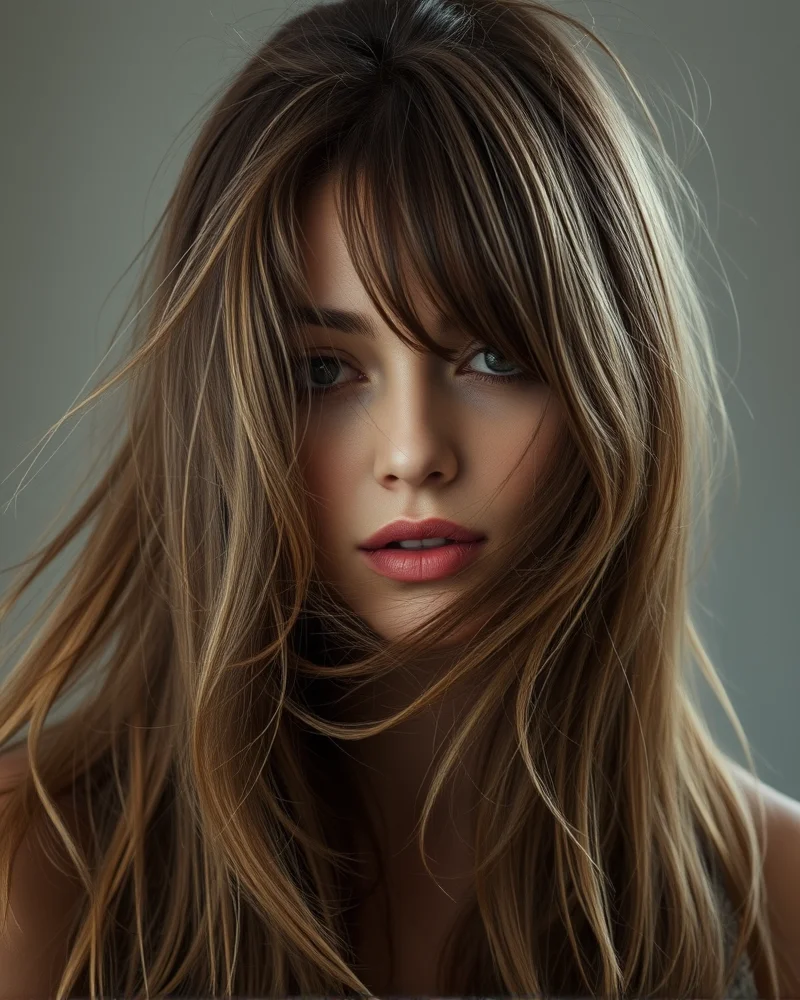
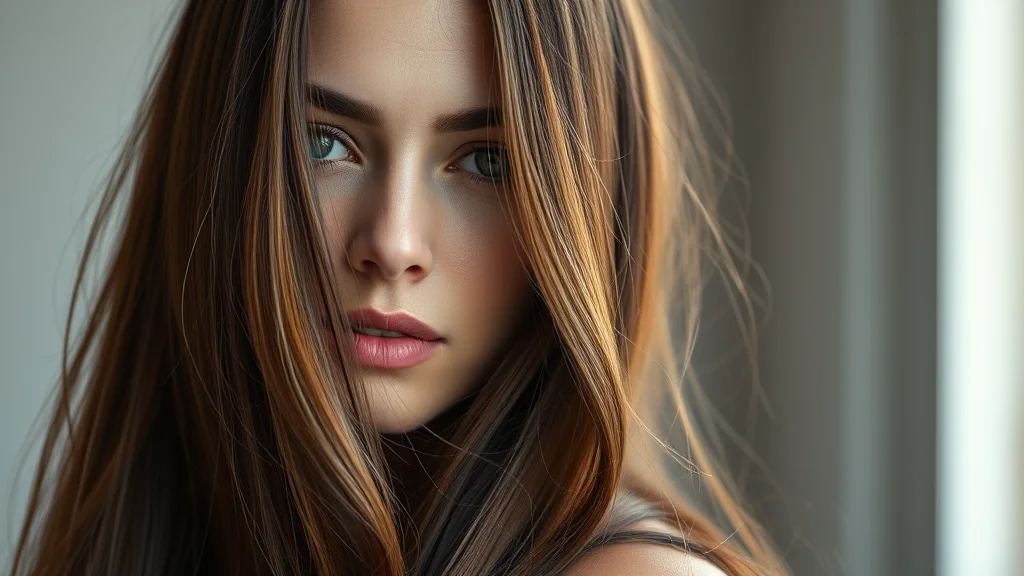
Layers are the best friend of a dimensional color like mushroom brown. Because the trend is defined by its mix of dark and light strands, layers serve to break up the color and allow the varying shades to catch the light from different angles. Whether you opt for curtain bangs or long, face-framing layers, the added texture helps emphasize the cool, earthy palette. This look works particularly well with lived-in, “undone” styling, which is very popular right now. By embracing the natural movement of your hair, you allow the mushroom brown hues to blend and contrast, creating a look that is both sophisticated and perfectly suited for everyday wear.
Is It Just a Seasonal Trend?
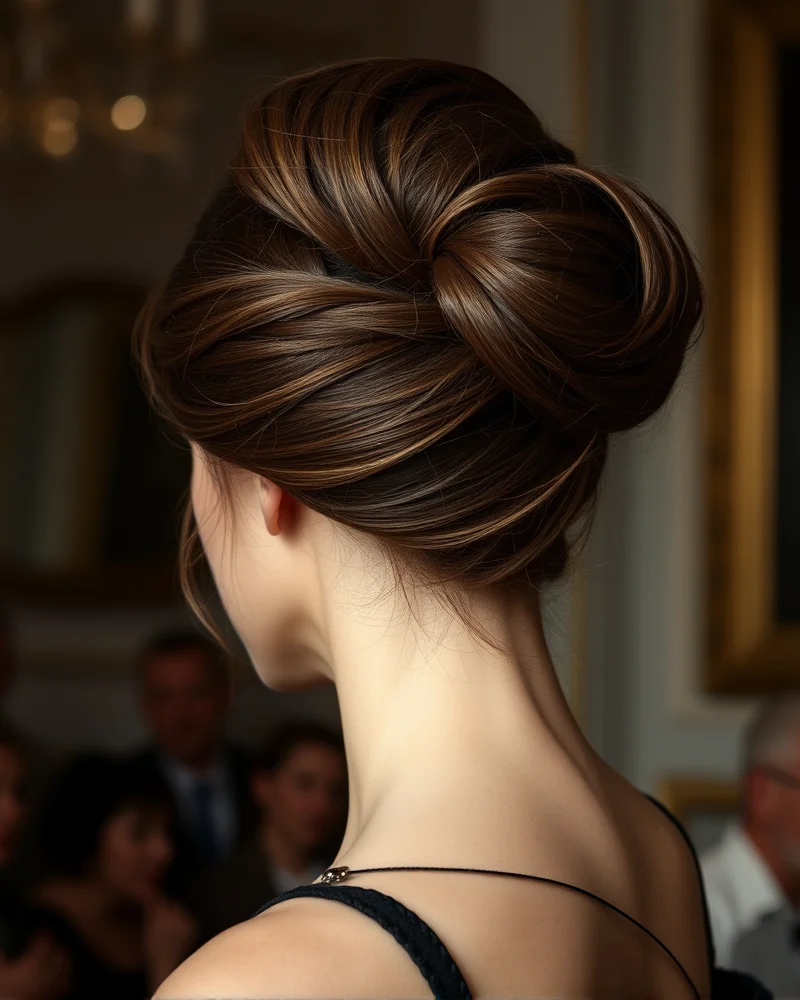
While many call mushroom brown a “fall color,” its neutral and cooling properties make it a year-round contender. Unlike heavy, warm chocolates that can feel stifling in the summer or neon trends that fade quickly, mushroom brown offers a timeless quality. It is a color that transitions effortlessly through all four seasons, looking equally appropriate with a cozy winter sweater or a bright summer sundress. By refusing to conform to the traditional “warm for summer, cool for winter” binary, this trend has secured its place as a permanent staple in the beauty world. Its ability to look both high-fashion and incredibly grounded is what will ensure its relevance for years to come.
Final Thoughts
Mushroom brown hair has rightfully earned its status as a viral sensation because it marries the desire for low-maintenance beauty with a high-fashion, editorial aesthetic. By moving away from brassy, warm brunettes and embracing the sophisticated, cool-toned palette of forest-inspired taupes and ashes, you can achieve a look that feels both grounded and incredibly elevated. Whether you are experimenting with extensions, layers, or an ombré finish, this color is a versatile choice that will undoubtedly stand the test of time. We would love to hear about your experience with this trend—have you tried making the switch to mushroom brown yet? Let us know in the comments below!
Frequently Asked Questions
Mushroom brown is specifically a multidimensional color that incorporates taupe, grey, and earthy brown highlights, whereas ash brown is typically a flatter, single-process cool tone. Mushroom brown aims to mimic the natural color variation found in fungi, creating more depth than standard ash shades.
It depends on your natural hair color. If your hair is very dark, your stylist will likely need to lift your base slightly with lightener to deposit the cool, taupe tones that define the mushroom aesthetic.
To keep the color vibrant and the cool tones from turning brassy, you should aim for a gloss treatment or toner refresh every 6 to 8 weeks. A root touch-up is usually only needed when your natural regrowth becomes noticeable.
Yes, mushroom brown is particularly flattering on pale skin because the cool, ash-toned base complements light skin with pink or blue undertones. It creates a striking, balanced look that doesn’t wash out the complexion.
Achieving the specific, multidimensional depth of mushroom brown is difficult with boxed dyes, as it requires strategic placement of cool highlights and root-shadowing. It is highly recommended to visit a professional colorist to ensure the tone remains neutral and doesn’t turn unwanted shades of grey or muddy brown.