Bio-Adaptive Lighting Trends: Integrating Circadian-Sync Tech into Small Urban Gardens

As we navigate the sophisticated landscape of 2026, the intersection of technology and nature has reached a zenith. For the urban dweller, the garden is no longer just a patch of greenery; it is a meticulously curated sanctuary. At [Nailosmetic](https://nailosmetic.com/), we believe that your personal oasis should be as dynamic as your lifestyle. The integration of bio-adaptive lighting is not merely a design trend; it is a wellness revolution. By syncing your botanical environment with the natural progression of the sun, you can transform a compact balcony or terrace into a restorative, circadian-synced haven. Whether you are cultivating rare flora or minimalist succulents, mastering the interplay of light and biology is the ultimate mark of the modern horticulturalist. Welcome to the future of urban gardening—where your plants and your physiology thrive in perfect, luminous harmony.
The Science of Circadian Rhythm in Botanical Design
At its core, the circadian rhythm is a physical, mental, and behavioral change that follows a twenty-four-hour cycle, acting as an internal clock that governs the biological functions of both humans and plants. For residents in dense urban environments, light acts as the primary timekeeper for these systems. When we design gardens with bio-adaptive lighting, we are not merely illuminating plants for aesthetic appeal. We are modulating the light spectrum to mimic the natural solar trajectory, which is essential for healthy plant photosynthesis and human hormonal regulation.
Plants rely heavily on specific wavelengths to dictate their growth stages. Blue light frequencies stimulate vegetative growth and leaf development, while red light triggers flowering and maturation. Simultaneously, these cycles dictate human wellness. Exposure to cool, blue-rich light during the day suppresses melatonin production to keep us alert, while a shift toward warmer, amber tones in the evening prepares the body for restorative sleep. In a small urban garden, implementing smart, programmable lighting allows you to synchronize your greenery with your own biology.
Pro-tip: Integrate smart controllers that adjust color temperatures based on the time of day. Aim for 5000K to 6500K settings during daylight hours to support photosynthesis and your own daytime focus, then transition to 2700K or lower as the sun sets. This prevents late-night light pollution from disrupting your sleep-wake cycle while ensuring your indoor garden continues to flourish throughout the night. By aligning these light cycles, you transform a simple urban balcony or windowsill into a functional sanctuary that supports physiological balance.
Strategic Integration of Smart LED Garden Lighting
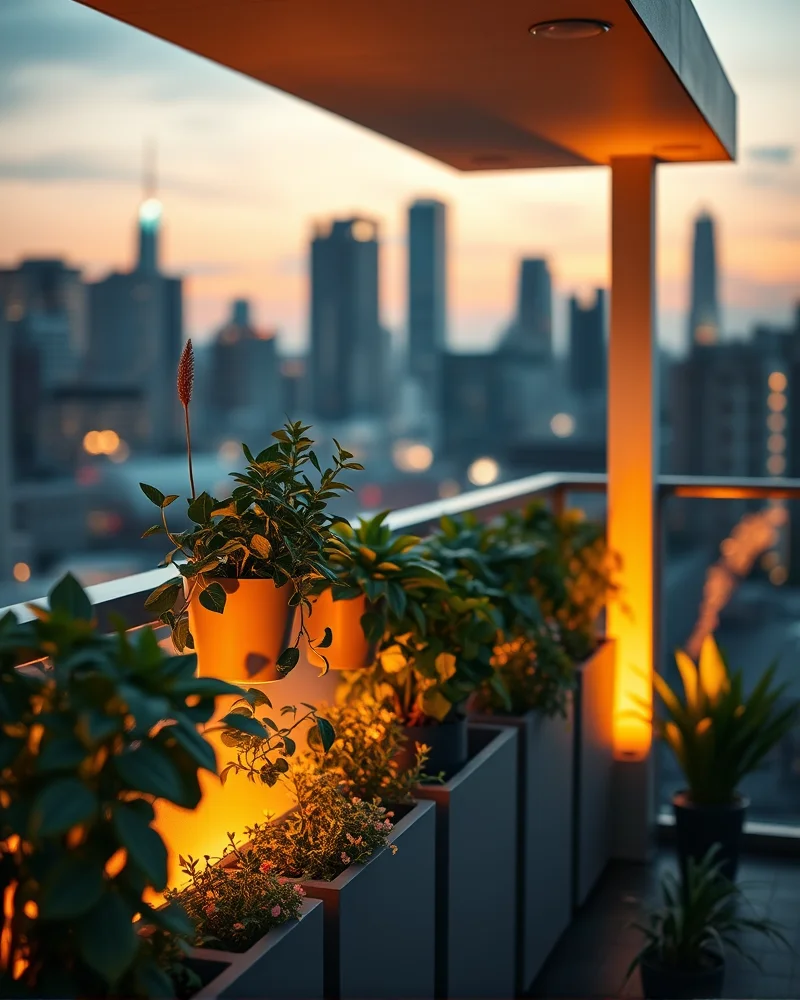
Integrating smart lighting into a compact urban balcony or terrace requires a precise approach to hardware placement and scheduling. Since space is at a premium, your lighting must serve both the biological needs of your plants and the atmospheric needs of your living environment. Follow these strategies to master your garden ecosystem:
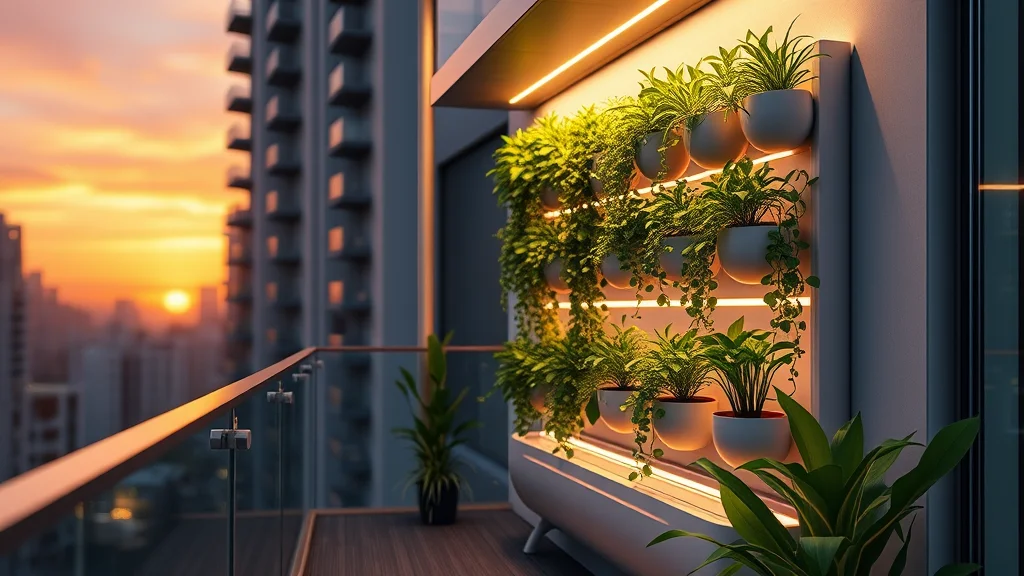
- Layered Positioning: Install narrow beam angle LED spots near the base of vertical planters to highlight foliage textures without creating excessive glare. Use dimmable fixtures that mount directly to railings or wall trellises to save valuable floor space.
- Automated Circadian Shifting: Program your smart hub to align with the natural solar cycle. Start the day with a cool blue white spectrum between 5000K and 6500K to stimulate vegetative growth and chlorophyll production. As the sun sets, transition the system toward a warm amber glow of 2200K to 2700K. This shift signals your own body to wind down while preventing the suppression of melatonin levels.
- Focused Spectrum Management: In small gardens, light bleed into your apartment is common. Use honeycomb louvers or cowls on your LED heads to direct light strictly onto your botanical displays. This prevents unwanted light pollution from entering your living space during the warm amber evening hours.
- Zone Control: Segment your garden into independent zones. Keep your high intensity herb station separate from your ambient ornamental displays. By isolating these circuits, you can maintain optimal photosynthetic output for edible crops while keeping your decorative lighting soft and relaxing for evening relaxation.
Optimizing Hydroponic Wall Planters with Adaptive Photons
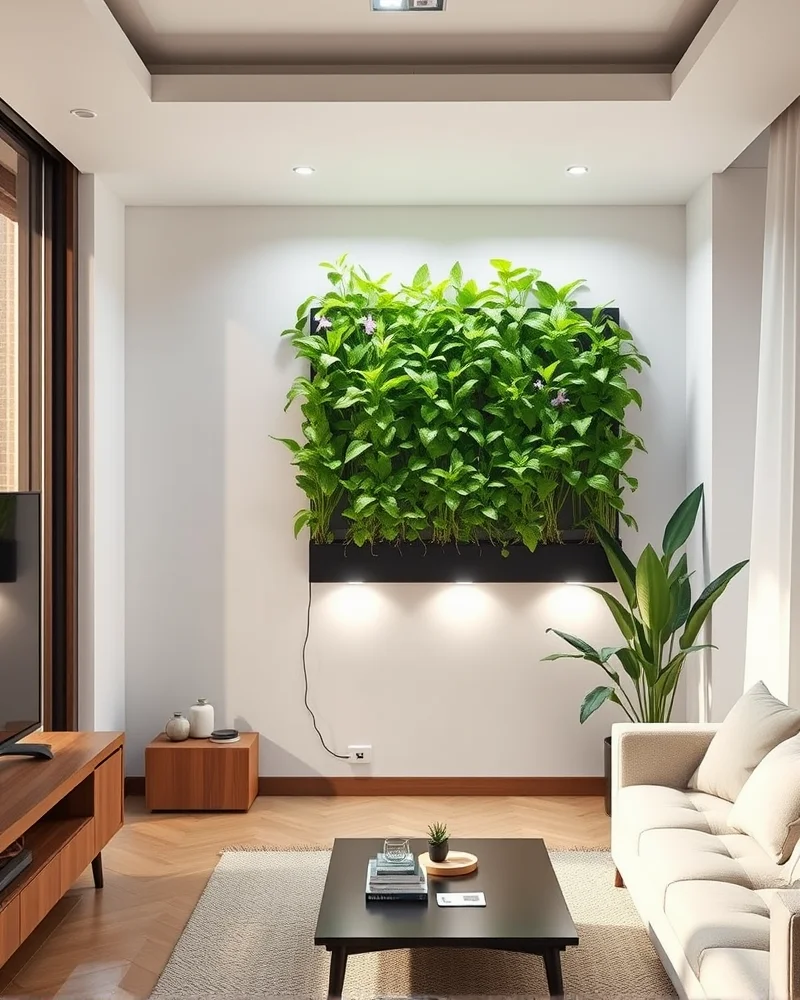
Hydroponic wall planters transform vertical surfaces into living art, but their success hinges on light precision. Unlike traditional soil gardens, vertical systems often face uneven light distribution, making bio-adaptive LEDs essential for uniform growth. By automating your light intensity, you mimic the natural movement of the sun, which encourages robust root development and efficient photosynthesis across every shelf of your planter.
When optimizing your setup, you must balance photon intensity with the specific growth phase of your plants. For leafy greens and microgreens, aim for a lux level between 15,000 and 20,000 for peak vitality. If you are cultivating flowering herbs or fruiting plants, increase the output to 30,000 lux during their peak cycles to support complex sugar production. Smart automation allows you to shift these levels throughout the day, providing a gentle morning ramp-up and a gradual sunset phase that prevents leaf scorch.
Spectral tuning is equally critical for vertical greenery. Because wall planters often reside in low-light indoor corners, your lighting must compensate for the lack of natural ambient radiation. Follow these spectral guidelines to ensure structural integrity and growth:
- Use high blue spectrum ratios (450nm) during the vegetative stage to keep plant stems short and sturdy, which prevents the drooping common in vertical setups.
- Incorporate deep red wavelengths (660nm) as your plants mature to trigger faster biomass accumulation and improved yields.
- Ensure a full spectrum white base to maintain the aesthetic appeal of your living wall, as harsh purple hues can detract from your interior design.
Pro-tip: Install your smart sensors at the exact level of the foliage rather than at the base of the wall. This ensures that your lights adjust based on what the plants actually receive, rather than what reaches the floor, maximizing energy efficiency while promoting consistent vertical growth.
Brand Spotlight: Utilizing Philips Hue Outdoor Ecosystems
| Feature | Application for Urban Gardens |
|---|---|
| Dynamic White Ambiance | Adjusts color temperature to mimic natural solar cycles, supporting plant health and evening ambiance. |
| Zigbee Connectivity | Ensures seamless communication between the bridge and outdoor sensors, eliminating range issues in dense urban layouts. |
| Zone Control | Allows for individual spotlighting of botanical features while maintaining ambient deck lighting. |
The Philips Hue Outdoor ecosystem stands as the industry benchmark for architects seeking to merge sophisticated design with biological necessity. By utilizing the Hue Bridge and Zigbee protocol, homeowners can synchronize their garden lighting with the specific photoperiod requirements of their flora. This technology acts as a bridge between structural aesthetics and plant vitality. When integrated correctly, the system transitions from a functional safety feature to a precision tool that highlights the architecture of your foliage while strictly adhering to natural circadian patterns.
For those looking to refine their broader living spaces, it is essential to consider how these exterior lighting systems complement interior styling. You can find inspiration for this balance in our ultimate guide to home decor ideas, which offers a comprehensive look at connecting indoor and outdoor design languages. Pro-tip: Position your Hue Lily spot lights at the base of architectural plants like Japanese maples or bamboo. Use the Hue app to schedule a warmer, amber glow during the late evening hours. This reduces blue light exposure, which prevents the artificial stimulation of nocturnal urban wildlife while providing a tranquil retreat for the homeowner. By automating these shifts, you create an adaptive environment that prioritizes wellness for both the gardener and the garden.
Visualizing the Oasis: Lighting Design Layouts
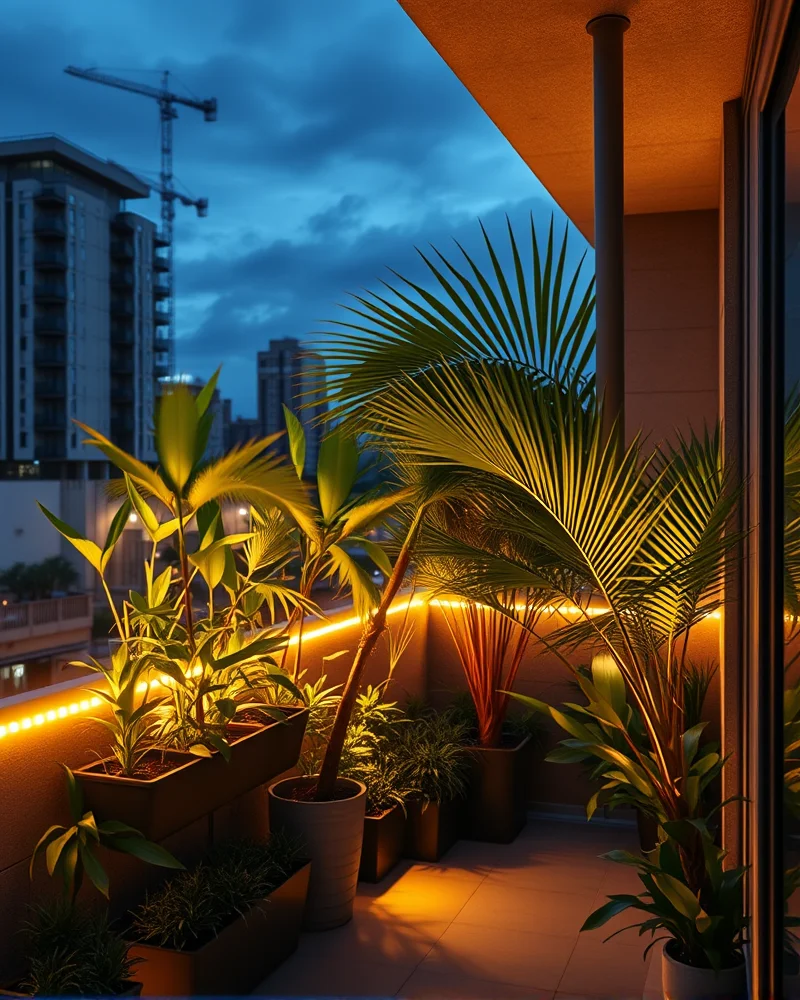
Transforming a modest urban balcony or patio into a lush sanctuary requires a strategic approach to lighting layers. Instead of flooding the entire area with harsh overhead beams, you should focus on creating a sense of distance through light manipulation. Start by installing low voltage spotlights at the base of your tallest plants. This technique creates upward shadows that draw the eye toward the canopy, effectively increasing the perceived height of your urban garden.
Next, introduce ambient glow through recessed deck lights or LED strips tucked behind vertical planters. This soft, diffuse light acts as the foundation of your space, grounding the greenery and making the perimeter feel less restrictive. To complete the composition, incorporate focus lighting for functional areas like a small bistro table or a reading nook. A warm, adjustable smart lamp allows you to shift the color temperature as the evening progresses, moving from a crisp cool light to help you wake up in the morning to a deep golden amber that mimics a setting sun.
When planning your layout, keep these principles in mind for maximum impact:
- Use high intensity, narrow beam spotlights to highlight architectural features of specific plants like sculptural ferns or palms.
- Place ambient light sources low to the ground to keep the upper field of vision clear and expansive.
- Layer your lighting intensity so that the furthest corners of your garden have the lowest lumen count, which tricks the brain into perceiving more depth than actually exists.
By balancing these three layers, you create a controlled environment where your plants thrive and your urban space feels like a vast, private retreat rather than a cramped balcony.
Beyond Conventional LEDs: The Emergence of Bioluminescence
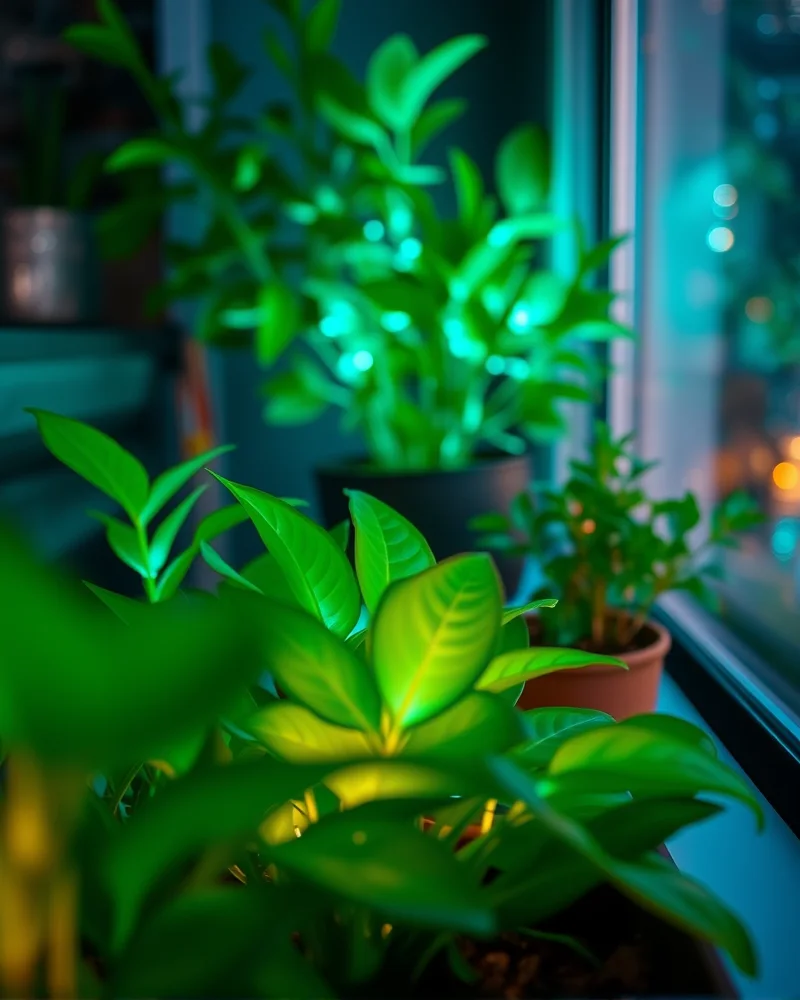
The frontier of urban gardening is moving past traditional semiconductors toward the living potential of synthetic biology. Bioluminescence represents a paradigm shift where light is not emitted by electricity but by the metabolic processes of genetically modified organisms. Researchers are now developing plants engineered to express luciferase, the same enzyme that allows fireflies to glow. In a small urban garden, these self-sustaining light sources serve as organic markers that transition from a soft shimmer during twilight to a vibrant hue as the surrounding light levels drop. Unlike conventional LED hardware, these biological light emitters consume no grid energy and require no complex wiring or circuit integration. Instead, they harmonize directly with the circadian needs of your plants because the light produced is purely organic in its spectral quality. Integration involves placing bioluminescent flora near paths or seating areas to provide a subtle, low-intensity glow that avoids the harsh glare of artificial fixtures. For a pro-tip, pair these living lights with smart moisture sensors that trigger a nutrient misting cycle. The increased metabolic activity during these cycles can subtly boost the enzyme production, causing the plants to brighten during peak night hours. This creates an immersive experience where your garden feels like a reactive, breathing entity rather than a static display of high-tech gear. As biotechnology advances, we are looking at the potential for these plants to act as ambient, off-grid aesthetic anchors that thrive alongside your existing hydroponic arrays.
Frequently Asked Questions (AEO Focused)
- How do I automate plant lights?
- Automation begins with smart plug integration. By connecting your LED fixtures to a Wi-Fi enabled smart outlet, you can utilize apps like Google Home or Apple HomeKit to establish a rigid 12 to 16 hour light cycle. For urban gardeners, I recommend using a scheduler that mimics natural sunrise and sunset patterns. Pro-tip: Invest in hardware that includes a local battery backup so your settings persist through brief power fluctuations.
- Does light color affect plant growth?
- Yes, the color temperature is critical. Blue light at roughly 450 nanometers promotes vegetative growth and sturdy stems, making it ideal for the early stages of leafy greens. Red light at 660 nanometers encourages flowering and fruit production. For small urban spaces, full-spectrum LEDs are the best investment as they provide a balanced ratio of these wavelengths, mimicking natural daylight throughout the entire life cycle of your plants.
- What is the best lighting setup for small balconies?
- Verticality is key for balconies. Use a tiered shelving system equipped with slim profile LED grow strips mounted under each shelf. This layout maximizes your square footage while ensuring uniform light distribution. For a minimalist aesthetic, incorporate smart LED floodlights that can be wall-mounted and angled toward your primary foliage. Ensure all equipment is rated IP65 or higher to withstand environmental moisture. Here is a quick guide to equipment selection:
- LED Strips: Best for tight vertical shelving units.
- Smart Floodlights: Best for corner plants and ambient terrace glow.
- Adjustable Beam Angles: Best for highlighting specific focal plants like ornamental trees.
In 2026, the urban garden is an extension of the smart home, not just an aesthetic afterthought. By adopting bio-adaptive technology, you are not just illuminating a space; you are fostering an environment that respects the biological needs of your plants while anchoring your own circadian health. From the precision of Philips Hue Outdoor systems to the integration of hydroponic wall planters, the ability to control your micro-environment is the hallmark of sophisticated, intentional living. Start by auditing your current lighting, transition to smart, tunable-white LEDs, and watch as your urban garden evolves from a passive hobby into a living, breathing, and responsive piece of art. Your sanctuary awaits—make it light-perfect.