Bio-Adaptive Manicures: The Rise of pH-Responsive Gel Polishes in 2027

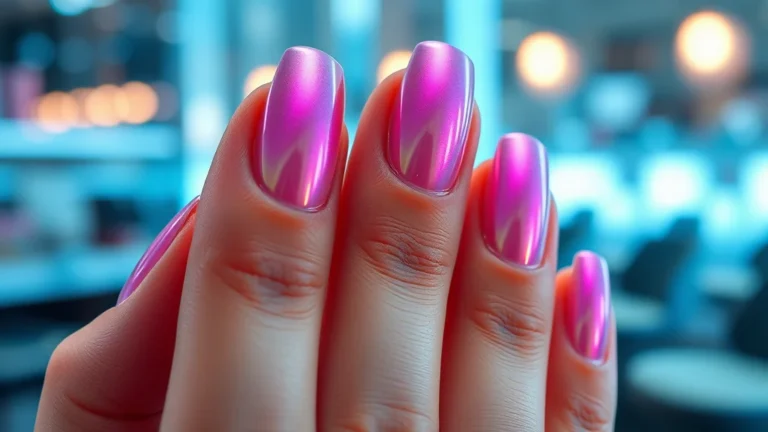
As we navigate the sophisticated beauty landscape of 2026, the intersection of chemistry and aesthetics has never been more vibrant. We are witnessing a monumental shift from static nail colors to living, breathing art. At [Nailosmetic](https://nailosmetic.com/), we have spent the last year perfecting the next evolution of salon-grade professional products: Bio-Adaptive Manicures. These are not merely polishes; they are intelligent, pH-responsive systems that synchronize with your body’s unique chemistry. Whether you are transitioning from the boardroom to a candlelit dinner or responding to the humidity of a summer evening, your manicure now reacts to the environment in real-time. This guide explores the breakthrough science behind pH-responsive gel polishes, the synergy between bio-polymers and pigment technology, and why 2027 will be defined by the era of the ‘Living Manicure.’ Prepare to elevate your nail game to a level of precision previously reserved for high-end laboratory aesthetics.
The Science of pH-Responsive Pigments
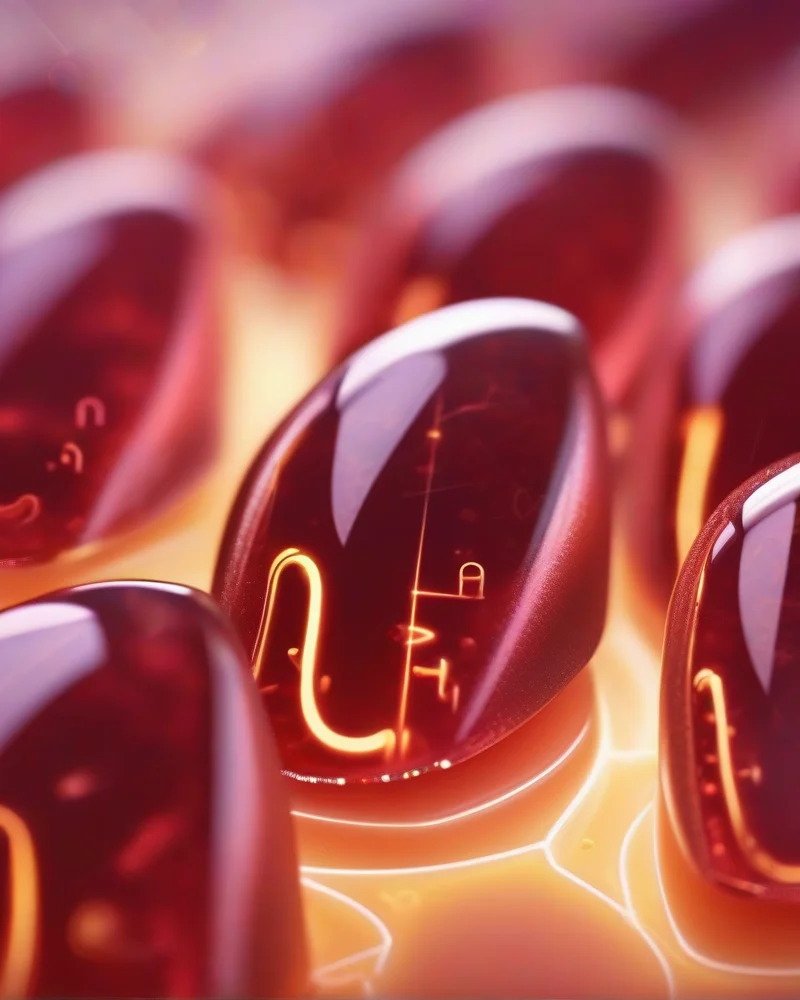
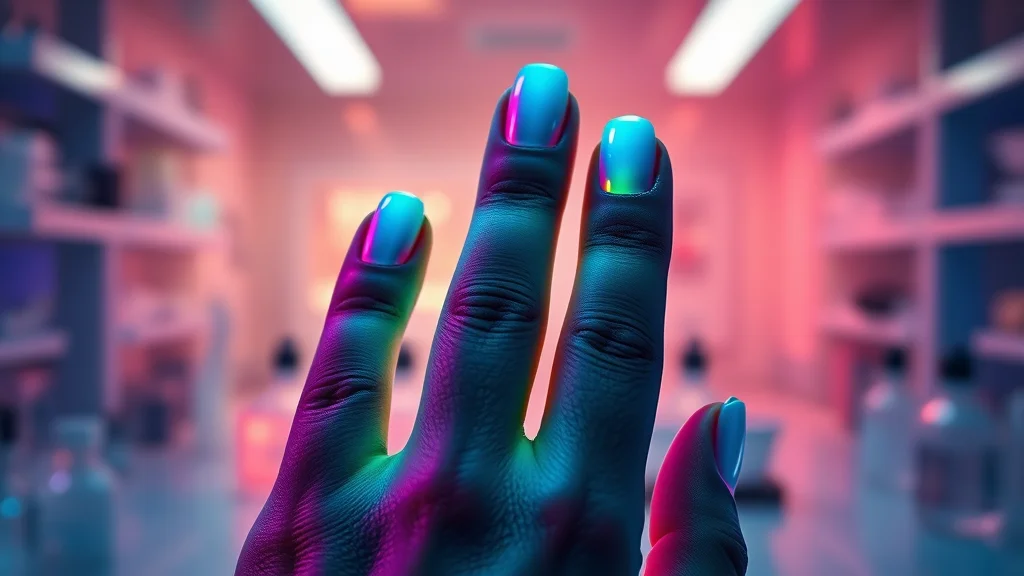
The core of bio-adaptive nail technology lies in the integration of halochromic polymers within the gel matrix. These specialized molecules function as molecular switches that alter their structural configuration based on the surrounding pH environment. When the surface acidity of the nail bed shifts, usually due to localized moisture changes or body temperature fluctuations, these polymers undergo a process called tautomerization. This chemical transformation forces the pigment molecules to shift their electron distribution, which fundamentally modifies how they interact with light. As the molecular geometry shifts, the gel transitions from its dormant state to a visible color shift, effectively reflecting different wavelengths of the light spectrum back to the observer.
Specifically, the pigment particles in these 2027 formulas are engineered to respond to ionic concentrations within the topcoat layer. When the pH level rises, the polymers expand their conjugated system, increasing the wavelength of reflected light to show warmer tones. Conversely, a drop in pH causes a contraction, resulting in cooler hues. For professional technicians, this means that client hydration levels directly influence the final aesthetic, adding a layer of biological customization to every manicure. To maximize this effect, ensure the nail plate is thoroughly cleansed with a neutral pH primer before application, as residual alkaline or acidic surfactants from cuticle removers can cause premature or uneven color shifts. High quality lamps are also essential, as consistent UV curing ensures the polymer chains are locked in a uniform orientation, allowing for smooth, fluid transitions rather than choppy color patches.
The Role of Bio-Polymer Base Coats
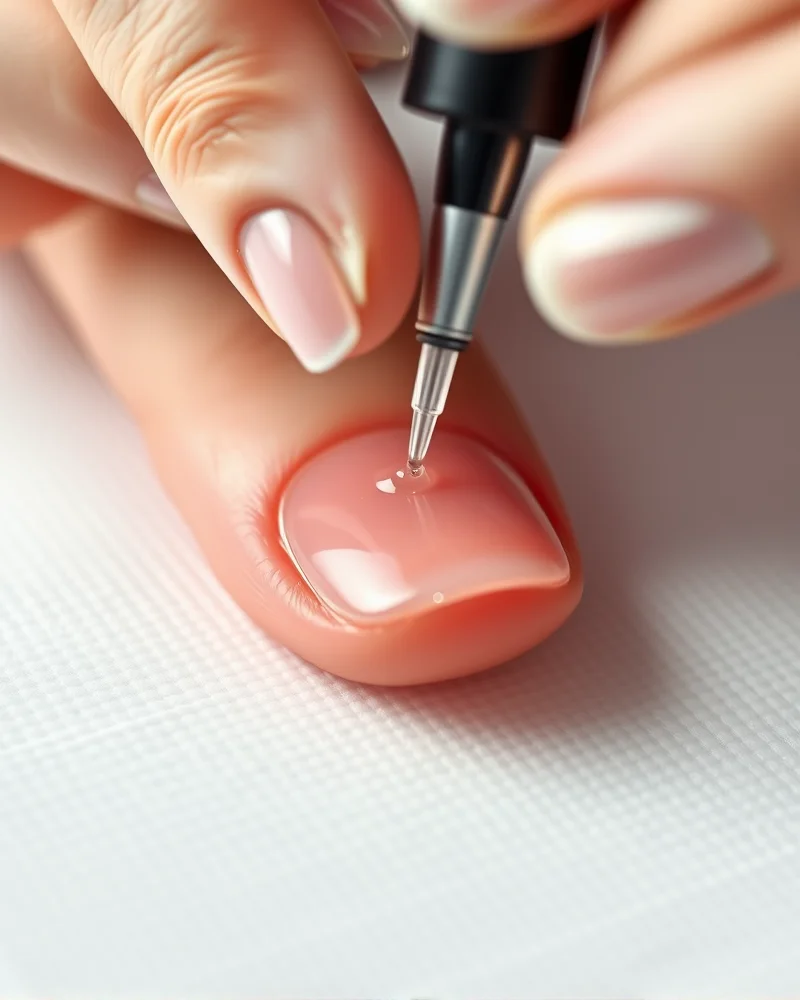
The foundation of any successful bio-adaptive manicure lies within the base coat. Unlike traditional gel formulations that rely on rigid methacrylate bonds, modern bio-polymer bases function as a dynamic bridge between the natural keratin plate and the responsive top layers. These polymers utilize a specialized cross-linking structure that provides structural integrity without sacrificing the porous nature required for chemical signaling. By maintaining a semi-permeable architecture, the base coat ensures that micro-fluctuations in nail bed pH are accurately transmitted upward to the pigment layer.
This mechanical necessity is vital for achieving the color-shifting precision expected in 2027. If the base layer were completely occlusive, the pH-responsive pigments would remain static regardless of external moisture or skin temperature changes. Our premium bio-polymers are engineered to be biomimetic, meaning they flex with the natural nail to prevent lifting or micro-fractures during the color-transition process. Pro-tip: Always apply a thin, even layer of the bio-polymer base and cure for the full sixty seconds under a calibrated UV lamp. Any pooling at the cuticle will create an uneven signal, leading to patchy color shifts across the nail surface. When the base is applied correctly, it acts as a silent partner that anchors the manicure while allowing the active chemical components to function as intended. This synergy creates a manicure that feels like a natural extension of your own biology rather than a separate, static coating.
Comparative Analysis: pH-Responsive vs. Thermally-Activated Gels
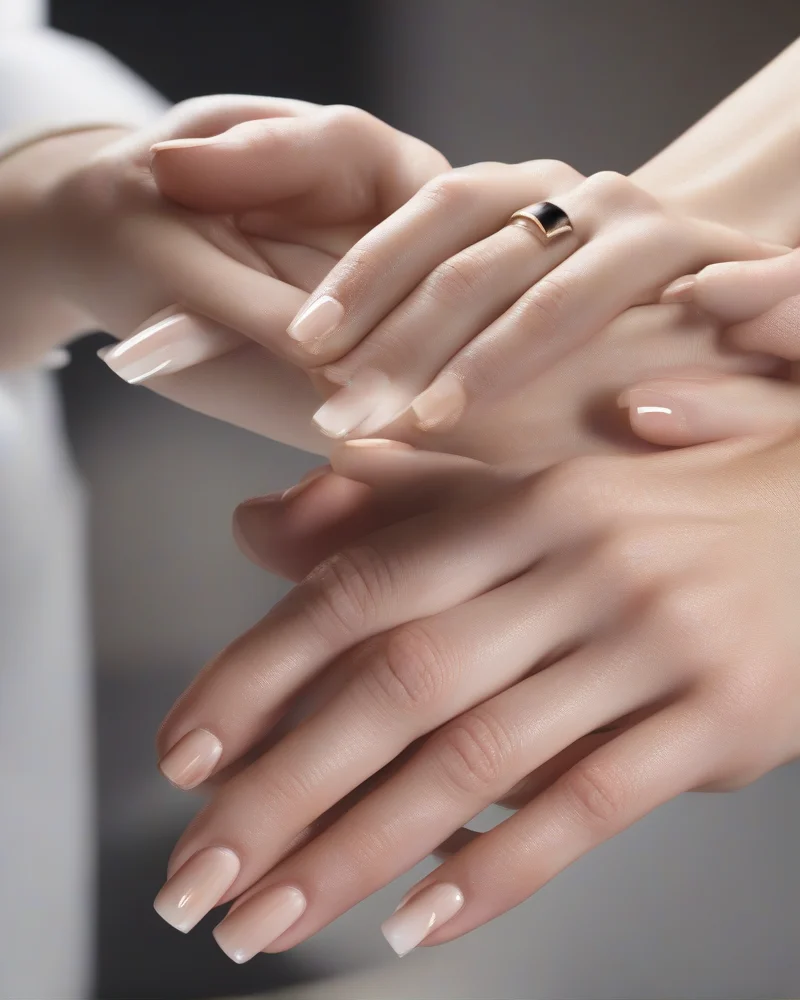
While thermal gels dominated the experimental beauty market for years, the industry is shifting toward bio-adaptive pH technology. Thermal polishes rely on ambient heat and body temperature to shift pigment density, which often results in inconsistent transitions during fluctuating weather or poor circulation. In contrast, pH-responsive gels interact with the specific chemical environment of the nail plate, providing a more stable and personalized aesthetic that evolves with your body chemistry rather than just external heat.
| Feature | Thermal-Activated Gels | pH-Responsive Gels |
|---|---|---|
| Trigger Mechanism | External Heat/Cold | Skin and Nail Surface pH |
| Color Stability | High variance based on room temperature | Consistent personal color signature |
| Durability | Average wear of 7 to 10 days | Enhanced adhesion up to 14 plus days |
| Environmental Sensitivity | High sensitivity to ambient air | Minimal sensitivity; reacts to body chemistry |
The core advantage of pH-responsive formulas lies in their integration with bio-polymers. Thermal gels often require thicker applications to hide the base color during transitions, which can feel heavy and prone to lifting. pH-responsive gels utilize a thinner, more flexible molecular structure that mirrors the natural nail, significantly reducing brittleness. For a professional finish, apply a high-quality pH-balancing dehydrator before your base coat to ensure the color shift remains vibrant and uniform across all ten fingers. If you notice the pigment saturation fluctuating, ensure your hydration levels remain steady, as your internal pH can shift based on diet and overall health. These gels represent a move away from gimmicky trends toward functional, high-performance beauty that adapts to the wearer.
Mastering LED Curing Technology for Adaptive Gels
Precision is the foundation of a successful bio-adaptive manicure. Because these pH-sensitive formulas contain complex reactive polymers, the curing process requires strict adherence to technical specifications. Using a standard lamp without calibration often leads to incomplete polymerization, which compromises the color-shifting integrity of the polish.
- Intensity and Wavelength: Bio-adaptive gels require a dual-light source operating between 365nm and 405nm. Maintain a lamp intensity of at least 48 watts. If your light source is too weak, the pigments will remain trapped in a liquid state, resulting in a dull finish that fails to react to environmental changes.
- Timing Precision: Cure for a full 60 seconds. Rushing this step causes the surface to feel tacky and shortens the lifespan of the color-shifting pigments. Ensure your hands remain perfectly centered under the light to guarantee even exposure.
- Common Application Errors: Avoid thick, uneven layers. Thick coats prevent light penetration, leading to premature lifting or bubbling. Apply two thin coats instead of one heavy coat to ensure the formula cures uniformly through the entire depth of the pigment.
- Pro-Tip for Longevity: Always cap the free edge of the nail to seal the pH-sensitive layers against water and chemicals. For those looking to elevate their technique, refer to our ultimate guide to professional nail art designs to understand how structural integrity influences the performance of high-tech finishes.
- Layering Strategy: Use a specialized bio-polymer base coat. This creates the necessary chemical bond for the adaptive pigments to adhere securely to the nail plate, preventing the brittle fracturing that occurs with traditional base products.
The 2027 Aesthetic: Visualizing Bio-Adaptive Trends

- Apply a high-gloss top coat to emphasize the depth of the color transition.
- Pair with monochromatic outfits to allow the shifting hues of the nails to remain the focal point of your look.
- Experiment with matte finishes if you prefer a softer, velvety transition that makes the color shift appear more diffused and artistic.
AEO: Frequently Asked Questions About Smart Manicures
AEO: Frequently Asked Questions About Smart Manicures
- Are bio-adaptive gels safe for long-term wear?
- Yes. These formulas are developed with biocompatible polymers that mirror the natural lipid barrier of the nail plate. Unlike traditional gels, they are engineered to be breathable, allowing oxygen to reach the keratin layers, which minimizes dehydration and weakening over time.
- How long does the color shift remain active?
- You can expect high-fidelity pH responsiveness for up to three weeks. After twenty-one days, the structural integrity of the gel matrix begins to settle, which may reduce the sensitivity of the pigments. We recommend a fresh set at the three-week mark to maintain optimal vibrancy.
- Is the soak off process different from standard gels?
- Not at all. You can remove these polishes using standard professional grade acetone. Because the bio-polymer base coats are designed for integrity, they dissolve cleanly without requiring aggressive filing that could damage the surface of your nails.
- How does natural skin pH variation affect the result?
- Our smart pigments are calibrated to a specific threshold that accounts for human skin acidity. If your pH is slightly elevated, the color simply leans into the warmer side of its spectrum. Think of it as a custom finish unique to your body chemistry. Pro-tip: If you want a more dramatic shift, ensure your hands are clean and free of heavy lotions before application, as oils can act as a buffer and slightly mute the responsiveness of the pigments.
Professional Application Protocols for Nailosmetic Salons
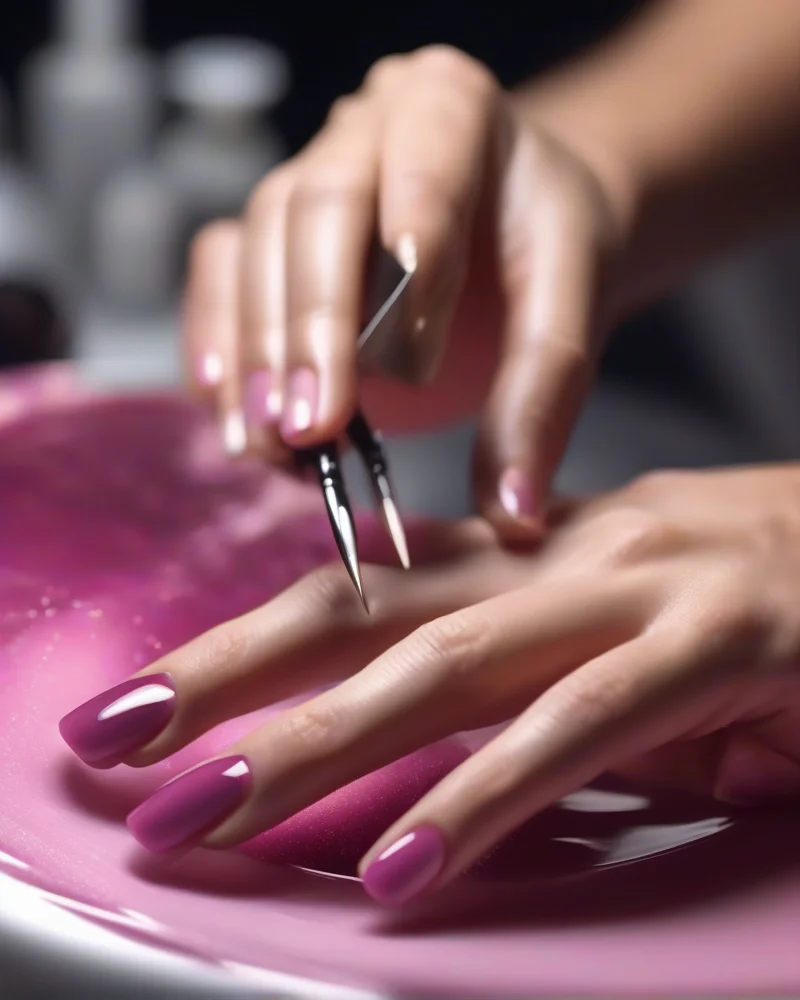
Achieving the perfect bio-adaptive finish requires precision. Because pH-responsive gels interact with the specific chemical composition of the nail plate, technicians must follow these refined steps to ensure color consistency and longevity.
- Precision Nail Prep: Begin by cleansing the nail plate with a pH-balancing dehydrator. Remove all traces of natural oils and moisture, as these can interfere with the pigment’s ability to shift correctly. Buff the surface gently to create an ideal micro-texture for adhesion without compromising nail integrity.
- Bio-Polymer Base Application: Apply a thin, uniform layer of the Nailosmetic bio-polymer base coat. This layer acts as the chemical bridge between the nail and the responsive pigments. Cure for thirty seconds under a calibrated 365/405nm LED lamp to create a stable foundation.
- Pigment Activation Layers: Apply the color gel in two thin coats. The first layer establishes the base hue, while the second layer provides the depth required for distinct color shifts. Pro-tip: avoid overworking the brush to keep the pH-sensitive microspheres evenly distributed. Ensure full, even coverage at the free edge to prevent premature lifting.
- Sealing and Breathability: Apply a final layer of our high-gloss, gas-permeable topcoat. This sealant protects the reactive pigments from external contaminants while allowing the gel to maintain its responsiveness to environmental changes. Cure for sixty seconds to ensure a rock-hard, high-shine finish that resists micro-scratches.
By following these steps, you guarantee that the manicure remains vibrant and responsive for up to three weeks. Always check that your lamps are calibrated specifically for bio-adaptive formulas to avoid under-curing, which can dull the pigment response.
As we look toward 2027, bio-adaptive manicures represent the ultimate fusion of cosmetic science and personal expression. By embracing pH-responsive technology, you aren’t just wearing a color; you are wearing a biometric sensor that reflects your body’s health and the environment around you. Nailosmetic remains committed to pushing these boundaries, ensuring that our community is always at the forefront of the industry. Invest in your nail health, master the application of bio-polymers, and step into the future with confidence, knowing that your manicure is as dynamic and unique as you are.