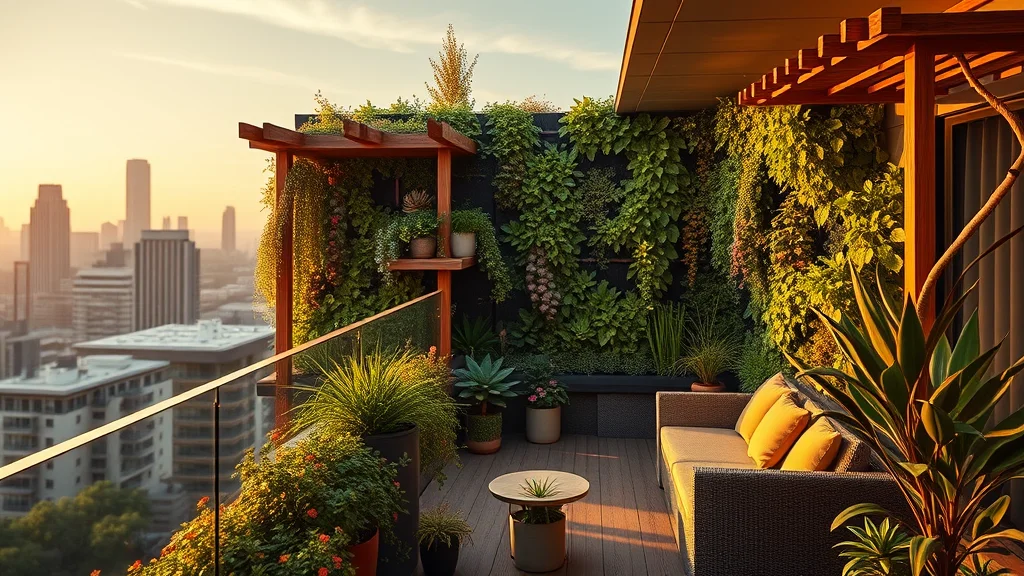
Biophilic Modular Garden Walls: DIY Systems for Small Urban Balconies

As we navigate the sophisticated urban landscapes of 2026, the disconnect between concrete architecture and the natural world has never been more apparent. At [Nailosmetic](https://nailosmetic.com/), we believe that true elegance lies in the intersection of high-end aesthetics and organic vitality. Biophilic design is no longer a luxury reserved for expansive estates; it is the definitive solution for modern metropolitan living. For dwellers of small urban balconies, the modular garden wall represents a radical shift in how we perceive micro-living spaces. By utilizing advanced vertical gardening techniques, you can transform a sterile high-rise ledge into a lush, oxygen-rich sanctuary that mirrors the complexity of a wild ecosystem. This guide explores how to curate a bespoke vertical landscape that marries structural engineering with botanical artistry, ensuring your balcony becomes a timeless extension of your refined interior aesthetic.
The Philosophy of Biophilic Design in Small Spaces
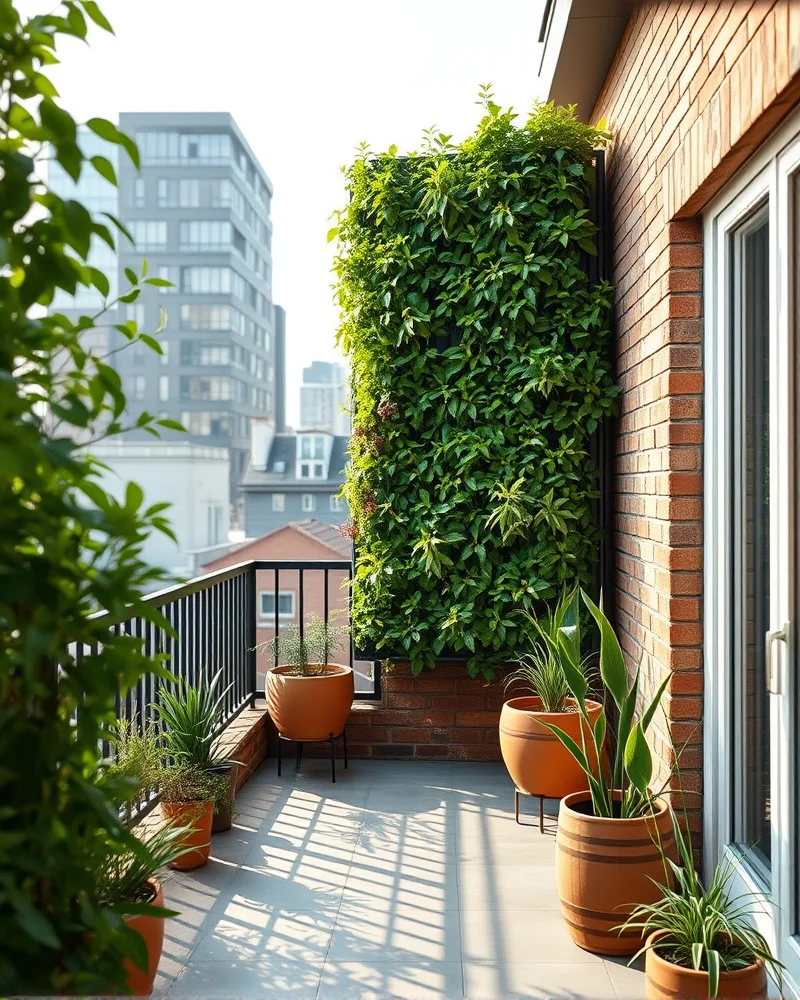
Biophilic design is no longer a luxury reserved for expansive estates. In 2026, it represents a fundamental necessity for urban dwellers seeking to reclaim their mental clarity amidst the concrete sprawl. By integrating living elements into our personal environments, we bridge the gap between our innate biological need for nature and the constraints of modern city living. When you introduce a vertical garden to a small balcony, you do more than add greenery. You create a psychological sanctuary that lowers cortisol levels and restores focus after a demanding day. The beauty of modular systems lies in their ability to manipulate vertical space, turning otherwise wasted wall area into a dense, oxygenating filter that naturally improves local air quality. These systems act as a thermal buffer, cooling your immediate microclimate while dampening the harsh acoustics of street noise. Embracing this modular approach allows you to curate a sustainable retreat that grows with your needs. You can easily rotate plants based on seasonal light patterns or expand your footprint as your botanical confidence increases. Pro tip: focus on high density planting with species like ferns or native grasses to maximize surface area contact. This creates a lush texture that mimics a forest floor, effectively obscuring the stark edges of urban architecture and transforming a cramped landing into a sophisticated, life-affirming escape. By prioritizing these modular retreats, we move away from disposable plastic decor and toward a lasting, regenerative lifestyle that values long-term environmental health.
Selecting Your Modular Wall Planter System
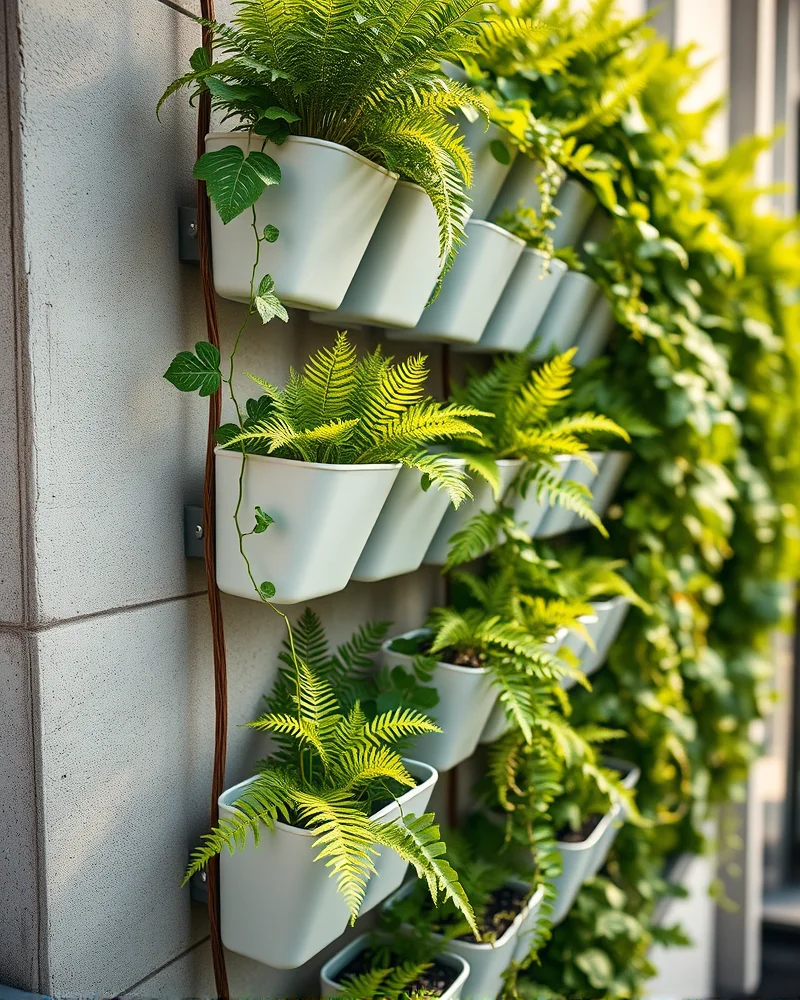
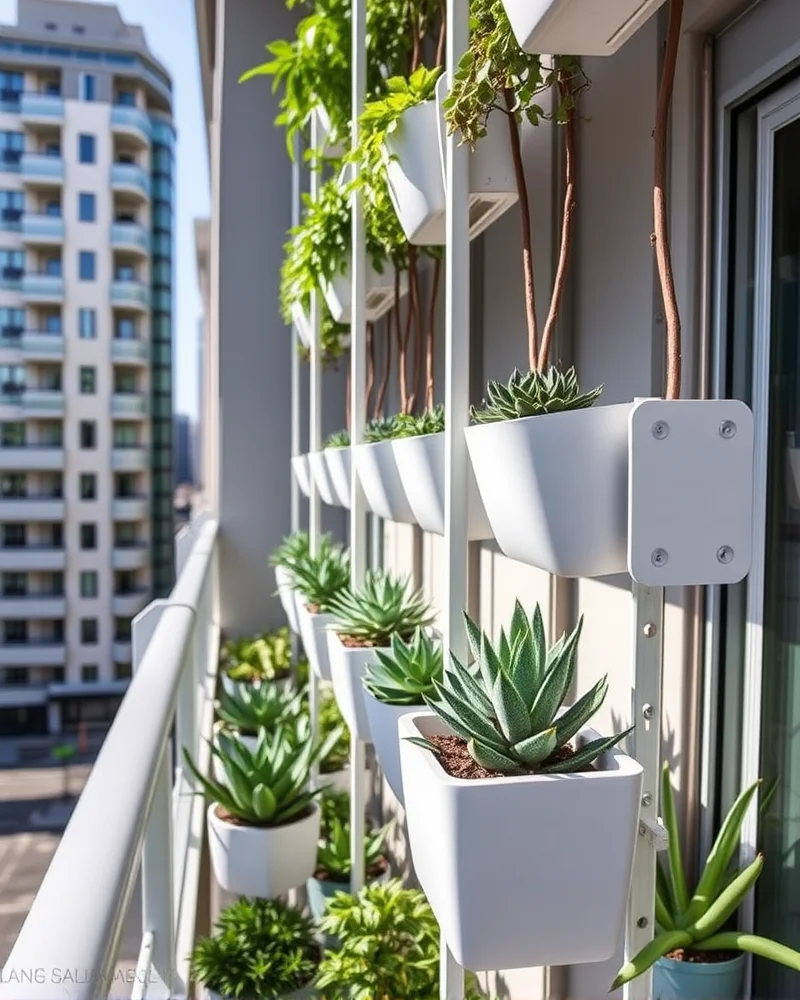
Selecting the right modular system starts with understanding how the hardware interacts with your balcony wall. For most urban spaces, you will choose between three primary mechanical structures. Felt pocket systems are lightweight and flexible, relying on soft, breathable fabric to hold soil. These are excellent for smaller balconies because they place minimal strain on structural anchors, though they require high-quality moisture barriers to protect your wall surface. In contrast, rigid plastic interlocks offer a structured, grid-like appearance. These systems snap together to form a cohesive unit, making them ideal for irrigation integration. Finally, frame-based setups utilize a metal or wood lattice to support individual pots or boxes. This choice is superior if you want the flexibility to rearrange your plants seasonally without dismantling the entire wall.
Weight distribution is the most critical factor for balcony safety. A saturated vertical garden can be deceptively heavy. Always distribute the weight horizontally along the wall rather than stacking it vertically to keep the load centered. Check your building codes for structural load limits and prioritize lightweight potting mixes containing perlite or vermiculite to reduce the overall mass. When installing, use high-strength masonry anchors that are rated for outdoor exposure to prevent hardware corrosion. For long-term success, focus on UV-resistant materials like high-density polyethylene or powder-coated steel. These materials resist the cracking and fading that typically occur under direct sun exposure. For a polished aesthetic, choose planters that mimic the existing architectural palette of your building, such as charcoal gray metal for industrial balconies or earthy terracotta hues for traditional facades. Integrating these systems requires a balance between mechanical reliability and visual harmony to ensure your garden remains a permanent, safe, and beautiful extension of your home.
Strategic Integration: The Living Wall Trellis
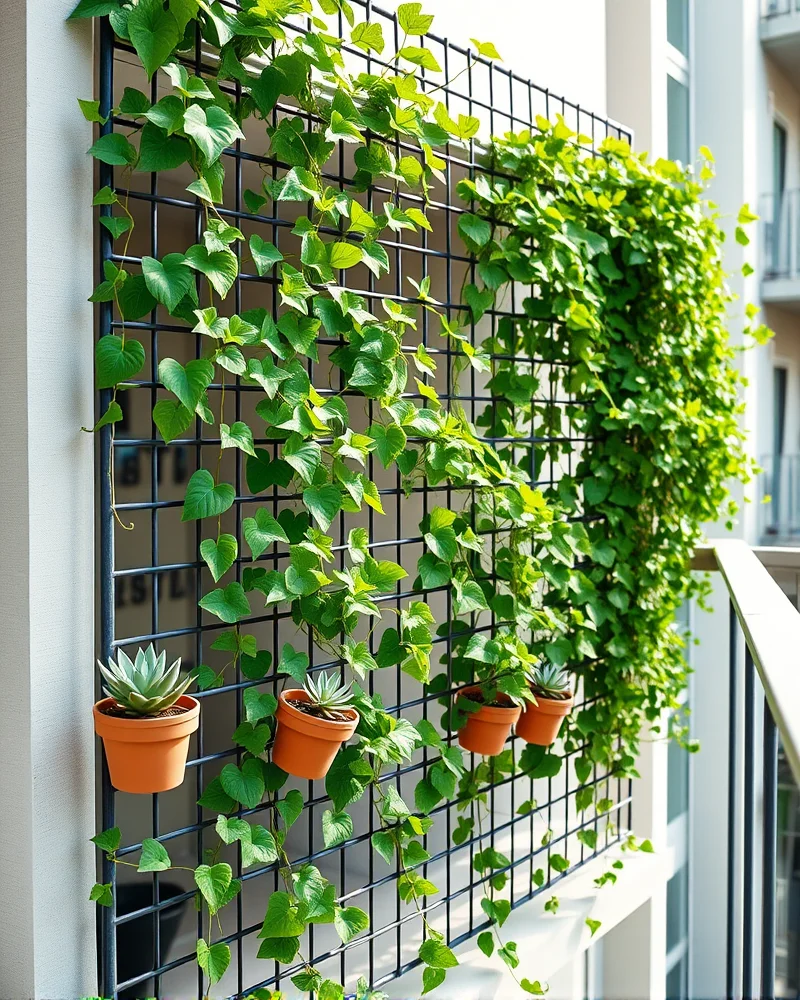
- Structural Versatility: A living wall trellis acts as the primary architectural spine for your balcony. By utilizing a grid or wire mesh system, you create a rigid support structure that directs vertical growth without compromising floor space. This setup allows you to train fast-growing vines like Star Jasmine or English Ivy to scale upward, effectively turning a plain structural boundary into a lush, living sculpture.
- Curating Growth Patterns: Strategic placement is vital for aesthetic cohesion. Position your climbing species toward the bottom of the trellis to encourage upward migration, while reserving container-bound species like succulents or ferns for the mid-level segments. This layering effect prevents the wall from feeling top-heavy and ensures consistent foliage density across the entire structure.
- The Balance of Sightlines: Managing privacy versus visibility requires a selective planting approach. For maximum seclusion, focus your climbing flora along the exterior edge of the trellis to form a dense green screen that muffles street noise and blocks prying eyes. If you prefer to keep a view of the skyline, utilize a mix of climbing vines and trailing container plants. Leave small gaps between sections of the trellis to frame specific views, ensuring your garden wall feels like a deliberate design choice rather than an opaque wall.
- Pro-Tip for Urban Gardeners: To keep your trellis looking premium throughout the seasons, always combine deciduous climbers with evergreen container plants. This hybrid strategy ensures that even if your primary vine sheds leaves during winter, your balcony retains a structured, biophilic presence year-round. Always secure your trellis to the balcony railing or wall using rubber-coated fasteners to prevent vibrations and wind damage during inclement weather.
Botanical Selection: Thriving with Native Succulents
When designing a vertical garden for a compact balcony, choosing the right flora is critical for long-term viability. Native succulents represent the gold standard for urban environments because they are evolutionary adapted to local moisture levels and temperature fluctuations. Their fleshy, water-storing leaves allow them to thrive in shallow modular pockets where soil volume is restricted, offering high-impact greenery with minimal upkeep. Whether you are looking for creative home decor ideas or functional urban agriculture, succulents provide the best structural resilience.
Light exposure dictates your botanical success. A South-facing balcony receives intense, direct light that requires heat-tolerant species, while North-facing units demand plants capable of surviving in lower light conditions. Consult the table below to align your species choice with your balcony orientation for optimal photosynthesis and growth.
| Exposure | Light Profile | Recommended Succulent |
|---|---|---|
| South (S) | High Intensity | Sedum rupestre |
| Southwest (SW) | Intense Afternoon | Sempervivum tectorum |
| West (W) | Harsh Afternoon | Aloe brevifolia |
| North (N) | Low Diffused | Haworthia attenuata |
Pro-tip: Always mix your succulents with a fast-draining substrate specifically designed for cacti. Because vertical walls drain quickly, ensure your modular units provide adequate aeration to prevent root rot. By matching the specific light requirements of these drought-tolerant species to your balcony orientation, you ensure a lush, thriving biophilic display that persists throughout the seasons without excessive watering or fertilization.
Advanced Hydroponic Irrigation for Balconies
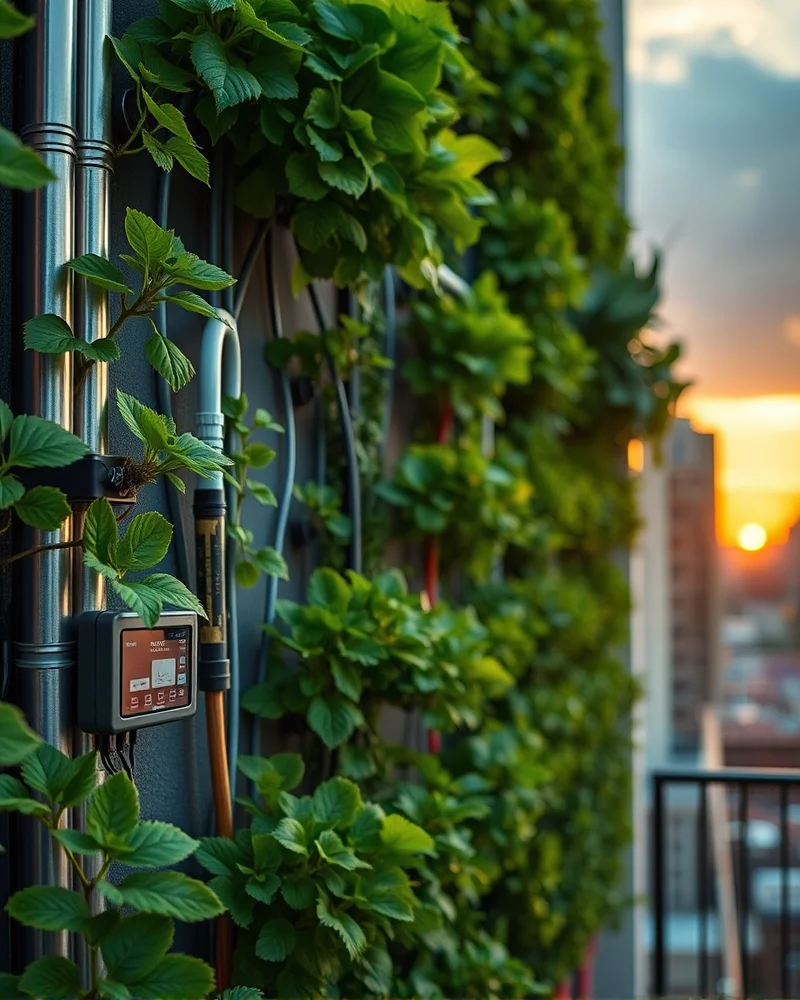
- Reservoir placement: Locate your water tank in the shaded base of your wall to maintain a stable temperature and prevent algae blooms.
- Pump management: Use a low voltage pump rated for vertical lift to ensure consistent pressure reaches the top modules of your system.
- Automation tech: Integrate a Wi-Fi enabled soil moisture sensor or a flow controller to receive real time data updates directly to your smartphone.
Maintenance and Environmental Optimization
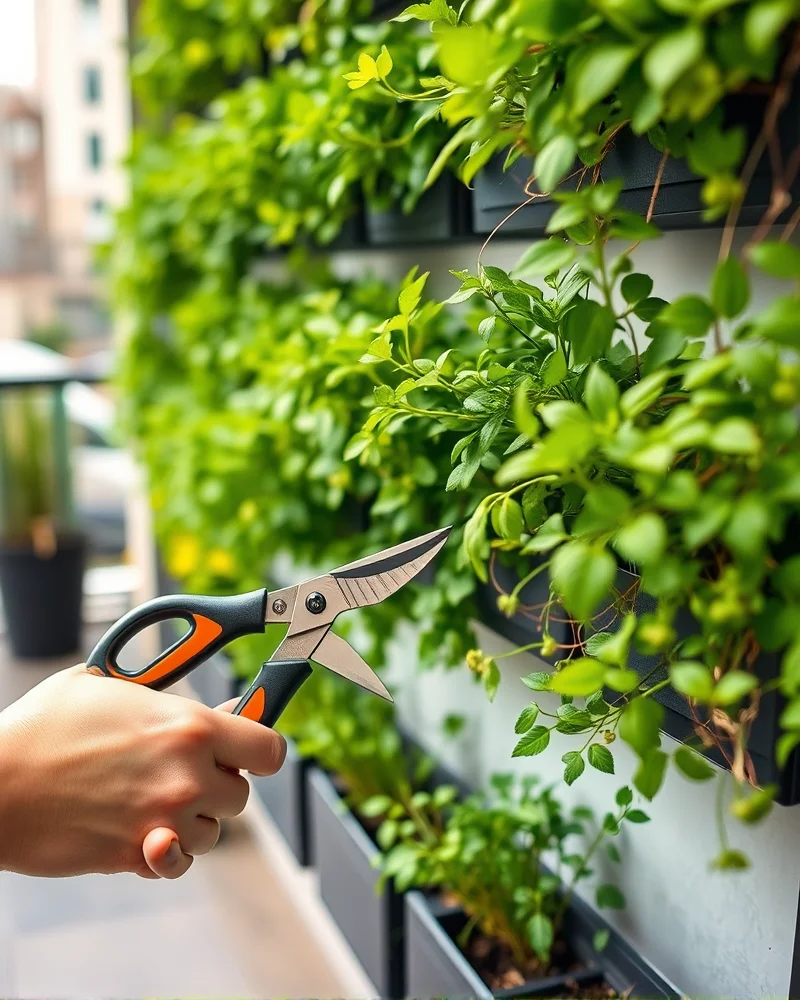
Maintaining a vertical oasis in 2026 requires moving beyond basic watering schedules. To ensure your modular wall remains a vibrant centerpiece, you must embrace a cyclical approach to care that prioritizes long term plant health and structural integrity.
- Seasonal Nutrition Cycles: Use slow release organic granular fertilizers in early spring to fuel the primary growth phase. During the intense summer heat, supplement with liquid seaweed extract every three weeks. This provides essential trace minerals that strengthen cell walls against heat stress. Flush the soil with fresh water once a month to prevent salt accumulation from fertilizers.
- Pruning for Architectural Precision: Vertical gardens thrive when foliage is managed to prevent overcrowding. Use clean, sharp bypass shears to tip prune your succulents or leafy greens. Removing growth that leans too far outward keeps the wall flat and maintains the intentional geometric aesthetic. Always prune immediately after a growth spurt to encourage denser, more compact development.
- Integrated Pest Management: Urban microclimates often invite aphids and spider mites. Instead of harsh chemical sprays, utilize preventative cultural controls. Introduce predatory beneficial insects like ladybugs or lacewings early in the season. If an infestation appears, use a mixture of diluted neem oil and castile soap applied at dusk. This method disrupts the pest lifecycle without harming the beneficial ecosystem or leaving toxic residues on your balcony surfaces.
- Winterization Protocol: As temperatures drop, reduce irrigation significantly. If your modular system is exposed, consider wrapping the outer frame with breathable horticultural fleece to protect root zones from freezing temperatures. Move sensitive varieties toward the center of the wall to leverage the collective thermal mass of the planter units.
Common Questions on Urban Vertical Gardening
Common Questions on Urban Vertical Gardening
- How much weight can a balcony wall take?
- Most modern balconies are engineered to hold 50 to 100 pounds per square foot. However, soil and water add significant mass. For a modular system, ensure your total weight does not exceed 30 pounds per square foot to remain safe. Always anchor planters into structural studs rather than exterior siding.
- Best hydroponic nutrient mix for succulents?
- Succulents require very low nitrogen levels to prevent rapid, weak growth. Use a high-potassium, low-nitrogen liquid fertilizer diluted to one quarter of the manufacturer recommended strength. Avoid nitrogen-heavy formulas, as these cause rot in hydroponic succulent setups.
- Can vertical walls survive winter?
- Vertical planters are more exposed to the elements than ground soil, making roots vulnerable to freezing. If temperatures drop below freezing, move modular panels indoors or wrap the frames in thick horticultural fleece. Ensure you drain the irrigation system completely before the first frost to prevent cracked pipes.
- DIY installation tips for renters?
- Avoid drilling into building masonry whenever possible. Use pressure mounted floor to ceiling tension poles to secure your trellis or modular frame. This provides a rock solid foundation that stays perfectly level without leaving permanent marks on your balcony walls, ensuring you get your security deposit back when you move.
The evolution of the urban balcony into a biophilic masterpiece is a testament to the modern human desire to remain grounded amidst the steel and glass of city life. By meticulously choosing your modular wall planters, mastering the intricacies of hydroponic irrigation, and selecting robust native succulents, you are not merely gardening—you are curating an ecosystem. As we move through 2026, the integration of these living systems into our homes becomes more than a trend; it is a necessity for mental clarity and environmental stewardship. Whether you are building a simple living wall trellis or an complex, self-sustaining modular system, remember that the most successful vertical gardens are those that balance design-forward thinking with botanical health. Begin your transformation today, and turn your balcony into a resilient, evergreen sanctuary that breathes with the city while keeping you perfectly composed.