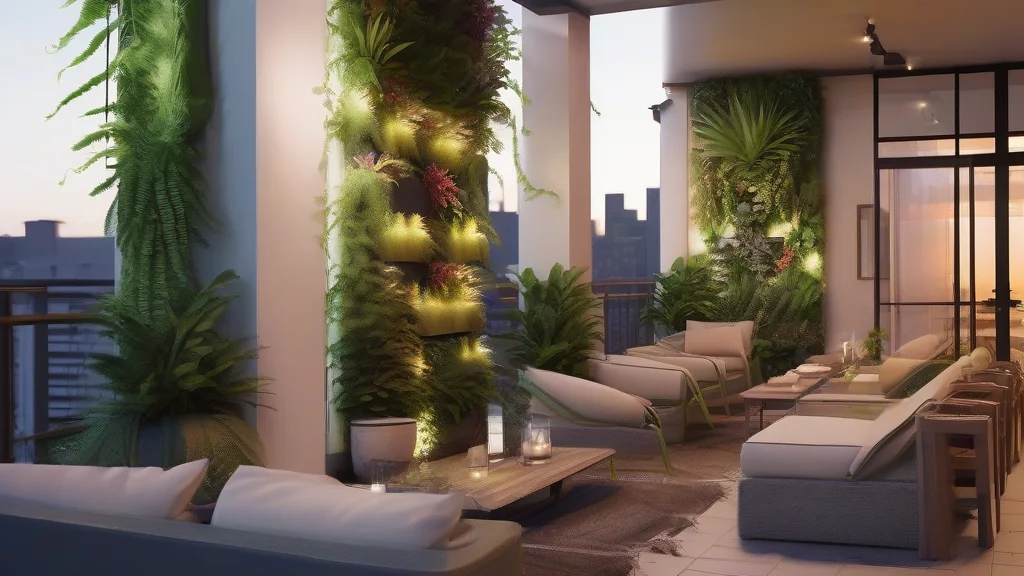
Biophilic Modular Garden Walls: The DIY Guide for Small Urban Balconies (2026 Edition)

As we enter 2026, the concrete jungle no longer defines the urban experience. At [Nailosmetic](https://nailosmetic.com/), we believe that your home should be an extension of nature’s restorative power, even if you are restricted to a few square feet of balcony space. Biophilic modular garden walls are the definitive solution for high-density living, blending sophisticated architectural design with the lush serenity of a vertical forest. This guide explores how to transform a barren balcony into a thriving ecosystem. Whether you are looking to improve air quality, reduce ambient noise, or simply create a private sanctuary, our elite approach to vertical gardening ensures your space remains both functional and aesthetically exquisite. By integrating modular planters and smart irrigation, you can cultivate a living work of art that thrives year-round. Welcome to the future of urban dwelling, where your balcony becomes your most valued retreat.
Understanding the Biophilic Design Movement in 2026
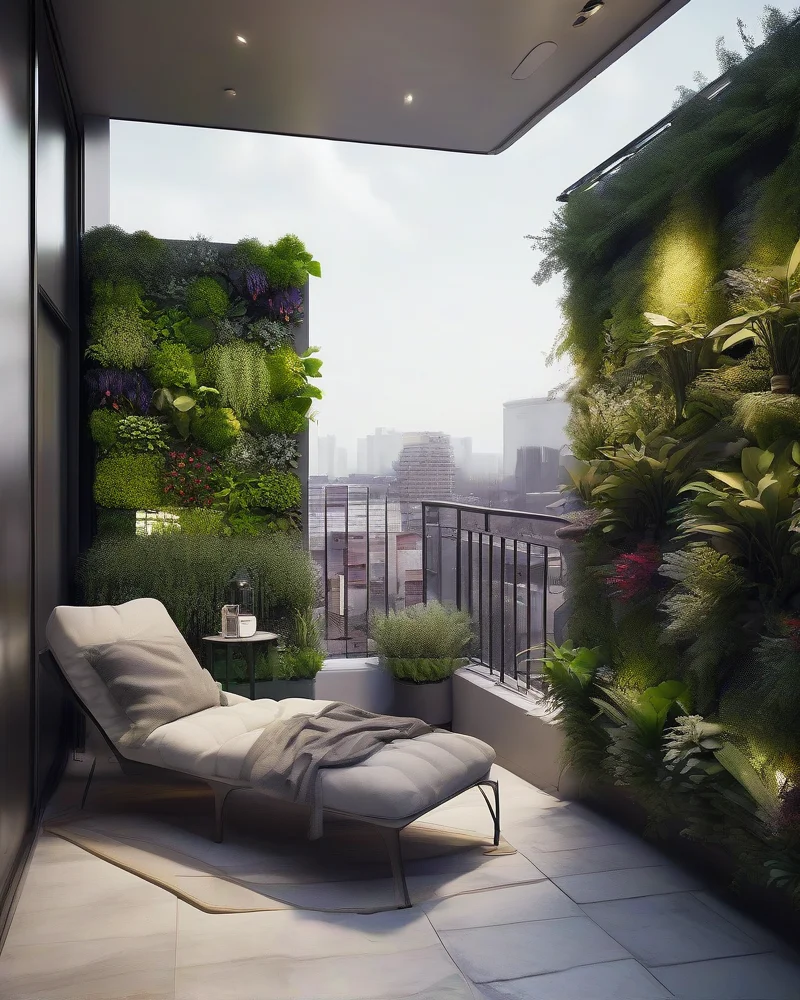
- Micro-climate regulation: Dense plant layers act as natural thermal insulation for your balcony glass.
- Cognitive restoration: Studies confirm that viewing natural, non-linear patterns from your home office boosts creative output by up to twenty percent.
- Sensory grounding: Integrating aromatic herbs like rosemary or lavender provides an olfactory connection to nature that anchors the mind in the present moment.
Selecting Your Modular Planter System
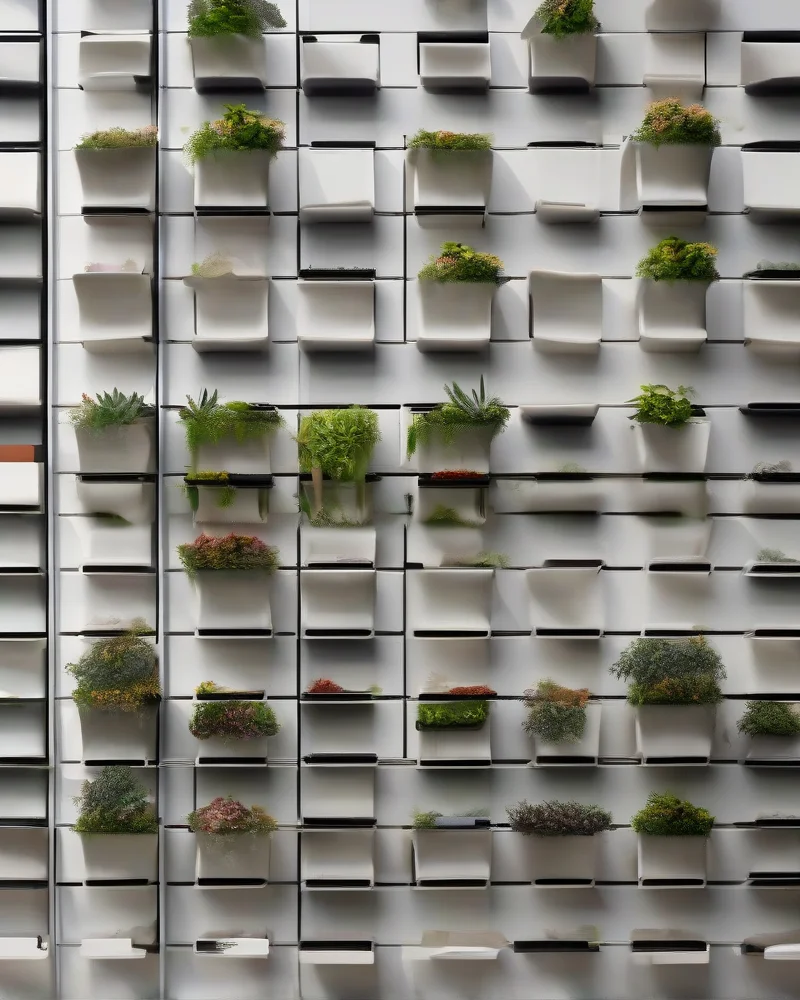
Selecting the right hardware for your urban oasis requires balancing aesthetic preference with the structural realities of balcony living. Your primary constraint is the total load bearing capacity of your balcony floor and wall. Always verify your building codes for exterior weight limits before installation.
| System Type | Best For | Drainage Approach | Hardware Needs |
|---|---|---|---|
| Felt Pockets | Lightweight ease | Passive evaporation | Stainless steel grommets |
| Rigid Grid Frames | Vertical expansion | Integrated runoff channels | Heavy duty masonry bolts |
| Stacking Ceramic | Design impact | Internal drip reservoirs | Wall mounted support clips |
Felt pocket systems offer the most modular scalability because you can add layers as your plants grow. They are exceptionally light but require a moisture barrier to protect the wall surface. Rigid grid frames provide a more structured look and support larger woody perennials, yet they demand professional masonry anchors to ensure they stay secure during high wind events. Stacking ceramic modules bring a high end tactile finish to the space but carry significant weight even before soil is added. Use only high grade stainless steel or galvanized fasteners to prevent corrosion from constant water exposure and local weather conditions. For balcony walls with existing siding, use stand off brackets to create a ventilation gap, preventing rot behind your living wall. Always ensure your hardware is rated for external use and test the shear strength before mounting your full collection.
Essential Irrigation Systems for Vertical Success
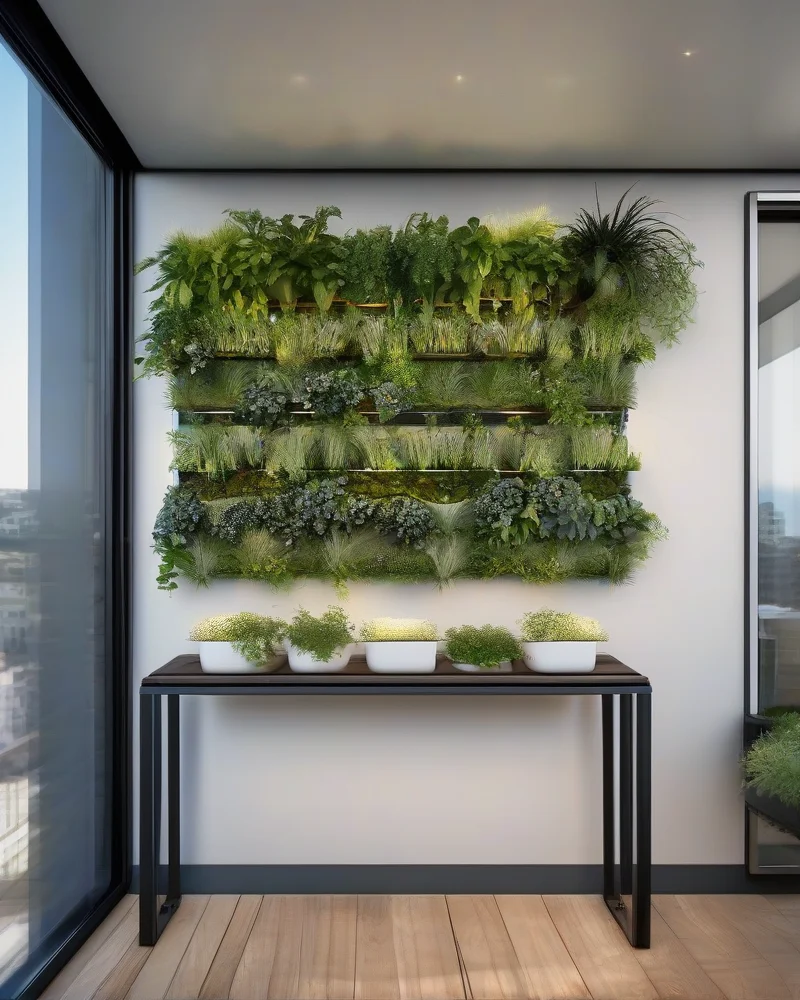
- Gravity Fed Systems: Ideal for smaller balconies, these setups utilize a reservoir placed at the highest point of your modular wall. Water flows downward through a network of microtubing by natural pressure. This eliminates the need for electricity and is the most reliable option for compact spaces.
- Drip Irrigation: For larger modular systems, connect a drip emitter to each planter cell. This delivers a measured amount of water directly to the root zone, which minimizes evaporation and prevents leaf rot.
- Smart Controllers: Modern moisture sensors connect to your home Wi-Fi and analyze local weather data. If rain is forecasted or humidity levels are high, the controller automatically bypasses the watering cycle. This optimizes water efficiency and ensures you meet the strict 2026 sustainability standards for resource management.
- Install a catch basin at the base of your wall to collect runoff.
- Fit the basin with a submersible pump connected to a timer.
- Run a main irrigation line from the pump back to the top of the wall.
- Add a nutrient reservoir to the catch basin to nourish the plants as water cycles through the system.
Visualizing Your Green Canopy: Layout and Aesthetics
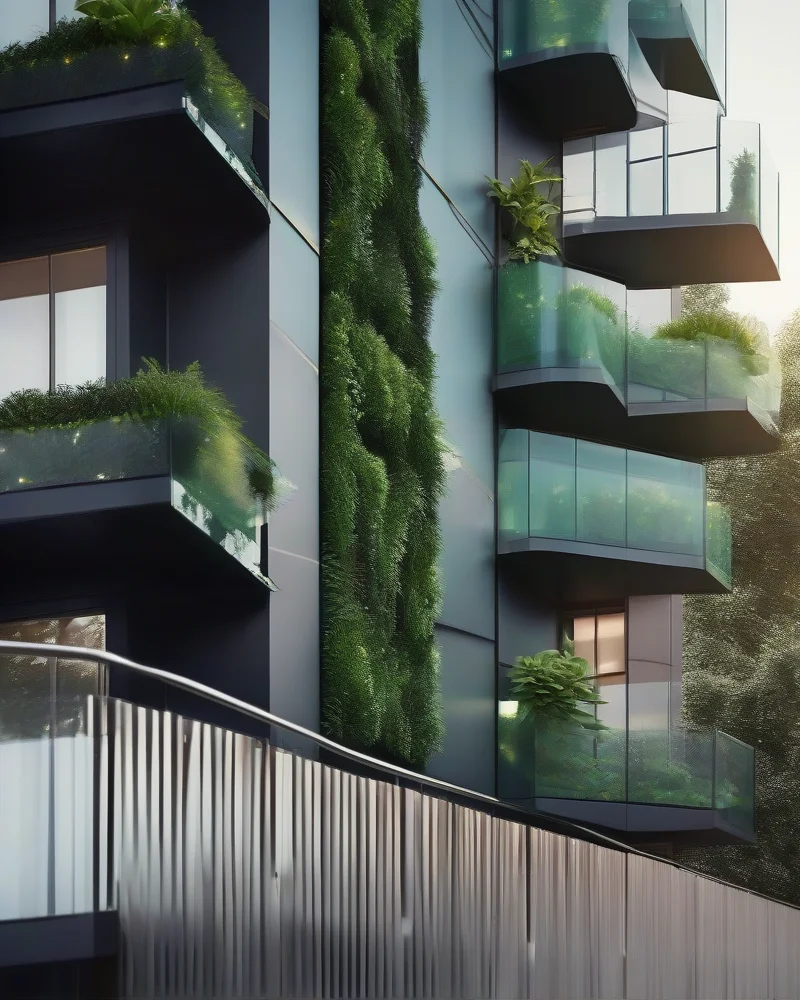
Designing a vertical garden requires a shift from viewing plants as individual decor pieces to treating them as architectural elements. To achieve a high-end look on a compact urban balcony, focus on a clear height hierarchy. Place larger, structural foliage like fiddle leaf figs or trailing philodendrons at the base, and use delicate, architectural grasses or ferns toward the top to draw the eye upward and elongate your space. If you are looking for more ways to integrate these elements into your broader living space, consult our comprehensive home decor ideas ultimate guide for cohesive styling inspiration.
For a sophisticated aesthetic, consider the power of repetition. A monochromatic palette featuring various shades of emerald, forest, and lime green creates a calm, premium atmosphere that mimics high-end interior installations. If you prefer texture over uniform color, layer plants with contrasting leaf shapes, such as pairing broad, glossy leaves with feathery, fine-textured varieties. This prevents the wall from looking like a cluttered jumble and instead transforms it into a deliberate art installation.
Seasonal updates are essential to maintaining a luxury feel throughout the year. Incorporate modular pockets that allow for easy swapping of flora based on the current season. Integrate deep, moody violets for winter or bright, variegated foliage in the spring to keep your canopy feeling dynamic. Avoid over-accessorizing with bright plastic pots or neon markers. Stick to matte black, powder-coated steel, or natural wood structures to ensure your garden wall complements your building’s architecture rather than distracting from it.
Plant Selection for High-Density Microclimates
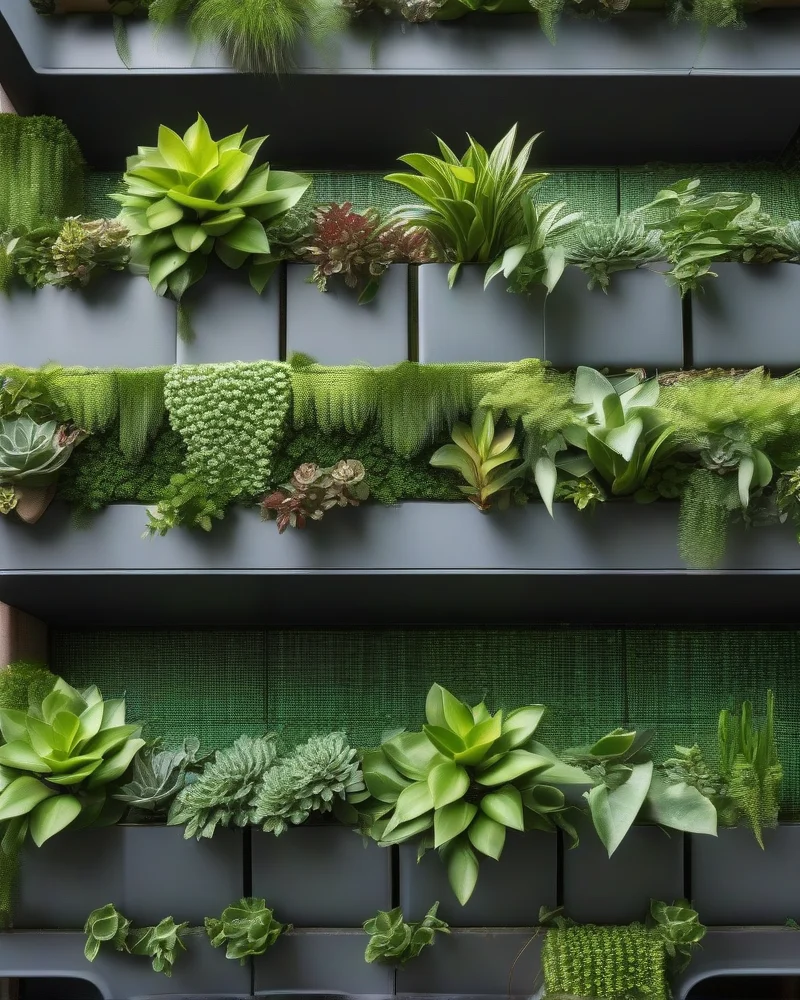
Urban balconies create intense microclimates where wind tunnels and scorching sun can stress even the most resilient plants. For a successful vertical installation in 2026, you must select species that tolerate rapid moisture evaporation and high thermal variability. Focus on plants that thrive in confined root zones while contributing to the air quality of your immediate living space.
- Sansevieria (Snake Plant): These architectural wonders are essential for low light corners. They are masters of night time oxygen production and require minimal water, making them perfect for the lower rungs of your modular wall.
- Epipremnum aureum (Golden Pothos): Highly adaptable to fluctuating light, these trailing vines add softness to structural grids. They filter common indoor toxins like formaldehyde and excel in vertical setups where their foliage can cascade downward.
- Heuchera (Coral Bells): If your balcony sits in a shaded urban canyon, these provide vibrant color through their foliage rather than flowers. They hold up well against wind gusts and remain compact enough to prevent overcrowding in small modules.
- Sedum varieties: For high sun exposures, succulents are your best defense. They store water in their leaves to survive the hot, drying winds of high rise living and provide a structured, modern aesthetic.
Success depends heavily on companion planting. In modular systems, you should pair plants with similar water and light requirements to ensure consistent irrigation flow. For example, placing moisture loving ferns alongside drought tolerant herbs will lead to root rot in one and dehydration in the other. Always group plants with identical needs within the same modular tray or vertical column. This strategy balances soil nutrients and creates a micro ecosystem that supports plant health across the entire wall structure.
Installation Logistics: Structural Integrity and DIY Best Practices
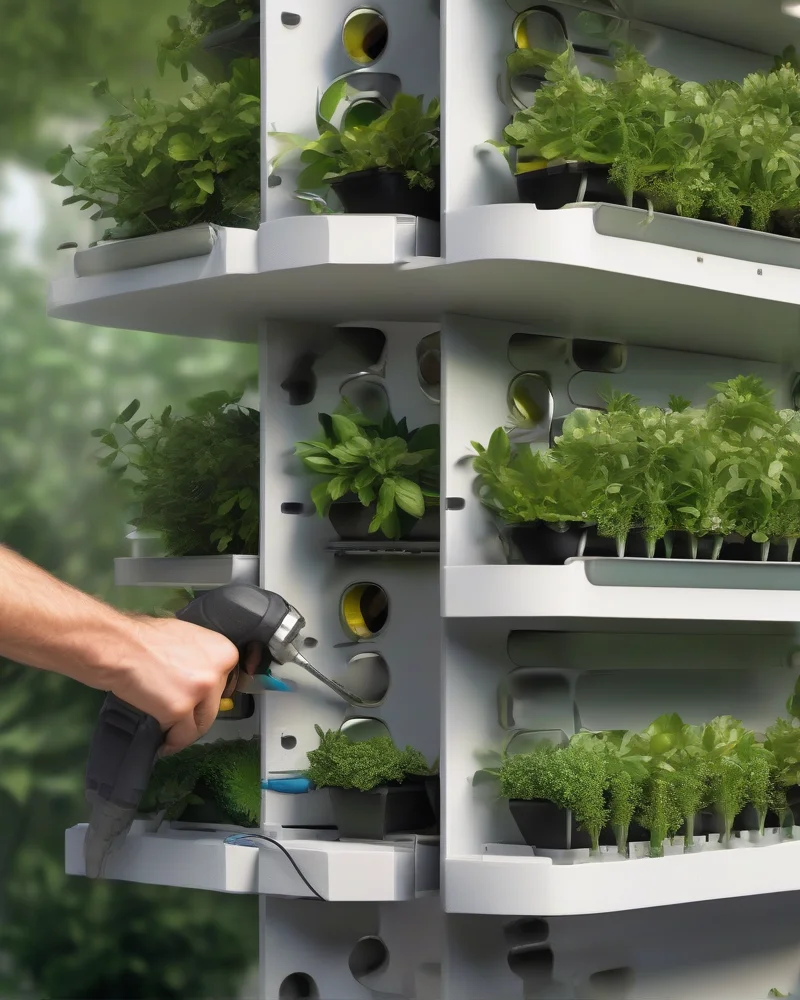
Securing a vertical garden to your urban balcony requires a meticulous approach to structural integrity. Before you mount any hardware, you must verify the load bearing capacity of your balcony wall. A saturated modular system filled with wet soil and mature vegetation adds significant weight. Concrete walls provide the most reliable anchor point. Use high quality masonry drill bits and expansion bolts to ensure a firm grip. For brick surfaces, avoid anchoring directly into the mortar joints, as they can crumble under heavy pressure. Always drill into the center of the brick to maintain structural stability.
Glass surfaces present a unique challenge and usually require a tension cable system that spans from floor to ceiling rather than direct mounting. This method distributes weight across the building frame rather than stressing the fragile glass panes. Regardless of the material, wind stress is a critical factor for balconies located on higher floors. You must account for lateral wind loads by using heavy duty corrosion resistant fasteners that prevent the system from rattling or detaching during gusts.
Consider these essential best practices to ensure your installation remains secure:
- Use a level tool during every step to prevent weight distribution imbalances that lead to mechanical failure.
- Opt for stainless steel hardware to prevent rust and degradation in exposed urban environments.
- If your balcony wall is hollow, employ toggle bolts or specific cavity anchors designed to grip the internal surface area.
- Always perform a pull test after installing each mounting point to confirm it can handle at least double the anticipated weight of the planter unit.
By prioritizing professional grade hardware over quick fix solutions, you guarantee that your green installation remains a permanent fixture rather than a safety hazard.
Frequently Asked Questions (FAQ) About Living Walls
Frequently Asked Questions (FAQ) About Living Walls
- How do I manage drainage on a small balcony without damaging the floor?
- Excess water is the primary concern for urban balcony gardens. We recommend installing a modular system that includes integrated catchment trays at the base of each vertical row. For larger setups, place a waterproof deck tile or a rubber drainage mat underneath your structure to protect the building substrate. Always check your local building codes regarding water runoff to ensure you are not creating slip hazards for neighbors below.
- How can I keep pests away in an urban environment?
- Urban settings often lack natural predators. Preventative maintenance is your best defense. Inspect the undersides of leaves weekly for signs of aphids or spider mites. Use organic neem oil sprays as a proactive treatment during the growing season. Introducing companion plants like marigolds or lavender can naturally deter common pests while improving the scent of your space.
- Is a DIY installation worth the effort compared to a professional setup?
- DIY modular systems are significantly more cost-effective for small urban spaces and allow you to scale your garden gradually. A professional installation typically incurs high labor costs and custom design fees, which are often unnecessary for balconies under fifty square feet. If you are comfortable using a power drill and a level, DIY is the superior choice for your budget. However, hire a professional if you plan to mount systems onto complex building facades or require an automated, integrated irrigation system that connects directly to building plumbing.
By 2026, the balcony is no longer just an outdoor ledge; it is a critical component of personal well-being. Through the strategic application of biophilic modular garden walls, you have the power to redefine your urban footprint. Whether you choose a sophisticated hydroponic setup or a classic soil-based modular system, the key to success lies in thoughtful planning and consistent care. At Nailosmetic, we advocate for designs that prioritize both environmental harmony and aesthetic luxury. Embrace the vertical revolution, nurture your plants, and enjoy the transformative air and aesthetic clarity your new living wall brings to your home. The concrete jungle is a canvas—it is time you turned it into a masterpiece.