short hair bob cuts for thick hair

Why are top stylists suddenly refusing to cut thick hair unless you ask for a specific technique? If you have been struggling with ‘triangle head’ or constant frizz, short hair bob cuts for thick hair are the industry-secret solution to permanent volume control and effortless chic. At Nailosmetic, we know that hair health is the foundation of style, and mastering the weight distribution of a heavy mane is the key to a transformative look. In my experience testing various shear-thinning and texturizing methods, I’ve found that the right bob cut doesn’t just shorten your locks—it recalibrates your entire aesthetic. This guide provides the blueprint for achieving a bob that feels weightless, looks high-end, and maintains its shape for months. From weight-removal strategies to the exact products that prevent poof, we are covering everything you need to transition to short hair.
Table of Contents
- Which short hair bob cuts for thick hair actually work?
- How do you remove bulk without causing frizz?
- What are the best styling secrets for dense hair?
- How do you match a bob to your unique face shape?
- Which products are essential for high-density bobs?
- How often should you get your bob trimmed?
- Why does my bob look like a mushroom?
- [Visual Guide] Anatomy of a Perfect Thick Hair Bob
- What should you tell your stylist?
- Frequently Asked Questions
Which short hair bob cuts for thick hair actually work?
When navigating short hair bob cuts for thick hair, the primary challenge is managing excessive weight without sacrificing the sleek silhouette characteristic of a high-end cut. The graduated bob remains a cornerstone technique because it relies on precise stacking at the nape. By cutting shorter layers underneath the crown, a stylist creates a natural inward curve, which prevents the hair from expanding outward into an unwanted triangular shape. This internal structure is vital for creating a polished, rounded form that behaves predictably even on humid days or after a long day.
Conversely, the textured blunt bob is often dismissed by those with dense hair, yet it can be incredibly effective when executed with advanced thinning mechanics. The secret lies in decoupling the perimeter from the interior. A stylist should maintain a razor-sharp, heavy perimeter line to ground the style, but use deep point cutting or thinning shears strictly on the interior sections to remove bulk. By thinning the hair near the root and through the mid-lengths, the perimeter retains its clean, sophisticated edge while the overall mass is reduced, preventing the dreaded mushroom effect.
Removing density while keeping the perimeter pristine is an art form. If you remove too much weight near the ends, the hair loses its structural integrity and begins to look frayed. I always emphasize a slightly longer nape area rather than an extreme undercut. A soft, tapered transition at the hairline ensures that as the hair grows out, it does not experience the poodle effect, which occurs when short, dense hair starts to curl and fluff upward at the neckline. Maintaining a bit of length at the nape keeps the hair weighted down, allowing it to lay flat against the neck for a seamless profile. For those concerned about maintaining the health of their hair during these heavy texturizing processes, consulting resources like the American Academy of Dermatology regarding proper moisture and scalp care is always a wise step. Ultimately, these styles succeed when the stylist balances internal volume reduction with the structural weight necessary to keep the hair in its intended position.
How do you remove bulk without causing frizz?
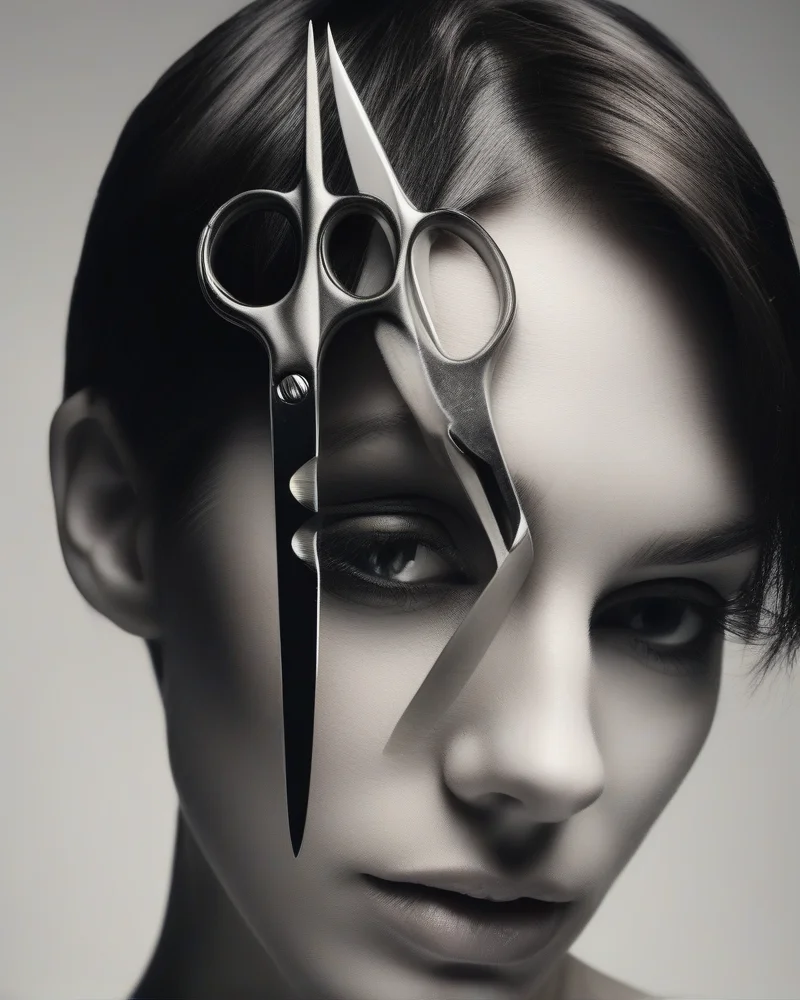
When you have dense, voluminous tresses, the biggest hurdle in achieving a sharp bob is managing the internal weight. Many stylists reach for thinning shears to tackle this issue, but for thick hair, these serrated blades are often the enemy. Thinning shears work by cutting varying lengths of hair at different intervals, which creates short, jagged internal layers. As these tiny hairs grow out, they push against the longer strands, creating unwanted volume, lift, and permanent frizz that ruins the sleek silhouette of a bob.
To achieve a sophisticated, heavy-weight look without the fluff, professional stylists rely on precision techniques that preserve the integrity of the hair strand. According to the American Academy of Dermatology, proper handling of the cuticle is essential to prevent long-term damage during aggressive styling or structural cutting. When the cuticle is compromised by blunt-force thinning, the hair loses its ability to lay flat, leading to that dreaded triangle shape.
- Deep Point Cutting: Instead of removing chunks of hair, this technique involves cutting vertically into the ends at an angle. By varying the depth of each snip, a stylist can create soft, invisible graduation that removes weight while maintaining the length of the external canopy. This allows the hair to curve inward naturally rather than puffing outward.
- Precision Slicing: Unlike thinning shears that remove large sections of the density, slicing involves gliding an open shear blade down the mid-lengths. This method creates negative space within the interior of the cut. It allows thick hair to collapse into a more manageable shape, providing movement and flow without creating the bristly, frizzy regrowth associated with standard texturizing shears.
- Channel Cutting: This is a highly controlled method of weight removal that targets specific heavy sections near the nape or behind the ears. By removing small, targeted slivers of hair close to the scalp, the stylist can create a recessed area that allows the rest of the hair to sit flush against the neck, perfecting the line of your short bob.
- Weight Distribution via Graduation: A classic technical approach involves building graduation into the nape. By cutting the hair shorter at the bottom and gradually lengthening it as you move upward, you create a natural shelf. This gravity-defying technique naturally reduces volume at the perimeter, ensuring the hair stays sleek and frizz-free without the need for destructive thinning tools.
What are the best styling secrets for dense hair?
When managing a dense mane, the biggest mistake is attacking the hair while it is soaking wet. My years behind the chair have taught me that thick textures hold onto water far longer than fine strands, which can lead to unnecessary heat damage during prolonged drying sessions. Before you even reach for your dryer, you must rough dry your hair until it is about 75 percent dry using only your fingers. This removes excess moisture and begins to align the cuticle, preventing that dreaded puffed up finish. If you want to explore further professional advice on maintenance, check out our hairstyles for women ultimate guide for comprehensive care tips.
Once your hair is damp, tension blow drying becomes your most valuable tool. This technique involves pulling the hair taut as you guide the airflow from roots to ends. By maintaining consistent, firm tension, you physically flatten the hair cuticle, which is the secret to achieving that sleek, polished look inherent to the best short bob cuts. Using a high quality boar bristle brush is non negotiable for dense hair because the natural bristles effectively distribute your scalp’s sebum along the hair shaft. This process not only imparts a natural, healthy shine but also smooths down the unruly flyaways that often plague thick textures.
For optimal hair health, it is essential to keep your heat setting moderate. According to the American Academy of Dermatology, frequent exposure to high heat can lead to breakage, so always apply a thermal protectant spray before starting your style. When working with a dense bob, section your hair into at least four parts using clips. Drying in thin, controlled sections ensures that the heat penetrates evenly, meaning you will not have to pass the brush over the same spot multiple times. This methodical approach saves you time in the long run and preserves the structural integrity of your hair, ensuring your short cut remains vibrant, manageable, and perfectly shaped for weeks between salon visits.
How do you match a bob to your unique face shape?
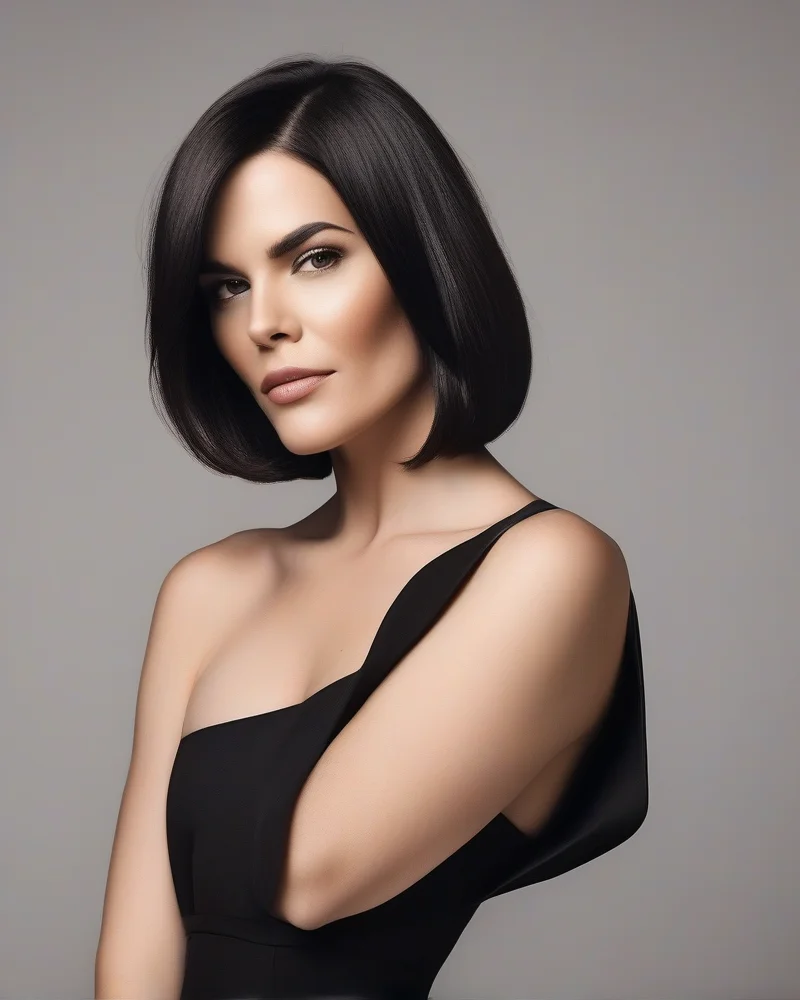
Selecting the ideal silhouette for dense locks requires a strategic understanding of geometry. When dealing with high hair density, the length and angle of your cut dictate how your facial features are framed. A precision-cut bob acts as a natural contouring tool, effectively redistributing weight to balance your underlying bone structure. According to the American Academy of Dermatology, understanding your hair texture and scalp health is the first step in successful maintenance, but achieving a flattering aesthetic depends entirely on how the perimeter of the hair sits against your jaw and cheekbones.
| Face Shape | Recommended Bob Strategy | Impact on Jawline |
|---|---|---|
| Round | Longer, angled A-line bob | Draws eyes downward, elongating the appearance of the neck. |
| Square | Soft, layered, rounded edges | Softens angular, sharp jawlines through rounded movement. |
| Heart | Chin-length bob with texture | Adds width at the chin area to balance a wider forehead. |
For individuals with round faces, the goal is to introduce verticality. A sharp, asymmetrical bob that falls several inches below the chin effectively creates a slimming illusion by breaking up the circular perimeter of the face. The key here is the steepness of the angle; a pronounced wedge shape directs focus away from the cheeks.
Those with square face shapes benefit from intentional softening. When your jawline is defined and angular, avoiding blunt horizontal lines is essential. Instead, request a rounded bob that hits just above or below the jaw, featuring shattered ends or invisible layers to mitigate the boxy effect that dense hair can sometimes create. This technique diffuses the intensity of the lower face.
Heart-shaped faces possess a wider forehead and a tapered chin. By keeping your cut at chin length, you physically add volume where it is needed most, creating the illusion of a more balanced jawline. Incorporating light, feathered texture throughout the crown ensures the hair does not appear overly triangular or heavy at the base. Always consult your stylist on how your specific growth patterns might influence the final fall of these layers.
Which products are essential for high-density bobs?
Managing a high-density bob requires a strategic approach to product selection. Because thick hair is prone to rapid weight accumulation, the goal is to enhance movement while maintaining structure. To achieve this, you must pivot away from heavy, oil-based formulas that lead to limpness and instead focus on airy, water-based textures that support the cuticle without weighing down the style. According to the [American Academy of Dermatology Association](https://www.aad.org), understanding your hair type is the first step toward maintaining scalp and follicle health, which directly impacts how your product regimen performs over time.- Lightweight Smoothing Creams: For dense hair, reach for water-based smoothing creams rather than traditional heavy oils or serums. These products focus on softening the hair fiber and eliminating flyaways through hydration rather than coating the hair in heavy lipids. Apply a pea-sized amount to the mid-lengths and ends to tame volume without sacrificing the natural bounce of your cut. Avoiding silicones is crucial here, as they often create an impenetrable barrier that causes buildup, making the hair appear greasy or brittle after only a few days.
- Root-Focused Volumizing Mousses: When your hair is thick, you want to encourage lift at the crown to avoid a heavy, triangle-shaped silhouette. Use a high-quality volumizing mousse specifically formulated for density. The technique is just as important as the product. Dispense the mousse into your hands and work it strictly into the root area using your fingertips. By concentrating the product at the base, you provide a structural foundation that prevents the hair from falling flat against the scalp, allowing the rest of the bob to maintain a clean, rounded shape.
- Humidity-Resistant Finishing Sprays: A polished bob is only as good as its longevity. To protect your style from the elements, invest in a fine-mist finishing spray that features humidity resistance. Unlike heavy hairsprays that create a stiff, helmet-like texture, modern humidity-resistant formulas create a microscopic, breathable shield around the hair shaft. This keeps the hair fibers from absorbing atmospheric moisture, which is the primary cause of frizz in thick, coarse textures. This final step ensures your haircut remains sleek and maintains its intended shape throughout the day, even in challenging weather conditions.
How often should you get your bob trimmed?
Maintaining the structural integrity of a short hair bob cut for thick hair is a lesson in precision and patience. In my professional experience, the architectural beauty of this style begins to fade noticeably around the six to eight week mark. While fine hair might hold its shape for longer periods, dense tresses have a unique way of challenging gravity. As the internal weight begins to accumulate, the cut loses its intentional lines and crisp perimeter. This timeline is critical because thick strands have more mass, meaning even slight growth leads to a significant change in volume distribution across the head.
If you push your salon appointment beyond this eight week window, you inevitably encounter the dreaded triangle shape. This occurs because the inner layers and the weight removal zones grow out at a faster rate than the external perimeter. As these interior layers lose their blunt, customized texture, the hair begins to push outward, creating an unflattering, wide silhouette that lacks the sleek refinement you initially desired. This is the moment your stylist’s careful thinning techniques, such as point cutting or deep texturizing, lose their effect, leaving your hair looking bottom-heavy and difficult to manage.
To maintain a sharp aesthetic, consider your maintenance cycle as part of your overall grooming ritual. Just as you might spend time perfecting your goth makeup for beginner looks or refining your manicure techniques, hair maintenance requires consistent professional intervention. Waiting too long creates a cycle where you require a more drastic haircut just to correct the structural collapse, rather than a simple trim to keep things polished. For those curious about the science behind follicle health during this growth cycle, you can find excellent resources regarding hair growth cycles at aad.org. By adhering to a strict six to eight week schedule, you preserve the weight balance of your bob, ensuring your hair remains a sophisticated asset rather than an unmanageable weight. Consistency is truly the secret to keeping dense locks looking intentional and elevated at all times.
Why does my bob look like a mushroom?
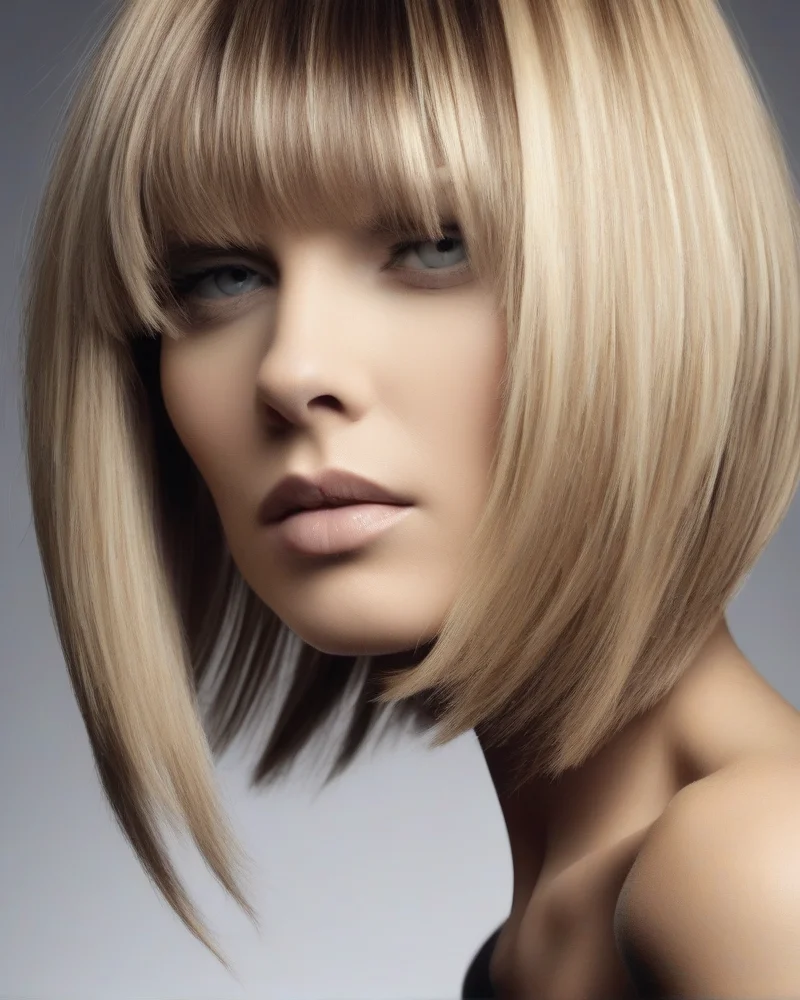
The dreaded mushroom effect is the single most common grievance for individuals with high density strands when attempting a shorter silhouette. When a stylist cuts thick hair with a blunt perimeter without considering the internal geometry, the weight of the hair pushes outward rather than falling vertically. Because thick hair has more mass per square inch, that weight acts like a foundation, forcing the hair to expand horizontally at the bottom rather than resting sleekly against the neck. This creates a rounded, buoyant shape that lacks movement and sophistication, often requiring excessive heat styling just to flatten the profile.
To prevent this, the structural integrity of the cut must be addressed through advanced thinning techniques. The most vital term you need to communicate during your consultation is internal layering. Unlike traditional exterior layers that sit on top of the hair, internal layering involves removing weight from the mid lengths and interior sections of the cut while keeping the outer layer relatively untouched. This creates an invisible support system within the hair, allowing the ends to curve inward toward the neck rather than flaring out like a fungi. You should also ask your stylist about point cutting or deep texturizing at the ends, which breaks up the bluntness and softens the line, encouraging the hair to sit flatter.
Furthermore, consider asking for undercutting at the nape of the neck. By removing a section of hair from the very bottom, a stylist can reduce the bulk that often causes the mushroom silhouette to build up. This technique is especially effective for those with a high hairline or very coarse texture, as it allows the top layers to drape naturally without being forced outward by the mass underneath. Keeping the health of your scalp in mind is also essential when opting for aggressive thinning; ensuring your hair follicles are supported is vital, as noted by dermatological experts at https://www.aad.org. By prioritizing these structural adjustments over simple length reduction, you ensure your bob maintains a polished, modern, and intentional shape.
What is the anatomy of a perfect thick hair bob?

When constructing a high-density haircut, the structural integrity relies entirely on weight distribution. A bob for thick hair requires more than just a blunt perimeter; it needs internal architecture that allows the strands to behave naturally rather than expanding outward. The most critical component in this structural design is the nape undercut. By shaving or tapering the very bottom section of the hair at the hairline, stylists create a concave space that allows the longer hair above to drape inward seamlessly. This technique removes significant bulk exactly where the density causes the most internal pressure, which is the primary reason thick styles often balloon into an undesirable triangular shape.
This hidden layer acts as a mechanical release valve for volume. While the outer length remains untouched, the scalp-level hair is cut extremely short, creating a subtle hollow. When the hair falls back into place, it sits flush against the neck instead of being pushed outward by the heavy undergrowth. Beyond the undercut, the anatomy of a sophisticated bob involves precise point cutting throughout the mid-lengths. Point cutting creates soft, shattered ends rather than harsh, blunt lines, ensuring the perimeter looks polished rather than shelf-like. According to guidelines provided by the American Academy of Dermatology, maintaining the health of the scalp is essential when experimenting with short crops, so ensure your stylist uses professional-grade clippers to avoid irritation at the nape.
For those with particularly coarse hair textures, consider adding invisible interior layers. Unlike traditional layers that might create frizz, these are executed by taking small, random sections deep inside the hair mass and cutting them shorter than the rest. This technique distributes the weight throughout the entire head shape rather than concentrating it at the ends. By combining a nape undercut with strategic thinning techniques, you achieve a silhouette that is sleek, manageable, and retains its shape even as the hair begins to grow out. The result is a premium, couture look that feels lightweight, moves with you, and eliminates the daily battle with gravity.
What should you tell your stylist?
Achieving the perfect silhouette for high density tresses requires more than just a pair of scissors. Communication is your greatest asset in the salon chair. To avoid the dreaded triangle shape that often plagues thick-haired individuals, you must advocate for specific texturizing techniques that prioritize internal weight removal over surface layering. When your stylist understands the structural goals, they can manipulate the weight distribution of your hair follicles to create movement and suppleness.- Start the conversation with this specific script: “I want a bob, but I am concerned about density. Can we do deep point cutting or slice cutting to remove weight internally without thinning the ends?”
- Request a ‘debulking’ session at the mid-shaft. By removing bulk away from the perimeter, you keep the clean, sharp edge that defines a modern bob while ensuring the hair does not puff outward.
- Discuss the possibility of undercutting. This involves shaving or clipping a small section of hair near the nape of the neck. It is a brilliant way to reduce mass without compromising the visible length of your cut.
- Ask for a consultation regarding your face shape. Your stylist should adjust the angle of the bob to complement your jawline. If you are preparing for a festive look, perhaps pairing your new bob with pink hair for a Halloween costume could be a fun styling experiment.
- Inquire about the use of thinning shears versus a razor. While shears are precise, a razor can provide a softer, more feathered texture that is ideal for thick, coarse hair types as noted by experts at the American Academy of Dermatology.
Frequently Asked Questions
How do I prevent my bob from looking too puffy or bulky?
To manage excess volume, ask your stylist for internal texturizing or point cutting. These techniques remove weight from the mid-lengths and ends without creating choppy layers that ruin the shape. Incorporating an undercut at the nape of the neck can also eliminate bulk, allowing the hair to sit flat against the scalp. Always prioritize moisture to prevent frizz, as dehydration often leads to unwanted expansion in dense, coarse hair textures.
How often should I trim a bob when I have thick hair?
Because density highlights growth patterns quickly, maintaining a precise silhouette requires frequent visits. You should schedule a trim every five to six weeks. This keeps the perimeter clean and prevents the weight of your hair from causing the cut to lose its intended structure. Regular maintenance ensures your ends remain blunt and sharp, which is essential for a polished look. For additional advice on maintaining scalp and strand health during frequent styling, consult resources like aad.org.
Which styling products are best for a short hair bob cut for thick hair?
Lightweight smoothing creams and anti-humidity serums are non-negotiable. Avoid heavy waxes or oil-based pomades that can weigh down the hair or make it appear greasy. A high-quality heat protectant is also vital when using flat irons to achieve a sleek finish. If you want to enhance natural movement, a light salt spray or texturizing mousse can define your strands without adding the significant weight that causes the hair to puff up throughout the day.
Can I wear a blunt bob if my hair is very coarse?
Absolutely. A blunt style works beautifully on coarse hair because the thickness adds a natural, luxurious weight that helps the hair hang straight. The key is in the layering technique. Avoid blunt cuts that stop right at the jawline, as this can widen the appearance of the face. Instead, opt for a slightly longer version that skims the collarbone. This length provides enough gravity to keep the hair looking sophisticated, sleek, and well-behaved, rather than triangular or unruly.
Transitioning to short hair is a transformative experience, but success relies entirely on the architecture of the cut. By choosing the right shape and insisting on proper internal weight removal, short hair bob cuts for thick hair become the most low-maintenance, high-impact style you will ever wear. Remember, the goal is to manage the volume, not fight against it. With these tips and the right professional, you can achieve that sleek, effortless look you’ve been chasing all along.