
goth makeup for beginner

Mastering goth makeup for beginner aesthetics is less about mimicking a costume and more about curating a signature dark elegance. In my experience testing hundreds of pigments, the secret to the perfect ‘vampy’ lip isn’t just the shade, but the precise layering of a matte primer—a technique I discovered while working at Nailosmetic. Most beginners struggle with patchiness, but once you identify your undertones, the transformation is immediate. Why do some looks look greasy while others remain hauntingly matte all night? It comes down to skin prep, which dermatologists at the American Academy of Dermatology emphasize as the foundation for any long-wear cosmetic application. Below, I break down the exact product hierarchy I’ve curated to help you achieve professional-grade results from your vanity table. Let’s dive into the essential toolkit.1. What is the best approach to goth makeup for beginner enthusiasts? 2. Which essential tools and products do you need? 3. How to achieve a flawless goth base? 4. Mastering the perfect goth eye 5. The art of the dark lip 6. Common mistakes to avoid 7. How to transition goth looks from day-to-night? 8. Goth makeup styles explained 9. Frequently asked questions 10. Maintenance and skincare 11. Conclusion
What is the best approach to goth makeup for beginner enthusiasts?
Embarking on your journey into the captivating world of gothic makeup is less about mastering complex techniques overnight and more about cultivating a specific mindset and philosophy. This aesthetic is a profound form of self-expression, a celebration of individuality that transcends conventional beauty standards. For the beginner enthusiast, the most effective approach is to embrace patience, experimentation, and a clear understanding that goth beauty is an ongoing artistic practice, not an inherent talent. It is about finding your own interpretation of dark aesthetics and allowing your confidence to shine through, rather than merely replicating a specific look.
Which essential tools and products do you need?

Building a high-impact aesthetic requires a focused collection of reliable supplies rather than a cluttered vanity full of mediocre items. Investing in professional-grade products ensures that your dramatic looks remain crisp throughout the day while preventing unnecessary skin irritation. Quality over quantity is the mantra for every budding enthusiast who wants to achieve that signature dark, polished look without compromising the health of their complexion.
- Matte Foundation: A solid, velvet-finish base is the cornerstone of gothic style. Look for high-coverage, long-wear formulas that provide a seamless, porcelain canvas. Avoid overly dewy products, as these tend to break down when layered with heavy pigment. Ensure your skin is properly hydrated beforehand; the American Academy of Dermatology emphasizes that a consistent skincare routine is essential for maintaining a healthy barrier regardless of your stylistic choices.
- Liquid Liner: A felt-tip or brush-tip waterproof liquid eyeliner is non-negotiable for creating razor-sharp wings or intricate graphic designs. High-pigment formulas that dry down to a smudge-proof matte finish are superior for beginners, as they minimize the risk of transfer onto your eyelids during long wear.
- Setting Powder: To lock your look in place, a translucent or brightening finely-milled setting powder is critical. This product absorbs excess oils and prevents your base from creasing. Focus on pressing the powder into the skin rather than swiping it to ensure maximum longevity and a smooth, pore-blurred finish.
- Pigment-Rich Palettes: Instead of buying dozens of cheap shadows, select one or two professional-grade palettes containing high concentrations of black, charcoal, deep plum, and crimson pigments. These shades should offer excellent color payoff and blendability, allowing you to build depth for a smoky eye or a sharp, editorial appearance without getting muddy.
- Precision Brushes: Your tools are just as important as the cosmetics themselves. A dense packing brush for pigment application and a fine-tipped liner brush for detailing will allow you to execute clean, professional lines that fingers or sponges simply cannot achieve.
How to achieve a flawless goth base?
Achieving that iconic, porcelain-like complexion is the foundational pillar of any goth aesthetic. The debate between embracing your natural skin tone versus opting for a pale, stark white base often confuses novices. If you prefer a modern, wearable look, staying close to your natural undertones allows for a more cohesive aesthetic that pairs beautifully with bold versatile hairstyles for women. However, if you are committed to the traditional theatrical vibe, choosing a foundation two or three shades lighter than your skin tone is the standard approach. The secret to success lies in careful color correction; if you are fair with cool undertones, ensure your base doesn’t lean too orange or yellow, as this creates a muddy appearance that detracts from the gothic allure.
To prevent the dreaded chalky or cakey finish often associated with white-based products, moisture is your greatest ally. Before applying any pigment, ensure your skin is properly hydrated by following professional advice found at aad.org regarding daily skincare maintenance. Start with a high-quality primer to create a smooth canvas that grips the foundation without absorbing it into fine lines. When applying a lighter foundation, use a damp beauty sponge rather than a brush. A sponge pushes the product into the skin, preventing it from sitting on the surface and forming a mask-like texture. Build the coverage in sheer, thin layers rather than one heavy application.
The science behind avoiding a cakey look is all about setting. If your foundation sits too heavily, your setting powder is likely the culprit. Instead of packing on layers of loose talc, use a finely milled translucent setting powder applied sparingly with a fluffy brush only in the center of the face. This maintains a natural, skin-like finish while ensuring longevity. If you find your foundation still feels thick, mix a tiny drop of facial oil into the formula before application. This adjustment maintains the opacity required for the goth look while providing a supple, luminous finish that avoids looking dry or cracked throughout the day.
Mastering the perfect goth eye
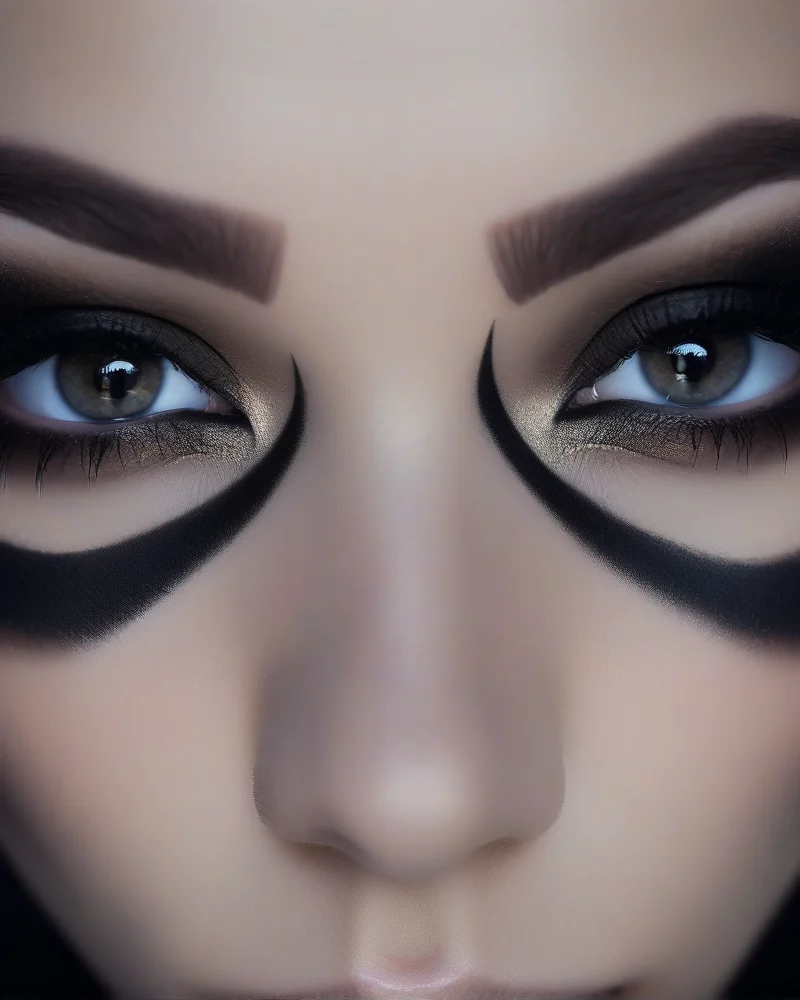
Achieving the quintessential dark aesthetic begins with mastering the eyes. Start by priming your lids with a long-wear eyeshadow base to prevent creasing and ensure that your obsidian pigments stay vibrant throughout the night. For a foundational smoky look, select a matte black or deep charcoal eyeshadow. Pack the pigment onto the outer third of your eyelid using a dense, flat shader brush, pressing the color in rather than sweeping it. This prevents fallout and creates an opaque intensity. Once the base color is placed, take a soft, fluffy blending brush to buff the edges of the shadow toward your crease. Use small circular motions, working gradually to avoid muddying the pigment. The secret to a professional finish is patience, as diffusing harsh edges requires a light hand and patience.
To create the perfect winged eyeliner, look for a liquid or gel formula with a fine-tipped brush. Instead of drawing the flick as one continuous motion, start by mapping out the shape. Begin by extending a line from your lower lash line upward toward the tail of your brow. This ensures symmetry. Once your tail is angled correctly, connect it back to the upper lash line, creating a triangular shape that you can fill in afterward. If you are struggling with a shaky hand, lean your elbow against a vanity table for stability. You can use a thin angled brush dipped in micellar water to clean up any jagged edges, giving your wing that razor-sharp finish.
If you find that your liner lacks depth, tighten your upper waterline by applying a waterproof kohl pencil directly under your lashes. This technique, often called tightlining, adds density to your lash line and enhances the overall gothic allure. Remember that eye health is paramount, so always ensure your products are ophthalmologist-tested and avoid sharing cosmetics to prevent infection, as noted by the American Academy of Ophthalmology. Finish the eyes by loading your lashes with volumizing mascara, focusing heavily on the roots to frame your smoky, dramatic gaze.
The art of the dark lip

The art of the dark lip is a cornerstone of the goth aesthetic, offering an immediate and dramatic impact. For beginners, diving into the world of deep, enigmatic lip colors can feel intimidating, but it’s incredibly rewarding. When selecting your signature shade, consider the spectrum of dark hues available. Deep purples, ranging from rich plum to almost black violet, provide a sophisticated and moody elegance. True black lipstick, while bold, is a classic for a reason, exuding an undeniable power and mystery. Don’t shy away from deep, vampy reds; think oxblood, wine, or a dark crimson. These shades offer a touch of allure and intensity without being as stark as black. When experimenting, hold the lipstick up to your skin tone in natural light to see how the undertones play. Warm undertones often suit burgundy and deep berry shades, while cooler undertones can pull off true black and cooler purples beautifully. A common pitfall for newcomers is lipstick bleeding or feathering, especially with darker, more pigmented formulas. This is where a good lip liner becomes your best friend. Choose a lip liner that closely matches your lipstick shade or is a shade lighter than your natural lip color for a subtle definition. Apply it precisely along your natural lip line, creating a barrier to prevent the lipstick from migrating into fine lines. For an extra layer of security, you can gently fill in your entire lip with the liner before applying your lipstick. This not only helps with longevity but also provides a richer base color. Brands specializing in long-wear formulas often offer corresponding liners. Pro tip: For an even sharper edge, you can use a fine tipped brush dipped in a tiny amount of concealer or foundation to clean up any imperfections around your lip line after application. This technique creates a crisp, professional finish that truly elevates your dark lip look and combats that common beginner issue of imperfect edges.
Common mistakes to avoid
- The uneven eyeliner struggle: Many beginners attempt an intricate winged look only to find the lines look jagged or asymmetrical. This usually stems from pulling on the eyelid skin, which distorts the shape once you release it. Instead, keep your eyes open and look straight into a mirror while mapping out your shape. Use a high quality liquid liner with a felt tip for precision. If you make a mistake, do not reach for a makeup wipe immediately. Dip a fine, angled brush into a bit of micellar water to clean up the edges, creating a razor sharp line that elevates your entire aesthetic.
- Shade matching nightmares: Gothic style often emphasizes a porcelain or vampiric pallor, but using a foundation that is several shades lighter than your neck creates a disjointed appearance. This look often leaves behind a mask effect that photographs poorly. If your goal is a lighter complexion, select a foundation that matches your undertone but is only one shade lighter than your natural skin. If you are preparing for a themed event, such as trying out pink hair halloween costume ideas, ensure your blush and contour colors complement the warmth or coolness of your hair dye. Always blend your product down past your jawline to ensure a seamless transition.
- Ignoring the importance of setting spray: Dark pigments are notorious for smudging, transferring, or fading throughout the day. Skipping a setting step is a primary reason your look might fall apart before the night ends. Think of your face as a canvas that needs a protective sealant. Apply a fine mist of setting spray in an X and T motion to lock in your powder and cream products. This step is crucial for maintaining the integrity of your dark aesthetic, especially when paired with heavy eyeshadow. For those with specific skin concerns related to persistent product use, you can find helpful advice on maintaining skin barrier health at aad.org.
- Lack of blending in the crease: Gothic eye makeup often relies on deep blacks or bruised plums, which are difficult to blend. Beginners often apply the dark shade directly, resulting in a patchy finish. Always start by laying down a neutral transition shade in your crease. This provides a soft buffer that allows the darker colors to diffuse naturally rather than settling into a harsh, muddy block of pigment. Patience during the blending process is the secret to a professional result.
How to transition goth looks from day-to-night?
Mastering the art of goth makeup for beginner enthusiasts often starts with understanding the power of a versatile aesthetic. The key to moving from a professional setting to an evening outing lies in the concept of layering your pigments. During the daylight hours, you want to focus on a wearable approach to dark elegance. Begin your morning routine by applying a soft, taupe, or cool toned grey eyeshadow across the lid, blending it carefully into the crease to create a gentle, diffused depth. This serves as a sophisticated base that hints at your personal style without appearing overly dramatic for an office or school environment. Pair this with a single coat of mascara and a sheer tinted lip balm to keep the look grounded and approachable.
When the sun sets and you are ready to amplify your look, you do not need to remove your base. Instead, use it as a foundation for higher intensity. The most effective method is to introduce a deep, matte black or charcoal pigment directly into the outer corner of the eye, blending it inward toward the center to create a seamless gradient. This instant darkening adds the requisite edge that defines alternative beauty styles. Use a liquid felt tip liner to carve out a sharp, dramatic wing that extends well past the lash line. According to guidance from the American Academy of Dermatology, always ensure you are using gentle, non-irritating makeup removers if you choose to refine your edges, as the skin around the eyes is exceptionally delicate.
To complete your after hours transformation, swap your subtle daytime lip for a bold, high impact shade. Deep plum, crushed berry, or classic obsidian lipsticks serve as the ultimate accessory for a night look. If you desire even more drama, consider applying a metallic or glitter topper to the center of your eyelids. This catches the light during evening events, providing a striking contrast to the matte shadows you applied earlier. By viewing your makeup as a buildable project, you can successfully navigate any social situation while maintaining your commitment to the goth aesthetic.
Goth makeup styles explained
 Venturing into the world of dark aesthetics means discovering a rich tapestry of styles, each with its own visual language. While a foundational understanding of classic elements like the dark lip and dramatic eyes is crucial, the gothic subculture is far from monolithic. Different eras and influences have shaped distinct appearances, allowing for a personalized expression of alternative beauty. To truly master gothic beauty, it helps to understand the nuances of these prominent styles. Below, we break down three foundational approaches: Trad Goth, Mall Goth, and the contemporary Modern/Soft Goth aesthetic, highlighting their key indicators and cosmetic philosophies.
| Style | Key Visuals/Aesthetics | Makeup Focus | Pro-Tips |
|---|---|---|---|
| Trad Goth (Traditional) | Influenced by late 1970s and 1980s post-punk and early gothic rock bands. Characterized by a romantic, melancholic, and often Victorian inspired look with an emphasis on stark contrast. Common elements include dark clothing, often velvet, lace, or crushed silk, sometimes with elements of punk DIY. Hair is typically big, teased, and very dark, often dyed black or very dark colors. Sometimes features dramatic accessories like chokers, layered necklaces, and arm wear. | The defining feature is often very pale foundation, providing a canvas for dramatic eye makeup. Eyes feature heavy black eyeliner, frequently winged or smudged for a smoky effect. Dark eyeshadow in shades of black, grey, deep purple, or burgundy is applied generously, often extending into the crease or lower lash line. Brows are typically well defined and dark. Lips are a critical component, favoring deep, rich shades such as black, deep crimson, plum, or dark berry, usually with a matte or semi matte finish. Minimal blush or contour is used, to maintain a stark, almost ethereal pallor. | Achieve that signature pale complexion with a foundation shade lighter than your natural skin tone. Use a full coverage formula to create an even base. For the eyes, layer a black kohl pencil under a powder eyeshadow to intensify color and longevity for a truly dramatic eye makeup statement. Experiment with different wing shapes. For longevity, always prep your eyelids with an eyeshadow primer. Don’t be afraid to experiment with deep lip colors; using a lip liner in a matching shade will prevent feathering. Remember, a stark contrast between pale skin and dark features is key to this alternative beauty aesthetic. |
| Mall Goth | Popularized in the late 1990s and early 2000s, this style blended gothic elements with punk rock, nu metal, and skate culture influences. It was often a more accessible, everyday interpretation of alternative fashion, frequently seen in suburban shopping centers. Visuals include band T shirts, cargo pants, plaid, fishnet stockings, and chunky platform shoes. Hair might be dyed unnatural colors like bright red or blue, often with choppy layers or bangs. Less emphasis on Victorian romance, more on edgy, rebellious self expression. | This look leans into a grungier, sometimes less refined aesthetic. While still favoring dark shades, the pale foundation might be less extreme or even omitted for a more natural skin tone. Eye makeup is still paramount, featuring heavy black eyeliner, often applied in a thick, smudged, or kohl rimmed style, sometimes with an intentionally “messy” appearance. Eyeshadows are typically dark greys and blacks, but glitter or metallic accents are more common than in Trad Goth. Lips can vary widely, from frosted nudes or light pinks to deep berry or black. The overall application can be less precise, contributing to its rebellious charm. | Embrace the smudged eyeliner look by applying a soft kohl pencil and then gently smudging with a brush or cotton swab for that quintessential undone vibe. Don’t worry too much about perfection; this style thrives on a raw, expressive quality. For a pop of late 90s nostalgia, try a frosted lip gloss over a dark lip color or even on its own. Remember to use a good makeup remover for these heavier applications. Maintaining healthy skin beneath any makeup style, especially when exploring bolder aesthetics, is paramount. For general skincare advice and preparation, resources like the American Academy of Dermatology provide excellent guidance on protecting your skin. |
| Modern/Soft Goth | A contemporary evolution, blending traditional gothic elements with modern beauty trends, often seen on social media platforms. It maintains a dark aesthetic but incorporates softer blending, more nuanced color palettes, and an emphasis on healthy looking skin. This style can range from subtly dark to quite dramatic, often featuring elements of romantic goth or even witchy aesthetics, but always with a polished finish. Clothing may incorporate current fashion trends with gothic accents, and hair can be styled in sleek, artistic ways or feature vibrant, non traditional colors. | This approach prioritizes technique and blendability. Foundation might still be pale but often aims for a flawless, slightly more natural finish, emphasizing healthy skin texture. Contouring and highlighting are frequently used to sculpt the face, creating definition without harsh lines. Eye makeup remains a focal point, using expertly blended smoky eyes in black, grey, deep jewel tones (emerald, sapphire, amethyst), or muted earth tones. Eyeliner can be graphic and sharp, or softly diffused. Brows are often defined but feathered or subtly filled. Lips can be vampy dark, but also feature ombre effects, rich matte reds, or even sophisticated deep nude shades, often with a velvety finish. | Focus on seamless blending for eyeshadows and contour. Invest in quality brushes to achieve smooth transitions. For a truly modern twist, experiment with deep jewel toned eyeshadows instead of just black, or use a pop of metallic liner. Healthy, well prepped skin is crucial for this polished look; ensure you hydrate and prime thoroughly. Consider an eyebrow gel to achieve a feathered, natural yet defined brow. For longevity and vibrancy of darker shadows, consider using an opaque white or black base underneath to make colors pop. This style allows for more personal interpretation and a refined take on alternative beauty. |
Frequently asked questions
Frequently asked questions
- Is gothic-inspired beauty an expensive endeavor?
- Not necessarily. While high-end brands offer exquisite pigments, you can achieve a dark aesthetic on a budget. Start with drugstore essentials like pigmented black eyeliner, matte foundation, and deep berry lipsticks. You do not need a massive professional kit to begin. Focus on investing in high-quality tools such as blending brushes and sponges, which often matter more than the cost of the makeup itself. Once you master the basics, you can curate a specialized collection over time.
- Can I wear this style of makeup in a professional office setting?
- Absolutely. The key is moderation and balance. Opt for a corporate goth approach by focusing on neutral-toned shadows with a darker liner rather than heavy, dramatic theatrical designs. A muted burgundy lip or a soft charcoal smoked eye can look sophisticated and polished in a workspace. If you need inspiration for bolder, more experimental face painting techniques for special events outside of work, check out our guide on tiger makeup for costume parties.
- How do I effectively remove long-wear stains without irritating my skin?
- Heavy-duty gothic pigments often contain strong dyes that cling to the skin. To protect your delicate barrier, avoid aggressive scrubbing. Use an oil-based cleansing balm or a dedicated dual-phase makeup remover, as the oils break down waterproof formulas effectively. Massage the product into dry skin, let it sit for thirty seconds to dissolve the pigment, and then rinse. According to the American Academy of Dermatology, maintaining a gentle routine is vital for long-term skin health.
- What is the best way to handle smudging with heavy black eyeliner?
- Smudging is a hallmark of many dark, alternative aesthetics, but it should be intentional. To prevent unwanted transfer, always set your liquid or gel liner with a matching matte eyeshadow. Use an angled brush to press the powder directly over the line. If you are a beginner, opting for a waterproof formula or a long-lasting pen can provide more control than traditional pots, ensuring your look stays sharp throughout the day.
Maintenance and skincare
Goth aesthetics often rely on high-pigment products, heavy foundation coverage, and long-wear formulas that can challenge your skin integrity if not managed with care. Maintaining a healthy skin barrier is the most important aspect of a successful long-term dark glam routine. When you utilize matte, oil-absorbing powders and dense black eyeliners daily, your pores can become congested. This makes the double-cleansing method non-negotiable. Begin your evening ritual with an oil-based cleanser or a high-quality cleansing balm. These products are scientifically designed to break down the hydrophobic bonds found in waterproof eyeliner and heavy pigments, lifting them away without the aggressive scrubbing that can damage your moisture barrier.
After you have emulsified and rinsed off the initial layer, follow up with a gentle, pH-balanced water-based cleanser. This second step ensures that any lingering residue is thoroughly removed, preventing the buildup that leads to breakouts. According to the American Academy of Dermatology Association, proper cleansing is the foundation of preventing inflammation and irritation. Do not neglect the delicate skin around your eyes while removing these intense shadows, as excessive rubbing can lead to premature fine lines.
Liquid lipstick is a staple in the goth community, yet its longevity often makes it notoriously difficult to remove. Attempting to wipe it off with a dry tissue will inevitably strip the skin on your lips, leading to cracks and dryness. Instead, apply a generous layer of an oil-based lip balm or a specialized makeup remover directly over the pigment. Let it sit for at least sixty seconds to dissolve the adhesive agents. Once the formula softens, gently wipe it away in a circular motion with a damp, soft microfiber cloth. Follow this process with a thick, emollient lip mask or a ceramide-rich treatment to restore hydration overnight. By prioritizing these restorative rituals, you ensure that your canvas remains healthy, supple, and ready for your next dramatic look without compromise.
Achieving the perfect goth makeup for beginner enthusiasts requires patience and the right toolkit. By focusing on skin prep, high-pigment products, and consistent technique, you can elevate your aesthetic from messy to masterful. Remember, this look is an art form that evolves with you. Always prioritize your skin health using proper removal methods, and never be afraid to experiment with new textures. Whether you are aiming for a classic trad look or a modern, subtle alternative, keep practicing until your application feels like second nature.