Butterfly Clips Hairstyles for Short Hair

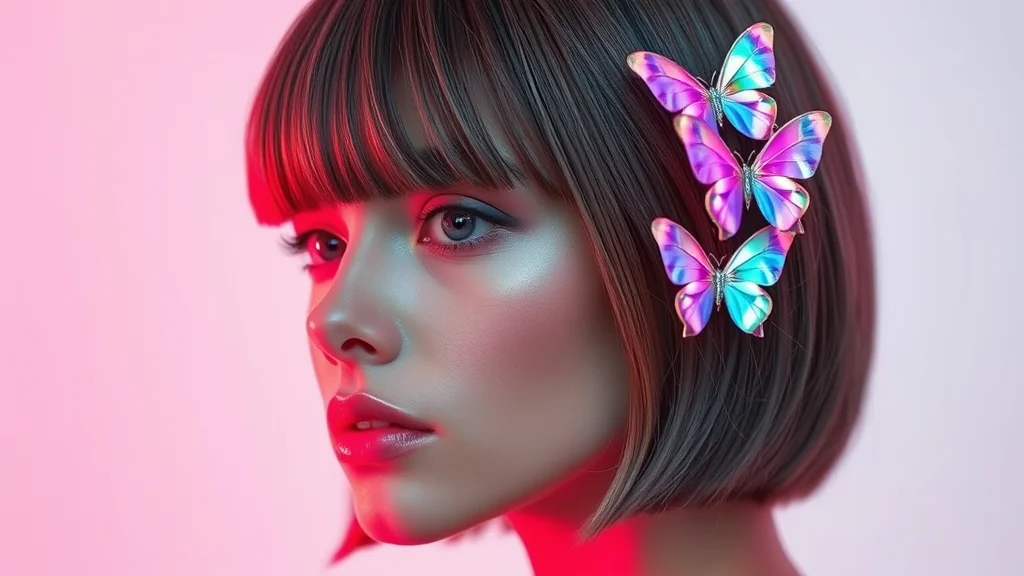
Butterfly clips are officially the decade’s most versatile hair accessory, transforming lackluster short hair into a curated, Y2K-inspired masterpiece. If you’ve struggled with how to style a bob or pixie cut without it falling flat, this guide holds the secret techniques professional stylists use to secure clips for 12+ hour wear. At [Nailosmetic](https://nailosmetic.com/), we believe beauty is in the details—from your manicure to your crown. Whether you are aiming for a nostalgic festival look or a chic, minimalist office style, the exact placement of these clips can visually increase your hair’s volume and frame your face. Why is everyone switching to this low-effort, high-impact aesthetic? It’s the ultimate way to elevate short strands without the heat damage of styling tools. Let’s dive into the architecture of the perfect butterfly clip hairstyle and reclaim your morning routine.
Why are butterfly clips suddenly trending for short hair again?
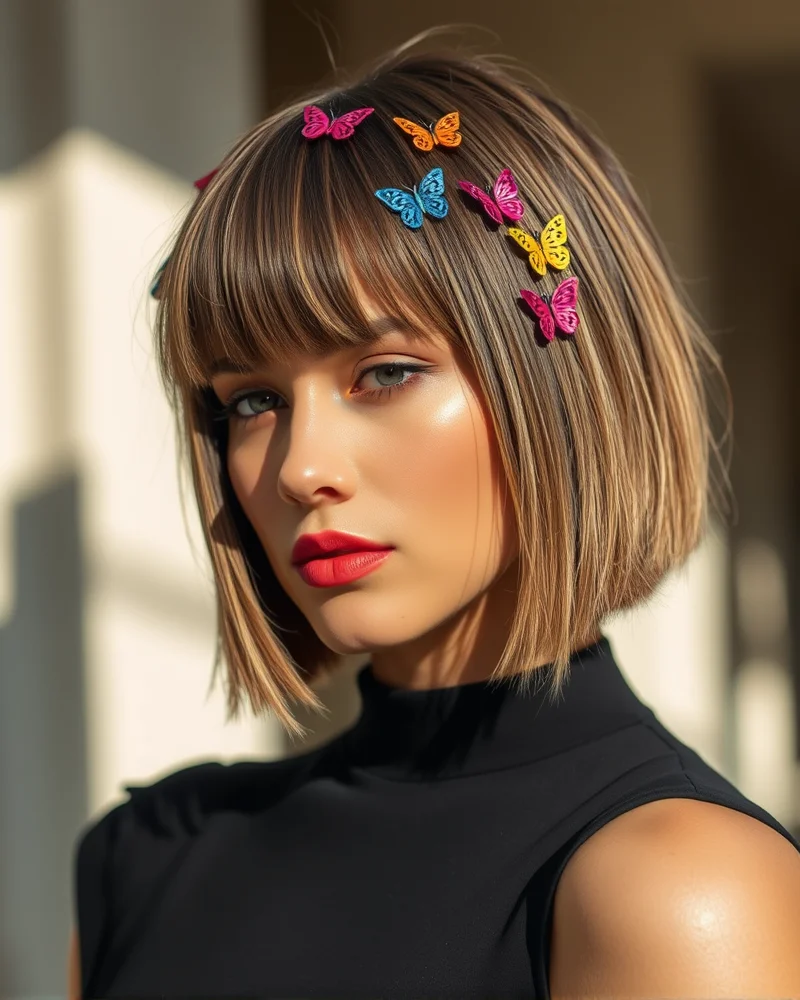
The resurgence of butterfly clips is not merely a fleeting moment of fashion whimsy but a profound reflection of our collective yearning for the vibrant, optimistic spirit of the late 90s and early 2000s. As Y2K fashion continues to dominate the global style landscape, we are witnessing a deliberate return to tactile, playful accessories that serve as a direct antidote to the minimalist, often sterile aesthetics of the previous decade. This phenomenon is rooted in nostalgia marketing, where designers and influencers leverage our deep-seated emotional connection to the past to modernize retro hair accessories for today’s fast-paced digital culture. For those rocking shorter lengths, the comeback of these clips feels particularly intentional and transformative.
While individuals with long, heavy hair often struggle with the structural integrity of these delicate plastic clasps, short-haired individuals possess a distinct advantage. Because short hair carries significantly less weight, butterfly clips function as both functional styling tools and aesthetic focal points rather than decorative burdens that slide out of place. When your hair is cropped in a bob, pixie, or textured shag, these clips can easily secure small sections of hair near the temples or crown without causing the tension or discomfort common in longer styles. The placement options are endless, allowing for a precise, clean look that highlights the facial structure rather than just decorating a mass of hair.
Furthermore, the ease of styling is unmatched for the short-haired community. You can achieve a polished, trend-forward look in seconds by simply pulling back face-framing pieces or stacking the clips along a side-swept part to create a whimsical, symmetrical effect. This simplicity is a hallmark of current hair aesthetics, where low effort meets high visual impact. By embracing these retro-inspired clips, you are not just participating in a trend. You are engaging with a versatile design element that respects the architecture of a shorter haircut. Whether you prefer a subtle hint of shimmer or an eclectic mix of pastel hues, butterfly clips offer a sophisticated way to infuse personality into your daily routine while staying perfectly aligned with modern nostalgia trends.
What is the secret to getting butterfly clips to stay in short, fine hair?
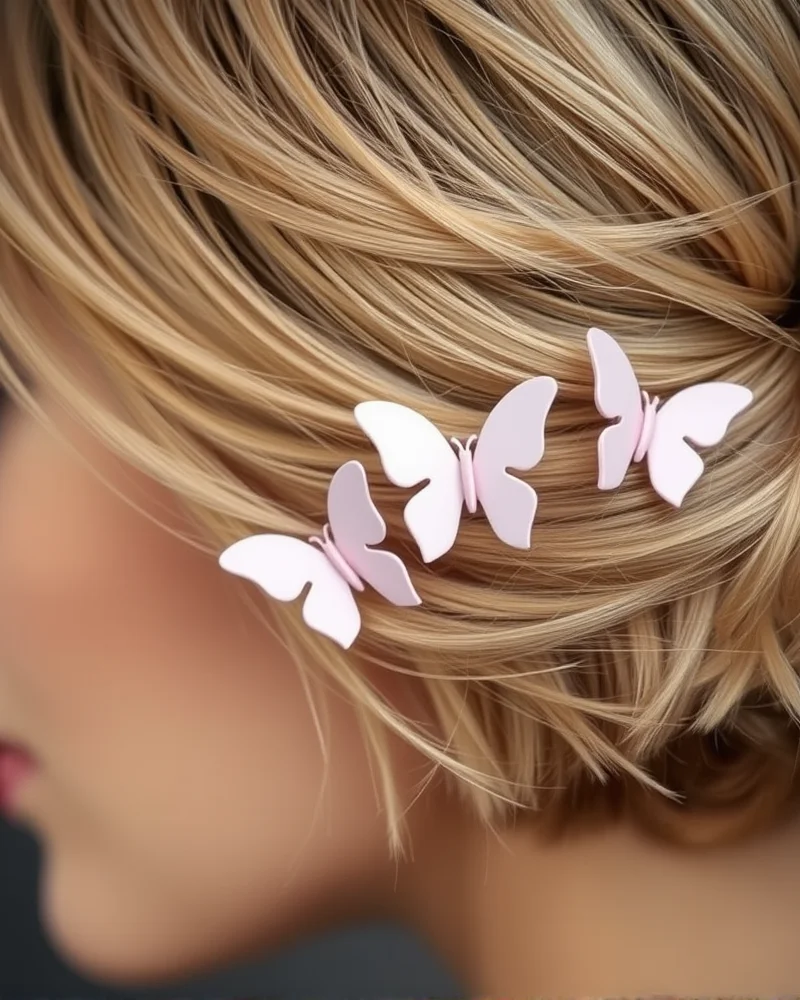
The persistent challenge with butterfly clips when you have short, fine hair is the dreaded slide. Because fine hair lacks the inherent surface area and coarseness of thicker strands, the plastic teeth of a clip often find nothing to latch onto. The secret to mastering these accessories lies in altering the physical grip of your hair before you even reach for the clip.
Think of your hair as a smooth surface. To create friction, you need to introduce texture. Start by applying a high quality dry shampoo at the roots and through the mid lengths, even if your hair is clean. This powder base provides a structural foundation that mimics the grip of second day hair. Follow this with a generous misting of texturizing spray. Unlike hairspray, which can leave a sticky or crunchy residue, texturizing spray adds grit and volume, which essentially creates a playground for the clip teeth to sink into.
If you are working with a very short pixie cut or a bob where the ends are prone to slipping, utilize clear elastics. By pulling a small section of hair into a tiny, tight ponytail first, you create an anchor point. You can then clip your butterfly clip directly over or behind the elastic band. This simple tactic leverages the physics of tension. The elastic holds the hair mass together, while the spring tension of the clip is now clamped onto a concentrated bundle of hair rather than a loose, slippery strand. The tighter the spring, the more reliable the hold, but balancing that with the weight of the clip is essential to avoid breakage.
| Clip Type | Grip Strength | Best Texture Match |
|---|---|---|
| Plastic Butterfly Clips | Low | Thick, coarse, or layered hair |
| Metal Mini Claws | High | Fine, silky, or thin hair |
| Bedazzled Resin Clips | Medium | Textured, curled, or wavy hair |
Pro tip: When placing your clips, avoid pulling the hair too tight at the root. Instead, gather a small section and twist it slightly before snapping the clip into place. This twist adds a layer of depth and forces the hair to work against the tension of the clip, ensuring it stays secure throughout the day.
How to create a balanced symmetrical butterfly clip look?
Achieving a salon-quality aesthetic with butterfly clips on short hair requires more than just enthusiasm. It demands structural precision. To master a balanced, symmetrical look, you must treat your hair as a geometric canvas. If you are looking for more inspiration on styling shorter lengths, check out our hairstyles for women ultimate guide to round out your repertoire.
Follow this step-by-step guide to ensure your clips remain both functional and aesthetically pleasing:
- Precision Sectioning: Start by using a rattail comb to create a clean, sharp center part that extends from your hairline to the crown of your head. For symmetrical placement, gather two equal sections of hair on either side of this part. If your hair is particularly fine or short, use a lightweight texturizing spray before you begin. This provides the grip necessary to prevent the clips from sliding throughout the day.
- The Rule of Thirds for Placement: Professional stylists rely on the Rule of Thirds to create visual harmony. Divide your hairline from your center part to your temple into three imaginary segments. Place your primary butterfly clips at the first and third markers. This avoids the cluttered look that happens when clips are clustered too closely together, ensuring the accessories frame your face rather than overwhelming it.
- Masking Cowlicks and Parting Lines: One of the most effective uses of butterfly clips is concealing hair growth patterns that disrupt your style. If you have a stubborn cowlick near your forehead, section the hair slightly off-center and anchor the clip directly over the follicle point. By gathering the hair firmly and clipping it at a slight upward angle, you force the strand into a new direction, effectively camouflaging the unwanted part.
- Maintaining Structural Integrity: To keep the symmetry intact, work in tandem. Always place the left-sided clips followed immediately by the right-sided clips to ensure they sit at identical heights. If you are using multiple clips in a row, maintain a consistent half-inch gap between each accessory to keep the look clean and intentional.
- Final Finishing Techniques: Once the clips are secured, pull a few wispy strands around the temples to soften the overall silhouette. A light mist of flexible-hold hairspray is the final secret to locking in your symmetrical design without adding stiff, crunchy residue.
Can butterfly clips work for a professional office setting?

Integrating butterfly clips into a professional office environment may seem counterintuitive given their roots in nineties festival culture, but the trend has evolved significantly to accommodate more sophisticated aesthetics. The secret to bridging the gap between whimsical hair accessories and a business casual dress code lies in intentional curation. When you aim for a polished look, the vibrant neon plastics of the past should be swapped for refined materials that reflect a professional demeanor. Opting for monochromatic butterfly clips in neutral tones like slate gray, cream, navy, or tortoiseshell allows you to participate in the trend without appearing juvenile. Matte finishes are particularly effective for office settings because they lack the reflective glare of glitter or high-gloss plastic, providing a textured, muted appearance that pairs seamlessly with structured blazers or crisp button-down shirts.
For those with a short bob, subtlety is your most valuable asset. Instead of creating a dense cluster of clips, utilize a minimalist approach to manage your hair. You might secure a single section of hair behind one ear using a subtle metallic butterfly clip in brushed gold or antique bronze. This small detail adds a touch of personality to an otherwise conventional hairstyle while maintaining a clean, orderly silhouette. Consider these styling strategies to ensure your look remains office-appropriate:
- Select clips with simple, geometric shapes rather than intricate, multicolored patterns to ensure a clean visual line.
- Use two identical, small clips to pull back the front pieces of your bob for a symmetrical, controlled look that keeps hair out of your face during meetings.
- Avoid stacking multiple clips on top of one another; one or two strategically placed accessories are sufficient to imply a curated style.
- Coordinate your clips with your jewelry, choosing silver clips if you are wearing silver earrings or a watch, which creates a cohesive and intentional aesthetic.
By focusing on monochromatic color palettes and understated metallic designs, you transform the butterfly clip from a casual hair toy into a sophisticated accent piece. The key is to view the clip as a functional tool for styling that happens to be decorative, rather than the focal point of your entire ensemble. When you apply the pillars of minimalism and restraint, you can successfully navigate the boundary between playful expression and workplace professionalism with absolute confidence.
Step-by-step: The half-up, half-down butterfly twist for short bobs
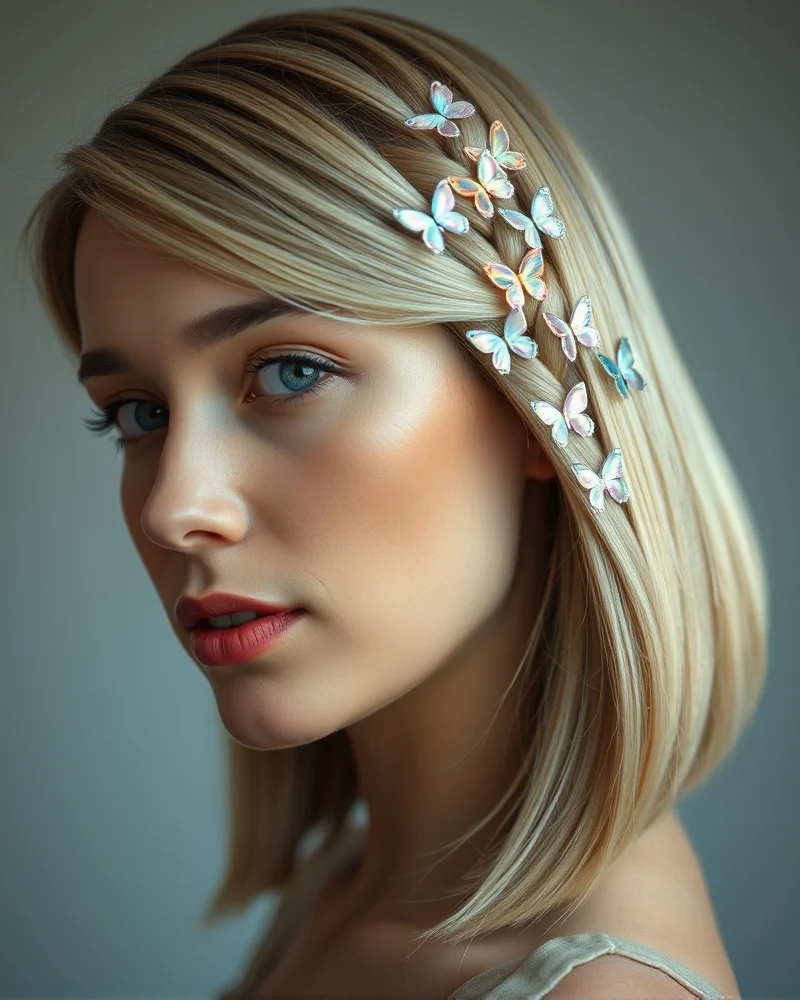
Transforming a chic, short bob into a playful and nostalgic look requires precision. The half-up, half-down butterfly twist is the quintessential style for those looking to add personality to shorter lengths while maintaining a polished appearance. By focusing on root texture and intentional sectioning, you can ensure your butterfly clips stay secure all day long without slipping.
- Prep for Texture: Before you pick up your clips, establish a foundation. Spray a texturizing sea salt spray or a dry shampoo throughout your roots. If your hair is naturally silky or prone to sliding, a light dusting of volumizing powder is essential. This creates the necessary friction to grip the butterfly clip claws.
- Precise Sectioning: This is the most critical step for bob-length hair. Use a rattail comb to create a clean part from your temples to the crown of your head. Aim for a diagonal line that meets at the back. By separating the top section cleanly, you prevent loose wisps from pulling at the scalp, which often causes discomfort or slippage.
- The Gentle Twist: Gather the top section and pull it toward the center of your head. Instead of a tight ponytail, give the hair a loose, singular twist. This twist provides a thicker base for the clips to bite into. If you have fine hair, consider a tiny clear elastic band to secure this section first before layering your accessories over it.
- Strategically Place Your Butterfly Clips: Now it is time to accessorize. Do not simply clip them at random. Start by placing one butterfly clip at the base of the twist to anchor the style. From there, fan out additional smaller clips along the seam of the twist. Because you are working with a shorter bob, place the clips slightly angled toward the front to draw attention to your facial features.
- Final Securement and Finishing: Once your clips are in place, gently tug at the crown to add soft height and volume. This ensures the look feels ethereal rather than flattened. Finish with a light hold hairspray to lock in the flyaways and ensure the butterfly wings stay upright for a vibrant, high-contrast effect.
Which butterfly clip color palettes suit your hair color best?
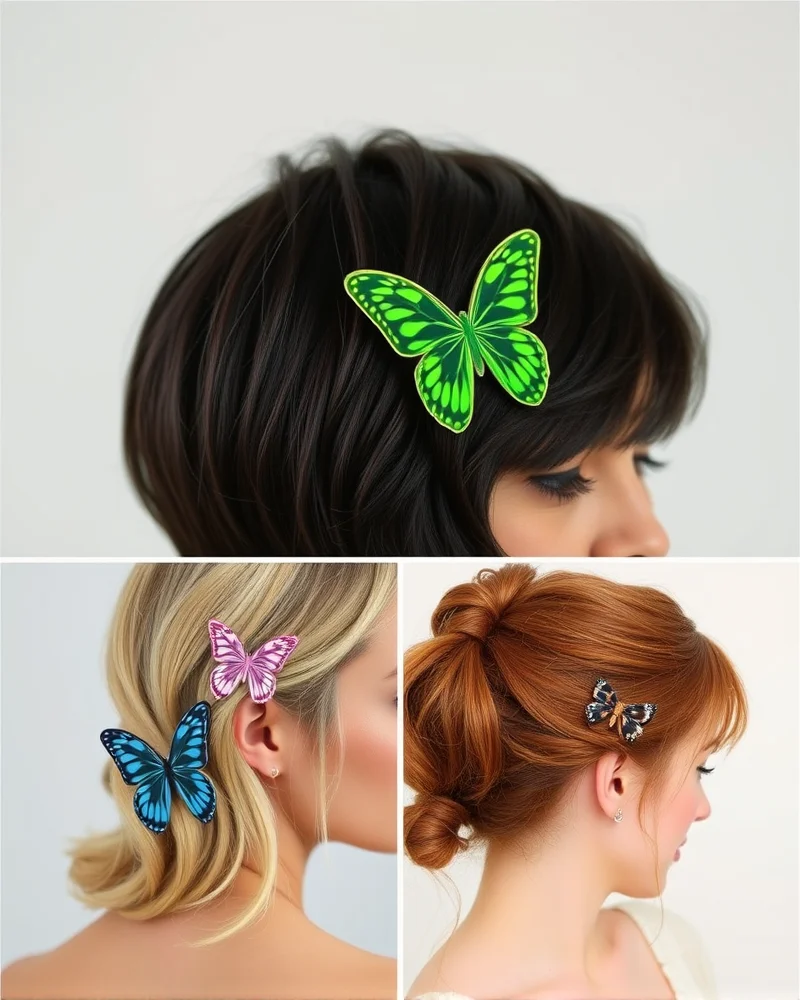
When curating a look centered around butterfly clips, the interaction between your hair pigment and the accessory shade determines whether the ensemble feels cohesive or disjointed. Color theory is the silent architect of any great hairstyle, and for short hair, where accessories take center stage, choosing the right palette is vital. If your hair is deep ebony or espresso brown, lean into the power of high contrast. Neon butterfly clips in electric lime, fuchsia, or cobalt blue pop vividly against dark strands, creating a youthful, Y2K inspired aesthetic that commands attention. Because dark hair absorbs light, these vibrant hues serve as necessary spotlights that draw the eye toward your face and the intricate texture of your clipped style.
Conversely, those with blonde, platinum, or honey colored locks benefit most from a soft, monochromatic or pastel approach. Baby pink, lavender, mint, and sky blue clips create an ethereal, dreamlike quality that complements the lightness of blonde tresses without overwhelming them. If you prefer a more sophisticated, understated look for special events, such as a wedding updo for a boho style, these soft tones provide a delicate finishing touch that feels intentional and elegant rather than overly chaotic.
For those sporting rich auburn, chestnut, or copper hair, the color palette should lean toward earth tones and metallic finishes. Tortoiseshell clips are a game changer here, as they pick up the golden and mahogany undertones of your hair, resulting in a seamless, polished appearance. If you want a bit of glamour, opt for gold or brass metallic clips. These warm metal accents elevate the warmth in your red or brown hair, adding a luxe dimension to your daily styling. When thinking about overall fashion coordination, consider the mood of your wardrobe. If your clothing consists of minimalist neutrals, metallic clips act as the perfect jewelry piece. If your closet is full of bold prints, matching your clips to the secondary or tertiary color in your outfit will create an expert level of style harmony. Ultimately, the best butterfly clip palette is one that honors your natural hair color while providing just enough contrast to showcase your individual flair.
How to combine butterfly clips with braids or twists on short hair?
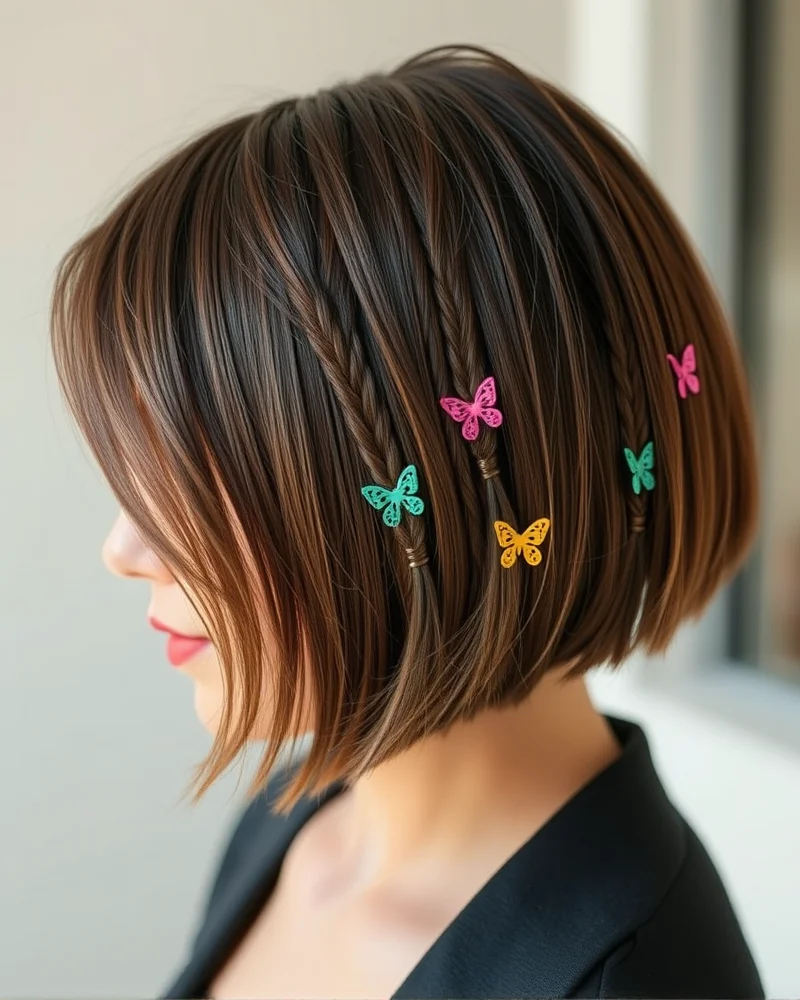 Achieving an intricate look with limited length requires a strategic approach, and combining butterfly clips with braids or twists is the ultimate solution for short hair styling. When dealing with a chic pixie cut or a blunt bob, small accent braids serve as both a decorative focal point and a functional tool for hair management. To begin, section off a small segment of hair near the hairline or at the crown. Create tight, neat cornrows or French braids that follow the natural contour of your head. Because shorter strands tend to slip out of tight weaves more easily, the addition of butterfly clips acts as a mechanical anchor. Unlike traditional elastic bands which can cause breakage, butterfly clips grip the hair shaft securely, providing the necessary hold to prevent the braids from unraveling throughout the day.Integrating these accessories is a masterclass in protective styling. Even with short hair, minimizing mechanical stress and preventing frizz is essential for maintaining hair health. By gathering the loose ends of your accent braids into a mini butterfly clip, you effectively seal the style without the need for abrasive rubber bands. This technique is particularly beneficial for those transitioning between cuts or growing out layers, as it keeps stray hairs tucked away and shielded from environmental friction. For the best results, use a light styling cream before braiding to ensure the hair remains supple and easy to manipulate.Consider these pro tips for maximum longevity and aesthetic impact:
- Start your braids by incorporating a small amount of texture spray or pomade to give the strands enough grip to hold the butterfly clip firmly in place.
- Position your clips at the nape of the neck or along the temple to create a halo effect that frames the face beautifully while keeping the hair secure.
- Mix and match metallic finish clips with pastel shades to create a sophisticated look that complements both professional attire and weekend outfits.
- Always ensure the hinge of the butterfly clip is facing outward to avoid snagging or tangling the delicate hair ends when you eventually remove the style.
What are the common mistakes to avoid when wearing butterfly clips?
While butterfly clips are the ultimate nostalgic accessory for adding a whimsical touch to your short hair, they can quickly turn from a chic style statement into a logistical headache if not handled with care. The primary challenge with short hair is that the clips have less surface area to grip, making proper placement and hair health essential. Many enthusiasts fall into the trap of over-accessorizing, which can distract from your haircut rather than enhancing it. Aim for a curated look where the clips act as delicate accents rather than a dense wall of plastic that hides your hair texture.
Another common issue involves weight distribution. If you pack too many clips into one section, the weight will cause them to slide downward, leading to a messy, unkempt appearance by midday. Furthermore, forcing clips into hair that is too fine or slippery can cause significant traction alopecia or follicle stress. To ensure your hair remains healthy and your style stays secure, follow these professional guidelines.
Do’s and Don’ts for Butterfly Clip Mastery
- Do section your hair properly. Always use a fine-tooth comb to create clean, small partitions before placing your clips. This ensures the teeth of the butterfly clip grip the hair evenly without pulling on the scalp.
- Don’t overload a single strand. Over-accessorizing creates unnecessary tension. If you feel the weight pulling on your roots, you have used too many clips. Stick to three or four strategically placed pieces for a balanced look.
- Do use texturizing spray. Short hair often lacks the friction needed for clips to stay put. A light mist of dry shampoo or texturizing spray provides the grit necessary to keep those butterfly clips from sliding throughout the day.
- Don’t pull your hair too tight. When creating twists or braids for your clips, avoid pulling the hair taut at the root. Tension causes breakage and discomfort. Instead, keep your base styles slightly loose to preserve follicle integrity.
- Do remove clips carefully. Never yank or tug at a clip that feels stuck. If the hair is tangled in the hinge, gently tease the strands free with your fingers or a rat-tail comb to avoid snapping your delicate hair ends.
- Don’t sleep in your clips. It might be tempting to leave them in for a quick morning style, but sleeping in plastic hair accessories is a recipe for breakage and scalp irritation.
Are butterfly clips damaging to short, brittle hair?
When navigating the delicate landscape of short, brittle hair, the prospect of accessorizing with butterfly clips often brings valid concerns regarding structural integrity and mechanical damage. It is a common misconception that these accessories are inherently harmful. In reality, the potential for hair trauma is not dictated by the clip itself but by the quality of the materials and the technique employed during application and removal. Low quality plastic clips often feature jagged, molded seams or burrs on the interior teeth. These microscopic imperfections act like miniature saws, catching on the hair cuticle and causing fraying or premature breakage. When your hair is already fragile, opting for high quality, smooth acrylic or resin clips with rounded, polished edges is essential to minimize friction against the hair shaft.
Beyond the material quality, the physical act of removal is a critical factor that is frequently overlooked. Many users inadvertently snap their hair by pulling or yanking the clip out while it is still in a closed position. This creates unnecessary tension at the root, which can lead to traction alopecia over time. To preserve your strands, always release the spring mechanism fully before sliding the clip away from your hair. If you are struggling to style your hair due to excessive breakage or a particularly stubborn texture, you might consider checking out these bandana hair styles for bad hair days as a low tension alternative to clips. Data based studies on hair health suggest that mechanical stress is cumulative. Just as heat styling damage accrues over months, the minor tears caused by improper clip removal weaken the cortex of the hair fiber, making it more susceptible to split ends and thinning.
To ensure you are protecting your delicate short hair, follow these professional removal steps:
- Always hold the base of the hair section with one hand to provide a counter tension that prevents tugging at the scalp.
- Depress the butterfly clip lever completely to ensure the teeth are fully retracted before attempting to pull the accessory outward.
- If you feel any resistance, stop immediately and gently untangle the teeth rather than forcing the clip through the section.
- Avoid wearing clips for more than six to eight hours at a time, as prolonged compression can cause indentations and localized weakness in fine or brittle hair textures.
By treating your hair accessories with the same care you afford your styling tools, you can successfully embrace the Y2K butterfly clip trend without compromising the overall health or luster of your shorter style.
How to style butterfly clips for a night out or special event?
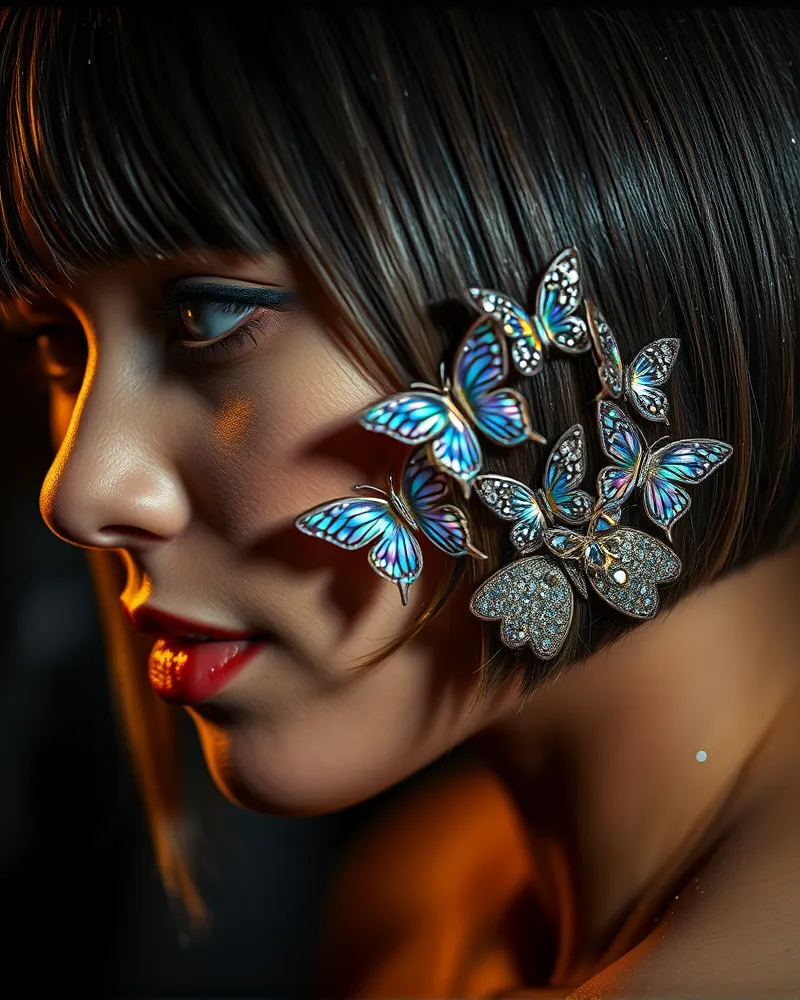
When transitioning from a casual daytime aesthetic to a glamorous evening look, the key to success lies in the art of layering and stacking your butterfly clips. For a special event, moving beyond the simple placement of a single clip allows you to create a high-impact, three-dimensional texture that catches the light and demands attention. Start by identifying the primary focal points of your hairstyle, typically along the crown or near the temples. Utilize larger, statement butterfly clips as anchors. These foundational pieces provide the structural grip necessary to support a cluster of smaller, more delicate clips around them. By securing the base with a larger, metallic or rhinestone-encrusted clip, you ensure that your intricate arrangement stays firmly in place throughout the evening.
To achieve a truly sophisticated glam aesthetic, consider the power of density. Instead of spacing your accessories out, try clumping them together in a cascading formation that mimics a swarm. You can alternate between matte finishes and iridescent or glitter-infused clips to add depth and visual complexity to your short hair. This technique is particularly effective for pixies or bobs, where the hair surface is smaller and benefits from a concentrated burst of ornamentation. As you layer, vary the wing angles of each clip so that the design feels organic and fluid rather than static.
The final touch for a red-carpet-worthy finish involves incorporating high-shine products to complement your metallic hardware. Before securing your clips, apply a lightweight, non-greasy shine spray to your strands to create a glossy, reflective backdrop. For a dramatic nighttime look, lightly dust a professional-grade hair glitter or shimmer spray over your finished style. This creates a halo effect that interacts beautifully with the butterfly wings. When light hits these reflective surfaces, your hair gains an ethereal, sparkling quality that elevates the accessory from a nostalgic trend to a luxury statement. Pro-tip: always spritz a touch of flexible-hold hairspray onto the butterfly clips before pinning them into the hair to ensure they do not slide out of fine or silky hair textures, maintaining your perfectly curated stack until the end of the night.
Frequently Asked Questions about butterfly clips
- Can I sleep in butterfly clips?
- While it might be tempting to leave your butterfly clips in overnight to maintain a styled look for the next morning, it is highly discouraged for the health of your hair. Sleeping in these accessories can cause significant mechanical damage. Because the metal springs and plastic teeth are rigid, they do not offer the flexibility required for a comfortable night of sleep. When you toss and turn, the clips can pull on individual strands, leading to breakage, split ends, or even traction alopecia if the hair is pulled too tight. Always remove your butterfly clips before bed and opt for a silk or satin scrunchie if you need to keep your hair off your face while you rest.
- How many clips is too many?
- There is no specific number that serves as a universal maximum, but the goal should always be aesthetic balance rather than sheer volume. For short hair, a good rule of thumb is to focus on quality over quantity. Using too many clips can weigh down fine hair and cause your style to lose its shape throughout the day. If you are aiming for a minimalist, chic look, three to five small clips placed strategically along a side part or around a half up half down hairstyle is usually sufficient. If you are going for a bold 90s aesthetic, you can certainly use more, but ensure they are distributed evenly so they do not cluster together and pull on your roots.
- Do butterfly clips work on super short pixie cuts?
- Yes, butterfly clips are actually a fantastic way to add flair to a pixie cut. The secret lies in the technique you use to secure them. Since your hair is very short, you may not have enough volume to hold larger clips, so stick to mini butterfly clips that grip smaller sections of hair. To make them work, try pinning just the front fringe sections away from your face or adding a pop of color along the side of your head behind the ear. If your hair is too slick to hold the clips firmly, use a light dusting of texturizing spray or dry shampoo to create a better grip for the plastic teeth. This simple trick provides the friction needed to keep your accessory firmly in place all day long.
Butterfly clips are more than just a fleeting trend; they are a functional, expressive, and versatile tool for anyone rocking short hair. By mastering the placement, product preparation, and color coordination, you can transform your everyday look into a statement piece. Remember to prioritize hair health by choosing high-quality clips and being gentle during removal. Whether you’re channeling 90s nostalgia or defining a new modern minimalist aesthetic, the power is literally in your hands. Embrace the clips, experiment with volume, and keep your style as sharp as your cut.