
clean girl makeup look for oily skin

Achieving the elusive clean girl makeup look for oily skin isn’t just about ‘less is more’—it’s a tactical war against midday shine that most tutorials ignore. While the trend favors a dewy, glass-skin finish, those of us with sebum-rich complexions know this often translates to looking greasy by noon. I have personally tested dozens of mattifying primers and light-reflective powders to curate this foolproof routine. At [Nailosmetic](https://nailosmetic.com/), we believe high-performance beauty is rooted in skin-science, not just aesthetics. In this guide, I’ll reveal the exact order of operations to lock in a fresh, minimalist aesthetic that stays matte without sacrificing that ‘lit-from-within’ glow.
- Why is the clean girl makeup look for oily skin so hard to achieve?
- How to prep oily skin for a long-lasting minimalist glow?
- Best foundation alternatives for a clean skin finish
- Strategic bronzing and blushing for the oily complexion
- The secret to spot-concealing without cakey buildup
- Is setting powder the enemy of the clean look?
- Mastering the nude lip and groomed brow balance
- How to touch up oily skin without ruining your makeup?
- Essential product ingredients to look for
- FAQ: Clean girl beauty for oily skin
Why is the clean girl makeup look for oily skin so hard to achieve?
The core challenge lies in the physiological mandate of the sebaceous glands. For those with oily skin, these glands are perpetually hyperactive, producing excess sebum that acts as an occlusive barrier, eventually migrating to the surface and dissolving the pigments in your foundation. When the clean girl makeup look for oily skin is attempted using standard dewy products, the results often border on disastrous. Most trendy glass skin products utilize heavy emollients and glycerin-based humectants that essentially feed the oil production cycle. While a dry complexion benefits from these ingredients to mimic a healthy glow, an oily complexion already possesses that lipid layer. Adding more reflective agents creates a visual feedback loop where the face appears greasy rather than luminous.
Dermatological standards from organizations like the American Academy of Dermatology emphasize that excessive shine is often a consequence of dehydration, not just oil. When the skin barrier is stripped by harsh cleansers, the sebaceous glands compensate by overproducing sebum. This creates a difficult texture versus shine debate. If you use heavy powders to combat the oil, you settle product into the micro-texture of the pores, which ruins the soft focus, ethereal vibe of the aesthetic. True radiance for this skin type must be constructed from within using non-comedogenic hydration, rather than applied on top as a surface-level highlighter.
Achieving the right aesthetic balance requires shifting focus from product saturation to strategic molecular management. Standard color cosmetics often fail because they lack film-forming polymers that can withstand a lipid-rich environment. Without these structural binders, your pigment shifts by midday. To succeed, you must distinguish between natural skin texture and unwanted facial oil. Texture is the canvas of your pores and fine lines, which should be smoothed with silicone-based primers or niacinamide-infused bases, while shine is the refractive, uncontrolled light bouncing off your T-zone. By neutralizing the sebum at the root and opting for velvet-finish cosmetics rather than liquid highlighters, you can master the look without sacrificing longevity or inviting breakouts.
How to prep oily skin for a long-lasting minimalist glow?
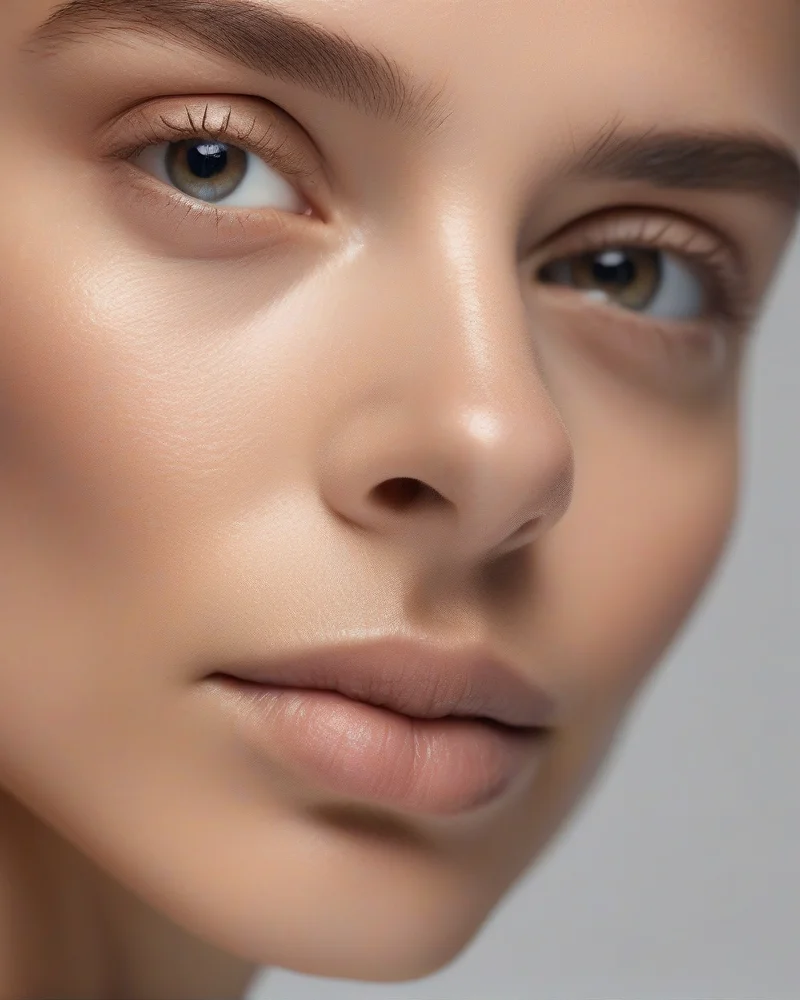
Achieving a luminous, minimalist aesthetic when your sebaceous glands are highly active requires a strategic approach to skin biology. The secret to a long-lasting radiant finish lies in the integrity of your skin barrier. When the barrier is compromised, the skin overcompensates by producing excess sebum, which quickly dismantles even the most carefully applied makeup. To maintain a matte-but-hydrated base, you must treat your complexion as a canvas that requires deep stabilization rather than heavy coverage.
- Prioritize Chemical Exfoliation: Incorporate a BHA like salicylic acid into your routine two to three times per week. Unlike physical scrubs, BHA is oil-soluble, meaning it penetrates deep inside the pore lining to dissolve trapped debris and surface oil. This creates a refined, smooth texture that prevents makeup from settling into pores or sliding off due to congestion.
- Select Oil-Free Moisturizers: Hydration is non-negotiable, even for those prone to shine. Look for lightweight, water-based gels containing humectants such as hyaluronic acid or glycerin. These ingredients pull moisture into the epidermis without adding occlusive oils that trigger breakouts. For more clinical guidance on managing potential inflammatory responses or acne-prone skin, the American Academy of Dermatology provides excellent resources on maintaining a healthy, balanced barrier.
- Master the Matte-But-Hydrated Base: Instead of reaching for heavy powders, opt for a translucent mineral setting powder focused solely on the T-zone. By keeping the center of your face matte while leaving the perimeters slightly dewier, you simulate the natural light reflection of healthy skin. This contrast is the cornerstone of the minimalist glow; it mimics the appearance of skin that is naturally plump and internally hydrated rather than artificially coated.
- Barrier Repair is Key: Ensure your evening routine includes ceramides or niacinamide. Niacinamide is particularly effective for oily skin types as it regulates oil production and minimizes the appearance of enlarged pores, effectively prepping your skin to be less reactive during the daylight hours when you plan to wear your makeup.
By balancing pH levels and ensuring the skin remains supple, you eliminate the need for heavy primers that often cause pilling. A well-prepped face allows your tinted moisturizer or skin tint to adhere seamlessly, ensuring the glow stays controlled from morning until evening.
Best foundation alternatives for a clean skin finish
When mastering the clean girl makeup look for oily skin, the heavy, pigment-dense formulas typically found in full-coverage foundations are your greatest adversaries. These thick products often contain high concentrations of waxes and heavy oils that trap heat against the dermis, leading to rapid sebaceous gland production and, ultimately, the dreaded mid-day oxidation. Oxidation occurs when pigments react with the natural oils on your skin surface, causing the color to shift into an unflattering orange or muddy grey tone. To combat this, shifting toward breathable skin tints is essential for maintaining that fresh, minimalist aesthetic throughout the day.
Skin tints provide a sheer veil of color that evens out skin tone without masking the skin’s natural texture. Unlike heavy foundations, these formulas are often water-based or infused with volatile silicones that evaporate, leaving behind a lightweight pigment that resists separating when mixed with sebum. Choosing the right formulation for an oily complexion requires looking for key terms such as oil-free, non-comedogenic, and mattifying, as recommended by dermatologists at the American Academy of Dermatology.
Comparing Base Options for Longevity
| Product Category | Oil-Control Capability | 8-Hour Performance |
|---|---|---|
| Full-Coverage Foundation | Minimal; prone to caking | High risk of oxidation and patchy separation |
| Matte Skin Tint | Moderate; contains silica or clay | Remains stable; slight sheen develops naturally |
| Water-Based Serum Tint | Low; requires setting powder | Breathable; requires touch-ups after 6 hours |
To keep your base looking pristine for an entire workday, consider how these formulas interact with your specific skin barrier. If your skin is particularly reactive, you might also be interested in how to coordinate your look with professional hairstyles for women that keep hair off your face, preventing the transfer of natural oils to your T-zone. Over an eight-hour period, a quality oil-controlling tint will gradually blend with your natural moisture to create a soft, skin-like glow rather than a greasy breakdown. If you notice unwanted shine appearing by hour four, use a translucent blotting powder only on the center of the face to preserve the desired luminosity on the cheekbones, successfully maintaining that coveted aesthetic without sacrificing a refined complexion.
Strategic bronzing and blushing for the oily complexion
Achieving a sculpted yet luminous aesthetic on sebaceous-prone skin requires a departure from the dewy cream formulas that define typical minimalist makeup trends. While cream bronzers and blushes offer a seamless, melted-into-the-skin appearance, they often act as a catalyst for product migration on oily complexions. Because these emollient-based formulas contain higher oil or wax concentrations, they tend to interact with your skin’s natural sebum, leading to what makeup artists call slipping. This movement can break down your base layer and result in uneven patchiness by midday.
The transition to finely milled powder products is the secret to maintaining the clean girl look without sacrificing structure. Modern pressed powders are engineered with advanced blurring technology that absorbs excess moisture while providing a soft-focus finish. Unlike dense or chalky formulas of the past, contemporary finely milled bronzers sit weightlessly on the skin, mimicking the natural warmth of a sun-kissed tan rather than sitting on top of the pores. When selecting your shades, opt for cool-toned bronzers to contour and warm-toned blushes to enhance the apples of the cheeks. The American Academy of Dermatology recommends prioritizing non-comedogenic ingredients to ensure your beauty routine does not exacerbate breakouts or congestion, which you can verify by checking the official aad.org resources on skincare safety.
To execute this look, utilize a fluffy, synthetic-bristle brush to press the powder into the skin rather than sweeping it back and forth. This pressing motion ensures the pigment adheres to your setting powder, effectively locking the color into place for hours of wear. If you find that powder blushes appear too flat, consider layering a very thin dusting of a translucent shimmering powder over your matte blush to introduce a subtle, light-reflecting quality that mimics healthy skin texture without the risk of an oily sheen. This systematic approach—replacing slippery textures with stable, absorbent pigments—guarantees that your sculpted features remain crisp and vibrant from your morning commute until your evening skincare ritual begins.
The secret to spot-concealing without cakey buildup
The defining characteristic of a clean girl aesthetic is the illusion of flawless, bare skin, which is why plastering your entire face in heavy, full coverage foundation is fundamentally counterproductive. When you are managing an oily complexion, the goal should be structural refinement rather than total occlusion. To achieve this, you must pivot toward a targeted application technique. By treating concealer as a precision tool rather than a blanket layer, you allow your natural skin texture to remain visible, which maintains the breathable, fresh appearance essential to this style. Heavy layers often migrate or oxidize when faced with excess sebum, leading to the dreaded cakey buildup that settles into pores and fine lines.
To master this, select a high pigment, low emolliency concealer. These formulas are intentionally dense and opaque, meaning a tiny dab provides full coverage for active blemishes, post-acne marks, or persistent redness without needing to be layered. Because these products contain less oil and fewer emollient ingredients, they cling firmly to the spot of imperfection rather than sliding across the surface of the skin. Using a small, synthetic detail brush, deposit the product strictly onto the center of the blemish. Allow it to set for thirty seconds before gently tapping the edges with your ring finger. This fuses the pigment with your skin while keeping the surrounding area completely clean and free of product.
This method acts as a safeguard against premature breakdown. According to the American Academy of Dermatology, maintaining a clear, non-comedogenic routine is vital for those prone to breakouts, and applying heavy base makeup unnecessarily can often exacerbate texture issues over time. By keeping the vast majority of your skin bare or simply lightly dusted with a translucent setting powder, you reduce the surface area where oils can disrupt your makeup. This minimalist approach ensures that even if you experience slight shine throughout the day, the integrity of your coverage remains untouched. Focus on the center of the face where discoloration occurs, and leave the periphery clear to let your natural skin breathe, ultimately achieving that sought after effortless finish.
Is setting powder the enemy of the clean look?
- The Truth About Powder and Glow: Many enthusiasts believe that setting powder is the natural enemy of the fresh, dewy aesthetic. However, this is a misconception. For those with a naturally sebaceous complexion, skipping powder leads to an unmanageable shine that quickly turns from radiant to greasy. The secret is not avoiding powder, but choosing formulas that provide a soft focus finish rather than a flat, matte appearance. A lightweight veil of product acts as a barrier, preventing your natural oils from breaking down your carefully applied foundation or concealer.
- Technique Matters: Baking vs. Light Dusting: Baking involves applying a heavy layer of powder to the T-zone and under-eye area, letting it sit to absorb excess oil, and brushing away the remainder. While effective for stage makeup, this often looks heavy. For the clean aesthetic, opt for a light dusting. Use a fluffy, tapered brush to gently buff a translucent powder only where necessary, such as the sides of the nose and the chin. This maintains your skin’s natural luminosity on the cheekbones and forehead, which is the cornerstone of a healthy, hydrated look.
- Selecting the Right Ingredients: When dealing with excess sebum, your choice of product is paramount. Opt for silica-based translucent powders or mineral-based options that contain kaolin clay. These ingredients actively absorb oil throughout the day without stripping the skin or causing discomfort, a concept often emphasized by dermatologists at the American Academy of Dermatology. Furthermore, high-quality mineral powders are less prone to oxidation, meaning your makeup color will stay true to your skin tone from morning until night, avoiding that dreaded orange cast.
- Pro-Tips for Longevity: If you find that your makeup still fades by midday, try a thin layer of setting spray before and after your powder application. This sandwich method locks in moisture while securing your pigments. While you refine your makeup routine, you might also be looking for ways to elevate your overall personal style, such as opting for chic french curl braids to complement your polished appearance. Remember that the goal is balance; use your tools to control shine, not to eliminate your skin’s inherent vitality.
Mastering the nude lip and groomed brow balance

Achieving the perfect clean girl aesthetic on oily skin requires a delicate equilibrium between structured facial framing and effortless hydration. When it comes to your arches, the goal is a polished yet organic aesthetic. Feathered brows are the hallmark of this look, providing a lifted, youthful appearance that draws attention to the eyes without the need for heavy, matte pigments that can look unnatural. For those with oily skin, using a strong hold soap or a clear styling gel is far superior to traditional tinted pomades. Pomades often contain waxes that can smear or oxidize when mixed with excess facial oils throughout the day. Instead, brush your brow hairs upward with a spoolie coated in a high performance soap formula. This technique creates a laminated effect that stays fixed in place, effectively grooming the hairs to follow the natural grain while thickening the overall appearance of the arch.
Once your brows are structured, you must shift focus to the lips. The key to the clean look is a neutral, hydrating lip oil that delivers a glass like finish without the uncomfortable tackiness of traditional formulas. While heavy lacquers might trap dirt or oil around the mouth area, a high quality lip oil nourishes the skin barrier, keeping the pout supple and healthy. According to the American Academy of Dermatology, maintaining hydration in the lip area is essential for preventing premature lines and keeping the vermilion border defined, which you can learn more about at aad.org.
To maintain that clean girl balance, avoid thick, pigmented lipsticks that compete with your minimalist base. Opt for a clear lip gloss or a sheer, pH adjusting tint that reacts to your natural chemistry. This provides a subtle wash of color that feels weightless and looks intentional. By keeping the brows sharp and lifted while allowing the lips to remain glossy and hydrated, you create a sophisticated contrast that distracts from any natural oil production on the T zone. This combination ensures your makeup remains fresh, light, and perfectly suited for an oily complexion, even during the longest days.
How to touch up oily skin without ruining your makeup?

The biggest mistake enthusiasts of the minimalist aesthetic make is reaching for more powder the second they see a hint of shine. Applying additional layers of translucent or pressed powder throughout the day inevitably leads to a cakey, textured appearance that defies the essence of a clean girl makeup look for oily skin. When you pile powder on top of accumulated sebum, you trap dirt and oils against your pores, which can trigger breakouts or clogged follicles. According to the American Academy of Dermatology Association, maintaining skin health requires careful attention to how products interact with your natural oil production.
To refresh your complexion mid-day without compromising the integrity of your foundation, follow this tactical approach for a seamless finish:
- Prioritize blotting papers over powder: Use high-quality blotting sheets to absorb excess surface oil. Unlike powder, which adds pigment and weight, blotting papers utilize absorbent materials like rice paper or linen to lift oil away from the skin without disturbing your makeup base. Gently press the paper onto your T-zone, chin, and nose rather than rubbing, as rubbing can shift your concealer and create streaks.
- The four-hour maintenance window: Set a timer for the four-hour mark post-application. At this stage, your foundation has likely warmed to your skin temperature and settled. Using a misting spray with hydrating ingredients, such as rose water or glycerin, helps to re-hydrate the surface layer. Follow this with a clean beauty blender to press any settled product back into the skin rather than applying new layers.
- Strategic powder re-application: Only introduce new powder if the shine is persistent after blotting. Use a small, fluffy brush to apply a sheer, finely-milled setting powder exclusively to the sides of the nose and the center of the forehead. Avoid the areas where you have applied high-coverage concealer, as these zones are prone to creasing if overloaded with product.
- The touch up ritual: Instead of layering, think of it as resetting. If you feel like your coverage has thinned, take a tiny amount of your original liquid concealer on the back of your hand, warm it with your fingertip, and tap it only on the specific spots that need correction. This keeps the skin looking luminous and breathable rather than heavy or mask-like.
Essential product ingredients to look for
Achieving the quintessential clean girl makeup look for oily skin requires more than just choosing the right shade of tinted moisturizer. It demands a strategic approach to skincare ingredients that function as a primer, effectively regulating sebum before it ever disrupts your complexion. At Nailosmetic, we believe that makeup should be an extension of your skincare regimen. By selecting products formulated with high-performance actives, you create a long-lasting, velvety base that remains fresh from morning until night.
| Ingredient | Mechanism of Action | Cosmetic Benefit |
|---|---|---|
| Niacinamide | Regulates sebum production and strengthens the moisture barrier. | Minimizes visible pores and creates a smooth, even texture. |
| Silica | Acts as a sponge to absorb excess moisture and oils on contact. | Provides a blurred, soft-focus finish without feeling heavy. |
| Zinc PCA | Balances skin microbiome and limits overactive oil glands. | Prevents makeup breakdown and helps keep the complexion matte. |
| Kaolin Clay | Draws out impurities and absorbs excess surface shine. | Offers a natural grip for light foundation or skin tints. |
Integrating these ingredients into your routine ensures your skin health is never compromised by heavy makeup layers. Niacinamide, for instance, is a powerhouse for maintaining hydration while signaling to the skin that it does not need to overproduce oil. When shopping for foundations, look for these compounds listed within the first few lines of the ingredient deck to ensure they are present in concentrations that actually perform. You might also want to complement your polished aesthetic with an easy thanksgiving half-up braided hairstyle to tie your entire look together elegantly.
It is important to remember that true skin-centric beauty relies on the synergy between these ingredients and your daily maintenance. According to the American Academy of Dermatology, maintaining a consistent routine is key for those prone to breakouts or excess shine. When you use silica-infused setting powders or zinc-based primers, you are essentially creating a biological barrier that works with your skin rather than against it. This minimalist approach allows your natural skin texture to shine through, which is the very foundation of the aesthetic we advocate at Nailosmetic.
Pro-tip: If you find your T-zone still produces shine by midday, reapply a light layer of a zinc-based treatment rather than piling on more foundation. This prevents the cakey buildup that typically ruins the natural vibe of your look. By prioritizing these specific actives, you effectively manage your complexion while keeping your makeup light, breathable, and perfectly aligned with a sophisticated, clean aesthetic.
FAQ: Clean girl beauty for oily skin
FAQ: Clean girl beauty for oily skin
- How can I prevent my minimalist makeup from sliding off by midday?
- The secret to long-lasting wear lies in strategic mattifying preparation. Start by applying a silica-based primer specifically on your T-zone to control sebum production. Rather than heavy foundation, opt for a long-wear skin tint that offers a natural finish. Lock your base with a translucent setting powder using a damp sponge, pressing the product into the skin rather than sweeping it. This technique seals your look, ensuring that your complexion remains fresh throughout the entire day without looking cakey.
- Are cream products safe for my oily complexion or should I stick to powders?
- You can absolutely enjoy the dewy, effortless vibe of cream products if you choose the right formulas. Look for oil-free, non-comedogenic creams that dry down to a matte or satin finish. Pro-tip: layer a light dusting of matching powder blush or bronzer over your cream products to set them in place. This hybrid method provides the seamless blending of a cream while offering the durability of a powder, keeping your aesthetic polished and preventing unnecessary breakouts.
- Which ingredients should I avoid to keep my pores clear and healthy?
- Oily skin types are often prone to congestion, so ingredient transparency is vital for skin health. Avoid heavy emollients like coconut oil or isopropyl myristate, which are known to clog pores and trigger acne. Instead, seek lightweight, water-based formulations that allow your skin to breathe. For deeper guidance on identifying non-acnegenic products and maintaining dermatological health, you can consult resources provided by the American Academy of Dermatology to ensure your beauty routine supports your long-term skin barrier integrity.
- Does the clean girl aesthetic require a full face of coverage?
- The goal of this style is to enhance your features rather than mask them. Focus on spot-concealing only where necessary to let your natural skin texture show through. By using a high-pigment, lightweight concealer, you can address redness or blemishes without layering foundation over your entire face. This approach prevents oil buildup and keeps your pores clear. Embracing your natural skin texture is the hallmark of the look, allowing for a fresh, healthy radiance that feels authentic.
Mastering the clean girl makeup look for oily skin is entirely possible when you stop fighting your skin and start working with its natural tendencies. By prioritizing skin prep, choosing breathable formulas, and using powder as a tactical tool rather than a mask, you can maintain that ethereal, polished finish all day. Remember, the ‘clean girl’ aesthetic is about health, and healthy skin is your best foundation. Stay consistent with your skincare routine and don’t be afraid to experiment with textures that keep your oil in check. With these techniques, you’ve got the blueprint for a long-lasting, effortless look.