fall blonde hair for warm skin tones

Achieving the perfect fall blonde hair for warm skin tones isn’t just about dyeing your hair lighter; it’s about balancing golden undertones with the richness of the autumn season. If you’ve struggled with your hair looking ‘washed out’ or ‘brassy,’ you are likely fighting your natural skin chemistry. In my experience at Nailosmetic, the secret to a high-end look lies in choosing honey, caramel, and copper-infused blondes that complement, rather than clash with, your complexion. This guide breaks down the science of color theory to help you master the trend. Whether you are aiming for a sun-kissed transition or a bold, buttery shift, I have tested these combinations to ensure you achieve salon-quality results that stay vibrant through the colder months. Here is everything you need to know about navigating the seasonal shift while maintaining your glow.
Which Fall Blonde Hair For Warm Skin Tones Works Best?
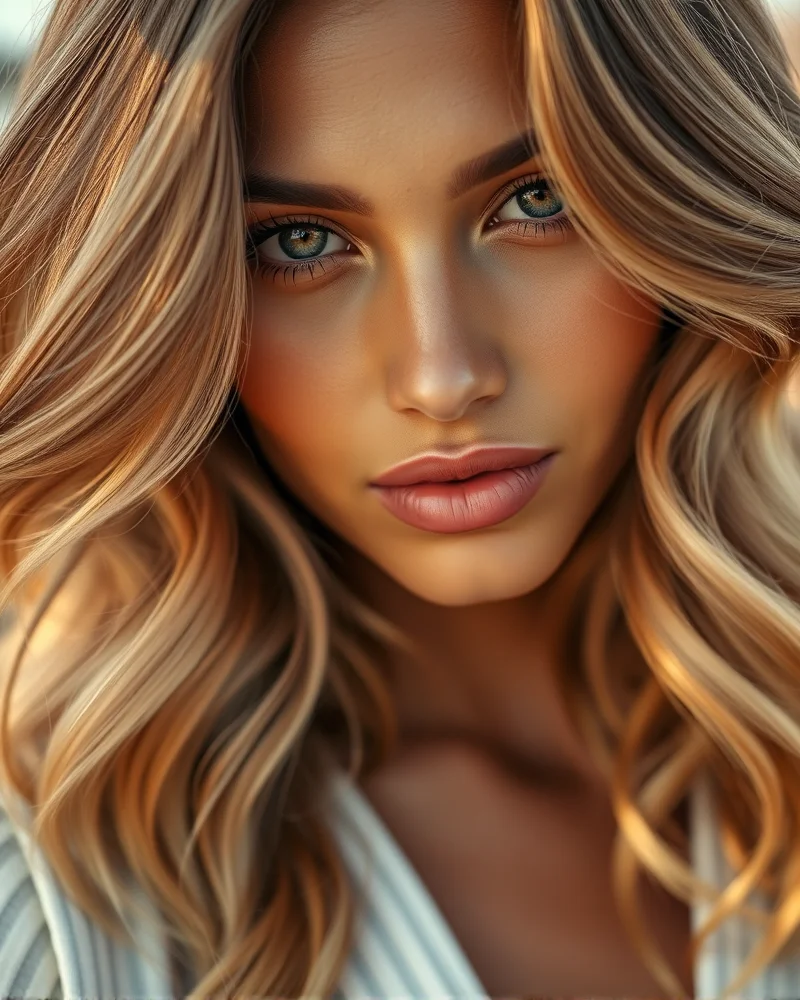
When navigating the transition into autumn, those with warm skin tones often find that the wrong blonde choice can instantly drain their natural glow. As a professional colorist, I have seen far too many clients fall into the trap of choosing icy platinum or violet-based ash shades. While these are trendy, they create a jarring clash against golden or yellow undertones, effectively washing you out and casting a gray, sallow shadow over your complexion. Instead, fall is the perfect season to embrace depth and warmth, shifting toward shades that act as an extension of your skin rather than a contrast to it.
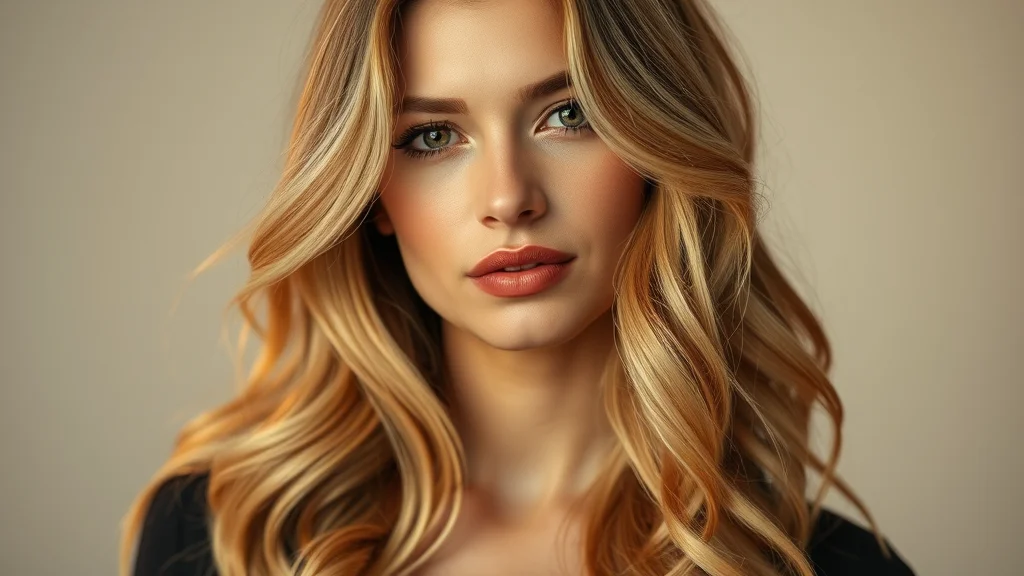
Honey blonde remains the gold standard for warm skin. It incorporates a rich, amber base that highlights the golden pigments naturally present in your complexion. Because it lacks the stark white or blue base found in cool blondes, it maintains a luminous, healthy appearance that feels sun-kissed even as the days grow shorter. I often recommend honey blonde for those wanting a low maintenance transition, as it allows for a seamless blend with your natural roots.
Buttery blonde is another exceptional choice for those who lean toward a lighter aesthetic but fear the flatness of ash. By leaning into creamy, yellow-gold tones, this shade mimics the reflective quality of natural sunlight. It adds a pop of brightness that emphasizes the natural vitality of your skin. If you are aiming for something more adventurous, strawberry blonde is a stunning seasonal evolution. The addition of subtle copper and coral reflects makes this shade a powerful tool for warming up the face, especially for individuals whose skin has a slight olive or yellow base.
In my professional practice, I always prioritize the integrity of the hair cuticle, as highlighted by resources from the American Academy of Dermatology regarding hair and scalp health. Choosing the right pigment is only half the battle. To maintain these warm, vibrant hues, avoid harsh purple-toning shampoos that are designed for cool hair. Instead, opt for color depositing conditioners that feature golden or warm brown pigments to refresh your color between salon visits. By leaning into these rich, reflective hues, you ensure that your hair complements your natural beauty rather than fighting against it throughout the autumn season.
How To Identify If You Have Warm Skin Undertones?
Determining your complexion type is the most critical step in transitioning to a seasonal blonde shade that truly elevates your look. Before you commit to a specific dye formulation or professional coloring service, you must confirm that your natural coloring leans into the golden, peach, or yellow spectrum. Misidentifying your undertones can lead to a washed out aesthetic, whereas accurate identification ensures your hair color enhances your natural glow.
- The Vein Inspection Technique: Find a source of natural, indirect sunlight and examine the underside of your wrist or the inside of your elbow. If your veins appear primarily green or olive in hue, you possess warm undertones. This occurs because your yellow toned skin is filtering the appearance of your blue veins. If they look predominantly blue or purple, you likely have cool undertones. If you struggle to distinguish a clear color, you may have a neutral complexion, which offers more flexibility with various blonde palettes.
- The Jewelry Contrast Method: This remains the most reliable diagnostic for professional stylists. Hold a piece of yellow gold jewelry against your skin, followed by a piece of silver jewelry. If the yellow gold makes your skin look vibrant, healthy, and luminous, your complexion is undeniably warm. Conversely, if silver or platinum creates a sharper, more harmonious contrast, you are likely working with cool undertones. Warm complexions are complemented by the richness of gold, which mirrors the natural golden base of your skin.
- Observe Your Sun Reaction: Think about how your skin reacts to prolonged sun exposure. Individuals with warm undertones tend to tan easily and develop a golden brown pigment. If you typically burn or turn pink before tanning, you may fall into a different color category. Understanding these reactions helps in selecting chemical processes that minimize damage. For those concerned about maintaining hair integrity during the lifting process, please refer to these professional hair care tips from the American Academy of Dermatology to ensure your strands stay healthy while you lighten your hair.
By verifying these traits, you create a solid foundation for your stylist to choose between buttery blondes, warm honey tones, or deep caramel highlights. Remember that hair color maintenance is a long term commitment, and identifying your undertones correctly will save you from multiple corrective salon visits.
Essential Maintenance for Long-Lasting Blonde
Transitioning into golden, honey, or butterscotch blonde tones requires a commitment to your hair health that goes beyond the salon chair. The primary pillar of maintaining your hue is switching to a sulfate-free shampoo. Sulfates are detergents that strip moisture and lift color molecules from the hair cuticle, which causes your warm blonde to become dull and brassy prematurely. By opting for a gentle, sulfate-free formula, you preserve the natural oils of your scalp and ensure the vibrancy of your color remains intact between visits. You should also consult the American Academy of Dermatology regarding hair health to understand how harsh cleansing agents can impact your long-term follicular strength.
Integrating a color-depositing conditioner into your weekly routine serves as a vital insurance policy for your shade. These products deliver a sheer wash of pigment that counteracts fading, essentially refreshing your look every time you wash. When styling, heat protection is non-negotiable. Excessive heat from blow dryers or curling irons can oxidize hair color, turning beautiful golden shades into muted, straw-like tones. Always apply a thermal protectant spray before using any hot tools to lock in the integrity of the hair shaft.
Interestingly, warm-toned blondes are significantly easier to maintain than icy or platinum versions. During my own journey as a stylist, I have observed that icy blonde tones require constant toning to fight against the natural yellow pigments in hair. However, with warm blondes, the goal is to enhance those underlying golden undertones rather than suppress them. When your color begins to fade, it typically transitions into a softer, natural-looking golden hue rather than an unsightly gray or muddy tone. This forgiving nature makes warmer shades the perfect choice for busy individuals. As you experiment with your look, you may find that tailoring your cut to your face shape is just as important as the color itself, so be sure to browse our hairstyles for women ultimate guide to find a shape that complements your new, sun-kissed fall aesthetic.
How Do You Style Fall Blonde Colors?
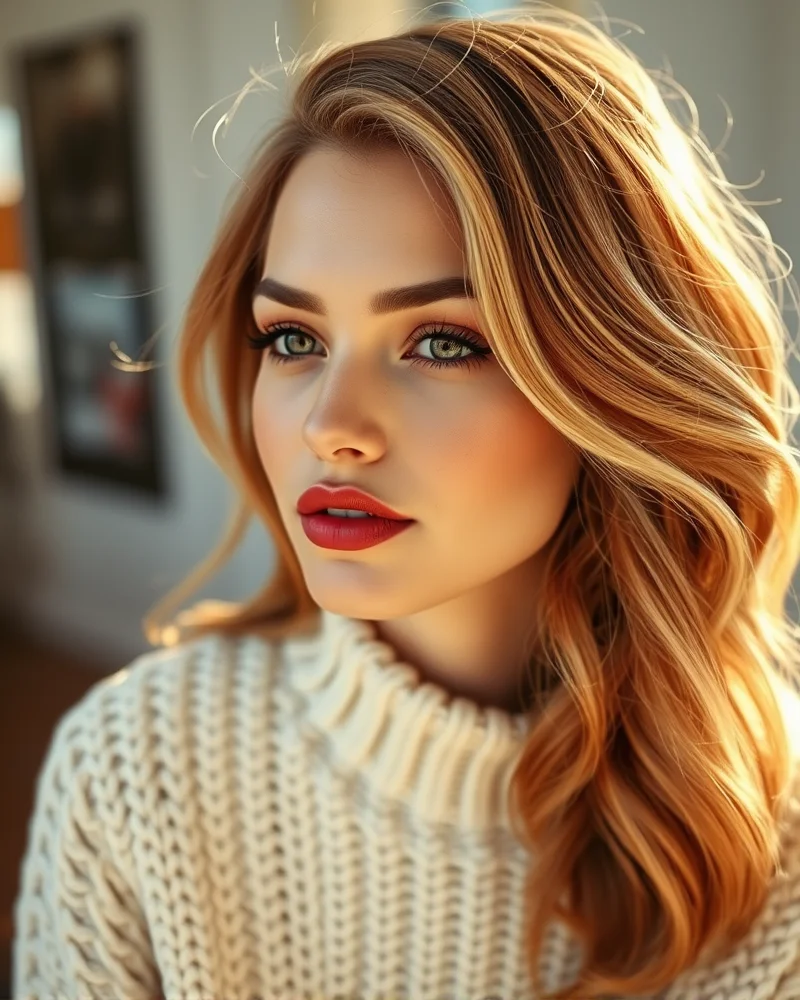
- Mastering the Lived-In Texture: The beauty of a buttery gold or honey blonde palette lies in the visual depth of the strands. To truly elevate your fall color, embrace soft, lived-in waves. Use a large-barrel curling iron to create loose, undulating bends rather than tight ringlets. By leaving the ends straight and brushing through the curls with a wide-tooth comb, you allow the light to bounce off the varying high-low tones of your color. This technique highlights the richness of caramel and toasted coconut hues, making the hair appear voluminous and healthy. Always apply a heat protectant to ensure hair fiber integrity, as noted by the American Academy of Dermatology Association regarding proper styling and hair safety.
- Braided Styles for Dimensional Impact: Fall is the perfect season to showcase intricate updos that highlight your specific highlight placement. A loose, Dutch braid or a crown braid is highly effective at mixing your darker base shade with your lighter face-framing pieces. As you weave the sections, gently pull at the loops of the braid to create a softer, more voluminous aesthetic. This specific styling trick creates a multidimensional ribbon effect, emphasizing the contrast between your warmer blonde highlights and your natural roots.
- Harmonizing Your Color with Autumnal Makeup: Your hair color should act as a frame for your face, so your makeup palette must complement those warm blonde undertones. When you opt for a golden or honey blonde, pivot your makeup choices toward earthy, saturated pigments. Terracotta, brick red, and burnt orange lip colors provide a striking contrast that makes warm hair shades pop. For eyeshadows, lean into matte browns, coppers, and warm bronzes. These tones echo the warmth in your hair and prevent your skin from looking washed out during the cooler months.
- Elevating with Texturizing Sprays: To maintain the premium, professional look of your blonde, finish your style with a high-quality texturizing spray or dry shampoo. These products provide necessary grip, allowing you to manipulate the hair for a piecey, modern finish. This adds an element of grit that prevents the hair from looking too perfect or stiff, which is essential for that effortless, fashion-forward fall aesthetic. A light misting of shine spray can also revitalize dull strands, ensuring your gold and honey pigments reflect light beautifully in the crisp autumn sun.
Visual Transition: Before and After Examples
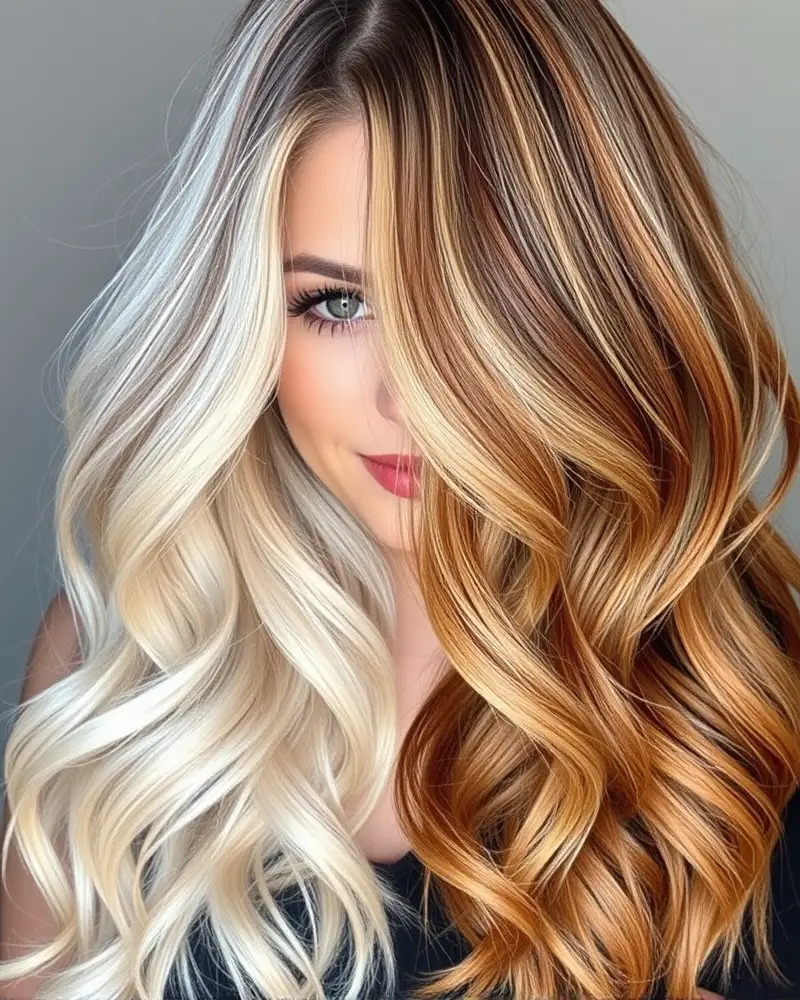
The shift from the high-octane, sun-bleached brightness of summer to a grounded autumn aesthetic is a sophisticated transformation that requires careful color theory. When you transition from a bleached summer platinum or icy blonde, your hair is often a clean, porous canvas that lacks the natural shadows found in autumn palettes. To achieve that coveted seasonal warmth without sacrificing your blonde identity, the secret lies in the strategic placement of lowlights. These deeper pigments are introduced to create a multidimensional effect that mimics the way light interacts with autumn foliage, effectively breaking up the singular light block of summer color with ribbons of honey, caramel, or soft copper.
Lowlights are not merely about darkening the hair but rather about reclaiming texture. During the process, a colorist will weave darker shades through the mid-lengths and near the root area to create a deliberate gradient. This technique prevents the monochromatic look that often occurs with over-bleached locks. By depositing semi-permanent glosses or low-ammonia dyes that complement your warm undertones, you create a sophisticated contrast that makes the remaining blonde highlights pop with renewed intensity. For those concerned about the integrity of their strands during this chemical shift, maintaining hair health is vital, especially given that frequent lightening can impact hair cuticle health as outlined by resources at aad.org.
Visualizing the change involves looking at the contrast between the before and after states. The “before” is typically characterized by an overall lightness that can sometimes wash out a warm complexion as the natural tan of summer fades. The “after” introduces an intentional root smudge or deep base color, which provides the necessary shadow to ground the blonde. This creates a luxurious, lived-in aesthetic that feels intentional rather than overgrown. This nuanced blend ensures that your hair color remains versatile, allowing the golden reflections to harmonize with the amber and bronze tones of the autumn season. By focusing on depth, you ensure your blonde stays relevant through the transition, offering a rich, healthy, and multi-faceted finish that radiates quality and professional artistry.
Common Mistakes to Avoid With Blonde Dye
Transitioning to a fall blonde shade is an exciting venture, but the process is fraught with technical traps that can compromise your hair health and aesthetic goals. Achieving that perfect luminous glow requires precision, and even minor missteps can lead to lackluster results.
- The Perils of DIY Bleaching: Many home colorists underestimate the chemical complexity of lightening hair. Using high volume peroxide without professional guidance often results in uneven lifting, hot roots, or severe chemical breakage. Professional hair lighteners are formulated with bond-building technology to preserve the cuticle integrity. When you attempt this at home, you risk exceeding your hair’s lifting capacity, which can lead to permanent porosity damage.
- Ignoring Underlying Undertones: The most significant error for those with warm skin tones is gravitating toward ash or cool blonde hues. If you have golden or olive undertones, forcing an ashy, silver, or platinum color will wash out your complexion and create a jarring contrast. Instead, lean into honey, butterscotch, or strawberry blonde shades. According to experts at the American Academy of Dermatology, maintaining the integrity of your scalp and hair cuticle during chemical processing is essential for long-term health. Choosing a golden toner rather than a violet or blue base ensures the color complements your natural glow rather than fighting against it.
- Neglecting Autumn Hydration: As the climate shifts toward cooler, drier air, your hair fibers lose moisture rapidly. Blonde hair is naturally more porous, meaning it acts like a sponge that sucks in environmental dryness. Many people forget that your hair needs as much hydration as your skin. Ignoring this will result in a brittle, straw-like texture that ruins the vibrancy of your expensive color. Prioritize deep conditioning masks at least once a week to restore elasticity. In addition to hair hydration, you should focus on your overall dermal health; you can find more tips on maintaining a healthy moisture barrier in our guide on serious skin care routines.
- Over-Processing Ends: A common mistake is pulling permanent color through the lengths of the hair every single time you retouch your roots. This leads to color buildup, turning your ends muddy and dark. Apply permanent color only to the new growth and utilize a gloss or semi-permanent refresh for the mid-lengths and ends to maintain shine and prevent saturation.
Professional Treatment vs. At-Home Kits
When you are navigating the transition to fall blonde hair for warm skin tones, the distinction between a salon visit and a boxed solution is critical. Achieving those sought-after buttery, honey, or golden autumnal hues requires a delicate balance of color theory that often exceeds the capabilities of generic, one-size-fits-all retail kits. If you are dealing with significant outgrowth or gray coverage on healthy, virgin hair, a high-quality professional-grade touch-up kit from a beauty supply store can serve as a temporary maintenance tool. However, these products are formulated with standardized developer volumes that do not account for the porosity or the history of your specific hair strands, which can lead to banding or uneven pigment distribution.
For complex procedures like multi-dimensional highlighting or balayage, the salon is non-negotiable. Fall blonde hair relies heavily on depth and shadow roots to mimic the natural changes in light during the autumn season. A professional colorist utilizes advanced techniques like foil placement, root melting, and color glazing to ensure your blonde seamlessly complements your warm complexion without appearing brassy or flat. These experts perform a strand test to analyze the integrity of your hair fiber, a process essential for preventing breakage and maintaining long-term hair health as noted by the American Academy of Dermatology regarding hair care safety. Professionals also customize the chemical mixture based on the texture of your hair, ensuring that the lightener does not strip away vital moisture, which is especially important during the drying fall months.
Attempting intricate lightening patterns at home often results in hot roots or uneven tones that are notoriously difficult to color-correct. Furthermore, the light reflective quality of professional toners provides a level of shine and dimension that standard retail dyes simply lack. While a simple root touch-up between appointments can keep your maintenance costs manageable, entrust your full transformation to a stylist who understands how to map out the placement of highlights to frame your face and accentuate your natural glow. Investing in a professional service ensures the longevity of your color and the preservation of your hair quality throughout the entire season.
Why Does Color Theory Matter for Blonde Hair?
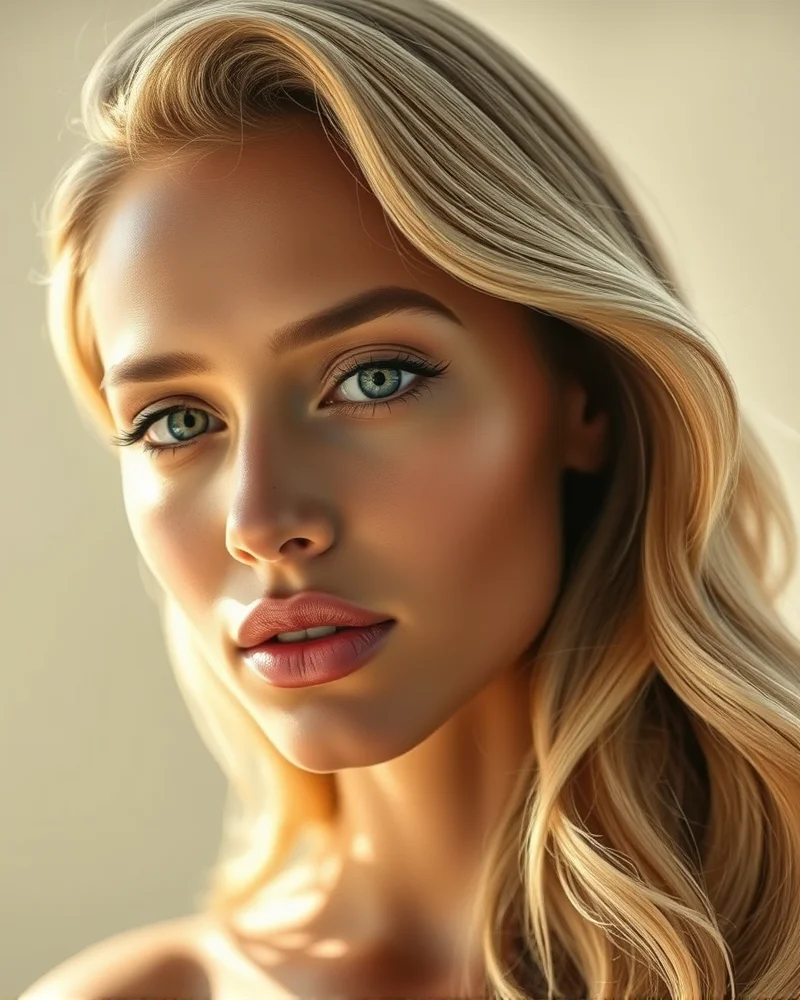
Understanding the science behind hair color begins with the fundamental principles of the color wheel. At its core, hair coloring is an exercise in chromatic chemistry where specific pigments are deposited to influence how light interacts with the hair shaft. For individuals with warm skin tones, selecting the right shade of blonde is not merely an aesthetic choice but a deliberate move to balance the complexion. When you look at the color wheel, colors positioned directly opposite each other serve as neutralizers. For instance, if your hair has unwanted brassy orange undertones, a stylist will utilize a blue or violet base pigment to counteract that warmth, restoring a cleaner, more deliberate blonde appearance.
The science of skin luminosity relies heavily on the physics of light reflection. When light strikes hair, it bounces off the cuticle and reflects onto the skin. If your hair color clashes with your skin undertones, it can create a dull or sallow appearance by casting unflattering shadows on the face. Conversely, choosing a blonde that complements your natural melanin levels acts like a professional reflector. Warm skin tones thrive under golden, honey, or butter blonde hues because these colors mimic the natural glow present in the skin. This synergy enhances the skin, making it appear brighter and more vibrant.
To ensure your hair remains healthy during this chemical process, it is vital to understand how bleaching affects the structural integrity of the keratin bonds. Harsh processing can disrupt these bonds, leading to increased porosity and a loss of shine. According to the American Academy of Dermatology, maintaining scalp and strand health is the prerequisite for any color treatment. To maximize the longevity of your color and keep your hair reflective, consider these essential factors:
- Undertone Harmony: Warm complexions look best when the hair reflects gold, amber, or apricot pigments rather than cool, ash-based tones.
- Pigment Saturation: Higher saturation levels in warm blondes prevent the color from looking washed out against richer skin tones.
- Gloss Treatments: Periodic demi-permanent glosses help seal the cuticle, which is essential for maximizing the light-reflecting properties of your hair.
- Color Calibration: Always use sulfate-free cleansers to prevent the premature stripping of warm-toned pigments, which are more susceptible to fading than darker shades.
Frequently Asked Questions About Fall Blonde
- Q: How do I choose the best shade of fall blonde for my warm skin tone?
- Focus on hues that complement your undertones rather than fighting them. For warm skin, prioritize golden, honey, caramel, or buttery blonde shades. These colors harmonize with the yellow or golden pigments in your complexion. Avoid ash or platinum tones, as they can make your skin look washed out. Consult with a colorist who specializes in color theory to ensure the depth of the blonde perfectly balances your natural features.
- Q: Will my blonde hair color fade quickly during the autumn months?
- Transitioning to warmer blonde tones often requires a shift in your hair care routine. Cooler autumn air can be drying, which may lead to faster color fading. To maintain vibrancy, use sulfate-free, color-safe shampoos and incorporate deep conditioning treatments weekly. According to the American Academy of Dermatology, maintaining overall scalp and hair health is crucial for color retention, so treat your hair gently during color-transition phases to keep the cuticle smooth and reflective.
- Q: Can I transition to a darker blonde without damaging my hair?
- Transitioning to a deeper blonde, such as a bronde or honey blonde, is generally less damaging than lifting color, as it often requires a low-volume developer. This process adds pigment back into the hair shaft, which can actually make the hair feel healthier and glossier. Always request a protein-rich bond-building treatment during your salon appointment to fortify the hair fiber during the coloring process and ensure your locks remain resilient throughout the season.
- Q: How can I update my blonde look for holiday events or themed parties?
- Fall is the perfect time to experiment with temporary styles. Whether you are attending a festive gathering or looking for scary Halloween hair for long hair, you can enhance your base color with semi-permanent glazes or fun, seasonal accessories. These additions do not compromise your underlying warm blonde tones, allowing you to easily return to your professional look once the festivities conclude while still keeping your style exciting and adaptable.
Transitioning to fall blonde hair for warm skin tones is the ultimate way to elevate your seasonal aesthetic while keeping your complexion looking radiant. By opting for rich, golden, and honey-infused pigments, you ensure your hair color complements your natural undertones rather than fighting them. Remember, the longevity of your color depends entirely on how you treat your strands post-appointment—hydration is your best friend. Embrace the warmth this season, and your hair will thank you.