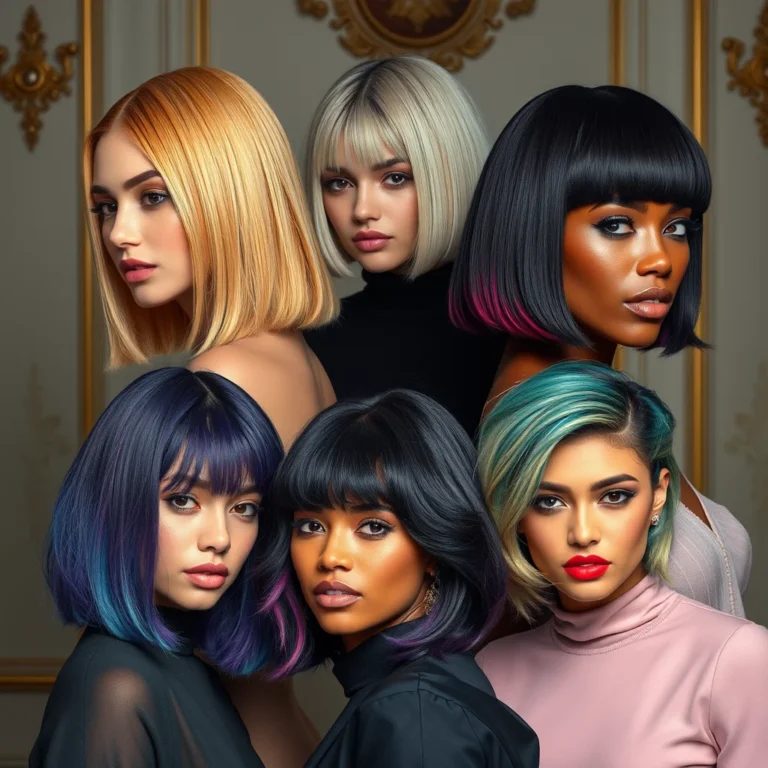
Shaggy Bob Haircut for 90s Aesthetic

The shaggy bob is the definitive 90s aesthetic comeback, blending grunge-era rebellion with modern, low-maintenance chic. If you’ve wondered why the ‘Rachel’ cut has evolved into a choppy, textured masterpiece that dominates Instagram feeds, it’s because this style offers the perfect ‘lived-in’ texture that pairs seamlessly with minimalist manicures found at [Nailosmetic](https://nailosmetic.com/). Whether you have fine, pin-straight hair or voluminous natural curls, the shaggy bob is the exact haircut that bridges the gap between retro nostalgia and modern styling. But why is this specific silhouette taking over every high-fashion runway, and how do you customize the layers to ensure you don’t end up with a DIY disaster? In this guide, we dive deep into the texture, styling, and color pairings that will redefine your entire look, ensuring you master the ultimate 90s revival before the trend peaks.
What is the 90s Shaggy Bob and why is it trending again?
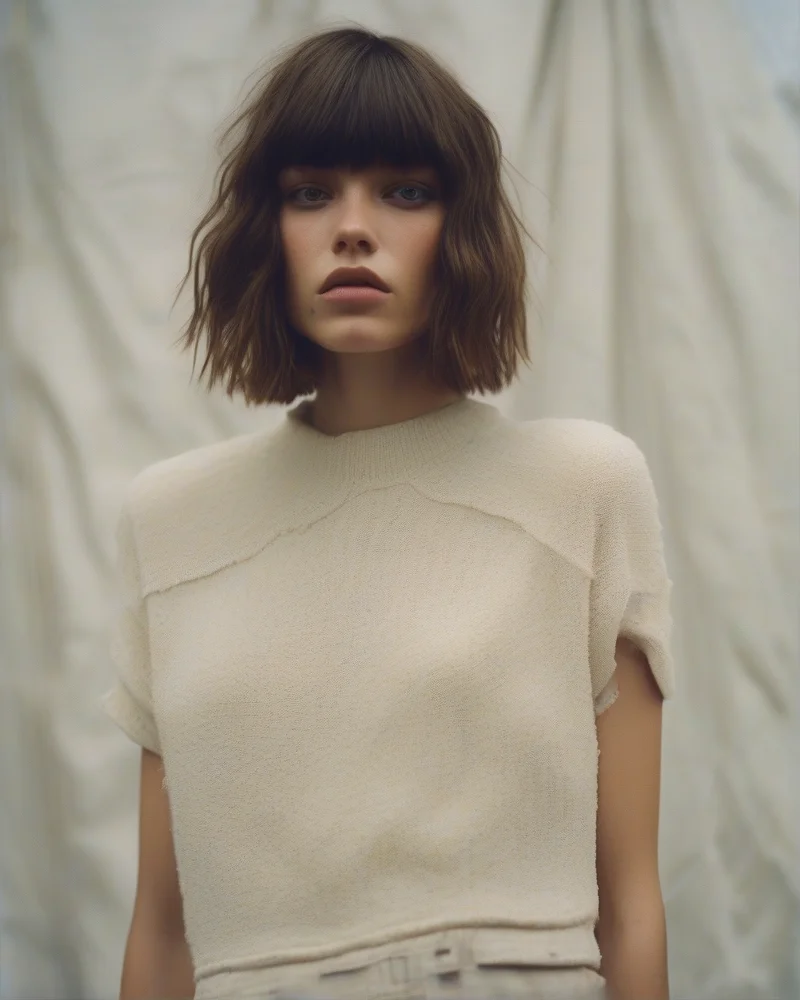
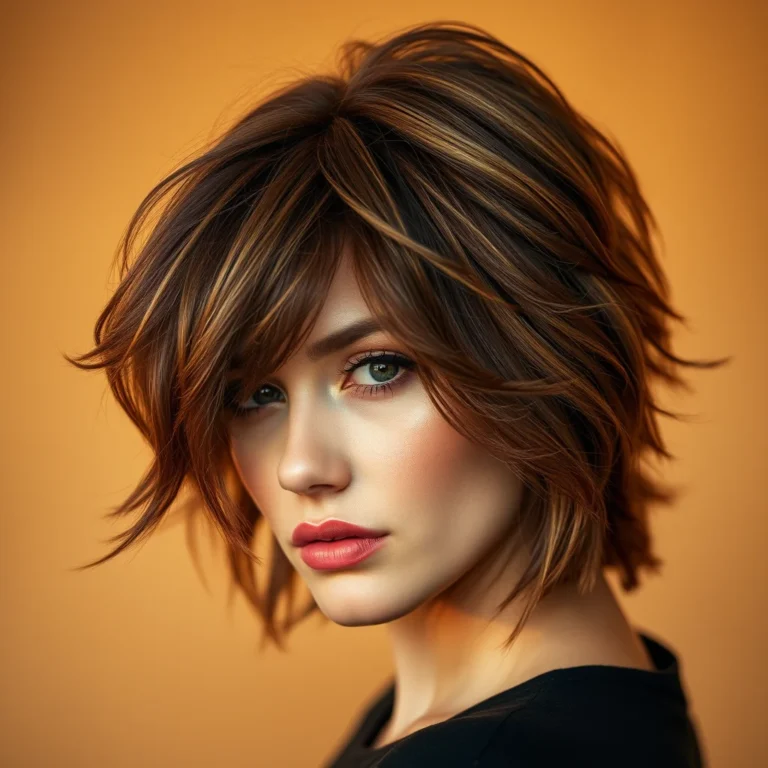
The 90s shaggy bob is more than just a nostalgic nod to a bygone era. It represents a precise intersection of two iconic hair silhouettes. At its core, the cut is a hybrid masterpiece that combines the structured foundation of a classic chin length bob with the rebellious, heavily layered internal texture of a 1970s shag. During the 1990s, this look became synonymous with the anti-fashion movement known as grunge. It was the antithesis of the polished, high-maintenance hair popularized in the 1980s. Celebrities and musicians embraced this silhouette because it required minimal effort and championed a raw, authentic texture that felt both accessible and unapologetically cool.
Today, this cut is experiencing a massive resurgence because modern fashion houses are pivoting toward silhouettes that celebrate individualism rather than forced perfection. High-end designers are pairing this choppy, face-framing style with minimalist collections to provide a balanced contrast between tailored garments and free-spirited beauty. The appeal lies in its versatility. Whether you have natural waves, curls, or stick-straight hair, the shaggy bob allows for a custom shape that emphasizes movement. Unlike a traditional blunt bob, which can often feel too rigid or heavy, the shaggy version uses razor cutting and point cutting techniques to remove bulk and introduce softness around the jawline and cheekbones.
The return of the undone aesthetic is perhaps the most significant driver of this trend. We are currently witnessing a collective shift away from the overly curated beach waves and stiff styling products of the late 2010s. Instead, people are seeking a lived-in look that mimics the way hair naturally falls after a day of wear. To achieve this, stylists are focusing on choppy layers and shattered ends that encourage the hair to sit in an effortless, tousled manner. It is a style that embraces imperfections, such as flyaways or natural cowlicks, turning potential grooming frustrations into deliberate style elements. By choosing a shaggy bob, you are effectively opting for a haircut that works with your unique hair texture rather than against it, ensuring that your morning routine remains simple while your final look stays deeply rooted in modern fashion sensibilities.
How do you choose the right shaggy bob length for your face shape?
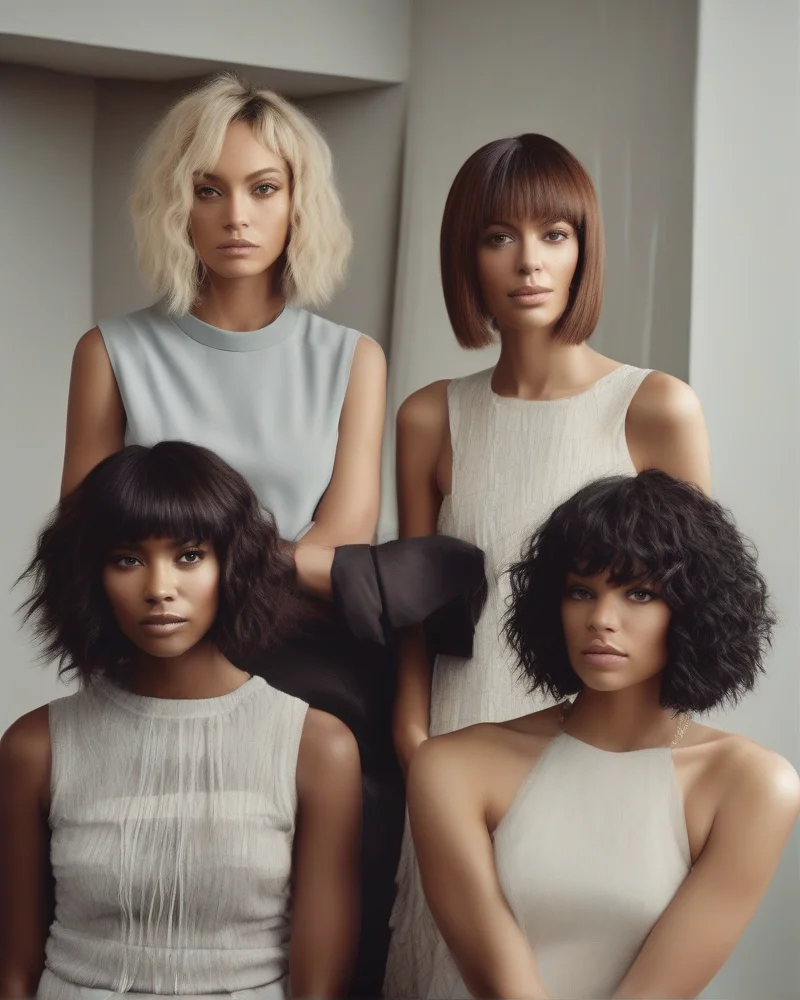
Selecting the perfect length for a nineties shaggy bob requires a keen understanding of facial geometry. The goal is to manipulate the textured layers and perimeter length to highlight your best features while creating a balanced silhouette. Because the shaggy bob is inherently voluminous, strategic placement is everything.
- Oval Face Shapes: If you possess an oval face, you are in the lucky position of being able to pull off almost any iteration of this cut. To lean into the retro aesthetic, experiment with a shorter, chin-length shaggy bob that incorporates heavy, face-framing layers. This draws attention to your cheekbones and jawline without elongating your face further.
- Square Face Shapes: For those with a strong, angular jaw, the objective is to soften those lines. Opt for a collarbone-length shaggy bob. The added length pulls the focus downward and away from the corners of the jaw. Incorporating soft, wispy curtain bangs is essential here, as they break up the horizontal line across the forehead and introduce a rounded, feminine contrast to your bone structure.
- Heart Face Shapes: Heart shaped faces often feature a wider forehead and a narrower chin. To balance this, your shaggy bob should hit exactly at the chin or just below. This creates width at the bottom of the face, effectively filling in the area around the jawline. Ensure your stylist keeps the crown layers slightly longer to avoid adding unnecessary volume at the top of your head.
- Round Face Shapes: If you have a round face, the goal is to create the illusion of length and structure. A slightly longer, textured shaggy bob that grazes the collarbone is ideal. Avoid excessive volume at the sides, as this will only widen the face. Instead, focus on vertical movement and piecey, layered ends. Deep, choppy curtain bangs that fall to the cheekbone can help create a slimming effect, drawing the eye toward the center of the face.
Pro-tip: When choosing your length, always consider your hair texture. Fine hair benefits from shorter, blunter layers to maximize density, while thick, wavy hair requires longer, internal texturizing to prevent the dreaded triangle shape. Consult your stylist about ‘shatter’ cutting techniques to ensure your layers feel lived-in and effortless rather than choppy.
Does a shaggy bob work for fine hair?
A common misconception that haunts those with fine hair is the fear of layering. Many individuals believe that removing bulk via layers will leave their hair looking wispy, sparse, or even flatter than before. However, when it comes to the 90s inspired shaggy bob, this couldn’t be further from the truth. In fact, fine hair is often the perfect candidate for this cut because it lacks the natural density that can make a shag look too bulky on thicker manes. The secret lies not in taking away volume, but in strategic structural engineering that creates the illusion of fullness.
The science behind why this works is rooted in the way we manipulate hair weight. When fine hair is left at a single length, gravity pulls it down against the scalp, making it appear flat and limp. By incorporating internal texturizing shears, a stylist creates shorter layers within the interior of the haircut. These shorter strands act like internal scaffolding. They support the longer pieces above them, preventing the hair from collapsing and creating a lifted, airy silhouette. Furthermore, the jagged, broken edges produced by these shears disrupt the uniform weight line of a traditional bob, which tricks the eye into perceiving more density throughout the crown and mid-lengths. This technique is a cornerstone of professional hair design, ensuring your style maintains body without sacrificing the integrity of your ends.
If you are still searching for the perfect look to pair with your shag, you can find more inspiration in our ultimate guide to trending hairstyles for women. Pro-tip: for those with fine, straight hair, the 90s shaggy bob is best executed with a slight wave or the help of a texturizing salt spray. This combination of the choppy cut and a gritty product finish maximizes the reflection of light, making your hair look significantly thicker than it naturally is. By embracing the choppy, piecey nature of the shag, you are not just getting a trendy haircut; you are upgrading the entire architectural foundation of your fine hair to achieve long lasting volume and effortless, retro cool movement.
What are the essential styling tools for achieving a 90s volume look?
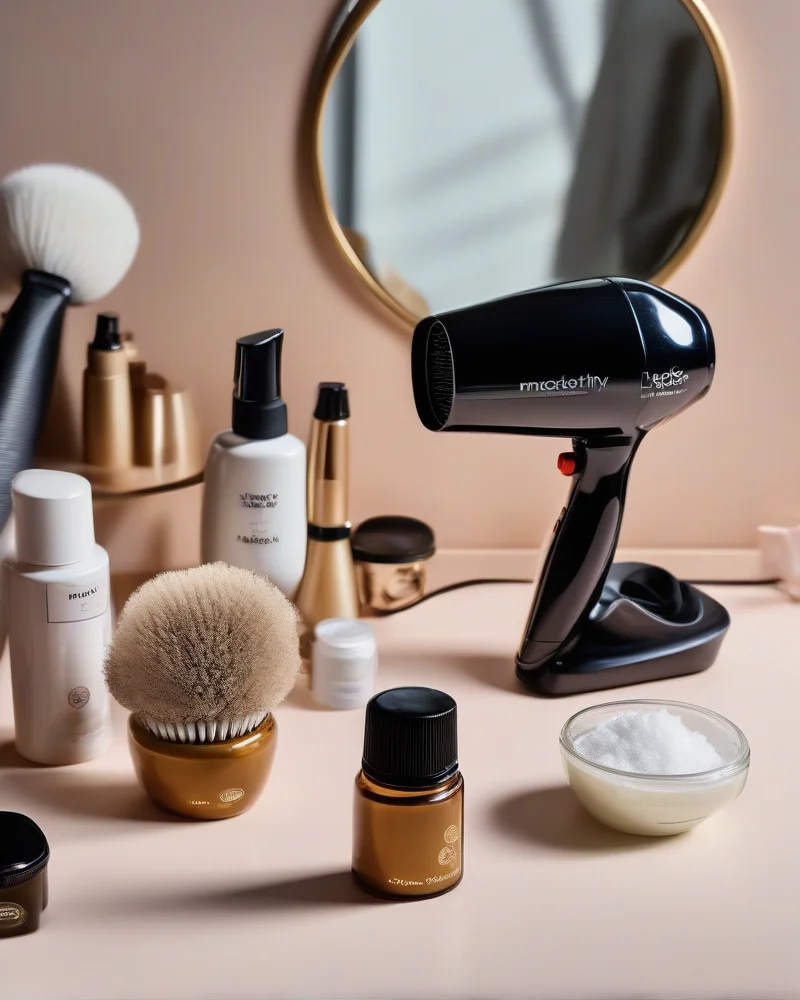
Capturing the quintessential 90s aesthetic requires a deliberate balance between disheveled grunge and structured volume. The shaggy bob is a high impact haircut that demands specific tools to emphasize its choppy layers and natural movement. To master that iconic bedhead appearance while maintaining a polished edge, you must build a strategic toolkit.
- Sea Salt Spray: This is your primary weapon for creating the gritty, lived in texture that defined the 90s era. By mimicking the effects of saltwater on hair, it adds grip and matte definition to your strands. Lightly mist this through damp hair before styling to ensure your layers hold their shape without becoming overly stiff or sticky.
- Texturizing Paste: Unlike heavy pomades, a quality texturizing paste provides pliable hold. It is essential for defining the tips of your shaggy bob. Take a pea sized amount, warm it between your palms, and rake your fingers through the ends of your hair to emphasize the shattered, layered effect. This product is the secret to achieving that piecey look that feels both intentional and effortless.
- Large Ceramic Round Brush: While the 90s were known for grunge, the era also celebrated big, bouncy hair. A large ceramic round brush is crucial for blow drying the roots upward to create significant lift. By using high tension while drying, you can coax the hair into a voluminous silhouette that balances out the choppy, face framing layers of a bob.
- Diffuser Attachment: For those who prefer a more natural approach, the diffuser is indispensable. It disperses airflow to encourage your hair to dry in its natural pattern, minimizing frizz while maximizing volume at the crown.
If you prefer to avoid high heat styling, the heatless grunge approach is an excellent alternative. To achieve this, apply a light styling mousse to damp hair and braid your mane into loose sections before bed. In the morning, gently unravel the braids and use your fingers to rake through the waves. Finish by scrunching in a bit of texturizing paste. This method preserves hair health while delivering an authentic, low maintenance aesthetic that perfectly embodies the rebellious spirit of 90s style.
How can you pair your shaggy bob with 90s-inspired nail art?
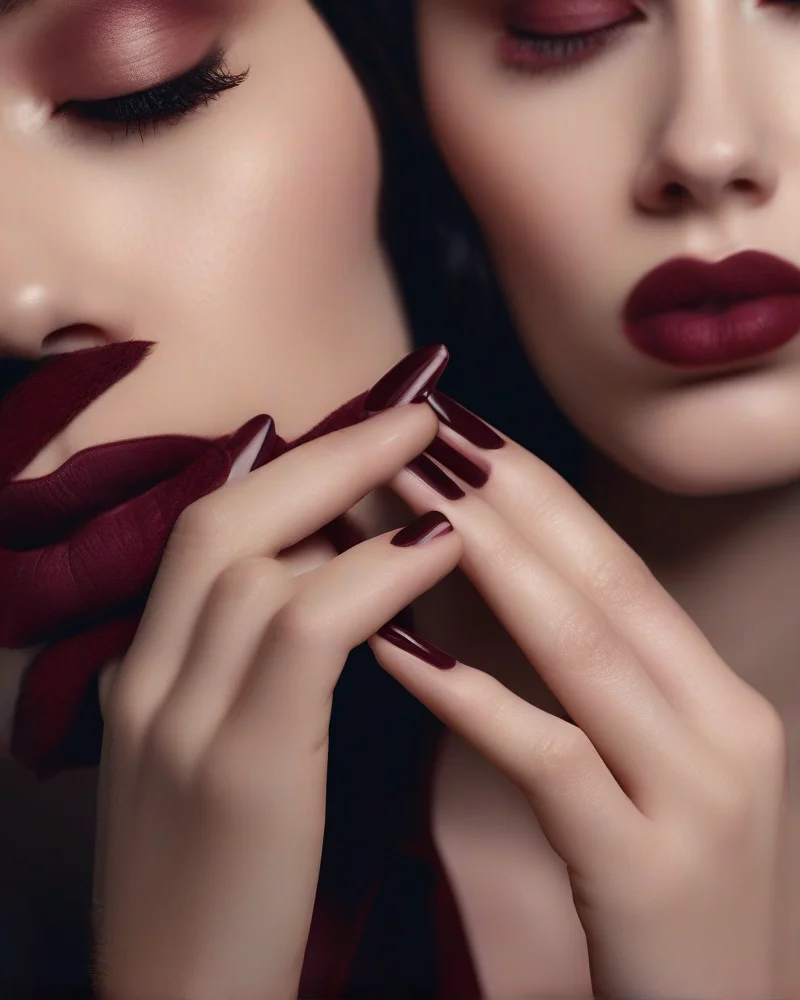
When you commit to the rebellious energy of a shaggy bob haircut, you are essentially curating a cohesive 90s aesthetic that demands attention from roots to tips. Achieving the perfect visual harmony requires more than just textured layers. It necessitates an intentional dialogue between your hairstyle and your manicure. The shaggy bob, characterized by its choppy, piecey layers and effortless movement, serves as the ultimate backdrop for bold, nostalgic nail trends that dominated the grunge and minimalist eras. To truly channel that decade, you must consider the interplay of textures, finishes, and color palettes that bridge the gap between hair styling and professional nail artistry.
For those who prefer a darker, moodier take on the 90s, vampy nail tones are an essential choice. Deep burgundy, blackened plum, or forest green polishes provide a striking contrast against the lighter, airier movement of a shaggy bob. These dark shades lean into the grunge aesthetic while maintaining a sophisticated edge. If you prefer the futuristic shimmer that also defined late 90s pop culture, chrome nails are the ideal selection. High-shine metallic chrome powders catch the light as you toss your shaggy hair, creating a multi-dimensional look that feels both retro and current. For a more subtle nod to the decade, you cannot go wrong with the classic French tip. Whether you opt for a traditional white tip on a nude base or experiment with colorful variations, the clean lines of a French manicure perfectly complement the messy, intentional chaos of a shaggy haircut.
Achieving this aesthetic harmony requires a commitment to nail health that goes beyond mere color. At Nailosmetic, we advocate for a structured routine to ensure your canvas is ready for these vibrant designs. Consider the following professional care tips to keep your aesthetic in top form:
- Use high-quality cuticle oil daily to maintain the health of the nail bed, especially if you are frequently changing between bold pigments and chrome finishes.
- Incorporate strengthening base coats into your routine to prevent brittleness, which can often be caused by harsh gel removal processes.
- Prioritize professional-grade filing techniques to ensure your nail shape is consistent, which provides the necessary frame for both dark vampy tones and intricate nail art.
By treating your manicure as an extension of your hairstyle, you create a signature look that feels authentic to the 90s while remaining polished by modern standards. Whether you are leaning into the raw, undone vibes of a grunge-inspired shag or the polished chic of a minimalist bob, your nail art should always reflect the confidence that comes with a high-end salon cut.
What is the difference between a modern shag and a vintage 90s cut?
When we look at the evolution of hair trends, the distinction between a true 90s shaggy bob and the contemporary iteration is found in the technical execution. The 90s aesthetic was rooted in a grungy, rebellious spirit that favored weight and texture, whereas the modern shag is a polished, wearable adaptation that utilizes advanced precision cutting techniques to ensure the hair falls perfectly without daily effort. Understanding these nuances is essential if you are looking to embrace edgy alt haircuts for women that bridge the gap between retro nostalgia and current street style trends.
While vintage cuts relied heavily on aggressive thinning and heavy razor work, today’s stylists prefer a hybrid approach. The vintage cut was often about maximizing volume through chaotic, uneven layers that felt raw. The modern version, conversely, focuses on internal movement. We are now seeing a shift toward soft, blended transitions that provide that sought after lived in look without the frizzy texture often associated with 90s styling products. The evolution of the curtain bang also reflects this change, moving from heavy, face masking fringes to airier, face framing layers that seamlessly integrate into the rest of the haircut.
| Styling Metric | 90s Vintage Shag | Modern Shag Bob |
|---|---|---|
| Primary Tooling | Heavy reliance on the razor for fraying ends | Precision scissors for controlled texture |
| End Profile | Blunt, choppy, and extremely textured ends | Soft, tapered, and intentional feathery ends |
| Curtain Bang | Heavy, thick pieces that define the forehead | Soft, translucent, and blended into side layers |
| Technical Goal | Maximum volume via aggressive thinning | Movement via weight distribution and layers |
Pro-tip: If you want to achieve the best of both worlds, ask your stylist to use a razor for the face framing pieces to capture that authentic 90s nostalgia, but keep the back and nape sections cut with shears to maintain density. This balance ensures your hair remains easy to style while still capturing that quintessential messy, effortless aesthetic that defined a decade of iconic hair.
How often do you need to trim a shaggy bob to keep the shape?
One of the most compelling reasons to embrace the shaggy bob as your signature 90s aesthetic is the incredible versatility and low maintenance nature of the cut. Unlike a precision blunt bob, which demands rigid structure and razor sharp ends that betray even the slightest hint of new growth, the shaggy bob is intentionally designed to be lived in. Because this haircut relies on internal layering, textured ends, and purposeful fragmentation rather than a perfectly horizontal line, it offers a much longer lifespan between salon visits. You can typically wait anywhere from eight to twelve weeks for a trim, depending on how quickly your hair grows and how much you value the weight of your layers.
When you opt for a precision blunt cut, the growth phase often leads to an awkward shape within just four weeks as the hair loses its clean edge. In contrast, the shaggy bob thrives on that very transition. As your hair grows out, the internal weight shifts, often enhancing the messy, undone movement that defines the 90s rock chick vibe. You are essentially saving both time and money by extending your window between appointments without compromising your aesthetic. Instead of rushing to the stylist to fix a blunt line that has started to flip or bunch, your shaggy bob simply evolves into a longer, more bohemian version of itself.
To maintain the integrity of the shape, consider these professional maintenance tips:
- Schedule a dusting appointment every ten weeks rather than a full recut to keep the ends healthy without losing the essential piecey texture.
- Ask your stylist to prioritize point cutting during your initial session, as this technique helps the hair grow out gracefully by preventing harsh blunt blocks.
- Use a lightweight texturizing spray or sea salt mist during the middle weeks of your growth cycle to revive the layers and maintain that iconic 90s volume.
- If your bangs or face framing layers start to feel heavy, a simple mini trim on the front sections can refresh the entire look for a fraction of the cost of a full haircut.
By leaning into the philosophy that your hair should look better the longer you wear it, you transform your salon visit from a chore into a choice. This intentional longevity is the hallmark of a high quality shaggy bob, making it the ultimate investment for the style conscious individual who wants a low effort routine with high impact results.
What is the best way to style curtain bangs with a shaggy bob?
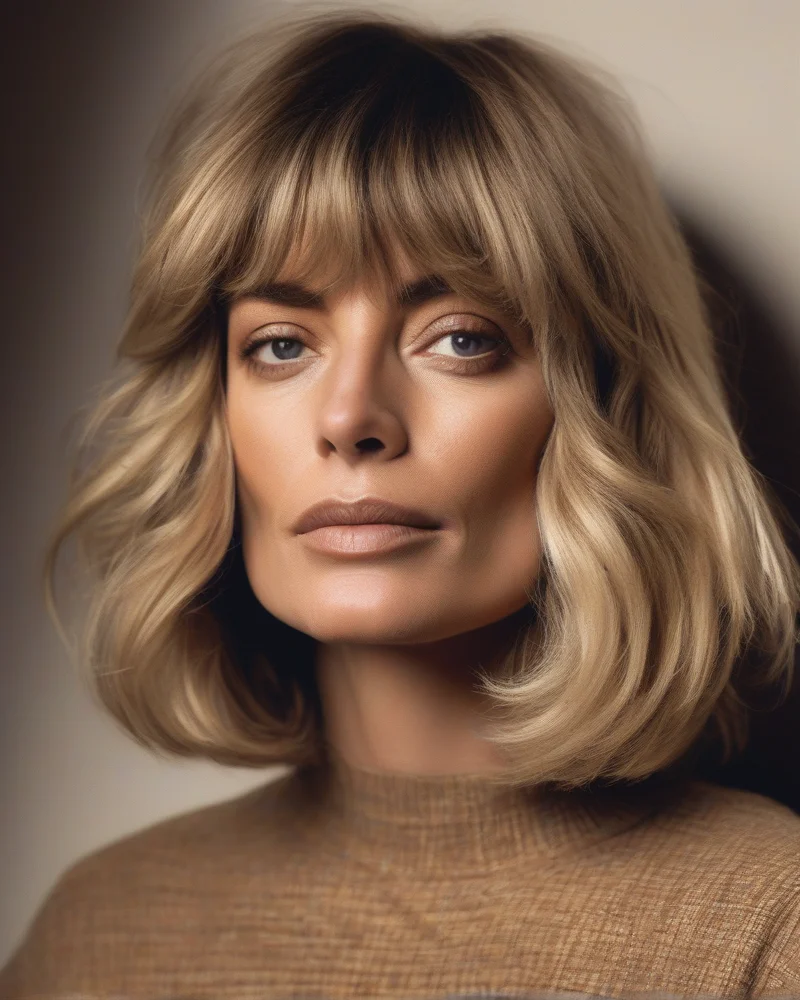
Achieving that iconic, wind-swept silhouette where the effortless cool of Kate Moss meets the feathery volume of a vintage Farrah Fawcett look requires a specific approach to styling. When you pair curtain bangs with a shaggy bob, the goal is to create movement, lift at the root, and a soft, face-framing flick that doesn’t look stiff or overly sprayed. Follow this professional step-by-step method to master the blowout.
- Start with damp, prepped hair. Apply a lightweight volumizing mousse to your roots while your hair is about 80 percent dry. This provides the necessary foundation for gravity-defying lift without weighing down the fine layers of your shag.
- The root lift technique. Use a medium-sized round brush with natural bristles to grab your bangs at the base. Lift the hair straight upward toward the ceiling, aiming your blow dryer directly at the roots. Hold this tension for five seconds until the hair feels warm to the touch. This technique sets the volume at the crown before you move to the flick.
- Directing the curtain effect. To get that classic 90s center-part drape, switch to a smaller round brush. Place your bangs over the brush and pull them horizontally toward the opposite side of your face. Roll the brush back toward your hairline while drying, which encourages the hair to curve outward and frame your cheekbones naturally.
- The Farrah flick. This is the hallmark of the aesthetic. As you reach the ends of your bangs, twist your wrist outward to create a soft, rounded flick. Maintain the heat on the ends for a moment to solidify the shape. If you have a round brush with a ceramic core, the heat retention will make this step significantly more effective for longer-lasting results.
- Cooling and setting. Once you have achieved the desired volume and shape, hit the hair with the cool shot button on your blow dryer. This step is essential because it locks in the cuticle, ensuring your bangs stay bouncy throughout the day rather than falling flat in humidity.
- Final texturizing. Finish by gently raking your fingers through the curtain bangs to break up the lines. Use a pea-sized amount of texturizing paste or a light-hold dry shampoo to add that signature piecey, lived-in 90s grit that defines the shaggy bob style.
By focusing on root tension and directionality, you transform simple curtain bangs into a structured, high-fashion statement. Remember that practice is key to finding the perfect degree of arc for your specific face shape, so do not be afraid to experiment with the angle of your brush as you pull the hair through.
Can a shaggy bob be adapted for curly or wavy hair?
When people envision the quintessential 90s shaggy bob, they often picture sleek, straight strands with wispy ends. However, the true beauty of this iconic silhouette lies in its immense versatility. If you possess curly or wavy hair, you might fear that the added volume of a shag will result in an undesirable triangle shape. This common concern occurs when internal weight is not properly removed, leaving the hair thick and boxy at the ends. To achieve a modern, effortless aesthetic that celebrates your natural curl pattern, the dry-cut method is absolutely essential.
By cutting the hair while it is dry and styled in its natural state, your stylist can see exactly how each curl coil or wave spring sits. This precision allows them to strategically remove weight from the interior of the hair, rather than just chopping off the ends. This technique prevents the dreaded pyramid effect by ensuring that the hair sits with a rounded, airy shape that follows the natural movement of your texture. When the hair is cut wet, curls often shrink significantly, making it nearly impossible to predict the final shape. The dry-cut approach ensures your layers are placed intentionally, creating bounciness and definition rather than unruly bulk.
Another vital component in maintaining a polished 90s vibe is color placement. Even with a perfect cut, dimension is key. If you are noticing that your hair color is beginning to lose its vibrancy or that gray hairs are creating a harsh line at the root, you might consider incorporating lowlights and highlights for aging hair to add soft movement and depth to your curls. This subtle color play breaks up the solid mass of hair, further reducing the appearance of a heavy triangular silhouette.
To maintain your shaggy bob, focus on hydration. Use a wide-tooth comb only when your hair is saturated with conditioner in the shower to avoid disrupting the curl clumps. Once you are ready to style, apply a lightweight curl cream or foam, and scrunch your hair gently to encourage your natural texture. By working with the dry-cut method and prioritizing hydration, your shaggy bob will remain bouncy, defined, and perfectly aligned with the laid-back, grunge-inspired 90s aesthetic you crave.
How do you transition from a long cut to a shaggy bob without regret?
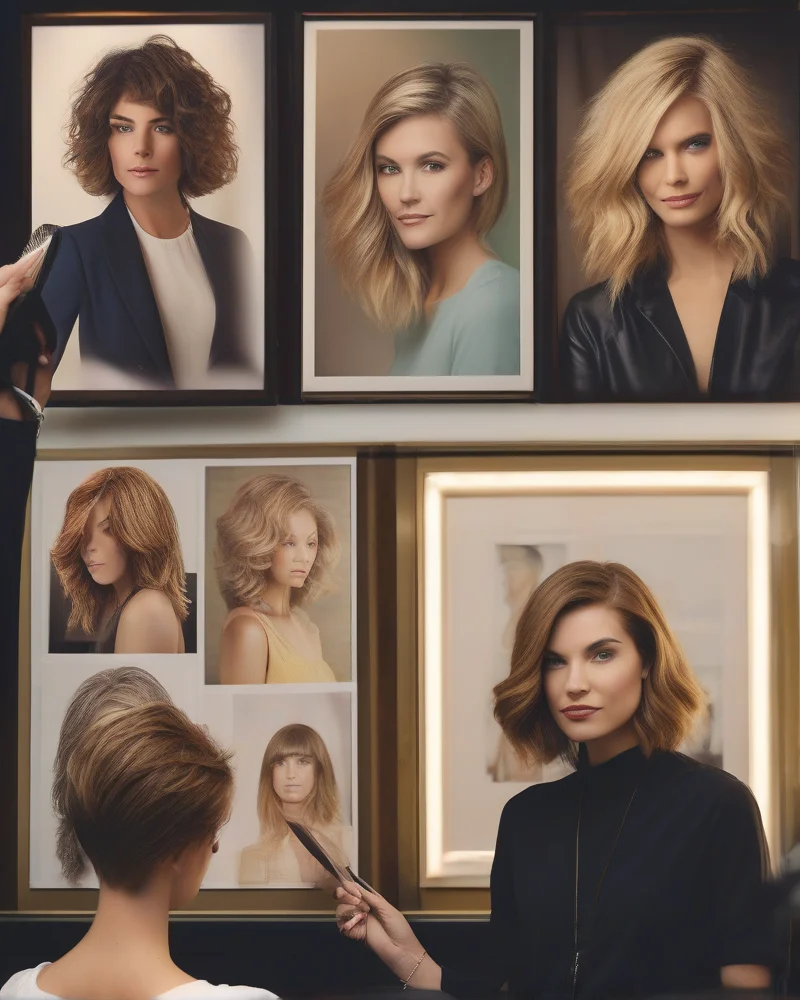
Committing to a dramatic hair transformation can be an anxiety inducing experience, especially when you are moving from long, familiar locks to a bold, textured shaggy bob. The secret to avoiding post-salon remorse lies in a strategic, phased approach. Rather than leaping straight into a choppy, chin-length style, we recommend beginning your transition with a lob, also known as a long bob. By stopping at the collarbone first, you give yourself the necessary time to acclimate to the loss of length while still enjoying a versatile, shoulder-grazing silhouette. This length acts as a safety net because it is long enough to be pulled back into a ponytail on days when you feel uncertain about your new aesthetic.
Once you are comfortable with the lob, you can gradually introduce the hallmark characteristics of the 90s shaggy bob. We suggest asking your stylist to incorporate soft, face-framing layers and internal texturizing rather than blunt ends. This creates the movement and volume essential to the grunge-inspired aesthetic without sacrificing too much perimeter length immediately. During this intermediate phase, you can experiment with styling tools like a texturizing spray or a sea salt mist to see how your hair reacts to added grit and piecey definition. If you find you crave more volume and a more aggressive silhouette, you can proceed to shorten the length in stages, typically moving an inch higher during every follow-up appointment until you hit that sweet spot just above the jawline.
Pro-tips for a seamless transition include:
- Schedule a consultation with your stylist to discuss your face shape and density, as a shaggy bob requires specific thinning techniques to avoid looking too bulky.
- Bring visual references of 90s icons like Meg Ryan or Winona Ryder to ensure you and your stylist have a shared vision of the intended shagginess.
- Invest in high-quality styling products like a matte pomade or a light hold volumizing mousse to manage the layers.
- Keep your bangs or fringe at a length you can easily tuck behind your ears while you adjust to the new shape.
By treating the process as a journey rather than a singular event, you maintain full control over your aesthetic. This incremental method ensures that when you finally reach the full shaggy bob, you will feel confident, empowered, and entirely ready to rock the look.
What are the common color trends for 90s-inspired haircuts?
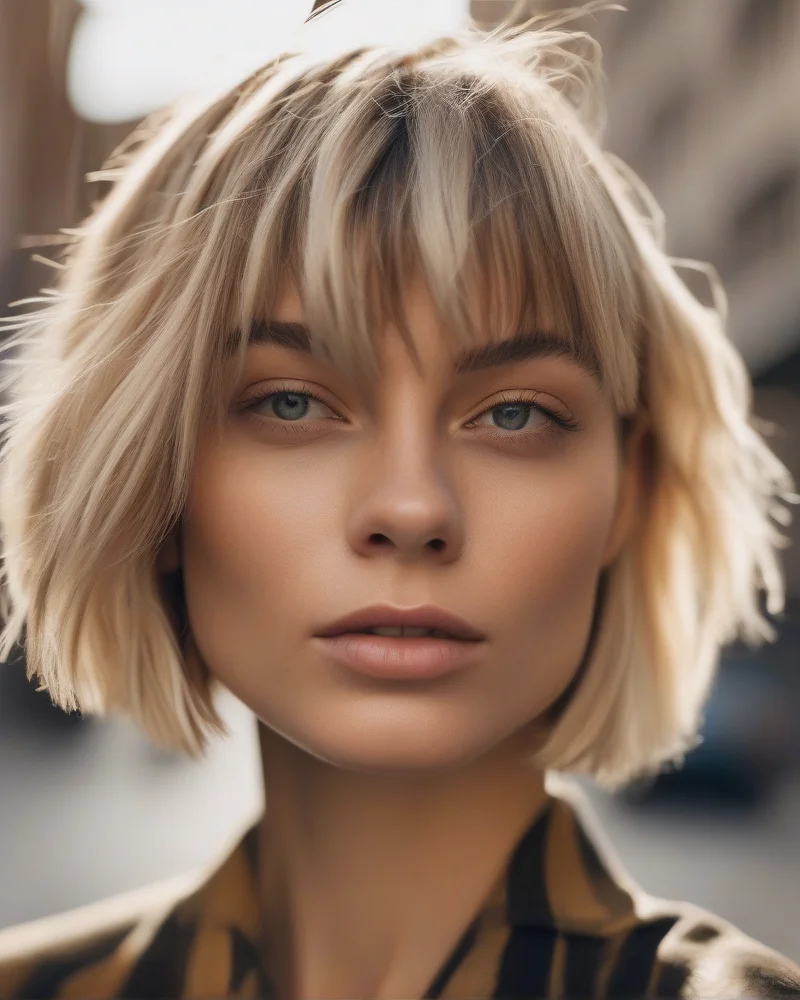
When you channel the rebellious and edgy spirit of the 1990s through a shaggy bob, the color palette becomes just as vital as the layers themselves. The decade was defined by a bold departure from subtlety, favoring high contrast and unapologetic vibrancy that perfectly complements the choppy texture of a modern shag. The most iconic trend from this era that has seen a massive resurgence is the use of chunky highlights. Unlike the seamless, hand painted balayage techniques we see today, nineties chunky highlights are meant to be seen. They rely on distinct, thick sections of color that create dramatic dimension against a darker base. By placing these bold streaks around the crown and through the jagged ends of your shaggy bob, you amplify the movement of your layers, giving the haircut a multidimensional depth that looks incredible in motion.
Another essential element of the 90s aesthetic is the money piece. This technique involves lightening two specific, face framing strands of hair at the very front of the hairline. When paired with a shaggy bob, these illuminated ribbons serve to brighten the complexion and draw immediate attention to the eyes. Whether you opt for a stark platinum blonde against a deep espresso base or a warm copper tone for a vintage grunge look, the money piece creates a striking focal point that anchors the entire style. It is an excellent way to lean into the nostalgia of the era while maintaining a polished and intentional finish.
If you prefer a more natural or low maintenance approach, you can still achieve a 90s inspired look by leaning into warm, tonal color placements. Soft, lived in dimension that mimics the look of sun kissed hair after a long summer is a fantastic way to enhance the choppy silhouette of a short, layered cut. Consider these specific color strategies to elevate your look:
- High contrast weaves that focus on the perimeter to emphasize the shaggy shape.
- Deep mahogany or chestnut base tones that provide a rich backdrop for lighter honey highlights.
- Strategic glossing treatments to ensure your layers have a high shine finish, which prevents the textured ends from appearing dull or frayed.
- Subtle lowlights underneath the top layers to build density and shadow, making fine hair appear significantly fuller and more voluminous.
Ultimately, the goal is to create a look that feels authentic to the carefree vibe of the nineties while remaining sophisticated enough for current fashion standards. By balancing bold, deliberate color placements with the raw texture of a shaggy bob, you create a harmonious style that is both nostalgic and refreshingly modern.
FAQ: Everything else you need to know about the 90s bob
FAQ: Everything else you need to know about the 90s bob
- Can I use dry shampoo daily on my shaggy bob?
- While dry shampoo is the secret weapon for achieving that coveted 90s lived in texture, using it every single day can lead to product buildup on your scalp. This residue can clog follicles and prevent your hair from looking its best. Instead of daily application, try using it every other day and focus your application only on the roots. To maintain the volume of your shag without the buildup, opt for a clear or translucent dry shampoo formula. If you find your hair feels heavy, use a clarifying shampoo once a week to reset your texture and remove lingering starches.
- How do I sleep with a shaggy bob to maintain the volume?
- The biggest enemy of the shaggy bob is the flat pillow crease. To keep your layers bouncy, sleep on a silk or satin pillowcase, which reduces friction and prevents messy tangles. If you have fine hair, gather your hair into a very loose, high pineapple ponytail using a silk scrunchie before heading to bed. This keeps the ends from being crushed while you sleep. In the morning, flip your head upside down and give your hair a quick shake to redistribute the volume before misting it with a bit of texture spray.
- What are the best hair products for that authentic 90s grit?
- The 90s aesthetic is defined by a raw, undone finish rather than a polished, perfect look. You need products that provide hold without leaving the hair feeling crunchy or wet. Here are the essentials for your kit:
- Texturizing Salt Sprays: Perfect for adding a beachy, piecey feel to the ends of your layers.
- Matte Pomade: Use a pea sized amount to define specific strands and add that signature lived in grit.
- Dry Texture Spray: This is the holy grail for a shaggy bob. It provides an immediate boost of volume and creates the separation needed to make your layers stand out.
- Lightweight Sea Salt Paste: Unlike traditional gels, this offers a pliable hold that mimics the natural movement of 90s grunge styles.
- How often should I get a trim to keep the shape?
- The shaggy bob is a low maintenance style, but it relies heavily on the internal layers for its shape. To prevent the ends from becoming too heavy or losing their choppy appeal, you should aim for a trim every six to eight weeks. This schedule ensures that your fringe remains at the perfect length and that your layers do not grow out into a shapeless mass. If you have shorter bangs, you might need a fringe refresh as early as the four week mark.
The 90s shaggy bob is more than a fleeting hair trend; it’s an effortless declaration of style that prioritizes personality over perfection. By focusing on volume, texture, and a high-contrast aesthetic, you can capture that elusive retro vibe while remaining entirely modern. Remember that your hair is only half the battle; maintaining a cohesive look involves high-quality grooming and polish choices that reflect your personal aesthetic. Explore our curated guides at Nailosmetic to ensure your manicure matches the edge of your new cut, and embrace the freedom of the shag.