Future Fabrics & Ethical Chic: How to Style 2026’s Bio-Couture & Circular Fashion

Welcome to 2026, where the runway is a canvas for conscience, and style speaks volumes about our commitment to the planet. This year, the fashion landscape is dramatically reshaped by **bio-couture** and **circular fashion**, transforming how we perceive luxury and personal expression. Forget fleeting trends; we’re diving into a new era of **ethical chic**, one where innovative materials and mindful practices redefine what it means to be truly fashionable. At Nailosmetic, we believe beauty extends beyond the surface, encompassing the very threads that weave our world together. Join us as we explore the groundbreaking fabrics and styling techniques set to dominate the year ahead, offering you the insider’s guide to embracing this stylish revolution. [Link to homepage: https://nailosmetic.com/]
The Dawn of Bio-Couture: Unveiling the Future of Fabrics
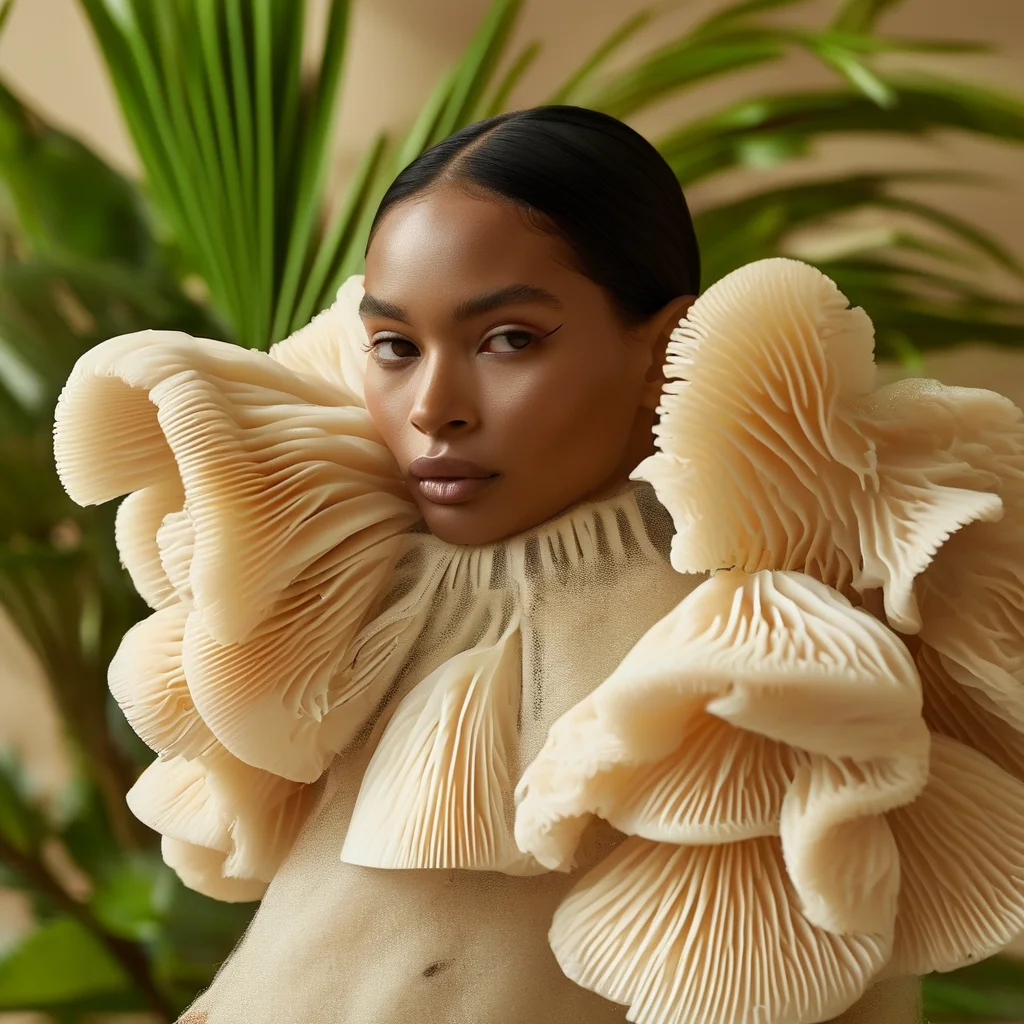
The year 2026 marks a pivotal moment in fashion, where bio-couture transcends niche status to become the very definition of premium luxury. This isn’t just about eco-conscious choices; it’s a revolutionary blend of scientific innovation and artistic design, crafting textiles that are as visually stunning as they are environmentally responsible. Imagine wearing fabrics born from nature’s ingenuity, meticulously engineered for unparalleled beauty and performance. Leading this charge are materials like Mylo, a velvety soft leather alternative grown from the root structure of mushrooms known as mycelium. Pioneered by innovators like Bolt Threads, Mylo offers the luxurious drape and tactile pleasure of animal leather without the environmental footprint, demonstrating how biology can create exquisite materials. Then there is Piñatex, a remarkably versatile non-woven textile crafted from waste pineapple leaf fibers, transforming agricultural by-products into durable, breathable fabrics favored by discerning designers for footwear and accessories. Not to be outdone, Orange Fiber, developed from citrus fruit by-products, spins luxurious, silky yarns that minimize waste while offering an incredibly soft hand. These materials aren’t simply alternatives; they represent a fundamental shift in how fashion resources are conceived and utilized. Their creation involves groundbreaking biotechnology, significantly reducing water consumption, chemical use, and carbon emissions associated with traditional textile production. This intelligent design and conscious craftsmanship are setting new standards, proving that true luxury now lies in innovation that respects our planet, driven by visionary brands and textile innovators who are collectively weaving a more sustainable, stylish future.
Mylo (Mushroom Leather) & Piñatex (Pineapple Leaf Fiber): The Power Duo of 2026
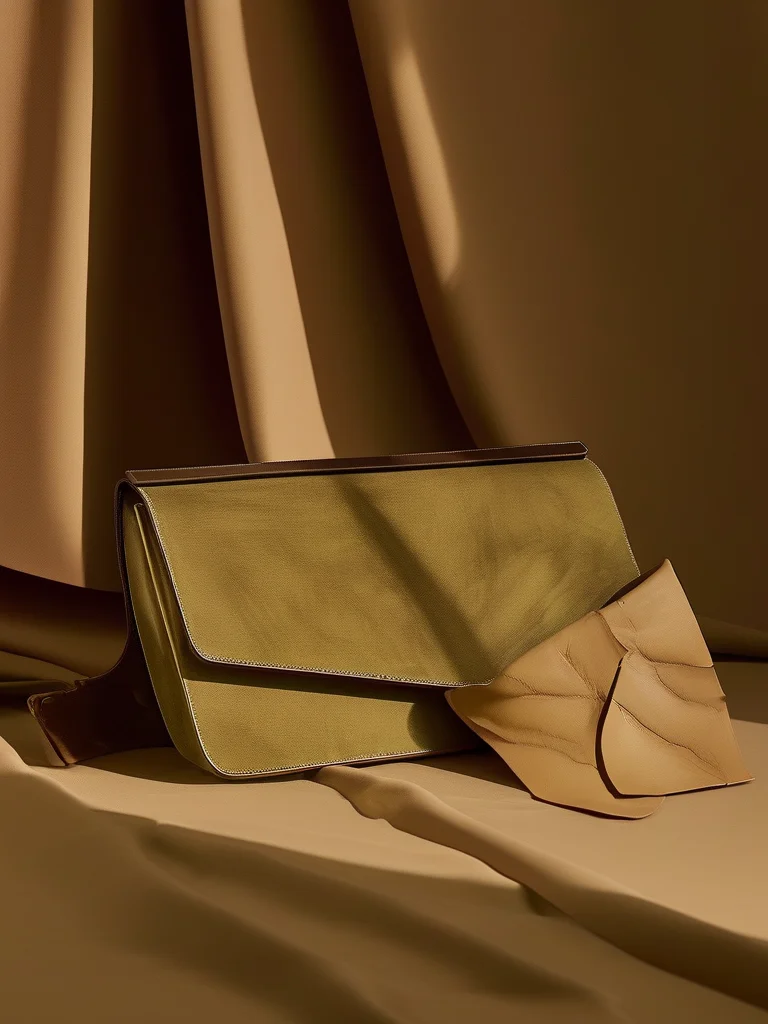
Mylo, frequently termed mushroom leather, embodies a significant advancement in sustainable material innovation. Its creation leverages mycelium, the intricate root-like network of fungi, grown in efficient vertical farms. This process demands remarkably less water and land compared to traditional animal leather production. The resulting material is exquisitely supple with a luxurious handfeel, mirroring the aesthetic and tactile qualities of premium animal leather, yet with a profoundly reduced ecological impact. Mylo is not only durable but also incredibly versatile, capable of being molded, embossed, and dyed to achieve a vast spectrum of finishes. This makes it a prime choice for crafting everything from high-fashion handbags and designer footwear to sophisticated outerwear, offering designers an unparalleled material that maintains structure and drape without environmental compromise.
Alongside Mylo, Piñatex presents another compelling innovation. This unique textile is ingeniously derived from the cellulose fibers found in waste pineapple leaves, which are typically discarded after the fruit harvest. Through a specialized process, these agricultural byproducts are transformed into a distinctive, leather-like fabric possessing a slightly textured, natural grain. Piñatex is celebrated for its breathability and inherent flexibility, making it perfectly suited for elegant accessories, bespoke watch straps, and lightweight jackets. Together, Mylo and Piñatex epitomize the principles of circular fashion. They effectively convert agricultural waste into high-value resources, dramatically lessening our dependence on new materials. This powerful duo redefines ethical luxury, demonstrating conclusively that opulence and environmental responsibility are not mutually exclusive but rather the defining characteristics of 2026’s most coveted bio-couture.
Orange Fiber & Beyond: Harnessing Nature’s Bounty for Style
Beyond the groundbreaking innovations of mushroom leather and pineapple fiber, 2026 brings forth a vibrant spectrum of natural materials that redefine sustainable luxury. Take Orange Fiber, for instance. Crafted from the abundant citrus waste of the food industry, this pioneering textile boasts a remarkably silky, lustrous texture, ideal for flowing dresses, delicate blouses, and premium accessories that drape beautifully. It embodies elegance with an environmental conscience, transforming what was once destined for landfills into high-fashion statements. But the ingenuity does not stop there. Trailblazers like Bolt Threads are engineering revolutionary protein-based materials, pushing the boundaries of what is possible by mimicking nature’s own molecular structures to create textiles with unparalleled performance and minimal environmental footprint. These advancements hint at a future where bespoke materials are grown, not just manufactured. Equally vital are responsibly sourced fibers that elevate existing material categories. Lenzing Ecovero, a sustainable viscose, stands out for its production process, which uses wood from certified renewable sources and significantly reduces water usage and emissions compared to conventional viscose. Choosing Ecovero means opting for a soft, breathable fabric that supports forest conservation and circularity. The sheer breadth of these innovations, from upcycled citrus to lab-grown proteins and sustainably managed forests, illustrates a dynamic shift in fashion. Consumers in 2026 have an ever-growing array of ethical material choices, empowering them to curate wardrobes that are not only stylish but also deeply aligned with planetary well-being.
The Circularity Revolution: From Waste to Wardrobe Wonders
The future of fashion in 2026 is inherently circular, moving beyond a linear ‘take, make, dispose’ model to one that regenerates and restores. This revolution in circularity sees brands adopting holistic approaches to minimize waste and maximize resource utility. Companies are championing innovative ‘take-back’ programs, encouraging consumers to return worn items which are then repaired, recycled, or upcycled into entirely new garments. Designing for longevity has become paramount, emphasizing durable materials, timeless aesthetics, and the easy repairability that extends a product’s lifespan far beyond a single season. We are witnessing the transformative power of materials like Econyl, a high-performance regenerated nylon made from ocean waste and discarded fishing nets, proving that luxury and sustainability can seamlessly intertwine. Similarly, the focus on responsible cashmere ensures that even the most coveted fibers are sourced ethically, minimizing environmental impact and supporting animal welfare. Brands like Patagonia stand as shining pioneers, their commitment to repair, reuse, and recycling reflecting a deep-seated ethos that permeates every design decision. Their Worn Wear program exemplifies how circularity is not merely an environmental initiative, but a fundamental design philosophy that enhances value and connection. Just as these innovative fashion concepts spark creativity, imagining possibilities for a more sustainable future, perhaps you might find similar inspiration when exploring new celestial nail art ideas for your next look. This shift represents a true wardrobe wonder, turning what was once considered waste into cherished, enduring style statements.
Styling Bio-Couture: Effortless Elegance for the Conscious Consumer
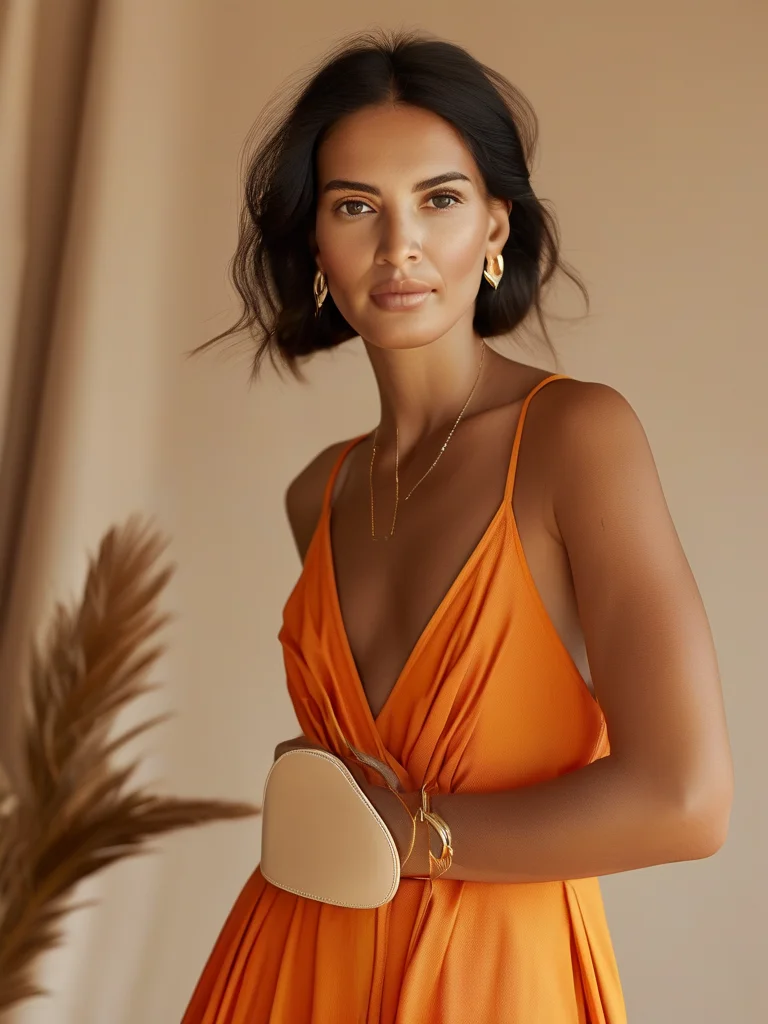
Embracing bio-couture is about more than just making an eco-conscious choice; it’s about elevating your style with pieces that possess an inherent, luxurious character. Consider a statement jacket crafted from supple Mylo. Dress it down with organic cotton denim and a simple linen tee for an effortlessly chic weekend look, its unique grain whispering tales of innovation. For evening, pair it with a flowing silk slip dress and artisanal silver jewelry, letting the Mylo’s refined texture become the star. Similarly, accessories made from Piñatex, like a structured tote or elegant boots, add an unexpected, natural dimension to any outfit. They complement the soft drape of an Orange Fiber dress beautifully, creating a harmonious ensemble that feels both grounded and sophisticated. When building your bio-couture wardrobe, pay attention to color palettes. Natural dyes derived from madder root, indigo, or even avocado pits create nuanced, earthy tones that are inherently cohesive. These colors blend seamlessly with other sustainable staples, fostering a wardrobe where every piece feels thoughtfully curated and timeless. Think of pairing an indigo dyed linen shirt with a pair of hemp trousers for a look that is as comfortable as it is conscious. The tactile beauty of these materials invites a more mindful approach to dressing, proving that ethical fashion can be profoundly elegant and undeniably versatile.
Mastering Upcycling & Deconstruction: The Art of Reinvention
The true heart of ethical chic in 2026 lies in the art of reinvention, particularly through upcycling and deconstruction. This isn’t about simply patching things up; it’s a creative philosophy that transforms what might be seen as discarded or flawed into highly desirable, individualistic pieces. Think of visible mending, where carefully placed, contrasting stitches or fabric patches become intentional design elements, turning a small tear into a signature detail. It’s about reimagining vintage garments, not just wearing them as they are, but deconstructing them to harvest unique trims, repurposing entire sections into something entirely new, or layering them in unexpected ways. Brands like Stella McCartney have long championed these approaches, demonstrating how beautiful and luxurious fashion can be when born from resourcefulness. Zero-waste pattern cutting, where every scrap of fabric is utilized, also fits perfectly within this ethos, minimizing environmental impact while maximizing creative potential. These techniques imbue clothing with a story, a personal history that mass-produced items can never replicate. Embracing upcycling and deconstruction is an invitation to a more mindful, creative, and profoundly personal approach to style, celebrating individuality and the beauty of making something extraordinary from the seemingly ordinary.
Building a Sustainable Wardrobe: The Slow Fashion Principles for 2026
As we look ahead to 2026, the concept of ethical chic truly finds its grounding in the enduring principles of slow fashion. This isn’t about fleeting trends, but about building a wardrobe that reflects your values and stands the test of time. Prioritize quality over quantity, investing in pieces crafted from these innovative bio-couture materials and circular fabrics. Think of it as a long term relationship with your clothing. Understanding how to care for your garments is paramount; proper washing, mending, and storing will significantly extend their lifespan, making each piece a truly cherished item. When making a purchase, ask yourself: who made this? What is it made from? Does this brand align with my commitment to a more sustainable future? Brands like PANGAIA exemplify this thoughtful approach, offering radical transparency about their material innovations and production processes. They invite you to connect with the story behind your clothes, empowering you to make informed decisions. Embracing slow fashion means approaching your style with intention. It’s about curating a collection that not only looks good but *does* good, allowing your outward expression to powerfully align with your inner convictions. Be mindful, be impactful, and let your wardrobe be a testament to the beautiful, sustainable future of fashion.
As 2026 unfolds, the fusion of bio-couture and circular fashion presents an unparalleled opportunity to redefine personal style through an ethical lens. The innovative materials like **Mylo** and **Piñatex**, alongside the ingenious applications of **upcycling techniques** and **zero-waste patterns**, empower us to make conscious choices that resonate with both our aesthetic desires and our planetary responsibilities. Embracing **ethical chic** means celebrating the beauty of innovation, the elegance of sustainability, and the enduring value of pieces crafted with intention. By adopting the principles of **slow fashion**, we move beyond transient trends to cultivate a wardrobe that is not only beautiful but also a testament to a more responsible and hopeful future. Let your style be a statement of your commitment to a world where fashion and consciousness walk hand-in-hand.