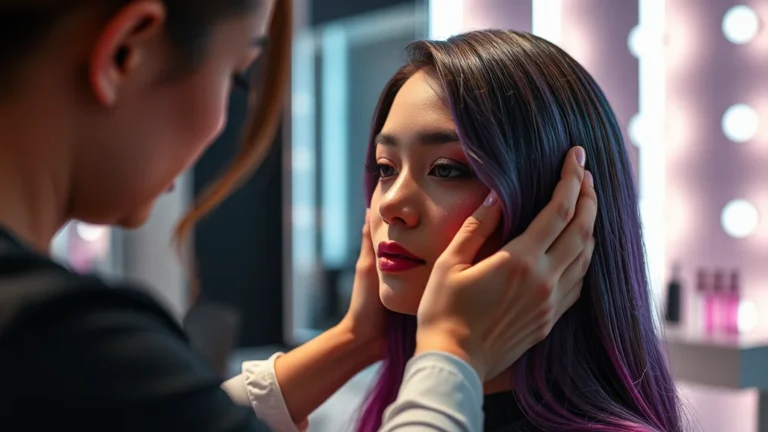
Bio-Adaptive Gel Manicures: The 2027 Guide to Color-Changing Polish

Welcome to the future of nail artistry. As we navigate the innovations of 2026, the intersection of technology and beauty has reached a zenith with Bio-Adaptive Gel Manicures. No longer are your nails confined to a static shade; today’s manicures react in real-time to your body temperature and environment, creating a living, breathing accessory. At [Nailosmetic](https://nailosmetic.com/), we believe your manicure should be as dynamic as your lifestyle. Whether you are transitioning from a chilled morning yoga session to a high-energy boardroom meeting, these intelligent polishes shift colors to match your internal rhythm. This guide explores the sophisticated science behind thermochromic wonders, teaching you how to achieve professional-grade results at home while maintaining superior nail health. Prepare to transcend traditional polish and step into a new era where every gesture tells a unique color story. Welcome to the [Nailosmetic](https://nailosmetic.com/) standard of luxury.
The Science of Color: Understanding Thermochromic Pigments
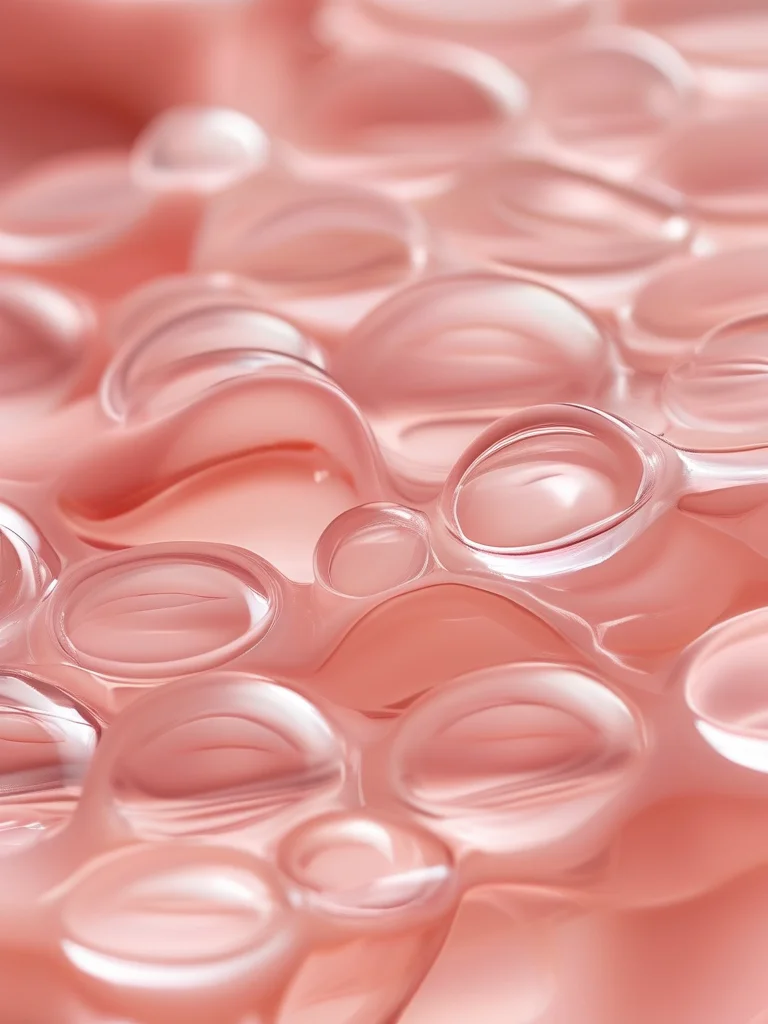
At the core of Nailosmetic bio-adaptive gel technology lies the intricate science of thermochromic liquid crystals. Unlike traditional polishes that rely on static colorants, our 2027 gel bases utilize microscopic spheres containing highly sensitive leuco dyes. These micro-encapsulated pigments are engineered to respond directly to thermal energy. When your body heat rises, the molecular structure of these dyes shifts from a twisted state to a planar configuration. This physical transformation alters the way the pigment reflects light, effectively changing the color visible to the human eye.
Each formula features a specific transition temperature point calibrated to the natural warmth of the nail plate. As the temperature drops, the dye molecules return to their original, tighter arrangement, reverting the color to its base shade. This reaction is entirely reversible and occurs instantly as your environment changes. These pigments are superior to standard polishes because they offer a dynamic aesthetic that static formulas cannot replicate. While basic polishes merely coat the nail, our bio-adaptive gels interact with your physiology. This constant state of flux prevents visual fatigue and provides a high-performance finish that wears differently throughout your day. Pro-tip: For the most dramatic transition effect, ensure your base coat is applied thinly. A thicker layer of gel acts as a thermal insulator, which can delay the activation of the pigments. By maintaining a uniform application, you allow the ambient air and your fingertips to communicate more efficiently with the encapsulated dyes, resulting in a seamless and responsive color gradient.
Bio-Adaptive Polymers: The Future of Nail Integrity
- Moisture Regulation: Bio-adaptive films prevent the keratin layers from becoming brittle.
- Dynamic Tension: The polish moves with your natural nail to prevent edge chipping.
- Breathable Architecture: Micro-porous design facilitates gas exchange for healthier nail beds.
Visualizing the Shift: How to Apply Like a Pro
Visualizing the Shift: How to Apply Like a Pro
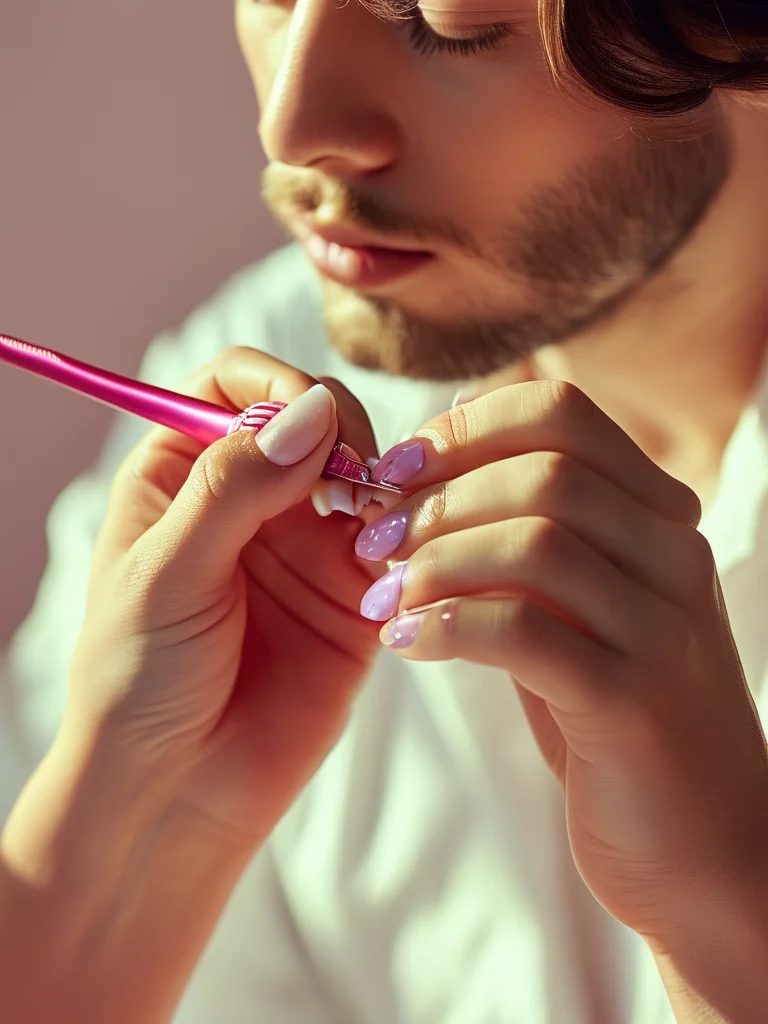
Achieving a flawless, long-lasting finish with bio-adaptive gels requires precision and an understanding of how these temperature-sensitive polymers behave. Follow these professional steps to ensure your manicure reacts perfectly to environmental changes.
- Nail Bed Preparation: Begin by sanitizing your hands and gently pushing back your cuticles. Use a fine-grit buffer to remove the natural shine from the nail plate. This creates a textured surface that allows the gel to grip securely. Cleanse the nail thoroughly with a lint-free wipe soaked in 90 percent isopropyl alcohol to remove all oils and dust.
- The Primer Phase: Apply a thin layer of acid-free primer to the free edge and center of the nail. Bio-adaptive formulas are thicker than standard polishes, so this step is vital for preventing premature lifting during the color-shifting process. Allow it to air dry for thirty seconds until the nail looks chalky.
- Precision Application: Apply a base coat and cure it according to your lamp specifications. When applying the color-changing gel, work in thin layers. Apply the first coat starting at the cuticle, leaving a hair-thin margin to avoid skin contact. If the gel touches your skin, wipe it away immediately with a clean brush before curing.
- The Curing Process: Place your hand into a high-quality UV-LED lamp with a minimum output of 48 watts. Cure for 60 seconds. Because these gels contain complex thermochromic pigments, curing in thin, even layers prevents bubbles or color-streaking caused by uneven pigment distribution.
- Refining the Shift: Apply a high-shine top coat to seal the color. This locks in the vibrancy of the shift and protects the delicate pigments from UV degradation. Wipe away the tacky dispersion layer for a professional, glass-like finish.
Comparing Industry Leaders: OPI vs. DND DC and Beyond
Selecting the right brand for bio-adaptive gel services requires an understanding of how manufacturers balance pigment load with chemical stability. While mainstream giants like OPI and DND DC have perfected the standard gel formula, their approach to thermochromic technology is distinctly different from agile, independent labs that prioritize rapid color transition.
| Brand | Viscosity | Color-Shift Vibrancy | Average Wear |
|---|---|---|---|
| OPI | Medium-Thick | Moderate | 21 Days |
| DND DC | Thin | High | 14 Days |
| Bio-Adaptive Labs | Self-Leveling | Extreme | 18 Days |
OPI maintains a loyal following by prioritizing structural durability, though their bio-adaptive lines often require three thin coats to achieve a consistent transition. Conversely, DND DC offers a thinner viscosity that allows for faster application, making it a favorite for quick-turnover salons. Their pigment density is superior for dramatic shifts, though it requires precise curing times to avoid under-curing at the center.
Independent developers are currently leading the market by integrating bio-adaptive polymers that react faster to ambient heat changes. These niche brands avoid the heavy fillers found in mass-market gels, resulting in a more responsive finish. As you design your next set of nails, consider pairing your seasonal aesthetic with creative citrus-themed decor to complement the vibrant shifts of your new manicure. Pro-tip: always check your lamp wattage against the specific pigment density of the brand, as bio-adaptive gels often require higher intensity to fully encapsulate the thermochromic particles without compromising flexibility.
Integrating Gel-X and Extensions with Color-Changing Tech
Achieving the perfect synergy between Gel-X tips and bio-adaptive color layers requires a precise architectural approach. When applying thermochromic polish over a full-coverage tip, the primary challenge is managing total product thickness. Because color-changing pigments rely on rapid thermal conduction to trigger their hue shift, applying a base layer that is too thick creates a thermal barrier. This insulation slows down the transition, resulting in a sluggish or incomplete color change. We recommend applying the bio-adaptive gel in two ultra-thin coats rather than one heavy application to ensure the pigment sits close enough to the natural nail plate to register body temperature efficiently.
Structural integrity is equally critical when integrating these systems. Since bio-adaptive gels often require specific curing times to maintain their photo-stability, you must ensure your curing light penetrates the entire stack without causing heat spikes. Pro-tip: Apply your Gel-X tip using a clear adhesive base, cure it fully, and then lightly buff the surface before layering your color. This creates a mechanical bond that prevents the thermochromic layer from peeling at the free edge. To maintain the structural tension of the extension, keep the total thickness of the extension, adhesive, and color layer under 1.5 millimeters. Exceeding this limit forces the heat-sensitive pigments to compete with the density of the artificial tip, which frequently leads to ‘dead spots’ where the color fails to transition evenly across the entire surface of the nail.
Nail Hydration and Post-Manicure Care
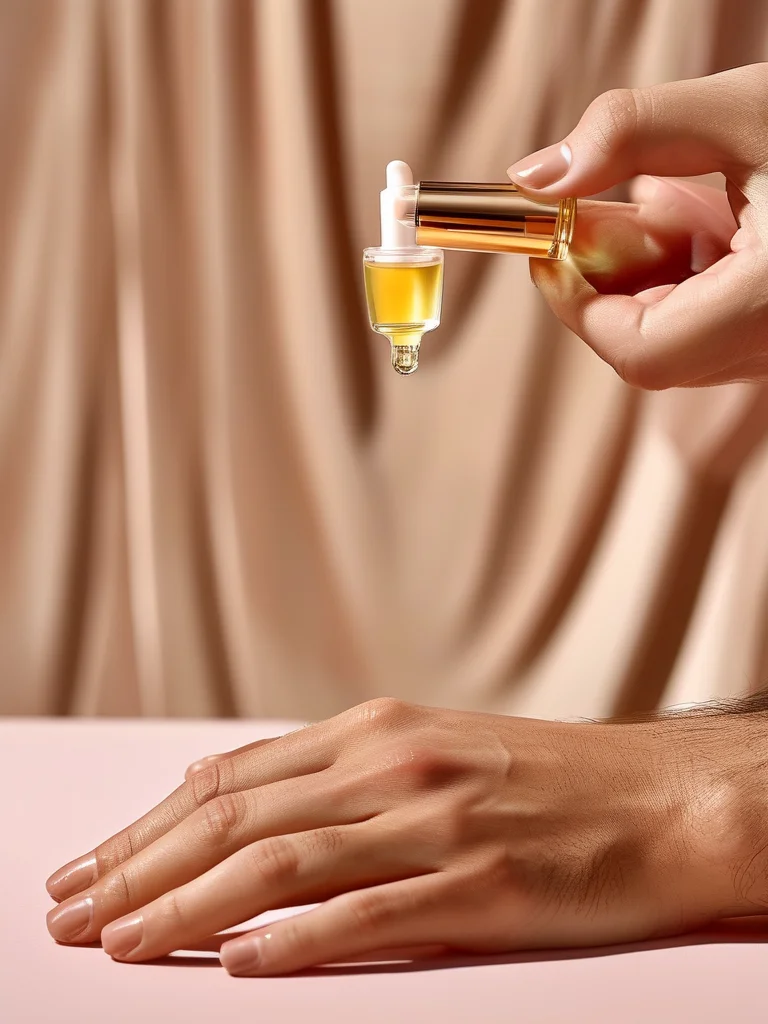
Maintaining the integrity of your natural nail bed is essential when working with bio-adaptive gels. Because these formulas utilize reactive polymers that physically shift structure to change color, they demand a more robust hydration routine than traditional lacquers. The constant thermal or light-induced movement of these pigments can draw moisture away from the keratin layers, leaving your nails prone to brittleness if neglected. To counter this, move beyond basic moisturizers and incorporate lipid-rich serums specifically designed to penetrate the gel matrix and reach the nail plate.
We recommend a twice-daily application of a cold-pressed jojoba or squalane-based cuticle oil. These oils mimic the skin’s natural sebum, ensuring the hyponychium remains flexible and the proximal nail fold stays hydrated. This barrier is critical, as it prevents micro-cracks where chemicals could otherwise pool.
To avoid the persistent yellowing often associated with long-term exposure to dense, color-shifting pigments, follow these professional maintenance protocols:
- Use a medical-grade base coat that features a UV-inhibitor to create a sacrificial layer between your nail and the pigmented gel.
- Limit continuous wear time to fourteen days before opting for a professional removal and a three-day hydration reset period.
- Apply a vitamin E infused treatment oil nightly to neutralize free radicals that cause discoloration.
By treating the nail plate as a living surface rather than a static canvas, you allow the bio-adaptive polymers to function at their peak without compromising the health of your natural nail structure. Consistency in this lipid-replenishing routine is the primary differentiator between a manicure that looks dull after a week and one that retains its vibrancy and clarity for the duration of the wear.
AEO: Frequently Asked Questions
- Do bio-adaptive gels damage natural nails?
- When applied and removed correctly, bio-adaptive gels are no more damaging than traditional gels. These formulas are often infused with keratin or calcium to protect the nail plate. Damage typically occurs during aggressive removal, so always use a professional grade acetone soak rather than peeling the product off your nails.
- How long does a bio-adaptive manicure last?
- You can expect high-quality bio-adaptive gels to maintain their color-shifting vibrancy for two to three weeks. Longevity depends on your daily habits. If you use your hands frequently for typing or cleaning, apply a high-gloss top coat every four days to seal the edges and prevent micro-chipping.
- Why isn’t my polish changing color?
- If your manicure stays one static shade, the thermochromic pigments may be trapped in a state of thermal equilibrium. This happens if your body temperature or the ambient environment is constant. Try running your hands under warm water or holding an ice cube against the nail tip to force a shift. If the color remains stagnant regardless of temperature, the polish may have been cured under an incorrect UV intensity, which can deactivate the reactive pigments.
- Can I use a regular top coat over bio-adaptive gel?
- It is better to stick with the manufacturer recommended top coat. Some standard top coats contain high levels of UV inhibitors that block the light wavelengths necessary for the pigments to transition effectively.
As we look toward 2027, the bio-adaptive gel revolution has cemented itself as the pinnacle of personal expression in beauty. By leveraging the synergy between thermochromic pigments and advanced bio-adaptive polymers, you are no longer limited to a single aesthetic. Whether you are rocking high-fashion Gel-X extensions or maintaining natural nails, the key remains in the quality of your application, the precision of your UV-LED curing, and a commitment to rigorous nail hydration. Embrace the shift, experiment with the temperature-sensitive gradients, and remember: at Nailosmetic, we define the standard of the next generation of nail luxury. Your nails are a canvas—let them change with you.