The Rise of Bio-Synthetic Hybrid Extensions: A 2027 Guide to Texture Matching

Welcome to the vanguard of hair technology. As we navigate 2026, the definition of professional beauty has shifted from simple volume to hyper-realistic integration. At [Nailosmetic](https://nailosmetic.com/), we have observed a seismic shift in how texture is approached, moving away from generic extensions toward the bespoke precision of bio-synthetic hybrid systems. These innovations represent the marriage of biological keratin structures and high-performance, heat-resistant polymers, designed to replicate the exact cuticle patterns of diverse hair types. Whether you are a stylist aiming to master the latest trends or a client seeking seamless length, this guide illuminates the path toward invisible, durable, and indistinguishable hair transformations. We are no longer just adding length; we are engineering an aesthetic evolution that honors your natural identity while pushing the boundaries of what modern science can achieve in the salon chair.
Understanding the Bio-Synthetic Revolution
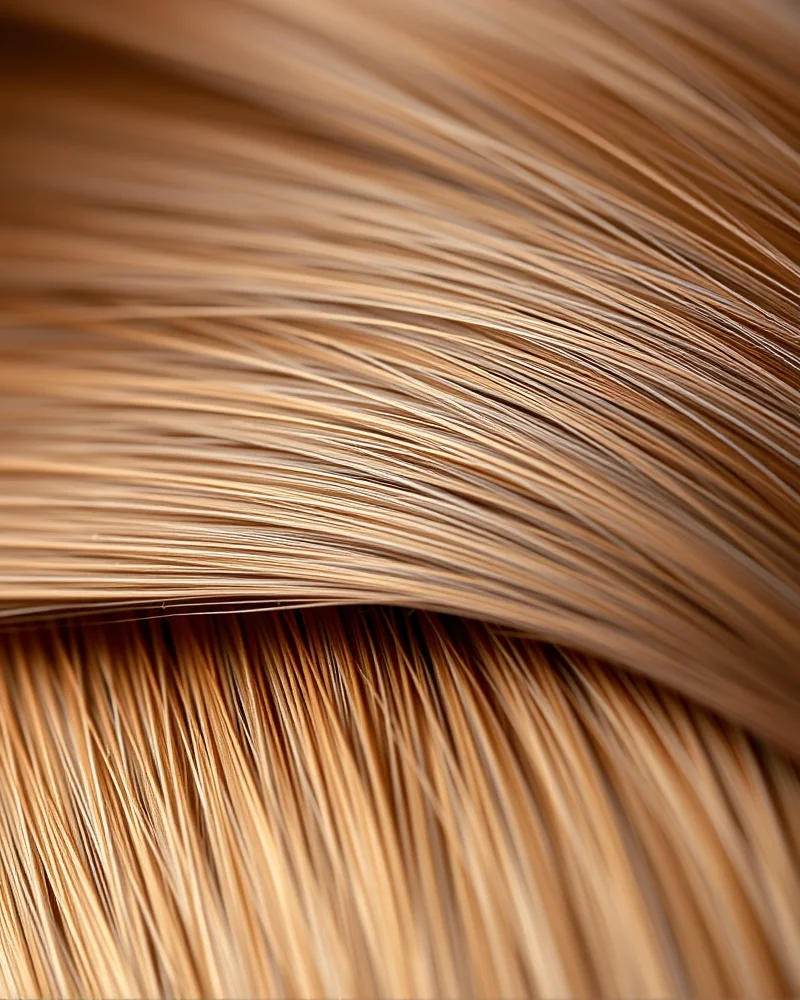
Bio-synthetic hybrid extensions represent the most significant leap in hair technology within the last decade. At their core, these strands combine high-grade, lab-grown protein fibers with advanced heat-resistant polymers. While traditional synthetic hair often looks glassy or melts under high heat, and raw human hair is subject to extreme price volatility and cuticle degradation, this hybrid approach bridges the gap. The bio-engineered component mimics the natural keratin structure, providing the organic movement and luster we expect from high-end extensions, while the polymer base acts as a structural exoskeleton. This fusion allows the hair to withstand styling temperatures up to 400 degrees Fahrenheit without losing its structural integrity or pattern. The science is simple: the polymer core prevents the protein strands from becoming brittle, while the protein coating ensures the hair absorbs pigment and light just like your natural strands. This creates a finish that is virtually indistinguishable from organic hair, yet offers the durability of a synthetic fiber. For professionals, this means you can finally offer clients extensions that hold a curl for days without the heavy tangling common in standard synthetic sets. We recommend treating these hybrids with sulfate-free cleansers to maintain the molecular bonding of the protein coating, which preserves the texture match for significantly longer than traditional hair alternatives.
The Anatomy of Texture Matching: Beyond Color
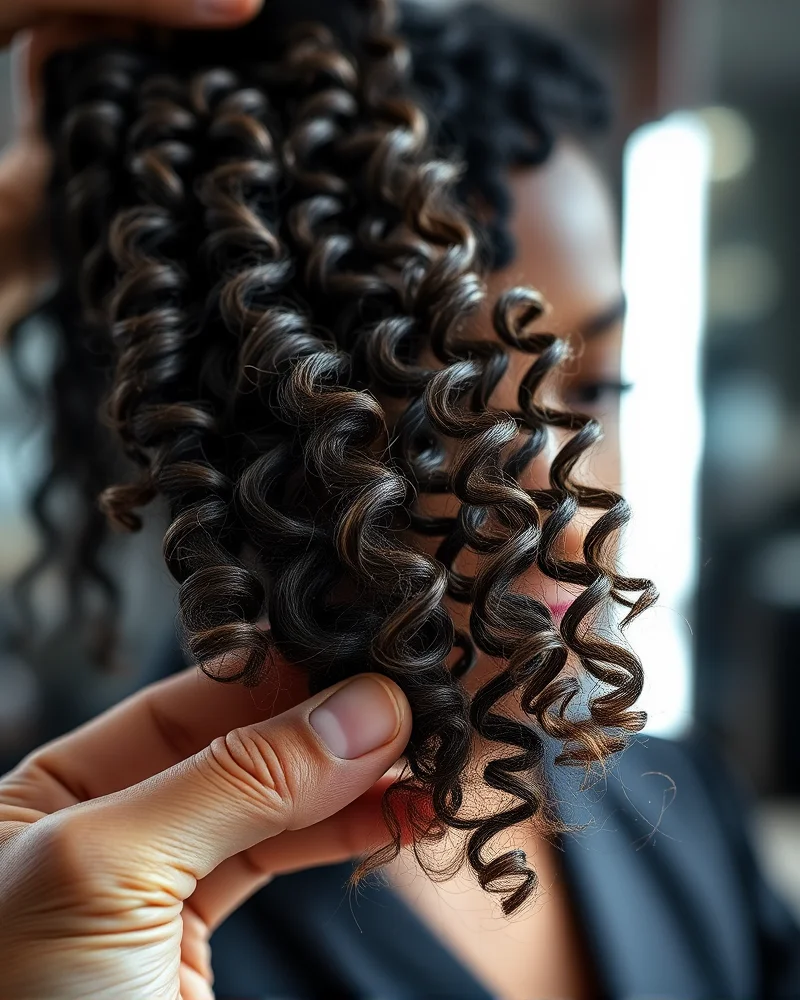
True texture matching is the art of alignment rather than simple visual coordination. While color matching relies on pigment swatches, cuticle alignment requires an intimate understanding of the follicle structure. Hair classification systems typically range from 2A loose waves to 4C tight coils. A 2A pattern follows an S shape with low tension, whereas a 4C pattern exhibits a dense Z shape with significant shrinkage. When these patterns fail to sync, the extension creates an artificial ridge that reveals the attachment point to the observer.
Bio-synthetic fibers represent a significant leap in this domain. Traditional synthetic materials often suffer from a uniform, plastic sheen that clashes with the organic irregularity of human hair. Bio-synthetic hybrids are engineered with varying cuticle architectures that mimic the protein structure of natural strands. This allows the fiber to behave like human hair under humidity or heat, ensuring the curl pattern remains consistent with your natural growth.
Pro-tips for identifying your specific pattern:
- Assess your hair when it is completely air-dried without any styling products to identify the true resting pattern.
- Examine the cross-section of your hair; round strands often correlate with straighter textures while flatter or oval-shaped strands indicate deeper curls.
- Use a moisture test to determine your hair porosity, as this affects how well a bio-synthetic fiber will blend when you apply heat styling.
By prioritizing fiber flexibility over mere aesthetic similarity, you ensure that the integration remains undetectable. The goal is a seamless transition where the bio-synthetic fiber adopts the same volume and movement as your natural hair, effectively masking the presence of extensions entirely.
Professional Application Methods
When integrating bio-synthetic hybrid extensions, the choice between keratin bonds and nano-rings determines both the structural integrity of the style and the long-term health of the natural hair. These materials react differently to heat and tension, making the application method a critical factor for professional stylists.
| Feature | Keratin Fusion Bonds | Nano-Ring Application |
|---|---|---|
| Attachment Type | Thermal adhesive bond | Mechanical bead compression |
| Longevity | 8 to 12 weeks | 6 to 8 weeks |
| Heat Sensitivity | High | Low |
| Ideal Hair Type | Fine to medium density | Coarse or textured hair |
Keratin fusion bonds provide a seamless, 360-degree attachment that mimics the natural movement of bio-synthetic fibers. Because these fibers are engineered for heat tolerance, the fusion process allows for a microscopic seal that prevents slippage. Pro-tip: Always use a low-temperature heat tool to prevent denaturing the synthetic component of the hybrid strand.
Conversely, nano-ring application offers a cold-fusion alternative that eliminates the need for thermal stress. This method relies on small silicone-lined copper beads to secure the extension. For bio-synthetic hybrids, this is often the safer choice for clients with chemically treated hair or those concerned about adhesive residue. While nano-rings require more frequent salon visits for tightening, they allow for rapid removal without damaging the delicate polymer structure of the hybrid fiber. Regardless of the chosen method, ensure the tension at the attachment point remains minimal to avoid traction alopecia. Regular maintenance checks are essential to ensure the bond remains at the appropriate distance from the scalp as the natural hair grows.
Maintenance Essentials for Hybrid Textures
Maintaining the integrity of bio-synthetic hybrid extensions requires a specialized approach that respects both the organic protein bonds of human hair and the structural stability of premium synthetic polymers. To keep your look flawless for months, incorporate these essential care routines into your weekly schedule:- Gentle Cleansing: Always prioritize sulfate-free shampoos to prevent the drying of hybrid fibers. Focus on massaging the scalp rather than scrubbing the mid-lengths. This prevents premature frizz and tangling, keeping the texture match seamless.
- Strategic Detangling: Begin at the ends of your hair and slowly work upward toward the weft. Use a wide-tooth comb or a dedicated extensions brush with soft, flexible bristles. Avoid pulling at the bonds, as the added weight of hybrid fibers can put unnecessary tension on your natural roots.
- Heat Protection Protocols: While hybrid fibers are engineered to withstand thermal tools, they require a lower heat setting than natural hair. Always apply a water-based thermal protectant before using a flat iron or curling wand. This creates a barrier that maintains the natural-looking luster of the extensions.
- Overnight Care: Sleeping on a silk or satin pillowcase is mandatory. For those exploring diverse looks, gather your hair into a loose braid or high ponytail before bed to prevent friction matting.
Visualizing the Perfect Blend
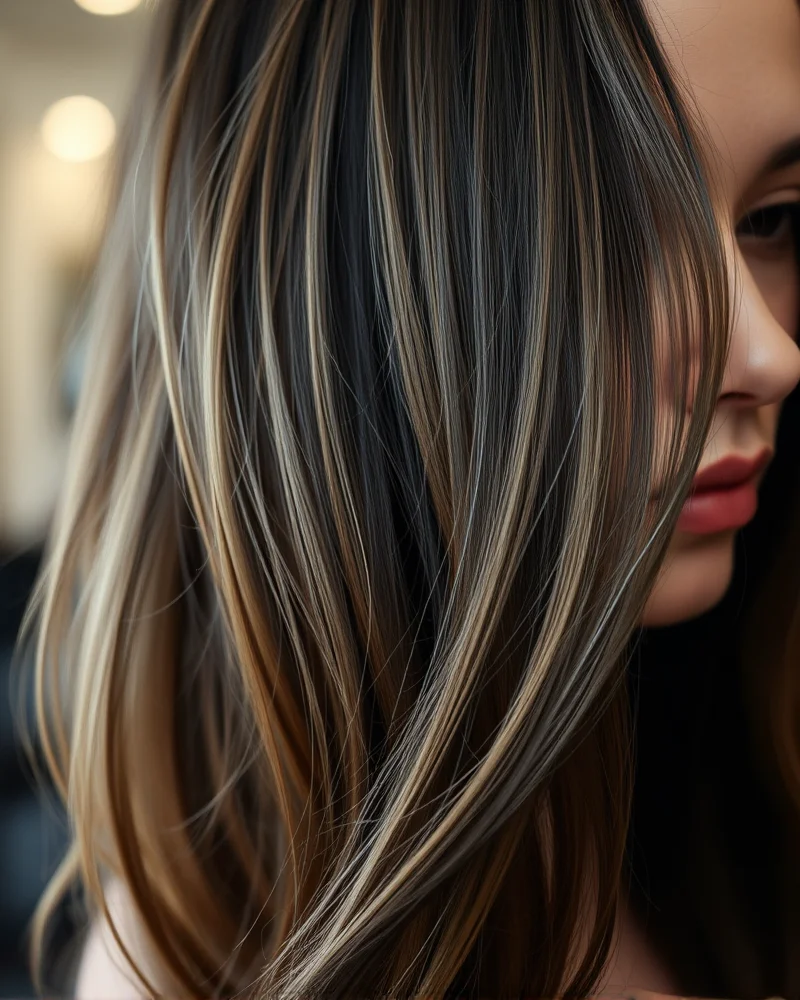
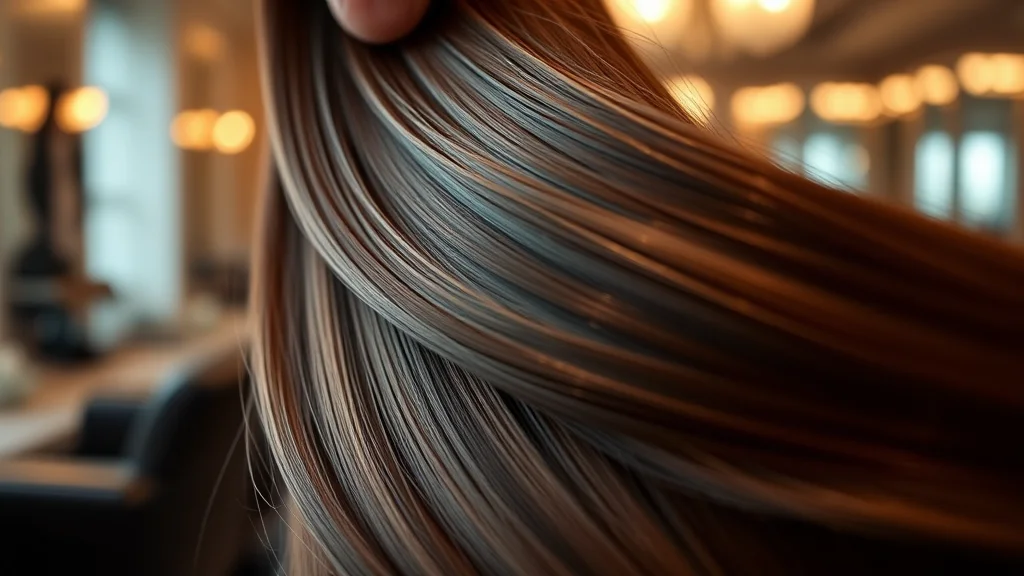
Achieving a flawless transition in 2027 requires moving past simple color coordination. The hallmark of a high-end bio-synthetic hybrid installation is the invisibility of the point of attachment. When your natural hair density and the extension strand are perfectly matched in texture, the light reflects across the entire length of the hair shaft without interruption. You should see a fluid movement where the bio-component provides the organic bounce of natural keratin, while the synthetic fibers maintain a consistent, frizz-free luster that prevents the ends from appearing thin or wiry.
To ensure this seamless flow, look for these specific visual indicators:
- Refractive Consistency: Natural hair and synthetic fibers should catch light at identical angles, avoiding the dull, matte appearance often associated with low-quality artificial materials.
- Taper Alignment: A proper blend requires the taper of the extension to mirror the natural growth pattern of your own hair. The extension should thin out gradually toward the tip rather than ending in a blunt, obvious cutoff.
- Weightless Integration: When the hair is gathered into a ponytail, the hybrid blend should feel indistinguishable from your own strands, with no heavy bundles or rigid sections near the scalp.
Pro-tip: If you notice a visible shelf where your natural hair ends and the extensions begin, request a point-cutting technique during the blending phase. This softens the transition zone and allows the natural and synthetic strands to interlock more naturally, ensuring that the movement of your hair remains fluid even in high-wind conditions or while styling with heat tools.
Frequently Asked Questions About Hybrid Extensions
- Can you heat style hybrid extensions?
- Yes, but with specific temperature constraints. While the bio-synthetic fibers are engineered to withstand heat, you must keep your tools below 300 degrees Fahrenheit. Excessive heat can cause the synthetic components to lose their shape or develop a static finish. Always use a professional heat protectant spray to maintain the integrity of the natural hair cuticle within the hybrid blend.
- Do bio-synthetic hybrid extensions tangle easily?
- These extensions are significantly more resistant to tangling than pure synthetic options due to the inclusion of cuticle-aligned human hair. However, because hybrid strands have different friction coefficients, we recommend brushing them twice daily with a specialized loop brush. Start at the ends and work your way up to the bonds to prevent unnecessary tension.
- How long do these extensions typically last?
- With proper care, a high-quality hybrid set typically lasts between four and six months. The longevity depends heavily on your daily maintenance routine and how often you wash your hair. We advise professional maintenance visits every six weeks to check the bonds and ensure the hybrid fibers remain properly integrated with your natural hair texture.
- Can I use my regular shampoo and conditioner?
- You should prioritize sulfate-free and paraben-free products. Standard drugstore shampoos often contain heavy silicones that cause buildup on synthetic fibers, which will dull the appearance of the blend over time. Look for hydrating, salon-grade formulas that nourish the human hair portion while keeping the synthetic fibers smooth and tangle-free.
The Future of Salon Sustainability
The conversation around luxury extensions has shifted from sourcing human hair to engineering superior alternatives. As we look at the salon landscape in 2027, the primary driver of this evolution is sustainability. Ethically sourced human hair often carries a complicated supply chain that is difficult to verify for total transparency. In contrast, bio-synthetic fibers allow us to control every aspect of production without the environmental toll of traditional harvesting methods. By utilizing lab-grown proteins and plant-based polymers, these hybrid fibers mimic the cuticle structure of human hair while significantly reducing water usage and waste generation. This is not merely a cost cutting measure but a premium upgrade that appeals to the modern, eco-conscious client who expects high performance without compromising her values. Salon professionals now view these fibers as the gold standard for long term luxury because they maintain their integrity and luster far longer than biological hair. This durability means clients replace their extensions less frequently, creating a more sustainable cycle of consumption. When you choose a high end bio-synthetic blend, you are investing in a product that performs consistently in various climates and resists the dulling effects of daily heat styling. Pro-tip: advise your clients to view these extensions as a permanent fixture of their style routine rather than a temporary fix. Because these materials are designed for longevity, they represent the next generation of guilt-free glamour that defines our industry moving forward.
The rise of bio-synthetic hybrid extensions is not merely a fleeting trend; it is the definitive future of hair artistry. By blending the organic performance of keratin-infused structures with the resilient, shape-retaining nature of advanced polymers, we have unlocked a level of customization previously thought impossible. As you embrace these technologies, remember that the true luxury lies in the integrity of the blend—ensuring that every strand mirrors your natural pattern and luster. Whether you choose the structural support of nano-rings or the seamless finish of keratin bonds, prioritize quality and professional application to protect your natural hair. Elevate your aesthetic, embrace the innovation, and step into 2026 with confidence, knowing that your hair is a masterpiece of modern science and timeless beauty.