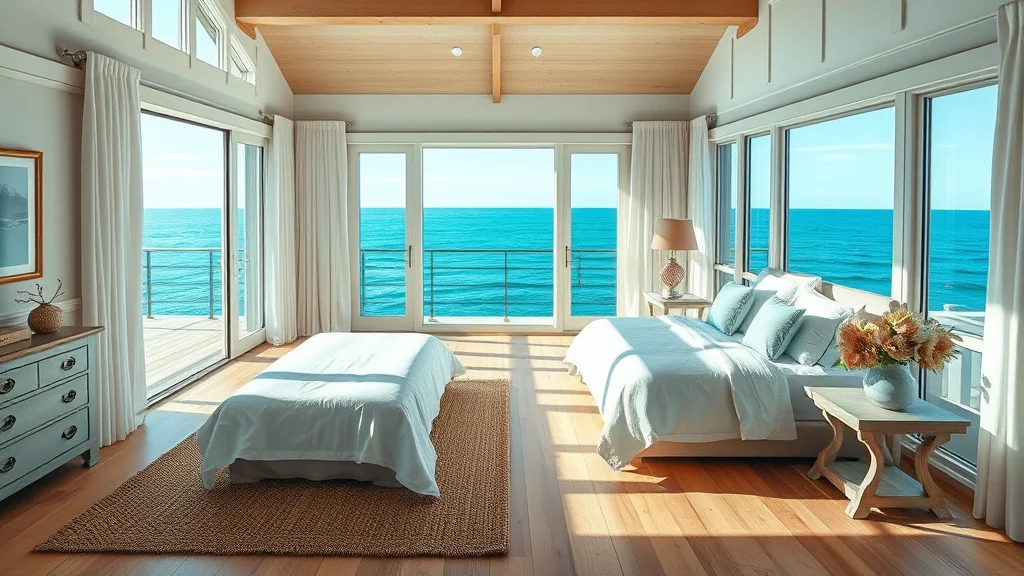
7 Dreamy Ways to Transform Your Bedroom into a Coastal Sanctuary

Imagine waking up every single morning to the soothing, rhythmic sound of ocean waves and the gentle embrace of a soft, salt-kissed breeze. Transforming your personal sanctuary into a coastal bedroom is about far more than just hanging a few seashells on the wall or choosing a nautical navy rug; it is about cultivating an atmospheric retreat that captures the effortless serenity of the seaside. By focusing on light, texture, and a palette inspired by the sand, sky, and sea, you can design a space that feels both invigorating and deeply calming, turning your home into a permanent vacation spot.
Designing a high-end space requires a thoughtful approach to balancing comfort with sophisticated style. Whether you are working with a spacious master suite or a cozy guest room, the right elements can make a world of difference. Before you begin your renovation journey, check out our home decor ideas ultimate guide to ensure every design choice aligns with your long-term interior vision and functional needs. Let’s dive into the essential components that will help you curate a space that feels like a peaceful escape from the everyday hustle.
Is a neutral color palette essential for a coastal bedroom?
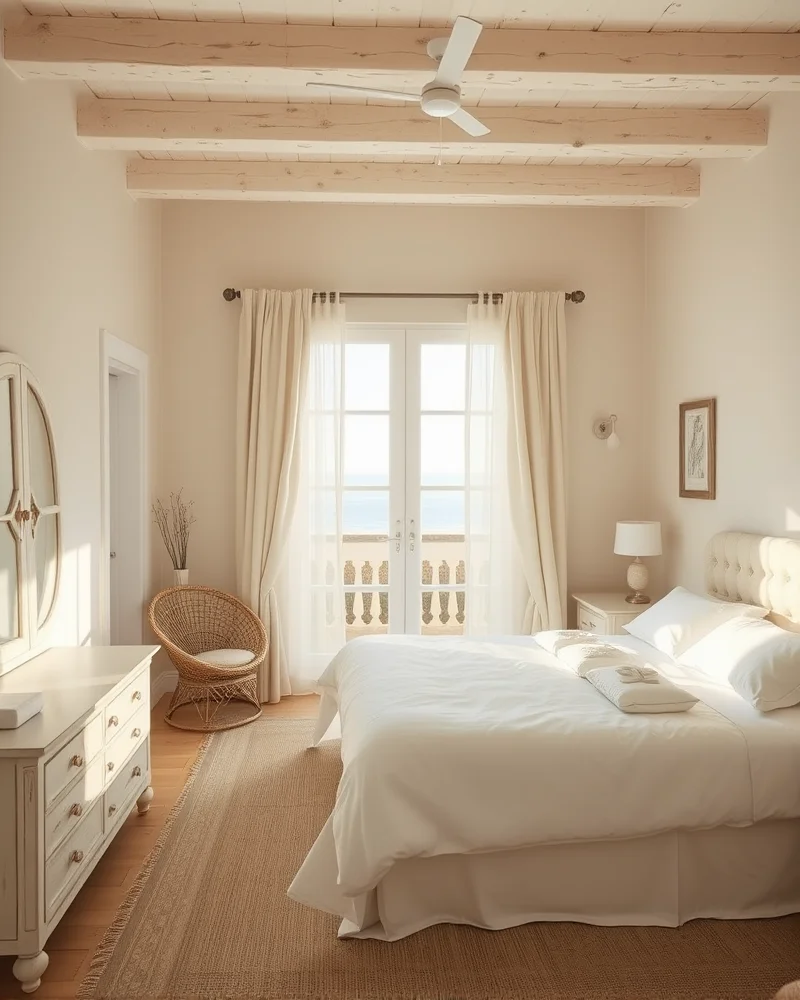
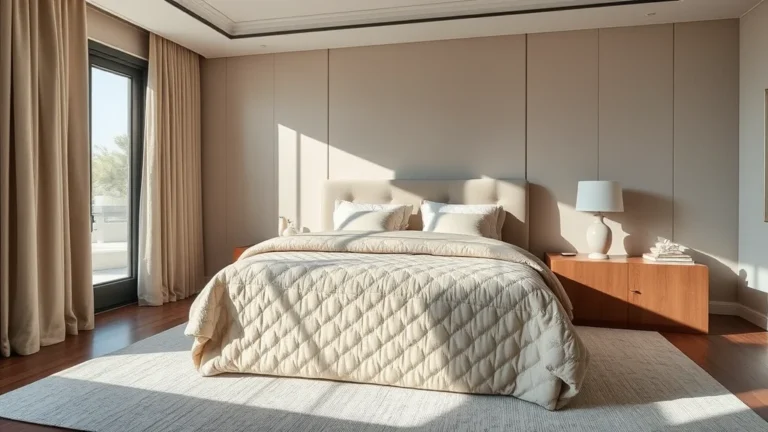
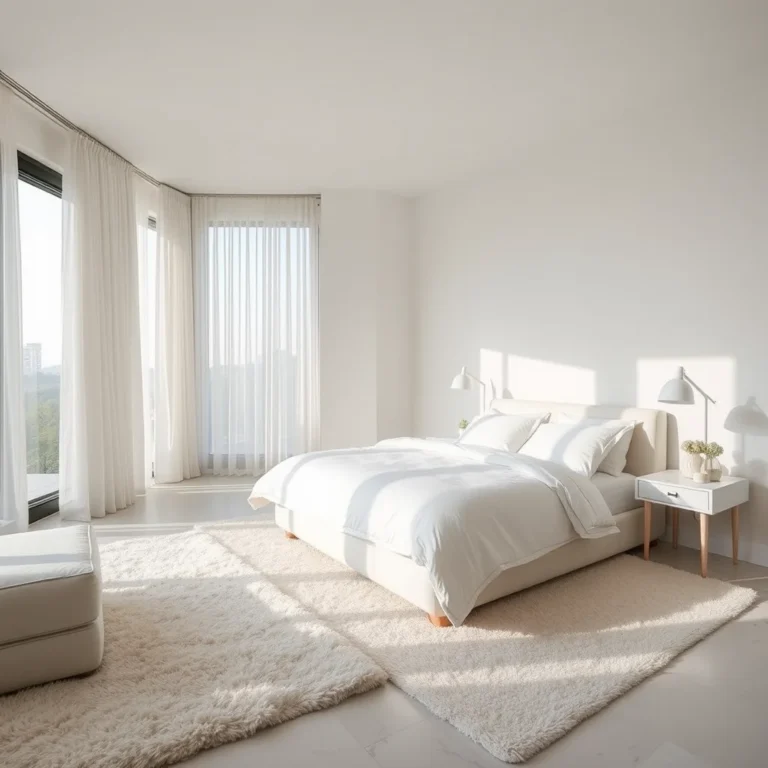
The foundation of any successful coastal bedroom starts with a light, airy, and neutral color palette that mimics the natural tones of a shoreline. According to design insights from The Spruce, sticking to soft whites, creams, sandy beiges, and hints of pale grey provides the perfect canvas for layering texture. By avoiding overly bright or jarring colors, you allow the mind to settle and rest, which is the primary goal of any bedroom design. You can layer these neutral tones by using different fabrics—think chunky wool blankets over crisp cotton sheets. This strategy ensures that while your room remains monochromatic, it avoids feeling flat or uninteresting, maintaining a high-end, sophisticated aesthetic throughout the year.
Why natural textures are your best friend
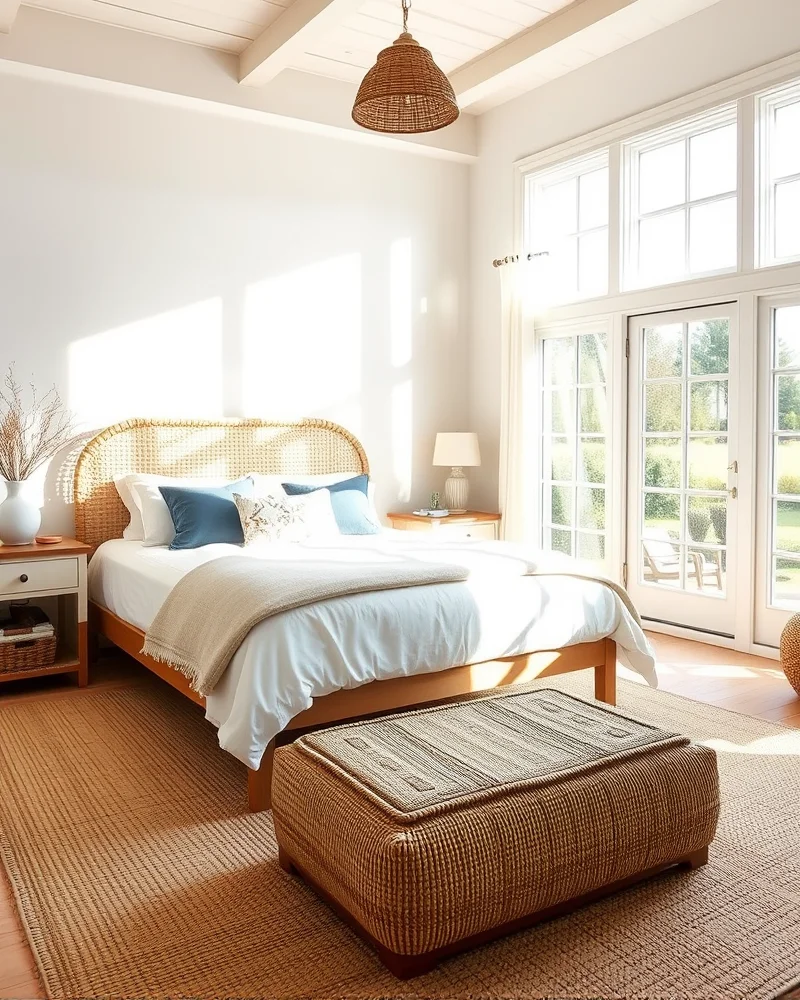
Texture is the heartbeat of the coastal aesthetic, and incorporating organic materials is the best way to achieve that authentic ‘beachy’ feel without making your home look like a theme park. Consider investing in a rattan or wicker headboard, which serves as a stunning focal point, or swap out heavy synthetic rugs for jute or sea-grass flooring options. These natural elements offer a tactile experience that connects the interior of your home to the outdoors. If you feel like your room is missing a certain spark, you might want to look at our best throw pillow combinations to add subtle, textured layers that tie the look together effortlessly and provide that much-needed pop of comfort.
How to choose the perfect coastal lighting?
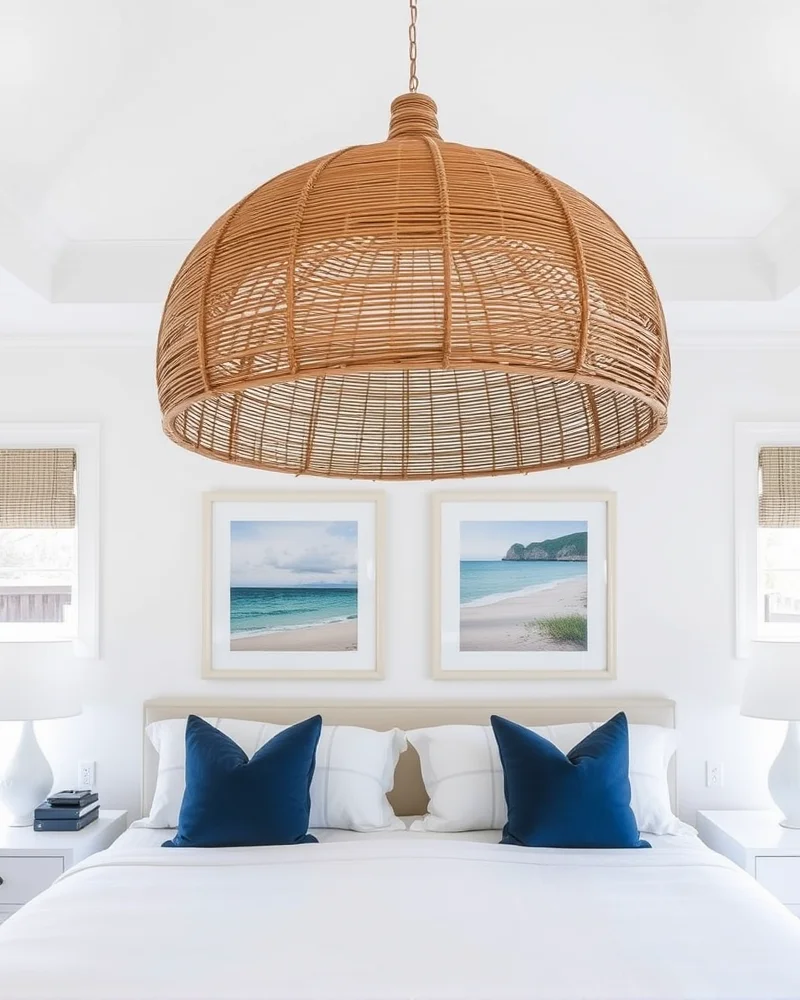
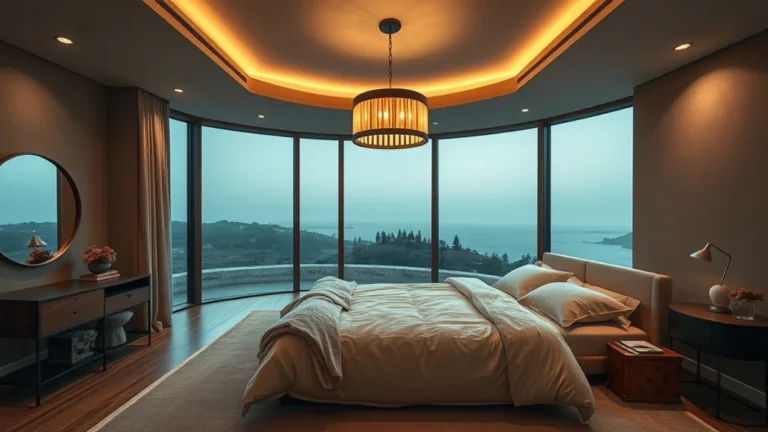
Lighting serves as the jewelry of your bedroom, and in a coastal space, it should be as much about the light quality as it is about the design of the fixture. Aim for lighting solutions that utilize natural materials like capiz shell, driftwood, or woven seagrass. Experts at Architectural Digest emphasize that layering your lighting is key; combine soft ambient overhead lighting with bedside table lamps that provide a warm, golden glow. This creates a cozy atmosphere in the evening that mimics the soft lighting of a sunset. Avoid harsh, cool-toned bulbs, as these can strip the warmth out of your neutral color palette and make the room feel clinical rather than inviting.
Coastal Minimalism: Less is always more
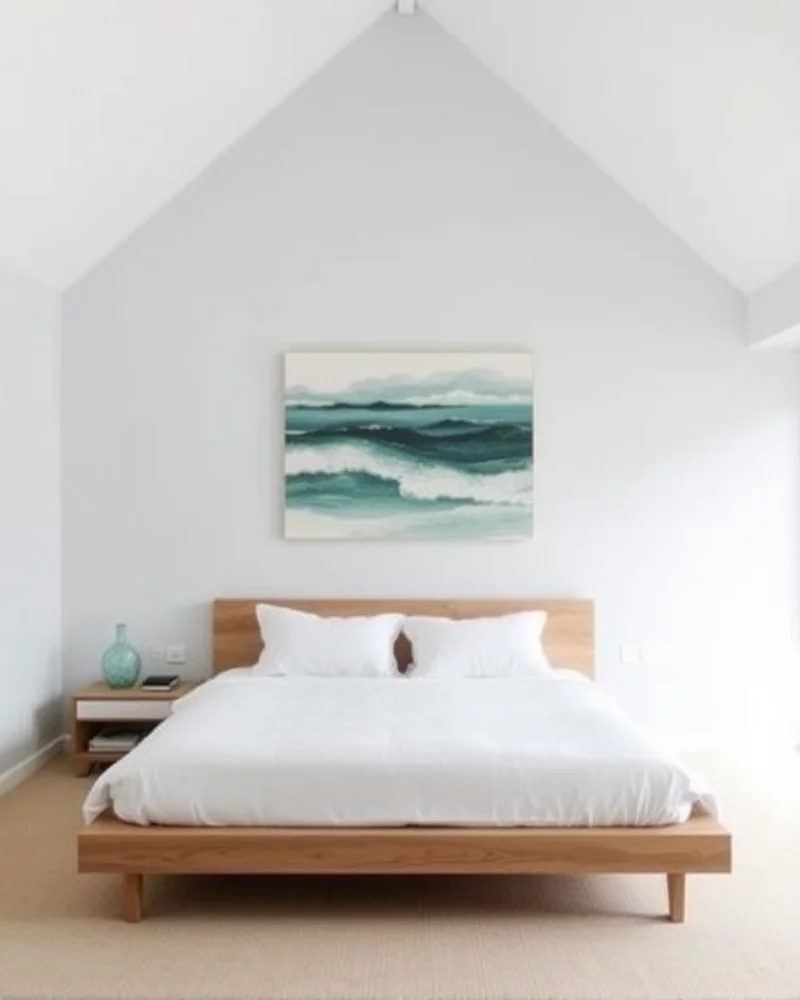
The ‘clean girl’ aesthetic has made its way into home design, and it fits perfectly with the coastal style. Coastal minimalism is all about intentionality; every piece in the room should have a purpose or bring you joy. If you are struggling with a room that feels outdated, you might find inspiration in our article on 2000s teen bedroom ideas, focusing on how to declutter and evolve a space from chaotic to curated. By keeping surfaces clear of knick-knacks and focusing on high-quality furniture, you ensure the room remains a place of rest. A few well-placed decorative items, like a piece of drift wood or a simple white vase, can provide enough character to satisfy the coastal theme without overwhelming the senses.
What are the best window treatments for a breezy vibe?
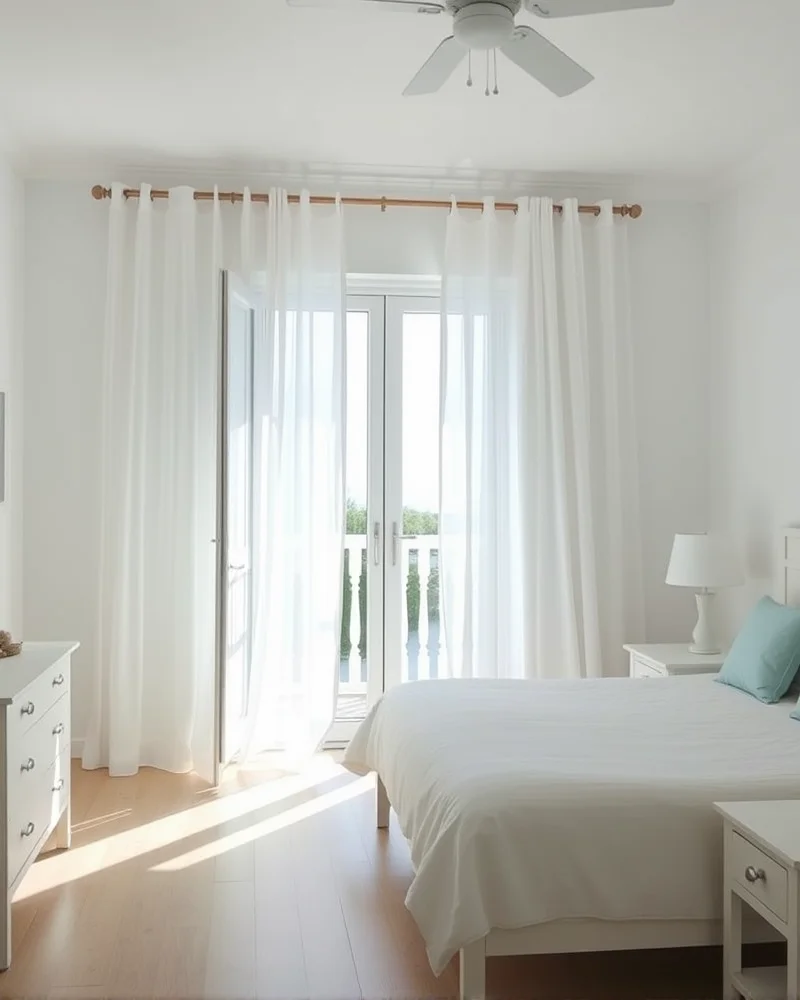
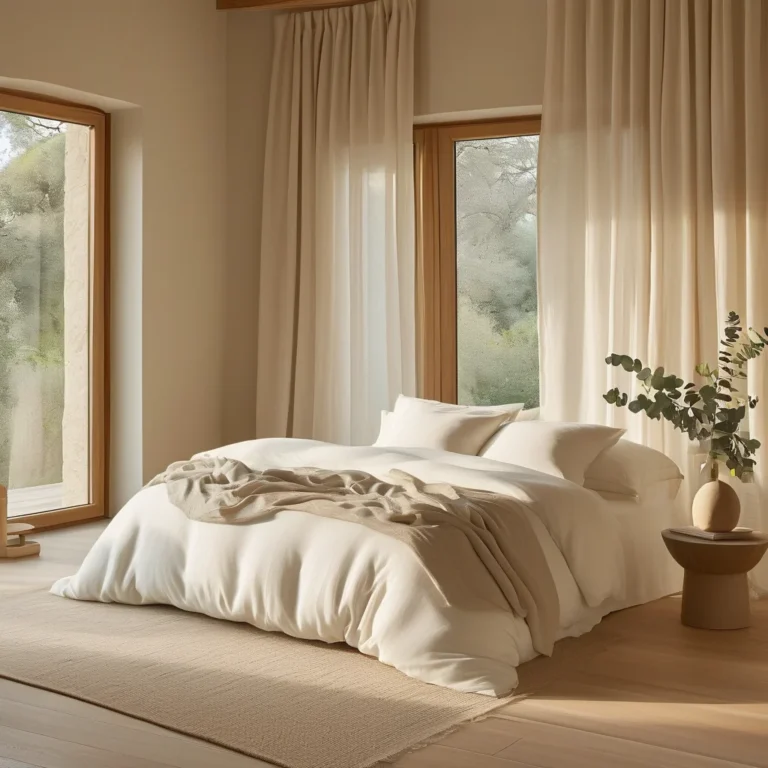
Your window treatments are the transition point between your interior design and the outside world. To keep a coastal bedroom feeling light and airy, skip the heavy velvet drapes or thick blackout curtains. Instead, opt for lightweight fabrics like linen or cotton voile that allow natural light to filter through while still offering privacy. As suggested by Better Homes & Gardens, installing your curtain rods higher and wider than your windows can make a room feel significantly larger. This airy approach to window styling encourages the ‘breezy’ feeling that is synonymous with life near the water, making your bedroom feel like a literal breath of fresh air every time you open your curtains in the morning.
Coastal Accents That Make a Statement

While the walls and furniture set the tone, the accents you choose are what truly make a coastal bedroom feel personalized. Don’t be afraid to incorporate meaningful pieces that echo the beauty of the sea. Whether it is a framed map of your favorite beach, a collection of vintage lighthouse photos, or high-quality sea glass decor, these small items add depth to your story. Remember, the key is balance; avoid clumping too many items together. Instead, use a styling approach that involves grouping items in odd numbers, which is a classic interior design hack that keeps the eye moving and makes the space feel more professionally curated and intentional.
Why blue should be your accent color
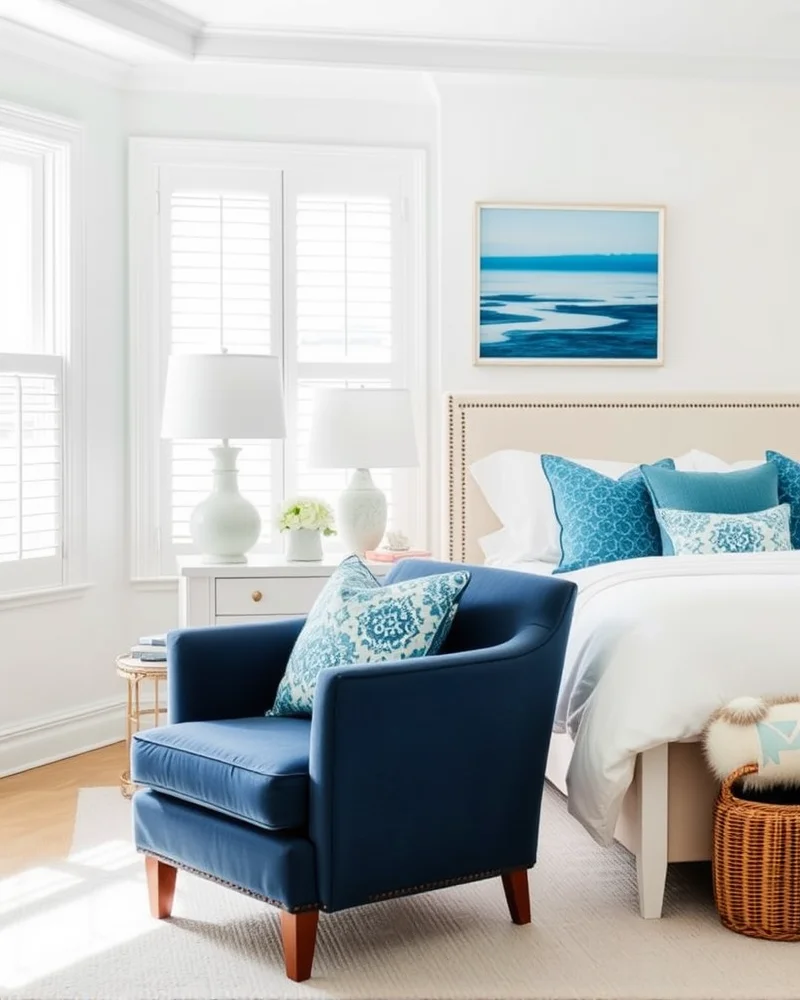
It is impossible to discuss the coastal bedroom aesthetic without mentioning the color blue. It is the color of the sky and the sea, and it is naturally associated with feelings of stability and tranquility. When using blue as an accent color, consider the depth you want to achieve. Navy blue provides a sophisticated, nautical contrast to white walls, while soft sky blue or turquoise adds a playful, relaxed energy. By strategically placing blue elements—such as a throw blanket, a rug, or a piece of wall art—you can ground the neutral design of the room and provide a focal point that ties all the other coastal design elements together into a cohesive look.
Final Thoughts
Creating the perfect coastal bedroom is a rewarding design journey that elevates your home into a personal retreat. By carefully selecting neutral tones, incorporating organic textures, and maintaining an airy, minimalist approach, you can successfully capture the peaceful essence of the seaside. Remember that this process should reflect your personal taste while prioritizing comfort and tranquility. We hope these tips inspire you to transform your space. Do you have a favorite coastal design hack? Share your thoughts in the comments below, and don’t forget to explore our other decor guides to keep your home looking its absolute best!
Frequently Asked Questions
A coastal bedroom is defined by a light and airy color palette, the use of natural materials like wood and jute, and an emphasis on organic textures. It aims to evoke the feeling of a calm, relaxing day at the beach through intentional, uncluttered design.
You can achieve a coastal look by focusing on simple changes like painting your walls a warm white or soft sand color. Incorporate thrifted wooden furniture, add natural fiber rugs, and use light linen fabrics for your curtains and bedding to instantly change the atmosphere.
Stick to a foundation of white, cream, and beige to keep the space feeling bright. Use various shades of blue—from pale sky blue to deep navy—as accent colors to add interest and mimic the colors of the ocean and sky.
No, you do not need to use literal nautical decor like ship wheels or anchors to create a coastal bedroom. Modern coastal design focuses more on the *feeling* of the ocean through natural textures, soft lighting, and an airy layout rather than overt themed items.
Light-colored hardwood or whitewashed wood flooring is the gold standard for a coastal bedroom as it reflects light and feels airy. If you have carpet or dark floors, you can easily cover them with large, natural jute or sisal rugs to achieve the same aesthetic.