November Nails Square

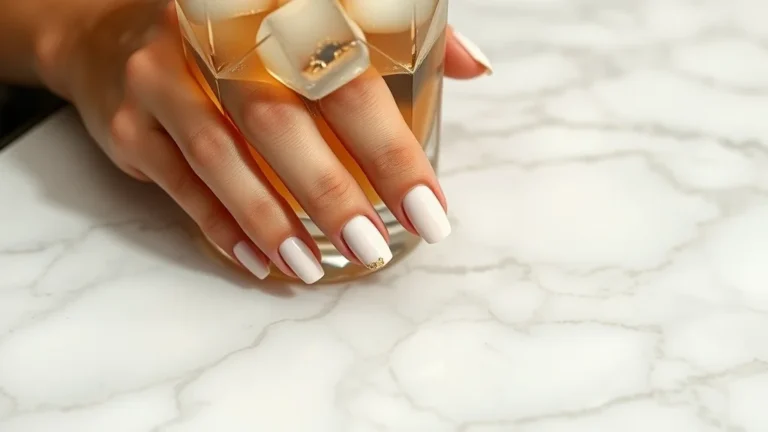
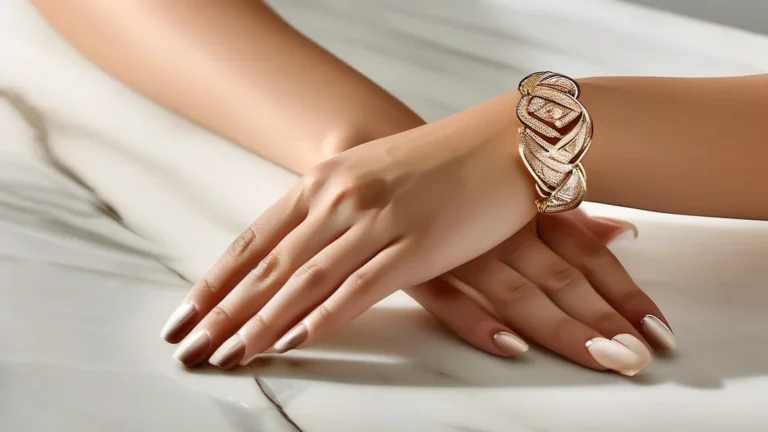
If you are wondering why everyone in the luxury beauty scene is suddenly shifting away from ultra-curved stilettos toward structured geometry, the secret lies in the rise of november nails square. In my experience testing hundreds of seasonal trends at Nailosmetic, nothing captures the crisp, architectural elegance of late autumn quite like a sharp, clean-cut square silhouette paired with moody, rich pigmentation. If you have ever struggled with polish chipping at the corners or wanted a manicure that balances modern edge with timeless sophistication, this guide holds the exact blueprint you need to transform your hands this season.
As the weather drops and we swap linen for wool, our nail shapes demand an upgrade to match our heavier wardrobes. Sharp edges and flat tips provide a stunning canvas for autumn’s deepest jewel tones, magnetic velvet effects, and subtle chrome accents. Read on as we break down everything you need to know to achieve salon-quality results at home or communicate your exact vision to your nail artist.
Table of Contents
- Why Do Square Shapes Dominate November Manicures?
- How Do You Shape and Maintain the Perfect November Square Nail?
- What Are the Top Color Palettes for Square Autumn Nails?
- How Do Velvet and Cat-Eye Effects Elevate Square Silhouettes?
- What Are the Best Minimalist Nail Art Ideas for Square Nails?
- How Do You Match November Square Nails to Your Autumn Wardrobe?
- What Is the Step-by-Step At-Home Application for Long-Lasting Wear?
- How Can You Prevent Chipping and Breakage on Sharp Corners?
- Frequently Asked Questions About November Square Nails
Why Do Square Shapes Dominate November Manicures?
When the calendar turns to the eleventh month, our wardrobe transitions toward heavy woolens, cashmere sweaters, and structured tweed jackets. This shift in personal style creates a profound demand for a nail silhouette that mirrors the architectural integrity of autumn fashion. Unlike the softer, curved profiles that dominate the sun-drenched months of summer, square shapes offer a crisp, geometric precision that naturally grounds heavy cold weather textiles. The sharp, ninety degree corners and flat free edge provide a sturdy foundation that resists the friction caused by pulling on thick gloves, layering heavy scarves, and buttoning winter coats. This makes the geometry both a stylish and practical choice for the chilly season.
Contrasting this structured look with rounded or almond silhouettes reveals why boxy geometries take center stage during late autumn. While tapered or oval tips lean toward a delicate, elongated aesthetic, they can sometimes feel mismatched against the robust, substantial weights of autumn fabrics. Conversely, a clean geometric edge acts as a visual anchor. It introduces a bold, deliberate contrast to soft knits and textured boucle, elevating the entire manicure into an intentional fashion accessory. The expansive surface area of a flat tip also provides an ideal canvas for rich, multi dimensional polish applications, allowing deep jewel tones, magnetic cat eye effects, and complex plaid nail art to catch the light without distortion.
Furthermore, the structural integrity of straight edges plays a crucial role in nail health when humidity drops and nails become brittle from indoor heating. According to dermatologists at the American Academy of Dermatology, maintaining shorter, well filed lengths with reinforced stress points can significantly reduce breakage during seasonal transitions. By distributing pressure evenly across a broad tip rather than concentrating force at a single focal point, this balanced geometry minimizes chipping. Whether you opt for a sharp, modern box style or a slightly softened squoval variation, embracing these defined angles ensures your manicure remains resilient, elegant, and perfectly attuned to the sophisticated demands of late year styling.
How Do You Shape and Maintain the Perfect November Square Nail?
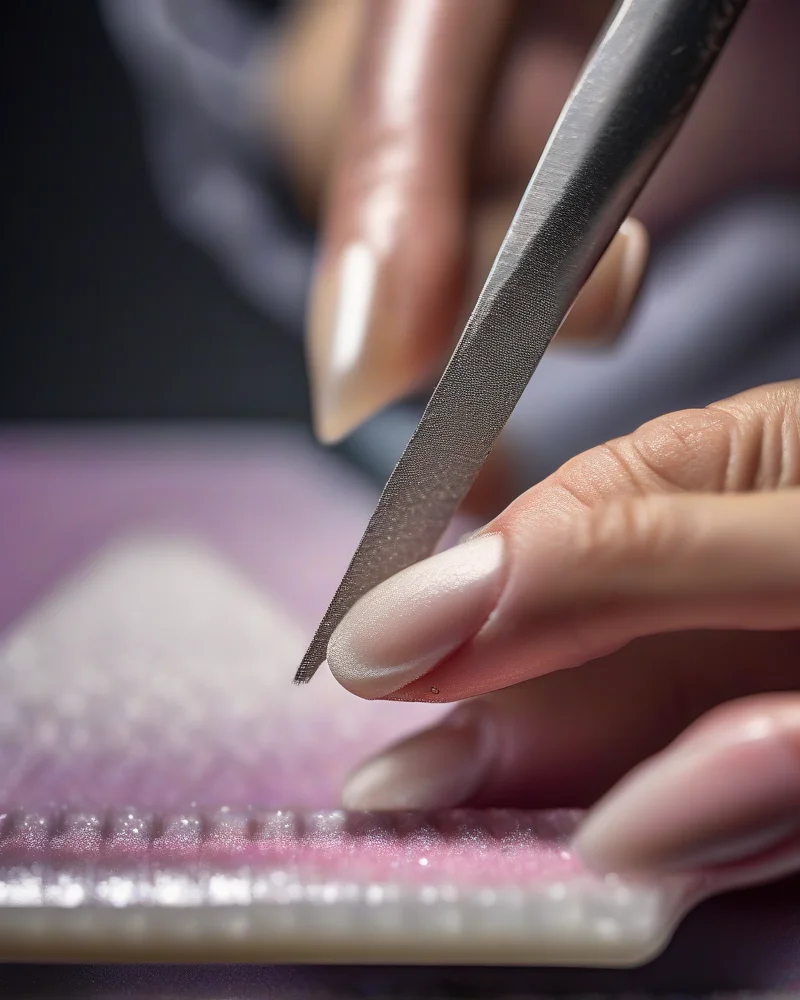
Achieving a flawless seasonal manicure requires mastering precise geometry and understanding the structural integrity of the keratin matrix. When transitioning your look for the cooler months, the architecture of your hand styling demands meticulous attention to detail to prevent snagging and breakage. Below is the technical breakdown required to master this classic silhouette.
- Foundation Preparation and Grit Selection: Begin with a clean, dehydrated nail plate. Select a straight-edge 180-grit abrasive file. Coarser grits below 150 can cause micro-fractures in the keratin layers, leading to peeling. Hold the file perpendicular to the fingertip to establish a flat, even free edge. Avoid a rocking motion, which unintentionally rounds the edges. For professional guidance on maintaining nail plate health during mechanical filing, refer to resources provided by the American Academy of Dermatology.
- Establishing the 90-Degree Side Walls: Align the file flush against the lateral folds of the finger. File straight out from the stress area to the tip without angling downward. This ensures the side walls remain perfectly parallel. If the file tilts, it creates a tapering effect known as a duck or flared nail, ruining the crisp geometry essential for autumn aesthetics.
- Perfecting the Apex Corners: To achieve sharp 90-degree corners without compromising the structural stress points, gently tilt the file at a minor angle just at the very edge of the free edge. Stop filing right before the skin fold. Over-filing this critical zone thins out the sidewalls, which creates a high risk of lateral splits and painful breaks under daily pressure.
- Refining and Buffing: Switch to a fine 180-grit buffer to smooth away any microscopic burrs left by the coarse file. Buff gently in one direction along the edge. Finish with a hydrating cuticle oil containing jojoba and vitamin E to restore moisture balance to the surrounding periungual tissue after the dry filing process.
What Are the Top Color Palettes for Square Autumn Nails?
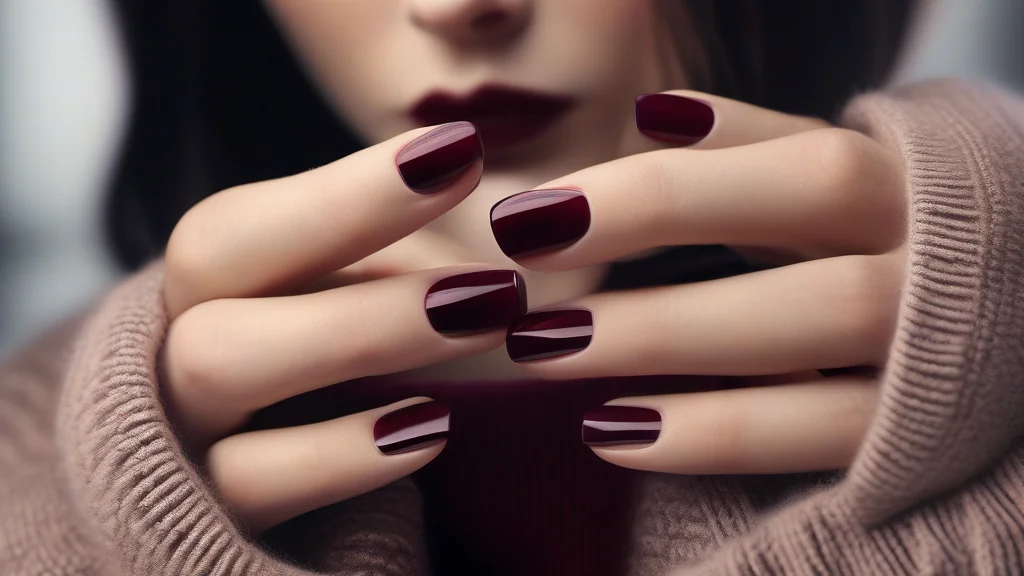
When transitioning into the late autumn season, your seasonal manicure requires a sophisticated shift in chromatic energy. November brings a crisp coolness to the air, which naturally translates into deeper, more grounded tones on your fingertips. For those sporting straight edges and sharp corners, the choice of pigment becomes even more critical. The geometry of a geometric silhouette creates a precise canvas that behaves entirely differently than rounded or almond alternatives. Because flat planes and clean perimeter lines reflect light evenly across the top surface, dark and saturated hues appear exceptionally crisp, rich, and high definition.
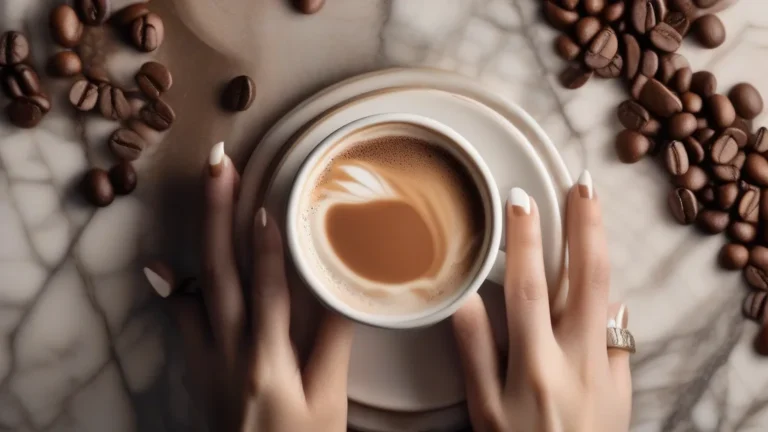
Espresso browns stand out as a premier choice for late autumn styling. This rich, caffeinated shade mimics the comforting warmth of a morning brew while offering a modern alternative to traditional black. When applied to a boxy geometry, espresso creates a bold, architectural statement that looks effortlessly chic. Similarly, burnt terracotta captures the fading warmth of autumn foliage. This earthy, rust-adjacent pigment warms up the skin tone while playing beautifully against the crisp angles of your tips. If you want to experiment with more creative color blocking, you can explore various options within our comprehensive nail art designs ultimate guide to find complementary accent patterns.
As the days grow shorter, midnight navy emerges as a dominant player in modern beauty trends. This inky, starless blue provides a moody elegance that feels both professional and edgy. On a linear canvas, midnight navy catches the ambient light along the sharp side walls, creating a subtle contouring effect that makes the fingers appear elongated. Another powerhouse hue for this time of year is rich moss green. Reminiscent of damp forest floors and evergreen foliage, moss green bridges the gap between vibrant summer botanicals and the stark minimalism of winter. The broad surface area of a box-shaped manicure allows these complex undertones to fully display their depth without looking cluttered or muddy.
Ultimately, selecting the right palette for your seasonal look involves understanding how finish and saturation interact with your chosen silhouette. High gloss top coats amplify the drama of dark espresso and midnight navy, while matte formulations give burnt terracotta and moss green a velvety, suede-like texture that screams autumn luxury. By leaning into these sophisticated chromatic families, you elevate your seasonal aesthetic far beyond basic trends, ensuring your hands look polished, intentional, and entirely on-theme for the late autumn transition.
How Do Velvet and Cat-Eye Effects Elevate Square Silhouettes?
When applied to sharp geometric geometries, magnetic metallic polishes undergo a fascinating transformation driven by physics and optical refraction. As a rare earth magnet hovers over wet formula infused with iron particles, microscopic metallic shards suspend themselves within the translucent base coat. They align precisely along the magnetic field lines to create either a concentrated streak resembling a feline iris or a diffuse, shimmering aura. On a flat square canvas, this dimensional phenomenon behaves entirely differently than it does on rounded almond or oval structures. The crisp ninety degree lateral edges and the blunt, flat tip of the geometric manicure act as architectural boundaries. Light does not merely sweep across the surface in a continuous gradient. Instead, the sharp corner angles catch and abruptly interrupt the reflection, forcing sudden shifts in illumination that enhance the overall depth. When wearing November nails square with a hypnotic cat-eye or plush velvet finish, the broad surface area maximizes the shifting particle matrix. Deep jewel tones like emerald, sapphire, and oxblood take on an incandescent quality, looking like molten gemstones trapped beneath glass. As your hands move under ambient lighting, the metallic particles catch every ray, creating high contrast highlights against the stark side walls of your manicure. To achieve this optical illusion, apply a magnetized top coat and hover your wand at a forty five degree angle near the free edge to pull particles toward the corners, accentuating the geometric perimeter. This technique results in a sophisticated interplay between the rigid discipline of square nail architecture and the fluid, liquid movement of light playing across magnetic pigments, ensuring your seasonal hand style commands attention with modern refinement.
What Are the Best Minimalist Nail Art Ideas for Square Nails?

Square tips offer a unique, structural canvas that lends itself perfectly to minimalist aesthetics. The sharp, clean corners of this silhouette act as a natural frame for precision-based designs. To maintain nail health while experimenting with these styles, it is essential to keep the nail bed hydrated and avoid excessive cuticle nipping, as noted by the American Academy of Dermatology.
- Negative Space French Tips: Elevate the classic French manicure by utilizing a sheer nude base and painting the tip with a translucent, micro-thin colored line. By leaving the center of the tip bare or using a negative space arc, you create a sophisticated contrast that highlights the sharp edges of your square shape without overwhelming the nail plate.
- Microscopic Chrome Borders: For an understated metallic finish, outline only two sides of your square tip with a fine-liner brush dipped in chrome pigment. This technique mimics the reflection of autumn light. Focusing the pigment on the perimeter emphasizes the crisp, horizontal line of the tip, making the fingers appear elongated and polished.
- Geometric Precision Line Work: Use a high-pigment black or dark chocolate lacquer to draw a single, perfectly straight vertical line originating from the cuticle and ending precisely at the center of the free edge. Alternatively, create a small triangle in one corner of the nail to draw attention to the sharp geometry of your square silhouette. This minimalist approach focuses on spatial balance.
- Dot-Matrix Accents: Place a singular, microscopic dot of metallic or matte polish exactly at the base of the nail or directly at the center of the free edge. This tiny punctuation mark serves as a modern, architectural detail that feels intentional and refined. It works particularly well with deep autumnal tones like forest green or espresso.
- Floating V-Shapes: Instead of a full tip, paint a subtle V-shape in the center of the nail, leaving the rest of the surface clear. By keeping the lines razor-thin, you achieve a chic, understated look that respects the structural integrity of the square tip while adding a contemporary edge to your November manicure.
How Do You Match November Square Nails to Your Autumn Wardrobe?
When the temperature drops and we transition into our cold weather rotation, personal style becomes an exercise in tactile storytelling. Pairing your sharp geometry with heavy autumn textiles requires an intentional approach to balance. A structured square manicure acts as a clean, architectural counterweight to the plush, heavy nature of your seasonal wardrobe. Consider the interplay between your fingertips and the fabrics you touch daily. If your look leans toward understated luxury, pairing a rich, moody manicure with a decadent cashmere sweater creates an immediate sense of sophisticated comfort. The crisp edges of the shape slice through the softness of knitwear, creating a visually compelling contrast that elevates your entire ensemble.
Textured elements like tweed and boucle demand a thoughtful nail finish to avoid visual clashing. When you wear traditional patterned blazers or heavy wool coats, opt for a sophisticated solid polish or understated nail art that complements the fabric rather than competing with it. For those who prefer a more streamlined aesthetic, exploring november nails short variations can keep your hands practical while still complementing heavy winter coats and gloves. Meanwhile, pairing a high shine top coat with buttery leather jackets or rich faux fur introduces a multi-dimensional sheen that catches the dim light of late autumn afternoons. Leather brings an edgy, sleek vibe, which is beautifully softened by the geometric precision of clean lines on your fingertips. Conversely, faux fur requires a bolder color choice, such as deep burgundy or forest green, to ensure your hands do not get visually lost in the plush volume of the outerwear.
Ultimately, achieving a cohesive autumn aesthetic comes down to balancing weight and texture. By treating your manicure as the final accessory to your seasonal layers, you tie your entire look together with polish and intent. Whether you are buttoning up a heavy trench coat or slipping your hands into cashmere lined gloves, your structured tips remain the polished focal point of your cold weather wardrobe.
What Is the Step-by-Step At-Home Application for Long-Lasting Wear?
Achieving a salon-quality manicure from the comfort of your home requires meticulous attention to detail, especially when working with sharp geometric shapes like november nails square. Sharp corners and flat free edges are notoriously prone to premature chipping if the underlying canvas is not properly prepared. To ensure your autumn manicure survives daily wear and tear, follow this professional step-by-step protocol designed to maximize adhesion and extend longevity.
- Immaculate Cuticle Care and Nail Shaping: Begin by gently pushing back your cuticles using a stainless steel pusher to eliminate any invisible skin residue on the nail plate. Any leftover cuticle tissue will prevent proper product bonding. Next, use a 180-grit file to meticulously craft your desired sharp corners and straight sidewalls characteristic of classic square manicures.
- Surface Buffing and Dehydration: Lightly buff the surface of your natural nails with a fine sponge buffer to remove natural oils and reduce shine, which creates microscopic grip for your products. Follow this by thoroughly cleansing the nail plate with a 99 percent isopropyl alcohol wipe or professional nail dehydrator. This crucial step eliminates lingering moisture and sebum that cause lifting.
- Acid-Free Primer Application: Apply a thin layer of acid-free nail primer specifically to the free edge and natural nail bed. This acts as a double-sided adhesive tape between your natural keratin and the upcoming gel or polish layers, ensuring superior mechanical bond strength.
- Precision Base Coat Layering: Apply a high-performance base coat using a floating technique. Ensure you do not flood the cuticles or sidewalls. Cap the free edge by running the brush horizontally along the tip of the nail to seal out moisture. Cure or air dry completely according to your specific product guidelines.
- Ultra-Thin Color Pigment Layering: Apply your chosen seasonal lacquer or gel in two to three ultra-thin layers rather than one thick coat. Thin layers cure or dry evenly, preventing wrinkling and bubbling. Remember to cap the free edge with every single layer of color to protect against tip wear.
- High-Gloss Sealing Top Coat: Finish your routine with a durable, non-yellowing top coat. Seal the entire perimeter of the square shape thoroughly. For optimal nail health maintenance and skin safety protocols, consult resources like the American Academy of Dermatology to ensure your chemical application practices protect the surrounding periungual skin from irritation.
How Can You Prevent Chipping and Breakage on Sharp Corners?

November brings a distinct wardrobe shift toward heavy textures like chunky wool sweaters, cable-knit cardigans, and cashmere scarves. While these fabrics epitomize cozy autumn style, they present a notorious hazard for geometric manicures. The sharp, ninety-degree vertices of a classic boxy shape act like tiny micro-hooks, effortlessly catching on woven threads, leading to frustrating snags and painful corner fractures. Because natural keratin lacks lateral structural support at the distal edges, the mechanical stress of daily typing, buttoning coats, and handling objects quickly compromises edge integrity. To conquer this vulnerability, professional nail technicians heavily rely on targeted structural reinforcement techniques that fortify the perimeter without adding unwanted bulk. Applying a high-viscosity builder gel or a hard gel overlay creates a protective dome of polymer armor over the entire stress zone. Unlike traditional liquid polish, builder gel cures under a UV or LED lamp into a resilient, shock-absorbing shield that distributes impact evenly across the nail plate rather than letting it concentrate on those fragile lateral points. When prepping the canvas, your nail technician should meticulously build up the apex while subtly softening the extreme inner corners just enough to prevent fabric catching while preserving the signature sharp geometric profile. For those opting for a DIY approach, applying an extra layer of rubber base coat can provide similar flexibility and shock absorption. Additionally, daily maintenance plays a pivotal role in longevity. Regularly sealing your free edge with a high-shine top coat prevents microscopic lifting at the corners where moisture and friction initiate peeling. According to dermatological guidelines from the American Academy of Dermatology regarding hand and nail hygiene, maintaining optimal hydration around the cuticle and nail bed prevents the keratin from becoming brittle and prone to shattering under stress. Embracing cuticle oil daily keeps the surrounding skin supple and reduces the likelihood of snagging on rough fabrics. By combining professional strengthening products with mindful everyday habits, you can proudly wear your favorite geometric autumn styles through the entire season without a single casualty.
November Nails Square: Frequently Asked Questions About November Square Nails
Frequently Asked Questions About November Square Nails
Are boxy autumn manicures durable enough for daily routines?
Yes, geometric autumn styles offer incredible structural integrity because the flat free edge distributes impact forces evenly across the nail bed. However, the crisp 90-degree corners are vulnerable to snagging if they extend too far past the fingertip. To maximize durability during cold weather tasks, keep the length moderate and reinforce the apex with a thick builder gel overlay. For those transitioning into warmer seasons later, you can discover similar structural tips in our guide on spring gel nails for long-lasting wear to keep your manicures chip-free year-round.
What is the minimum length required to achieve a clean geometric silhouette?
You need at least two millimeters of free edge past the hyponychium to successfully file crisp, parallel lateral walls and a flat tip. Attempting this precise geometry on ultra-short nails often results in a flared or shovel-like appearance. If your natural nails are currently on the shorter side, consider applying lightweight polygel extensions or high-quality press-on tips to create the ideal canvas for your seasonal color palette.
How difficult is it to file sharp, straight edges without professional tools?
Shaping exact geometric angles requires moderate hand stability and a high-grit abrasive file, preferably between 180 and 240 grit. The secret lies in holding the hand file perpendicular to the finger while keeping it completely straight to avoid tapering the sidewalls. Novices often over-file the corners, accidentally rounding them into a squoval shape. Take your time, check your symmetry frequently from the client perspective, and use steady upward strokes.
What is the safest way to remove a gel or acrylic autumn manicure at home?
The safest removal method involves gently buffing away the top shiny seal with a fine file, saturating cotton balls in pure acetone, and securing them tightly to each finger with foil wraps for fifteen minutes. Once the product softens into a jelly-like consistency, gently push the residue away using a wooden cuticle stick without scraping the natural plate. Always finish the removal process by massaging cuticle oil rich in vitamin E into the skin to restore lost moisture.
Mastering november nails square is entirely about combining sharp structural geometry with the warm, moody hues of late autumn. By investing time in proper filing techniques, using high-performance base coats to protect your corners, and experimenting with dimensional velvet or chrome finishes, you can achieve a sophisticated manicure that lasts all season long. Whether you choose a dramatic espresso brown or a minimalist negative-space design, your newly shaped square manicure will remain the ultimate statement of seasonal elegance.
More Ideas You Will Love
- 25+ Chic Spring Nail Ideas to Elevate Your Manicure Game
- 15 Exquisite Japanese Nail Designs: A Guide to Elevated Manicures
- 20+ Ravishing Red Nail Designs to Ignite Your Style
- 18 Mesmerizing Pink Nail Art Designs to Elevate Your Style