Summer Into Fall Nails

Transitioning your manicure from summer brightness to autumn moodiness is the ultimate style flex, but most people get the timing wrong. The secret isn’t just switching to dark colors; it’s about shifting the color theory of your manicure to match the changing light. By focusing on ‘transitional tones’—like terracotta, muted sage, and ‘latte’ neutrals—you can bridge the gap between vibrant vacation nails and sophisticated seasonal styles. At Nailosmetic (https://nailosmetic.com/), we’ve analyzed the viral trends that are currently dominating the beauty space to ensure your transition is seamless. Whether you are holding onto the last rays of sunshine or ready to embrace the first crisp breeze, these techniques will keep your tips on-trend. Are you using the wrong undertones for September? Here is the exact color-swapping strategy that experts are using to maintain high-gloss, long-lasting results throughout the seasonal shift.
Why is the Summer-to-Fall Transition Essential for Nail Longevity?
 The transition from the sweltering heat of summer to the crisp, cooling temperatures of autumn represents a critical junction for nail health. During the summer months, your nails are frequently exposed to high humidity and increased UV radiation, which can lead to a specific type of structural vulnerability. As the climate shifts toward lower humidity levels and cooler air, the environment strips moisture from the nail plate at an accelerated rate. This rapid change can cause the keratin layers of the nail to become brittle and prone to peeling, splitting, or cracking. Because the nail plate acts like a sponge, fluctuating between moisture saturation and extreme dryness, the transition period is when the structural integrity of your manicure is most compromised.
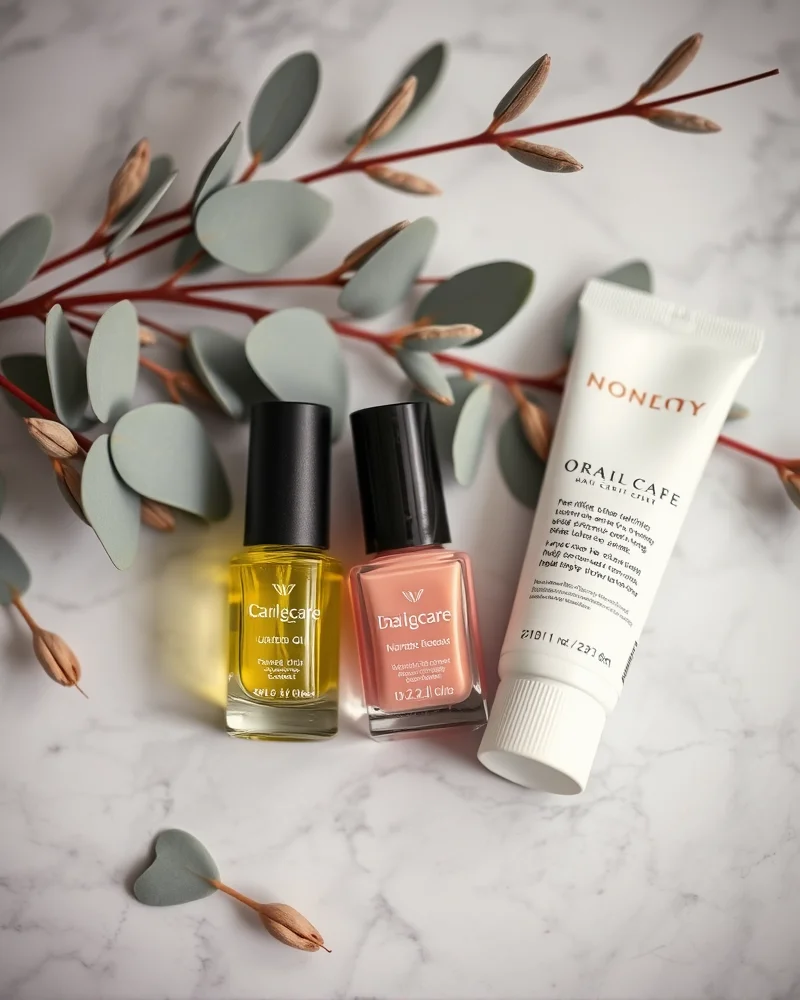
To ensure maximum nail longevity during this seasonal shift, you must prepare the nail bed for the impending dryness. High UV exposure in summer often leaves the nail plate porous, which can cause polish to chip more easily as the air loses its moisture content. Pro-tip: begin your routine by focusing on humectants that draw moisture into the nail bed rather than just oiling the surface. Implementing a high-quality, professional grade cuticle oil containing jojoba oil or squalane is essential, as these molecules are small enough to penetrate the nail plate and provide deep hydration. This step prevents the nail from becoming rigid, which is a major factor in premature polish lifting.
Consider the following steps to fortify your nail health during the transition:
- Switch to a base coat that offers fortifying properties, such as one infused with vitamin E or calcium, to provide a barrier against the dry autumn air.
- Incorporate a weekly intensive hydrating hand mask to repair the skin barrier and protect the cuticle area from becoming jagged or inflamed.
- Maintain consistent application of cuticle oil twice daily to keep the nail matrix flexible and resistant to the structural stress caused by dropping temperatures.
- Avoid prolonged water submersion during this period, as the rapid expansion and contraction of nail cells caused by wet to dry cycles can weaken the adhesive bond of your nail lacquer.
What are the Top Color Palettes for the Summer-to-Fall Shift?
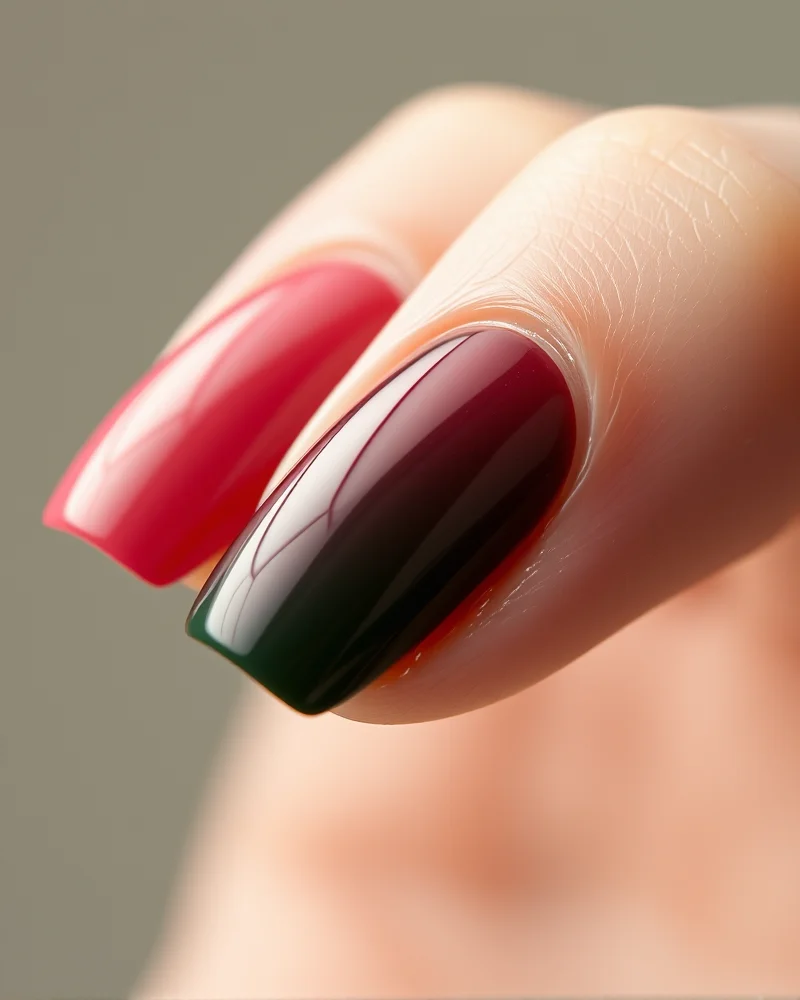
The shift between seasons is not merely a change in the weather but a psychological pivot that reflects in our beauty routines. As we bid farewell to the high-energy pigments of mid-July, we enter the transitional spectrum. This is a curated space where the vibrant, saturated neon pinks and electric oranges of summer soften into the grounded, sophisticated palettes of autumn. This evolution is vital because it allows your manicure to mirror the changing landscape without requiring a jarring departure from your personal style.
To master this transition, consider these trending color palettes that dominate the current ‘It-girl’ aesthetic:
- Dusty Rose: This shade acts as the perfect bridge between summer pastels and autumn mauves. It offers a romantic, muted undertone that pairs beautifully with lingering sun-kissed skin while complementing the cozy textures of knitwear that define the incoming season.
- Forest Green: As the vibrancy of floral life begins to fade, deep forest green emerges as a luxe, high-fashion alternative. It provides the same visual impact as summer neons but with a grounded, earthy intensity that feels incredibly chic in a glossy finish.
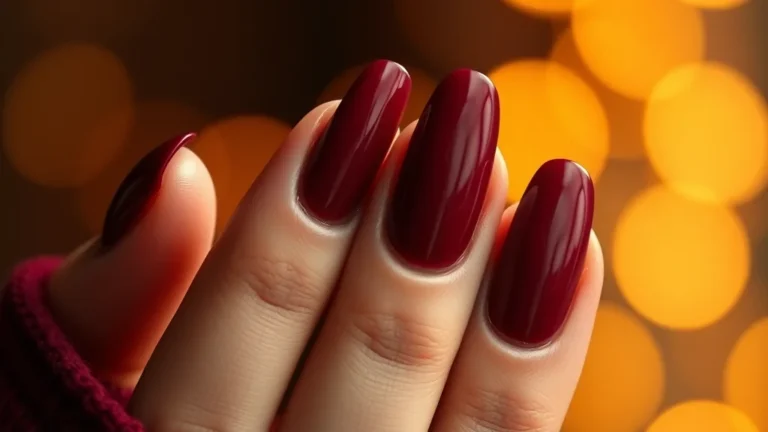
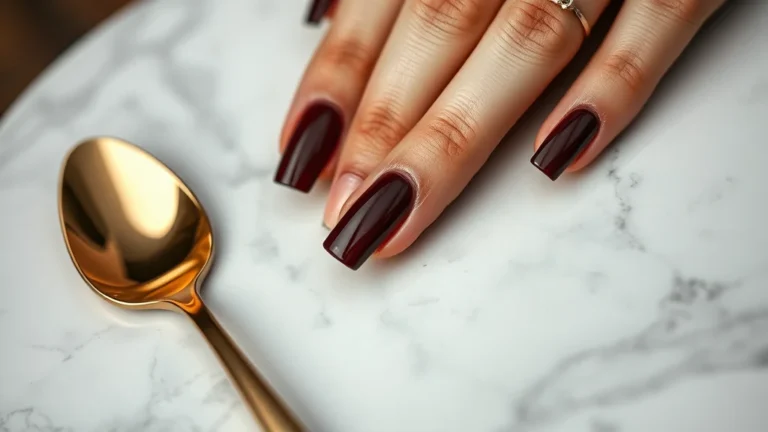
- Oxblood: Moving away from the bright berry shades of July, oxblood serves as the ultimate transitional power color. It is a deep, moody red that carries enough warmth to feel inviting while establishing the dark, dramatic tone required for the cooler months.
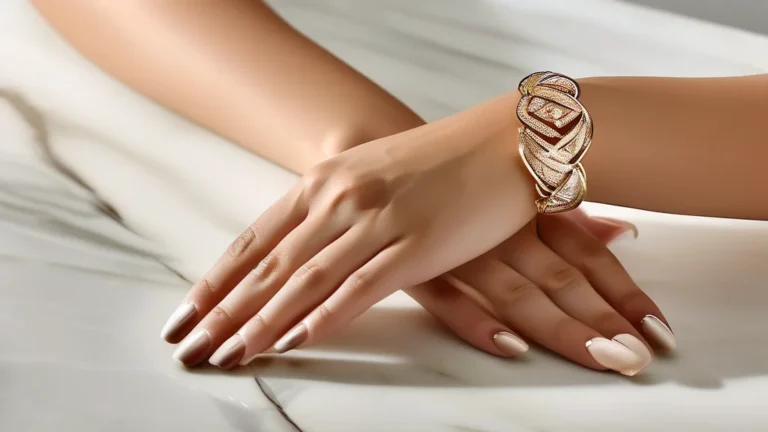
- Toasted Almond: This is your go-to neutral. It replaces the stark whites and neon yellows of summer with a creamy, warm beige. It mimics the changing foliage and serves as a versatile base for minimalist nail art or a clean, monochromatic look.
From a color theory perspective, these transitional shades work because they reduce the luminosity of summer palettes while increasing the saturation of depth. While summer colors rely on high-reflectivity and eye-catching brightness to stand out against sunlight, fall colors utilize desaturation and warmer undertones to create a sense of weight and comfort. By choosing shades like toasted almond or oxblood, you are aligning your manicure with the natural inclination toward cooler temperatures. These colors possess a lower light-reflectance value, which visually grounds your look and transitions your aesthetic from the airy, energetic vibes of summer toward the stable, intimate atmosphere of autumn. Pro-tip: For a seamless shift, try wearing these deeper shades in a sheer, jelly finish during the first few weeks of September to maintain a hint of that summer glow before fully committing to opaque, moody pigments.
How to Incorporate Summer Textures into Autumn Aesthetics?
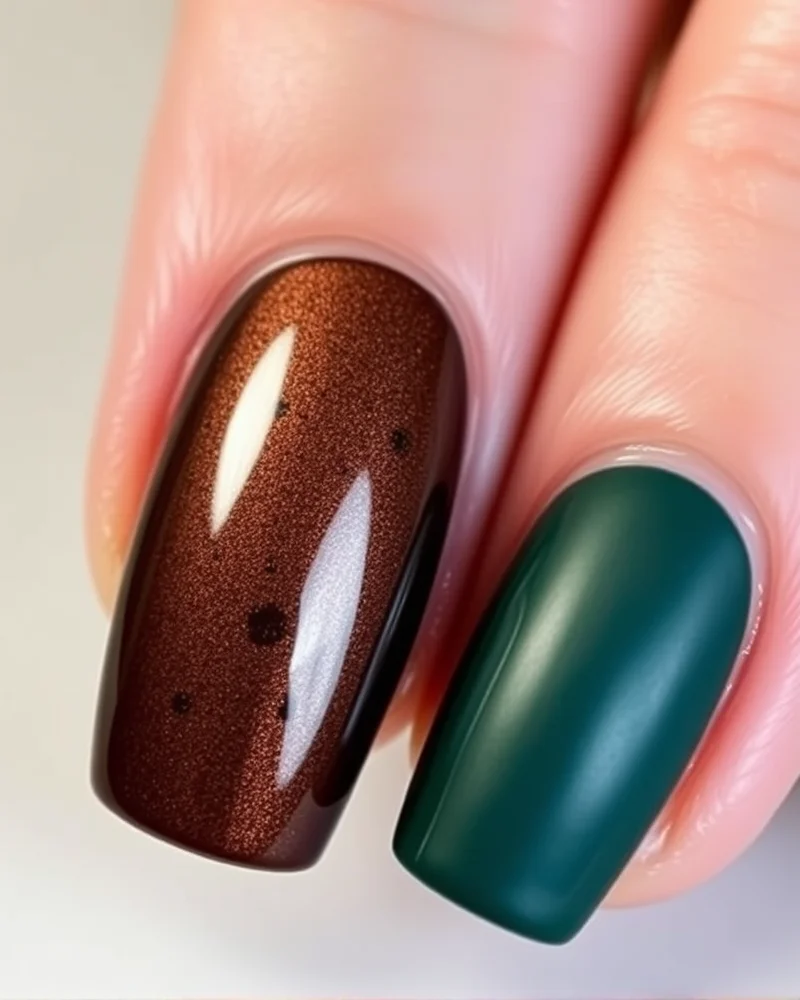
The transition between seasons provides an exquisite opportunity to rethink the architecture of your manicure by merging the playful, high-shine textures of summer with the grounded, sophisticated finishes synonymous with autumn. While summer nail trends often lean heavily on light-reflecting chromes and translucent jelly polishes that mimic the breezy energy of beach days, autumn calls for a more tactile experience. To bridge this gap, focus on the finish as much as the pigment. A brilliant technique involves taking your favorite summer-favored chrome powders and applying them over deeper, moodier base colors. This creates a luxurious bridge, transforming a bright, airy aesthetic into something regal and refined.
Consider the evolution of the iconic glazed donut nail. Instead of relying on the standard pearlescent finish over milky white, pivot toward rich, earthy tones to ground the look for the cooler months. A chocolate glazed finish, achieved by layering a metallic chrome powder over a deep espresso crème, captures the essence of a warm beverage on a crisp morning. Similarly, forest green glazed nails offer a stunning depth that feels both festive and seasonally appropriate, maintaining that signature summer glow while aligning with the falling leaves and changing landscapes. If you are looking for more inspiration, you can explore our nail art designs ultimate guide for creative ways to layer these finishes.
Texture contrast is your most powerful tool during this transitional phase. If you are not ready to fully abandon the high-shine jellies that defined your July aesthetic, try applying a velvet or matte topcoat over them. This simple alteration subdues the glass-like transparency of the jelly, turning a sun-drenched finish into a soft, cozy look reminiscent of velvet fabrics. You can also experiment with mixed-finish sets, alternating between a matte forest green and a high-gloss chocolate chrome on different fingers to maintain visual interest. By strategically blending these finish types, you preserve the playful spirit of summer while embracing the elevated, moody atmosphere of the autumn season. Pro-tips for a flawless finish include ensuring your base color is completely dry before applying chrome powders and using a high-quality, non-yellowing topcoat to protect the depth of your darker glazed creations.
Which Nail Shapes Best Complement Seasonal Transitions?
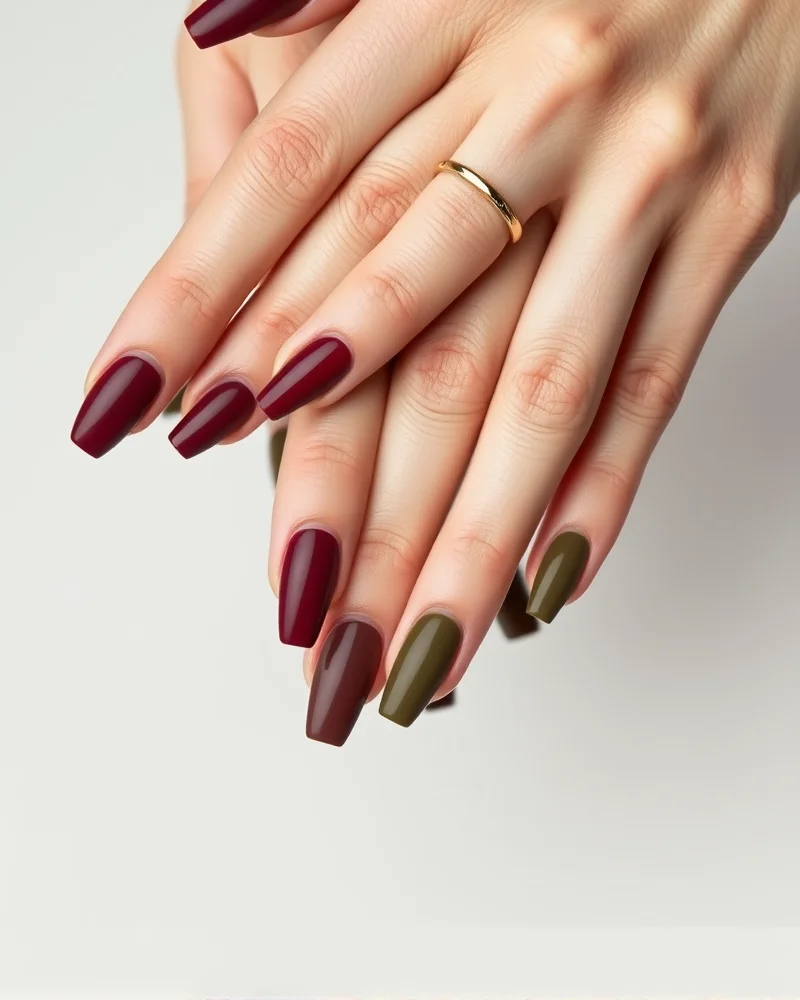
When we shift from the sun-drenched days of August into the crisp atmosphere of October, our manicure choices must evolve in tandem with our wardrobe. While color palettes often take center stage, the silhouette of your nail plays a pivotal role in how these deeper, moodier tones are perceived by the eye. The geometry of your nail shape significantly alters the visual weight of a pigment. Darker shades like oxblood, charcoal, or forest green possess a higher visual density, which can make shorter, blunt shapes feel claustrophobic or overly heavy if not balanced correctly.
During summer, the squoval shape reigns supreme. Its practical, flat edge allows for high activity levels and pairs beautifully with the sheer, reflective finishes that define beach-ready aesthetics. However, as we move into fall, we see a distinct shift toward elongated silhouettes. The almond and coffin shapes provide a longer canvas that allows deep, saturated colors to breathe. An almond shape adds an organic softness that balances the intensity of vampy polishes, while the structured lines of a coffin shape enhance the sophistication of matte topcoats. This transition is less about discarding your summer style and more about choosing a structural foundation that supports the gravitas of autumn color theory.
| Nail Shape | Visual Impact | Ideal Fall Aesthetic | Perceived Weight of Dark Colors |
|---|---|---|---|
| Almond | Elongating and elegant | Minimalist and chic | Light; adds grace to deep tones |
| Coffin | Bold and architectural | Edgy or high-fashion | Balanced; provides space for saturation |
| Squoval | Practical and sturdy | Casual and functional | Heavy; can appear too grounded |
To master the seasonal transition, consider how the taper of your nail impacts your overall look. A rounded or almond tip helps slenderize the fingers, which is particularly beneficial when you are wearing darker, opaque colors that would otherwise shorten the appearance of the nail bed. Conversely, if you prefer the coffin or ballerina shape, the squared tip provides a dramatic contrast that works exceptionally well with metallic accents or nail art. Pro-tip: If you are attached to your shorter, squoval summer nails but want to transition to fall, opt for lighter transition shades such as dusty rose or muted sage before diving into deep espresso or midnight navy. This allows the eye to adjust to the increased visual weight of autumn hues without feeling like the manicure is overpowering your natural hand shape.
Are ‘Latte Nails’ the Ultimate Bridge for the Seasonal Gap?

As the high heat of August begins to wane and the subtle crispness of early September mornings takes hold, the quest for the perfect manicure transition begins. Enter the Latte Nails trend, an aesthetic movement that has solidified itself as the ultimate bridge for this tricky seasonal gap. Unlike the neon brights of midsummer or the heavy, moody oxbloods of peak autumn, Latte Nails occupy the sophisticated middle ground. This color palette relies on creamy espresso tones, milky caramels, and soft taupes that feel warm enough for the fading sun but grounded enough for the approaching sweater weather. These shades mimic the comforting aesthetic of a coffee shop, providing a neutral backdrop that complements any outfit transition from breezy linen dresses to structured denim jackets.
What makes Latte Nails particularly brilliant for this time of year is their inherent versatility. If you are not quite ready to abandon your vibrant summer polish collection, you can use these coffee tones as a sophisticated layering tool. A translucent, sheer brown or mocha polish applied over a brighter summer base creates a muted, sophisticated finish that tones down the saturation without requiring a full manicure overhaul. Consider these professional layering tips for a seamless gradient:
- The Sheer Wash: Apply one thin coat of a jelly espresso polish over a soft peach or milky white base to create a latte foam effect that feels autumnal yet airy.
- Graduated Ombre: Use a sponge to dab a warm caramel hue over the tips of a nude summer manicure, fading it toward the cuticle for a toasted look that nods toward the changing leaves.
- Texture Play: Combine a glossy coffee-colored base with a matte top coat to add depth, which mimics the rich texture of a foam-topped beverage while feeling distinctly cozy as the temperatures drop.
By focusing on these warm, tonal neutrals, you ensure your manicure remains polished and seasonally appropriate. The beauty of this trend lies in its ability to adapt. As September deepens, you can simply increase the opacity of your brown shades, moving from sheer washes to full coverage dark chocolate cremes. Latte Nails are not just a fleeting trend because they offer a timeless, high-end finish that elevates your hands regardless of the weather forecast.
How Do You DIY a Professional Transitional Manicure at Home?
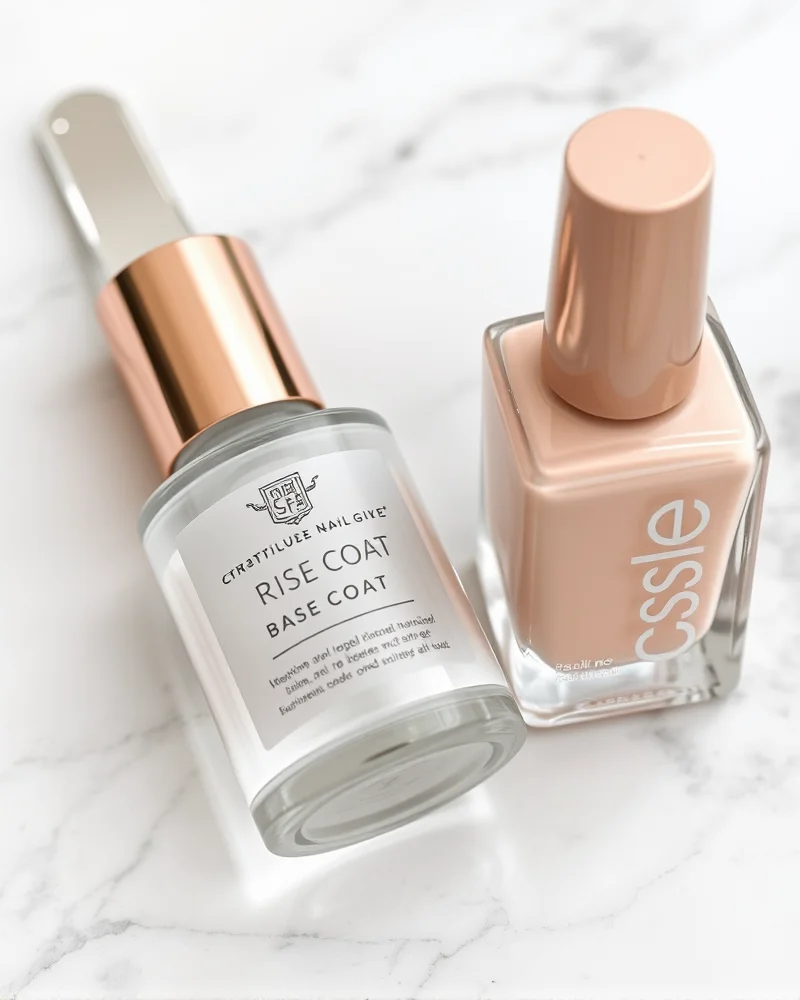 Achieving a salon quality manicure at home during the seasonal shift requires more than just a steady hand. As the air becomes cooler and less humid, your natural nail plate undergoes subtle changes that can impact product adhesion. To ensure your transition manicure stays flawless, follow this technical application guide designed for longevity.
- Precision Prep Work: Begin by removing all traces of oils with a lint free wipe soaked in pure acetone. Even if you are not wearing polish, the natural oils on your nail bed create a barrier that prevents bonding. Gently push back your cuticles and buff the nail surface with a high grit file to remove ridges, which creates a better canvas for your polish.
- The Foundation Phase: For those dealing with mature or thinning nails, choosing the right base is critical. Opt for a ridge filling base coat that contains strengthening proteins or calcium. This product acts as a smoothing agent, filling in micro fractures and creating a uniform surface for your color application. By leveling out the nail plate, you prevent the polish from pooling in grooves, which is a common cause of premature chipping.
- Professional Application Techniques: The secret to a durable finish is the capping technique. Apply your polish in thin, even layers. When you reach the free edge of the nail, run the brush horizontally across the tip to seal the edge. This small step protects the most vulnerable part of the manicure from water exposure and mechanical impact as you move through your daily tasks.
- Managing the Dry Out Phase: Autumn brings a drop in humidity that can make nail polish brittle. Combat this by applying a high quality cuticle oil twice daily. Hydration keeps the natural nail flexible, which prevents the polish from cracking as your nails move and flex.
- Choosing Your Palette: Now that your foundation is perfect, you are ready to experiment with stylish September nail designs that bridge the gap between summer vibrancy and fall depth. Whether you opt for deep espresso tones or transitionary terracottas, your professional prep work will ensure these colors remain chip free for up to ten days.
What are the Best Long-Lasting Formulas for Fall Weather?
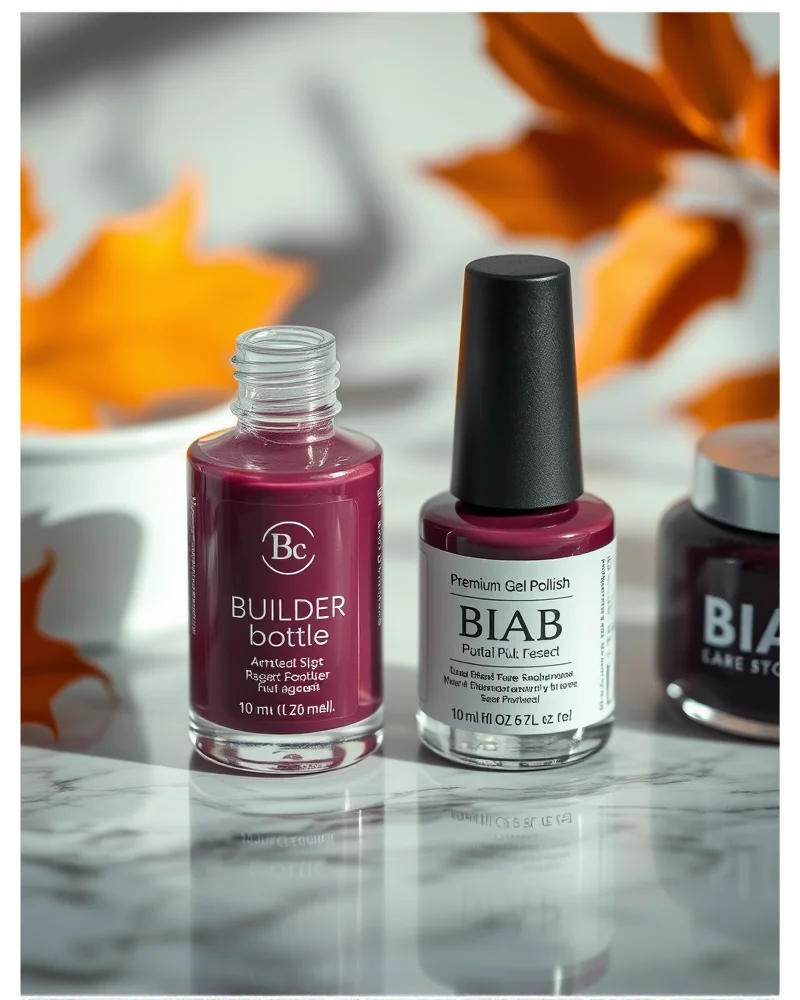
As we pivot from the sun-drenched days of summer into the crisp, cool air of autumn, our nails face a unique set of environmental challenges. Cooler temperatures and lower humidity levels often lead to brittle nail beds and rapid chipping if you are using subpar formulas. To maintain a flawless manicure during this seasonal transition, prioritizing professional grade chemistry is non-negotiable. Investing in high quality gel polishes and builder in a bottle, often referred to as BIAB, provides a structural foundation that stands up to the inevitable friction of sweaters and the dryness of heating systems.
The secret behind long lasting results lies in the sophisticated ingredient lists found in salon quality products. When you look at premium gels, you are looking at advanced oligomers and photoinitiators that cure into a durable, flexible network. One of the most critical components for fall is the inclusion of specialized resins. These resins act as the glue that adheres to the natural nail plate, providing the elasticity needed to move with your hands rather than cracking under the pressure of temperature fluctuations. Furthermore, high end formulas often integrate UV filters. Even though the intensity of the sun wanes in autumn, UV exposure remains a factor that can yellow your light colored fall neutrals or fade your deep, moody burgundies. These filters act as a protective shield, preserving the true color integrity of your chosen shade from the moment of application until your next fill.
Builder in a bottle has revolutionized the industry by offering a self-leveling, high density consistency that adds immediate strength to weak nails. This is especially vital as we move into the cooler months when natural nails tend to soften or peel. By choosing professional grade BIAB, you are applying a product engineered to have the perfect balance of tensile strength and shock absorption. Below are key components you should look for when selecting your seasonal nail products to ensure your manicure survives the transition:
- Photoinitiators: Essential for a rapid and complete cure under LED lamps, ensuring no soft spots that could lead to peeling.
- Adhesion Promoters: Specialized chemical agents that ensure your base coat bonds securely to the nail plate, preventing premature lifting.
- High-Density Resins: These provide the flexible armor required to prevent chips when you are layering clothing or handling colder equipment.
- UV Absorbers: These are crucial for keeping your pumpkin spice or charcoal hues vibrant without shifting or fading over time.
Ultimately, the move from summer brights to autumn earth tones is an opportunity to elevate your nail care routine. By choosing products that emphasize structural integrity and chemical stability, you ensure that your nails remain as resilient as they are beautiful throughout the changing seasons.
Can You Layer Summer Colors to Create Autumn Tones?
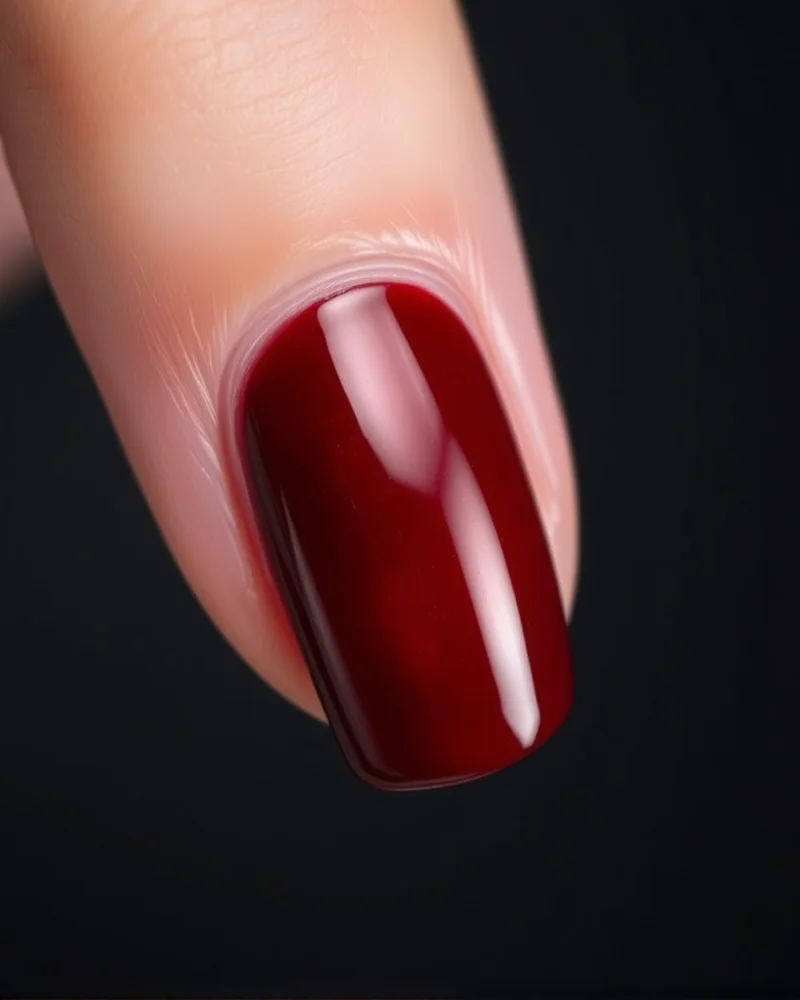
You do not need to discard your vibrant summer nail polish collection just because the temperature is dropping. In fact, your brightest summer jellies are the secret weapon for crafting sophisticated, moody autumn tones. By utilizing the Polished Palette hack, you can transform high-chroma summer shades into complex, dimensional colors that mimic the shifting hues of the season. The science behind this technique lies in the transparency of jelly formulas, which allow the darker base layer to filter through, essentially tinting the final result.
To master this DIY manicure technique, follow these steps to achieve professional, custom results:
- Select your foundation: Start by applying one or two coats of a deep, opaque autumn polish. Excellent base choices include espresso brown, midnight navy, or a moody forest green. These act as the canvas for your transition.
- Choose your layering shade: Reach for a sheer jelly polish from your summer stash. A bright poppy red jelly over a black base creates a deep oxblood wine color. A sheer citrus orange jelly layered over a dark chocolate brown base results in a burnt sienna or rustic copper tone.
- The application technique: Apply a single thin coat of your chosen jelly shade over the fully dried opaque base. The transparency of the jelly will subtly mute the brightness of the summer color while adding a glass-like finish and depth that standard opaque polishes cannot replicate.
- Control the intensity: If you desire a more dramatic effect, apply a second coat of the jelly once the first has tacked up. This builds density and shifts the color further toward the deep end of the spectrum, allowing you to customize the opacity to your exact preference.
- Seal the dimension: Always finish with a high-shine glossy top coat. This step is essential because it bridges the two layers, creating a seamless, uniform surface that makes the color shift appear intentional and luxurious.
This method is not only cost-effective but also encourages creativity. By experimenting with different color combinations, you can create unique signature shades that perfectly match your fall wardrobe. Think of your jelly polishes as tinted glazes that provide endless versatility. Instead of letting your summer favorites gather dust, repurpose them to add artistic flair to your autumn nail aesthetics.
What Nail Art Motifs Define the End of Summer and Start of Fall?
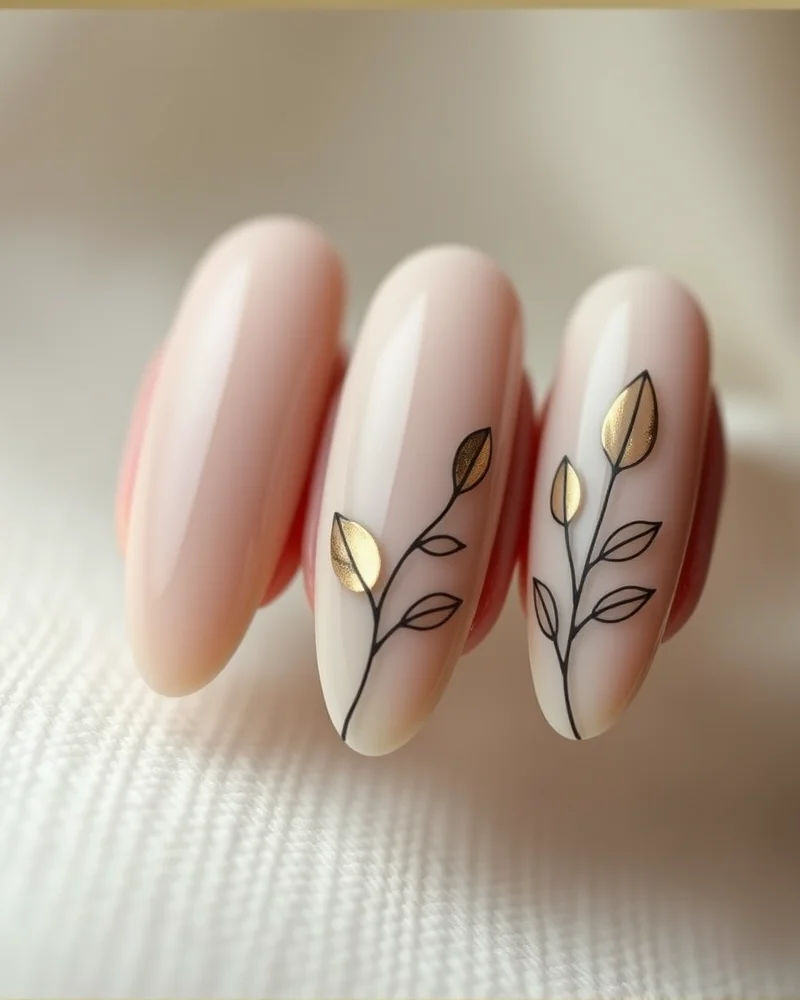
The shift between the vibrant peak of summer and the cozy, amber-hued arrival of fall is one of the most exciting times for nail art enthusiasts. As the days begin to shorten, our design aesthetic shifts from the saturated, high-energy neons of August to a more refined, sophisticated palette. This transition is best captured through the art of negative space. By leaving parts of the natural nail plate visible, you create a breathable, lightweight look that bridges the gap between seasons perfectly. Incorporating sheer, milky base coats allows for a seamless transition, ensuring your manicure does not feel too heavy as the first crisp breeze hits.
One of the most effective ways to evolve your look is by utilizing delicate gold foiling. This versatile medium acts as a luminous connector. During the height of summer, gold foil adds a sun-kissed reflection to turquoise or coral tones. As we pivot toward autumn, you can apply these same metallic accents over deep plums, forest greens, or charred espresso polishes to catch the dimming light of the early evening. If you are looking for specific inspiration to guide your style evolution, be sure to browse our curated September nail design gallery, where we break down the most popular seasonal trends for the modern client.
Furthermore, we are seeing a major movement toward abstract botanical line work that masterfully pivots from the exuberant florals of mid-summer to the sharp, geometric silhouettes of autumn foliage. Instead of full, rounded petals, focus on fine-line ink art that mimics the structure of dry, brittle leaves or cascading vines. This style favors minimalist precision over crowded patterns. By utilizing a thin striper brush, you can transition a summery daisy motif into a stylized, linear oak leaf or a willow branch design. This geometric interpretation of nature grounds your manicure, making it feel intentional and curated as you move away from the whimsical spontaneity of summer into the structured beauty of the coming months.
How to Protect Your Manicure Through Variable Weather?
How to Protect Your Manicure Through Variable Weather?
- Why do drastic temperature shifts affect my nail polish durability?
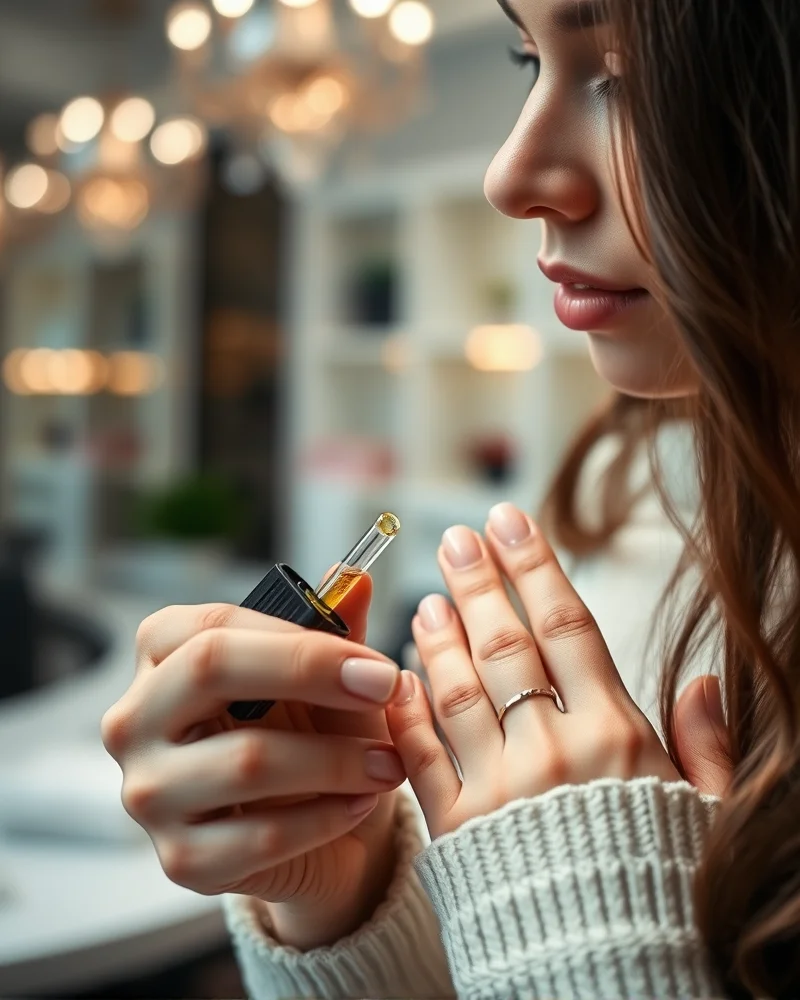
- When transitioning from the humid heat of late summer to the crisp, dry air of early autumn, your nail plates undergo constant expansion and contraction. This micro-movement disrupts the bond between your nail bed and the polish, leading to premature chipping or lifting. To combat this, focus on maintaining consistent hydration. I recommend a rigorous cuticle oiling schedule: apply a high-quality jojoba-based oil twice daily, specifically focusing on the nail matrix and the surrounding skin. This prevents the polish from becoming brittle when humidity levels plummet.
- How can paraffin wax treatments extend the life of my manicure?
- Paraffin wax treatments are a secret weapon for longevity because they provide a deep-conditioning barrier that seals in moisture for days. By performing a weekly at-home paraffin dip or visiting a salon for this service, you saturate the skin and nail plate with lipids. This elasticity keeps your manicure flexible enough to withstand environmental stressors without cracking. When your nails remain pliable, your gel or lacquer is less likely to flake off, potentially extending the lifespan of your manicure by up to 10 days.
- Is wearing gloves really necessary for routine chores during the seasonal transition?
- Yes, wearing gloves is perhaps the most overlooked step in professional nail care. As the weather cools, we often turn to heavier cleaning agents and hot water, which wreak havoc on your polish. Exposure to these elements causes the nail plate to swell and then shrink, which is the primary culprit behind peeling tips. Whether you are washing dishes or cleaning the house, always wear nitrile or cotton-lined rubber gloves to create a physical shield against chemical breakdown.
- Are there specific application tricks to prevent environmental damage?
- To ensure your manicure survives the transition, follow these expert-approved maintenance steps:
- Always cap your free edge with base coat, color, and top coat to prevent water seepage.
- Avoid soaking your hands in hot water for at least four hours after a fresh application.
- Keep a bottle of top coat handy to reapply a fresh layer every three days to reinforce the protective shield against dry autumn winds.
- Avoid using your nails as tools to open packages, especially as the colder air makes your natural nails slightly more prone to snapping.
The Psychology of Nail Color: Why We Switch Shades in September?

The shift from the vibrant, neon saturated hues of August to the grounded, earthy palettes of September is far more than a simple aesthetic choice. From a psychological perspective, our nail polish selection acts as a silent signaling system that helps the brain navigate the transition between seasons. As the sunlight wanes and the rhythm of the year accelerates toward the final quarter, changing your manicure serves as a tangible anchor. This sensory ritual acts as a cognitive reset button, allowing us to compartmentalize the carefree energy of summer while preparing for the increased structure and intentionality required by the autumn months.
When we swap bright coral or electric blue for deep burgundies, burnt oranges, or rich espresso tones, we are engaging in a process known as seasonal affective preparation. By proactively updating our personal presentation, we create a sense of readiness and agency. This ritual provides a psychological buffer against the transition from the expansive outdoor life of summer to the more introspective, cozy atmosphere of fall. It is a form of intentional self-care that communicates to the subconscious that we are ready to embrace a new pace of life. Studies in color psychology suggest that warmer, muted tones can induce feelings of comfort and stability, which are particularly important as we move into a season often associated with busy schedules and back to school transitions.
Consider this transition a vital part of your autumn self-care routine. By curating your nail color, you are essentially curating your mental state. If you find yourself holding onto summer a bit too long, try a transitional shade like a muted mustard or a dusty mauve. These colors bridge the gap between two worlds, offering the warmth of the sun with the depth of the changing leaves. Pro-tip: invest in a high-quality base coat and top coat during this shift to ensure that your manicure remains a source of grounding pleasure rather than a point of stress as the weather changes. Ultimately, the September color switch is a low-stakes, high-impact tool for mental wellness that helps you maintain equilibrium while the world around you undergoes its own beautiful, seasonal transformation.
Transitioning your nails isn’t just about color; it’s about timing your aesthetic to mirror the changing seasons. By layering textures, opting for versatile neutral-darks, and prioritizing nail health, you ensure your manicure remains a statement of sophistication. Remember to visit Nailosmetic for the latest professional-grade tools to master these trends at home.