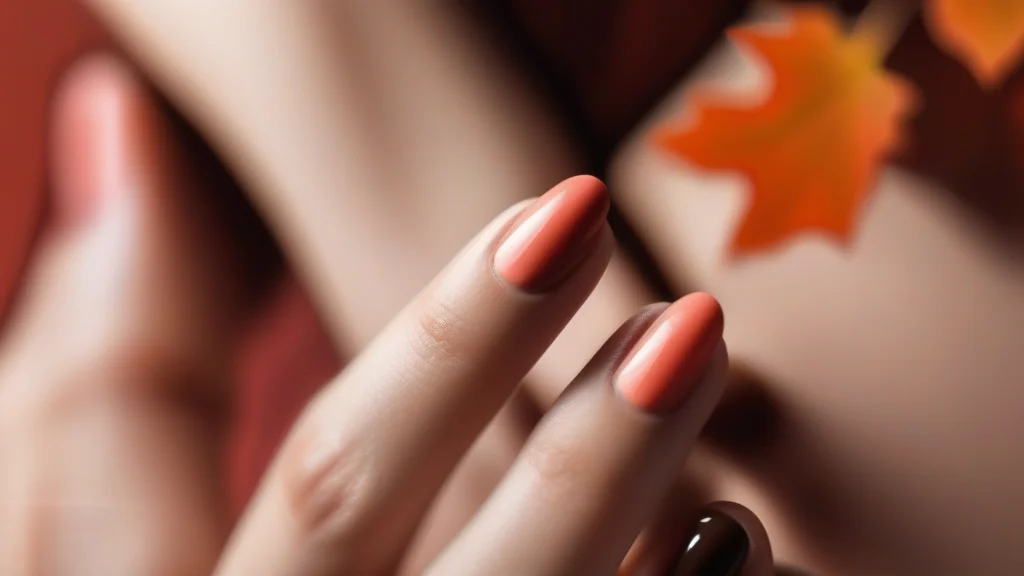
Transition Nails Summer to Fall

The transition from summer to fall nails is no longer about sudden jumps from neon to black; it’s about the ‘Chroma-Shift’—a subtle evolution of pigment density and texture that defines current luxury manicures. As we trade heatwaves for crisp air, the exact polish shade you choose acts as the definitive marker of your seasonal style. Experts at Nailosmetic (https://nailosmetic.com/) have identified the precise color theory behind this year’s most viral transition trends. Why is everyone suddenly ditching high-gloss neons for ‘muted-saturated’ tones? It’s all about the interplay of light reflection and pigment depth. Whether you are moving toward velvety matte finishes or deep, moody earth tones, this guide reveals how to bridge the seasonal gap without sacrificing your signature aesthetic. From professional longevity tips to the specific ingredients to avoid as the humidity drops, here is the ultimate manual for your autumn-ready manicure.
Why is the Summer-to-Fall Nail Transition Trending Now?

The transition from summer to fall represents a fascinating shift in both aesthetics and consumer psychology. As the vibrant, high energy days of July and August begin to wane, our collective desire for visual stimulation undergoes a subtle recalibration. This phenomenon is deeply rooted in the concept of seasonal color theory, which suggests that our preferences for color palettes mirror the natural progression of the environment around us. While summer is defined by neon brights, saturated corals, and crisp whites that mimic the intensity of the sun, the arrival of autumn invites a shift toward grounding, restorative tones. This is not merely a change in fashion preference. It is a psychological response to the change in daylight and the instinctual human craving for comfort and preparation as we head into the cooler months.
Modern beauty consumers are increasingly moving away from harsh, jarring color blocking. In previous years, the transition was often treated as an abrupt switch, moving immediately from electric blue to deep charcoal. Today, the trend favors a sophisticated gradient approach. By integrating muted tones like dusty sage, terracotta, warm taupe, and deep mustard, individuals can achieve a seamless visual flow. These transitional shades serve as a bridge, maintaining the warmth of summer while introducing the earthy depth of autumn. This behavior reflects a broader evolution in the beauty space where consumers prioritize longevity and versatility in their manicure choices. Rather than adhering to rigid seasonal binaries, today’s trendsetters look for nail polish colors that feel cohesive with a shifting wardrobe.
From a market perspective, this shift signals a move toward intentional consumption. Nail enthusiasts are no longer rushing to discard their summer palettes. Instead, they are layering soft transition colors that provide longevity to their gel or lacquer manicures. This approach reflects a high level of style sophistication. Pro tip: To master this transition, start by introducing a neutral base color that features warm undertones, such as a creamy almond or a soft ochre. These shades anchor your style, allowing you to incorporate darker, moodier accents like mahogany or espresso brown without feeling as though you have completely abandoned your summer aesthetic too early. This mindful color curation effectively extends the life of your look while keeping your hands perfectly aligned with the current seasonal zeitgeist.
What are the Top 5 Color Palettes for the Seasonal Shift?
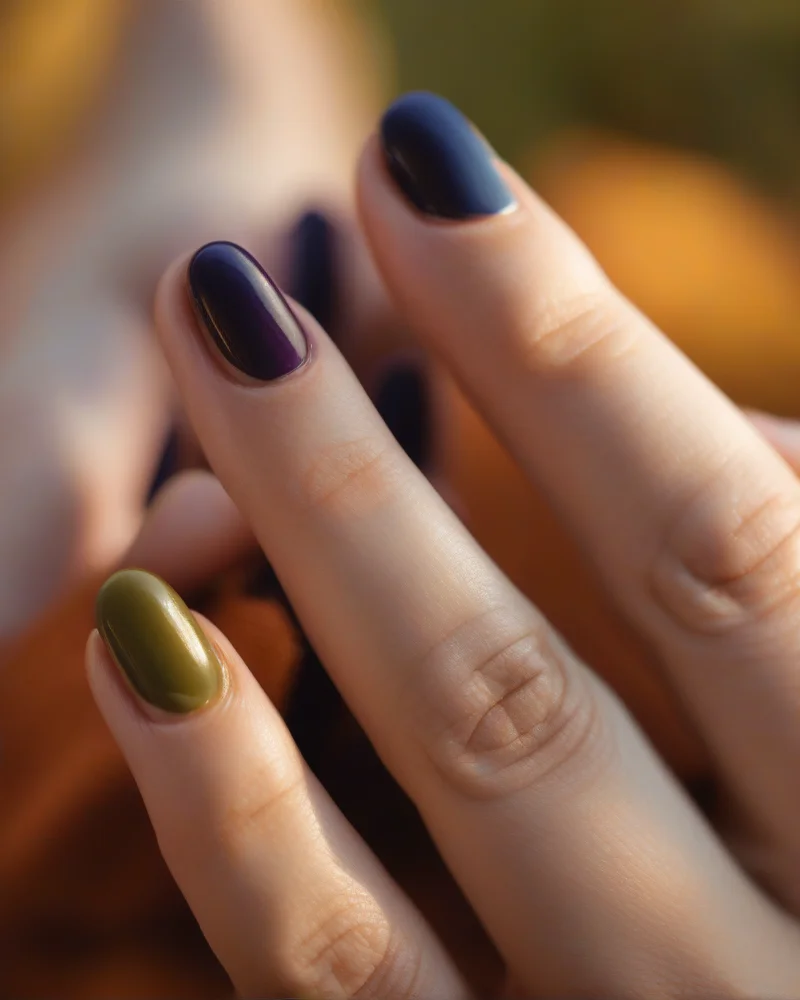
As the daylight hours wane and the air begins to crisp, our aesthetic choices naturally shift toward richer, more grounded hues. Transitioning your manicure from the neon energy of summer to the cozy sophistication of autumn is all about pigment density and undertone harmony. Here are the five color palettes that bridge the gap perfectly, ensuring your nails remain on trend throughout the seasonal crossover.
- Terracotta: This warm, earthy shade acts as the ultimate bridge. Because it contains high levels of red and orange pigment density, it resonates with your fading summer tan while mirroring the changing leaves. Look for variants with a slight brown base to ground the color for early autumn. It is the perfect neutral that maintains warmth without feeling overly summery.
- Sage Green: Sage is the definitive transitional tone. Its desaturated, dusty quality works because it lacks the sharp, grass-green brightness of July, moving instead toward a muted, botanical aesthetic. It complements sun-kissed skin while pairing effortlessly with the knit sweaters and denim jackets that define early fall wardrobes.
- Deep Berry: As we move away from bright coral and fuchsia, deep berry offers a luxurious shift. These shades possess high saturation, making them ideal for the transition into shorter days. By opting for a berry with plum or wine undertones, you create a seamless link between your vibrant summer pedicures and the darker, moody palettes of October.
- Muted Mustard: Moving away from sun-drenched yellow, muted mustard introduces a golden, ochre quality to your nails. The pigment density here is lower than a primary yellow, which prevents it from feeling too playful. It is a sophisticated, fashion-forward choice that celebrates the harvest season while appearing remarkably elegant against a glowing, late-summer complexion.
- Midnight Navy: Navy is the primary alternative to the classic summer white or baby blue. By choosing a navy with high pigment density, you create a look of instant depth. It is a cold-toned staple that provides a sharp, clean contrast to your remaining summer color, setting a moody and professional tone for the cooler months ahead.
Pro-tip: When transitioning, always consider your skin tone. If your skin retains a golden summer undertone, stick to the warmer Terracotta and Muted Mustard palettes. If you find your tan fading toward a cooler, paler complexion, the Deep Berry and Midnight Navy shades will provide a more flattering, high-contrast finish.
How Should You Adjust Your Nail Care Routine for Autumn Humidity Changes?
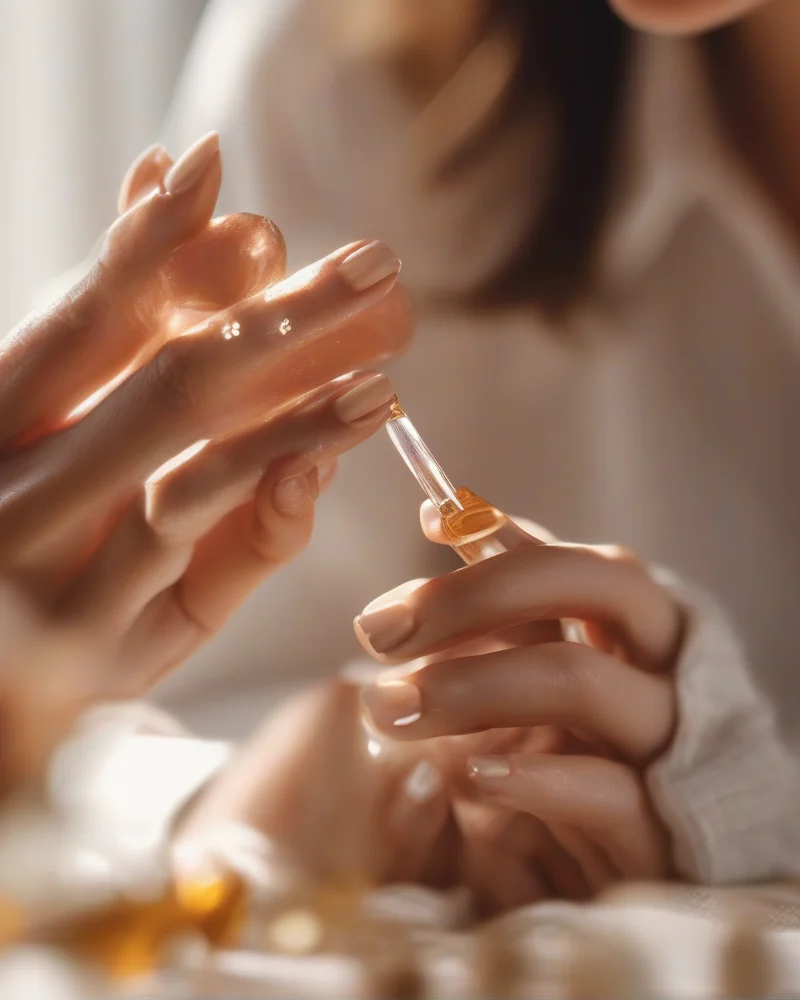
As we transition from the humid, moisture-rich air of summer into the crisp, drying climate of autumn, our nail health often bears the brunt of the atmospheric shift. When ambient humidity drops, the moisture content within the nail plate and surrounding skin evaporates more rapidly. This leads to a loss of natural flexibility, causing nails to become brittle and prone to painful peeling or snapping at the free edge. Because the nail bed is composed of layers of keratin, it relies on a delicate balance of water and oil to maintain its structural integrity. When the air becomes parched, your nails essentially dehydrate, requiring a strategic shift in your maintenance routine to keep them resilient through the colder months.
To combat this seasonal dryness, you must prioritize deep hydration, starting with the way you remove your polish. It is critical to abandon harsh, solvent-heavy removers in favor of acetone-free alternatives. Acetone strips the nail plate of its protective natural lipids, which are already struggling to survive the drier autumn air. By switching to a gentle, oil-infused remover, you prevent the microscopic fracturing that leads to long-term weakness. Following removal, consistency is your best tool. Developing your skills with various creative nail art designs is wonderful, but none of these styles will look their best on parched, damaged nails.
The secret to surviving the humidity dip lies in the chemistry of your cuticle care. You should integrate a high-quality cuticle oil into your daily regimen, specifically seeking out formulas rich in jojoba oil and vitamin E. Jojoba oil is biologically similar to the sebum produced by human skin, allowing it to penetrate deeply into the nail matrix rather than simply sitting on the surface. Vitamin E acts as a potent antioxidant, neutralizing free radicals that further damage the nail bed during environmental changes. For optimal results, apply your oil blend at least twice a day, focusing on the eponychium and the surrounding lateral folds. Consistent topical nourishment keeps the nail flexible and hydrated, ensuring that your transition into the fall season remains as polished and healthy as your summer manicure.
Which Nail Shapes Best Complement Transition Colors?
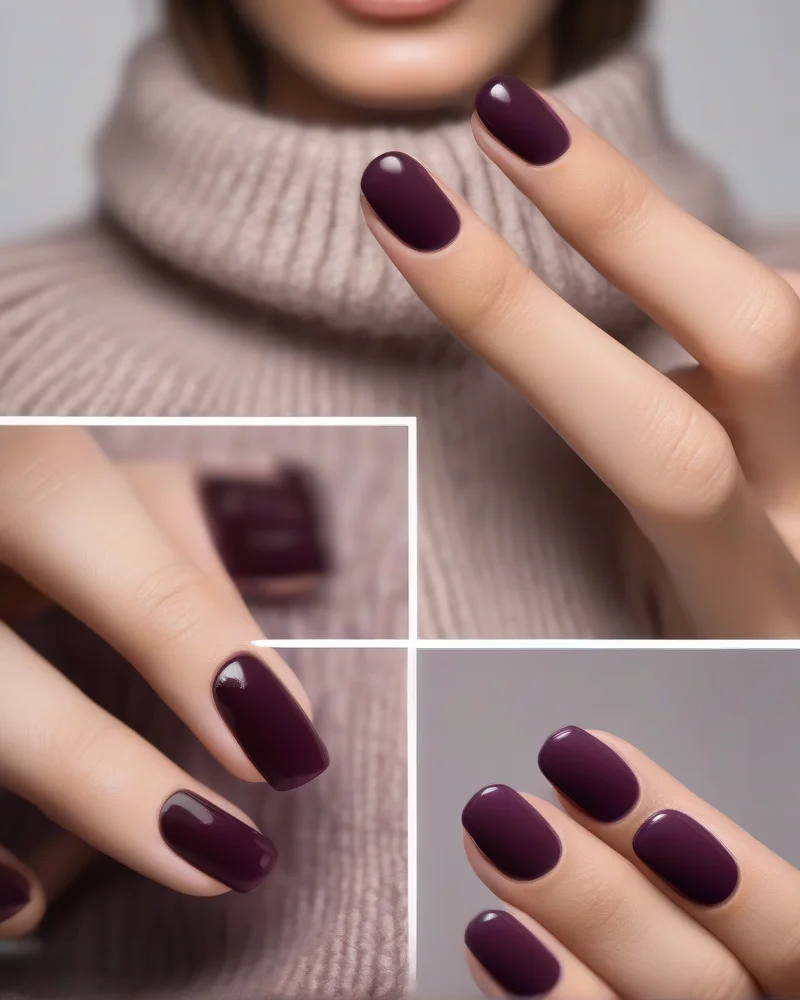
When you pivot your manicure palette from bright summer corals to moody autumn hues, the silhouette of your nail acts as the frame for your color story. Choosing the right nail shape is not merely an aesthetic preference. It dictates how light reflects off your polish and how your nails handle the mechanical stress of shifting seasons. As we move into sweater weather, the structural integrity of your manicure becomes just as vital as the pigment itself.
Below is a comparative breakdown of how the short squoval and long almond shapes interact with transitional autumn tones like espresso, forest green, and dusty plum.
| Feature | Short Squoval | Long Almond |
|---|---|---|
| Color Impact | Offers a clean and modern canvas. Dark colors appear dense and rich without feeling overwhelming. | Creates an elongated and sophisticated illusion. Dark shades appear more mysterious and dramatic. |
| Vibe & Aesthetic | Practical, approachable, and polished. Ideal for a cozy or minimalist autumn aesthetic. | Elegant, high fashion, and sharp. Perfect for bold, moody, or luxury lacquer finishes. |
| Structural Integrity | Extremely durable. The reinforced corners provide high resistance against bending and snapping. | More fragile. The tapered point is prone to micro fractures and requires regular maintenance. |
| Seasonal Practicality | Excellent for daily tasks. Prevents snagging on thick knit sweaters and chunky wool textures. | Higher risk of catching on fabrics. Requires a thicker top coat or gel overlay to prevent chips. |
The short squoval shape remains the gold standard for those who prioritize efficiency. Because autumn often brings a change in lifestyle, including increased hand activity and frequent use of layered clothing, the squoval offers a lower profile that minimizes snagging. When you apply a deep, opaque shade like a dark navy or a rich oxblood, the squoval shape keeps the color looking intentional and tidy. It prevents the shade from appearing too edgy, making it perfect for office environments.
Conversely, the long almond shape is the ultimate canvas for those who want their manicure to serve as a fashion statement. The tapered sides catch the light beautifully, especially when using metallic or shimmer finishes that are currently trending for the fall season. However, you must be cautious. The elongated tip is susceptible to catching on fibers when you pull on your favorite oversized cardigans. To maintain these nails through the autumn months, we recommend applying a structured gel base or a high quality strengthening treatment to reinforce the apex of the nail, ensuring your seasonal transition remains flawless until your next salon visit.
Can You Layer Your Summer Polishes to Create Fall Shades?
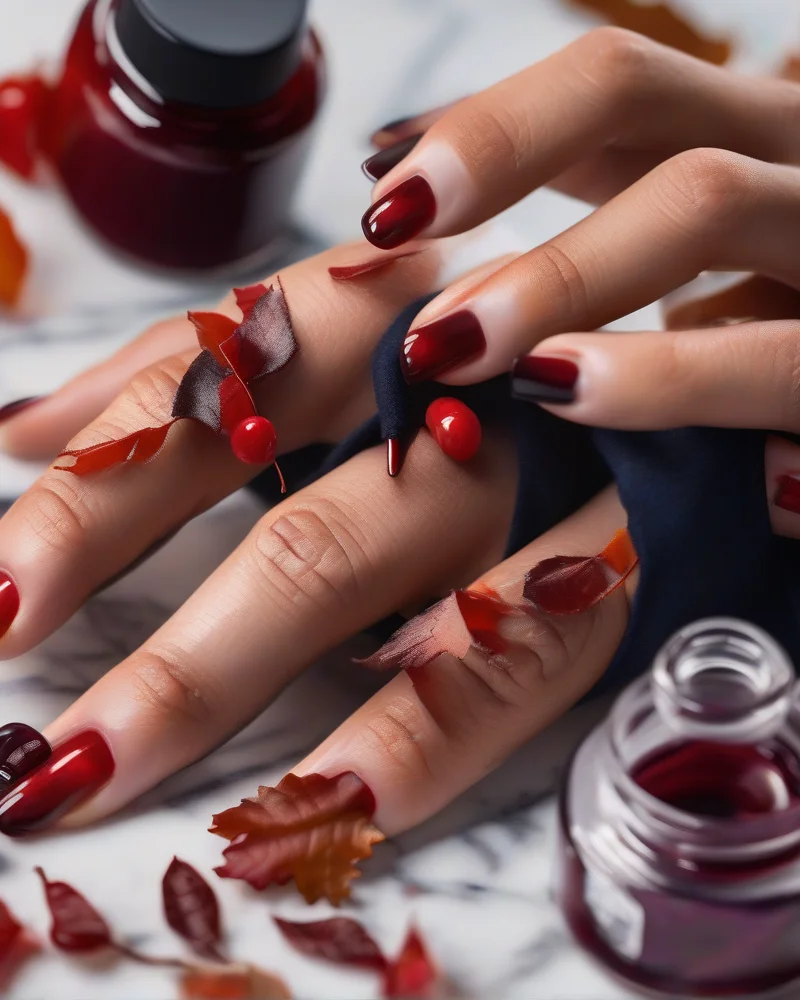
You do not need to discard your entire collection of bright summer jellies just because the temperatures are cooling down. In fact, one of the most sophisticated ways to curate a bespoke autumn manicure is through the art of nail polish mixology. By treating your existing lacquer stash as a palette of pigments, you can layer sheer summer formulas over opaque base coats to construct depth that store bought colors simply cannot replicate. Think of your sheer summer jelly polishes as tinted glazes. When you apply a translucent, vibrant berry jelly over a solid cream base, you are essentially creating a custom stained glass effect that feels seasonally appropriate and deeply dimensional.
For those looking to achieve a moody aesthetic, the science of layering is your greatest ally. Start with a foundation of a deep, opaque black or dark navy cream polish. Once this base is fully dry, layer two coats of a bright cherry red or a vibrant orange jelly on top. The dark base filters the light, causing the bright top layers to deepen into a rich, sophisticated oxblood or a burnt sienna. This technique allows you to control the exact saturation of your color, moving from a playful pop to a moody autumnal tone in mere minutes.
Texture also plays a pivotal role in this transition. You can drastically alter the final finish of your manicure by choosing the right top coat. To transform a glossy, high shine summer red into a muted, sophisticated matte oxblood, apply a high quality matte top coat over your layered manicure. The matte finish diffuses the light, softening the intensity of the pigment and giving the appearance of expensive velvet or suede. Here is a simple guide to perfecting your custom transitional shades:
- For a moody grape effect, layer a sheer purple jelly over a charcoal grey base.
- For a toasted bronze finish, layer a sheer coral jelly over a deep chocolate brown cream base.
- For a forest moss look, layer a bright lime jelly over a dark navy blue base.
- Always allow your base coat to reach full dehydration before applying the jelly layer to prevent bubbling or streaks.
- Utilize a glossy top coat first to lock in the color before finishing with a matte topper for the ultimate professional look.
By experimenting with these combinations, you move beyond mere nail painting and into the realm of professional color theory. This DIY approach not only saves you from purchasing new seasonal collections but also provides you with a signature color that is uniquely yours throughout the transition months.
What is the Best Strategy for Transitioning Gel vs. Regular Polish?
When navigating the seasonal shift from vibrant summer palettes to the moody, deep tones of autumn, the strategy you choose for your manicure maintenance is paramount. Gel polish remains the gold standard for clients seeking two to three weeks of high-gloss durability, making it an excellent choice for the busy start of the fall season. Because gel requires a specialized UV or LED curing process, the product creates a hardened, semi-permanent barrier that shields the natural nail plate against the early chills of fall. In contrast, regular lacquer offers flexibility. It allows you to pivot your aesthetic at a moment’s notice, which is ideal if you are experimenting with multiple trending colors throughout the month. If you are looking for specific inspiration during this period, you might find our guide on simple September nails to be a valuable resource for balancing ease with sophistication.
The re-application schedule differs significantly between these two methods. Gel enthusiasts should adhere to a strict removal cycle of fourteen to twenty-one days to prevent lifting and potential moisture entrapment. Conversely, regular polish requires more frequent attention, typically every five to seven days, to prevent chipping as the climate humidity decreases. Proper removal is the most critical step in preserving the health of your nail plate, especially when transitioning into darker, heavily pigmented shades like oxblood, navy, or espresso. For gel, you must use a professional acetone soak off method, gently pushing away softened product with an orange wood stick rather than picking or peeling, which strips away vital layers of the nail keratin.
To prepare your nail plate for the heavy pigment loads inherent in fall polishes, always prioritize a strengthening base coat. Deep autumnal pigments have a higher concentration of iron oxides and can sometimes cause surface staining. A ridge-filling base coat provides a physical buffer between the lacquer and your natural nail. Furthermore, as you transition, incorporate cuticle oil daily to maintain the flexibility of the nail unit. This ensures that when you apply dense, opaque fall colors, the surface is perfectly smooth, allowing for a professional, streak-free application that lasts longer regardless of whether you choose the resilience of gel or the versatility of traditional lacquer.
How Do Nail Art Designs Evolve as the Seasons Change?
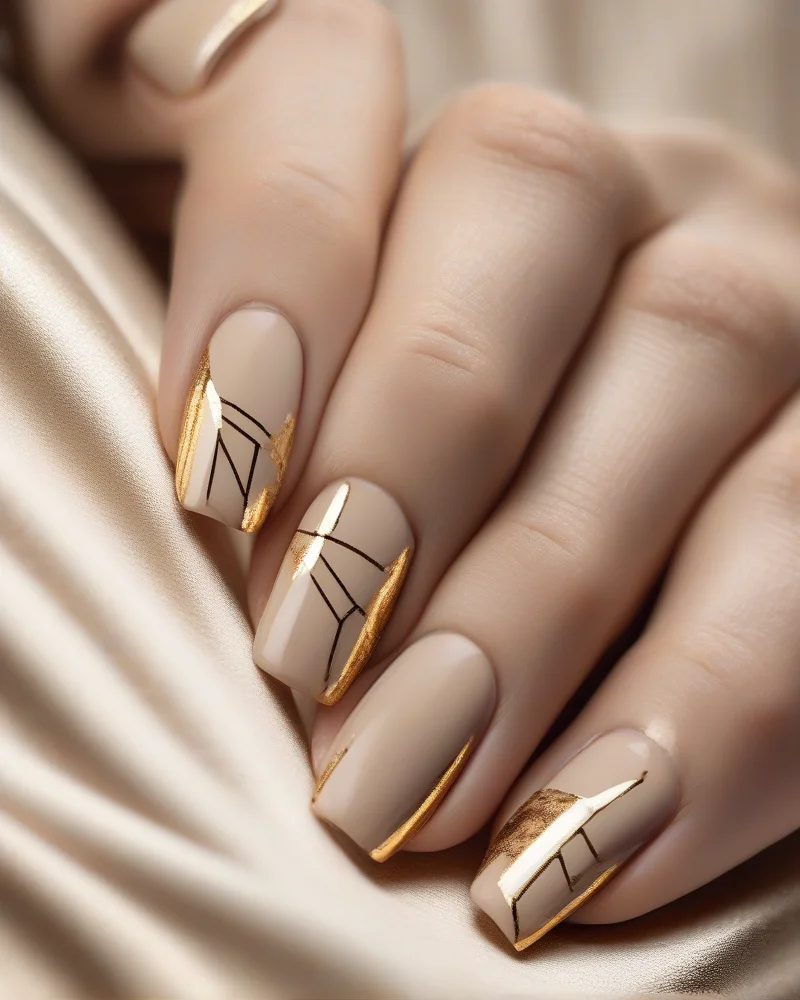
The evolution of nail art as we move from the high energy of summer into the grounded, sophisticated atmosphere of autumn is an exercise in intentionality. As the vibrant, saturated fruit motifs and whimsical floral patterns of July begin to fade, the aesthetic landscape shifts toward structural precision and understated elegance. This transition is not about abandoning your creativity but rather refining your palette and embracing new visual textures.
- From Botanical Playfulness to Geometric Structure: Summer nail art thrives on organic, freehand designs such as cherries, citrus slices, or dainty wildflowers. As the air turns crisp, the eye naturally gravitates toward symmetry. We are seeing a major shift toward geometric patterns that utilize sharp angles and grid lines. These designs offer a structured contrast to the fluid, soft shapes of summer, allowing you to maintain an artistic edge while honoring the shift in the seasons.
- The Rise of Quiet Luxury: The quiet luxury movement has become a cornerstone of modern beauty. This trend prioritizes high quality finishes, neutral color stories like taupe, espresso, and slate, and subtle detailing. To bridge the gap between seasons, opt for a milky base coat paired with delicate, gold leaf accents or thin, horizontal metallic stripes. This approach feels expensive and polished, providing a seamless transition from the carefree nature of summer vacations to the more professional, structured environment of the autumn months.
- Minimalist Line Work as a Seasonal Bridge: If you are not ready to dive fully into moody, dark autumn shades, minimal line work is your best ally. By incorporating a single, fine vertical line in a metallic bronze or copper over a sheer summer nude, you immediately shift the tone of your manicure toward fall. This technique serves as a bridge, maintaining the lightness of your summer aesthetic while introducing the refined, reflective quality of autumn palettes.
- Negative Space as an All Season Staple: Negative space designs remain incredibly relevant during this transition. By leaving parts of the natural nail visible, you keep the manicure feeling breathable and light, which mimics the lingering warmth of late summer. However, by swapping bright summer neon accents for deep forest greens or burgundy crescents in the negative space, you instantly ground the look for the cooler weather ahead.
Ultimately, the key to successful seasonal evolution lies in the blend of texture and tone. Whether you are opting for the soft luster of chrome finishes or the sharp, architectural precision of negative space art, remember that the most stylish transitions are those that feel curated, intentional, and perfectly tailored to your personal aesthetic.
What are the Must-Have Ingredients in Your Transition Season Top Coat?
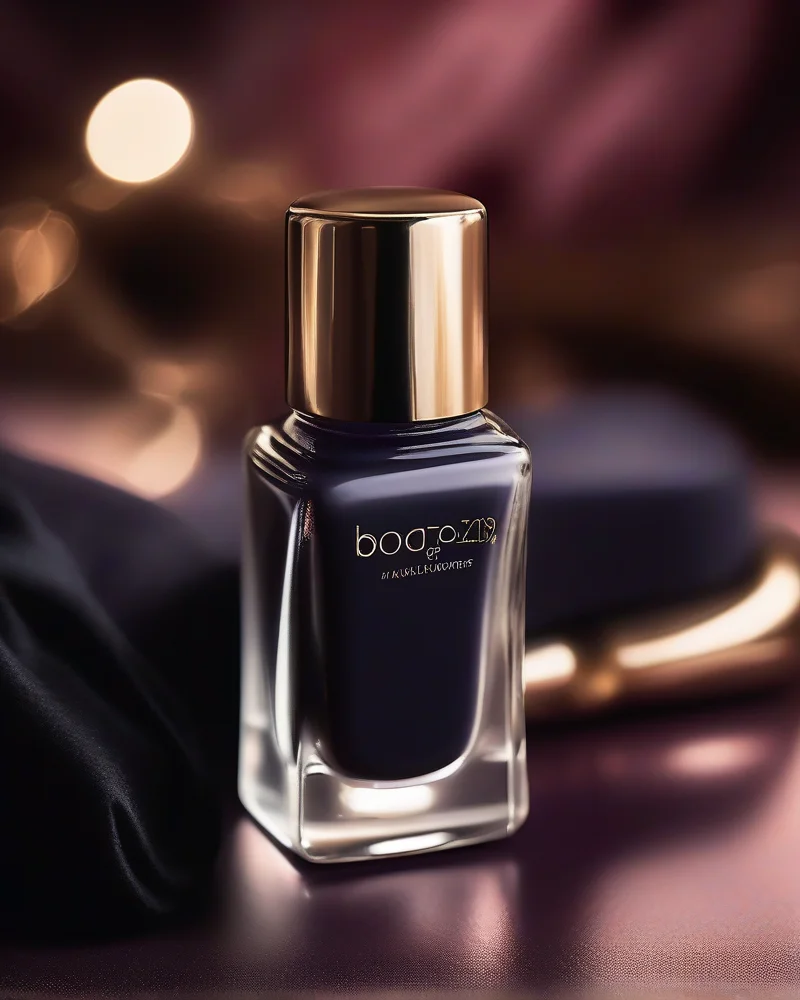
When you pivot from the luminous, sun drenched hues of July to the moody, sophisticated depths of October, the chemistry of your top coat becomes the most critical component in your manicure routine. A premium transition season top coat is not merely a clear lacquer; it is a complex formulation engineered to handle the shifting environmental factors of late autumn. The primary reason we lean toward plumping top coats when transitioning to darker shades is rooted in optical physics and resin density. Darker pigments like navy, oxblood, and forest green are highly prone to showing every microscopic ridge or uneven stroke. High gloss plumping top coats contain a higher concentration of ethyl acetate and specialized nitrocellulose resins that fill in these topographical imperfections. By creating a thicker, glass like barrier, they provide the depth necessary to give deep pigments a dimensional, professional finish that thin formulas simply cannot replicate.
Furthermore, the shift from high sun exposure to lower light environments requires a specific chemical defense system. During the height of summer, your nails are subjected to intense UVA and UVB rays which accelerate the degradation of pigments and lead to yellowing. To combat this, elite top coats utilize advanced UV inhibitors like benzophenone 1 or benzophenone 3. These agents absorb or scatter harmful radiation before it reaches the pigment layer, effectively acting as a high performance sunscreen for your manicure. As we move into the dimmer light of autumn, these inhibitors prevent the base colors from shifting or dulling.
You should also look for formulas enriched with optical brighteners, specifically those that use violet tinting technology at a molecular level. These agents neutralize the yellow undertones that naturally develop as nitrocellulose ages, ensuring that your transition shades remain crisp and true to their intended hue. Whether you are sporting a sheer nude or a vampy espresso, these chemical stabilizers ensure that your color integrity remains uncompromised by the environmental shift. Pro tip: Always allow a slightly longer cure or drying time when using high density plumping top coats during cooler months, as the lower ambient temperature can slightly alter the evaporation rate of the solvents, potentially leading to smudging if you rush the process.
How to Achieve the Perfect ‘Latte’ and ‘Espresso’ Manicure Look?

The aesthetic bridge between the sun-drenched days of August and the crisp, cooling atmosphere of October is best captured by the monochromatic warmth of the latte and espresso manicure trends. While you might still be reminiscing about your colorful Y2K nail art for summer, the seasonal shift demands a more sophisticated, tonal palette that mimics your favorite coffee shop order. The latte nail look focuses on creamy nudes, milky beiges, and soft caramels, while the espresso trend introduces deep, decadent chocolate browns that ground your style as the days shorten. Achieving this transition is less about discarding your summer aesthetic and more about deepening your color saturation to match the changing environment.
To master the viral gradient look currently saturating Pinterest and Instagram, you need to master the art of the monochromatic fade. Start by preparing your nail plate with a high-quality base coat to ensure a smooth canvas. First, paint your thumb and index finger with the lightest creamy latte shade, moving toward a medium mocha on your middle finger, and ending with the deepest, richest espresso tone on your ring and pinky fingers. If you prefer a blended gradient on every single nail, use a makeup sponge to dab the lighter shade at the cuticle and the darker shade toward the tip. Once the colors are applied, gently tap the sponge to marry the two tones together in the center of the nail bed. Always finish with a high-gloss, ultra-durable top coat to seal the edges and provide a professional, salon-grade finish.
For those who want to elevate the look further, consider a matte finish for your espresso nails. A velvet-matte top coat provides a cozy, tactile feel that perfectly complements oversized sweaters and warm scarves. Remember that the secret to this trend lies in the undertones. If your skin has warm, golden undertones, look for coffee shades with hints of red or orange. If your skin is cooler, lean into taupe-based browns or cool-toned cocoa hues. By curating your polish selection around these undertones, you ensure that your seasonal transition feels intentional, polished, and effortlessly chic as you move deeper into the autumnal months.
Common Questions About Seasonal Nail Health
As we pivot from the sun drenched aesthetics of August toward the moody, sophisticated tones of autumn, it is natural to wonder if our nail care rituals require a fundamental shift. Below are the most frequent inquiries we receive regarding seasonal nail health and how to maintain salon quality results during this transition.
Does my diet affect nail strength during season changes?
Absolutely. Your nails are a direct reflection of your internal wellness. As environmental humidity levels drop during the fall, your body often directs hydration to vital organs rather than extremities. To combat brittle nails, prioritize a diet rich in omega three fatty acids, which you can find in walnuts and salmon. Additionally, increasing your intake of collagen peptides and zinc can support the structural integrity of your keratin layers, preventing the peeling that often occurs when we move from humid summer air into dry, artificial indoor heating.
Should I switch to biotin during the fall?
While biotin is a popular buzzword in the beauty industry, it is not always a magic bullet. If your nails are thinning or splitting due to the seasonal transition, first look at your hydration status and protein intake. If you do choose to supplement, consult with your physician to ensure the dosage is correct. Instead of relying solely on internal supplements, we recommend a topical approach. Using high quality, cuticle oils formulated with jojoba and vitamin E provides immediate nourishment to the nail matrix. This targeted hydration is often more effective than oral supplements for addressing the environmental stressors of early autumn.
Is it safe to get back to back gel manicures in transition months?
Many clients worry that constant gel wear compromises nail health. The truth is that the gel process itself is rarely the culprit, but the removal process is. If you frequent the salon for back to back gel services, ensure your technician is using gentle filing techniques. During the dry autumn months, your nails become less flexible. This makes them prone to micro fractures if the nail plate is overbuffed. We advise a ‘rest and reset’ period every third manicure. During this downtime, apply a strengthening treatment or a clear protein base coat to allow the nail plate to breathe and recover its natural oil balance before your next moody espresso or deep burgundy color application.
Why Minimalist Chrome is the Ultimate Transitional Finish
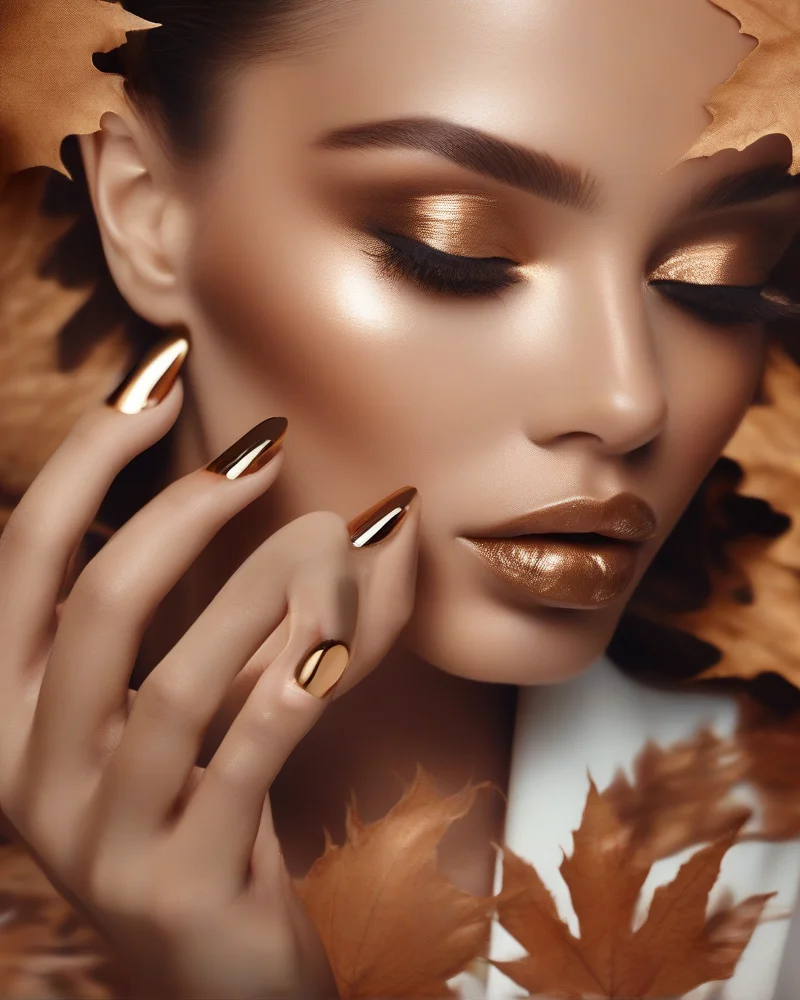
When the sun begins to set earlier and the air turns crisp, your manicure needs to evolve to match the changing landscape. Minimalist chrome has emerged as the definitive transitional finish because it bridges the gap between the high reflectivity of summer and the cozy, gilded aesthetics of autumn. The science behind this effect lies in the physics of light refraction. Chrome powders are composed of ultra fine metallic pigments that act like microscopic mirrors when buffed into a tacky gel base. Instead of absorbing light like traditional opaque polishes, these particulates scatter and reflect light with high intensity. This creates a dimensional depth that mimics the way sunlight dances on the ocean during August, while simultaneously providing the luster of burnished metals that define October style.
Choosing a gold or bronze chrome is the most effective way to navigate this seasonal shift. Gold is a chameleon shade that harmonizes perfectly with sun-kissed summer skin while simultaneously foreshadowing the rich, metallic tones of fall fashion. Bronze, on the other hand, adds a deeper, earthier warmth that complements the transition toward pumpkin, rust, and espresso color palettes. These metallic finishes act as a bridge because they possess the buoyancy of summer brightness and the grounding weight of autumnal luxury.
Achieving that flawless, mirror-like finish requires precision and the right technique. To get a high-shine, streak-free result, you must start with a smooth canvas. Follow these professional application tips to elevate your minimalist chrome manicure:
- Apply a high-quality, tack-free gel top coat and cure for exactly thirty seconds to ensure the surface is receptive to the pigment.
- Use a soft silicone tool or a dedicated sponge applicator to gently buff the powder into the nail, starting at the cuticle and working toward the free edge.
- Apply pressure in circular motions to ensure the metallic particles lie flat, which maximizes light reflection.
- Dust off any loose excess pigment using a fluffy, soft bristled brush before sealing the look.
- Always cap the free edge with a second layer of top coat to prevent premature chipping or fading at the tips.
By mastering this technique, you ensure your manicure remains sophisticated and durable as you move through the seasonal transition. Minimalist chrome is not just a trend but a functional finish that offers both durability and a high-fashion edge for the modern nail enthusiast.
Final Checklist: Your Transition Manicure Plan

Transitioning your manicure from the vibrant, high-energy palettes of summer to the grounded, sophisticated tones of autumn requires more than just a quick color swap. To maintain the structural integrity of your nail plate while staying ahead of seasonal trends, you must adopt a holistic approach to nail care. Follow this comprehensive checklist to ensure your nails remain strong, healthy, and stylish throughout the changing seasons.
- Hydration as the Foundation: As temperatures drop and humidity levels decrease, the nail matrix and surrounding cuticle area become prone to dehydration. Invest in a high-quality, jojoba-based cuticle oil to replenish lost moisture. Apply this twice daily to prevent hangnails and brittle, peeling edges. A well-hydrated nail plate is more flexible and less likely to snap under the pressure of seasonal temperature fluctuations.
- Strategic Color Selection: The bridge between summer and fall is best crossed using transitional pigments. Look for muted terracotta, deep espresso, or sophisticated olive green. These shades provide the necessary depth for autumn without feeling overly heavy. If you are not ready to abandon bright tones entirely, consider a transition aesthetic by incorporating a minimalist chrome topcoat, which adds a futuristic, pearlescent glow that works beautifully over both summer pastels and emerging fall neutrals.
- Precision Shape Refinement: Seasonal shifts are the perfect time to reassess your nail shape. If your summer nails were long and squared to accommodate beach activities, consider transitioning toward a shorter, rounded, or soft almond shape. A shorter length reduces the leverage on the nail bed, minimizing the risk of breakage as your nails adjust to the drier, cooler air of the coming months. File in one direction only to prevent microscopic tears that lead to splitting.
- Top Coat Protection: Never underestimate the power of a professional-grade top coat. Beyond providing an aesthetic finish, a high-gloss or matte top coat acts as a chemical barrier against environmental stressors. If you are using at-home gel kits, ensure you are not over-curing the product, as this can lead to dehydration of the nail plate. For regular polish users, reapply a thin layer of top coat every three days to seal the free edge and maintain the luster of your transitional manicure.
By treating your transition manicure as a ritual of maintenance rather than just a cosmetic upgrade, you ensure that your nails stay resilient. Consistency is the primary factor in nail health. By balancing aesthetic trends with diligent hydration and shape refinement, you will navigate the seasonal shift with elegance and expert-level poise.
The transition from summer to fall is the most creative period in the beauty calendar. By prioritizing both color psychology and nail health, you ensure that your transition is as seamless as it is stylish. Remember, the secret to the perfect transition isn’t just the polish—it’s the preparation and the narrative you create with your color choices. Stay bold, stay hydrated, and let your nails tell the story of the changing seasons.