Bandana Hair Styles for Bad Hair Days

A bandana hairstyle is the ultimate 10-second hack to instantly transform a greasy or unstyled mane into a high-fashion statement. Whether you are dealing with flat roots, frizzy flyaways, or simple bedhead, the right fabric knot is your best defense against a ‘bad hair day.’ While we often focus on keeping our hands pristine at [Nailosmetic](https://nailosmetic.com/), a perfectly coordinated bandana can turn a messy hair day into your most curated aesthetic yet. Why are top influencers suddenly ditching heat tools for silk squares? It isn’t just about hiding imperfections; it’s about the architectural elegance a simple fold provides. This guide breaks down the exact techniques to secure your bandana, the best fabric textures for hair health, and how to style them to look expensive, effortless, and entirely intentional. Discover why the bandana revival is the industry’s best-kept secret for looking polished on the go.
Why are bandanas the ultimate solution for bad hair days?
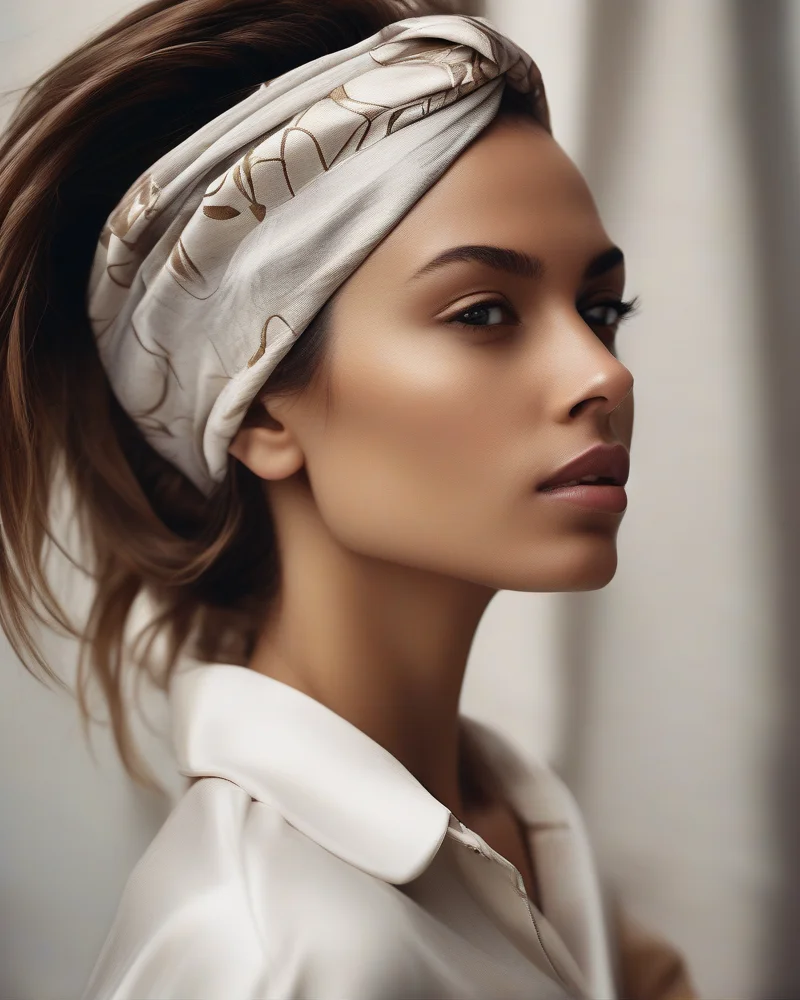
When your hair refuses to cooperate, the bandana emerges as the ultimate accessory for both hair health and aesthetic salvation. At its core, the bandana acts as a sophisticated physical barrier that shields your delicate strands from environmental pollutants such as particulate matter, smoke, and harsh UV radiation. By covering the hair shaft, you effectively minimize oxidative stress that leads to dullness and brittleness over time. Beyond mere protection, this accessory is a master of sebum management. On days when your scalp produces excess natural oils, the fabric of the bandana absorbs moisture and masks the sheen at the roots, allowing you to bypass a full wash cycle without sacrificing your personal style.
The transition toward the lazy but luxe trend reflects a broader cultural shift toward prioritizing hair integrity over punishing daily routines. Relying on high heat tools like flat irons or curling wands strips the hair of its internal moisture and weakens the keratin structure, resulting in split ends and rampant breakage. By choosing heatless styling via a silk or cotton bandana, you are making a conscious decision to preserve your hair follicles. Wrapping your hair allows you to cultivate texture without the thermal damage associated with traditional styling methods. This approach is superior because it maintains the structural elasticity of your hair while you navigate a busy schedule.
Adopting this method allows for a seamless blend of functionality and high fashion. Whether you are aiming for a classic pin up look or a modern bohemian aesthetic, the bandana provides a structured silhouette that conceals bedhead and unruly flyaways instantly. Pro tip: Opt for mulberry silk bandanas to minimize friction against the cuticle layer, which prevents unwanted frizz and breakage during the day. By incorporating this simple step into your morning ritual, you transform a potentially frustrating bad hair day into an opportunity for effortless chic. The bandana does not just hide your hair, it actively contributes to a healthier scalp environment by preventing the transfer of impurities from your hands to your tresses throughout the day. Embracing this accessory ensures that your hair remains protected, hydrated, and perpetually styled, proving that the best hair solutions are often the simplest ones.
What is the best fabric for protecting your hair strands?
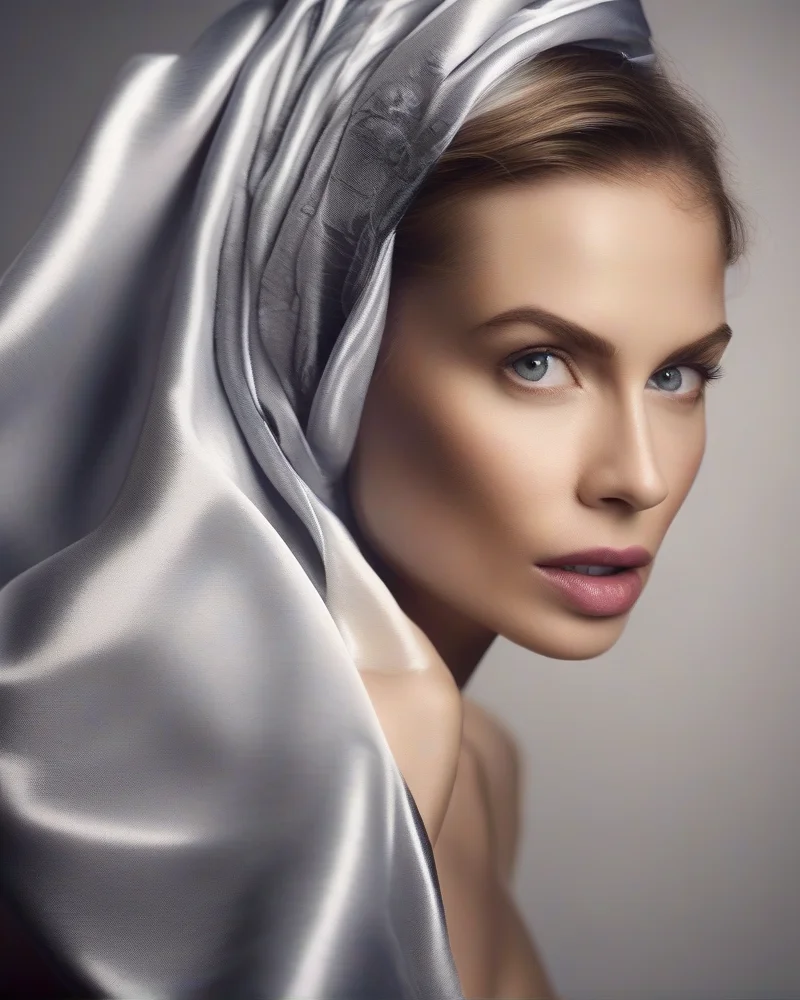
When choosing a bandana to conceal a bad hair day, the fabric you select is just as important as the style itself. Many people treat hair accessories as simple fashion items, but the reality is that the material resting against your delicate strands can either heal or harm your hair health over the course of a day. To maintain the integrity of your hair cuticle, you must prioritize materials that offer a smooth, friction-free surface.
- 100% Mulberry Silk: Silk is widely considered the gold standard for hair protection. Because it is a natural protein fiber, it possesses a similar structure to human hair, allowing it to glide over your tresses without creating resistance. This significantly reduces the risk of mechanical breakage and prevents the dreaded micro-frizz that occurs when hair rubs against rougher surfaces. Silk also helps lock in natural oils, keeping your hair hydrated throughout the day.
- Satin (Charmeuse Weave): Satin is an excellent, more accessible alternative to pure silk. It is defined by its weave rather than a specific fiber, usually crafted from synthetic or natural blends that create a glossy, frictionless surface. Like silk, satin prevents tangles and keeps hair smooth. It is the perfect option for those who want the moisture-retaining benefits of high-end materials without the premium price tag.
- Cotton: While cotton bandanas are popular due to their durability and availability, they are often the enemy of hair health. Cotton is highly absorbent and features a porous, textured surface. As you move throughout the day, the microscopic fibers of the cotton fabric act like sandpaper, lifting your hair cuticles and stripping away vital moisture. This leads to dry, brittle hair and the development of unwanted frizz that can ruin your style.
- Synthetic Blends: Cheap, synthetic blends often lack the breathability and smoothness of high-quality fabrics. Many synthetic bandanas create static electricity, which causes hair to fly away and become tangled. They often trap heat against the scalp, which can lead to oil buildup and scalp irritation. If you choose a synthetic blend, ensure it has a soft, satin-like finish to mitigate friction.
Pro-Tip from the Nailosmetic Team: If you find a cotton bandana you love for the print, consider lining the interior with a thin layer of satin fabric. This allows you to embrace your favorite aesthetic while still providing the friction-free barrier your hair cuticle desperately needs to remain glossy, healthy, and perfectly smooth.
How to execute the ‘Classic Bohemian’ bandana fold?
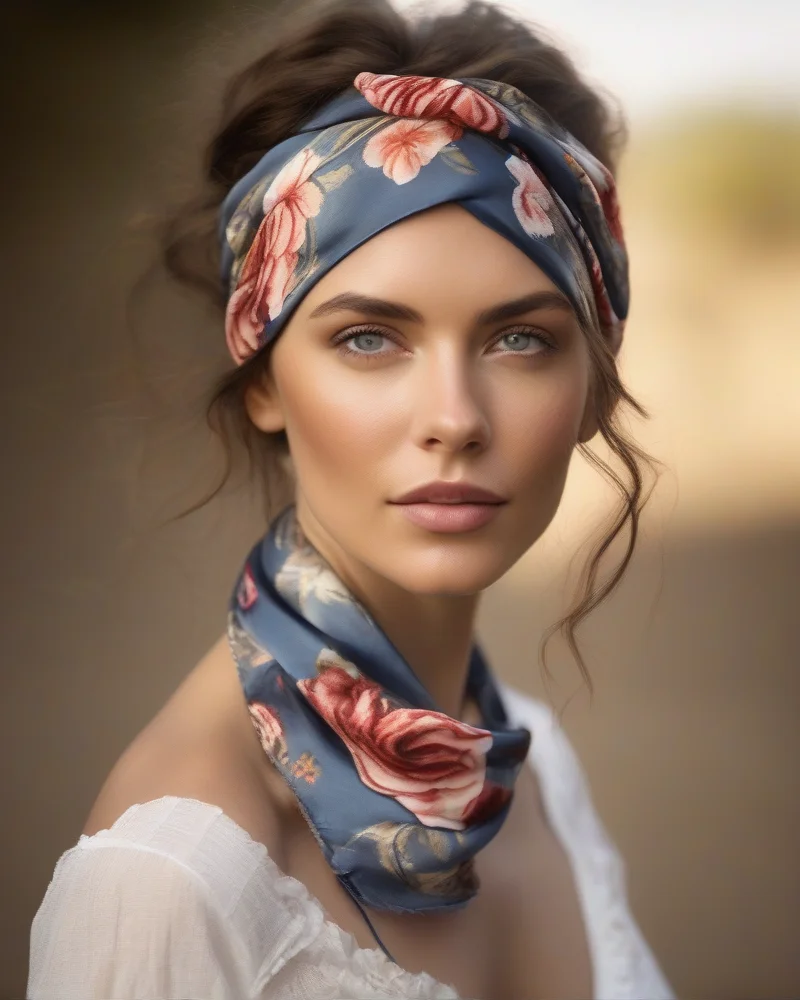
The Classic Bohemian look is the gold standard for effortless, chic style, particularly when your locks need a little help. To execute this look perfectly, start with a square bandana that is approximately twenty inches in size. Lay the fabric flat on a surface and fold it once diagonally to form a perfect triangle. This shape is the foundation of the entire aesthetic, as it allows the bandana to lay smoothly against the crown of your head without bunching. When you place the bandana on your head, align the long folded edge about one inch behind your hairline. This positioning is critical because it ensures your hair frames your face naturally while preventing the fabric from pulling too tightly on your fragile baby hairs.
Once the fabric is in place, gather the two remaining corners at the nape of your neck. To achieve the signature double-knot technique, pull the ends firmly toward the back, ensuring there is a slight slack before you tie. Create the first knot to secure the bandana, and then follow up with a second knot to ensure it stays in place throughout the day. A major pro-tip for comfort is to tuck the loose ends of the bandana underneath the knot, which provides a clean, polished finish. If you are looking for more inspiration on how to style your tresses alongside accessories, be sure to browse our hairstyles for women ultimate guide for additional expert techniques.
Regarding the health of your scalp, it is vital to avoid excessive tension. Traction alopecia occurs when hair follicles are constantly pulled or stressed by tight accessories, so always check that your double-knot is secure but not restrictive. If you feel a pulling sensation at your temples or nape, your bandana is likely too tight. Simply loosen the fabric slightly; the bandana should feel like a soft headband rather than a tourniquet. Using a silk or satin bandana also significantly reduces friction, ensuring that your hair strands remain protected from breakage even on your busiest days. By balancing the tension and selecting the right material, you can rock the bohemian style comfortably for hours on end.
Can you wear a bandana with a high bun or top knot?
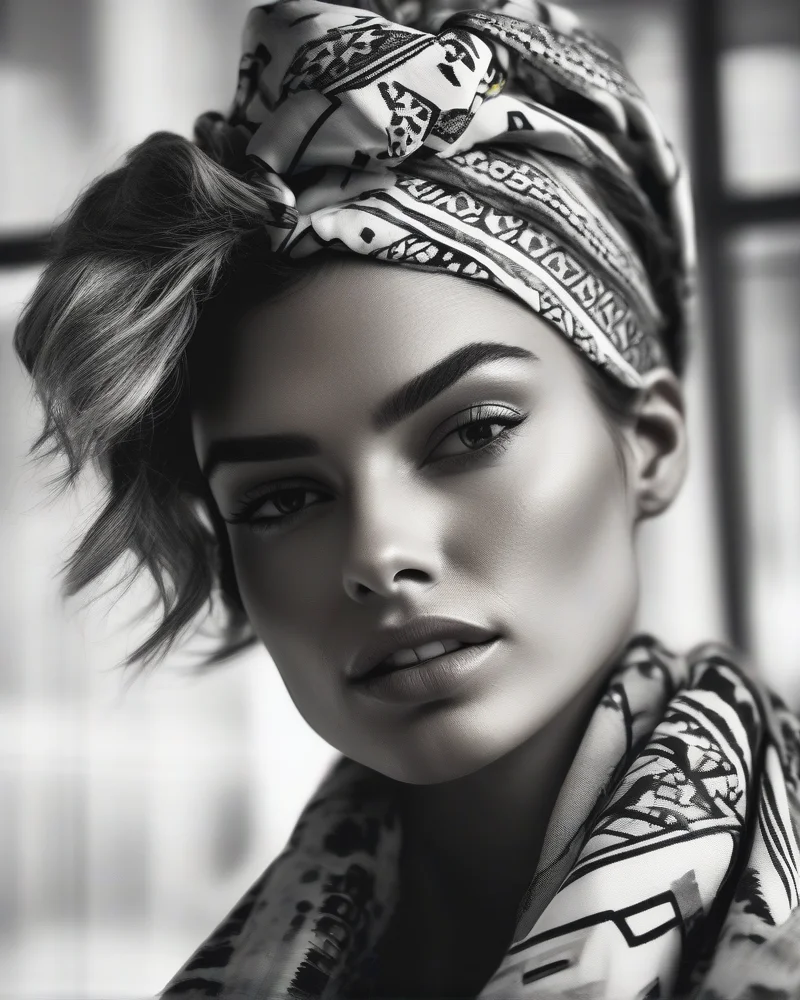
When you are grappling with a chaotic morning and your hair simply refuses to cooperate, the high bun or top knot often becomes your default survival strategy. Fortunately, integrating a bandana into this look is not only possible but arguably the most sophisticated way to elevate a messy hairstyle. The secret weapon in your styling arsenal is the Headband Tuck method. This technique involves folding your bandana into a thin, long strip and tying it around your head, with the knot placed securely at the nape of your neck or tucked discreetly beneath the bun itself. Once the fabric is positioned, you gently pull the front edges of the bandana over your hairline and tuck loose strands or stubborn flyaways underneath the material. This creates a polished, intentional appearance while simultaneously adding significant volume to the crown of your head, making your messy bun look like a curated piece of editorial hair art.
The beauty of the Headband Tuck lies in its ability to anchor your style. By weaving the bandana around the base of your top knot, you effectively mask the elastic band and any uneven texture that usually accompanies second day hair. To maximize this effect, we highly recommend selecting high contrast patterns. During a busy morning commute, your visual aesthetic needs to stand out, and bold geometric prints or striking paisley designs provide exactly the right amount of distraction and flair. These high contrast patterns draw the eye toward the intentional styling choice of the accessory rather than the texture of your hair. As you navigate a frantic rush, these vibrant patterns serve as a strategic distraction that hides greasy roots or uneven growth patterns. By choosing a silk or satin blend, you also ensure that your delicate hair strands remain protected from friction throughout the day. Pro-tip: for added security, use two small bobby pins at the temples to lock the bandana in place, ensuring your sleek, voluminous top knot stays perfectly centered from your front door all the way to your final meeting.
How do you achieve the retro-inspired ‘Pin-Up’ look?
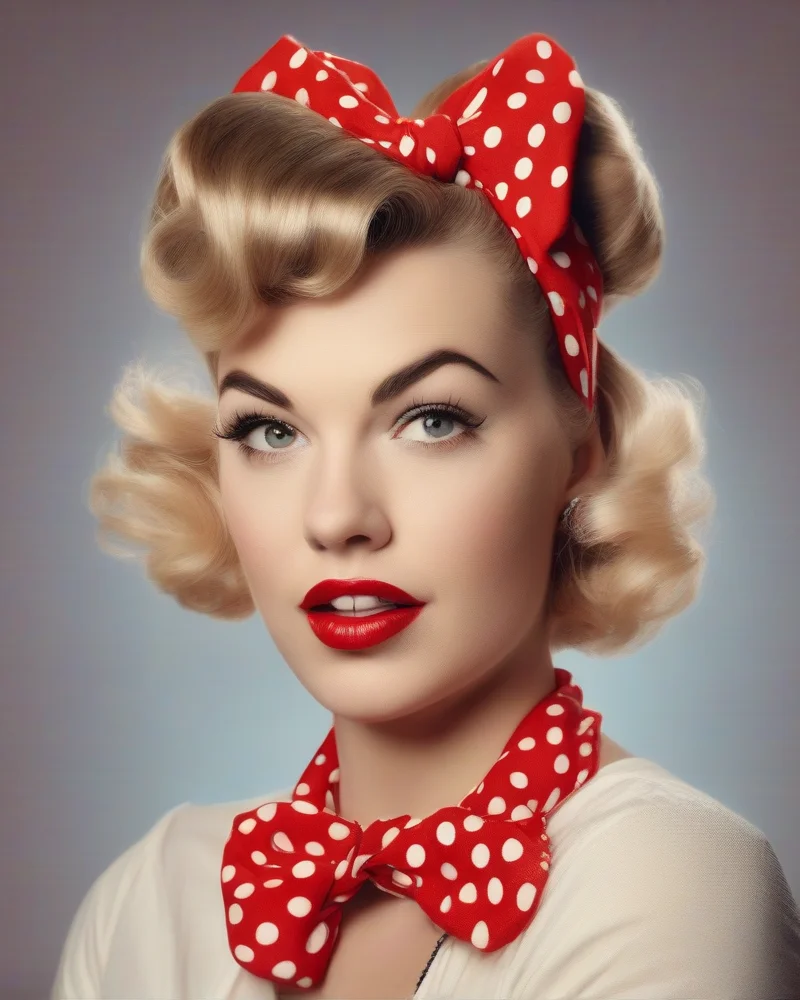
Achieving the quintessential pin-up aesthetic is all about mastering the art of the perfect knot. This retro-inspired look relies on structure and precision to elevate a simple accessory into a bold fashion statement. To start your transformation, you must first fold your bandana correctly to create a sleek, uniform band. Begin by laying your bandana flat on a table in a diamond shape. Take the top corner and fold it down to meet the bottom corner, creating a large triangle. From there, begin rolling the fabric from the wide base toward the pointed tip. Continue this process until you achieve a long, consistent strip of fabric about two inches wide. This specific width is crucial because it provides enough surface area to stay secure on your head without appearing too bulky or overwhelming your features.
Once your bandana is rolled into a thin, firm strip, you are ready for the placement phase. Position the center of the band against the nape of your neck, pulling both ends up toward the crown of your head. Instead of tying a flat knot at the top, aim to create a playful, upright bunny-ear bow. Pull the ends together at the very front of your hairline, slightly off-center for an authentic vintage flair, and tie a double knot. Gently tuck the loose ends into the fold of the bandana to keep the silhouette clean and polished.
To avoid a harsh or overly severe look, it is vital to soften the frame around your face. If you have bangs, let them peek out from underneath the front of the bandana. Use a light pomade or texture spray to define individual pieces, ensuring they look intentional rather than messy. For those without fringe, pull out a few face-framing layers or wispy tendrils near your temples and ears. Using a small curling iron to add a soft wave to these strands creates a romantic, feminine contrast against the structured bandana. This technique prevents the headwrap from looking like a utility tool, instead transforming it into a sophisticated accessory that highlights your eyes and bone structure. By balancing the tightness of the knot with these softened, loose sections of hair, you achieve a harmonious pin-up look that feels both classic and effortlessly modern.
Which hairstyles work best for gym-to-brunch transitions?
Transitioning from an intense morning workout to a sophisticated weekend brunch requires a strategy that balances functional hold with elevated aesthetic appeal. When your hair is damp from perspiration, the primary goal is to hide texture irregularities while maintaining a look that appears intentionally curated. The secret to this seamless pivot lies in the foundation you build before you even head to the gym.
Before securing your bandana, apply a high quality dry shampoo at the roots to absorb excess moisture and add immediate lift. Following this, a lightweight texturizing spray is essential to provide the necessary grip for your wrap. These products act as a structural base, preventing the fabric from slipping during movement and ensuring that your hair maintains volume once you remove the wrap at the cafe. If you are looking to complement your refreshed post-workout look, consider how a bold pop of color on your lips can distract from messy strands; many of our readers find inspiration in daring lipstick trends to tie their entire aesthetic together effortlessly.
| Workout Phase | Brunch Transition | Key Product |
|---|---|---|
| Sweat Proof Wrap | Loose Relaxed Knot | Dry Shampoo |
| High Tension Ponytail | Half Up Half Down | Texturizing Spray |
| Full Coverage Turban | Headband Style | Volumizing Powder |
| Sweat Band Placement | Side Swept Accessory | Light Hold Hairspray |
To execute the perfect transition, start by wearing your bandana as a sweat-wicking head wrap during your fitness routine. Once you arrive at the brunch venue, remove the bandana to fluff your hair. If the roots appear flat, use your fingers to rake through your strands, redistributing the dry shampoo. For the brunch-appropriate finish, fold your bandana into a thinner strip rather than a full triangle. Tie it into a chic side knot or a classic bow at the nape of the neck. This shifts the focus from a functional athletic accessory to a refined fashion statement that complements your outfit without requiring a complete wash or restyle. By utilizing the texture already present in your hair from the day, you transform a bad hair day into a purposeful, polished, and effortless look.
Are bandanas damaging to your hairline?
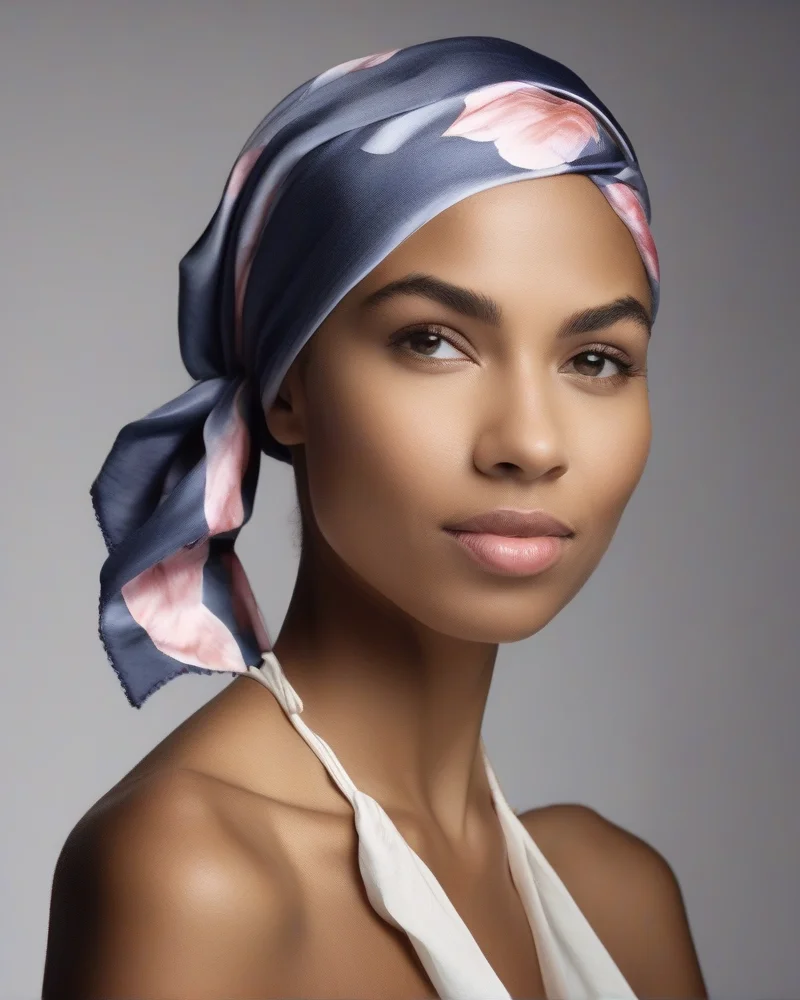
Are bandanas damaging to your hairline?
Q: Can wearing a bandana lead to hair loss or hairline damage?
A: When worn incorrectly, bandanas can indeed contribute to a condition known as traction alopecia. This occurs when the hair follicles are subjected to constant, repetitive pulling. Because bandanas often sit directly against the delicate hairs of your front hairline, using too much tension while tying the fabric can lead to thinning, breakage, or receding edges over time. However, this risk is entirely avoidable. A bandana is a protective styling tool when managed with care, providing a soft barrier against friction while elevating your aesthetic on those difficult hair days.
Q: What are the best practices for a tension free wrap?
A: To protect your follicles while maintaining a polished look, focus on the following techniques:
- Prioritize the hairline position: Place the bandana so that it rests gently on your hairline rather than pulling the hair taut against your scalp. If you notice your forehead skin being pulled back, the wrap is far too tight.
- Leave the ears out: Positioning your bandana slightly behind or above the ears reduces the structural pressure placed on the temples. This simple adjustment prevents the fabric from digging into your skin and pulling on those sensitive strands near your ears.
- Loosen the knot: Secure your bandana with a gentle knot or a tuck rather than pulling it tight to keep it in place. If you are worried about slippage, use a velvet wig grip or a thin silicone headband underneath the fabric to provide non slip friction without needing excessive tension.
- Choose gentle fabrics: Opt for silk or high quality satin bandanas whenever possible. These materials provide a smooth surface that glides against your hair strands, drastically reducing the friction and mechanical stress that often cause breakage.
Q: How do I know if my bandana is too tight?
A: Your scalp should never feel tender or itchy after removing a head wrap. If you notice flattened hair, indentations on your forehead, or persistent discomfort after wearing your bandana, you are likely applying too much pressure. Always aim for a fit that feels secure but allows you to slide a finger easily beneath the fabric. By rotating your styles and ensuring your scalp has time to breathe, you can safely enjoy the versatility of bandana fashion without compromising your hair health.
How to style a bandana with short hair or a pixie cut?
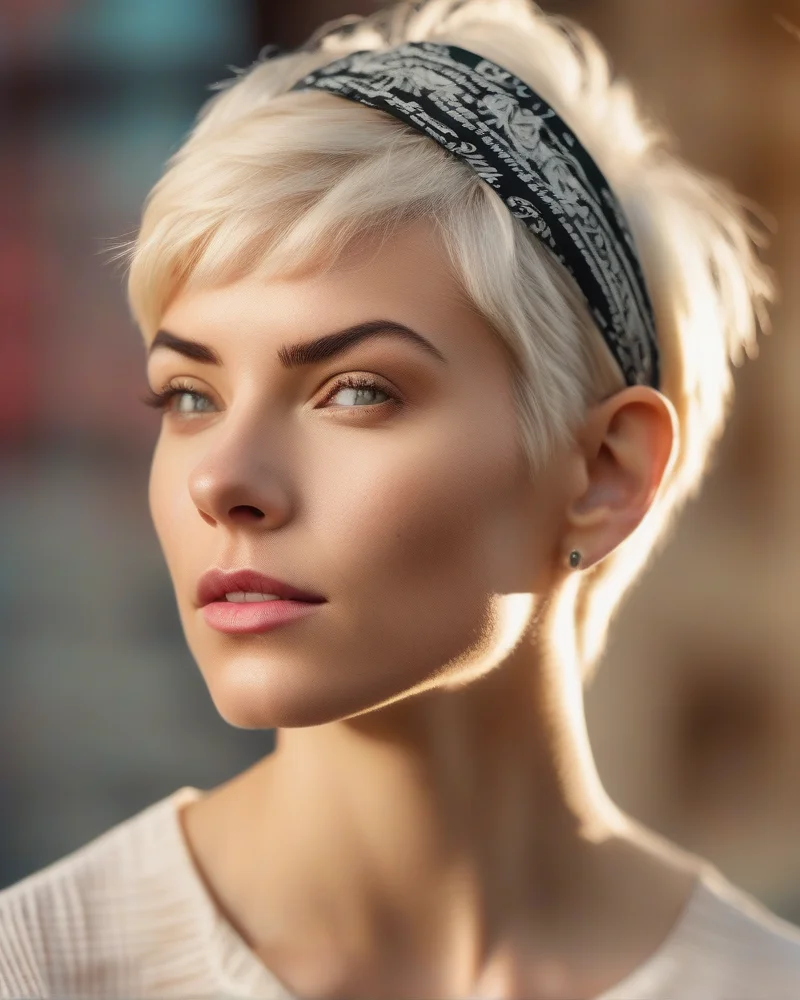
When you have a pixie cut or a shorter bob, a bandana is not merely a tool to hide unwashed roots or a chaotic texture. It is a strategic styling tool that can introduce dramatic structural height and chic volume to an otherwise flat silhouette. The trick lies in shifting your perspective from using the fabric as a full cover-up to utilizing it as a foundational accessory that highlights your facial features. To achieve this, fold your bandana into a thin band rather than wearing it as a triangle. By placing the fabric slightly back from your hairline, you expose just enough of your bangs or textured fringe to maintain the integrity of your haircut while pushing the hair upward for an intentional, voluminous lift.
For short hair enthusiasts, the primary challenge is slippage. Because pixie cuts lack the weight and surface area of longer hair, your bandana needs an anchor. This is where your bobby pin arsenal becomes essential. Instead of relying on the knot alone, tuck a bobby pin vertically behind your ears on both sides to lock the folded fabric into your hair. For extra drama, consider backcombing the hair at the crown before applying your bandana. This creates a soft, lifted base that prevents the fabric from sliding and gives your style a sophisticated, vintage-inspired architecture that looks polished and deliberate.
You can also play with placement to alter your look entirely. Positioning the knot near the crown of your head creates a playful, retro aesthetic that adds significant height, while pinning the bandana closer to the nape of your neck offers a sleek, minimalist vibe. If you have layers, pull a few wispy strands out around your temples to frame your face and soften the look. Remember that your goal is to marry the bandana with your cut, making them feel like a cohesive styling unit. By mastering these placement techniques and securing your accessory with hidden pins, you transform a bad hair day into a purposeful style statement that celebrates your short hair rather than masking it.
What are the essential color coordination tips for outfits?
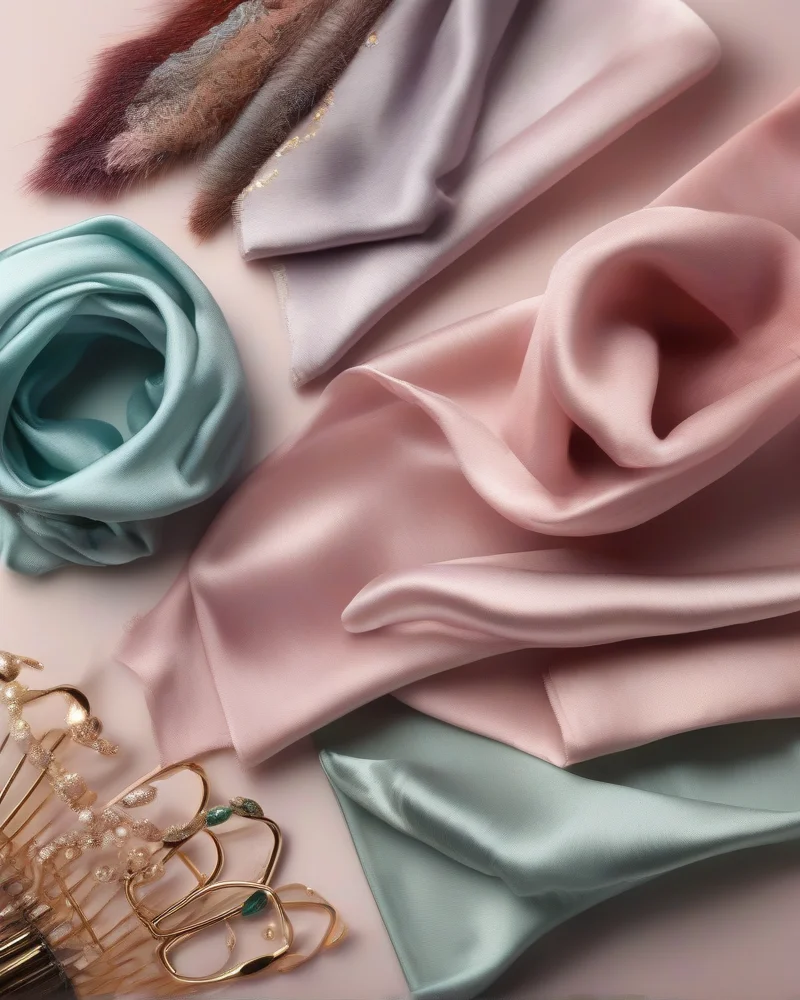
When elevating your look with a bandana, treat the accessory as the primary focal point of your outfit rather than an afterthought. Integrating a bandana into your daily wardrobe requires a fundamental understanding of color theory, as the right hue can brighten your complexion while the wrong one can wash it out. To master this, consider your bandana a statement piece that bridges the gap between your hair texture and your textile choices.
Here are the essential color coordination strategies to ensure your bandana style remains sophisticated and on trend:
- Seasonal Palette Alignment: Embrace the natural flow of the year by rotating your colors. During the spring, gravitate toward soft pastels like lavender, sage green, or buttery yellow to reflect renewal. Transition into autumn by swapping these for rich, grounded jewel tones such as emerald, sapphire, or deep plum, which pair perfectly with the textures of fall fashion.
- The Anchor Technique: Use your bandana to anchor a monochromatic outfit. If you are wearing a neutral beige or white ensemble, a vibrant red or cobalt blue bandana serves as a high contrast point that draws the eye upward. This is an excellent way to balance a shaggy bob haircut for 90s aesthetic vibes, as the bold color frames the messy, textured layers of the cut perfectly.
- Complementary Color Theory: Consult a standard color wheel to identify complementary pairings. If you are wearing a navy denim jacket, an orange or terracotta bandana provides a striking visual pop. This contrast makes the accessory feel deliberate and styled by a professional stylist rather than a quick fix for a bad hair day.
- Pattern and Print Scaling: When selecting patterned bandanas, consider the scale of your clothing. If your outfit features heavy prints or logos, opt for a solid colored bandana to avoid visual clutter. Conversely, if you are wearing a simple black turtleneck or a minimalist slip dress, feel free to introduce intricate paisley or geometric prints to add dimension to your overall aesthetic.
- Tone Matching for Skin Undertones: Always match your bandana color to your skin tone. Cool undertones benefit from silver, icy blues, and true pinks, while warm undertones look radiant in gold, olive, mustard, and warm oranges. Treating the bandana as a framed accessory near your face makes it a vital tool for enhancing your natural glow.
By treating the bandana as a key fashion accessory, you transform a bad hair day into a purposeful style statement. Remember that consistency in your color story is what differentiates a messy morning scramble from a well curated ensemble.
How do you maintain and clean your hair accessories?
When you integrate bandanas into your daily hairstyling rotation, the accessories themselves become an extension of your hair care routine. Because these fabrics sit directly against your scalp and hair follicles, they inevitably absorb natural oils, sebum, styling products, and environmental pollutants. Failing to clean your bandanas regularly is a recipe for clogged pores and dull hair. To keep your looks fresh and your scalp healthy, you must master the maintenance of both silk and cotton varieties.
- Handling Silk Bandanas: Silk is a luxurious, delicate protein fiber that requires a gentle touch. Never toss a silk bandana into a standard washing machine, as the agitation can shred the fibers and ruin the luster. Instead, hand wash your silk accessories in a basin of cool water mixed with a mild, pH balanced silk detergent. Gently swirl the fabric without wringing or twisting it, which can cause permanent distortion of the weave. After rinsing, lay the bandana flat on a clean white towel, roll it up like a burrito to absorb the excess moisture, and then unroll it to air dry away from direct sunlight, which can fade the vibrant dyes.
- Caring for Cotton Bandanas: Cotton is a robust, breathable material that stands up well to regular laundering. While you can machine wash cotton bandanas, it is best to place them inside a mesh laundry bag to prevent them from tangling with other garments or snagging on hooks. Use a cold water cycle with a gentle detergent to prevent shrinkage. Avoid high heat in the dryer, as this can weaken the elastic fibers if your bandana has a pre-tied feature. For the best longevity, press them with a warm iron to restore the crispness of the fabric and ensure your head wraps stay sharp and professional.
- The Importance of Hygiene: Think of your bandana as a hair mask that collects debris. If you wear a dirty bandana, you are essentially rubbing old sebum and product buildup back onto your clean hair, which leads to greasy roots and potential scalp irritation. Rotate your collection frequently and ensure every piece is completely dry before storage to prevent the growth of mildew or bacteria. By keeping your accessories pristine, you ensure that your bad hair day solution never turns into a new hair care problem.
Advanced: Integrating braids with bandana wraps
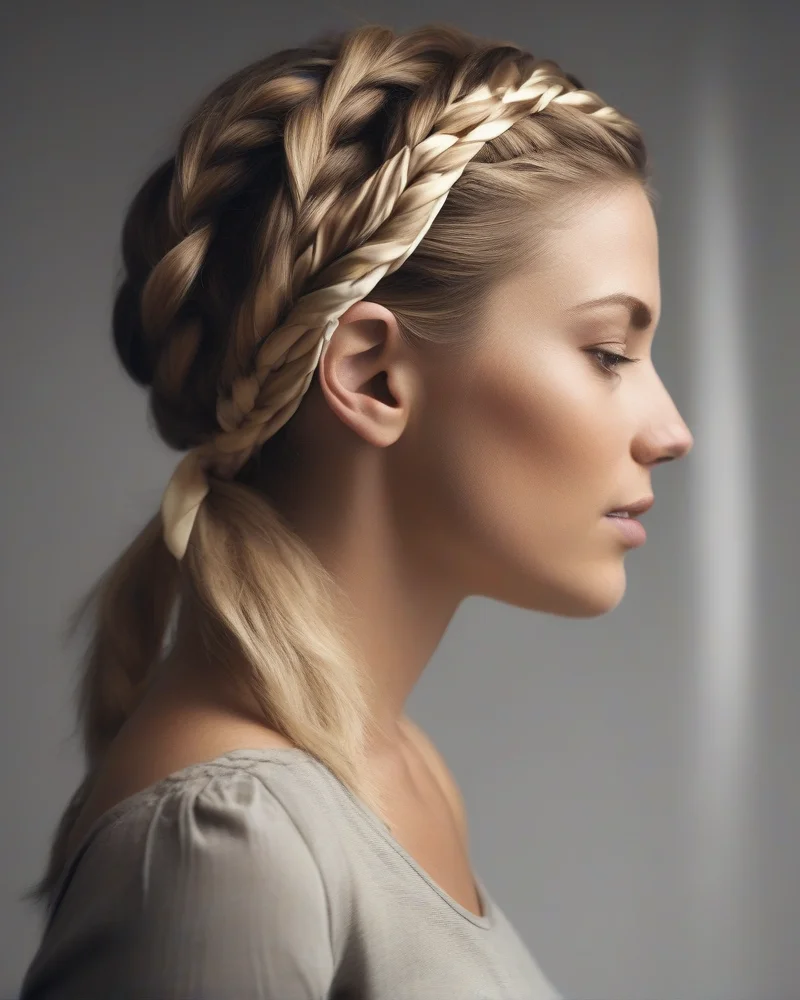
When you need to conquer a bad hair day with a look that suggests you spent an hour in front of the vanity, integrating intricate braiding techniques with your bandana wrap is the ultimate professional move. By incorporating French or Dutch braids as a foundation, you provide your hair with a structured, sleek base that stays perfectly in place while adding a layer of sophisticated texture. This combination is particularly effective for those with unruly or greasy strands, as the braiding process allows you to tightly control the hair while the bandana offers a stylish, voluminous aesthetic that completely masks any texture concerns.
To achieve this pro-level style, start by parting your hair into two sections for Dutch pigtail braids or a single central French braid. If your hair is prone to frizz, apply a small amount of lightweight styling pomade or texturizing spray before you begin. As you work your braid toward the nape of your neck, ensure the tension remains consistent. Once you reach the base of your hairline, secure the ends with a small, clear elastic. The magic of this technique lies in the positioning of the bandana. Instead of folding it into a flat strip, fold it into a wide triangle and lay it across the back of your head, bringing the corners up over your braids. This creates an elegant look where the intricate patterns of the braids peek out slightly at the hairline or near the ears.
For maximum security and a seamless finish, follow these professional tips:
- The Anchor Effect: Use bobby pins to secure the bandana directly into the braids underneath. By sliding the pins through the bandana fabric and into the thickest part of the braid, you guarantee the accessory will not shift throughout the day.
- Volume Control: Gently pull on the outer edges of your braid loops after securing them but before tying the bandana. This technique, often called pancaking, creates the illusion of thicker, fuller hair that complements the boldness of the headscarf.
- Face Framing: Leave a few loose strands near the temples or the nape of the neck to soften the look, which helps frame the face and provides a relaxed, effortless vibe.
This method essentially hides the majority of your hair while turning the remaining visible sections into a focal point of high fashion. Whether you are dealing with unwashed hair or simply want to elevate your daily style, this sophisticated integration of fabric and plaiting is the perfect solution for long lasting, high impact hair design.
What are the common mistakes to avoid when using hair scarves?
Even the most stylish bandana hairstyle can fall flat if you fall victim to common styling blunders. While hair scarves are the ultimate solution for a bad hair day, navigating the balance between functionality and fashion is essential to avoid discomfort or an unpolished look. Here are the critical mistakes you should avoid to ensure your headscarf remains secure, comfortable, and chic throughout the day.
- Over-tightening your accessory: One of the most frequent errors is pulling the fabric too tight against the scalp. While you want your scarf to stay in place, excessive tension causes scalp strain and can even lead to traction alopecia over time. Furthermore, a bandage-style wrap that is too tight often forces the hair to bulge awkwardly at the hairline. Aim for a secure fit that feels snug but leaves enough room for your hair to breathe without constant tugging.
- Choosing slippery synthetic fabrics: Texture is everything when it comes to hair accessories. Opting for cheap polyester or low-quality satin can be a nightmare because these fabrics lack the friction needed to stay anchored. These slippery materials will slide backward the moment you start moving. Always prioritize natural fibers like silk, cotton blends, or high-quality rayon. These materials offer better grip and allow the fabric to hold its shape against the texture of your hair strands.
- Neglecting pre-styling preparation: Never treat a bandana as a magical cure that works on its own. If you fail to prepare your hair, the result will often look sloppy or messy. Use a touch of dry shampoo or texturizing spray to add grip to your roots before placing the scarf. If you have bangs or layers, ensure they are pinned or styled appropriately so the fabric does not push them into an unintended direction. A bit of grooming beforehand ensures the scarf highlights your features rather than hiding a chaotic base.
- Ignoring the shape of your head: Not every scarf wrap suits every face shape. If you have a rounder face, avoid bulky, high-volume knots at the top, as this can make your silhouette look disproportionate. Conversely, if you have an oval face, you can experiment with wider bands. Always look in the mirror from multiple angles to ensure the placement complements your facial structure rather than distracting from it.
Ultimately, the secret to a flawless bandana look lies in balance. Accessorizing is an art form that requires you to weigh the aesthetic impact against the physical comfort of your scalp. By selecting the right fabric, preparing your hair foundation, and ensuring the fit is tailored to your unique head shape, you elevate the accessory from a quick fix to a signature element of your personal style.
The bandana is more than just a temporary fix for unwashed hair; it is a versatile tool for personal branding and hair protection. By mastering these 12 techniques, you ensure that no matter the state of your roots, your style remains top-tier. Remember that quality fabric selection and gentle handling are the keys to long-term hair health. Embrace the bandana, experiment with your knots, and let your accessories do the talking while you focus on the finer details of your self-care routine.