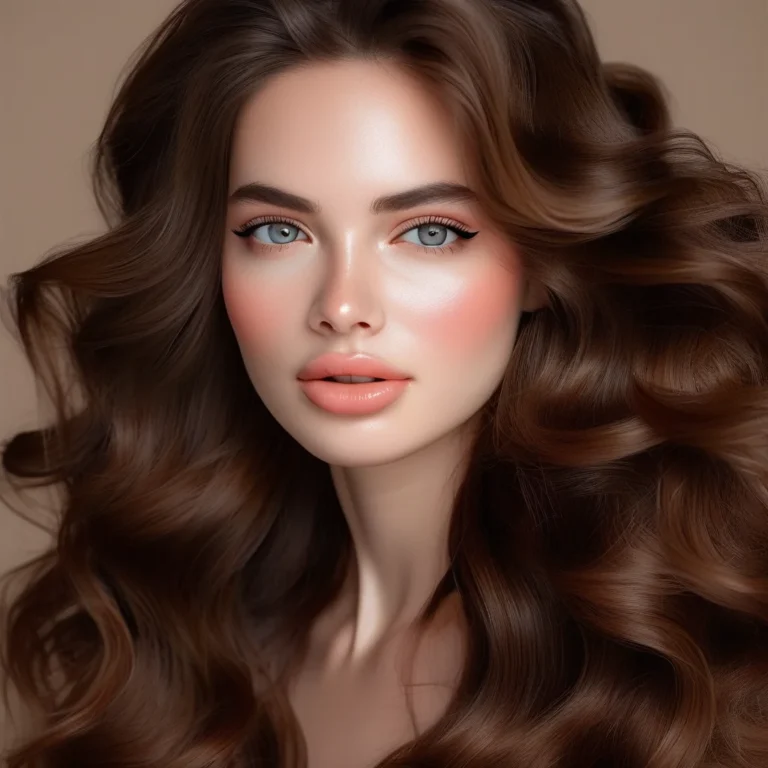
Ghostly Porcelain Skin Makeup Tutorial

Achieving ghostly porcelain skin—the viral, ethereal aesthetic dominating runways and social media—is no longer a secret kept by professional MUAs. By mastering a strategic, high-coverage base and precise color theory, you can transform your complexion into a flawless, glass-like canvas. At [Nailosmetic](https://nailosmetic.com/), we believe that your skincare and makeup routine should be an art form. Why are top beauty influencers switching to this specific, heavy-prep technique? It’s all about the ‘translucency illusion.’ This guide provides the exact roadmap, from pH-balanced primers to the precise light-reflecting powders needed to blur pores and achieve that hauntingly beautiful, velvet-matte finish. If you’ve ever wondered why your foundation looks ‘heavy’ rather than ‘porcelain,’ the error lies in your base chemistry. Let’s dissect the anatomy of the ghostly porcelain look and turn your skin into a spectral masterpiece.
What is the anatomy of ghostly porcelain skin?
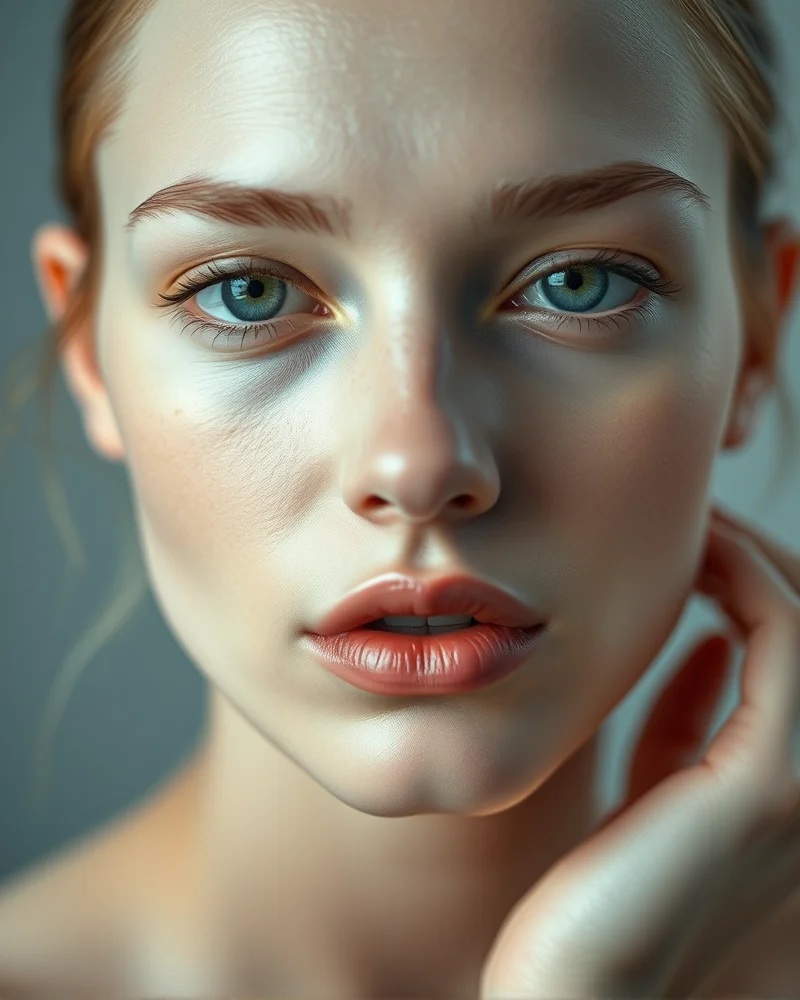 The anatomy of ghostly porcelain skin is defined by a meticulous balance of historical reverence and modern cosmetic science. Historically, the Victorian era elevated the pale complexion to a symbol of status and purity, often achieved through dangerous powders containing lead. Today, that aesthetic has evolved into a sophisticated hybrid that marries the hyper-clarity of K-beauty trends with the stark, edgy allure of the current alt-girl movement. Unlike the sun-drenched bronzed looks of the past decade, this aesthetic centers on skin neutrality. Achieving this look requires moving away from golden or peachy foundations and embracing cooler, neutral undertones that mimic the translucency of fine china. The goal is not just to be pale, but to create a surface that acts as a canvas for light refraction, appearing luminous rather than flat or matte.To master this look, one must prioritize skin barrier health above all else. A compromised moisture barrier leads to redness and uneven texture, which disrupt the clean, ghostly canvas you are trying to build. Before applying any pigment, you must focus on hyperpigmentation correction to neutralize natural discoloration, such as acne scarring or sun damage, which can introduce unwanted warmth into your complexion. By using color-correcting primers in shades of pale lavender or soft mint, you can effectively balance the skin tone to a neutral state. This creates the optimal environment for light to bounce off the skin rather than being absorbed by pigment-heavy foundations.Modern porcelain skin is fundamentally about extreme clarity and a deliberate absence of warm undertones. Think of your face as a reflective surface. When the skin is perfectly hydrated and even, it catches ambient light, providing a ethereal glow that feels otherworldly. Pro-tips for achieving this include:
- Layering hydrating serums to plump the skin and maximize its natural ability to reflect light.
- Using high-coverage, neutral-toned foundations that resist oxidation, as oxidation often introduces the unwanted orange or yellow hues that ruin the porcelain effect.
- Setting the complexion with finely milled, translucent setting powders that contain subtle light-reflecting particles to blur fine lines and pores.
- Avoiding bronzers and warm-toned blushes, opting instead for muted cool tones or soft berry shades that enhance the starkness of the skin.
Why is proper skin prep the foundation of the ghost look?
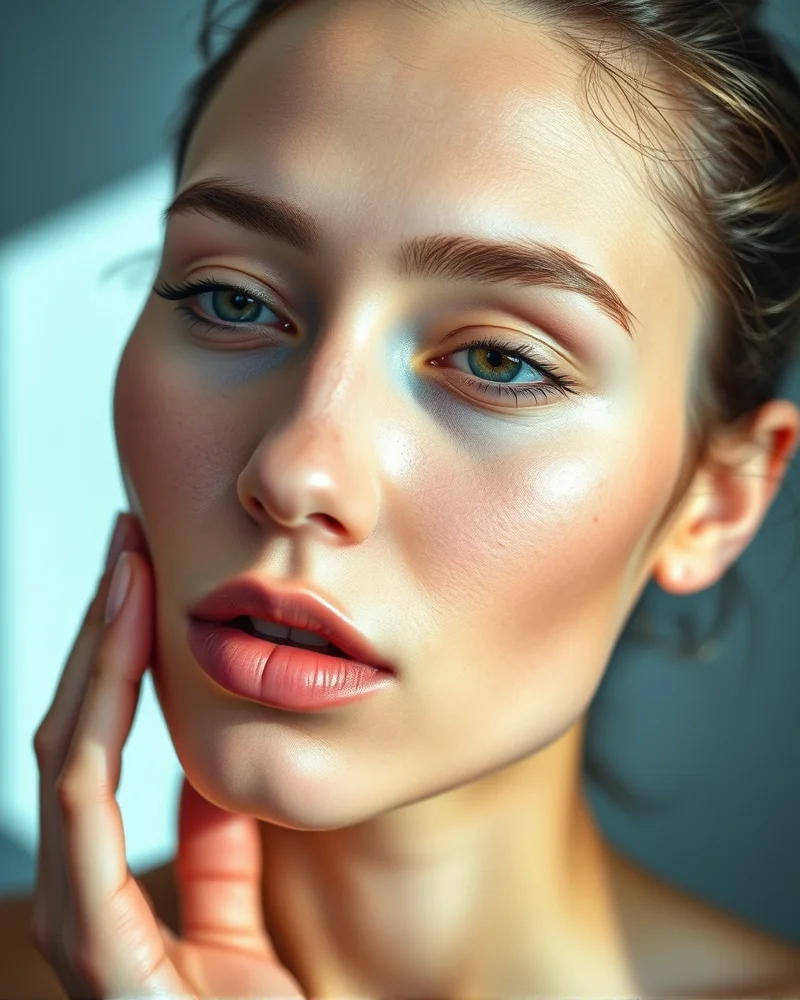
Achieving the ethereal, ghostly porcelain aesthetic requires more than just high-coverage pigments. If you attempt to apply a pale, cool-toned foundation over an unrefined canvas, the result will inevitably look cakey, uneven, or prone to premature oxidation. The secret lies in the concept of glass skin. A glass skin base acts as a perfectly smooth, light-reflective foundation that mimics the translucency of fine china. Without this level of preparation, the skin texture remains visible through the product, shattering the illusion of an otherworldly, doll-like finish.
Dry patches are the primary adversary of the porcelain look. When foundation is applied to dehydrated skin, the pigment clings to flaked areas, creating a patchy and textured appearance that destroys the seamless, statuesque effect you are aiming for. To maintain the integrity of your makeup look, you must prioritize the health of your skin barrier. A compromised barrier leads to trans-epidermal water loss, which causes your foundation to change color or darken as it reacts with the oils and minerals on the surface of your skin. Proper preparation keeps the skin pH balanced, ensuring that your makeup remains true to its intended shade throughout the day.
To build this flawless foundation, follow this essential prep checklist before reaching for your white-toned concealer or foundation:
- Gentle Exfoliation: Utilize a mild chemical exfoliant such as lactic acid or PHA to dissolve dead skin cells. This creates a uniform surface texture that prevents makeup from settling into fine lines.
- pH Balancing Toner: Apply an alcohol-free toner to stabilize your skin. This step is vital to ensure that your subsequent serums penetrate deeply rather than sitting on top of the skin.
- Hydrating Essence: Layering a lightweight essence infused with fermented ingredients boosts skin plumping and brightness, providing the luminous glow required for the porcelain aesthetic.
- Hyaluronic Acid Serum: Always apply hyaluronic acid to damp skin to trap moisture. This is the core of the glass skin look, as it provides the necessary volume to smooth out micro-texture.
- Lightweight Occlusive Moisturizer: Seal everything in with a non-comedogenic, gel-based moisturizer. This prevents moisture loss and acts as a smooth primer for your base products.
- Barrier Repair Cream: If your skin feels sensitive, use a ceramide-rich cream to fortify the skin barrier. A healthy barrier is the only way to prevent oxidation and ensure your ghostly complexion stays bright for hours.
By treating your skin as a canvas rather than just a surface for pigment, you guarantee a finish that appears both fragile and indestructible. Taking the extra time to hydrate and balance is what separates a amateur costume look from the sophisticated, high-fashion artistry that Nailosmetic advocates.
How to choose the perfect foundation shade for a spectral finish?
Achieving a truly spectral aesthetic requires more than just picking the lightest shade on the shelf. The secret to ghostly porcelain skin lies in the precision of your undertones. When aiming for this ethereal look, you are looking for foundations that lean heavily into cool or neutral territories. If your skin has a natural pink, blue, or violet cast, you possess cool undertones. If you are struggling to pinpoint your specific hue, look at your veins; if they appear blue or purple, you are likely cool toned. Neutral undertones occupy that elusive space where neither pink nor golden pigments dominate, creating the perfect canvas for a hauntingly pale finish.
To manipulate your foundation shade to look more ghostly, you must master the art of color correction. By using a primer as your base layer, you can effectively neutralize warmth or add a porcelain clarity that standard foundations cannot achieve alone. Before finalizing your base, consider how your hair might frame this look by checking out our professional guide on hairstyles for women to ensure your overall aesthetic remains cohesive and striking.
| Primer Color | Primary Function | Impact on Foundation Hue |
|---|---|---|
| Lavender | Counteracts unwanted yellow or sallow tones | Brightens the skin and adds a cool, porcelain clarity |
| Green | Neutralizes redness and ruddiness | Creates a balanced, clean slate for true-to-tone pigment |
| White | Lightens any existing foundation shade | Adjusts the depth of pigment without altering the undertone |
Beyond color, the finish of your product is paramount. Matte formulations are the traditional choice for a ghost-like appearance because they absorb light, creating a flat, doll-like texture that feels suitably unnerving and sophisticated. However, if you prefer a more modern, Victorian-gothic vibe, look for light-reflecting or luminescent formulations. These products utilize finely milled pearls to bounce light off the high points of your face, giving you a spectral glow rather than a heavy, mask-like finish. For a pro-level tip, mix a tiny amount of a white mixing pigment into a high-coverage matte foundation to achieve that signature alabaster translucency while maintaining total control over your final opacity.
Which professional techniques create the ‘flawless’ blur?
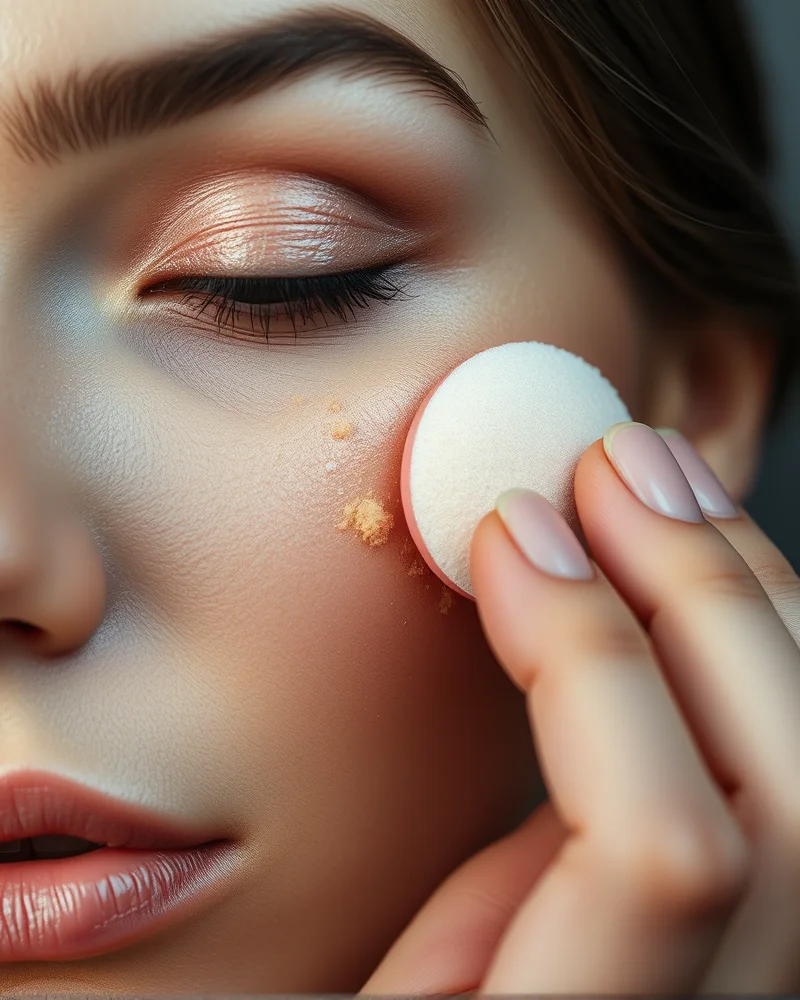
Achieving that ethereal, ghost-like porcelain finish requires a masterclass in texture management. The industry has long debated the merits of stippling versus buffing, but for a spectral look, the technique must align with your skin’s inherent geography. Buffing involves circular motions with a dense brush, which often kicks up dead skin cells and creates micro-texture that ruins the illusion of a smooth, unblemished surface. Instead, stippling with a soft, synthetic brush mimics the appearance of natural pores by distributing pigment in vertical taps rather than dragging product across the dermis. However, for the most flawless results, many professionals now favor the press-and-roll technique using a high-quality damp beauty sponge.
Using a beauty sponge correctly is the secret to avoiding cakey buildup. When you press the foundation into the skin with a damp sponge, you are effectively fusing the pigment with your skin texture rather than letting it sit on top. Begin by saturating the sponge and squeezing out every drop of excess water until it feels bouncy and cool. Load your foundation onto the back of your hand, pick it up with the sponge, and use firm, rhythmic bouncing motions. This method ensures that the product remains thin and breathable, which is essential when you are aiming for that ghostly, semi-translucent porcelain aesthetic. By pressing the product, you fill in fine lines and pores without creating the thick, heavy layers that scream mask-like makeup.
To maintain the integrity of your ghostly complexion, resist the urge to apply a thick, full-face layer of foundation. Instead, adopt the professional philosophy of spot-masking. Take a high-coverage concealer that perfectly matches your foundation shade and apply it only to areas that actually require correction, such as redness around the nostrils, dark circles, or localized blemishes. By limiting heavy product to these specific spots, you preserve the natural vitality of your skin across the cheeks and forehead. This strategic application prevents the heavy-duty foundation from settling into expression lines, ensuring your porcelain canvas looks hauntingly beautiful and authentic throughout the day.
What are the secrets to contouring without warmth?

When you aim for a ghostly, porcelain aesthetic, the biggest mistake you can make is relying on traditional bronzers. Most bronzing products are formulated with orange, red, or golden undertones intended to mimic the warmth of a sun-kissed complexion. For the spectral look, warmth is your enemy because it creates the illusion of health and vitality. To achieve a truly refined, skeletal structure, you must shift your focus toward cool-toned contouring. The secret lies in using grey-toned powders or creams that mimic the appearance of natural shadows. These products absorb light rather than reflecting it, which is the key to creating depth that appears recessed and hollow rather than tanned.
The science of cool-shadow mapping relies on the principle of light absorption. When light hits your face, it naturally creates shadows in the hollows of your cheeks, along the jawline, and at the temples. By selecting a contour shade with a desaturated, taupe, or ash-grey base, you replicate the exact color of these anatomical depressions. While a bronze contour sits on top of the skin like a warm layer, a grey-toned contour recedes into the background. This creates a high-contrast facial geometry that mimics the ethereal, delicate bone structure often associated with Victorian gothic beauty or porcelain dolls.
To master this, start by mapping your face based on bone structure rather than surface features. Use a small, dense brush to apply your grey-toned product in a sharp line directly under the cheekbone, starting near the ear and stopping well before you reach the corner of the mouth. You should also lightly dust the temples and the perimeter of the forehead to shrink the appearance of the face, further emphasizing the eyes and nose. For the most authentic look, ensure that your blending is seamless but contained. If you diffuse the product too much, you lose the skeletal sharpness that makes the ghostly aesthetic so impactful. Remember that the goal is to convince the eye that the skin is thin and the underlying bone is prominent. By avoiding warm pigments entirely and focusing on these deep, light-absorbing ash tones, you effectively turn your face into a canvas of stark, elegant, and chillingly beautiful geometry.
How do you achieve the ethereal highlight without sparkle?
Achieving that coveted Victorian porcelain doll aesthetic requires a departure from traditional, glittery illumination. Many standard highlighters on the market rely on mica particles and metallic pigments, which create a shimmery or frosted finish that can look disjointed against a matte, spectral complexion. To capture the ethereal glow of authentic fine china, you must shift your focus toward wet look balms or transparent gloss pots. These products do not contain shimmer; instead, they utilize emollients and clear oils to reflect light in a way that mimics the natural moisture of healthy skin. This creates a glassy, translucent sheen that allows the skin texture to remain visible while still catching the light beautifully.
The secret to a seamless application lies in the precise placement of your product. For a ghostly porcelain effect, start by tapping a tiny amount of your balm onto the high points of your cheekbones, moving upward toward the temples in a soft arc. Avoid dragging the product too far into the center of the face, as this can break the illusion of a pristine, matte surface. Next, apply a touch of the balm to the bridge of your nose and the center of your cupid bow. This strategic light placement ensures that the light bounces off the face exactly where a porcelain statue would naturally catch the sun, resulting in an expensive, high fashion appearance. If you are preparing for a more elaborate look, these subtle highlighting techniques provide the perfect base for your spooky cute skull makeup easy transition.
To ensure your highlight remains stationary throughout the day, always apply your balm over your base layer using your fingertips. The warmth from your skin helps the product melt into your foundation, preventing any cakey buildup. If you have oily skin, powder the surrounding areas heavily while keeping the highlights completely bare of powder products. This contrast between the velvet matte perimeter and the wet, glass like center is exactly how you achieve that hauntingly beautiful, ethereal glow that defines the modern gothic beauty standard. Remember that less is always more when you are striving for this hyper realistic porcelain finish.
Can you master the ghostly eye and lip look?

Mastering the ghostly aesthetic requires a departure from traditional warm palettes. To achieve an otherworldly presence, you must embrace the art of the muted eye and the precision of a cold-toned pout. This look is not about darkness; it is about intentional, ethereal desaturation.
- The Soft Smoked Eye: Begin by applying a matte taupe transition shade across the entire eyelid to neutralize any natural redness. Follow this with a dusty mauve pressed into the outer third of the lid, blending inward to create a seamless, hazy gradient. To mimic the moonlight on skin, use a frosted silver pigment at the inner corner and the very center of the eyelid. Avoid heavy liners; instead, utilize a cool brown or slate grey eyeshadow applied with an angled brush directly into the lash line. This technique creates a soft smoked effect that defines the eyes without the harshness of a liquid wing.
- The Precision Lash Line: For that truly haunting look, keep the lashes sparse and long. Use a lengthening mascara in a carbon black or deep espresso. Focus the product on the roots, gently wiggling the brush upward to avoid clumps. The goal is a clean, doll-like appearance that emphasizes the symmetry of your bone structure. If you choose to use individual lash clusters, place them only at the center of the upper lash line to open the eye wide.
- Bitten and Cool Lips: Your lips should mirror the temperature of your skin. For a hauntingly beautiful bitten look, dab a deep berry or cool toned plum stain into the center of the lips and tap the pigment outward with your fingertips. Ensure the edges remain slightly blurred rather than sharply defined. If you prefer a more minimalist approach, opt for a cool toned nude cream lipstick that lacks any peach or coral undertones. Applying a layer of high-shine clear gloss over the top will catch the light, adding a multidimensional finish that enhances the overall ghostly concept. Always use a lip brush to ensure perfect symmetry and clean edges, as the pale base of this look leaves no room for smudge errors.
What are the common mistakes that ruin the porcelain effect?
- Q: Why does my porcelain makeup base turn orange by midday?
- A: The culprit is almost always oxidation. Many foundation formulas contain iron oxides that react with the natural oils and acidity on your skin surface. To maintain a ghostly, pale complexion, you must avoid bronzers with warm undertones. Even a tiny amount of orange pigment will clash with a cool porcelain base. Switch to a grey toned contour powder or a taupe cream product to create natural shadows without introducing warmth. Always set your liquid base with a translucent setting powder that has zero pigment to prevent color shifting.
- Q: How do I prevent my foundation from highlighting my pores?
- A: Visible pores often appear enlarged when makeup sits inside them rather than smoothing over them. The mistake here is skipping a silicone based primer or applying too much product in the T zone. Focus your primer on the areas with the most texture, pressing it into the skin with your fingertips. When applying foundation, use a damp beauty sponge to stipple the product on. Never drag the sponge across your skin, as this pulls the pigment into your pores. If you notice texture after application, use a fluffy brush to buff in a very thin layer of blurring powder to soft focus the area.
- Q: My face looks heavy and cakey. How can I fix this without starting over?
- A: The cakey foundation phenomenon occurs when you use too much product or fail to blend the layers together. If your skin looks heavy, the most effective technique is the mist and tap method. Spritz your face generously with a hydrating setting spray or a fine facial mist. Once the skin is damp, take a clean, dry blending sponge and tap firmly over the skin. This pushes the makeup into the skin while lifting away the excess product that sits on top. It marries your powder and liquid layers into a single, cohesive finish that mimics real skin.
- Q: Is heavy handed powder application ruining my ethereal aesthetic?
- A: Excessive powder is the enemy of porcelain skin. It robs the complexion of its natural luminosity and creates a dusty, flat finish. Instead of powdering your entire face, use a small, tapered brush to apply powder only where you are prone to shine, such as the sides of the nose and the center of the forehead. Leave the perimeter of your face and your cheekbones completely unpowdered to retain a subtle, healthy dewiness that looks more like refined ceramics and less like dry chalk.
How to set your makeup for a long-lasting porcelain finish?
Achieving a ghostly porcelain finish requires more than just a pale foundation base. The real secret lies in how you lock your complexion in place so it remains matte, smooth, and cloud-like throughout the day. When aiming for that doll-like aesthetic, the goal is to eliminate unwanted shine while avoiding heavy textures that can settle into fine lines or ruin the ethereal effect. This is where the debate between baking and setting sprays becomes crucial. Baking is a professional technique that involves applying a generous layer of finely milled translucent powder over your concealer and high points, letting it sit for several minutes, and then dusting it away. This method is incredibly effective for creating a flawless, transfer-proof base. However, if you have dry skin, baking can sometimes appear too heavy. If you are learning the ropes of minimalist beauty, check out our guide on back to school makeup for teens to see how lighter applications can still yield a polished look.
To maintain that true porcelain clarity, you must choose your powder carefully. Avoid anything with a warm or yellow tint, as these undertones will compromise the cool, ghostly appearance you are trying to cultivate. Instead, opt for a purely translucent or a soft lavender-tinted powder. These shades brighten the skin and counteract sallowness without adding weight. When applying, use a soft powder puff to press the product into the skin rather than rubbing it, which ensures the base remains undisturbed. If you prefer a more natural look, you can skip the full bake and use a large, fluffy brush to lightly sweep powder only in the T-zone and under the eyes, keeping the rest of the face radiant yet set.
While powders lock the structure of your makeup, a high-quality setting spray acts as the final seal. For a porcelain finish, look for a spray that offers a soft-focus or matte finish rather than a dewy one. A light misting helps meld the powder and foundation together, eliminating any powdery or cakey residue that could detract from the seamless, mannequin-like appearance. By combining the precision of translucent powder with a weightless setting mist, you ensure your ghostly complexion stays pristine from dawn until dusk.
The importance of skincare longevity for makeup users?
Achieving a flawless porcelain aesthetic requires more than just high coverage foundation and clever highlighting techniques. The true secret to this ethereal look lies in the canvas itself. When you commit to a ghostly porcelain skin makeup tutorial, you are engaging in an artistic endeavor that demands a high standard of skin health. Many makeup enthusiasts overlook the fact that the longevity of their makeup finish is intrinsically tied to the condition of their skin surface. If your skin is dehydrated or congested, even the most expensive professional formulas will settle into fine lines or cling to dry patches, effectively destroying the seamless finish you are trying to cultivate.
This is precisely why nightly maintenance is non negotiable. For those who frequently wear heavy or full coverage makeup, a standard face wash is rarely sufficient to clear the remnants of silicones, pigments, and setting powders from your pores. If left behind, these particles act as irritants that lead to dullness and compromised texture. An effective double cleanse routine is your primary defense against these issues. By using an oil based balm or cleansing oil first, you dissolve stubborn long wear makeup and sebum. Following this with a gentle, water based cleanser ensures that every trace of residue is removed without stripping the skin of its essential moisture barrier.
Think of your skin as a living organism that needs to breathe and recover after being coated in pigments all day. Failing to double cleanse regularly invites breakouts and uneven skin texture, both of which are the enemies of the smooth, reflective finish associated with porcelain skin. Remember that porcelain skin is a lifelong healthy skin effort rather than a temporary cosmetic fix. Pro tip: incorporate a hydrating toner or a barrier repairing serum immediately after your double cleanse to lock in moisture while your pores are still receptive. By prioritizing your nighttime skincare ritual, you ensure that your skin remains plump, hydrated, and perfectly primed for your next makeup application. Consistency here is the difference between makeup that looks like a mask and makeup that glows with a healthy, inner luminescence.
The journey to mastering the ghostly porcelain aesthetic is a blend of scientific understanding and artistic execution. By focusing on color neutrality, skin prep, and precise application, you move beyond mere coverage into the realm of high-fashion editorial beauty. Remember, at Nailosmetic, we celebrate the details—whether it’s your skin texture or your manicure—that make you feel like a work of art. Keep your skin hydrated, your tools clean, and always prioritize the ‘translucency’ of your base. With this guide, you’re ready to step into the ethereal spotlight with confidence.