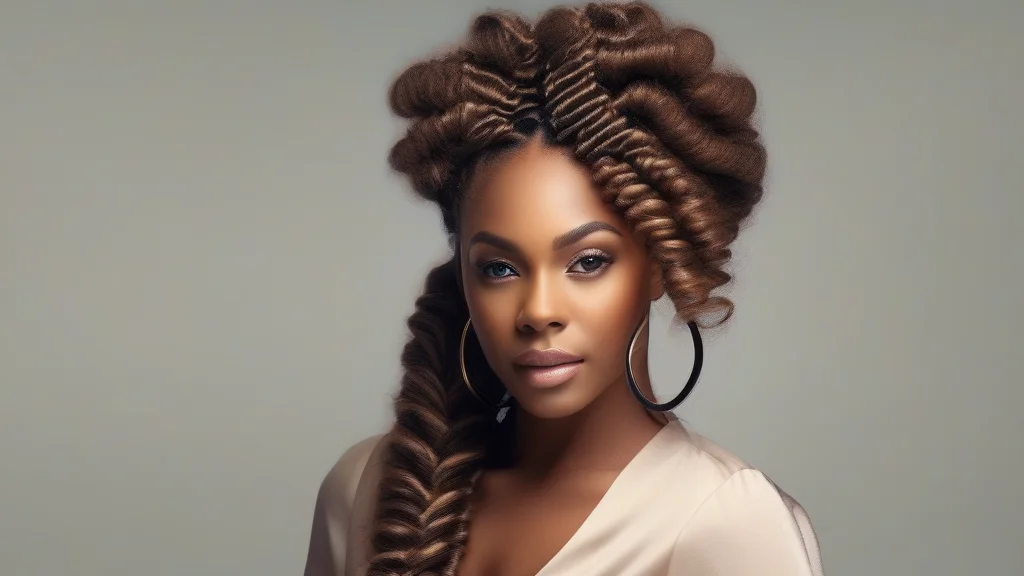
french curl braids for black women

French curl braids for black women are currently the most requested protective style in salons, and for good reason—they bridge the gap between classic box braids and romantic, loose curls. If you have been searching for the perfect protective look that requires zero heat while keeping your ends hydrated, you have arrived at the right destination. At Nailosmetic, I have spent years experimenting with synthetic textures to find the exact method that prevents tangling, and I am here to share that secret with you today. This style isn’t just a trend; it is a lifestyle upgrade for your hair health. Keep reading to discover why everyone is switching to this look and how you can maintain it for over six weeks.
Table of Contents:
- What exactly are French curl braids for black women?
- How should you prep your natural hair for installation?
- What is the signature French curl braiding technique?
- Which specific synthetic hair brands offer the best curl retention?
- How do you keep French curl braids frizz-free?
- What are the best styling hacks for everyday wear?
- Is there a safe way to remove French curl braids without breakage?
- Why does scalp health matter for long-term protective styles?
- What is the average cost and time investment for this style?
- Frequently Asked Questions
What exactly are French curl braids for black women?
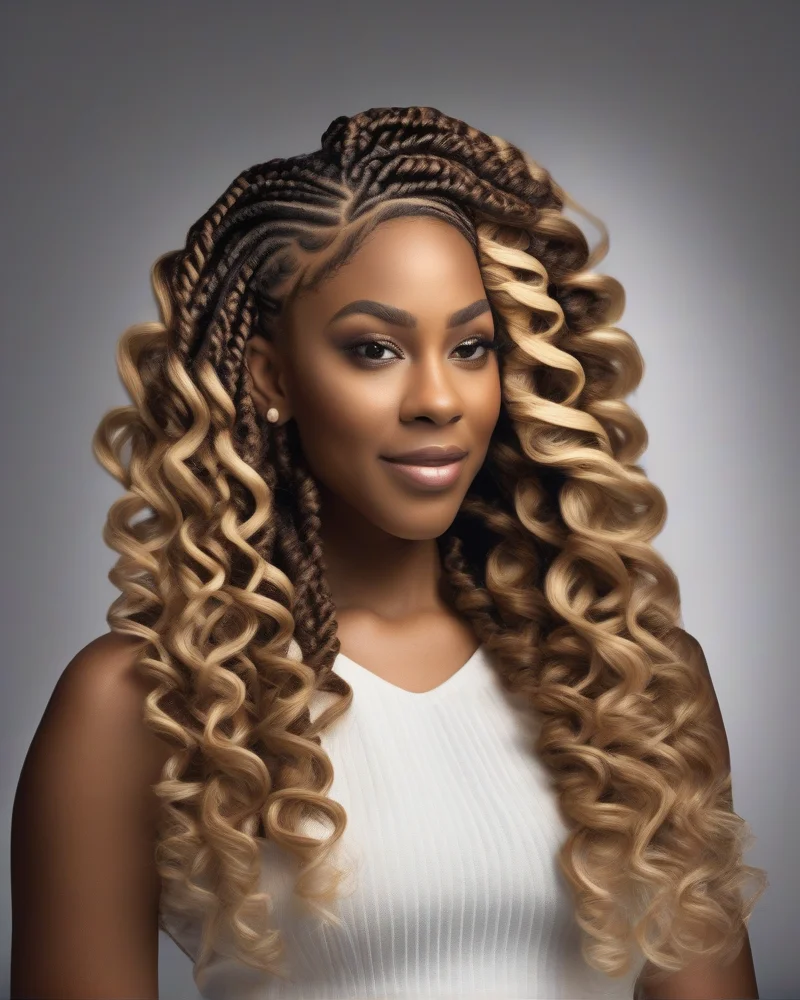
At their core, French curl braids for Black women represent a masterful marriage between the precision of traditional cornrowing and the romantic, whimsical flair of loose extensions. The mechanics of the style begin at the scalp, where the hair is typically braided downward in a feed-in method. Unlike standard plaits that lock the entire length of the hair into a tight, uniform structure, this technique deliberately terminates the braiding process about a third or halfway down the shaft. By securing the braid with a small knot or a specialized adhesive and leaving the remainder of the synthetic hair loose, the stylist creates a cascading effect that mimics a half-braided, half-curled finish.
When comparing this specific aesthetic to the popular goddess braids of the past, the distinction lies primarily in the texture and the curl configuration. While goddess braids rely on varying sizes of feed-in plaits with loose, often straight or wavy strands emerging from the side, French curl braids utilize high-quality, pre-curled synthetic fiber. These fibers are designed with a unique, bouncy spiral that maintains its definition without constant manipulation. From my first-hand experience behind the chair, the visual impact is nothing short of transformative. These styles soften the facial features, providing a feminine, voluminous silhouette that feels far less rigid than conventional box braids or tight cornrows.
To maintain the integrity of your natural hair underneath these protective extensions, it is vital to prioritize scalp health. Tension-free installation is non-negotiable, as excess pulling can lead to traction alopecia. For deep-dive insights into how consistent tension affects follicles and overall scalp wellness, you should consult the guidelines provided by the American Academy of Dermatology. Furthermore, to keep the curls looking salon-fresh, I recommend applying a lightweight, water-based mousse every few days to tame frizz and define the spiral pattern. This maintenance routine ensures that the transition between the tight root braid and the voluminous, bouncy ends remains seamless, elegant, and long-lasting.
How should you prep your natural hair for installation?
- Prioritize a Thorough Scalp Detox: Before committing to a long term protective style, your scalp must be a clean canvas. A buildup of sebum, sweat, and styling products can lead to inflammation or fungal growth under synthetic extensions. Use a clarifying shampoo to lift residue, ensuring the hair follicles are unclogged. A healthy scalp environment is the foundation of hair growth. According to the American Academy of Dermatology, maintaining a clean scalp is essential to preventing various dermatological issues that can lead to irritation or hair loss. When your pores are clear, your hair thrives even while tucked away in braids.
- Deep Conditioning for Elasticity: Natural hair often faces moisture depletion during the installation process. To combat this, administer a deep conditioning treatment at least 48 hours before your salon visit. Focus on products rich in proteins and humectants to strengthen the hair shaft. This process increases the elasticity of your coils, allowing them to better withstand the weight of the bulkier synthetic extensions used in these elegant styles. Well hydrated hair is significantly less prone to breakage when subjected to the structural demands of braiding.
- The Imperative of Tension Free Starts: The most sophisticated protective style can become a liability if installed with excessive force. Traction alopecia is a form of gradual hair loss caused by repetitive pulling or tightness at the root. To prevent this, communicate clearly with your braider about your comfort levels. A tension free start ensures that the hair is not pulled excessively at the hairline or the nape of the neck. Request that the initial twists or plaits are kept loose to minimize stress on the hair follicles. If you feel immediate throbbing or notice tiny bumps along your edges, the style is too tight and risks damaging your natural hair structure.
- Detangling and Texture Preparation: Carefully detangle your natural hair from ends to roots using a wide tooth comb or a detangling brush before the process begins. If you are opting for a blow out look to match the texture of your extensions, ensure your heat protectant is applied evenly. Minimizing friction during the detangling stage preserves the integrity of your strands. By showing up with pre-stretched or smoothed hair, you reduce the time your natural hair spends under unnecessary tension, leading to a much safer installation experience for your hair follicles.
What is the signature French curl braiding technique?
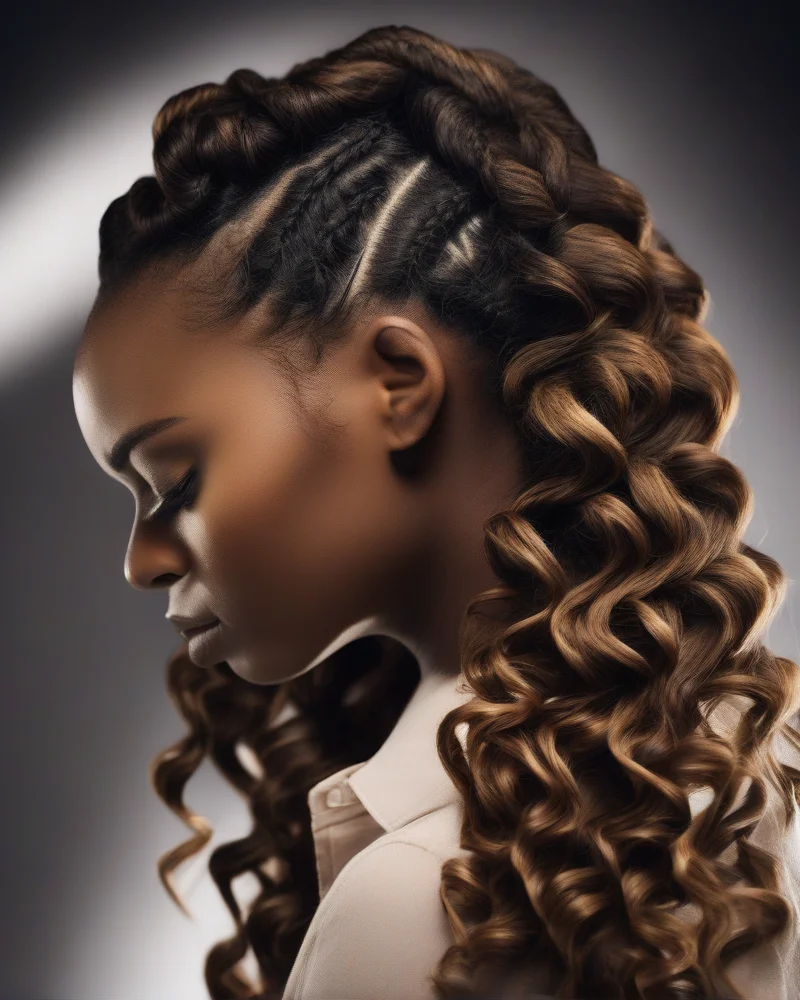
The signature French curl braiding technique relies on a masterful blend of tension and hair texture transition. To achieve that signature loose, bouncy aesthetic, you begin with a standard braiding foundation. You start by braiding the natural hair close to the scalp, and once you have braided past the nape of the neck or your desired length, you release the extension hair. The magic happens during the transition point where the braiding hair is carefully tapered off, leaving the pre-curled synthetic strands to hang loose. This requires a specific type of premium, bouncy synthetic fiber that is designed to hold its curl pattern even after being manipulated into a braid.
When deciding between installation styles, the knotless method is vastly superior for scalp health. Unlike the traditional knot method, which anchors the braid to a bulky knot at the root, the knotless technique feeds small amounts of braiding hair into your natural hair gradually. This reduces traction alopecia significantly, a concern addressed by experts at aad.org when discussing protective styling. The knotless approach offers a flatter, more natural look that mimics hair growing directly from the scalp. If you are exploring various hairstyles for women to diversify your look, this technique is undoubtedly the most versatile for long-term wear.
Reflecting on what worked for me during my own installations, sectioning is the true secret to success. I found that using smaller, precise triangular or diamond parts provides a cleaner base than traditional squares, preventing the braids from looking stiff or heavy. Regarding density, it is crucial not to over-saturate the individual braids with too much extension hair. If the braid is too thick, the weight will drag down the curls and cause them to lose their bounce prematurely. Aim for a medium density that allows the synthetic curls to move freely. I always use a light-hold mousse to set the curls every few days, ensuring the ends remain defined and tangle-free throughout the life of the style.
Which specific synthetic hair brands offer the best curl retention?
Achieving the signature bouncy look of French curl braids for black women relies heavily on the quality of your extensions. Not all synthetic fibers are created equal. Low grade plastic fibers often suffer from rapid matting, which ruins the elegant, loose wave pattern within days. To ensure your style remains pristine, prioritize brands that explicitly label their hair as heat resistant. This feature is vital because it allows you to reset the curls using hot water or a curling iron without melting the fibers.| Brand | Curl Retention | Texture Quality | Best For |
|---|---|---|---|
| RastAfri Freed’m Silky | Excellent | High-Sheen | Long-lasting style |
| Outre Pre-Stretched | High | Soft/Natural | Easy installation |
| Sensationnel Lulutress | Moderate | Lightweight | Daily wear |
How do you keep French curl braids frizz-free?
Maintaining the luster and bouncy definition of your style requires a proactive approach, especially when working with high-quality synthetic fibers. The primary enemy of these loose, cascading curls is friction, which leads to premature matting. To protect the integrity of your hair, a satin or silk bonnet is non-negotiable. Unlike cotton, which absorbs moisture and creates abrasive contact, these smooth materials allow the hair to glide freely throughout the night. If your hair is long, loosely twist the extensions into a high bun before securing your bonnet to prevent the ends from tangling against your pillows.
Daily maintenance should focus on weightless hydration rather than heavy occlusives. Avoid using thick oils or butter-based products, as these ingredients act as magnets for dust and lint, causing the synthetic fibers to lose their movement and appear dull. Instead, opt for a light water-based leave-in spray. Water provides the necessary hydration to soften the synthetic fibers, while alcohol-free, water-based formulations evaporate cleanly without leaving a greasy residue that attracts buildup. For more information on maintaining scalp health while wearing protective styles, you can reference the guidance provided by the American Academy of Dermatology.
A consistent foam mousse application is the cornerstone of curl longevity. To refresh your look, apply a generous amount of wrapping mousse from the mid-lengths down to the tips. Use your fingers to gently coil individual ringlets to reset the shape. Once the foam dries, the synthetic hair will regain its spring and definition. If you notice any stubborn tangles or individual frayed fibers at the very tips, use a sharp pair of hair shears to perform a light dusting. This trimming technique removes split ends that cause the hair to snag on clothing, which is vital for keeping your French curl braids looking salon-fresh. If you maintain this regimen daily, you will significantly extend the life of your install, ensuring those signature bouncy curls remain vibrant and soft for weeks to come.
What are the best styling hacks for everyday wear?
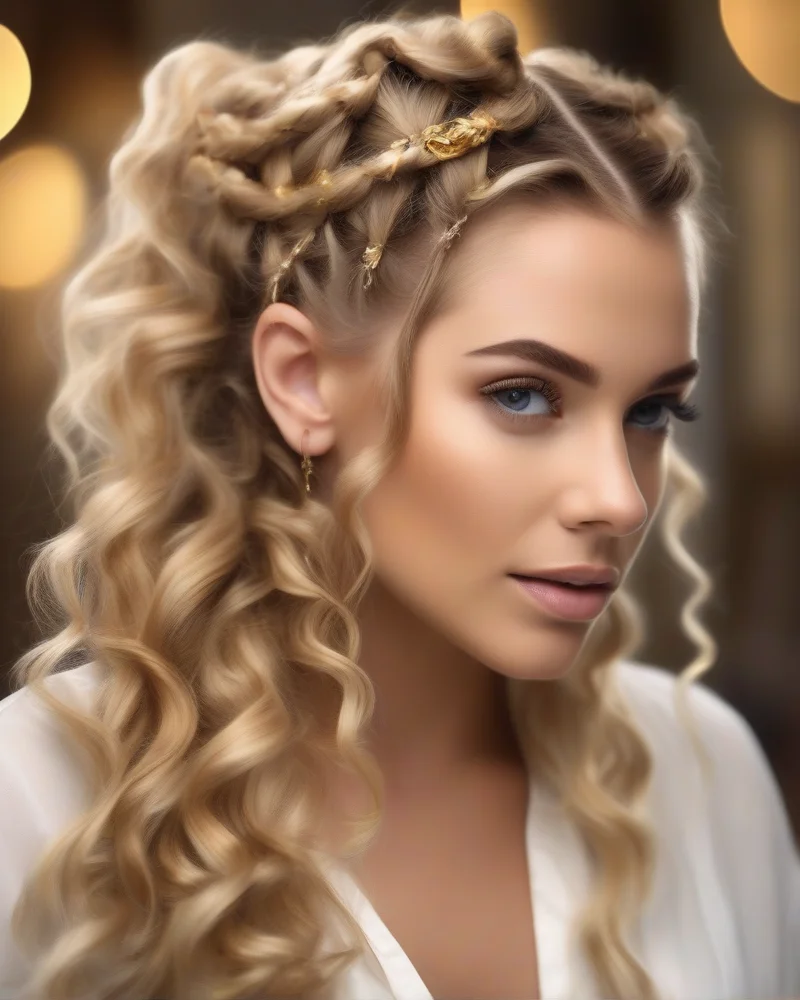
- Mastering Versatile Updos: For a polished professional look, gather your loose curls into a high bun or a chic pineapple. Secure the base using a silk-lined scrunchie to prevent friction, which is the primary cause of fiber tangling. When pinning sections back, always use hair-friendly accessories like coated bobby pins to avoid snagging the synthetic fibers. If you are looking for styling inspiration, you might enjoy this simple half-up braided style which works beautifully with the bouncy, loose ends characteristic of these braided extensions.
- Preserving Curl Integrity: The ends are the most fragile part of the style. To maintain the bounce, apply a lightweight, alcohol-free mousse or a leave-in conditioner spray specifically formulated for synthetic hair. Avoid heavy oils or gels, as these weigh down the fibers and cause premature matting. When detangling, use only your fingers to gently separate the curls rather than a brush, as mechanical tension from combs can permanently loosen the curl pattern.
- Gym-Proofing Your Style: Active individuals often struggle with sweat-induced frizz at the roots. Before hitting the gym, tie your hair into a loose high ponytail and cover the lengths with a satin-lined sweatband. This limits moisture buildup near the scalp. According to the American Academy of Dermatology, maintaining scalp hygiene is essential for hair health; therefore, use a witch hazel scalp rinse after your workout to remove salt and sweat without needing to saturate the braided strands.
- Elevating with Accessories: Gold or silver cuffs are the perfect addition to this aesthetic. Place them intermittently along the braid shaft to draw focus away from potential new growth. Avoid placing metal accessories too close to the ends, as the weight can pull the curls straight. Instead, use decorative, lightweight fabric wraps to add flair without compromising the structural integrity of your style.
Is there a safe way to remove French curl braids without breakage?
Removing these intricate styles requires patience to prevent mechanical damage. Because the synthetic extensions are tightly interwoven with your natural hair, rushing the process is the primary cause of thinning or snapped strands. The most vital step is to focus on the ends of the hair first. These extensions feature high-density loose curls that tend to tangle with the natural hair texture over time. Before you attempt to unravel the braid, you must meticulously detangle the curly synthetic ends. Use a generous amount of a silicone-based detangling spray or a light hair oil to provide slip. Gently work through the curls with your fingers or a wide-tooth comb, starting from the very bottom and slowly working your way up to the base of the braid. If you encounter a stubborn knot, apply more product rather than pulling, as tugging will lead to significant breakage.
Once the curls are fully detangled and freed from the synthetic weave, you can begin the de-installation process. Cut the braid carefully just below where your natural hair ends to avoid accidentally snipping your own strands. Use a rat-tail comb to lift the base of the braid where the hair is secured. Take your time sectioning through the roots to ensure there is no buildup or matted debris. After the extensions are fully removed, your natural hair will likely have accumulated shed hair and product residue. According to the American Academy of Dermatology, regular hair care maintenance is crucial for preventing scalp inflammation and maintaining follicle health at aad.org.
The removal process is never complete until you prioritize deep conditioning. Your hair has been under tension for several weeks, so it is essential to reintroduce moisture and protein. Apply a hydrating deep conditioning mask to your damp hair and allow it to penetrate the shaft for at least thirty minutes under a plastic cap. This step helps restore the elasticity of your natural hair and softens the cuticle before you proceed with a regular detangling session or your next protective style. By following this careful de-installation routine, you protect your edges and preserve the length of your natural hair.
Why does scalp health matter for long-term protective styles?
When we opt for stunning French curl braids, the goal is effortless elegance. However, the internal environment of the scalp often becomes a secondary concern. The reality is that protective styles act as a double edged sword. While they shield your natural strands from daily manipulation, they also create a microclimate that can trap sebum, dead skin cells, and external environmental pollutants. If this buildup is not managed through a consistent cleansing routine, it fosters an environment where fungi and bacteria thrive. This can lead to persistent itching, flaking, or even conditions like seborrheic dermatitis that necessitate a visit to a medical professional, as outlined by the American Academy of Dermatology.
Beyond the buildup, we must address the mechanical strain often referred to as tension. The weight of synthetic braiding hair, combined with a base braid that is pulled too tightly, can trigger traction alopecia. This condition occurs when constant pulling damages the hair follicles, leading to thinning or permanent hair loss around the hairline and nape. To maintain a healthy balance between style longevity and scalp integrity, avoid leaving these installations in for more than six to eight weeks. Prioritize styles that allow for breathability and ensure that your natural hair is properly moisturized before the installation begins. If you notice a tightening sensation or persistent soreness immediately after your appointment, it is a clear indicator that the tension is excessive and risks immediate damage.
Effective maintenance involves a delicate equilibrium. You should utilize lightweight, scalp friendly oils or a medicated tonic to soothe irritation without clogging the pores. Pro tip: if your scalp feels heavy or congested, a simple diluted apple cider vinegar rinse applied with a nozzle bottle can help break down stubborn debris without causing the hair to unravel. Remember that the beauty of your hair installation should never come at the expense of your scalp health. Listen to your body and prioritize comfort over the desire to extend a style beyond its functional lifespan.
What is the average cost and time investment for this style?
- The Time Commitment: Expect a significant investment when booking this specific protective style. A professional braider typically needs between 6 to 9 hours to complete a full head of French curl braids. This duration varies based on your hair length, the density of your natural hair, the size of the parts, and the length of the extensions desired. Because this look relies on loose, bouncy synthetic curls at the ends, the braider must carefully incorporate bulk braiding hair while ensuring the transition to the pre-curled fiber is seamless. Patience is a virtue here; rushing the process can lead to improper tension, which may compromise your follicle health, as noted by the American Academy of Dermatology.
- Salon Pricing Considerations: Given the labor intensity and the specialized skill required to maintain the integrity of the synthetic curls, salon costs generally range from 200 to 400 dollars. Higher prices often reflect the stylist’s expertise in preventing tangles and their ability to seal the ends correctly. When budgeting for your seasonal look, remember that high-quality, heat-friendly synthetic hair often comes at a premium. If you are looking for other seasonal hair inspiration, you might enjoy checking out these festive hairstyles for autumn to complement your aesthetic.
- The DIY Difficulty Level: While many enthusiasts successfully install their own braids, the French curl variation is considered an intermediate to advanced DIY project. Achieving the perfect curl pattern and ensuring the synthetic hair does not knot during the braiding process requires a high level of dexterity. If you choose to install them yourself, you must be prepared to stand or sit for nearly an entire day. Beginners often struggle with the weight distribution and the tension of the knotless base. If you have not mastered the art of knotless braiding or feeder braids, practicing on a mannequin head first is highly recommended before attempting a full-head style.
- Evaluating the Value Proposition: Although the initial investment in both time and money is substantial, the value lies in the longevity of the style. When maintained correctly with nightly bonnet usage and regular mousse application, these braids can last six to eight weeks. When you calculate the cost per day over two months, the investment becomes much more reasonable for a professional, low maintenance look that saves you hours of styling time each morning. Always prioritize professional installation to ensure your edges remain protected and the curls retain their luster.
Frequently Asked Questions
Frequently Asked Questions
- Can I wash my hair while wearing these bouncy braided extensions?
- Yes, you absolutely can and should maintain a clean scalp while rocking this protective style. To avoid frizzing the synthetic curls, use a diluted mixture of shampoo and water in a spray bottle. Gently massage the solution onto your scalp using your fingertips rather than scrubbing the lengths. Rinse carefully with cool water and use a silk bonnet or microfiber towel to blot the curls dry. Frequent washing helps prevent product buildup which is essential for maintaining healthy hair follicles, as noted by the American Academy of Dermatology.
- Do these voluminous curly braids tangle easily?
- Because the ends of these braids consist of loose, silky synthetic hair, some tangling is inevitable over time. However, you can significantly prolong the look by applying a lightweight, alcohol free mousse or a specialized leave in conditioner designed for synthetic hair. Always detangle the loose ends gently with your fingers or a wide tooth comb starting from the bottom up. Avoid using heavy oils or silicone based serums, as these substances can cause the fibers to clump together and lose their soft bounce.
- How long do these styles typically last?
- You can expect your French curl braids to look fresh for four to six weeks depending on your hair texture and maintenance routine. Since the style features loose, cascading curls at the base, it is prone to showing signs of wear faster than traditional knotless braids. To maximize your investment, secure your hair in a high pineapple bun using a silk scrunchie while sleeping. This reduces friction against your pillowcase, which is the primary cause of premature frizz and unraveled curls.
- Is it possible to heat style or restyle the curls?
- Most high quality synthetic braiding hair used for this look is heat resistant but not heat proof. If your curls have lost their shape, you can dip the ends in boiling water to refresh the bounce. Avoid using traditional curling irons or straighteners unless the hair packaging specifically states it is heat friendly. Even then, keep your tools on the lowest temperature setting to prevent the synthetic fibers from melting or becoming coarse, which can compromise the integrity of your natural hair underneath.
French curl braids for black women represent the intersection of high-fashion and hair preservation. Through my own journey testing various methods and fibers, I have found that while this style demands higher maintenance than standard box braids, the aesthetic payoff and protective benefits for your natural hair are unparalleled. Remember: invest in quality hair, prioritize a tension-free installation, and stick to a consistent mousse-and-bonnet routine to keep your look salon-fresh. Whether you are prepping for a vacation or just a seasonal change, embrace this style with confidence, knowing you have the tools to keep your crown looking perfect for weeks on end.