7 Japandi Bedroom Design Secrets to Transform Your Sanctuary

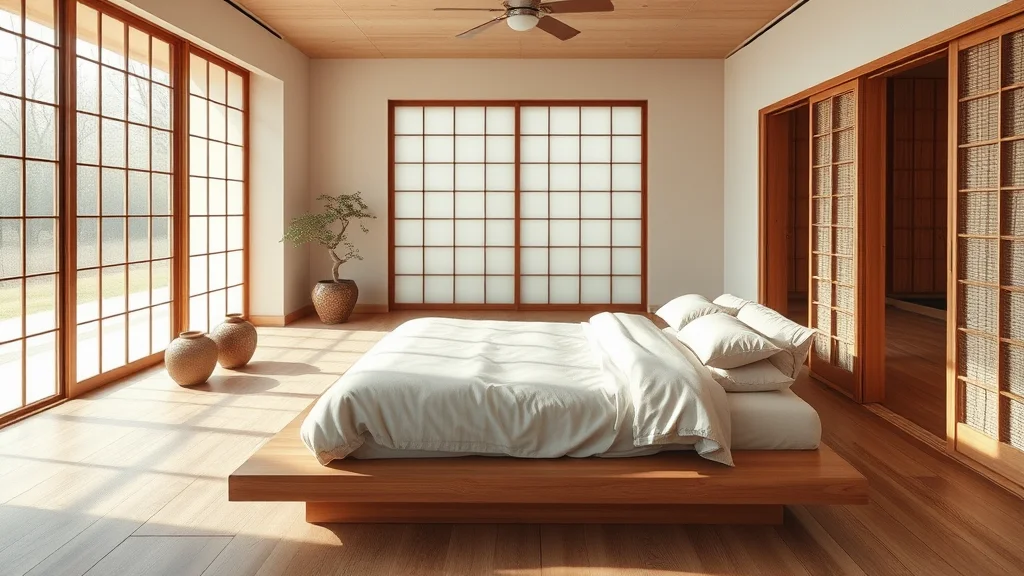
Stepping into a sanctuary that prioritizes peace, functionality, and aesthetic harmony is the hallmark of modern interior design. Japandi bedroom design, the celebrated fusion of Japanese wabi-sabi philosophy and Scandinavian hygge, offers exactly this experience. By stripping away the unnecessary clutter and focusing on tactile textures and earth-toned palettes, you create a space that breathes. This design language isn’t just about how a room looks; it is a holistic approach to living where every furniture piece and textile choice serves to lower your cortisol levels and prepare you for restful, deep sleep after a long, demanding day of modern life.
Designing your own haven requires a thoughtful balance of natural elements and intentional spacing that encourages tranquility. If you are just beginning your journey into this aesthetic, you might want to consult our home decor ideas ultimate guide to establish a strong foundational knowledge of space planning and color theory. Understanding the core principles of texture layering and light manipulation is essential to successfully executing a Japandi bedroom design that feels both sophisticated and deeply personal, avoiding the common pitfalls of a room that feels cold or clinical.
Is your lighting set for optimal Japandi tranquility?
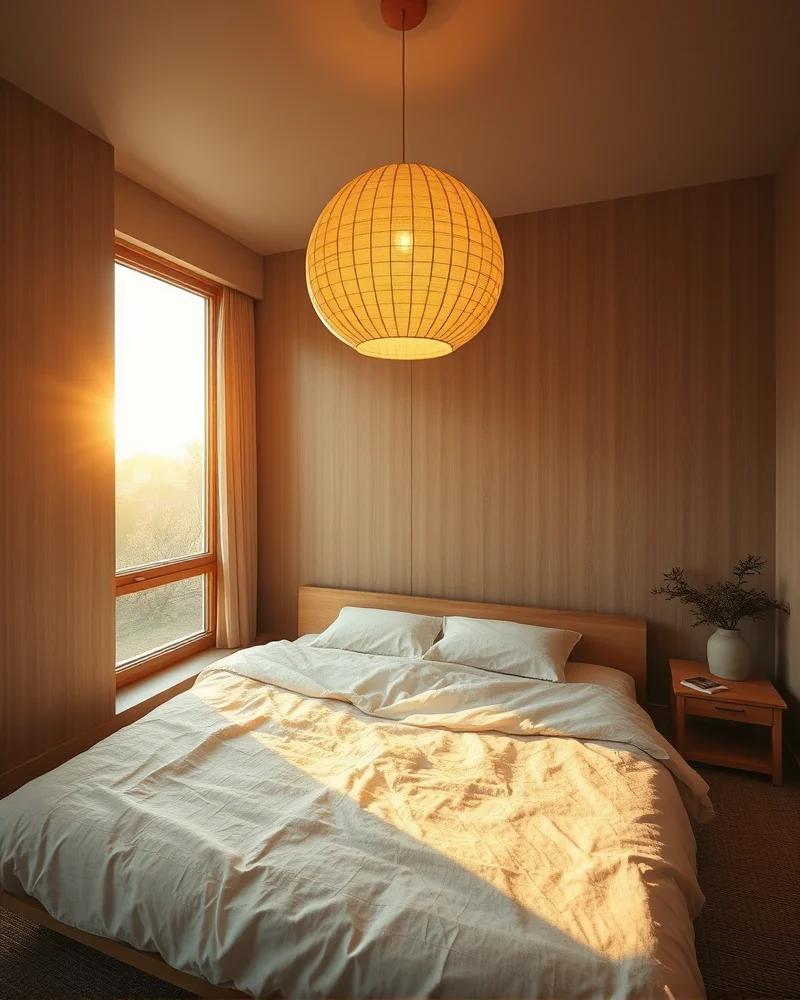
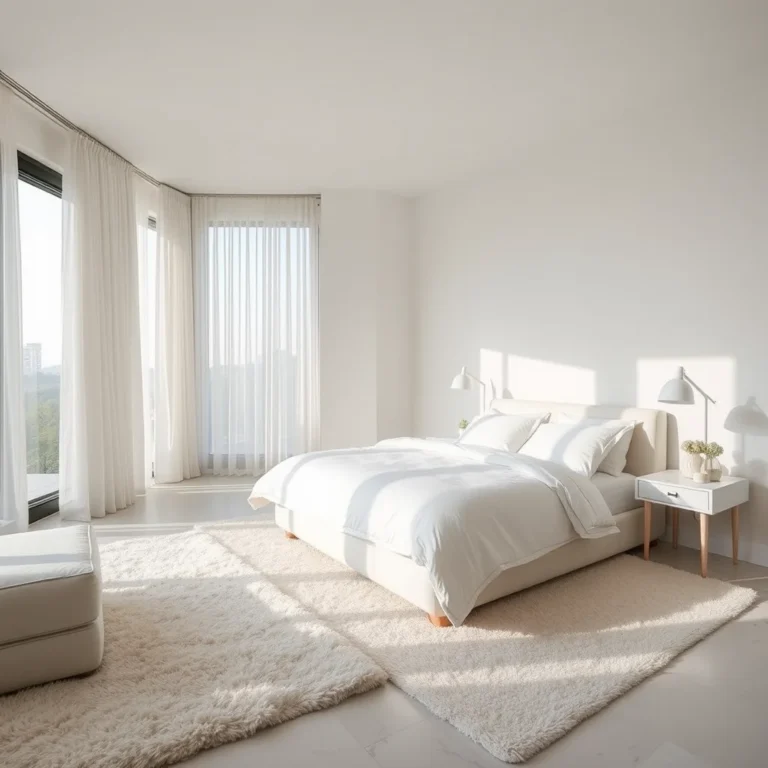
Lighting is arguably the most critical component of the Japandi style, acting as the primary mood setter for your sanctuary. In Japanese architecture, the manipulation of shadows is considered an art form, while Scandinavian design prioritizes light to combat long, dark winters. By merging these philosophies, you should aim for soft, diffused light rather than harsh overhead glares. Incorporating paper lanterns, often called Akari lights, provides an ethereal glow that softens the lines of your furniture. As noted by Architectural Digest, the use of warm-toned ambient lighting is essential for creating an inviting environment. Layer your light sources with floor lamps in corners to ensure the room feels balanced, cozy, and never stark, keeping the atmosphere grounded in natural serenity.
Why is low-profile furniture essential for Japandi?
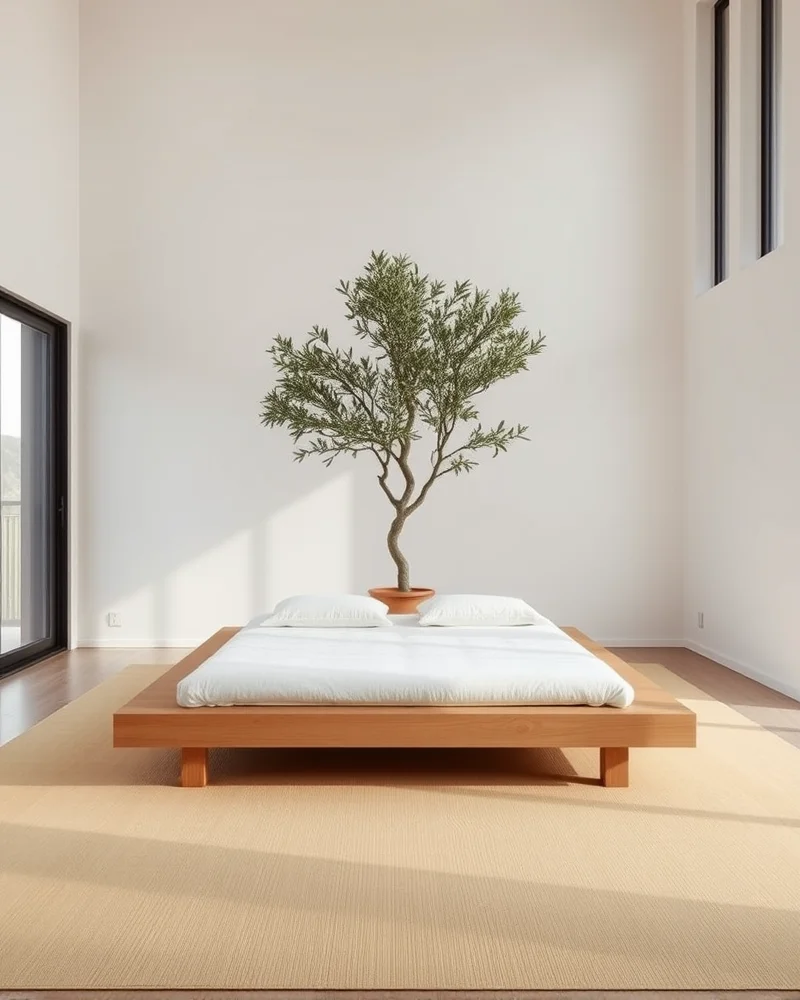
The scale and height of your furniture determine the visual flow of your bedroom. Japandi design inherently favors low-profile, floor-based furniture to ground the space and make it feel larger, even in smaller apartments. A platform bed serves as the anchor, emphasizing the horizontal lines that are common in traditional Japanese interior design. This approach forces you to be intentional with your pieces, as low-profile furniture leaves more ‘negative space’ on your walls, which is crucial for achieving that signature airy feel. For those looking for more inspiration on how to layout furniture in smaller spaces, you can explore our cozy living room ideas to see how low-profile styling translates across different rooms in the home.
The Power of Organic Materials and Textures
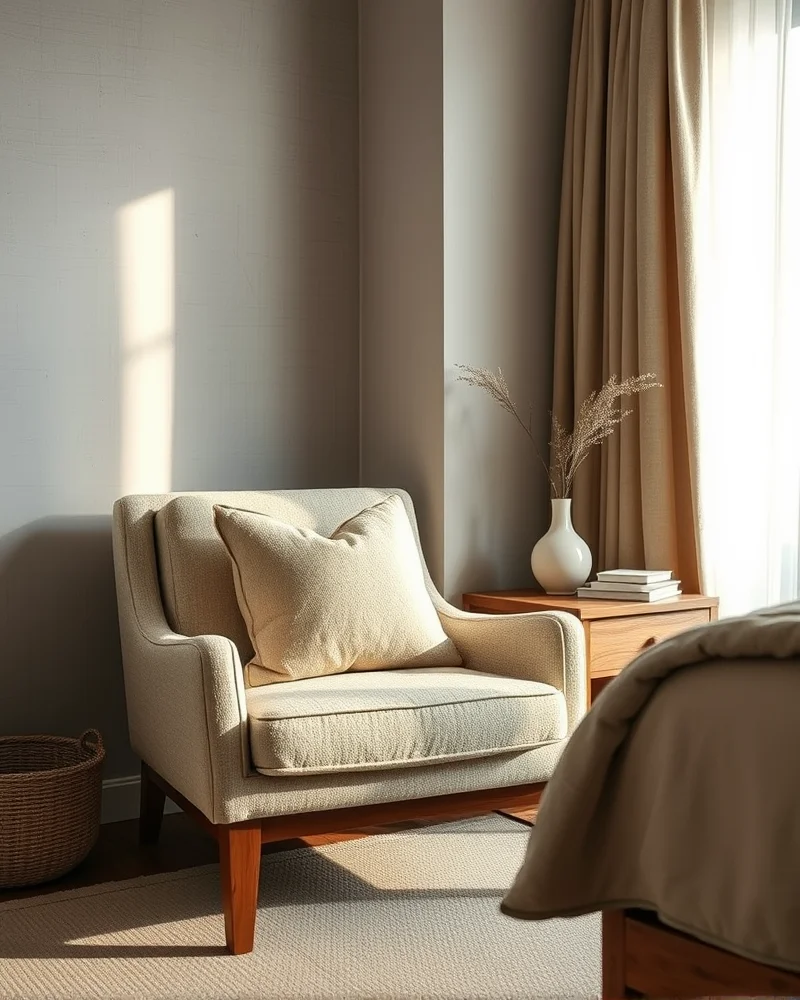
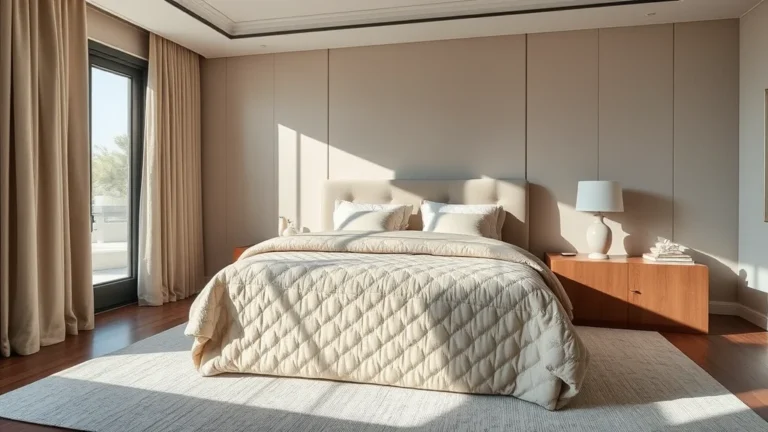
Japandi relies heavily on the ‘wabi-sabi’ principle, which celebrates the beauty in imperfections and natural materials. To achieve this, move away from synthetics and plastics, opting instead for solid wood, bamboo, rattan, and high-quality linen. The tactile experience of your room is just as important as the visual one; running your hands over a grain-rich oak table or sinking into soft, crumpled linen sheets provides a sensory grounding that is essential for relaxation. According to The Spruce, choosing sustainable, natural materials is a cornerstone of this style, ensuring that your home feels connected to the earth. Mix and match these textures through rugs, throws, and headboards to prevent a monochromatic room from feeling flat or uninspiring.
How to curate a clutter-free Japandi wardrobe?
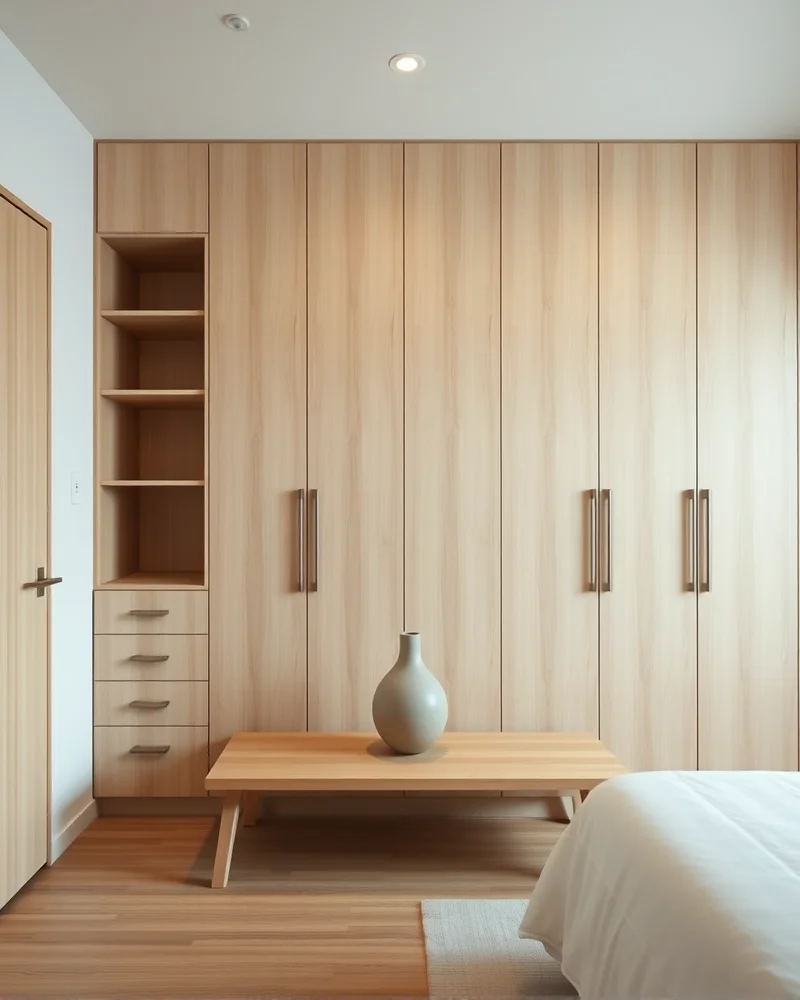
Minimalism is at the heart of the Japandi ethos, but it is often misunderstood as ’empty.’ In reality, it is about ‘curated living’ where everything has a place and a purpose. Clutter is the enemy of rest, which is why a Japandi bedroom must prioritize hidden storage. Consider utilizing built-in wardrobes that match the wall color or using low-profile, lidded storage boxes made from woven seagrass or bamboo. As you transition into this new style, refer to our june calendar home transformation tips to help you declutter systematically throughout the month. When surfaces are kept clear of personal items and visual noise, your mind can finally stop processing the ‘to-do list’ that clutter often represents, leading to a much more restful night of sleep.
Color Palette Secrets for a Neutral Sanctuary
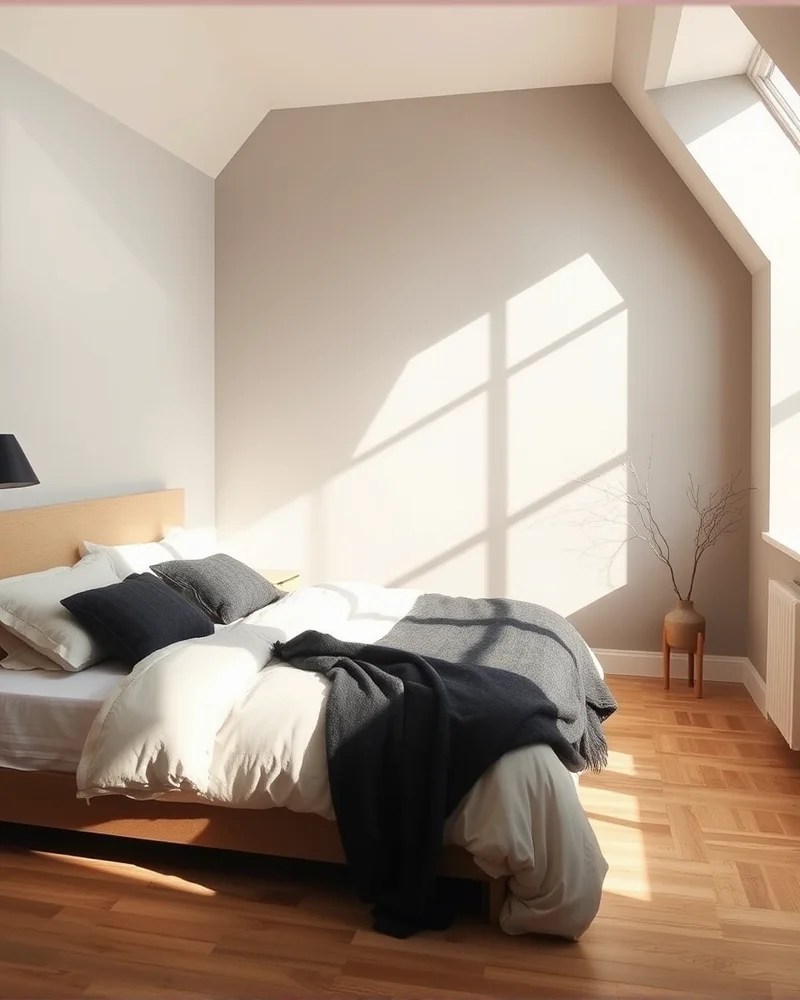
Is your bedroom decor truly purposeful?
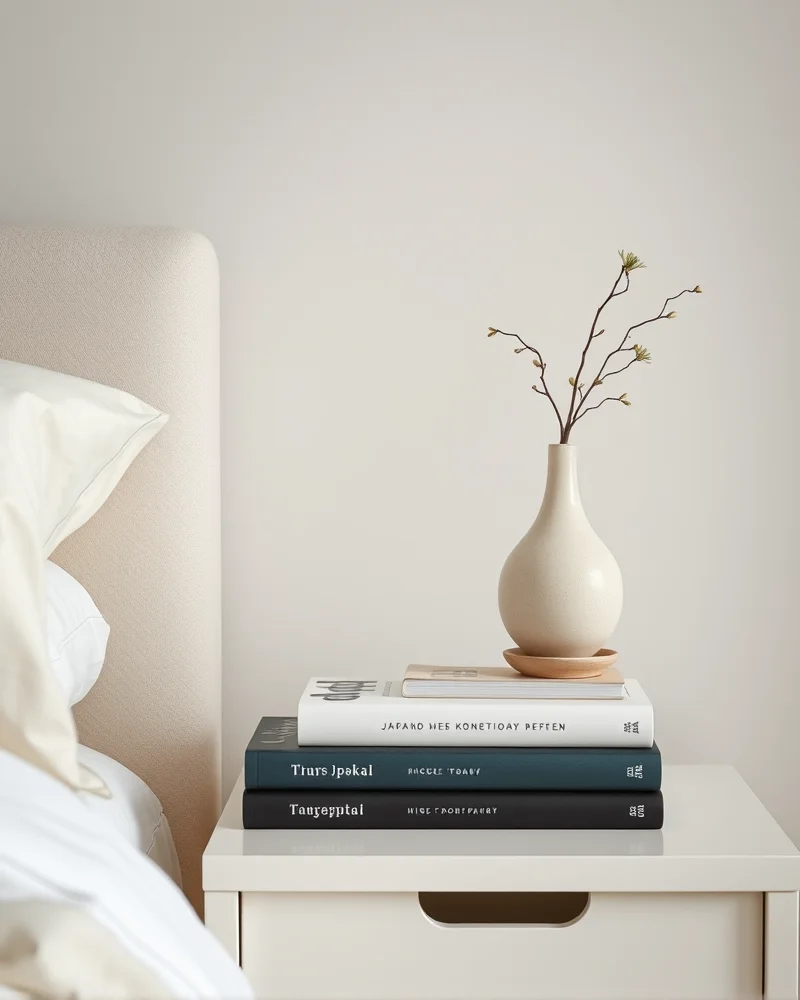
In a Japandi bedroom, ‘decor’ is not about filling shelves with trinkets; it is about selecting a few statement pieces that bring joy and serve a function. A singular, hand-thrown ceramic vase with a single branch, a well-curated art print, or a tactile woven cushion are all you need. Each piece should have a story or a specific use. When you stop buying ‘filler’ decor, you save money and increase the quality of your space. This intentionality creates a feeling of luxury that is not about the price tag, but about the absence of excess. Focus on silhouettes that mirror natural shapes and textures that invite you to touch them, creating a space that is authentically yours and perfectly styled.
The Final Touch: Bringing the Outdoors Inside
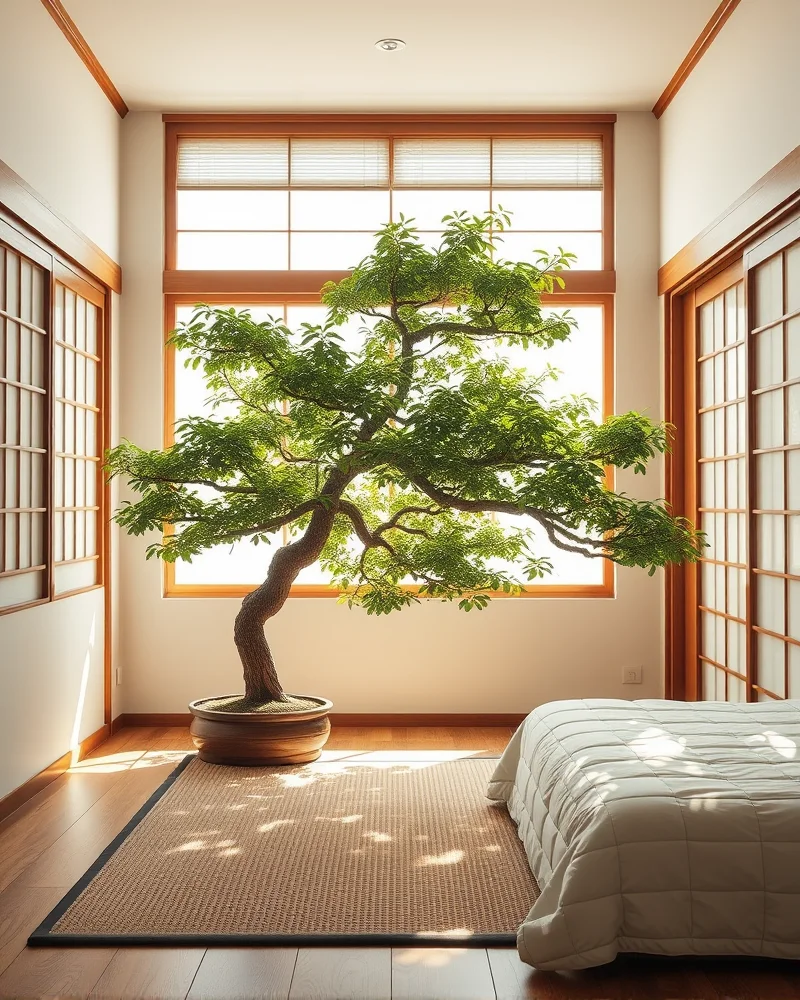
Bringing the outdoors in is the final step to completing your Japandi bedroom. Japanese design places a high value on the connection to nature, while Scandinavian homes focus on incorporating greenery to breathe life into interior spaces. Whether it is a small bonsai tree, a trailing pothos, or a dried eucalyptus branch in a floor vase, these natural elements add a layer of organic life that softens the rigid lines of furniture. It transforms the room from a static space into a living one. By incorporating these elements, you ensure your bedroom feels vibrant and connected to the natural world, which is a key psychological factor in creating a home that feels like a true sanctuary.
Final Thoughts
Mastering the art of Japandi bedroom design is a journey of refinement and restraint. By blending the functional warmth of Scandinavian hygge with the minimalist, soulful simplicity of Japanese wabi-sabi, you create a space that is not only visually stunning but also a true catalyst for rest and rejuvenation. Remember that the goal is not perfection, but rather a space that aligns with your lifestyle and provides a quiet retreat from the world. Start with one element, like your lighting or color palette, and build slowly. We would love to see how your transformation turns out—feel free to share your thoughts or questions in the comments section below, and let’s keep the conversation on creating beautiful, intentional homes going!
Frequently Asked Questions
Japandi design focuses on a palette of earthy, neutral tones including warm whites, beige, soft grays, and muted browns. It also incorporates occasional accents of charcoal or forest green to add depth without breaking the minimalist harmony.
Focus on low-profile furniture to create a sense of height in the room and keep surfaces clear of clutter to maintain an airy feel. Use light-colored textiles and one or two well-placed natural plants to maximize the perception of space while keeping it cozy.
While minimalism focuses on stripping away everything non-essential, Japandi adds warmth through texture, natural wood, and cozy textiles. It replaces the clinical, stark feel of traditional minimalism with the welcoming comfort of Scandinavian design.
Not necessarily; Japandi is centered on the ‘less is more’ philosophy, which can actually save you money by reducing the number of decor items you buy. You can achieve the look with DIY platform beds, thrifted wooden furniture, and simple, high-quality linen bedding.
Wabi-sabi is the Japanese philosophy that finds beauty in imperfection, aging, and natural cycles. It encourages you to embrace natural materials that gain character over time rather than striving for artificial, pristine perfection.