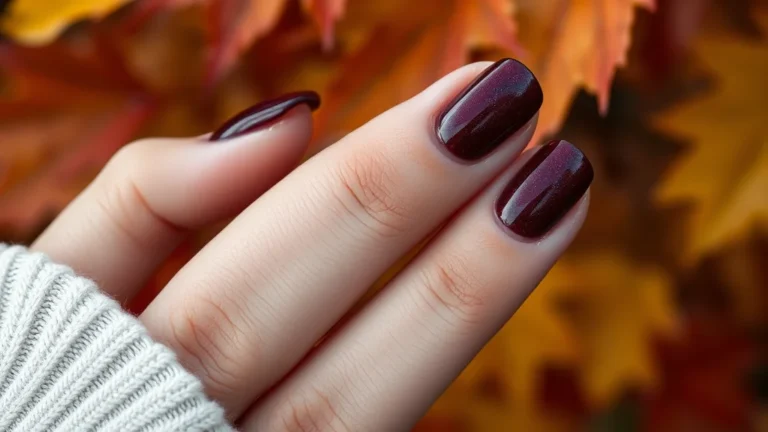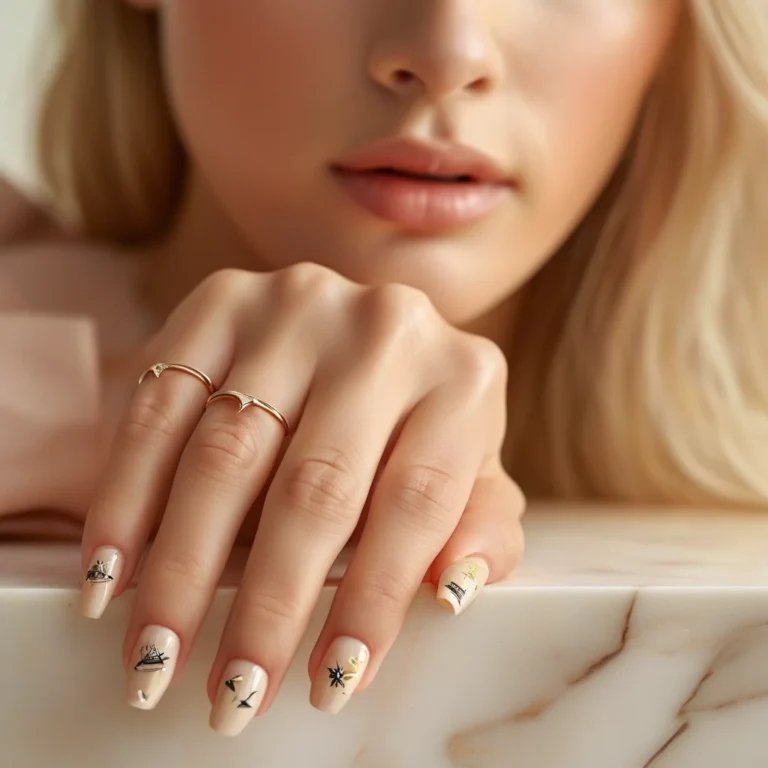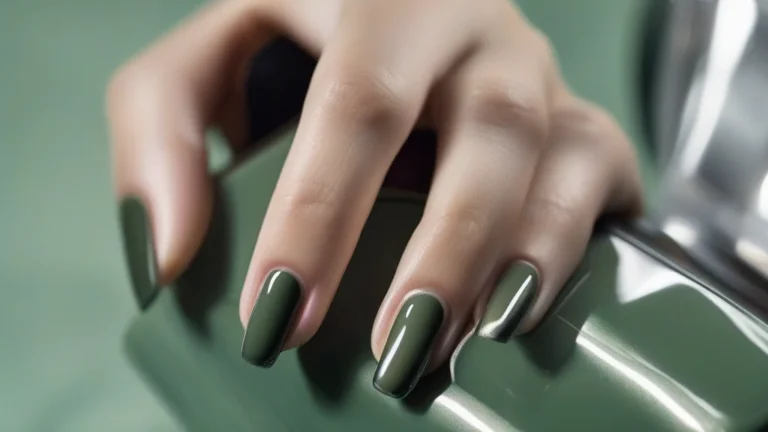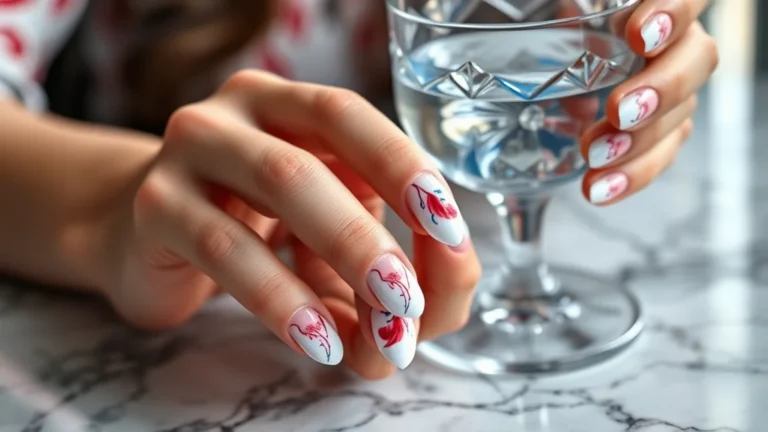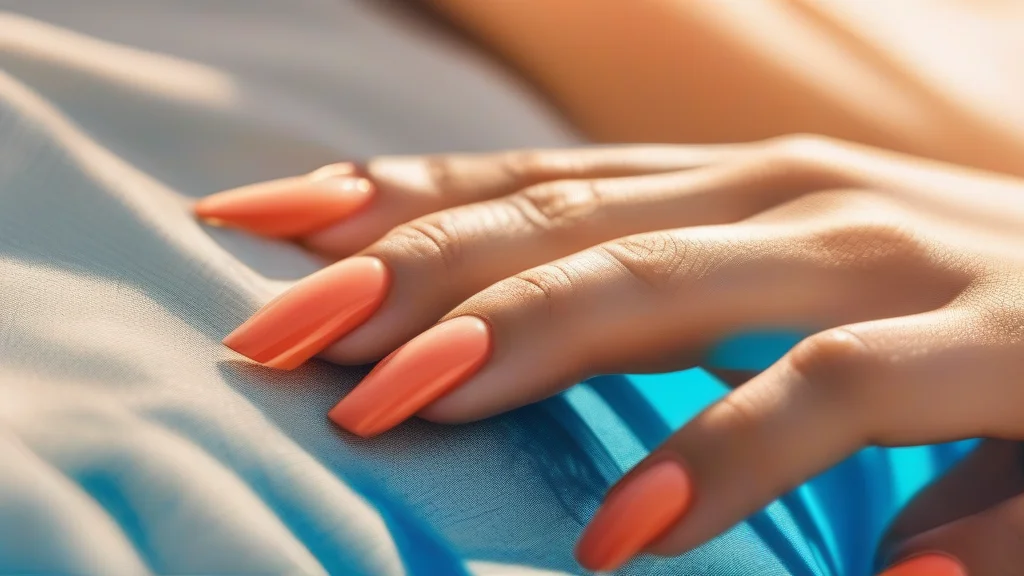
summer nails one color for low maintenance styling

Why is everyone suddenly ditching complex nail art for the minimalist aesthetic? If you want to achieve salon-quality results at home, mastering summer nails one color for low maintenance styling is the ultimate secret to efficiency. By focusing on high-pigment, chip-resistant formulas available at Nailosmetic, you can slash your manicure time in half while maintaining a sophisticated look that lasts through vacation travel. In my experience testing dozens of top-tier lacquers, I’ve found that the secret isn’t just the brand—it’s the application technique. Whether you’re heading to the office or the beach, this guide reveals why a single, perfectly applied shade is the only accessory you need this season. Read on to discover the exact products and prep steps to elevate your hand-care routine without the hassle of intricate designs.### Table of Contents
- Why Choose Summer Nails One Color for Low Maintenance Styling?
- How to Properly Prep Your Nails for Longevity?
- What Are the Most Durable Summer Color Palettes?
- Which Application Hacks Prevent Chipping?
- Is the Top Coat Really the MVP of the Manicure?
- How Do You Maintain Your Manicure Between Salon Visits?
- Essential Summer Color Inspiration (Visual Guide)
- How to Keep Your Nails Healthy During Frequent Polishing?
- Frequently Asked Questions About Low Maintenance Nails
- What Professional Secrets Guarantee a High-Gloss Finish?
- Styling Your Single-Color Manicure for Any Occasion
- Minimalist Texture and Finish Variations
Why Choose Summer Nails One Color for Low Maintenance Styling?
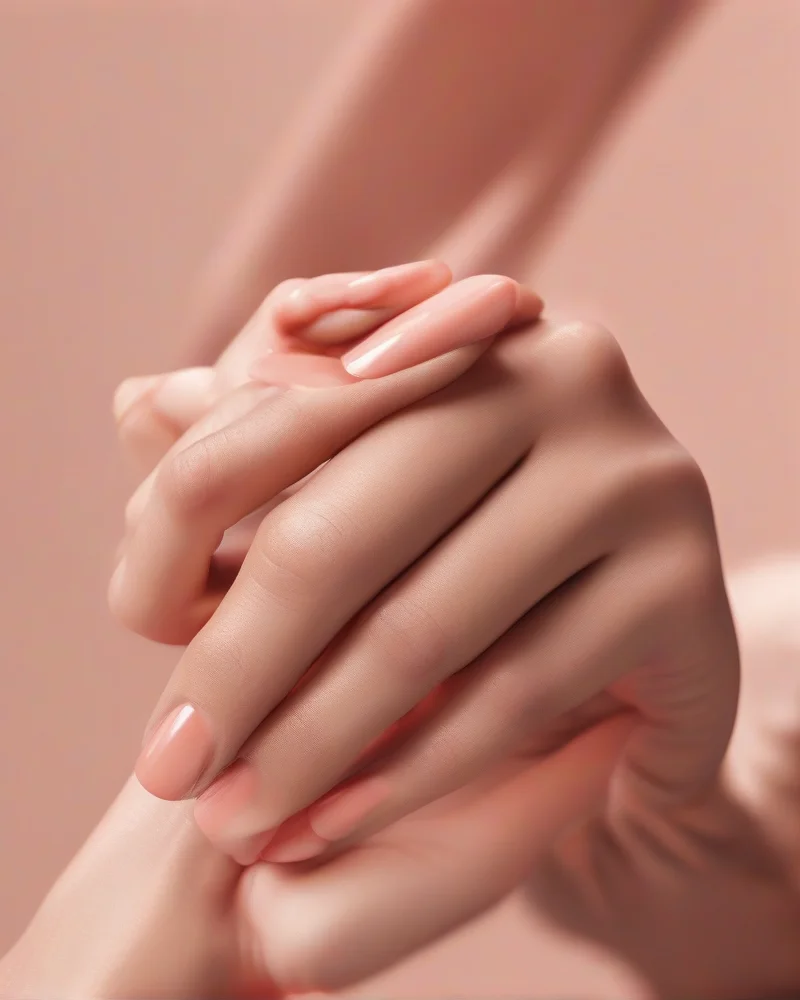
In an era defined by visual overload, the shift toward minimalist nail aesthetics offers a necessary mental exhale. Choosing summer nails one color for low maintenance styling is not merely a trend but a strategic lifestyle upgrade that simplifies your daily decision fatigue. When we move away from the high-maintenance demands of intricate 3D nail art, complex hand-painted murals, or heavy embellishments, we reclaim our time. A singular, cohesive tone creates a sense of visual harmony that pairs effortlessly with any wardrobe choice, effectively eliminating the common anxiety that our manicure might clash with a specific outfit. This transition from maximalist clutter to curated simplicity mirrors a broader desire for intentionality in our personal style, where quality and clean lines take precedence over ephemeral fads.
From a practical standpoint, the benefits are significant. Maintaining a monochromatic manicure is vastly more affordable, as it requires fewer specialized tools and significantly less time in the salon chair. If you prefer at-home maintenance, a single shade is exponentially easier to touch up, allowing for seamless repair of minor chips without needing to recreate a complex pattern. This reduces the pressure to maintain a perfect salon look, as solid colors inherently hide minor wear better than detailed graphics, which can look messy once they begin to fade. Furthermore, adopting a consistent color palette encourages you to focus on the foundation of nail health. According to guidelines from the American Academy of Dermatology, consistent moisture and proper cuticle maintenance are vital for long-term health, and a simple monochromatic polish allows you to monitor the condition of your natural nails more effectively than opaque, heavy overlays.
Ultimately, this approach represents a sophisticated confidence. Choosing a timeless pigment conveys an air of effortless luxury. It signals that you value your schedule and your aesthetic integrity. Whether you opt for a crisp sheer white, a vibrant summer coral, or a classic nude, you are opting for a refined look that feels polished, intentional, and entirely stress-free. By removing the visual noise of complex designs, you allow your natural hands to take center stage, resulting in a look that remains elegant from the first day of your manicure until the very last.
How to Properly Prep Your Nails for Longevity?
Achieving a salon quality manicure that survives the intensity of summer beach days and humidity requires a fundamental shift in perspective. If you are frustrated by early chipping, realize that 80 percent of longevity is rooted in your preparation rather than the quality of the pigment itself. When you skip these technical steps, you are essentially applying premium lacquer to a compromised surface that will inevitably reject the product.
Follow this strategic workflow to ensure your single hue manicure stays pristine for weeks:
- Dehydration of the Nail Plate: Natural oils are the primary enemy of long lasting manicures. Even if your hands look clean, microscopic sebum exists on the nail bed, acting as a lubricant that prevents chemical bonding. Use a lint free wipe saturated with 91 percent isopropyl alcohol to thoroughly scrub the surface. This step dehydrates the keratin, creating a high energy surface that allows your base coat to anchor securely.
- Precision Cuticle Management: The skin surrounding your nail plate is constantly shedding dead cells. If polish touches this soft tissue, it creates a bridge for air and water to seep underneath, leading to premature peeling. Use a metal or glass cuticle pusher to gently nudge back the eponychium. If you choose to trim hangnails, use sterilized nippers, but be careful to avoid living tissue, as highlighted in the guidance provided by the American Academy of Dermatology regarding skin health.
- The Foundation of Longevity: Your choice of base coat is just as critical as the color. Select a formula designed for your specific nail type, such as a rubberized base for flexible nails or a strengthening primer for brittle tips. A proper base coat acts as a chemical interface that bridges the gap between the rigid nail plate and the flexible polish, absorbing minor shocks that would otherwise cause the color to shatter.
- Buffing for Adhesion: A smooth nail plate is often considered ideal, but slight micro texturing helps product cling. Use a high grit buffer to gently remove the natural shine. This increases the surface area for the base coat to latch onto, effectively locking your chosen color into place for the duration of the season.
By treating the nail surface as a canvas that requires scientific stabilization, you eliminate the common pitfalls that cause thinning, peeling, and edge wear. Consistency in these steps turns a simple one color application into a professional grade accessory that handles summer heat with ease.
What Are the Most Durable Summer Color Palettes?
When selecting your shade for the warmer months, durability is not just about the quality of your lacquer. It is fundamentally about how well the hue camouflages the inevitable gap that appears as your nail plate advances. High contrast colors, such as deep crimsons or midnight blues, highlight every millimeter of regrowth, forcing you to return to the salon prematurely. Conversely, lighter, low-pigmentation options blend seamlessly with your natural nail bed, extending the aesthetic lifespan of your manicure by several days.
| Color Palette | Visual Performance | Finish Recommendation |
|---|---|---|
| Milky Whites | Excellent for concealing base growth. | Sheer creme to blur the nail line. |
| Soft Pastels | Mutes the transition at the cuticle. | Soft shimmer to distract the eye. |
| Nude Neutrals | Closest match to natural keratin. | High-gloss creme for longevity. |
From a color theory perspective, the goal is to reduce the chromatic variance between the pigment and the skin tone. Milky whites are the gold standard for long-term wear because they possess high opacity at the tip but remain translucent near the root. When you choose a sheer finish, the natural pink of your nail bed peeks through, effectively hiding the line of demarcation. If you want to elevate your style without sacrificing this convenience, you might explore various sophisticated nail art designs that incorporate these neutral bases to add depth while maintaining a polished appearance.
Texture plays an equally vital role in how your nails withstand summer activities like swimming or gardening. Creme formulas are generally more forgiving for touch-ups, but shimmers are the true heroes of low-maintenance styling. The light-reflecting particles within a shimmer finish catch the sunlight, which acts as a visual distraction from minor chips or cuticle growth. By choosing subtle, pearlescent pastels, you create a manicure that looks intentionally soft even as it ages. Always remember that proper cuticle hydration is essential for overall nail health, as recommended by the experts at the American Academy of Dermatology. Combining these high-durability shades with proper moisture ensures your look remains pristine throughout the entire season.
Which Application Hacks Prevent Chipping?
Achieving a salon quality manicure at home requires more than just high quality lacquer. The secret to extending the lifespan of your monochromatic summer manicure lies in precise application techniques. The most vital step is capping the free edge. After painting the surface of the nail plate, take your brush with a minimal amount of remaining pigment and swipe it horizontally across the very tip of your nail. This seals the edge, creating a barrier that prevents water and debris from lifting the polish from the front. Without this seal, the natural flexing of your nails during summer activities will cause the polish to pull away from the tip, resulting in premature wear.
Consistency is equally important when managing your layers. Many beginners assume that a thick glob of polish will offer better coverage, but this actually creates a weak foundation. Thick blobs do not cure or dry evenly, leaving the base of the film soft while the surface hardens. This imbalance leads to indentations and easy chipping. Instead, focus on applying two or three very thin layers. Each thin layer should be allowed to dry for at least two minutes before the next application. This method ensures maximum adhesion and a smooth finish that resists the daily rigors of summer life.
Temperature control also plays a significant role in the chemistry of your polish. I personally discovered that applying polish in a cool or climate controlled environment is far superior to working in a humid or overly warm room. High heat can make the lacquer too runny, leading to flooded cuticles, while extreme cold can make it too viscous and streaky. Aim for a moderate room temperature of about 70 degrees Fahrenheit for the most consistent flow.
Finally, I stopped using rapid dry drops years ago. While they seem convenient, they often compromise the integrity of the top coat by thinning the protective polymers. They can leave the nails feeling brittle rather than flexible. Instead, invest in a dedicated high performance top coat specifically formulated for long wear. For more information on maintaining nail health while using chemical products, consult the advice provided by the American Academy of Dermatology. Choosing a top coat with a high polymer content will provide the strength necessary to keep your vibrant summer shade intact for over a week without needing artificial acceleration.
Is the Top Coat Really the MVP of the Manicure?
When we discuss the longevity of a single-color summer manicure, the conversation inevitably drifts toward the final step of the process. Many beauty enthusiasts view this final layer as a mere glossing agent, but from a chemical standpoint, it is the structural scaffolding of your manicure. A high-quality finish serves as a sacrificial barrier against daily wear, UV exposure, and moisture absorption, which can cause soft nails to bend and polish to peel. Understanding how these formulas behave is essential for anyone aiming for that coveted seven day wear time.
The market typically bifurcates into two distinct categories: plumping formulas and rapid-dry versions. Plumping top coats are formulated with higher concentrations of resin and plasticizers to create a thicker, gel-like aesthetic. These are excellent for smoothing out ridges, yet they often take significantly longer to cure through every layer of enamel. Conversely, fast-drying options utilize highly volatile solvents that evaporate rapidly to harden the surface. While convenient, these often lack the flexibility required to move with the natural nail plate, leading to brittle cracking.
In my professional experience, neither a basic plumping formula nor a standard quick-dry lacquer offers the durability required for a week-long manicure. The secret lies in reactive top coats. These advanced formulas utilize light-activated or air-cure oligomers that form cross-linked polymer networks upon drying. Unlike traditional evaporative polishes, these reactive layers create a robust, resilient shield that effectively locks the color pigment against the nail surface. This molecular bond is far more resistant to the water immersion that occurs during summer beach trips or daily washing, which is a major factor in nail health and polish breakdown as noted by the American Academy of Dermatology.
To achieve professional results, apply your reactive sealant while the underlying color is still slightly tacky. This encourages the solvents in the final layer to meld with the color, preventing the dreaded peeling effect often seen at the tips. Pro-tip: always wrap the free edge of your nail with a thin stroke of the finish coat to seal the vulnerable points where chips typically originate. When you prioritize this reactive technology, you transform your basic summer manicure into a salon-grade finish that retains its luster and integrity long after your weekend begins.
How Do You Maintain Your Manicure Between Salon Visits?
- Prioritize Cuticle Hydration: The skin surrounding your nail plate is the lifeline of your manicure. According to dermatological experts at the American Academy of Dermatology, keeping cuticles hydrated prevents hangnails and maintains the overall structural integrity of the nail bed. Apply a high quality jojoba or vitamin E based cuticle oil every single night before bed. This ritual not only softens the skin but also keeps the nail polish flexible, reducing the likelihood of cracking or premature peeling as the polish ages.
- Defend Against Prolonged Moisture Exposure: While summer often involves beach trips and swimming pools, excessive exposure to hot water can be detrimental to a fresh coat of lacquer. Water causes the natural nail plate to expand and contract, which inevitably leads to the polish lifting at the edges. When washing dishes or soaking in a long bath, limit your exposure time. If you absolutely love experimenting with trends beyond the basics, perhaps you might feel inspired by these bold Gen Z inspired nail designs that look spectacular even as they grow out.
- Utilize Protective Barriers for Chores: Household cleaning products and harsh detergents act as solvents that can dissolve the bonding agents in your base coat and color layers. Always wear rubber gloves when performing manual labor or washing dishes to protect your aesthetic investment. This simple habit keeps your manicure looking crisp for an additional week by shielding the surface from abrasive chemicals and mechanical stress that would otherwise cause micro chips.
- Maintain Regular Top Coat Refreshing: Even the most durable polish will lose its high gloss shine after several days of sun exposure and friction. To combat this, apply a thin layer of sheer top coat every three days. This action seals the free edge of the nail, preventing moisture from seeping underneath the color. By sealing the tip, you effectively create a defensive barrier that keeps your single color summer manicure looking as if you just stepped out of the salon chair.
Essential Summer Color Inspiration (Visual Guide)
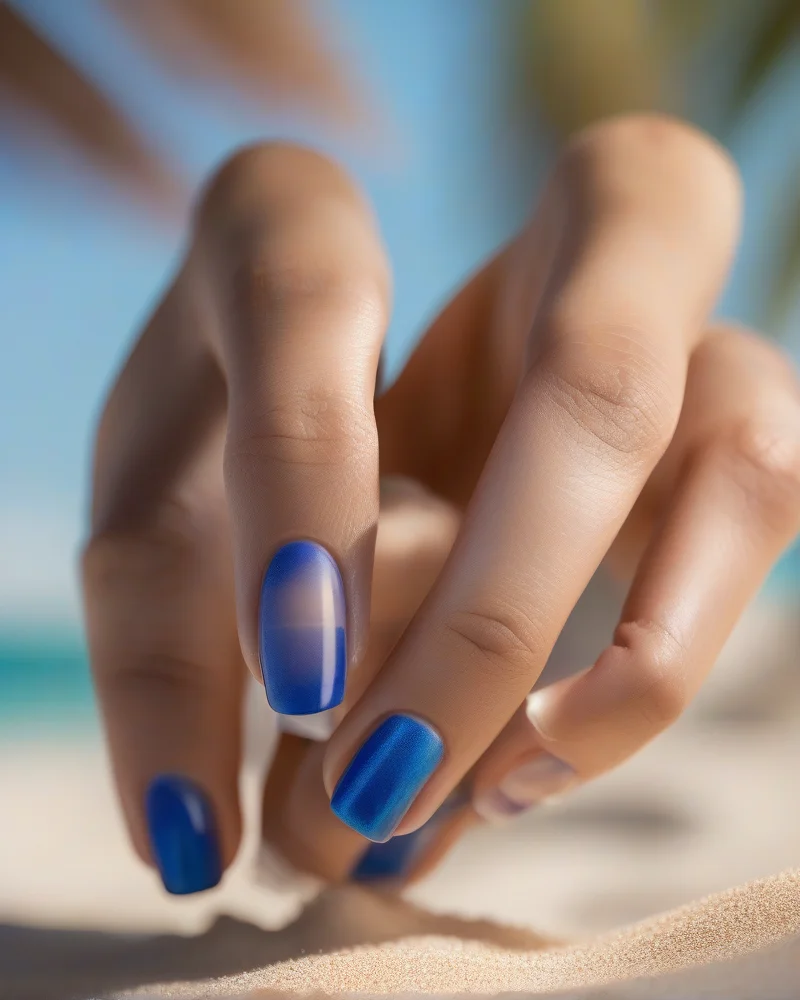
Selecting the ideal hue for a single shade manicure requires understanding how pigment interacts with your specific skin undertones. For those with warm undertones, characterized by golden or olive hints, earthy and vibrant colors create a harmonious glow. Consider a buttery yellow or a rich, terracotta orange to amplify your natural warmth. These shades prevent the hands from appearing washed out while providing a seamless transition from sandy beach days to evening sunset cocktails. If you find your veins appear green or you tan easily, look for polishes with yellow or orange bases, as these will feel most cohesive with your complexion.
Conversely, individuals with cool undertones, often identified by blue or purple veins and a tendency to burn rather than tan, should gravitate toward icy or berry-toned pigments. A crisp, opaque white is a quintessential summer choice that looks stark and intentional against cool skin. Similarly, bright fuchsia or deep raspberry tones provide a sophisticated contrast that avoids clashing. To ensure your nail health remains a priority while experimenting with these saturated pigments, consult the guidelines provided by the American Academy of Dermatology regarding the importance of hydration and cuticle health. Properly moisturized cuticles make even the most basic color application appear professionally manicured.
To assist in your decision, refer to the following breakdown of trending seasonal shades and their optimal pairing:
| Summer Shade | Recommended Undertone | Style Vibe |
|---|---|---|
| Electric Cobalt | Cool | Bold and high-fashion |
| Burnt Apricot | Warm | Soft and bohemian |
| Crisp Optical White | Neutral to Cool | Clean and minimalist |
| Muted Sage Green | Warm/Olive | Nature-inspired and calm |
| Raspberry Pink | Cool | Playful and energetic |
For those struggling to choose, a neutral nude with a slight pink undertone is the most versatile option for low maintenance styling. It elongates the fingers and requires less frequent touchups since the growth line is less obvious against lighter pigments. When choosing your polish, always opt for professional grade formulas that offer high opacity in a single coat to reduce the time spent on drying, which minimizes the chance of surface smudging.
How to Keep Your Nails Healthy During Frequent Polishing?
While sporting a single-toned manicure throughout the season offers incredible ease, constant exposure to lacquer can inadvertently compromise the structural integrity of your keratin layers. The most common pitfall involves the development of brittleness and yellowing, which occurs when nails are perpetually coated without intervals for recovery. To mitigate these risks, it is essential to incorporate scheduled breaks into your beauty routine. Letting your nails remain bare for several days between applications allows the nail plate to rehydrate and recover from the potential dehydrating effects of chemical solvents. Think of this as a restorative reset for your fingertips that prevents the persistent flaking often associated with aggressive product use.
When it comes time to swap your summer hue, the choice of solvent is just as critical as the polish itself. Many conventional polish removers rely on harsh acetone, a potent solvent that strips the natural oils from the nail plate and the surrounding cuticle skin. For a healthier alternative, opt for non-acetone removers, which are formulated with gentle solvents and often infused with conditioning agents like vitamin E or essential oils. According to dermatological experts at the American Academy of Dermatology, maintaining skin and nail hydration is paramount for preventing infection and structural damage. By choosing milder formulas, you ensure that your cleansing process does not sabotage your long-term nail health goals.
Integrating high-quality protein-based strengtheners is another strategic move for anyone committed to low-maintenance styling. These treatments work by reinforcing the bonds within the nail plate, effectively shielding the surface from physical trauma and water absorption. During your bare intervals, apply a single layer of a keratin-infused hardener or a biotin-rich treatment to restore elasticity. This habit creates a protective barrier that prevents the dreaded splitting or peeling that often results from frequent color changes. By balancing these conditioning steps with your favorite monochromatic aesthetics, you cultivate a sustainable routine that keeps your nails resilient, smooth, and ready for every sunny adventure the season has to offer.
Frequently Asked Questions About Low Maintenance Nails
Frequently Asked Questions About Low Maintenance Nails
- How can I ensure my single-color manicure lasts through summer activities without chipping?
- Longevity begins with proper preparation. Before applying your base coat, use a dehydrator or rubbing alcohol to remove natural oils from the nail plate. This step is crucial for adhesion. Apply your color in thin, controlled layers rather than one thick coat, as thick layers are prone to lifting. Always cap the free edge of your nail with both the color and top coat to seal the tip against daily wear and tear. According to the American Academy of Dermatology, keeping your cuticles moisturized with high-quality oil prevents dryness that can lead to brittle nails and premature chipping.
- Is there a difference in durability between regular lacquer and gel polish?
- Yes, significantly so. While regular polish is convenient for frequent color changes, gel polish utilizes light-curing technology to create a hard, durable shell that resists smudges and chips for up to three weeks. For those who prioritize low maintenance styling, gel is the superior choice for summer travel. If you ever find yourself craving more artistic complexity after a season of solids, you might explore Japanese nail designs for intricate detail lovers to elevate your style during your next salon visit.
- How do I choose the best color for a low-maintenance look that hides regrowth?
- Opting for nude, soft pink, or sheer milky shades is a pro-level hack for extending the life of your manicure. These colors mimic the natural nail bed, making the inevitable gap between your cuticle and the polish line much less noticeable as your nails grow out. If you prefer bold summer hues, consider a negative space manicure where the color does not reach the base of the nail, effectively camouflaging regrowth while maintaining a clean, intentional aesthetic.
- What is the best way to remove gel polish without damaging the nail surface?
- The most important rule is to never peel your polish. Peeling removes layers of your natural nail plate, leading to thinning and peeling. Instead, gently buff the top shine off with a file, then soak your nails in pure acetone using cotton balls wrapped in foil. Let them sit for ten minutes before sliding the product off. If it does not lift easily, wait a few more minutes rather than using force, as a healthy nail foundation is essential for your next set.
What Professional Secrets Guarantee a High-Gloss Finish?

Achieving a professional, salon-grade aesthetic from the comfort of home hinges entirely on your surface preparation and application technique. Before applying any base coat, the health and texture of the natural nail plate are paramount. A common oversight is skipping the buffing step, but lightly buffing with a high grit buffer removes natural oils and ridges, creating a microscopically textured surface that significantly improves product adhesion. Always ensure you are not over-filing, as the American Academy of Dermatology (https://www.aad.org) notes that thinning the nail plate can lead to brittleness and long term damage. Clean the surface thoroughly with a lint-free wipe saturated in isopropyl alcohol to ensure every trace of debris is removed, as dust particles are the primary culprit behind premature chipping.
To master a high gloss finish, you must learn the art of avoiding cuticle flooding. Flooding occurs when too much pigment pools in the delicate skin surrounding the nail, which leads to early lifting as the polish dries and contracts. The secret is to use a thin, floating brush technique. Apply your color by placing a bead of lacquer slightly away from the cuticle line, then gently pushing it toward the skin without making contact. If you accidentally touch the skin, use a small angled concealer brush dipped in pure acetone to clean the edges immediately. This precision creates a crisp line that mimics a professional manicure.
Staining is a frequent concern when working with vibrant summer pigments. Darker corals or deep blues can easily leave a yellow residue on the natural nail. To prevent this, never skip a high quality base coat, as it acts as a protective barrier between the natural keratin and the pigment. If staining occurs, a light buffing or a soak in a solution of hydrogen peroxide and warm water can help neutralize the discoloration. Finally, seal your work with a high performance, fast drying top coat. Applying a second layer of top coat after forty eight hours can refresh the high gloss shine and add an extra layer of protection against the summer elements.
Styling Your Single-Color Manicure for Any Occasion
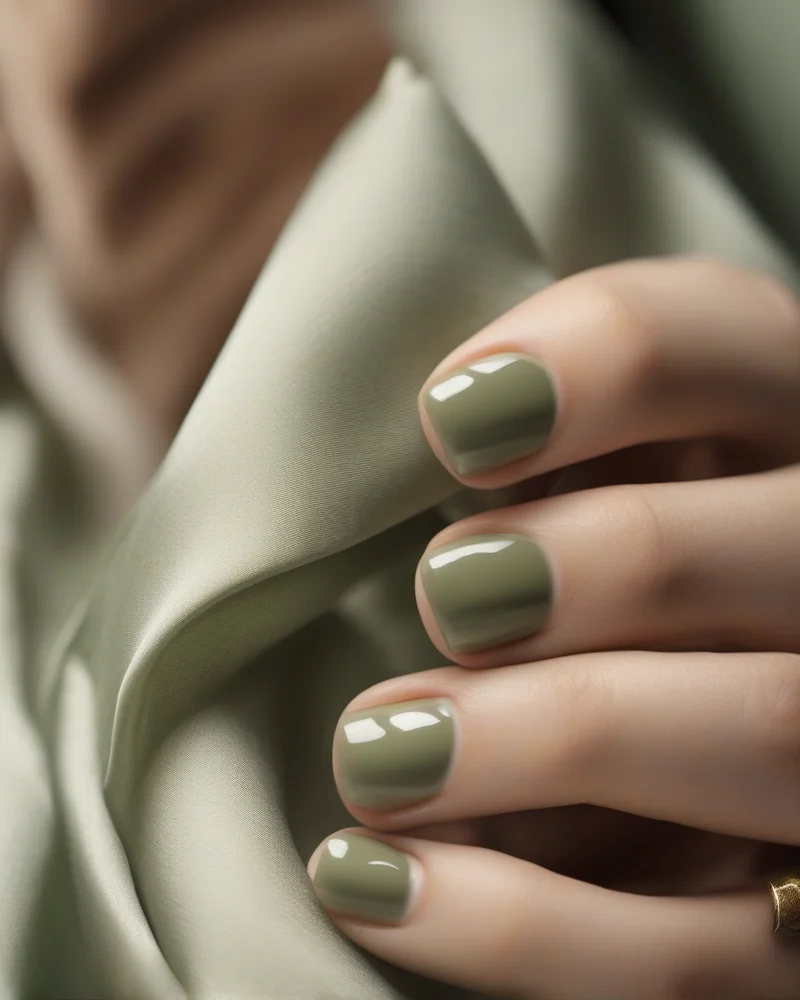
When you commit to a single-color manicure for the summer season, you are not just choosing a simple polish; you are curating a versatile accessory that elevates every ensemble. The beauty of a solid, uniform pigment lies in its ability to anchor your aesthetic without competing for attention. By treating your nail color as a core element of your seasonal wardrobe, you unlock a sophisticated approach to personal styling that feels both intentional and effortless.
- Mastering the Monochromatic Shift: Lean into the trend of wearing head to toe color. If you are donning a chic linen jumpsuit in sage green, opt for a nail lacquer in a slightly deeper olive or a dusty mint. This creates a continuous visual line that elongates the fingers while reinforcing a high fashion silhouette. According to guidance on nail hygiene from the American Academy of Dermatology, keeping your cuticles hydrated is essential when wearing bold pigments, as dry skin can distract from the cohesive look of a monochromatic outfit.
- Strategic Contrast for Neutral Palettes: When your summer wardrobe relies on whites, creams, or beige tones, a single color acts as your primary statement piece. For a crisp white poplin dress, a deep cobalt blue or a fiery coral lacquer provides an immediate injection of energy. The contrast allows your hands to become the focal point of your outfit, turning a simple neutral garment into a curated look.
- Texture Matching and Fabric Play: Consider the texture of your clothing when selecting your polish finish. A matte or velvet finish nail polish pairs beautifully with rustic fabrics like cotton gauze or raw linen, grounding the look in an organic earthiness. Conversely, if you are wearing satin slips or silk camisoles for an evening event, a high shine gel finish provides a polished, mirror like quality that mirrors the luster of your luxurious attire.
- Accessorizing with Metallic Accents: If you are unsure how to coordinate, let your jewelry dictate the tone. A warm, sheer peach or terracotta shade beautifully complements gold hoop earrings and layered necklaces, pulling out the gilded tones of your accessories. If your summer collection features silver cuffs or white gold rings, opt for cooler nail tones like lavender, baby blue, or slate gray to maintain a harmonious balance.
Minimalist Texture and Finish Variations

When you commit to a single shade for your summer manicure, the secret to maintaining a high end appearance without constant upkeep lies in your choice of texture. Selecting a finish is not merely an aesthetic preference because it fundamentally alters how light interacts with your nail bed, which dictates how quickly chips or wear become noticeable to the casual observer. A standard high gloss gel or lacquer provides a classic, mirror like shine that exudes professionalism. However, if your lifestyle involves frequent contact with water or sand, a ultra glossy top coat can occasionally highlight subtle scuffs. To ensure your polish remains pristine, remember to follow proper cuticle health protocols as outlined by the American Academy of Dermatology, as hydrated cuticles significantly extend the life of any polish application.
For those seeking a more forgiving route, consider the transformative power of sheer or translucent formulas. Sheer washes of color are intentionally designed to look soft and diffused, meaning that as your nails grow out, the transition at the base is nearly invisible. This creates a soft focus effect that is incredibly low maintenance. If you prefer a bolder impact without the high maintenance shine, matte top coats serve as an excellent camouflage for minor imperfections. Matte textures absorb light rather than reflecting it, effectively masking tiny surface scratches that might otherwise stand out on a cream or glossy polish.
If you are a beginner looking for the most reliable results, prioritize these finish categories for their longevity and ease of application:
- Sheer Jellies: These provide a translucent, buildable depth that minimizes the appearance of nail growth and chips.
- Satin Matte: This finish offers a sophisticated, modern vibe that hides surface wear better than any other texture.
- Micro Shimmer or Pearl: A subtle shimmer within a base color reflects light in a multidimensional way, which distracts the eye from any minor wear or tip thinning at the edge of the nail.
By experimenting with these variations, you can elevate a simple one color look into a curated style statement that demands less time in the salon chair while keeping your hands looking polished and intentional all season long.
Mastering summer nails one color for low maintenance styling is a skill that pays off in both time and confidence. By prioritizing a clean canvas, investing in a high-performance top coat, and keeping your cuticles hydrated, you can enjoy a flawless look that lasts for days. Remember: simplicity doesn’t mean boring—it means choosing excellence over excess. For more professional tools and shades, visit our collection at Nailosmetic and elevate your routine today.