serious skin care

Serious skin care is the difference between temporary surface-level glow and long-term, cellular-level dermal health. While many equate beauty rituals with fleeting trends, genuine transformation requires clinical consistency. At Nailosmetic, I have spent years testing professional-grade formulations to cut through the marketing noise. In my experience, the secret isn’t a complex ten-step routine, but rather the strategic application of bioactive ingredients that target specific skin concerns at the source. Why do so many expensive products fail to deliver results? It often comes down to delivery systems, pH balance, and the cumulative damage of improper maintenance. This guide is your blueprint for a dermatological-grade regimen that actually works. We will break down exactly how to transition from guesswork to data-backed, serious skin care that delivers visible longevity and radiance. Table of Contents: What is Serious Skin Care?, The Science of Active Ingredients, Why Your Routine Fails, Building the Perfect Morning Routine, Evening Repair Protocols, Understanding Skin Types, The Truth About Anti-Aging, Professional Treatments vs. At-Home Care, The Impact of Nutrition on Dermis, Common Skincare Myths, Serious Skin Care FAQ.
What is Serious Skin Care and Why Does Your Barrier Matter?

Serious skin care transcends the superficial promise of aesthetically pleasing packaging or heavily marketed beauty trends. It represents a clinical, evidence based approach to dermatology that prioritizes the physiological needs of the epidermis over transient trends. While generic cosmetic products often focus on temporary textural changes or sensory experiences like fragrance and shimmer, professional grade formulations target cellular health and long term structural integrity. The core of this discipline lies in understanding that your skin is an active, protective organ rather than a blank canvas for makeup.
At the center of this functional hierarchy is the skin barrier, scientifically known as the stratum corneum. Often described as a brick and mortar structure, the barrier consists of skin cells held together by a lipid matrix of ceramides, cholesterol, and fatty acids. When this layer is intact, it prevents transepidermal water loss and shields the body from external irritants, pathogens, and environmental pollutants. When the barrier is compromised, it leads to chronic inflammation, heightened sensitivity, and dehydration. According to expert guidance provided by the American Academy of Dermatology, maintaining this protective seal is the most critical step in preventing common dermatological issues like contact dermatitis and premature aging.
Proponents of serious skin care advocate for a minimalistic, routine driven philosophy. Instead of layering harsh acids or unpredictable actives, the goal is to reinforce the lipid layer. Effective protocols typically include:
- Gentle, pH balanced cleansers that do not strip away natural oils.
- Barrier repair creams containing ceramides and humectants like glycerin or hyaluronic acid.
- Strict adherence to broad spectrum sun protection to prevent oxidative damage.
- Avoidance of mechanical exfoliants that create microscopic tears in the stratum corneum.
By shifting your focus from aggressive chemical intervention to barrier protection, you allow your skin to heal and perform its natural regenerative functions. This transition from consumer beauty to clinical wellness ensures that your skin remains resilient against environmental stressors, keeping it supple, hydrated, and functionally sound over the long term.
What Are the Core Science-Backed Active Ingredients?
When navigating the world of dermatology-grade products, understanding the molecular architecture of your topicals is vital. Not all molecules are created equal, and their ability to penetrate the stratum corneum depends heavily on their molecular weight and chemical stability. In my years testing high-performance formulations, I have found that consistency hinges on these four pillars.
- Retinoids: These vitamin A derivatives are the gold standard for cellular turnover. In my experience, a 0.05 percent concentration of tretinoin is the threshold where true physiological change begins, though it requires a gradual acclimation period. Scientific literature indicates that retinoids bind to retinoic acid receptors in the nucleus, effectively reprogramming skin cells to function like younger versions of themselves. According to the American Academy of Dermatology, consistent use is necessary to mitigate visible signs of photoaging and acne.
- Vitamin C: Known as L-ascorbic acid in its most potent form, this antioxidant neutralizes free radicals caused by ultraviolet exposure. The efficacy here is dictated by pH levels and molecular stability. I have observed that concentrations between 10 and 15 percent provide the best balance between potency and skin tolerance. At lower molecular weights, it permeates the epidermis more effectively, provided the delivery vehicle is acidic enough to stabilize the unstable molecule.
- Niacinamide: Also known as Vitamin B3, this is the ultimate multitasker for barrier repair and sebum regulation. Unlike retinoids, it is highly stable and works across almost all skin types. My testing suggests that a 5 percent concentration is the sweet spot for improving skin elasticity and reducing transepidermal water loss without causing the irritation often associated with higher, 10 percent plus formulations. It serves as a vital coenzyme in cellular metabolism, strengthening the lipid barrier against environmental stressors.
- Peptides: These are short chains of amino acids that act as biological signaling molecules. Copper peptides and signal peptides like Matrixyl 3000 function by sending a message to your fibroblasts to synthesize more collagen. While they are larger molecules and harder to deliver into the dermis, their capacity to improve skin firmness is unparalleled when paired with consistent barrier hydration. I prefer using them in serum form during the morning to support structural integrity throughout the day.
Why is Your Current Routine Failing to Deliver Results?
Many enthusiasts commit the error of viewing skin health as a game of accumulation rather than balance. Your current regimen likely fails because it prioritizes intensity over integrity. A primary culprit is the widespread obsession with over-exfoliation. Using chemical acids like AHA or BHA daily, combined with physical scrubs, strips the lipid barrier of essential moisture, leading to micro-tears and increased transepidermal water loss. When the protective mantle is compromised, your complexion becomes a revolving door for external irritants and bacteria.
Ingredient clashing is another silent saboteur. Applying concentrated L-ascorbic acid alongside potent retinoids or benzoyl peroxide often leads to oxidation and neutralizing effects that render both products ineffective. To maintain skin homeostasis, you must stagger your actives or seek out products designed for clinical synergy. Furthermore, the neglect of the neck and décolleté is a frequent oversight. The skin in these areas is significantly thinner and possesses fewer sebaceous glands, making it prone to premature aging. According to clinical guidance from the American Academy of Dermatology, these zones require the same rigorous application of sunscreen and restorative peptides as your face.
Distinguishing between healthy progress and detrimental reactivity is vital. New users often mistake skin purging for irritation. Purging occurs when high-turnover ingredients like retinoids accelerate cell proliferation, bringing pre-existing micro-comedones to the surface faster than normal. This process is temporary and localized to areas where you usually break out. In contrast, irritation manifests as widespread redness, stinging, or burning sensations upon application of neutral products. Irritation signifies that your barrier is crying for help, not that your product is working. If your routine feels like a battle rather than a restoration, it is time to pivot to gentle repair.
Finally, remember that holistic beauty extends to your overall appearance. While perfecting your complexion, do not ignore the impact of your daily aesthetic choices. Achieving a polished look often requires balancing your facial care with versatile hairstyles for women that frame the face without transferring oils or hair products onto your freshly treated skin. By auditing your habits and addressing these systemic gaps, you transition from hit or miss applications to a truly evidence-based approach to serious skin care.
How to Construct a High-Performance Morning Routine
A high-performance morning regimen is not about layering as many products as possible. It is about strategic protection and cellular fortification. Your skin faces a daily barrage of ultraviolet radiation, infrared light, and environmental pollutants. To neutralize these threats, your protocol must prioritize skin barrier integrity and proactive prevention.
- Gentle Cleansing: Start by removing metabolic waste produced overnight. Avoid harsh surfactants that strip your natural lipids. Use a pH balanced, non-foaming cleanser to maintain the acid mantle. If your skin feels tight or dry after washing, your cleanser is too aggressive.
- Antioxidant Serum Application: Apply a potent vitamin C serum or a complex containing ferulic acid and phloretin while your skin is slightly damp. These molecules neutralize free radicals caused by atmospheric oxidation before they can trigger collagen degradation. Allow the product to absorb fully for at least sixty seconds to ensure optimal penetration into the dermis.
- Hydration and Barrier Support: Even if you have oily skin, a lightweight, non-comedogenic moisturizer keeps the barrier hydrated. Look for ingredients like ceramides or hyaluronic acid to lock in moisture. This step ensures your skin remains resilient against transepidermal water loss throughout the day.
- The Non-Negotiable SPF 50: This is the cornerstone of serious care. Daily application of a broad spectrum SPF 50 is the single most effective way to prevent premature aging and cellular DNA damage. According to the American Academy of Dermatology, consistent use of high-factor sun protection significantly reduces the risk of photoaging and hyperpigmentation. Do not view sunscreen as an optional finish but as the primary treatment for skin health.
- Pro-Tip for Consistency: Apply your sun protection in two passes to ensure complete coverage. Most people under-apply, leaving patches of skin vulnerable to UV exposure. By applying half the amount first, letting it set, and following with the second half, you create a uniform shield that remains effective for hours.
What Should Your Evening Repair Protocol Look Like?
Your skin follows a biological clock known as the circadian rhythm, which dictates specific cellular processes during your sleeping hours. While your morning routine centers on environmental defense, the evening is dedicated to biological regeneration. As the sun sets, your skin shifts its focus toward increased permeability and repair, making it the optimal window to introduce active compounds that accelerate cell turnover. By aligning your skincare protocol with these internal cycles, you allow your complexion to leverage its natural nocturnal recovery phase for maximum potency.
The foundation of this restoration process begins with double cleansing. This two-step method is essential because surface impurities, pollutants, and heavy cosmetic products act as a physical barrier that prevents topical treatments from penetrating the stratum corneum. Begin with an oil based cleanser to dissolve sebum and long wear pigments, followed by a gentle, pH balanced water based cleanser to clear away residual debris. According to the American Academy of Dermatology, a clean canvas is critical to ensuring your subsequent active ingredients function without interference.
Once the skin is cleansed, you should introduce targeted treatments such as retinoids or chemical exfoliants. Retinol remains the gold standard for collagen production and cellular communication, but it must be applied during the evening when the skin is not exposed to photosensitizing UV rays. Alternatively, incorporating alpha hydroxy acids can help dissolve the bonds between dead skin cells, revealing a smoother texture by morning. These potent ingredients stimulate structural renewal, but they require a structured application to avoid irritation.
The final step of your evening protocol should be occlusion. To prevent transepidermal water loss while you sleep, apply a moisturizer rich in ceramides, fatty acids, and cholesterol. These ingredients mirror the natural lipid matrix of your skin barrier, locking in hydration and soothing the irritation that can sometimes follow active treatment. By sealing the skin with a nourishing balm or a ceramide heavy cream, you create a protected environment that facilitates deeper absorption and promotes long term skin health, ensuring you wake up with a visibly restored and resilient complexion.
How Do You Determine Your Specific Skin Type and Needs?
Understanding your complexion starts with the bare skin test. To begin, cleanse your face with a gentle, non stripping cleanser and wait exactly one hour without applying any serums, toners, or creams. This allows your sebaceous glands to return to their natural equilibrium. By observing how your skin behaves after this window, you can accurately categorize your needs and prevent the irritation that often comes from using incompatible chemical exfoliants or heavy occlusives.
Use the following framework to assess your baseline condition:
| Skin Type | Post Wash Sensation | Visible Characteristics |
|---|---|---|
| Oily | Shiny throughout the entire face | Enlarged pores, prone to congestion |
| Dry | Tight, flaky, or uncomfortable | Dull texture, fine lines, minimal pores |
| Combination | Oily in T zone, tight on cheeks | Mixed texture, seasonal sensitivity |
| Sensitive | Stinging, heat, or redness | Visible capillaries, frequent reactive flares |
Once you categorize your skin, you must tailor your ingredient concentrations accordingly. If you struggle with oiliness, seek out non comedogenic formulas that regulate sebum without stripping moisture. Conversely, those with dry skin require humectants like hyaluronic acid layered beneath lipid rich ceramide barriers. Sensitive skin types should consult dermatological guidelines to ensure they avoid common irritants like denatured alcohol or high concentration synthetic fragrances. Mastering these requirements is essential, much like how you might need specific styling techniques for creating spooky looks for long hair during the holiday season.
Pro tip: Your skin type is not static. It can fluctuate based on environmental stressors, humidity levels, and your internal hormonal landscape. If you find that your usual products suddenly feel ineffective, repeat the bare skin test. Adjusting your product concentration is a sign of a high performance skincare journey. Never force a product to work if your dermis is sending signals of distress. Always prioritize barrier repair over aggressive treatment, as a compromised moisture mantle is the primary cause of premature aging and chronic breakouts.
What is the Truth About Anti-Aging and Collagen Production?
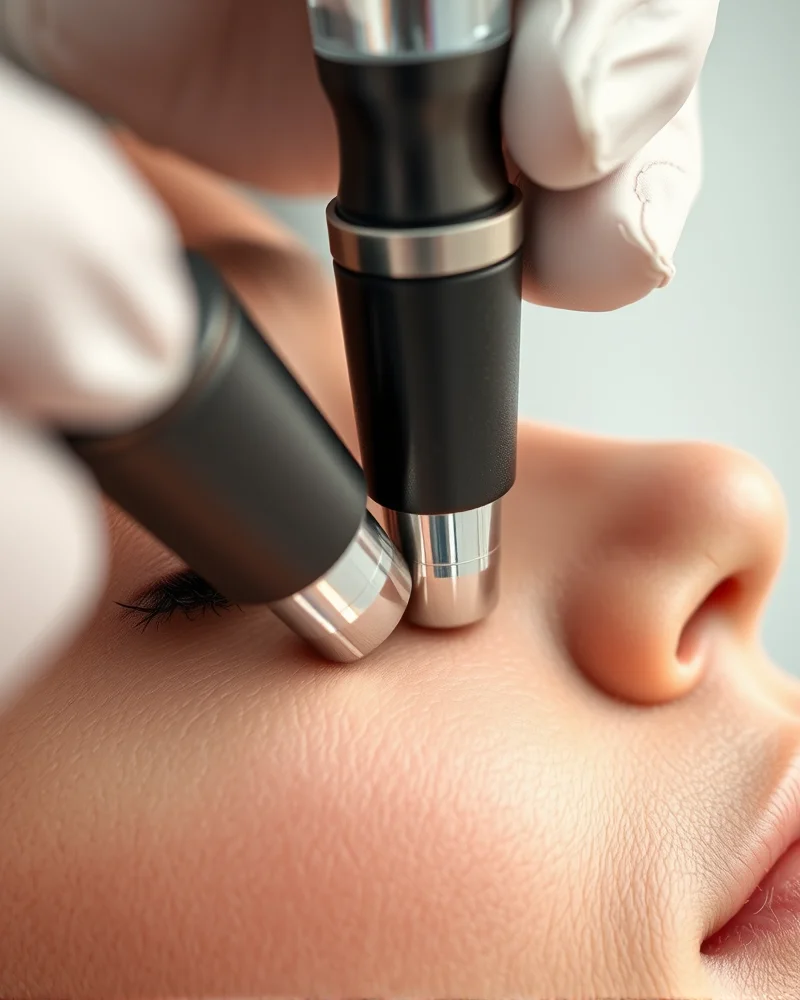
When you browse the skincare aisle, you will inevitably encounter products promising to replenish lost collagen through topical application. It is crucial to understand the biological reality here. Collagen molecules are physically too large to penetrate the stratum corneum, which is the outermost layer of your skin. Applying a cream containing hydrolyzed collagen will certainly hydrate the surface, providing a temporary plumpness and a pleasant sensory experience, but it does not technically integrate into your dermal matrix. The molecules simply sit on the surface, acting as a humectant rather than a structural building block. If your goal is true anti aging, you must shift your perspective from topical substitution to biological stimulation.
To effectively influence your skin architecture, you need agents that signal the fibroblasts in your dermis to synthesize more endogenous proteins. This is where retinoids, the gold standard in dermatological science, become indispensable. Unlike surface level lotions, retinoids like tretinoin, retinaldehyde, and retinol work at a cellular level. They bind to retinoic acid receptors in the cell nucleus, which upregulates the genes responsible for producing type I collagen and elastin. According to experts at the American Academy of Dermatology, consistent use of these vitamin A derivatives is the most evidence based approach to improving skin texture and reducing fine lines over time. This process is not instantaneous, as it requires a consistent, long term commitment to retinoid therapy to observe a visible difference in dermal density.
Beyond vitamin A, collagen stimulators include advanced topical peptides and growth factors. These ingredients function as messengers that communicate with your skin cells to accelerate repair mechanisms. However, they are most effective when coupled with healthy skin barrier maintenance. Pro tip: Always introduce high potency retinoids slowly to avoid irritation, and never neglect broad spectrum sunscreen during the day. Collagen production is futile if you are simultaneously exposing your skin to UV radiation, which actively breaks down the collagen you are working so hard to regenerate. If you truly want to see long term results, focus your budget on these transformative actives rather than superficial collagen creams.
When Should You Move from At-Home to Professional Treatments?

Navigating the transition from consistent over-the-counter maintenance to clinical intervention is a pivotal milestone in any serious skin care journey. While high-quality serums and topical actives are phenomenal for long-term health and preventative maintenance, they possess inherent limitations regarding their depth of penetration and chemical intensity. When your regimen ceases to yield visible progress over a three to six month period, or when you notice the emergence of structural changes, it is time to consult a board-certified dermatologist. As outlined by the American Academy of Dermatology, persistent issues often require medical-grade diagnostics to rule out underlying conditions or to access technologies that simply cannot be replicated in a home environment.
You should prioritize a professional consultation if you are struggling with deep-seated pigmentation such as melasma or post-inflammatory hyperpigmentation that fails to fade with brightening agents like vitamin C or kojic acid. These concerns often reside in the dermal layers where topical applications cannot reach. Similarly, if you are experiencing severe, cystic acne, professional guidance is non-negotiable. Cystic outbreaks often carry a high risk of permanent textural changes, and waiting for natural resolution can lead to unnecessary dermal trauma. A practitioner can provide prescription-strength retinoids, hormonal balancing therapies, or drainage techniques that prevent the formation of permanent pits and nodules.
Scarring represents another clear threshold for moving beyond at-home care. Whether you are dealing with icepick scars from past breakouts or significant trauma-related textural issues, the mechanical repair offered by professional procedures is unmatched. Treatments such as fractional laser resurfacing, microneedling with platelet-rich plasma, and chemical peels of high-percentage concentrations work by inducing controlled injury to stimulate a profound healing response. These methodologies offer structural rejuvenation that topical creams cannot initiate. If your reflection consistently shows stubborn skin irregularities, uneven tone, or inflammatory responses that seem resistant to your current protocols, scheduling an assessment with a medical professional is the most responsible step to preserve the integrity of your complexion and avoid the cycle of trial and error with expensive consumer products.
Does Nutrition Actually Impact Your Skin Quality?

The connection between your digestive system and your complexion is profound, a phenomenon scientifically recognized as the gut-skin axis. This bidirectional communication pathway suggests that the state of your microbiome directly influences inflammatory responses in the dermis. When your gut flora thrives, your skin barrier maintains its integrity, often resulting in a clearer, more luminous appearance. Conversely, an imbalanced microbiome can manifest as systemic inflammation, potentially triggering flare-ups of acne or eczema. Prioritizing a diet rich in prebiotic fibers and fermented foods is a foundational step toward nurturing this axis, effectively managing skin sensitivity from the inside out.
Beyond gut health, specific micronutrients play an indispensable role in maintaining dermal structural support. Antioxidants like Vitamin C, Vitamin E, and polyphenols act as a robust defense mechanism against oxidative stress caused by ultraviolet exposure and pollution. These compounds neutralize free radicals, thereby preserving the structural proteins that ensure your skin remains firm and supple over time. You might consider complementing your intake with professional advice from the American Academy of Dermatology regarding specific nutrient needs for your skin type. If you are also focusing on your aesthetic routine, you might explore protective braided hairstyles for black women to ensure your overall grooming aligns with your holistic health goals.
Hydration remains the cornerstone of skin elasticity. While topical moisturizers are vital for preventing transepidermal water loss, systemic hydration dictates the turgor and plumpness of your skin cells. Furthermore, incorporating Omega-3 fatty acids is essential for lipid barrier repair. These polyunsaturated fats are crucial for curbing inflammation and maintaining the fluidity of cell membranes, which prevents the skin from appearing dehydrated or dull. Regularly consuming walnuts, chia seeds, or cold-water fish provides the building blocks necessary for a resilient complexion. By aligning your nutritional habits with targeted skincare, you create a dual-action strategy that yields visible improvements in both texture and tone, proving that true radiance starts at the cellular level.
What Are the Most Prevalent Skincare Myths You Should Ignore?
In the digital age, viral beauty trends often prioritize aesthetics over physiological health. Navigating this noise requires a clinical perspective on dermatology. Misinformation spreads rapidly, but understanding the biological reality of your skin barrier helps you avoid costly errors.
- The Natural Fallacy: Many consumers assume that plant derived or organic ingredients are safer than synthetic chemicals. However, synthetic compounds created in a lab are often more stable, predictable, and less prone to causing allergic contact dermatitis. According to experts at the American Academy of Dermatology, allergens are just as common in natural botanical extracts as they are in preservatives. Prioritize evidence based formulations rather than marketing labels.
- The Slugging Misconception: Applying occlusive agents like petroleum jelly over your face is a trend meant to prevent transepidermal water loss. While effective for extremely dry or eczema prone skin, it is not a universal solution. For those prone to acne or congestive skin issues, heavy occlusives trap bacteria and sebum, potentially leading to breakouts. If your skin is oily, skip the slugging trend and opt for lightweight humectants like hyaluronic acid instead.
- Pore Shrinking Claims: Social media is saturated with promises to shrink pores. Scientifically, your pores do not possess muscles, meaning they cannot physically open, close, or shrink. You can, however, improve their appearance by keeping them clear of debris through the consistent use of chemical exfoliants like salicylic acid or retinoids. These ingredients promote cell turnover, which prevents the buildup that makes pores look larger and more visible to the naked eye.
- The Sunscreen Once a Day Rule: A common oversight is assuming a single morning application of SPF provides all day protection. Ultraviolet radiation intensity fluctuates, and physical friction or perspiration degrades your protective barrier within two hours. Consistent sun safety requires reapplication, regardless of whether you are indoors or outdoors. Relying on the SPF within your foundation is also insufficient, as most people do not apply enough makeup to achieve the labeled protection factor.
By shifting your focus from viral fads to dermatological principles, you create a sustainable regimen that protects your skin barrier without unnecessary irritation. Always evaluate trending techniques against your specific skin type and individual concerns before integrating them into your daily routine.
Serious Skin Care FAQ
Serious Skin Care FAQ
- How do I determine if my current routine constitutes serious skin care?
- A robust regimen transcends basic cleansing and moisturizing by incorporating clinically proven active ingredients. If you are regularly utilizing serums containing L-ascorbic acid, high-potency retinoids, or targeted chemical exfoliants like glycolic acid to address specific concerns like hyperpigmentation or loss of elasticity, you are practicing a professional-grade approach. True dermatological maintenance focuses on cellular turnover and barrier protection rather than simple aesthetic hydration. Consult the American Academy of Dermatology for standardized guidance on identifying ingredients that effectively support long-term dermal health.
- Can professional-grade products cause more harm than good?
- Potent formulations are designed to stimulate biological changes, which can lead to transient irritation if misused. Over-application of concentrated actives often disrupts the protective acid mantle, resulting in sensitized skin, redness, or a compromised moisture barrier. We recommend a slow introduction strategy, known as skin cycling, to allow your epidermis to build tolerance. Always prioritize a fragrance-free, gentle base routine to mitigate potential reactions while your skin adapts to advanced corrective treatments like concentrated vitamin A or peptides.
- Is there a specific age when one should start using advanced dermatological formulas?
- There is no rigid chronological age for starting advanced treatments because skin maturity is highly individual. However, most experts suggest that preventive measures targeting collagen depletion and oxidative stress should begin in your late twenties or early thirties. By focusing on sun protection and preventative antioxidant support early, you minimize the need for invasive corrective procedures later. Focus your efforts on your specific skin concerns, such as early fine lines or textural changes, rather than adhering to arbitrary age-based milestones.
- How long does it typically take to see visible results from a consistent professional routine?
- Biological skin renewal cycles typically span four to six weeks, meaning visible changes from consistent product usage usually manifest after three months of dedicated application. While some hydrating agents provide immediate surface plumping, corrective agents like retinol or niacinamide require patience to influence cellular regeneration and pigment regulation. Persistence is vital, as intermittent usage prevents the ingredients from achieving their cumulative efficacy. Document your progress with weekly photos in consistent lighting to objectively track improvements in tone and clarity.
The pursuit of serious skin care is a marathon, not a sprint. By focusing on ingredient science, barrier maintenance, and professional-grade consistency, you move past the cycle of trial and error. Remember, the goal isn’t just aesthetic perfection, but the long-term health of your body’s largest organ. With the right foundation established, you are now equipped to navigate the world of high-performance beauty with confidence.