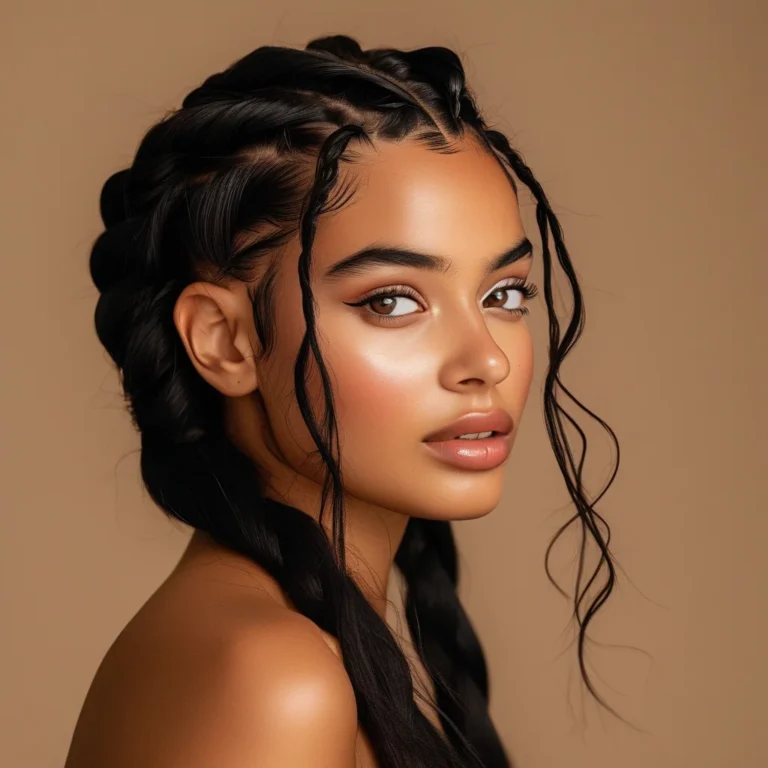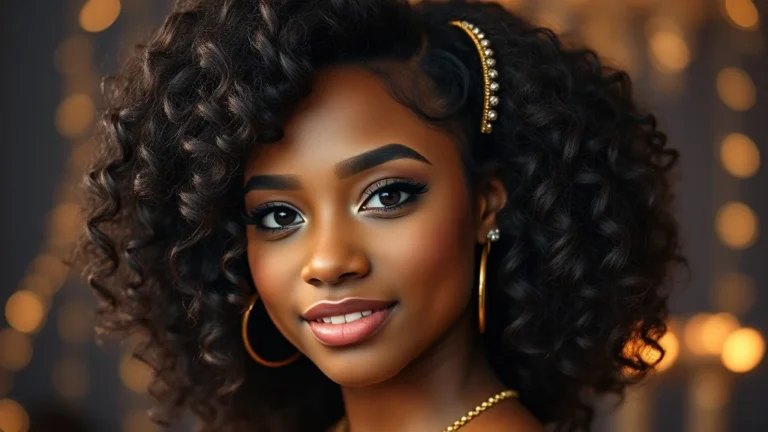
braided hairstyles for black women cornrows

Cornrows are more than just a protective style; they are an ancestral art form. If you are looking for the most versatile braided hairstyles for black women cornrows, you’ve landed on the definitive guide. In my years of styling and consulting for [Nailosmetic](https://nailosmetic.com/), I have discovered that the secret to longevity isn’t just the technique—it’s the foundation and scalp care. Whether you are aiming for intricate lemonade braids, feed-in styles, or chic goddess designs, this guide breaks down exactly how to achieve salon-quality results at home. Why is everyone suddenly switching back to traditional braiding patterns? The answer lies in hair health.
Table of Contents
- Best Cornrow Styles
- Hair Preparation
- Essential Tools
- Edge Protection
- Maintenance Tips
- Styling Versatility
- Scalp Health
- Braiding Tension
- FAQs
- Future Trends
What are the best braided hairstyles for black women cornrows?
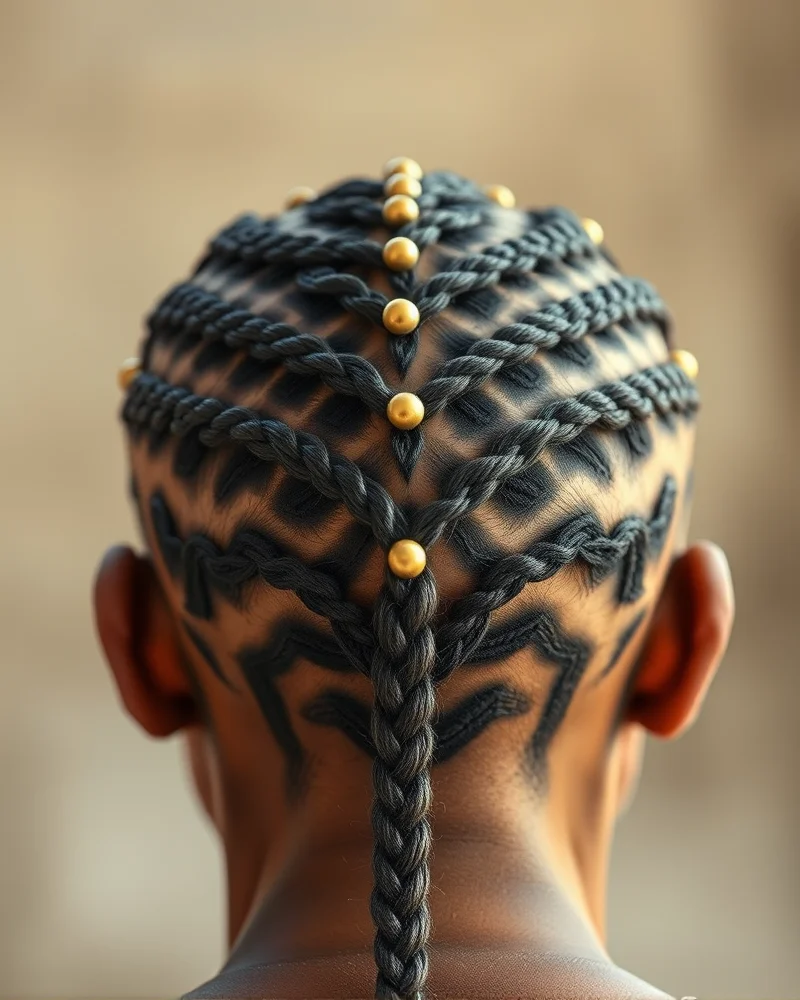
When exploring the landscape of protective styling, the geometry of scalp sectioning serves as the structural foundation for both aesthetics and hair health. Feed-in cornrows represent the gold standard for versatility and natural appearance. By gradually integrating synthetic extensions into your own hair at the root, the tension is significantly reduced, which prevents the heavy pull that often leads to traction alopecia. From my years of testing various protective measures, I have found that this technique is unparalleled for edge retention because the weight is distributed evenly across the braid rather than concentrated at the hairline.
Lemonade braids take a more artistic approach to the classic straight-back aesthetic. These are characterized by their signature side-swept pattern, which demands precise, clean parting to achieve that iconic, sleek look. The geometry here is crucial because the diagonal sections must be perfectly aligned to maintain tension balance. Beyond their striking visual appeal, they are a personal favorite for length retention. Because the hair is braided in a uniform direction, there is minimal friction against the scalp, allowing for consistent growth cycles. For those interested in maintaining overall hair and scalp wellness during this process, I highly recommend consulting the guidelines provided by the American Academy of Dermatology to ensure your styling habits support long-term follicle health.
Tribal braids, which often incorporate cultural patterns like the iconic Fulani-inspired look, offer a complex intersection of history and modern design. These styles typically involve a mix of cornrow foundations combined with free-hanging braids or decorative beads. The structural brilliance of tribal styles lies in the diversity of part shapes, such as diamonds, triangles, or zig-zags. This intricate geometry serves a functional purpose, as it allows the scalp to breathe better compared to standard straight-back designs. During my own trial periods with these styles, I discovered that the varied tension points in tribal designs help avoid localized stress, making them a premier choice for those transitioning or looking to stabilize thinning edges while keeping their protective style both functional and culturally rich.
How to prep hair for long-lasting cornrows?
How to prep hair for long-lasting cornrows?
Achieving a sleek, protective style begins long before your stylist touches your roots. A rigorous wash day routine is the non-negotiable foundation for maintaining the health of your natural hair while it remains tucked away. Think of this preparation as fortifying your strands against the structural stress that comes with intricate braiding patterns.
- Clarify to Reset: Begin with a sulfate-free clarifying shampoo to remove buildup from previous products, sebum, and environmental debris. Clean hair allows for cleaner parting and prevents the scalp irritation that often occurs when residue is trapped under extensions for weeks.
- The Deep Conditioning Mandate: Never skip a deep conditioning treatment. Hair that is dry or brittle will snap when subjected to the tension required for precise, tight braids. Use a mask rich in humectants like glycerin or honey to pull moisture into the hair cuticle, ensuring your strands remain elastic and resilient throughout the duration of your style.
- Mastering the Protein-Moisture Balance: Your hair requires a delicate equilibrium between strength and flexibility. If your strands feel gummy or overly soft, incorporate a protein treatment to reinforce the hair shaft. Conversely, if your hair feels stiff or brittle, focus on moisture-based products. Achieving this balance is essential because cornrows require the hair to be strong enough to support the weight of extensions without causing breakage at the roots.
- Detangle with Care: Use a wide-tooth comb or a detangling brush while your hair is saturated with conditioner. Working from ends to roots minimizes breakage. Starting with a smooth, knot-free base allows your braider to work more efficiently, which in turn reduces the time your hair is subjected to pulling.
- Prioritize Scalp Integrity: Tension is the primary enemy of hairline retention. According to the American Academy of Dermatology, persistent pulling and tight styling can lead to traction alopecia. Before adding any extensions, evaluate your scalp sensitivity. If you notice any inflammation or soreness, wait until your scalp returns to a healthy state before proceeding with the installation.
- Final Hydration: Seal your ends with a lightweight oil, such as jojoba or argan oil, to lock in the deep conditioning benefits. A well-hydrated base is less likely to itch, keeping you comfortable while your hair enjoys the benefits of this low-manipulation protective style.
Essential tools for braiding perfection?
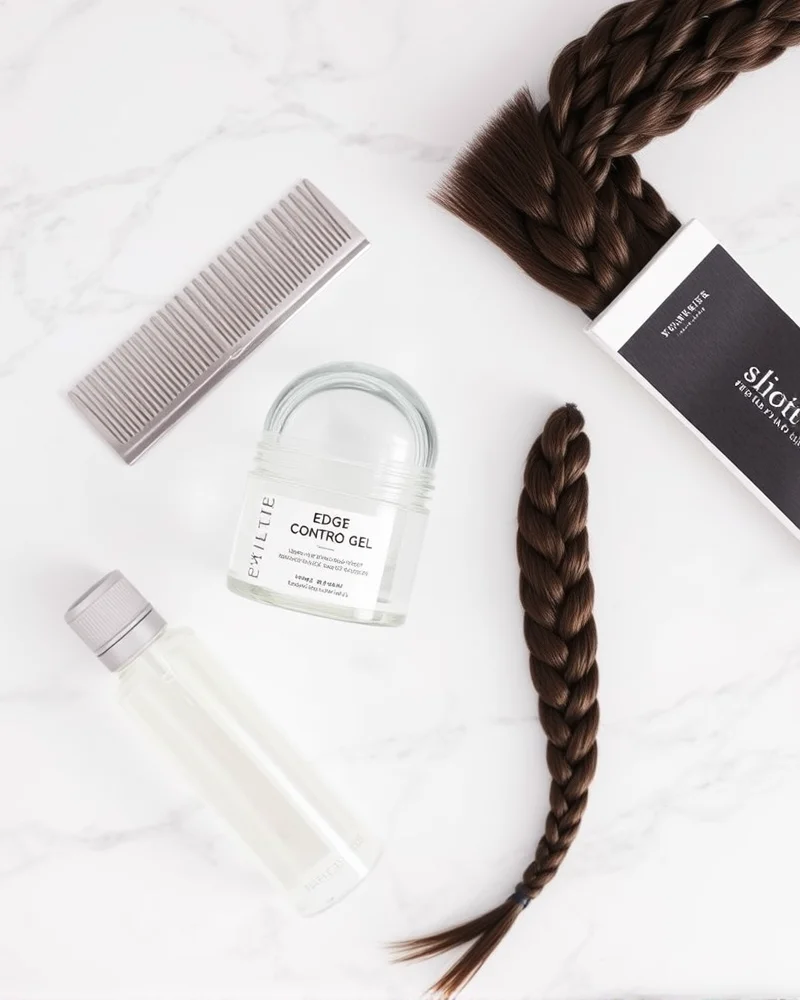
| Tool | Why It Matters | Pro-Tip |
|---|---|---|
| Rat-tail Comb | Critical for clean, geometric partings that define cornrow structure. | Use a metal-tipped comb for razor-sharp lines. Plastic tips often drag or create static, while metal glides effortlessly through textured hair. |
| Edge Control | Provides the necessary hold to sleek down baby hairs and prevent frizz. | Look for flake-free formulas that do not leave a white residue when dried. |
| Braiding Hair | Pre-stretched hair saves time by preventing tangling and thinning at the ends. | Standard bulk hair is cheaper but requires manual feathering to avoid blunt, unnatural ends. |
| Shine Mist | Adds a healthy glow and seals the hair cuticle against environmental dryness. | Apply sparingly to keep the scalp hydrated without causing product buildup. |
Achieving salon-quality cornrows at home relies heavily on your toolkit. The distinction between a mediocre style and a professional finish often comes down to the quality of your instruments. For instance, the transition from a plastic-tipped rat-tail comb to a metal-tipped one was a game changer for me. The metal tip allows for surgical precision when carving out intricate patterns, ensuring your partings remain straight and crisp. This level of detail is vital for maintaining the longevity of your style, as uneven tension from messy parting can lead to unnecessary scalp stress.
When it comes to the hair itself, I always recommend opting for high-quality synthetic fibers. While standard bulk hair is cost-effective, pre-stretched braiding hair significantly reduces the risk of tangling during the braiding process. This is especially important for those learning to master complex designs. Furthermore, the health of your scalp should remain a priority throughout the process. According to guidelines from the American Academy of Dermatology, avoiding excessive tension on the hairline is essential to prevent traction alopecia, so ensure your edge control application is gentle.
Before you commit to a complex pattern, I encourage you to browse our ultimate guide to modern hairstyles to find inspiration that suits your face shape and lifestyle. Keeping your hair hydrated is equally important; a lightweight shine mist prevents the synthetic fibers from becoming brittle and helps maintain the luster of your natural hair underneath. By investing in these fundamental tools and respecting your hair health, you set the foundation for a stunning, long-lasting look that feels as good as it looks.
Protecting your edges during braiding?
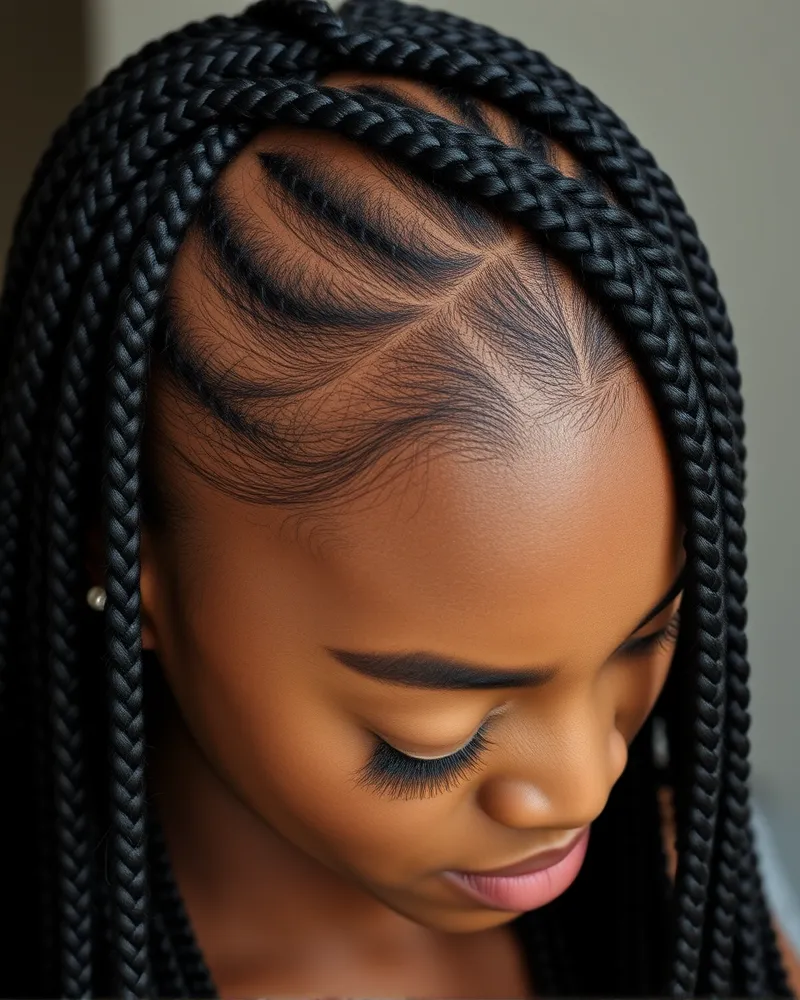
The hairline represents the most delicate region of your scalp, featuring fine, fragile follicles that are highly susceptible to mechanical stress. When your braider pulls too tightly to achieve a sleek finish, the result is often traction alopecia, a form of gradual hair loss caused by chronic tension. To maintain your structural integrity, you must prioritize a low tension approach. Before a single braid is started, evaluate the health of your perimeter. If you notice thinning, soreness, or tiny bumps known as folliculitis near your temples, avoid protective styling entirely until the area has fully recovered. According to the American Academy of Dermatology, frequent pulling is a leading cause of permanent follicular damage, making it essential to advocate for your hair health during the appointment.
Achieving longevity in your cornrows does not require an iron grip. Request that your stylist leaves the baby hairs or edge hairs out of the braided tension entirely. By leaving these fine strands free, you allow the hairline to move naturally without constant friction against the synthetic extensions. Additionally, ensure that your stylist does not use heavy braiding hair that adds excessive weight, as this extra drag pulls on the root of your hair, leading to breakage over time. Using a lightweight, high quality braiding fiber can significantly reduce the pressure exerted on your scalp.
Follow these essential guidelines to safeguard your hairline during your next styling session:
- DO insist on a grip that allows for immediate movement of the scalp; if your face feels pulled or your eyes are forced to remain wide, the tension is too high.
- DO apply a light, non-comedogenic oil to the perimeter daily to maintain moisture and flexibility in the hair shaft.
- DO sleep with a high-quality silk or satin bonnet to prevent friction against cotton pillowcases which can strip delicate hairs.
- DON’T request smaller, tighter braids at the hairline; opt for slightly larger, more relaxed cornrows in the front to distribute weight more evenly.
- DON’T ignore persistent itching or tenderness, as these are primary warning signs of excessive mechanical stress that can lead to permanent thinning.
- DON’T keep styles in longer than six to eight weeks, as the growth of your natural hair pushes the weight of the braid away from the root, creating a dangerous leverage point.
Maintaining your braids for growth?
When you choose braided hairstyles for black women cornrows, you are investing in a protective style that serves as a cornerstone for hair retention. While these styles look undeniably chic, their primary purpose is to act as a scaffold for healthy length retention by shielding your strands from mechanical damage and daily environmental stressors. To ensure this protective phase actually leads to growth, your maintenance routine is non negotiable.
Establishing a consistent night time regimen is the most effective way to prevent friction and frizz. You should always cover your hair with a high quality silk or satin bonnet. Unlike cotton, which wicks moisture away from your hair and creates snagging, silk maintains the integrity of the braid and keeps your edges smooth. If you prefer to sleep on a pillow, ensure you are using a satin pillowcase to reduce breakage if your bonnet slips off during the night. The goal is to minimize surface friction that can lead to thinning hair follicles over time.
Daily scalp care is equally vital. Your scalp needs hydration to stay supple and healthy. Use a lightweight, natural oil blend such as jojoba, sweet almond, or peppermint oil to moisturize the scalp without causing heavy buildup. Using a precision applicator bottle, lightly touch the parts of your cornrows, applying a few drops of oil. Follow this with a gentle massage using the pads of your fingers. This movement increases blood circulation to the follicles, which can support healthier growth cycles as outlined by experts at the American Academy of Dermatology.
Despite the benefits of this protective style, you must be disciplined about removal. Never leave your braids in for longer than six to eight weeks. Beyond this window, your natural shed hair begins to accumulate at the roots, leading to matting and significant tangling. This buildup creates tension and knotting that often forces you to lose more hair during the detangling process than you actually retained during the wear. By honoring this timeline, you ensure that your hair remains strong and prepared for its next protective cycle.
Styling cornrows for every occasion?

The beauty of braided hairstyles for black women cornrows lies in their incredible versatility. What begins as a high-tension, secure style perfect for a rigorous morning workout can easily transform into a sophisticated evening look with the right approach. When transitioning from the gym, focus on refreshing your scalp with a lightweight, non-greasy oil or a soothing aloe-based mist. This refreshes the hair and tames any flyaways caused by moisture or physical activity, ensuring your scalp health remains a priority as outlined by experts at aad.org.
To elevate your aesthetic for a gala or a night out, consider the strategic application of hair jewelry. Gold cuffs are an excellent choice for a minimalist, high-end appeal, while cowrie shells provide a beautiful nod to cultural heritage and texture. If you are attending a high-energy outdoor event, you might even consider pairing your upgraded braids with a playful cow makeup look for festivals to create a cohesive, bold aesthetic. When adding metal accents or beads, I have personally learned that the placement is vital. Avoid clamping metal cuffs directly onto the delicate hair at your hairline, as the weight can cause unnecessary tension and breakage over time. Instead, secure these accessories onto the thicker parts of the braid, roughly two inches away from the root.
Using high-quality, lightweight accessories prevents the dreaded sagging that heavy beads can induce after several hours of wear. I often opt for wooden beads or polished resin ornaments, which offer substantial visual impact without putting undue strain on the follicles. If you find your braids feel heavy, try distributing your accessories evenly across the scalp rather than clustering them in one section. This balanced approach protects the integrity of your protective style while allowing you to express your personal style through curated hardware. Remember that the goal is to enhance the intricate patterns of your protective style without compromising hair health, allowing you to transition from a functional gym look to a glamorous, accessorized masterpiece with complete confidence.
The science of scalp care under braids?
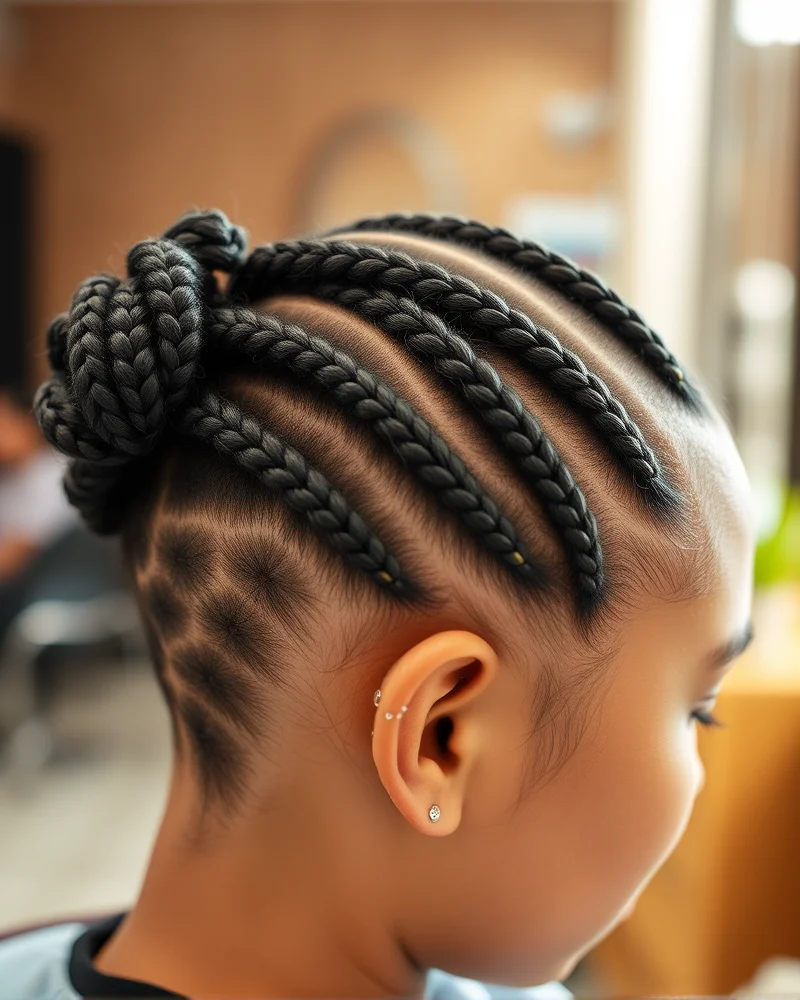
The scalp is a complex biological environment functioning as an extension of your skin, complete with its own microbiome, sebaceous glands, and hair follicles. When you wear protective styles like cornrows, this delicate ecosystem is often overlooked. Your scalp requires regular cleansing because dead skin cells, perspiration, and environmental pollutants naturally accumulate between the braids. If left unchecked, this debris creates a film that blocks the follicular opening. According to the American Academy of Dermatology, consistent hygiene is essential to prevent dermatological distress, as clogged follicles can quickly lead to irritation or seborrheic dermatitis.
Product buildup is a significant silent threat to hair health. When styling gels, edge controls, and heavy creams are layered onto the scalp, they act as a magnet for dust and impurities. This accumulation disrupts the natural lipid barrier, leading to chronic scalp inflammation. When the scalp remains in a persistent state of low-grade inflammation, the body’s inflammatory response can negatively impact the hair growth cycle. Prolonged irritation often leads to traction alopecia or thinning, as the follicle becomes compromised by the inflammatory environment surrounding it. Therefore, maintaining a clean, balanced scalp is not merely a matter of hygiene but a foundational requirement for retaining your natural hair length.
To combat dryness without adding to the buildup, you must reach for lightweight, non-comedogenic oils. Jojoba oil is an excellent choice because its molecular structure closely mimics the natural sebum produced by your scalp, allowing it to penetrate and hydrate without clogging pores. Similarly, tea tree oil offers potent antimicrobial and anti-inflammatory properties, which help soothe an itchy scalp and keep the skin microbiome in check. Incorporating these oils into your maintenance routine provides the necessary moisture balance to keep the dermal layer healthy. Think of your scalp as the soil for your hair; if the soil is neglected or clogged with stagnant debris, the hair it produces will struggle to flourish. Aim to gently cleanse your scalp using a diluted shampoo mixture every ten to fourteen days to ensure your braids remain a benefit rather than a burden to your hair health.
Common fears about braiding tension?
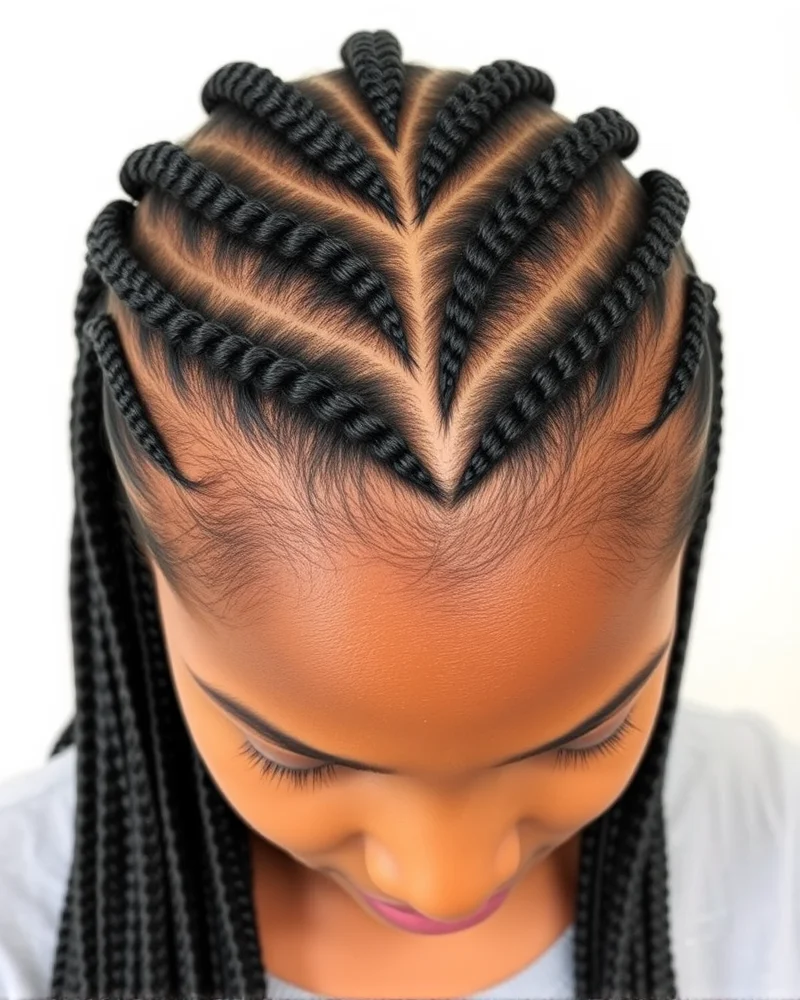
A prevalent misconception within the natural hair community is the idea that a tighter grip equates to a longer lasting style. In reality, excessive tension is the fastest way to invite traction alopecia and permanent follicle damage. Your scalp is a living ecosystem, and when hair extensions or natural strands are pulled with extreme force, it disrupts blood circulation to the hair bulb. This mechanical stress can lead to thinning edges, receding hairlines, and chronic scalp inflammation. According to the American Academy of Dermatology, any hairstyle that causes constant pulling puts you at significant risk for hair loss that can become irreversible if the tension is not relieved immediately.
It is time to discard the myth that beauty requires pain. Many clients equate the initial soreness of a new installation with the quality of the work, but there is a distinct difference between a firm hold and a painful, skin stretching tension. If you feel as though your hair is being ripped from the root, or if you notice small red bumps forming along your hairline immediately after the braiding process, the style is undeniably too tight. These symptoms are your body’s urgent warning signs that your follicles are under duress. A professional stylist should be able to create a secure, neat, and long lasting look without compromising the integrity of your scalp.
Communication is your most powerful tool in the stylist chair. Before the first section of hair is parted, establish a clear expectation that comfort is a priority. Do not be afraid to voice your concerns if you feel the braider pulling too aggressively. If you experience discomfort during the service, speak up immediately. A skilled technician will respect your feedback and adjust their tension without taking offense. Remember, you are the final authority on your comfort level. If your stylist dismisses your pain by suggesting that the tightness will subside in a few days, it is a sign that the tension is excessive and likely harmful. Prioritize the long term health of your hair over the temporary aesthetic of an overly pulled style, and always advocate for a gentle touch that preserves your natural growth patterns.
Frequently Asked Questions
Frequently Asked Questions
- How often should I wash my hair while wearing cornrows to maintain scalp health?
- You should aim to cleanse your scalp every seven to ten days. Since your natural hair is tucked away in protective styles, dirt and product buildup can accumulate near the roots. Use a diluted sulfate-free shampoo in a spray bottle to reach the scalp directly without disturbing the braid pattern. Always follow up with a light leave-in conditioner to prevent dryness. For more tips on keeping your skin and scalp protected, refer to the experts at the American Academy of Dermatology.
- What is the typical lifespan of cornrow styles before they need a touch-up or removal?
- The longevity of these braided hairstyles for black women cornrows generally ranges from two to six weeks. The duration depends heavily on your hair texture, the tightness of the braid, and how well you wrap your hair at night. If you notice significant frizz or excessive new growth, it is a sign that your natural hair needs a rest. If you want to experiment with different aesthetics, you might also enjoy learning how to perfect your bunny makeup look for Halloween to complement your new protective look.
- Is it normal for my scalp to feel painful after getting my braids installed?
- Mild tenderness is common immediately after service due to the tension required for a clean finish. However, significant pain, throbbing, or the development of small bumps suggests the braids are too tight. This is a primary cause of traction alopecia. If your scalp feels painful, do not ignore it. Loosen the braids immediately or remove them to prevent permanent damage to your follicles. A professional braider should always prioritize the integrity of your edges and crown.
- How can I keep my braids looking fresh and neat for a longer period?
- Maintaining your look is all about protection and moisture. Wrap your hair in a satin or silk bonnet every single night to prevent friction and frizz. Use a lightweight sheen spray or natural oil like argan oil to keep the synthetic extensions looking vibrant. If you have flyaways, a small amount of mousse applied to the braids followed by a quick wrap with a silk scarf will smooth everything down perfectly.
Future trends in braiding?
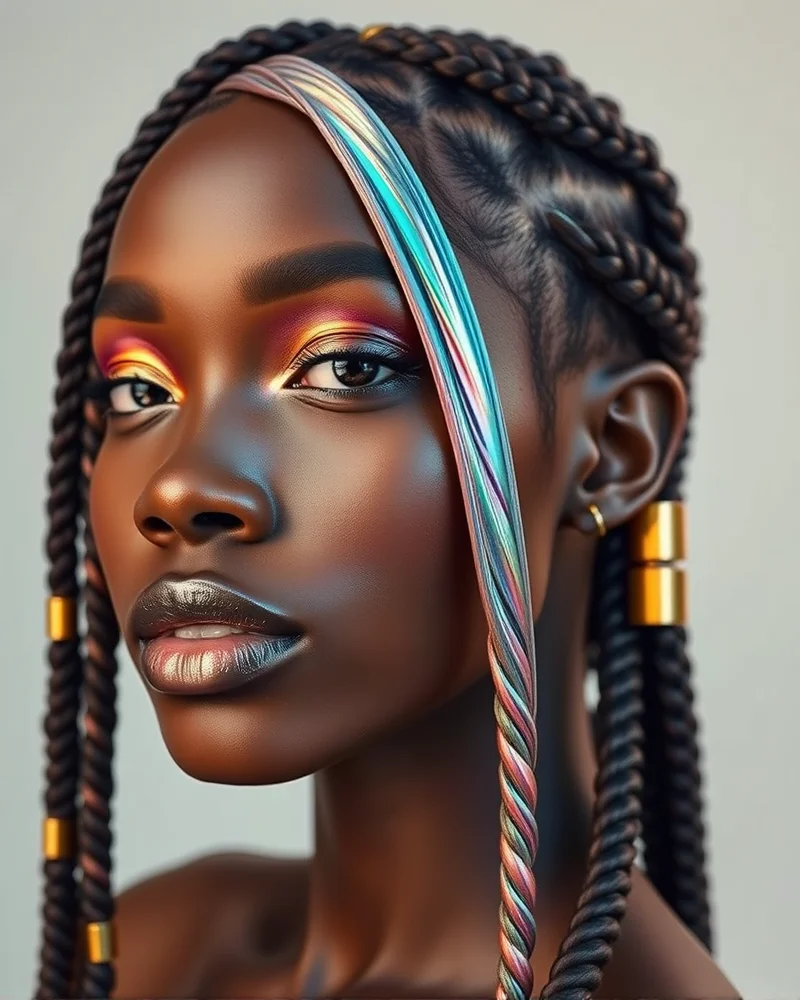
The landscape of protective styling is undergoing a radical metamorphosis. As we look toward the horizon, the evolution of the industry is shifting away from traditional symmetry toward avant-garde artistry that pushes the boundaries of cultural heritage. We are witnessing a surge in creative color usage, where stylists are no longer limiting themselves to natural tones. Instead, neon gradients, platinum blondes, and holographic synthetic extensions are being woven into intricate cornrows to create a multi-dimensional aesthetic that functions as wearable art. This shift represents a broader movement where the hair acts as a canvas for self-expression rather than just a utilitarian protective style.
Another emerging frontier involves the integration of mixed-texture braiding. By combining sleek, high-tension synthetic fibers with raw, curly human hair extensions, stylists can achieve a voluminous, deconstructed look that mimics natural coils. This technique creates a seamless blend between hair health and high fashion. As discussed on the official page for hair health by the American Academy of Dermatology, maintaining the integrity of the hair follicles remains paramount, so this mixed approach allows for softer tension while achieving maximum impact. Furthermore, asymmetrical patterns are gaining momentum. Moving away from the classic straight-back or sunburst designs, the industry is embracing fluid, organic curves that follow the natural contours of the head. These non-linear sections create a sense of movement and visual rhythm that makes the final style feel more bespoke and dynamic.
Looking ahead, we can expect the incorporation of high-fashion accessories to become even more granular. Think micro-metallic charms, iridescent cuffs, and even fiber-optic LED integration for editorial shoots. This intersection of technology and traditional craftsmanship is where the future lies. For those looking to stay ahead of these trends, professional advice suggests opting for moisture-rich products to ensure the hair underneath remains supple as it adapts to these increasingly complex, high-art structures. The future of braiding is undoubtedly maximalist, focusing on the synthesis of structural engineering and bold, chromatic experimentation.
Mastering the vast array of braided hairstyles for black women cornrows requires a blend of technique, patience, and high-quality products. As I have learned through my own journey, the most beautiful braids are the ones that respect the health of your natural hair underneath. Whether you’re a beginner or a seasoned pro, prioritize scalp care, listen to your hair’s tension limits, and don’t be afraid to experiment with new patterns that define your personal aesthetic.